

How to Avoid Knee Pain in Old Age: What to Start Doing at 50
Sep 7, 2026
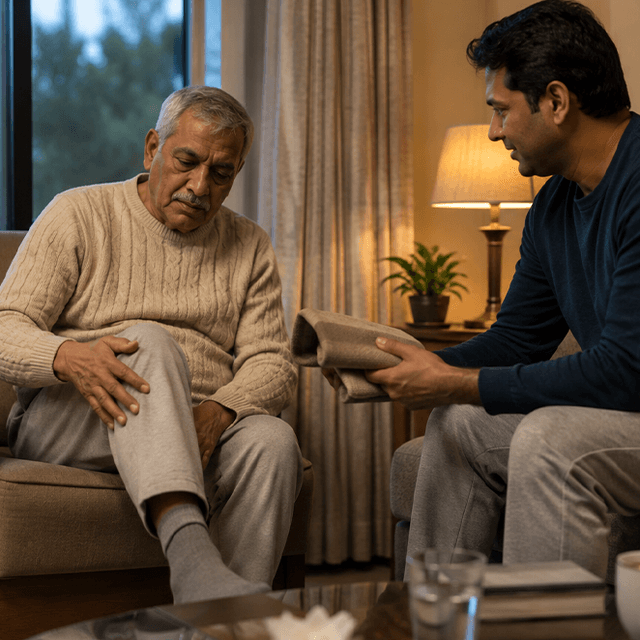
Knee pain tends to be a daily concern for many families after 50. Your parents may begin avoiding the stairs, stop going on walks, or start to sit for longer periods of time as standing becomes a problem. To reduce pain and help protect daily function, adjustments to movement, strength, weight, footwear, and home safety can all help.
Pain should never be thought of as an inevitable part of aging. The goal should not be trying to completely eliminate all knee pain or issues that may arise. The goal should be more along the lines of trying to provide safe movement for the knees, detecting and intervening on issues that can be treated, and working to eliminate habits that may put additional strain on the knees.
Take things one step at a time and consult a doctor or a physiotherapist when pain persists or worsens and when normal activity cannot be continued.
Why Knees Tend to Hurt More with Age
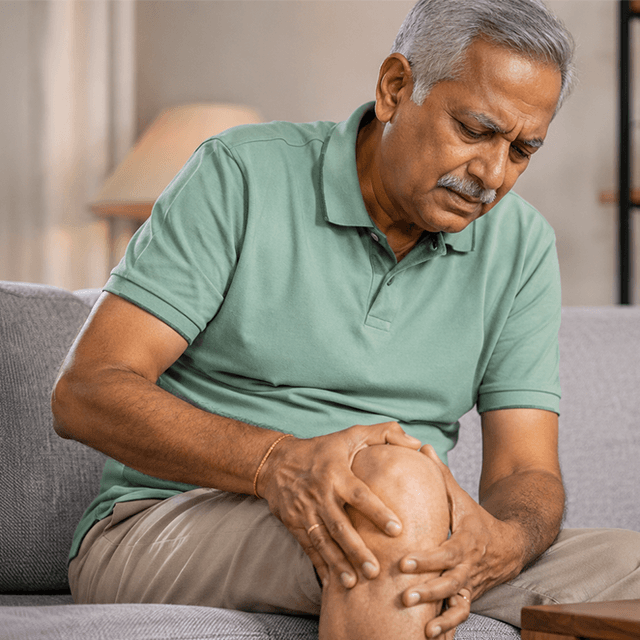
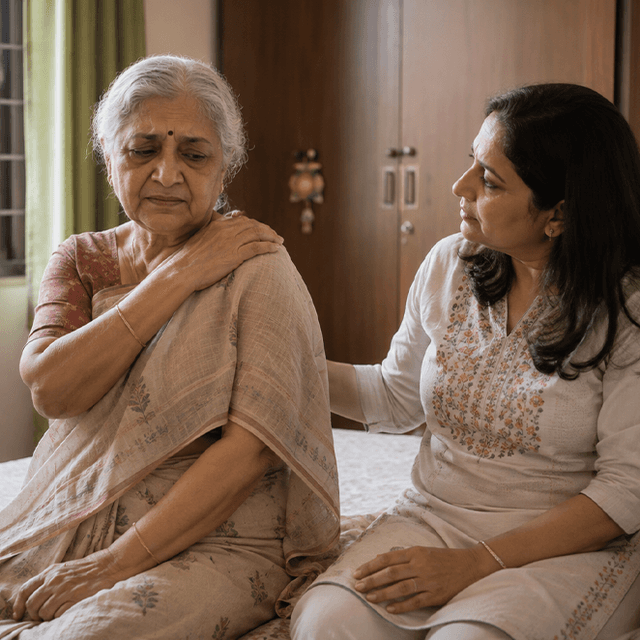
Knee pain is often a multifactorial process that can either be chronic or acute, with joint pain and stiffness being the primary symptoms. There are numerous reasons for knee pain to occur, including joint inflammation or arthritis, muscle inflammation, weak muscles and tendons, injury, and joint pain that can be caused by the hip and/or spine.
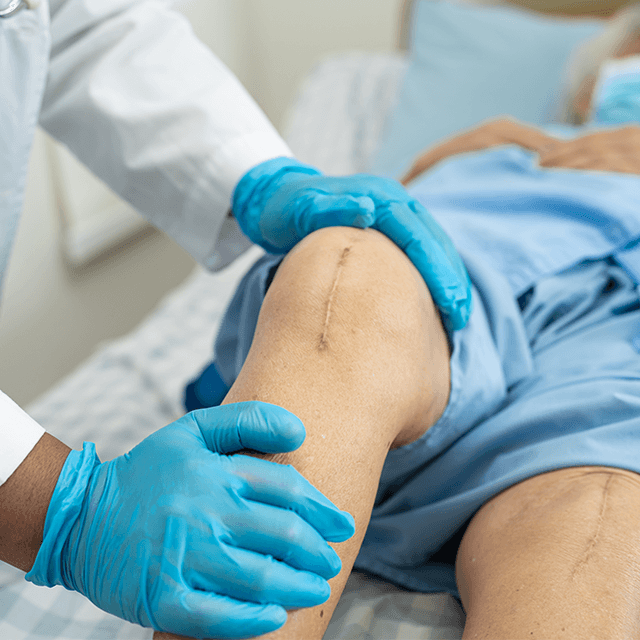
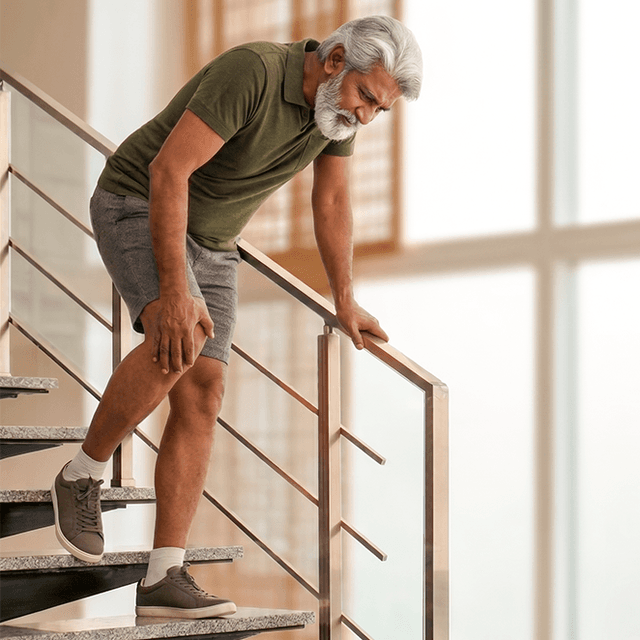
Pain when going downstairs, pain at night, stiffness, swelling, joint locking, or instability are all important symptoms for a healthcare professional to know. Symptoms such as warm, red, swollen joints and pain that came on suddenly may be caused by new injuries.
Strength Building Exercises
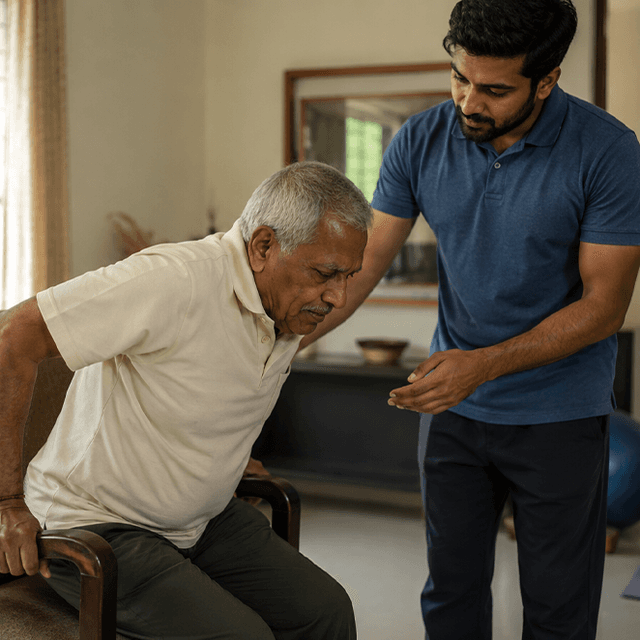
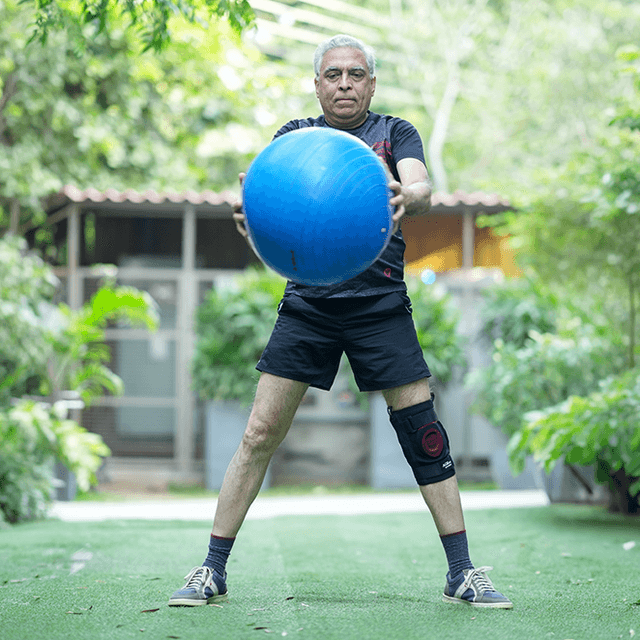
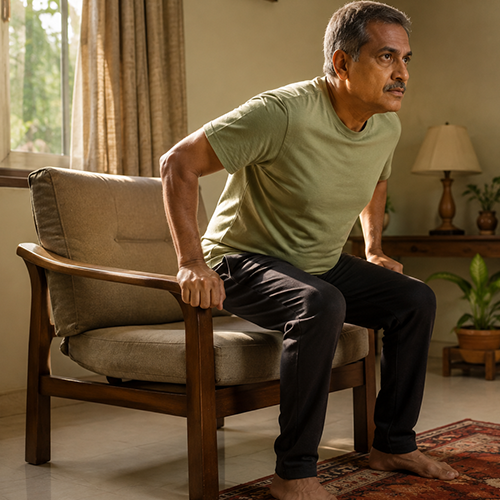
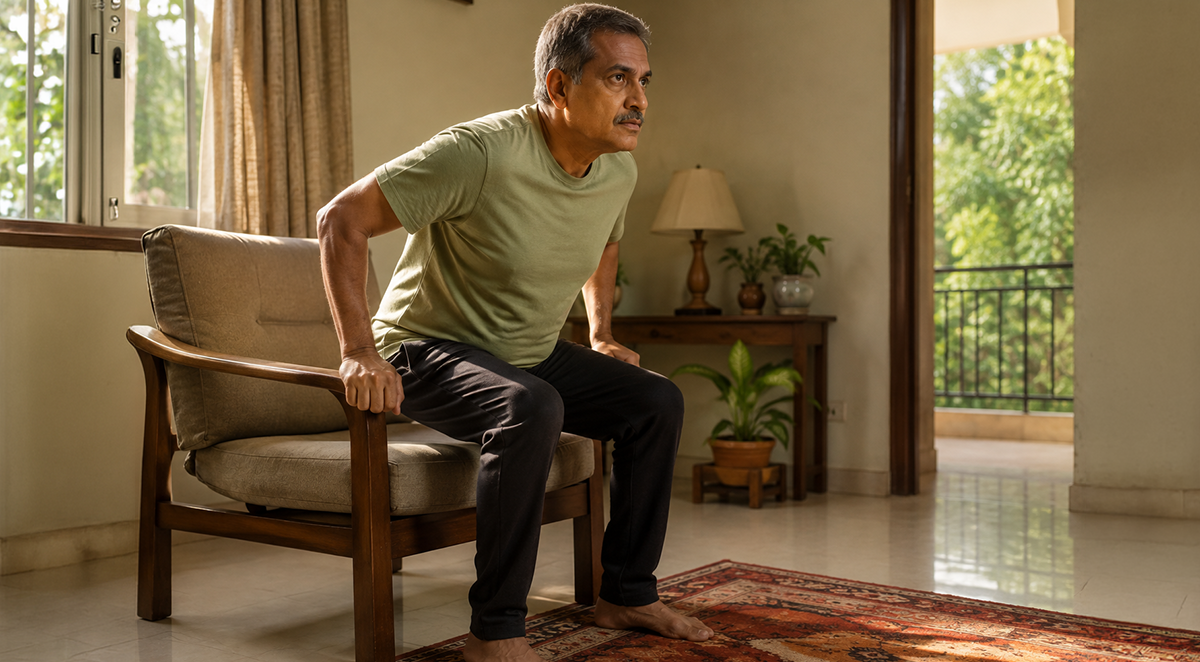
Thigh, hip, and calf muscles, when strong together, help your parent better control movement throughout the day. A physiotherapist can choose specific exercises based on the knee, balance, heart health, and other concerns. Programs usually incorporate a sit-to-stand technique, straight leg raises, calf raises, and strengthening exercises for the hips. The number of repetitions and the amount of resistance for each person will be different.
Start with a small amount and gradually increase. What feels like a mild muscle effort can cause sharp joint pain. Stop and seek advice if you experience significant swelling, a new limp, severe pain, or if the pain or swelling persists after the exercise is complete. Some may benefit from chair exercises while some would benefit from water exercise or supervised strength training.
Keeping Active Throughout the Day
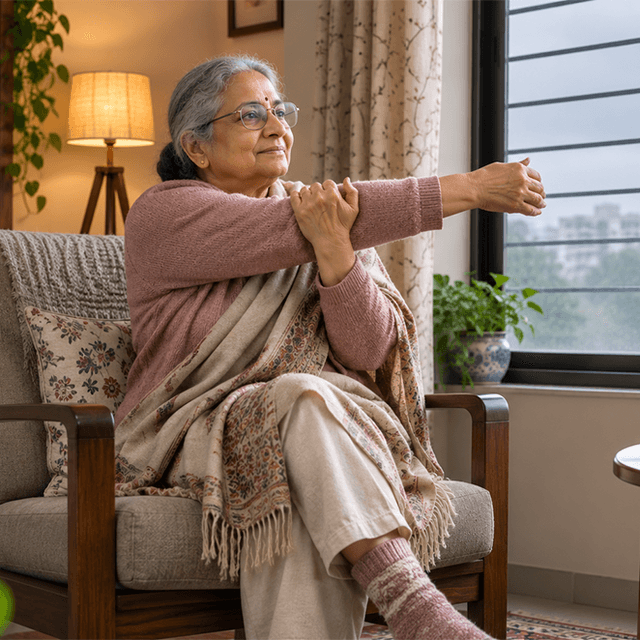
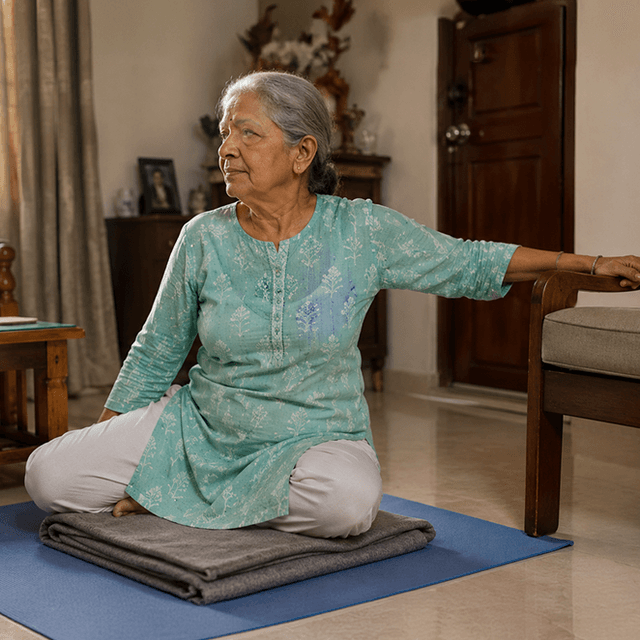
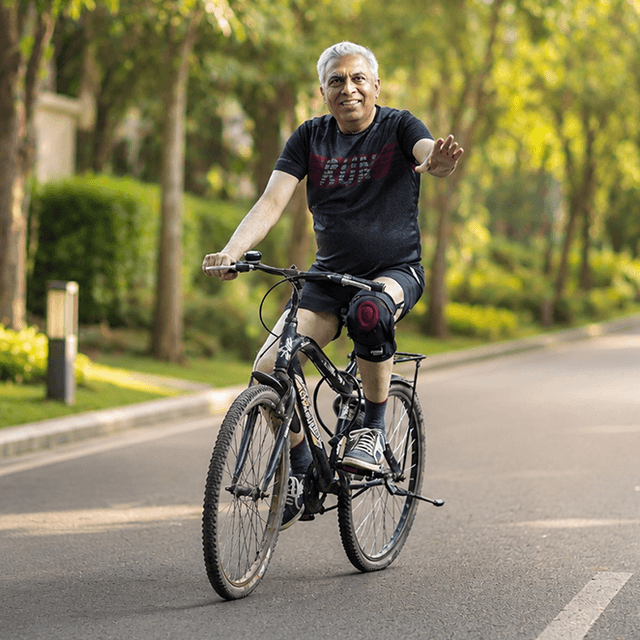
Stretching and moving breaks every 30 to 60 minutes are especially important to avoid stiffness caused by sitting for too long. These breaks can include short walks around the room. Sitting or standing ankle exercises or gentle exercises recommended by the physiotherapist may also be used. Walking to remain active can also be supplemented by activities like cycling if it is done with low resistance and with the added benefit of water-based exercises.
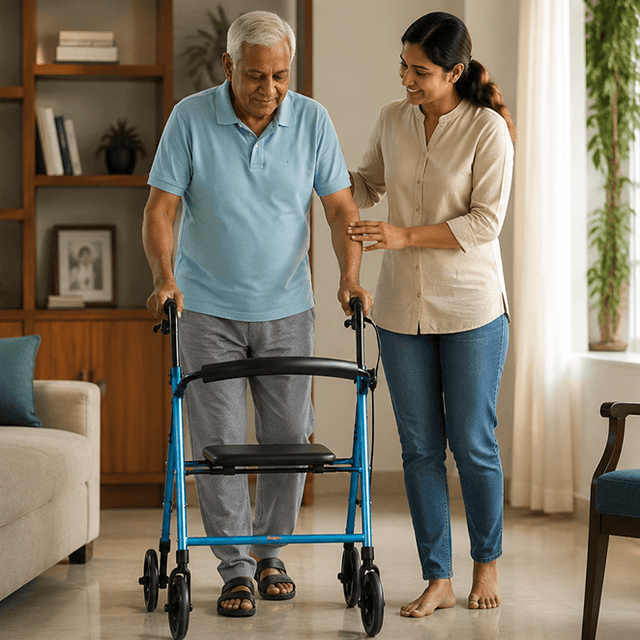
Shoes with good stabilizing soles are more helpful than worn slippers. Comfortable shoes with a secure fit should be used over the suggested older shoes with an uneven sole. A cane or walker should be used according to prescription and checked by a physiotherapist for the proper height to avoid changes in posture that can cause increased strain.
Gradual Weight Loss
Having your parent gradually reduce how much weight they carry can greatly improve their quality of life and mitigate weight strain on their knees. Meals should be consistent, otherwise nutritional gaps can lead to a host of negative health and behavioral issues. Regularly spaced, adequate protein and fibre are good choices, as well as optimal water intake. A dietitian can create a personalized diet to assist diabetes, high blood pressure, and renal insufficiency.
Crash diets will only make your parent more frustrated and have diminishing returns. Do not give your parent any unverified supplements or let your parent take any supplement without talking to their doctor first to examine how it may interact with the other medicines your parent is taking, especially if your parent has chronic kidney disease. Joint supplements should not be a substitute for exercise.
Knee Protection
Explain to your parent the proper technique to avoid overstraining the ligaments. This is done by preventing deep knee bends, kneeling for an extended time, twisting at the waist, and avoiding lifting while turning. Squats and prolonged kneeling should be avoided. Use a chair with a height and width that properly supports the user. To save time and trouble for them and their back, keep all items at waist level and don't forget to ask them to take periodic breaks.
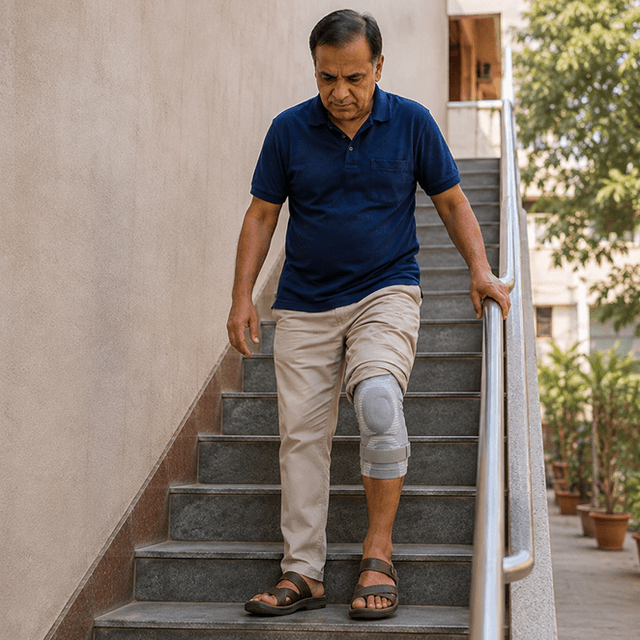
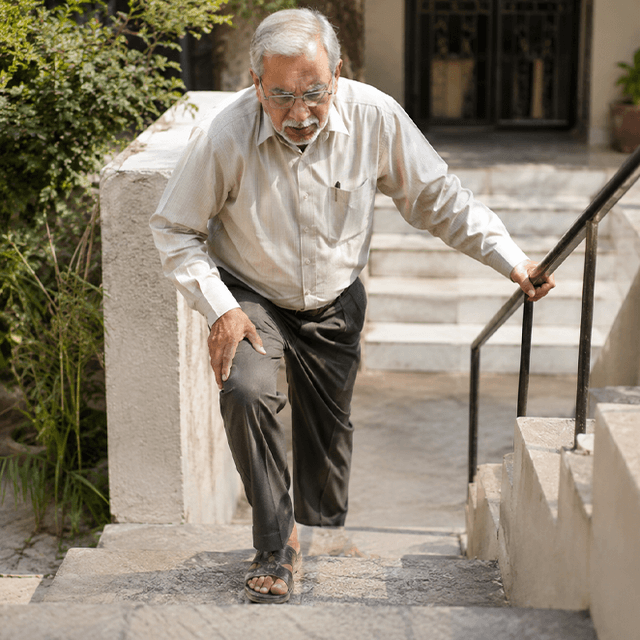
Activities on the stairs need to be approached carefully. Ask them to hold on to the railing. Make sure the steps are well-lit. Even though they should carry small loads, stairs should NOT be used for transporting heavy objects. If in doubt about your parent's knee feeling weak or unstable, consult a medical professional about proper technique and whether you should have assistance. Avoid rushing to the bathroom at night. Don't forget to leave a path lighted and clear to the restroom.
Comfort Knee Caps Should Not Replace Treatment
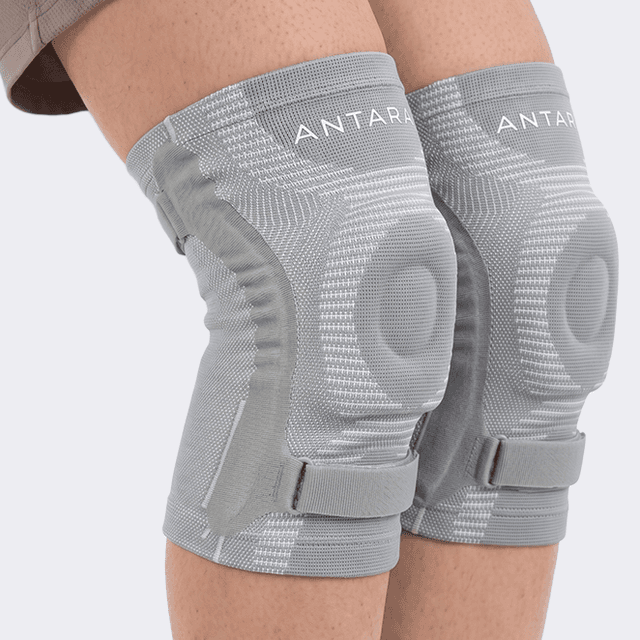
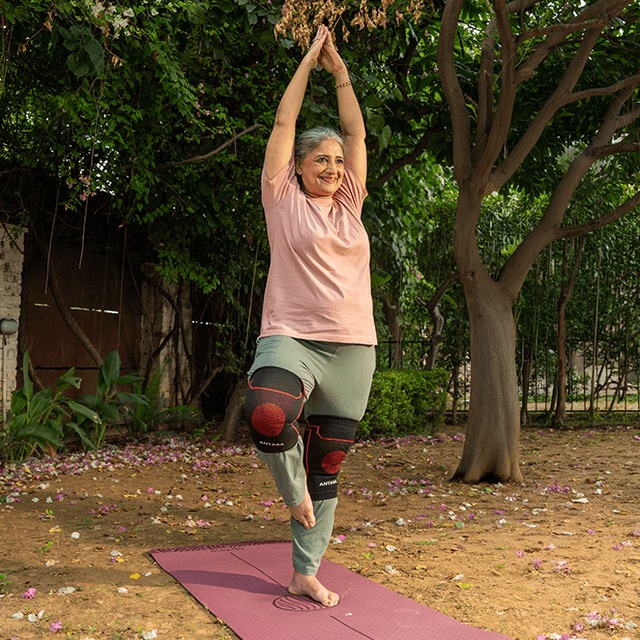
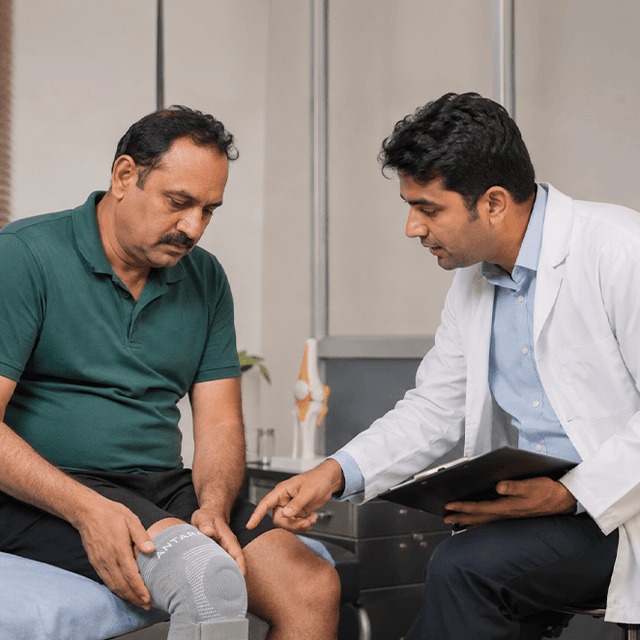
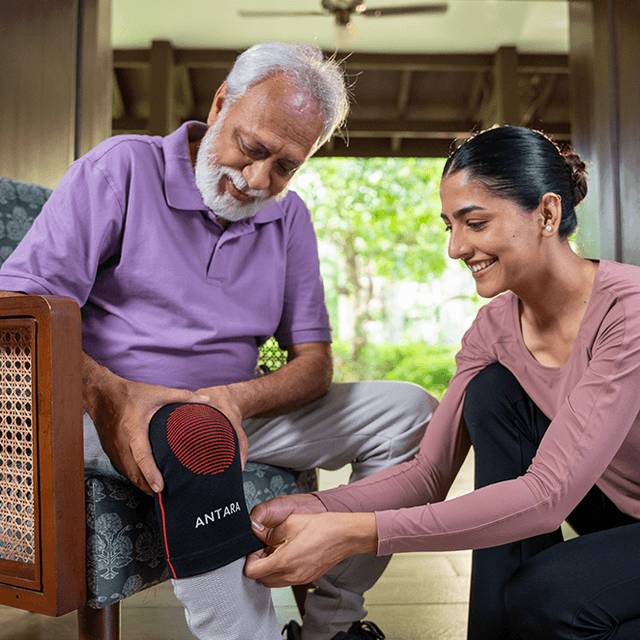
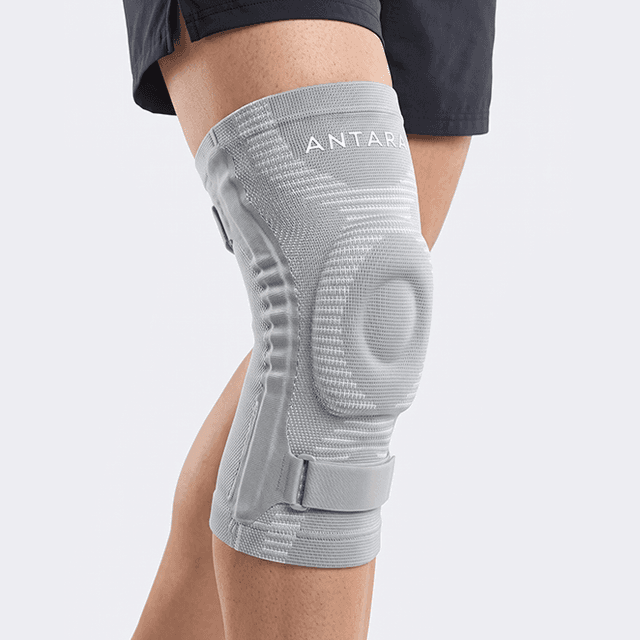
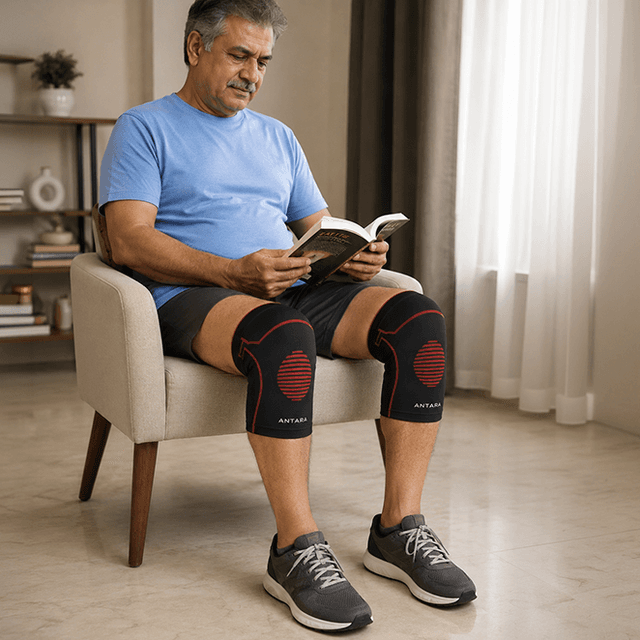
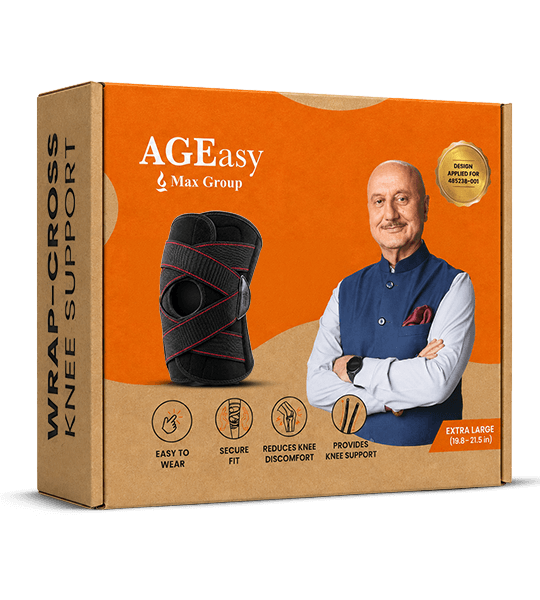
An AGEasy Comfort Knee Cap provides minor support and warmth, but can be used while doing approved everyday activities. Fit is very important. The knee support should not cause any pain. The use of a knee cap should not be used in lieu of treatment, and should not be used to cover pain that most likely needs to be assessed by a doctor.
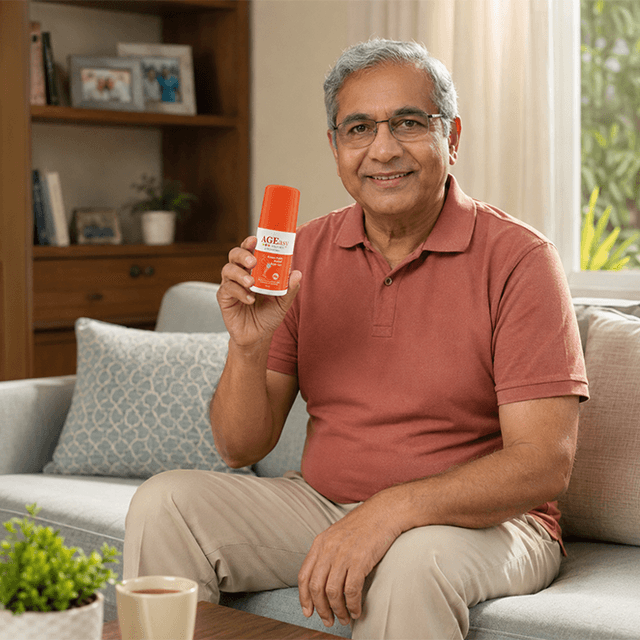
AGEasy knee pain relief gel or patches should only be used as directed on the label, and only after being approved by a pharmacist or doctor. If a parent has sensitive skin or skin allergies and/or reduced skin sensitivity, or if they use other topical products, extra care should be used. Stop use if a rash or burning develops.
Reduce Fall Risk at Home
A painful knee increases the risk of falls because parents move more slowly, hold onto furniture, and avoid lifting their feet to step. Remove loose rugs and clutter. Add grab bars near steps and the toilet. Keep floors dry. Place a stable chair near dressing areas.
An AGEasy toilet grab bar with floor support or a fold-up grab bar installed correctly may help with bathroom transfers. Choose the product based on the wall, floor, available space, and the way a parent moves. Grab bars should never be considered to be a replacement for walking aids, supervision, or a treatment plan.
When to Seek Medical Attention for Pain
Ongoing pain or pain that occurs frequently, pain that interrupts sleep, pain that limits your parent's ability to walk, pain that makes stairs harder to navigate, or any pain that makes normal daily activities more difficult all require a trip to the doctor.
You should make note of where your parent felt the pain, what triggers it, what makes the pain feel worse or causes stiffness or swelling, if you have fallen, and what medicines your parent takes. Your doctor will most likely want to look at their knee to see if they think an X-ray or other tests, or even a referral to physical therapy, are needed.
You should always seek immediate medical attention after your parent experiences a severe injury, or if your parent is unable to put any weight on their injured leg, has a joint that is swollen and hot, has a fever, has a new deformity, has an intense painful injury, or is experiencing calf swelling that is coupled with chest pain or shortness of breath.
After the age of 50, give your parent the chance to prepare by practicing some exercises to improve the strength of their joints and increase their balance. Keep all these exercises simple and keep track of how much they do as well as how much pain they are in. Helping them become independent and strong is the ultimate goal.
This article is a resource for caregivers and does not provide any medical advice for knee pain.