

Knee Immobilizer Uses: Post-Op, Fracture, ACL and Ligament Injury
Sep 7, 2026
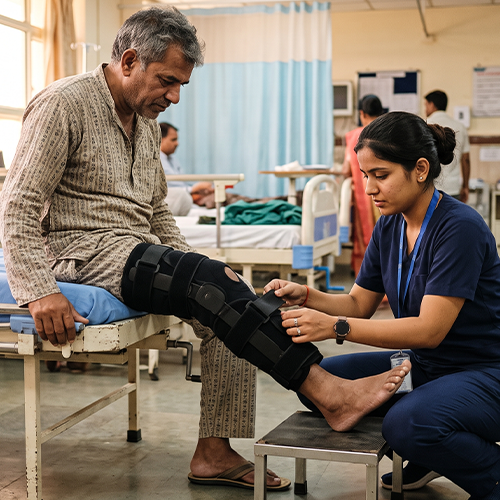
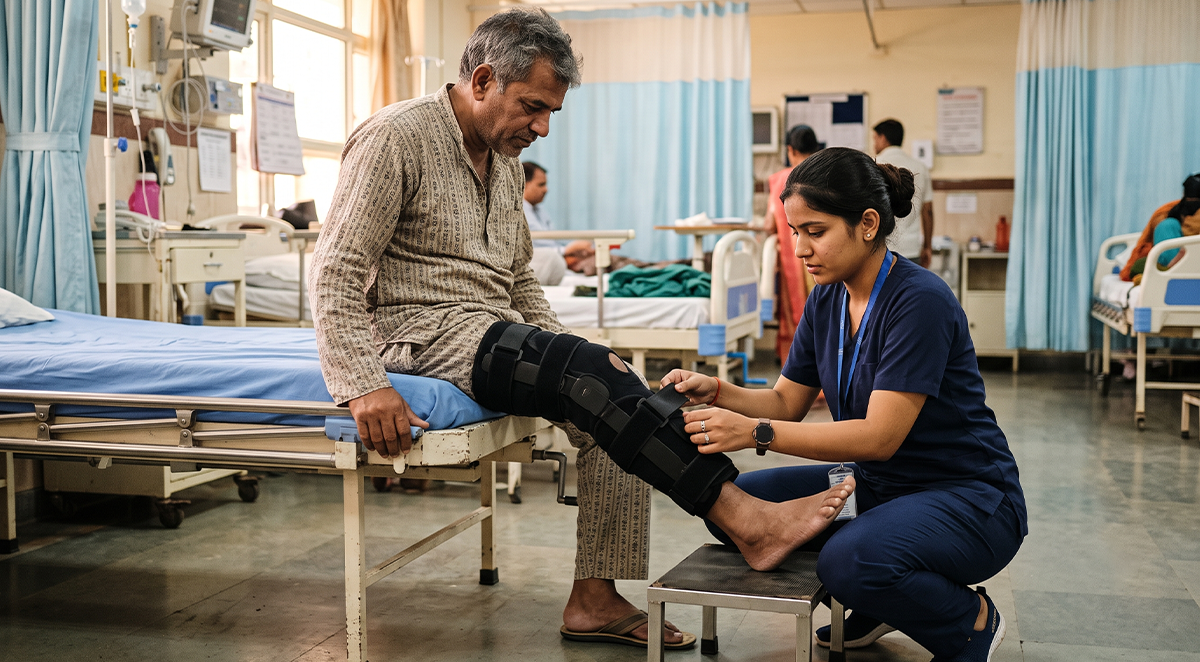
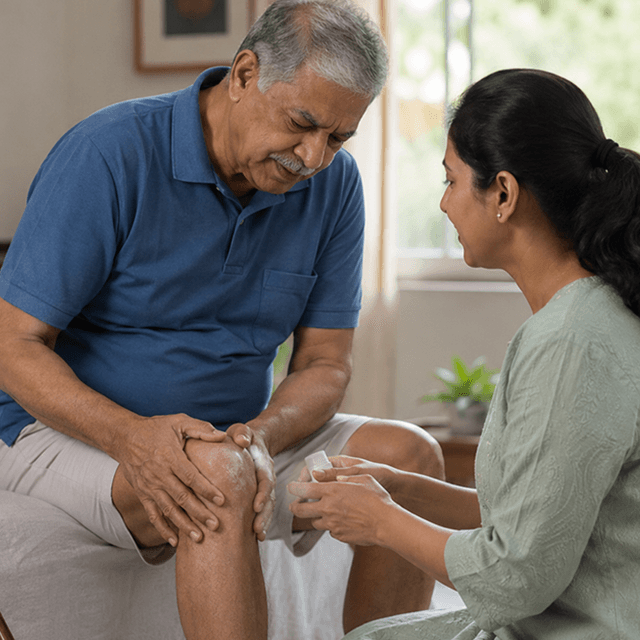
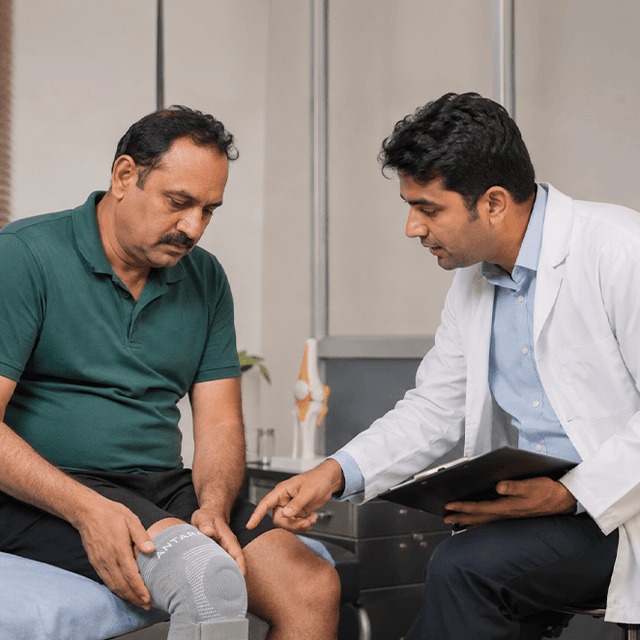
For many families, a knee injury creates the biggest challenges while waiting in the hospital for the next appointment. Your parent may wish to be able to stand, turn in bed, or be able to walk to the bathroom. In these situations, a knee immobilizer may be recommended to provide temporary support and limit movement of the injured knee.
The knee immobilizer is a brace that limits the motion of the knee. These immobilizers are used for certain grades of injuries, and for a brief period of time, in the early stages of the healing process.
It is not a remedy for all knee pain, and it will not heal a fracture or a torn ligament. The proper use depends on the diagnosis, the examination, the imaging, surgery, the skin condition, and the rehabilitation plan.
What Is a Knee Immobilizer?
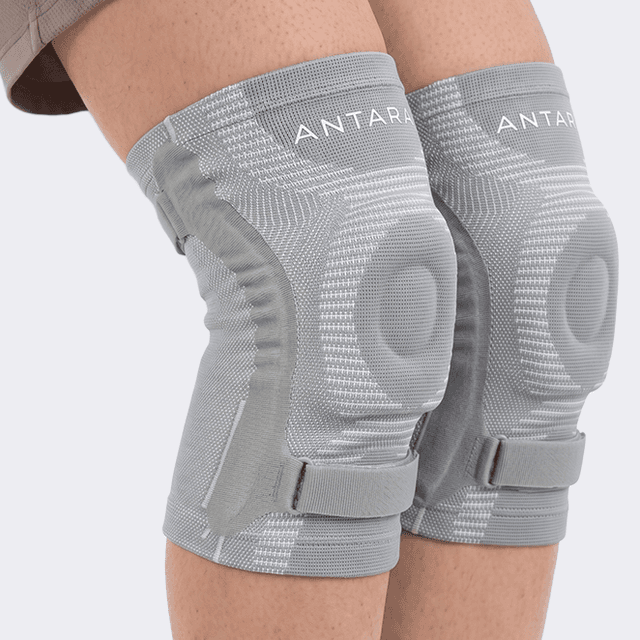
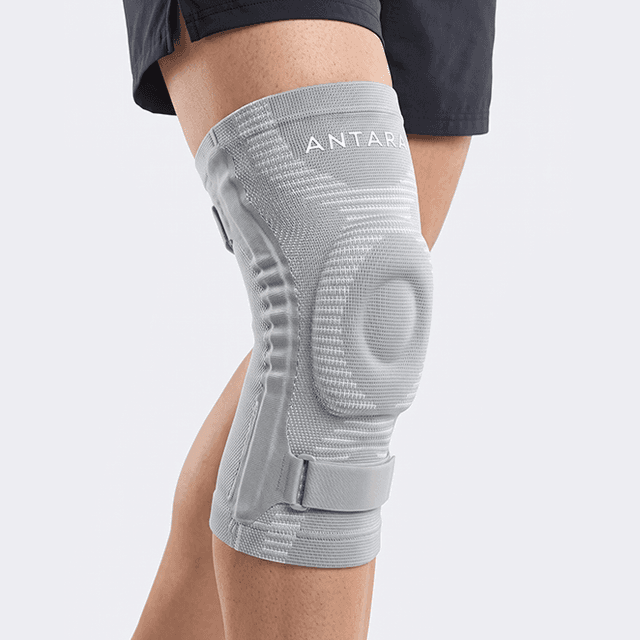
The majority of designs for knee immobilizers consist of a rigid brace that extends from above the knee to just below the knee and is secured around the thigh and lower leg with straps. They restrain motion in the knee and prevent excessive motion in the joint. Designs that have side supports and adjustable straps may be used for immobilization of particular joints. Hinged knee braces are different from knee immobilizers. These braces allow some motion and are used for a more advanced stage in the healing process of certain injuries that require more stability than complete immobilization.
The treating clinician determines the correct support based on the particular injury. A shop listing or vague description of a product won't help you figure out which brace your parent needs. Determine if your parent will need to wear the brace all day, during transfers, during the night, or during specific activities. Determine when the brace can be removed for skin checks, bathing, exercises, or physiotherapy.
Knee Immobilizers After Surgery
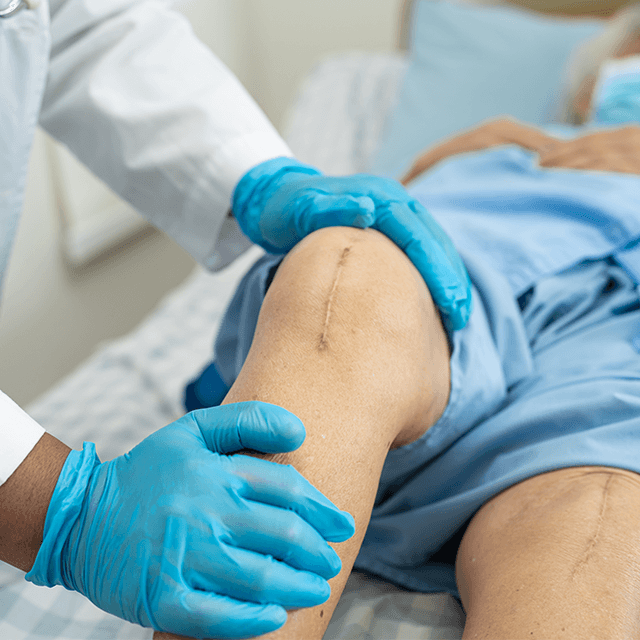
Some knee surgeries include the use of an immobilizer to protect the surgical site during the initial stage of the healing process. The use of an immobilizer aids in the healing process by limiting the amount of knee bending. Following other surgical procedures of the knee, such as ligament, fracture, or tendon reconstruction, the use of an immobilizer is based on the design of the surgical procedure and the stage of the healing process.
Some surgical-procedure specific post-operative instructions dictate the initial use of immobilizers. Your parent is not authorized to adjust the angle or remove the immobilizer for any reason; for example, based on the advice of a family member or friend, or to walk or begin the exercises. The surgical team or physical therapist dictates the position of the immobilizer during bed mobility and transfers and on the stairs.
Follow the instructions for the dressing, toes, and skin checks. Keep the brace and the dressing dry. Avoid placing any loose padding or other materials under the brace unless the clinical support team gives directives.
Excess padding may create pressure and/or change the fit and function of the brace. If the brace is loose, creating pressure marks, failing to hold the leg in the correct position, or is sliding, contact the clinical support team.
Knee Immobilizer Use for a Fracture
Depending on the type of fracture, a knee immobilizer can be a useful temporary solution for providing stability and reducing mobility, while the patient waits for further assessment, a cast, surgery, or a treatment plan. In some cases, the patient can apply partial weight to the affected limb. However, this is only permitted when the patient's fracture and the instructions provided by the physician allow for it.
As braces are not necessarily designed to allow walking, you must not assume that a brace allows walking. Some fractures even necessitate complete non-weight-bearing care. Others may require assessed walking, with a supervising aide. It is best to clarify with your physician, care aide, or other healthcare professional to understand the instructions pertaining to which parts of the leg may touch the ground, and whether or not partial weight-bearing is authorized.
A knee immobilizer may assist in reducing mobility for the care aides and patient during frequent required trips to the bathroom. In some cases, it may be beneficial to install an AGEasy commode frame if a bedside commode is installed at the bed.
Ensure the path is clear to the bedside commode and other household amenities. Providing assisted transfers until the medical team determines the patient is safe to be independent will relieve the burden on the care aides until then.
Knee Immobilizer and ACL Injury
An ACL injury (an injury to anterior cruciate ligament) does not always require a complete immobilizer. There are several different approaches to treatment. In some cases, a post-injury patient is sent home with a brace that's worn for a week or so, while others progress to a hinged brace for guided rehabilitation. It is a case by case basis and depends on swelling, pain, additional injuries, the health and stability of the patient's knee, and the goals for and the duration of scheduled activities.
Support is often recommended for walking and early rehab exercises following ACL reconstruction. Support use should not be misinterpreted as a replacement for physiotherapy. Swelling control, movement and strength, balance and return to full activity are some of the components of a gradual rehabilitation program. Your parent needs to limit the joint range of motion and follow the prescribed weight-bearing recommendations.
Collateral ligament injuries, unstable knees, many knee dislocations and complex knee trauma cases require individual assessments. Although a knee may need protection in the first few days with a stiff immobilizer, prolonged immobilization causes loss of range of motion and muscle atrophy. The appropriate time to transition to a controlled exercise program is a decision that the therapists must make.
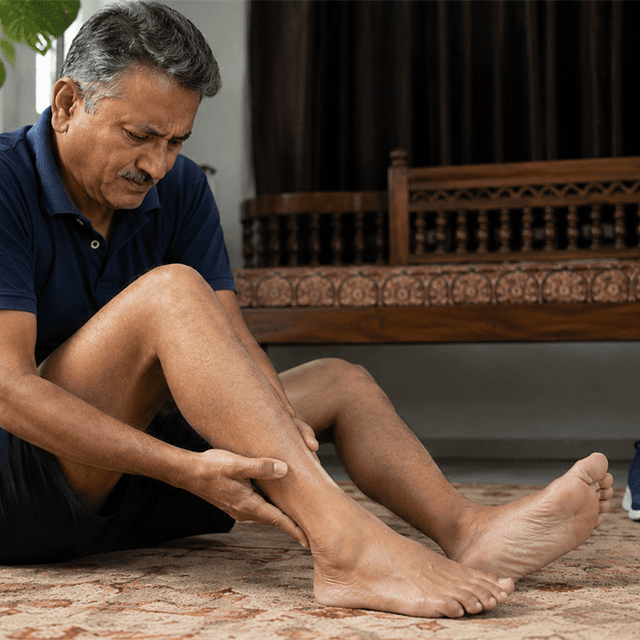
If your parent had a knee injury of any kind as a result of a twisting trauma with any of the following symptoms, seek an immediate evaluation: severe swelling, pain, visible deformity, numbness, cold foot and discomfort. Don't wait for a brace to be applied to get an injury evaluated. A knee dislocation is a medical emergency, as it can cause a nerve or blood vessel compromise, even though the skin appears normal.
Brace Placement and Brace Check
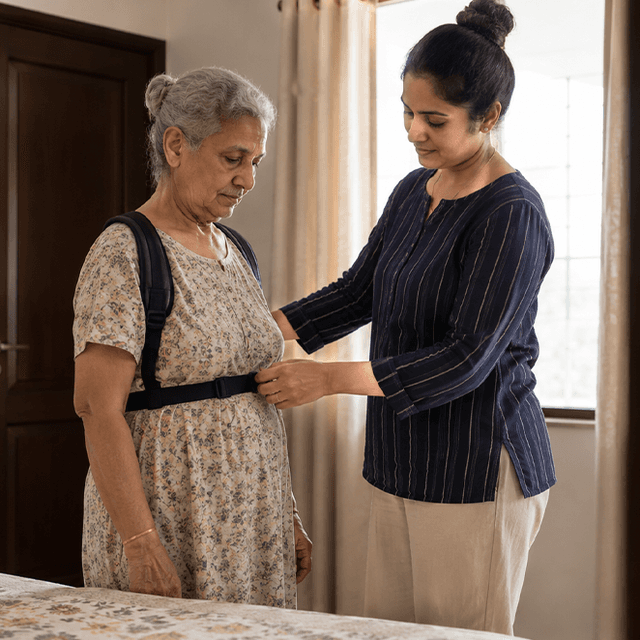
Place your knee in the position directed by the therapist. Center the brace such that your knee rests between the two side supports. Tighten the straps while watching for decrease in circulation by gradually tightening the straps outward. The brace should not fall off with a supported transfer, and should not cause tingling, numbness, swelling, discoloration of toes, or severe pain.
Follow the advice of the clinical team and check the skin around the back of the knees, heels, ankles, and brace edges at least once a day. Even more frequent checks should be made for older adults with brittle skin, poor circulation, diabetes, and/or limited sensation. Keep the skin as clean and dry as possible to avoid breakdown. Report any red areas that persist, blisters, skin breakdown or changes in sensation.
Safely Moving Your Parent at Home
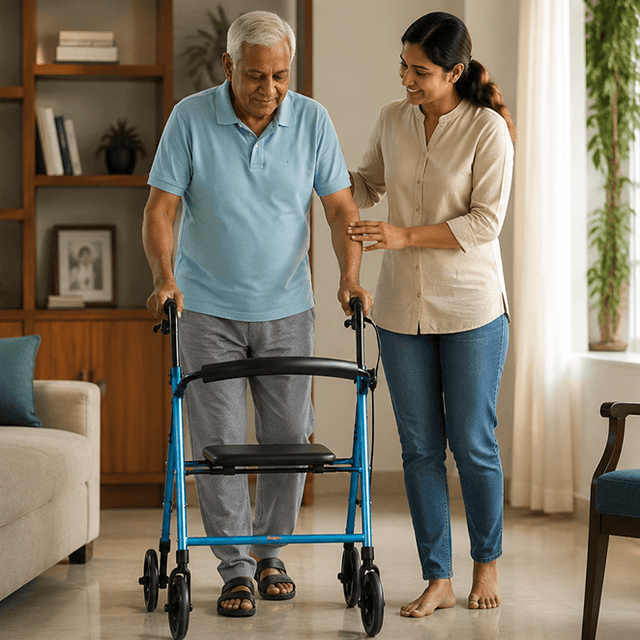
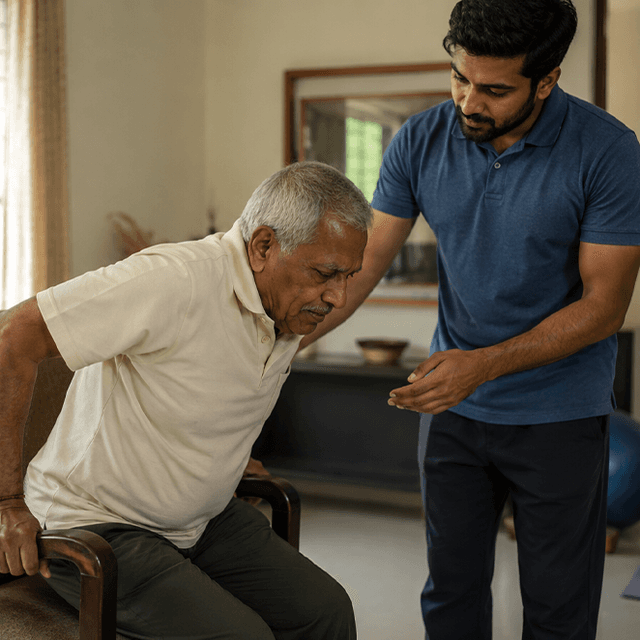
You should evaluate your parents' home before they return to make sure it is less hazardous, safer, and more convenient. You should clear all loose rugs, a pathway to the bathroom should have a light trail, an emergency landline phone should be placed somewhere in the path, and the daily use items should be placed nearby either on the bed or chair. You should use the prescribed walking aid and ask the therapist to do the demonstration on the transfer techniques.
An AGEasy Toilet grab bar coupled with floor support can act as a stable handrail for bathroom transfers if it is fixed and if it is appropriate to the space. A grab bar will not offer full body support in all situations. Your parent should be doing transfer techniques as demonstrated by the therapist. While transferring you should not assist by pulling the bad leg or reverse the brace.
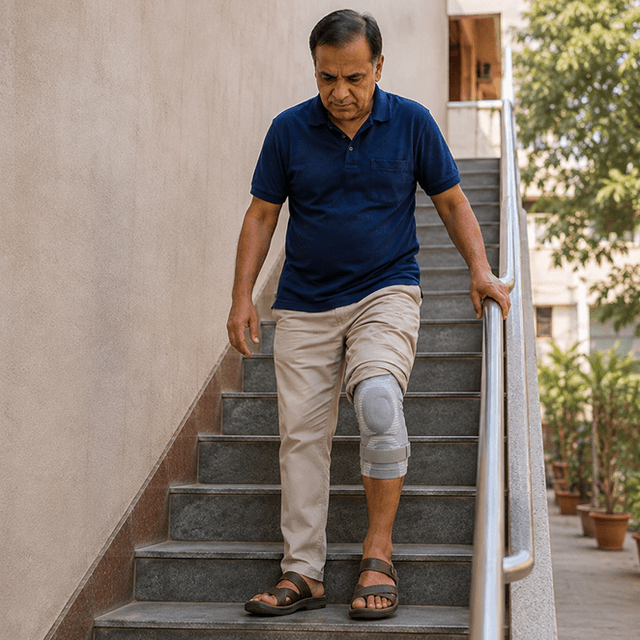
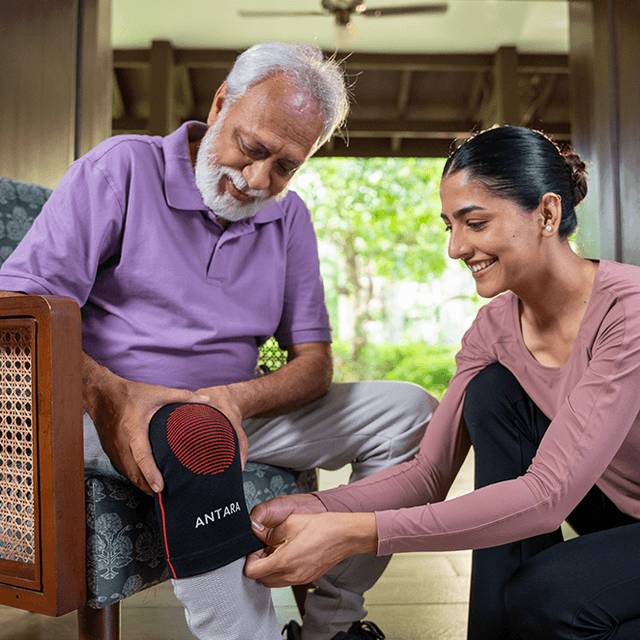
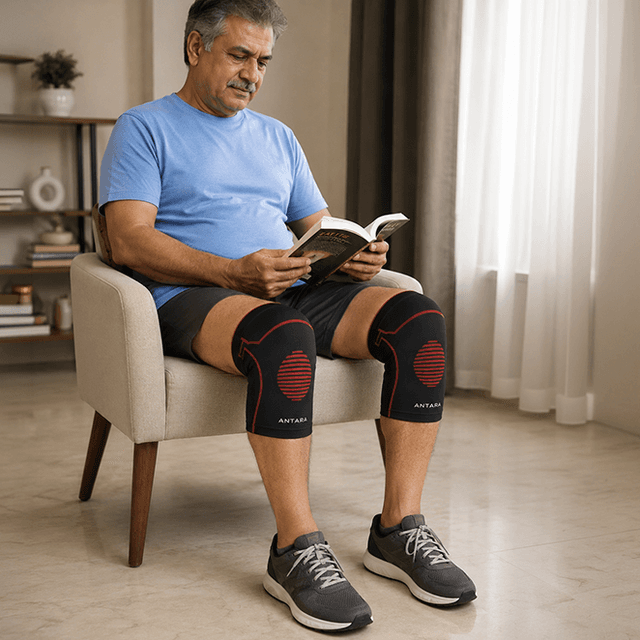
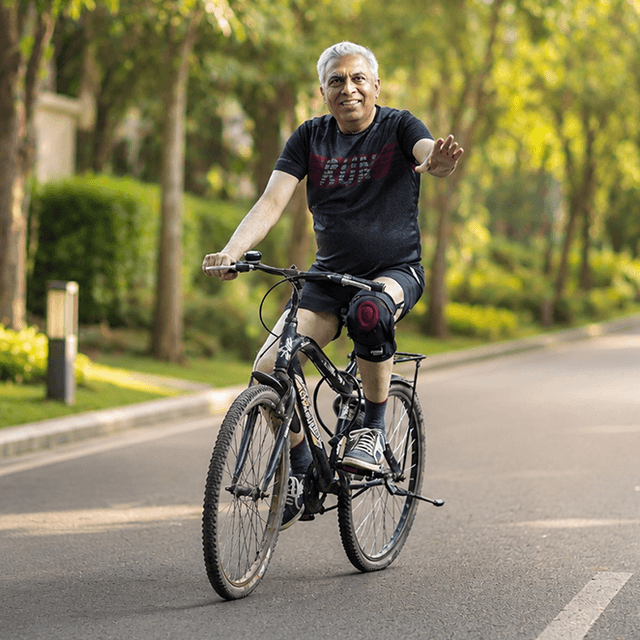
Be careful when using comfort products. An AGEasy knee cap or other soft knee support in your parent's daily use may offer some level of comfort, but only after a clinician has allowed movement, and it should not be used to replace a knee brace. An extra knee support under a stiff brace should be done only with the approval of the clinical team.
When to Contact a Care Team
Contact the surgeon or clinic if pain and swelling get worse, the brace no longer fits, there are changes to the wound, or your parent ignores weight-bearing instructions. The most serious symptoms require an urgent visit outside normal operating hours. These include severe pain, new numbness, a cold/blue foot, a lot of swelling in the calf, and pain in the chest or shortness of breath, along with a new deformity.
A knee immobilizer holds the injured part of a knee in place for the healing process to begin. The safest plan combines the brace along with specific instructions for weight-bearing, frequent checks of the skin for complications, transfers done under supervision, and knee rehabilitation exercises. Have a copy of the instructions available and give it to each person who looks after your parent.
Disclaimer: This article is just a general summary. It does not treat or diagnose knee injuries. The brace and instructions for how and when to wear it, along with how much or how little to move, and how to stand on the knee, need to be set by a surgeon, an orthopaedic doctor, or a physical therapist. Seek urgent medical care for a deformity, loss of sensation, a cold foot, severe pain, chest pain, or breathlessness.