

Why Knee Pain Gets Worse in Winter (and the 5 Things That Help)
Sep 7, 2026
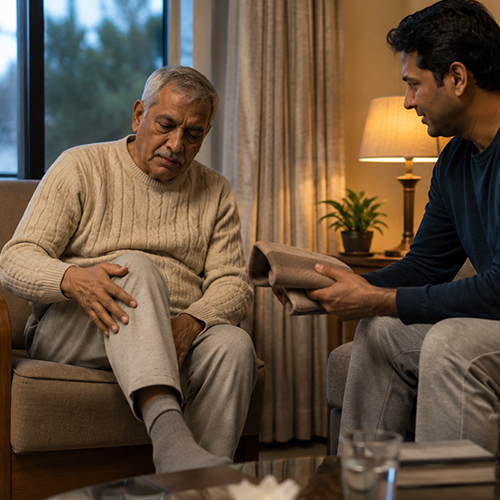
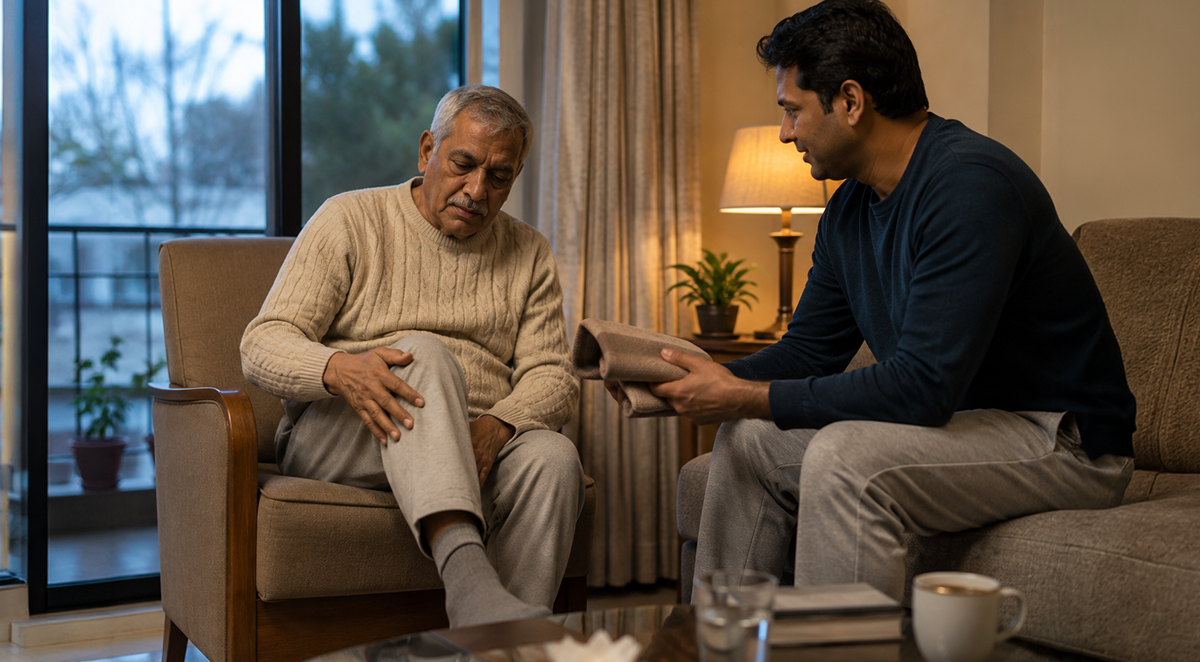
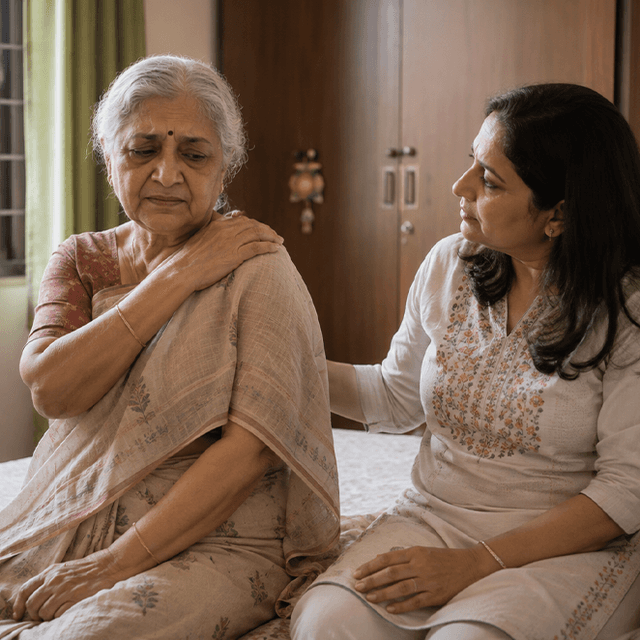
Winter poses more obstacles to typical daily activities with stiffening joints and pain for aging parents. Parents often take longer to get out of bed, and bedtime often doesn't include the lengthy walks as it used to.
Activities like walking become more physically taxing and bedtime becomes bed rest for most. This tends to increase joint and muscle pain for aging adults.
You can suggest that aging parents wear supportive shoes, take short walks, stretch, and limit joint pain and stiffness when it occurs. It is also beneficial to suggest that parents seek medical advice for treatment for pain that affects normal daily activity.
Maintaining daily activity is beneficial to avoid stiffening and weakening muscles. Physical inactivity increases pain, stiffness and increases reliance on others for daily provisions.
Good winter care will benefit aging parents by helping them regain the ability to do daily tasks such as walking, grocering, etc. and will decrease the pain caused by stiffening joints, as well as cause less discomfort to aging parents.
This article covers why aging parents' pain during the cold months increases, the joint effect, the muscles, and easy to understand methods to decrease the pain while increasing the mobility of aging parents.
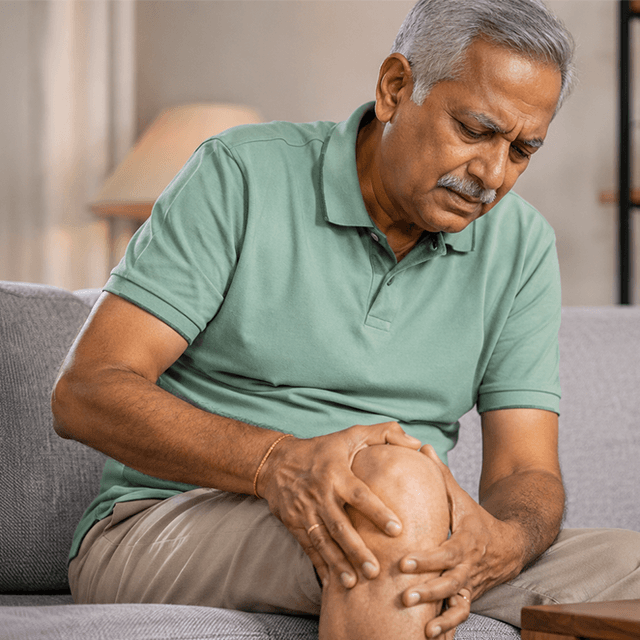
Why Does Pain in the Knees Increase in the Winter?
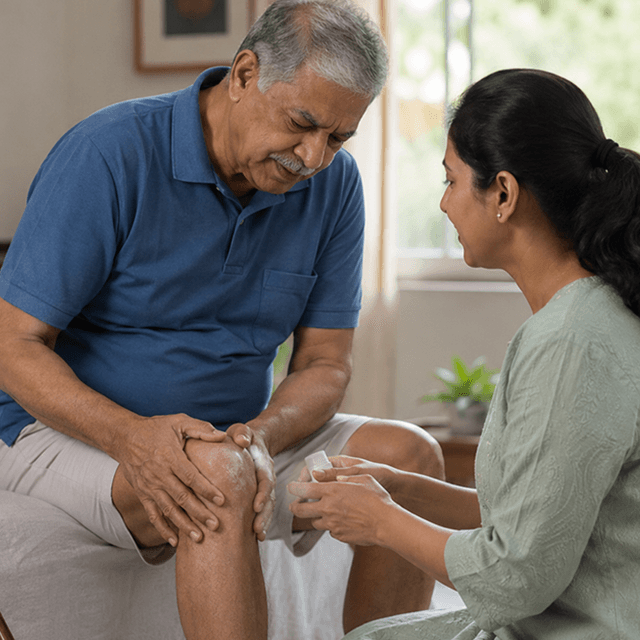
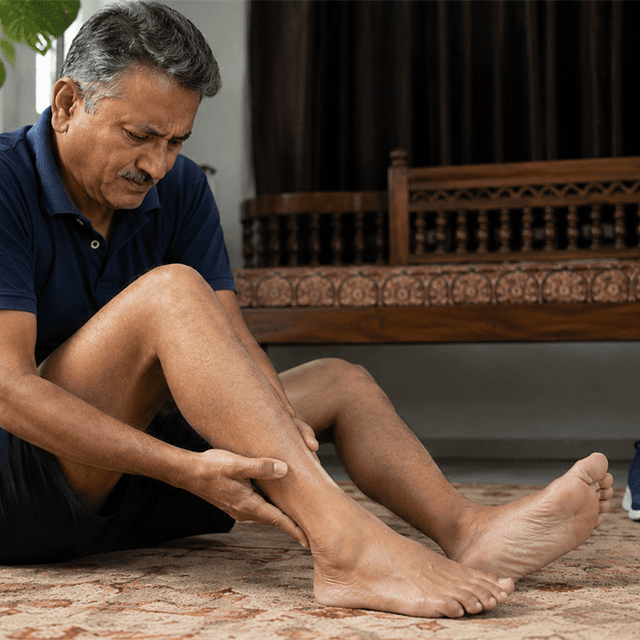
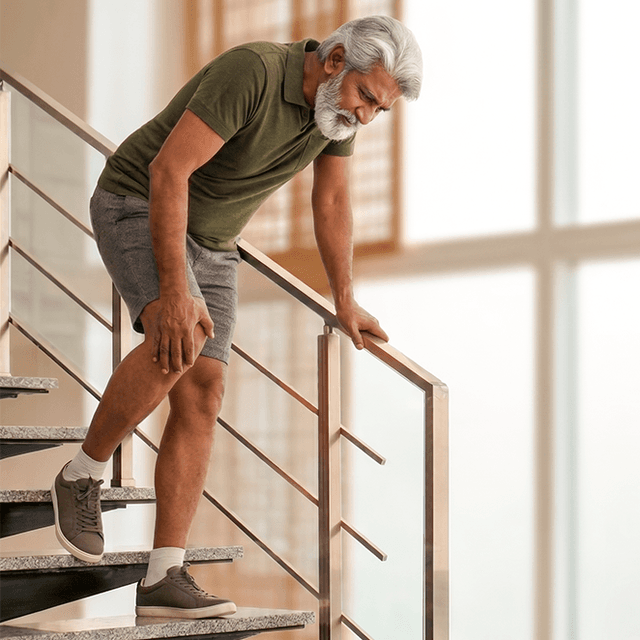
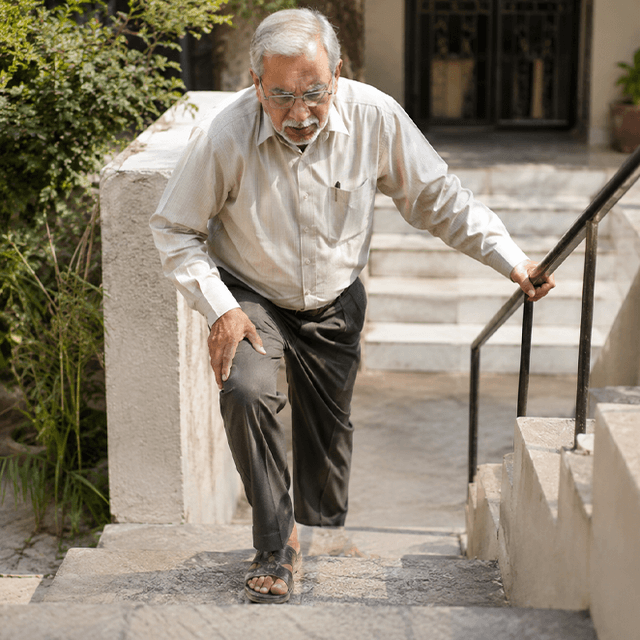
Many factors may play a role. During winter, the cold stiffens muscles and soft tissues. Moreover, winter is a less active season. This results in less knee joint movement and fatigued surrounding muscles. In addition to motion, a change in footwear, activity, floor surfaces, and symptoms of old injuries may aggravate pain in the knee.
Many individuals have reported pain correlating with a change in any of the following: air pressure, humidity, and temperature. The research on weather and joint pain is not conclusive, so do not blame a cold day on a diagnosis. Pain caused by sore joints, gout, arthritis, and many other conditions has differing levels of severity. Pain is not a sufficient indicator of cause.
The 5 Things That Help Ease Pain
Keep the Knees Warm
As hard as it is to try and deploy helpful strategies to keep parents comfortable, it is worth trying. Even a little relief can lead to major improvements. Layers, thick comfortable socks, and something to keep the legs and perhaps even the feet warm (e.g. blanket) while they are held in the sitting position for extended periods, should help. Before movement, a warm shower or a warm pack may help. Heating pads should always be used with caution. Wrap a hot pack in cloth or towel and keep the temperature as low as comfortable and monitor the skin for signs of burning if used during sleep.
Skin that is older is more sensitive than it was when we were young. Warmth is a nice soothing measure, but should not take the place of actual diagnostics and appropriate treatment. Heat should also be avoided over swellings, fresh injuries, or over an area that lacks sensation, unless advised otherwise by a physician.
Start with Gentle Movement
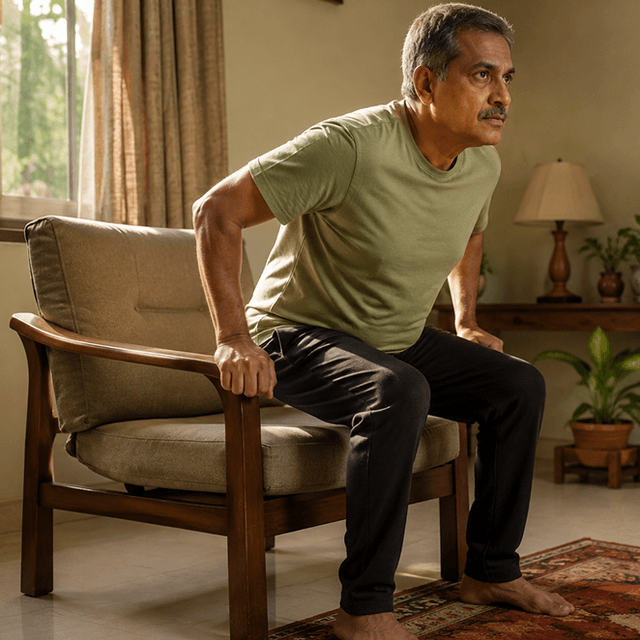
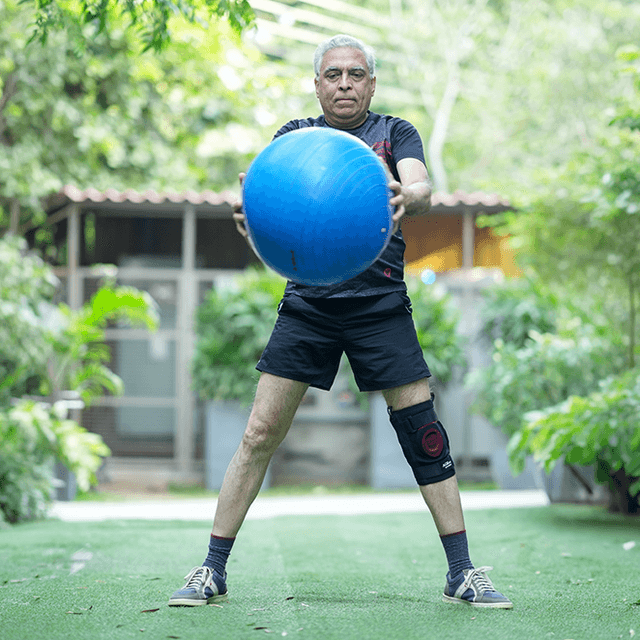
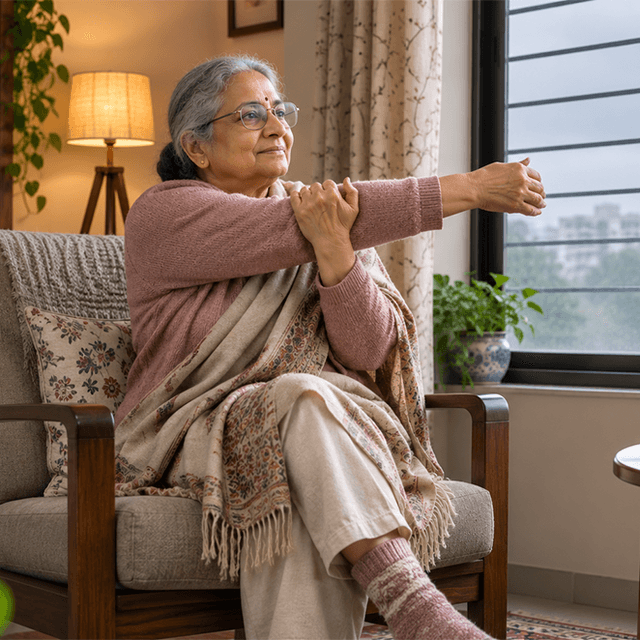
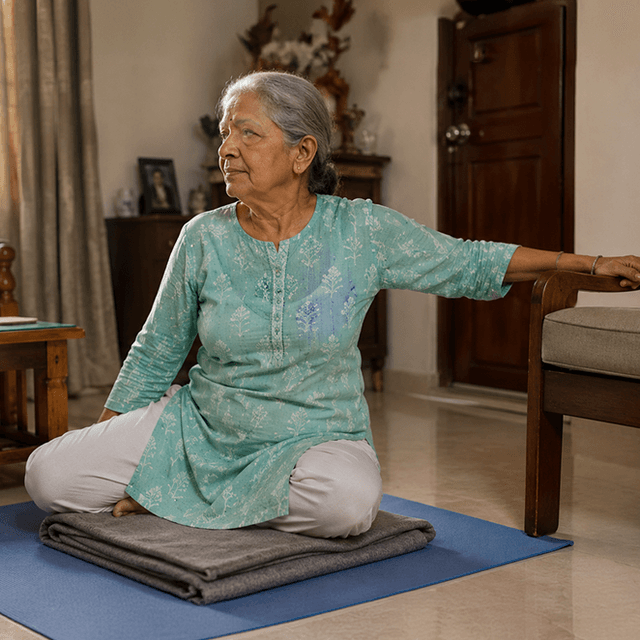
Stiffness increases with prolonged sitting. Create the opportunity for movement, no matter how small or simple, throughout the day. There are several movements that can be performed while seated. An ankle pump, knee bends with a bent knee (within a pain free limit), and seated leg extensions are simple movements that most older adults can manage. There are numerous other movements that can be considered. Balance and pain are factors that need to be addressed prior to the selection of any exercise.
There are limits that we need to learn and most of the time there are things that can be done that will improve our overall limit, but some things can cause real damage or cause pain to increase that may not resolve. When pain increases, particularly to a sharp level or to a level that lingers, stop the activity. You can increase the time and number of repetitions, but only after the activity has been tested and proven safe.
Strengthen Those Muscles, Retain That Balance
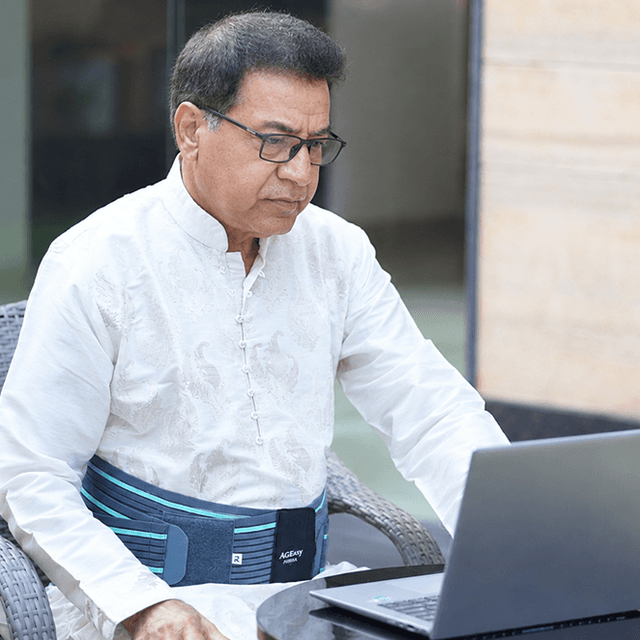
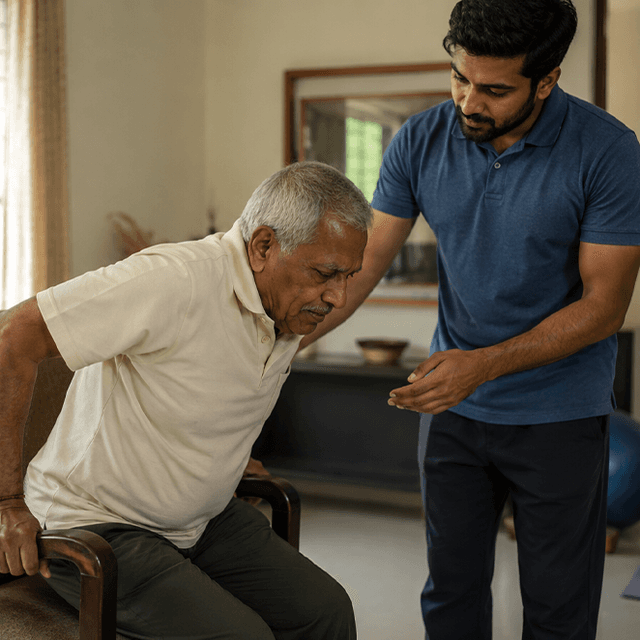
The hip and knee muscles are instrumental in performing tasks such as standing, turning, and even negotiating the stairs. Strengthening those muscles is usually done in a clinical setting. There are so many factors that determine the progress of this, including one's symptoms and medical history.
There are several winter home safety tips you can employ. This entails creating clear pathways, addressing light and floor surface deficiencies by adding more or better lighting, and keeping floors dry, securely fastening all rugs in place, and pre-positioning frequently used items within easy reach. Also important is the choice of shoes. If your aging parent feels dizzy, weak, or unsteady, cancel exercise and provide for their immediate medical assessments.
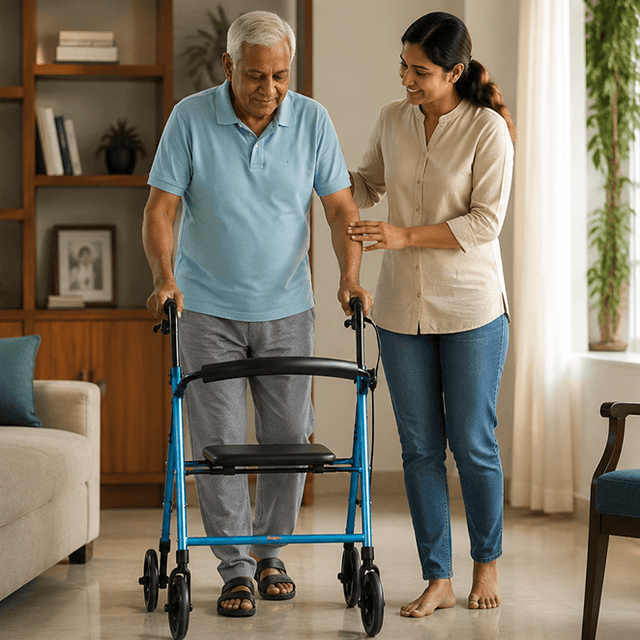
AGEasy endorses the AGEasy Walker Without Wheels for Seniors for Fall Prevention for users who need assistance on short indoor walks. A therapist should examine this walker for your parent and then train them on its use. Avoid using walkers to mask or ignore pain or a suspected injury.
Assess Weight, Exercise, and Daily Habits With a Physician
Knee pain can affect your parent's mood, sleep, and weight. Blaming your parents for not losing weight or starting an aggressive exercise program should be avoided. A physician can help you set appropriate activity and diet goals. Consuming regular, protein rich meals is also a good idea. There are several factors that need to be taken into account when measuring weight, including one's health condition, diabetes, kidney problem, and the medications being taken.
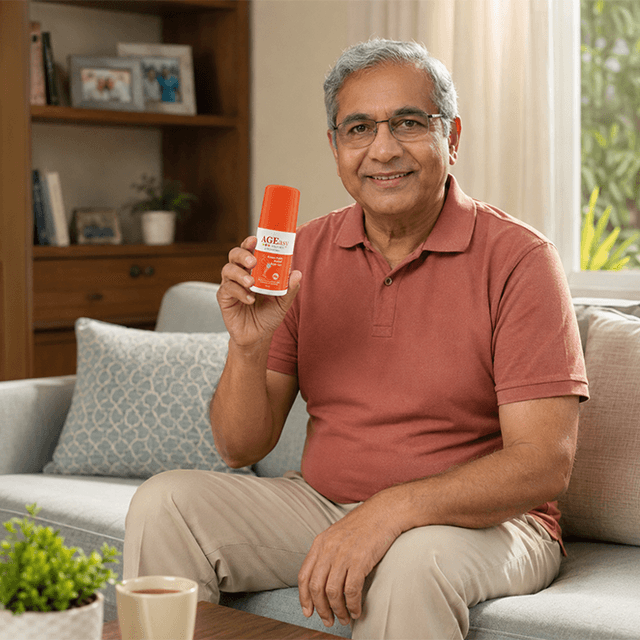
Take your physician's advice regarding your prescription medicines. Do not take pain medicines, steroids, herbs, supplements or any other medications without first checking for adverse effects and addressing the pertinent risks to the kidney, stomach, heart, or blood pressure.
Be Selective With Knee Support
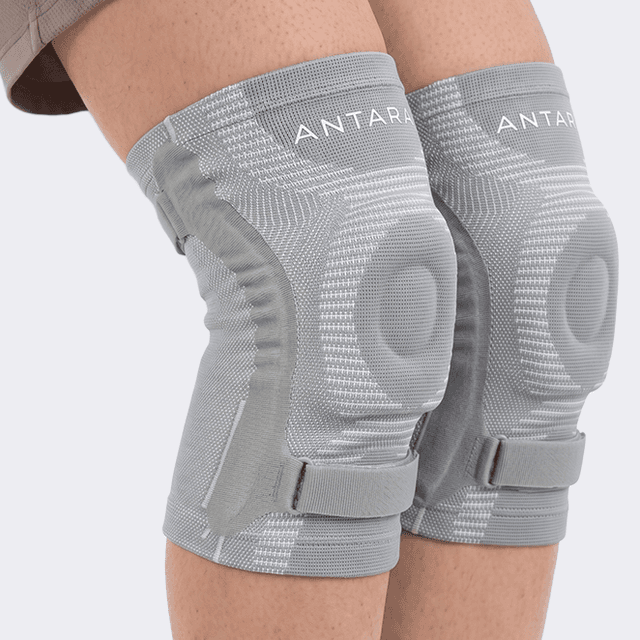
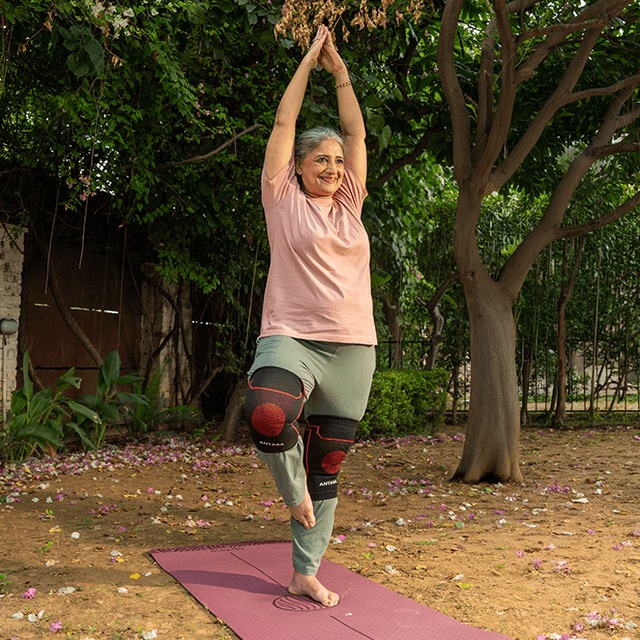
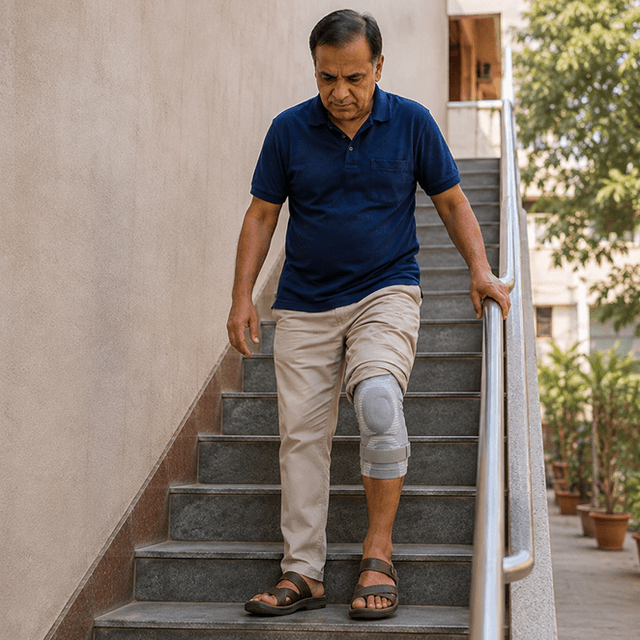
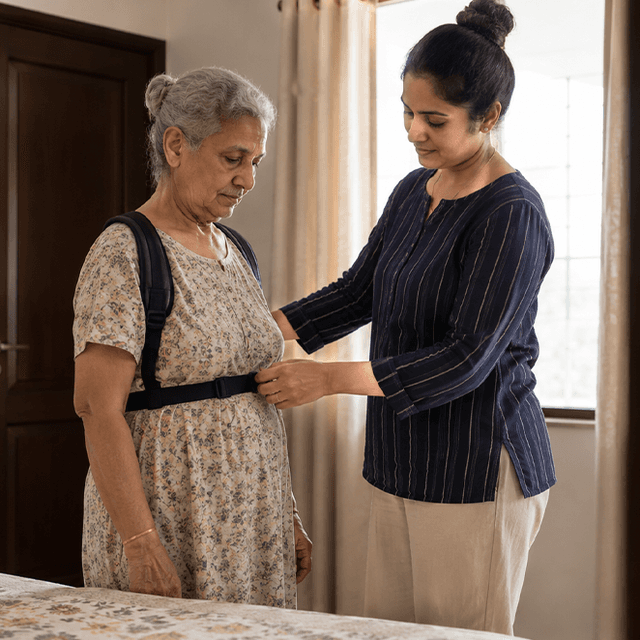
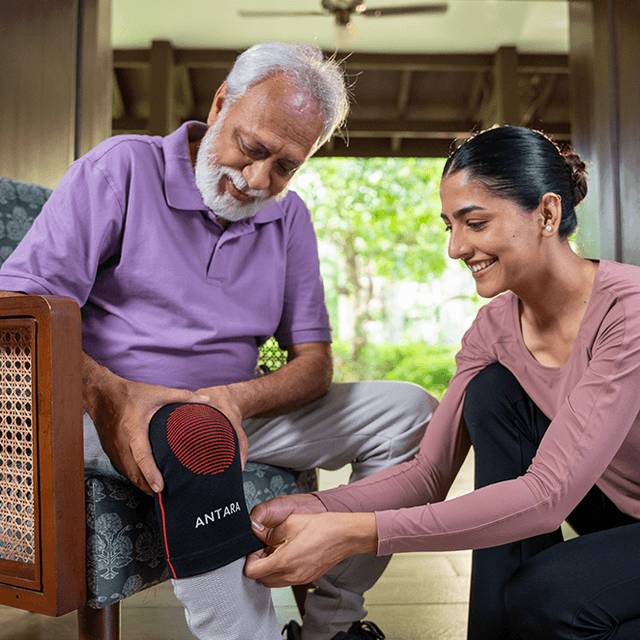
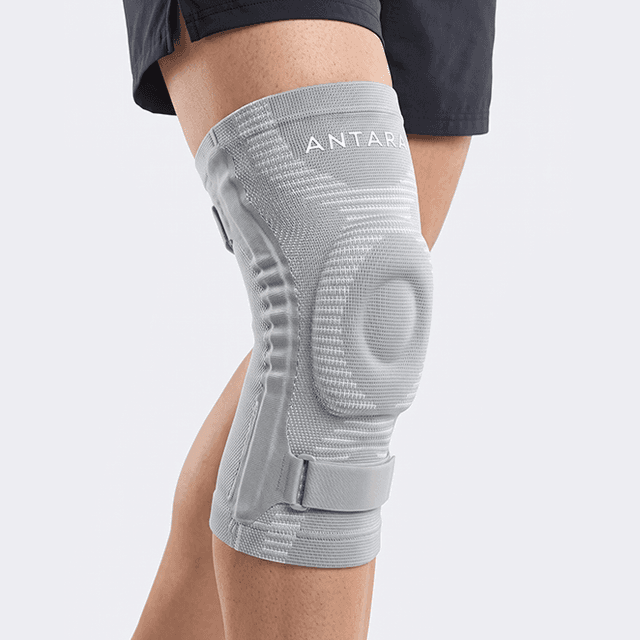
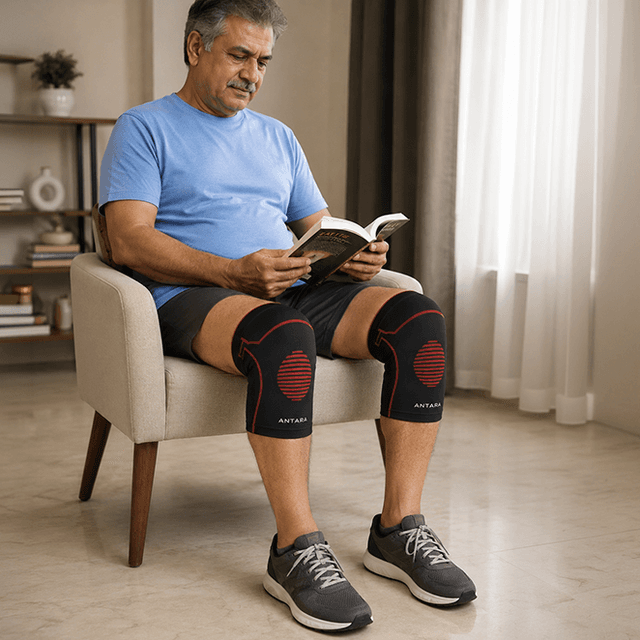
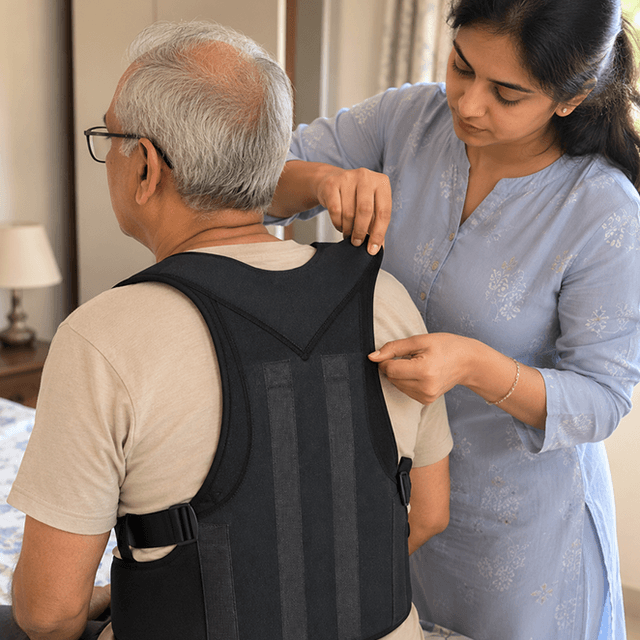
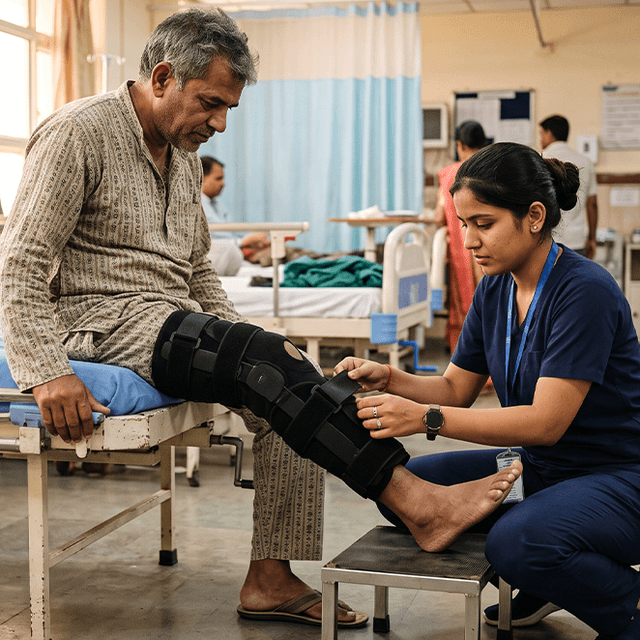
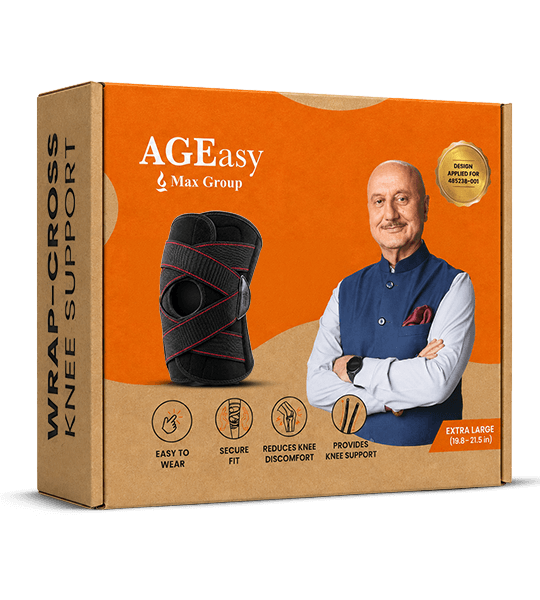
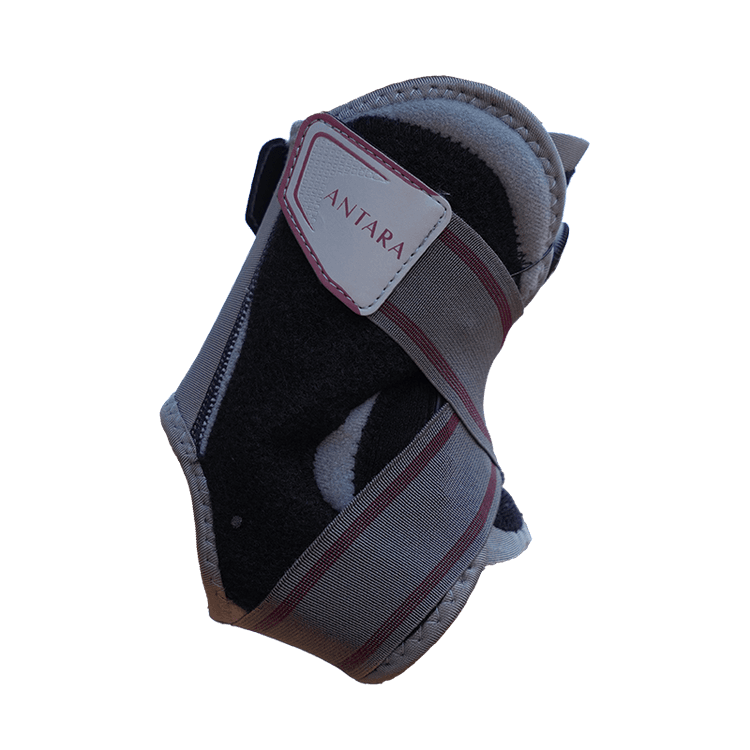
Some find that using knee supports is preferable with certain activities. Which type to use will depend on the kind of problem. A soft sleeve, hinged brace, and immobilizer are intended for different uses of the knee. An ill-fitting support may lead to numbness, restriction of blood flow, and pain.
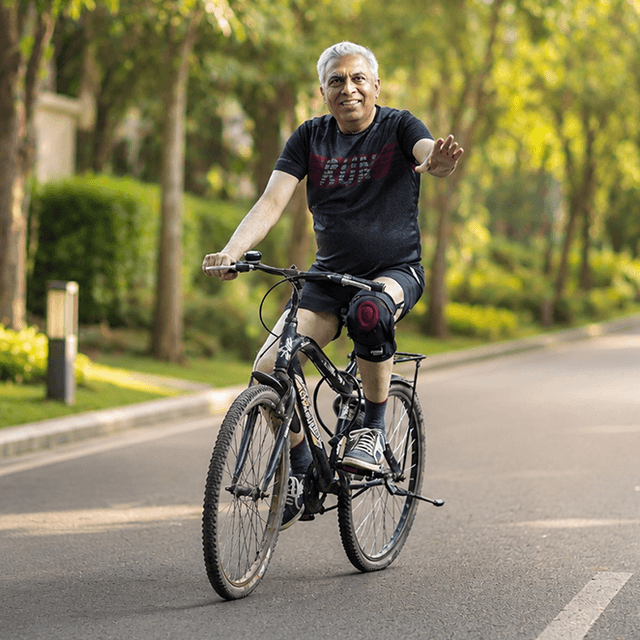
The AGEasy Hinged Max Comfort Knee Cap can help in movement and comfort. However, it is not a substitute for a clinical diagnosis and treatment for arthritis.
When Knee Pain Calls for the Doctor
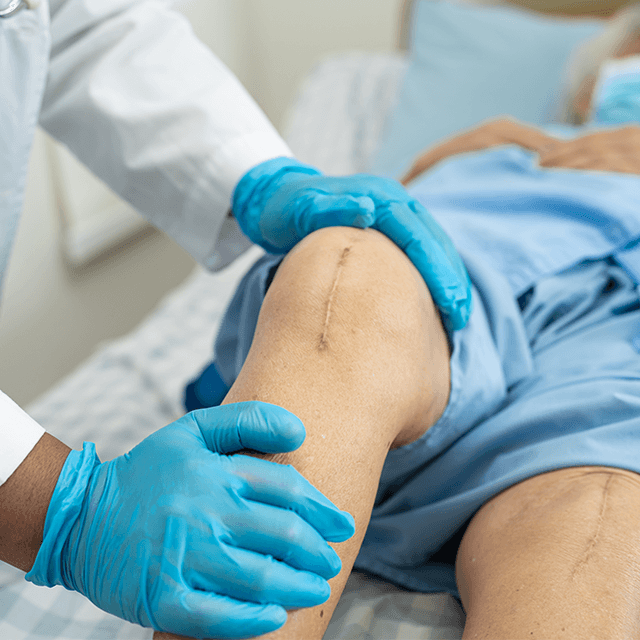
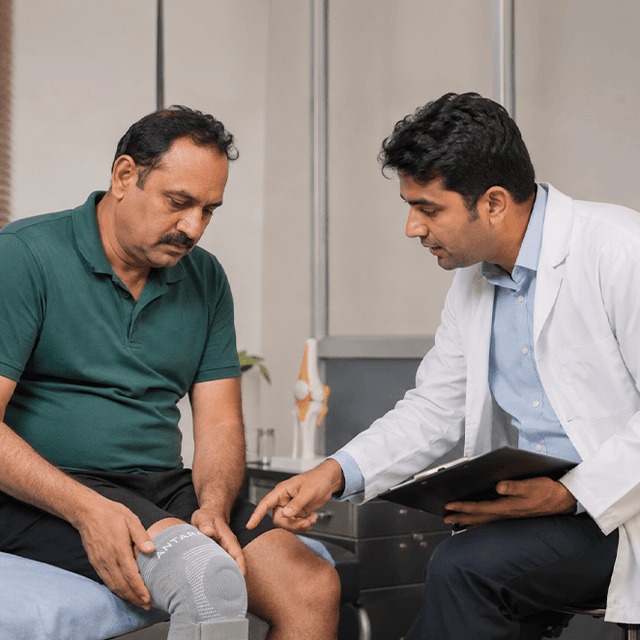
Call for an appointment if knee pain lasts more than a few days if you have flares that occur only in winter or if walking becomes reduced or if you have night pain and if pain follows a fall or periods of inactivity. Call for an assessment if your knee is hot or red, you have swelling and pain, you have a fever, you experience severe pain all of a sudden, there is a locked knee, a new deformed knee, or you cannot put any weight on it. Symptoms like those should not be analyzed with heat packs or knee braces at home.
A scan is not always the first step. The physician may evaluate if the person can walk, how strong the person is, the person's range of motion, if the person is experiencing swelling, if the person is taking any medications, and what injuries the person has sustained before deciding if diagnostic imaging or a blood test is warranted.
A Calm Winter Routine
In winter, knee symptoms can feel more intense due to symptoms becoming more noticeable, lower activity levels, cold surfaces, and stiffness. To keep your parent safe and comfortable, you can help them move more, focus on fall prevention, review medications that may be causing problems, and consult a doctor if the pattern changes.
Disclaimer: This article is not a substitute for professional medical care. It is for general educational purposes only. Knee pain that is severe or persistent or that is changing requires a visit to a qualified health care provider.