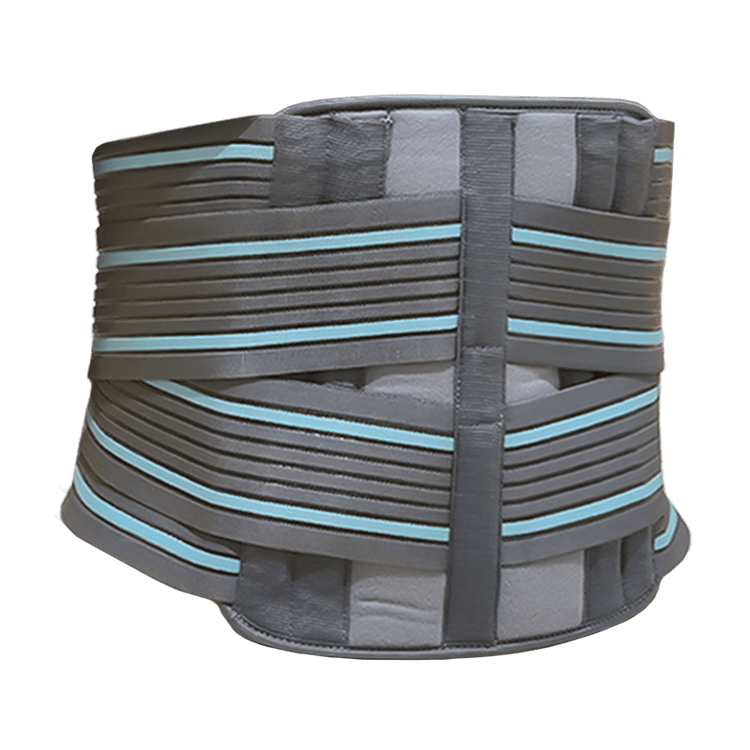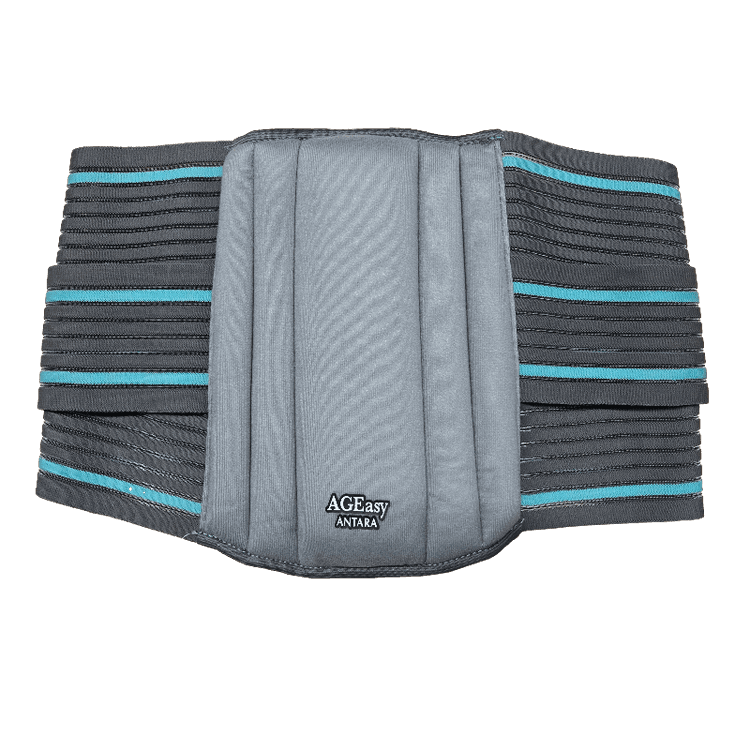


Posture Corrector Mistakes: The 5 Ways People Wear It Wrong
Sep 8, 2026

A posture corrector can be useful as a reminder to improve posture during certain activities, but only when it is fitted and used correctly. If your parent experiences stiffness, pain, numbness, or breathing difficulty while wearing one, the support may be doing more harm than good.
Many families assume that tighter support means better posture correction. Others leave the corrector on for most of the day because their parent appears to stand straighter while wearing it. However, a posture corrector is not designed to fix every posture problem or correct a spinal curvature.
The purpose of a posture support should be to encourage comfortable movement and posture awareness. It works best as one part of a broader plan that may include movement, strengthening, positioning, and professional guidance.
What Does a Posture Corrector Do?
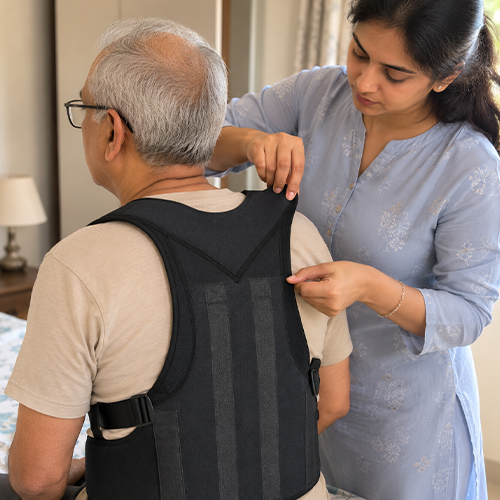
A posture corrector is generally designed to provide support around the shoulders and upper back while reminding the wearer to maintain a more upright position. Most designs include shoulder straps and a panel that runs down the back.
A well-fitted posture corrector should provide support without restricting comfortable breathing or arm movement.
The AGEasy ErgoLift Posture Corrector provides support around the upper back and shoulders and has an adjustable design for use while sitting or standing.
However, a posture corrector should not be used without appropriate medical guidance when an older adult has persistent pain, weakness, balance problems, spinal issues, or has recently undergone surgery.
Mistake 1: Wearing It Too Tight
Tightening a posture corrector does not necessarily provide better support. Excessive pressure around the chest, shoulders, or underarms can cause discomfort and may contribute to numbness or tingling in the arms. It can also make comfortable breathing more difficult.
Check the fit while your parent is relaxed, both while sitting and standing. The straps should not feel as though they are cutting into the skin, and your parent should be able to take a deep breath comfortably.
After removing the corrector, check the shoulders and underarm areas for signs of pressure or irritation.
Remove the corrector if your parent develops increased stiffness, pain, tingling, or discomfort that makes deep breathing difficult.
Mistake 2: Wearing It Over Thick or Inappropriate Clothing
Some fabrics and multiple clothing layers can cause a posture corrector to slip, twist, or sit unevenly. When this happens, caregivers may respond by pulling the straps tighter, which can create unnecessary pressure.
Follow the manufacturer's instructions regarding placement and clothing. If the support slides upward toward the neck when your parent reaches or moves, stop and check its positioning rather than simply tightening the straps.
The back panel should remain properly positioned during movement. If pressure increases around the back panel, the fit should be reassessed.
Skin should also be checked regularly, particularly when an older adult wears the corrector for extended periods. Look for redness, broken skin, excessive moisture from sweating, or other changes.
Extra care is important for older adults with sensitive or fragile skin, diabetes, or reduced sensation. Any skin changes that do not settle after the support is removed should be discussed with a doctor.
Mistake 3: Wearing It for Too Many Hours
A posture corrector can make a person feel as though they are standing straighter while it is being worn. This can sometimes encourage prolonged use.
However, the goal of a support device should not be to replace the person's own movement and muscle control. Extended reliance on the corrector may reduce opportunities to develop posture awareness and strength.
Follow the manufacturer's instructions or the schedule recommended by a healthcare professional. For some people, shorter periods during specific activities may be a more appropriate starting point.
Build breaks into the routine so your parent can move without the corrector and notice how their body feels without the added support.
Track practical changes rather than focusing only on how straight the back looks. Note how long the corrector is worn, which activities become easier, and whether there are changes in stiffness, pain, balance, or breathing.
If pain increases, stop the routine and arrange an appropriate review.
Mistake 4: Using It Specifically to Make Them Sit Up Straight
Trying to force the shoulders backward can create discomfort in the neck and upper back. An overly rigid position may also make it harder for your parent to look down, bend, or reach for a walking aid when needed.
Instead of aiming for an exaggerated straight posture, look for a neutral and comfortable position. While wearing the device, your parent should be able to relax their shoulders, breathe comfortably, and move their head and arms freely.
Do not pull or tighten the straps if your parent is experiencing pain or dizziness, or if they are leaning forward because of weakness.
A rounded back can have many possible causes, including pain, weak muscles, a change in the spine, vision problems, osteoporosis, or a recent injury. A wearable support cannot identify or treat the underlying cause.
If there is a noticeable change in posture, difficulty walking, repeated falls, or difficulty maintaining an upright position, a physiotherapist or doctor should assess the situation rather than relying on the corrector.
Mistake 5: Treating the Corrector as the Whole Plan
A posture corrector does not replace assessment, movement, positioning, strengthening, or treatment of an underlying condition. An older adult may also need changes to their chair height, reading position, walking routine, or exercise programme.
Make the surrounding environment easier to use:
- Use a firm chair that allows both feet to rest comfortably on the floor.
- Position reading material closer to eye level.
- Change position regularly while watching television or using a phone.
- Keep frequently used items within easy reach.
- Follow the clinician's recommendations for walking, shoulder, and back safety.
If sitting is uncomfortable, addressing the source of the discomfort may be more useful than simply adding a posture corrector.
For example, the AGEasy Coccyx Cushion for Tailbone Pain Relief may be considered as a sitting-comfort aid when appropriate. It should not be treated as a posture corrector or as a substitute for proper positioning and assessment of persistent pain.
How to Put on a Posture Corrector Properly
Before using the support for the first time, understand the manufacturer's instructions. Help your parent put it on in a relaxed sitting or standing position according to those instructions.
- Position the centre of the back panel correctly.
- Adjust the straps one side at a time.
- Check that the support is sitting comfortably and evenly.
- Ask your parent to move both arms.
- Have them take a few comfortable steps.
- After several minutes, check for rubbing, slipping, or pressure.
The corrector should generally be removed while your parent sleeps unless a healthcare professional has specifically advised otherwise.
Clean and store the support according to the manufacturer's instructions. Do not allow someone else to use it if it is not clean, is damaged, or does not fit them properly.
Consider replacing the corrector if the straps can no longer be adjusted, the seams irritate the skin, or the back panel no longer stays in position.
When Should You Seek Medical Advice?
Arrange a medical appointment if your parent develops a new or worsening rounded back, persistent pain, unexplained loss of height, numbness or tingling, or difficulty walking.
Pain that develops after a fall or even a minor movement should also be evaluated, particularly in an older adult with known bone or spinal concerns.
Seek immediate medical care if your parent develops:
- New loss of bladder or bowel control.
- Muscle weakness.
- Difficulty breathing.
- New difficulty walking.
The Goal Is Comfortable Movement, Not a Perfectly Straight Back
The right posture support is one that stays in place, is appropriately fitted, and is used for its intended purpose and duration. The goal should not be to force an older adult into a perfectly straight posture.
Pay more attention to comfort, breathing, movement, confidence, and everyday function. If the corrector creates stiffness, pain, restricted movement, or other concerning symptoms, its use should be reassessed.
Long-term posture improvement generally requires more than a wearable device. Professional assessment, appropriate movement and strengthening, comfortable positioning, and sensible use of posture support can work together to help an older adult maintain safer and more functional movement.
Disclaimer: This article is for general information and is not a substitute for medical advice, diagnosis, or treatment. Use of a posture corrector by an older adult with pain, weakness, balance problems, spinal conditions, recent surgery, reduced sensation, or other health concerns should be guided by a qualified doctor or physiotherapist.