

Ankle Support After a Sprain: Brace, Strap or Crepe Bandage?
Sep 7, 2026
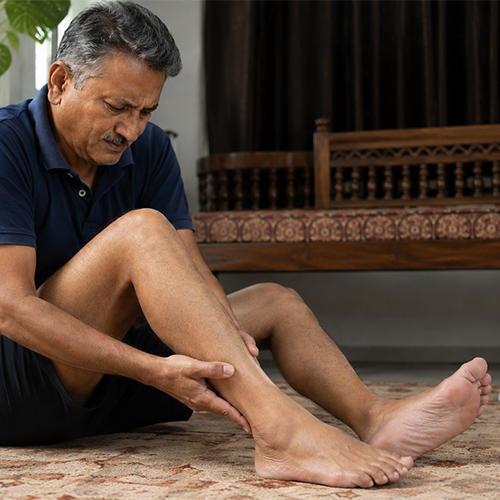
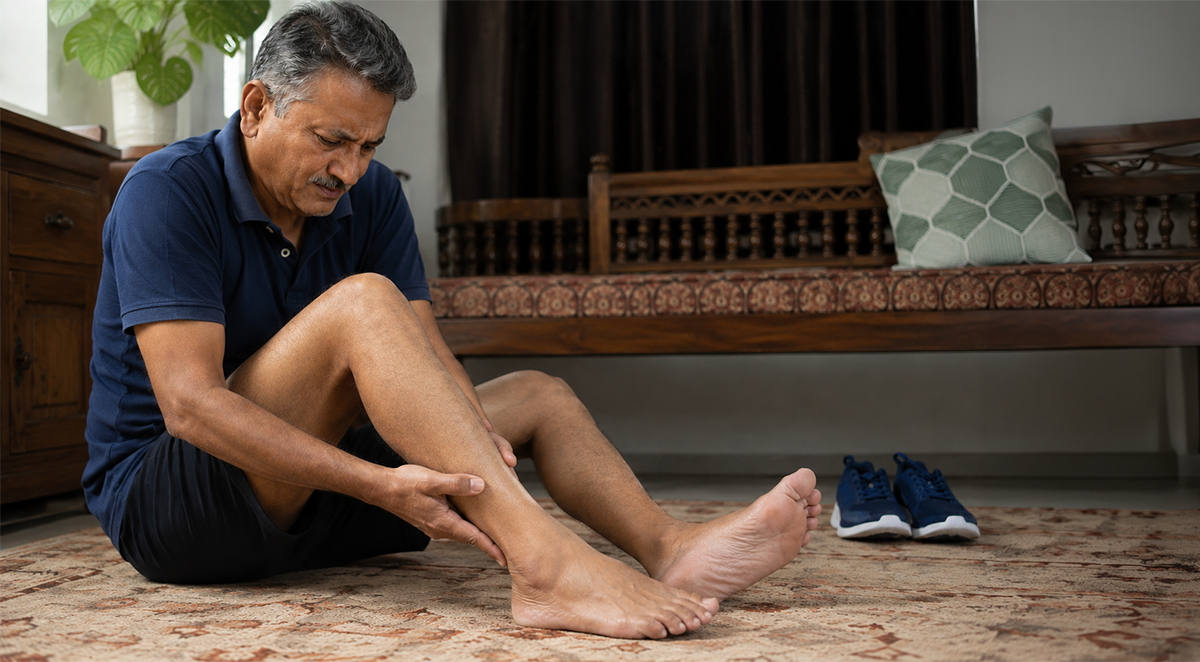
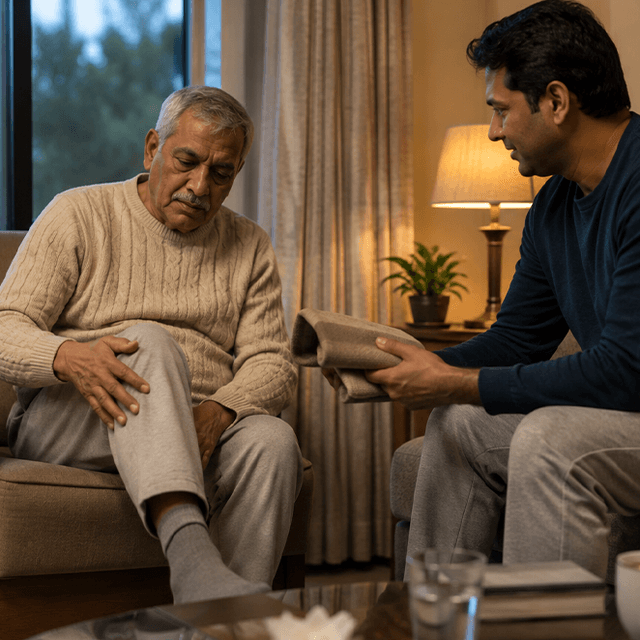
Deciding how to support an ankle sprain can be difficult, especially when caring for an aging parent. Selecting the wrong support can prolong recovery, while inadequate support may also mask a more serious underlying problem.
Ankle sprains can cause pain, swelling, and a loss of balance and confidence in older adults. The appropriate type of support depends on the severity of the sprain and the advice of the treating healthcare professional.
A crepe bandage, ankle strap, or ankle brace can each serve a different purpose. Correct fitting, gradual mobilization, regular monitoring, and routine skin checks are important regardless of which support is used.
What Happens During an Ankle Sprain?
An ankle sprain occurs when one or more ligaments are stretched or torn, commonly when the foot rolls inward. This can result in pain, swelling, discoloration, tenderness, and difficulty bearing weight.
Other conditions can make recovery more complicated. Arthritis, weak muscles, poor balance, diabetes, poor circulation, and medicines that increase bleeding risk can all increase the need for careful assessment and monitoring.
A support product will not heal an injured ligament. If your parent cannot take four steps, has intense pain, a change in the shape of a body part, numbness, persistent redness, cold feet, pain directly over the ankle bones, or loss of feeling in the foot, seek medical help promptly.
A head injury following a fall should also be assessed immediately if the person takes blood-thinning medication.
Crepe Bandage: Light Compression for Early Swelling
A crepe bandage is a soft, flexible fabric that can provide light compression. It may be useful when swelling from a mild sprain is uncomfortable and the person still needs a good range of ankle movement.
Wrap the bandage firmly but not tightly, moving from the foot upwards. Never wedge or hook the fabric around the toes.
Check the toes regularly for normal colour, temperature, and sensation. Remove or loosen the bandage if the toes become numb, cold, blue, or purple.
These checks are particularly important for older adults and people with diabetes or poor skin health.
A crepe bandage can slip inside shoes and provides only limited additional support to a sprained ankle. It is also easy to overtighten. It should therefore be used as a comfort aid and not as a replacement for clinical assessment or rehabilitation.
Ankle Strap: Adjustable Support for Movement
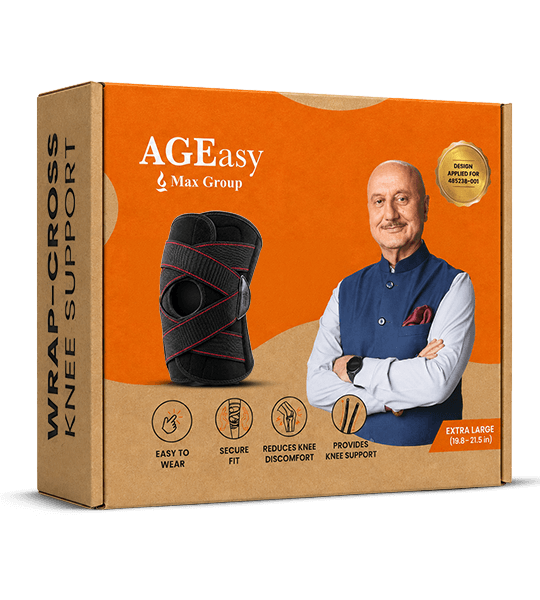
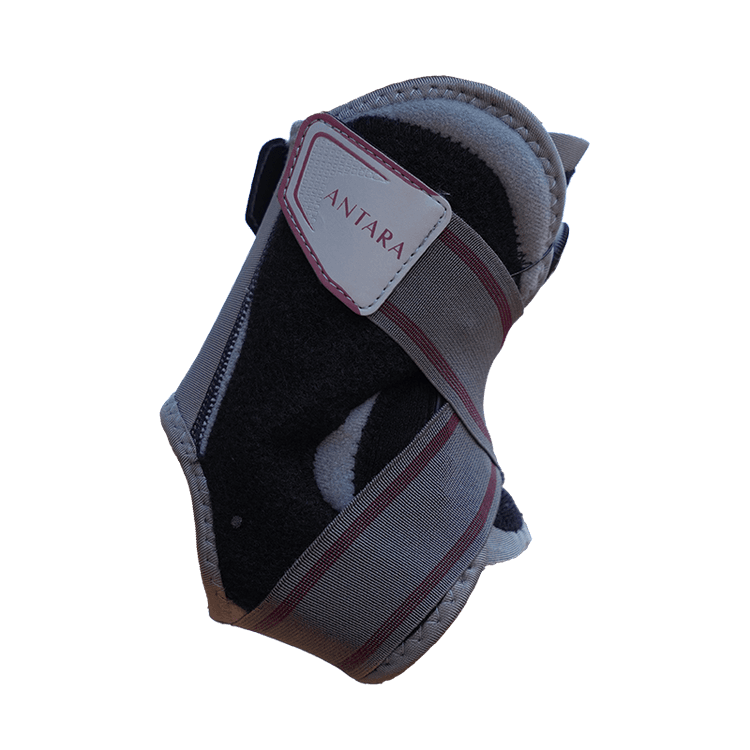
Ankle straps provide adjustable support that is generally more structured than a crepe bandage. Depending on the design, they may use elastic material, hook-and-loop fastening, or figure-of-eight wrapping.
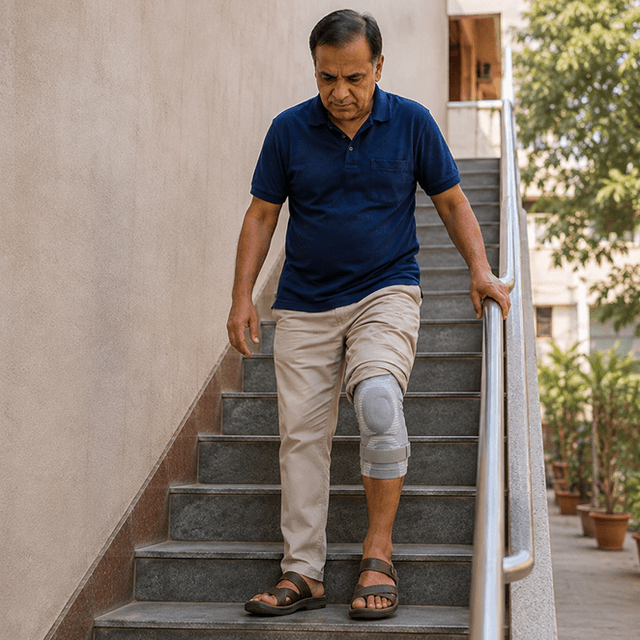
An ankle strap may be considered during a gradual transition from rest to brief, supervised walking for a mild sprain when this type of movement has been recommended by a clinician.
Selecting the correct size is important. If possible, wear the strap with a thin, smooth sock to create an even layer between the strap and the skin.
The support should fit snugly around the ankle without pulling excessively. During walking, adjust or remove it if there is pain, constant rubbing, slipping, or a pins-and-needles sensation.
An ankle strap should not be used when swelling is severe, a fracture has not been ruled out, the ankle feels unstable, or balance and bending are significantly compromised.
Check the heel, ankle, and surrounding foot for pressure points or discomfort, especially if the support does not sit evenly.
Ankle Braces: More Structure and Stability
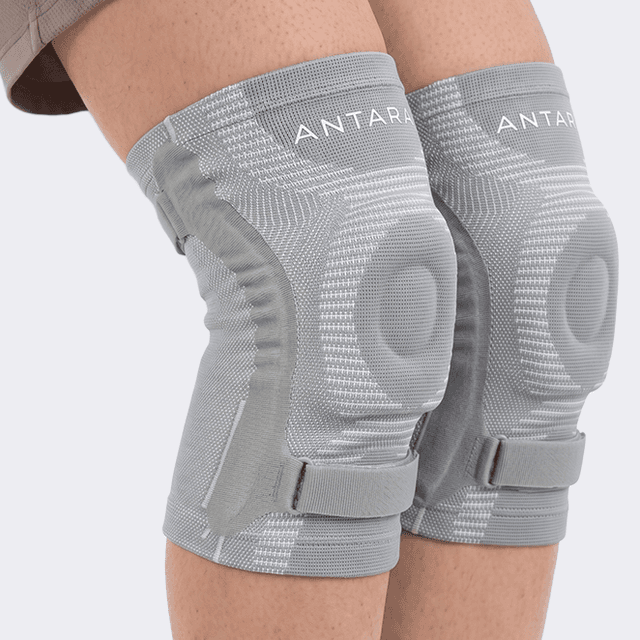
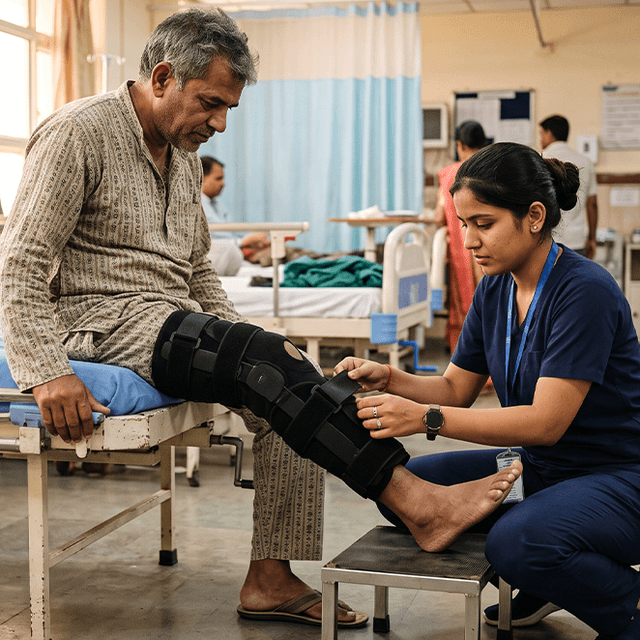
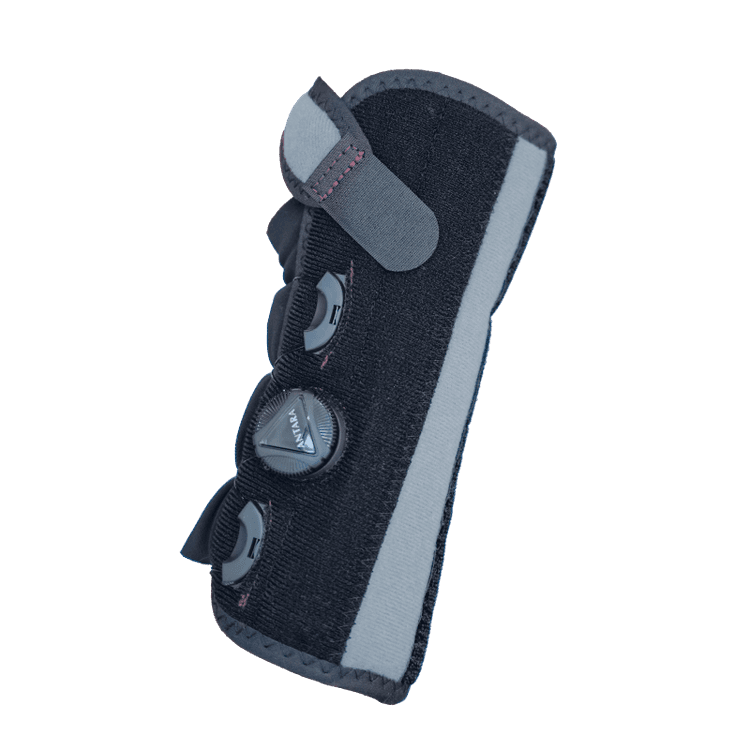
Ankle braces generally provide more structure than a strap or crepe bandage. They are shaped to support the sides and top of the ankle and can provide greater control and stability within a controlled range of movement.
A brace may be considered for someone whose ankle remains weak, who experiences repeated sprains, or who has been advised by a clinician to use additional support during walking or prolonged activity.
The brace should be neither too tight nor too loose. Follow the manufacturer's instructions for wearing, washing, and time limits.
Test the brace for a short period before using it for longer. Check for swelling above or below the brace, marks on the skin after removal, increased pain, numbness, or changes in the person's walking pattern.
Stop using the brace and seek further advice if symptoms become worse.
Different braces are designed for different situations. Some may be intended for use before an activity, while others are designed to provide support during activity. Choosing the right brace for a specific injury may require guidance from a physiotherapist, doctor, or orthopaedic specialist.
Brace, Strap, or Crepe Bandage: What's the Difference?
| Support | When It May Be Considered | Level of Support |
|---|---|---|
| Crepe Bandage | First aid and gentle elastic compression for an early-stage mild injury that requires frequent monitoring. | Light |
| Ankle Strap | Gradual return to walking when moderate, adjustable support is appropriate. | Moderate |
| Ankle Brace | More significant support for repeated ankle weakness or when greater stability has been recommended. | Higher |
The correct choice is the one your parent can tolerate, that fits properly, and that can be incorporated into the recovery plan. More support does not always mean better support.
A stiff or rigid support worn for too long may restrict movement and reduce the person's willingness to use the ankle naturally. At the same time, a light support may not provide enough assistance for a more serious injury.
How to Promote Recovery at Home
During the first few days, follow the rest and elevation advice provided by the healthcare professional. A brief application of a cold pack wrapped in a towel may provide comfort when used appropriately.
Avoid massaging directly over swelling until your healthcare professional advises you that it is appropriate.
Once pain begins to settle, gentle movement can help prevent stiffness. This may include comfortable ankle movements or rotations within the person's range of motion.
The physiotherapist should guide rehabilitation, including strengthening and balance exercises. When supported appropriately, indoor walking can gradually be increased as long as symptoms and overall recovery continue to improve.
Footwear, grip, and flooring also affect recovery safety. Braces generally work best with well-fitting shoes that have a stable base and enough room to accommodate the brace.
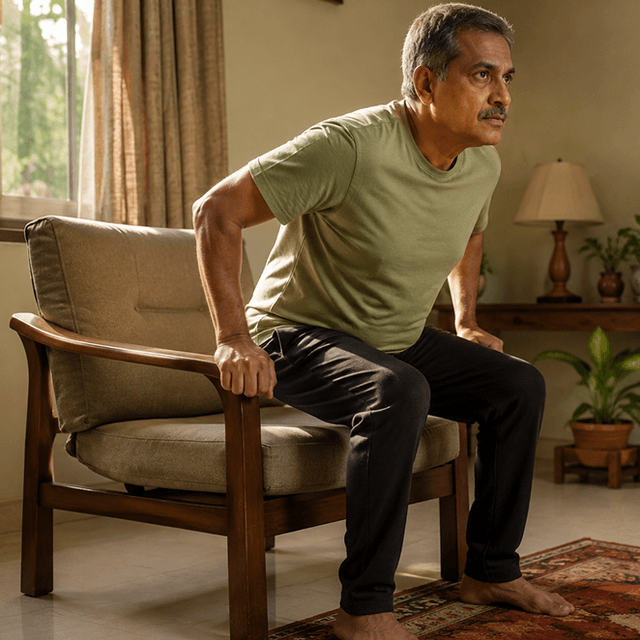
Remove loose rugs and clutter from walking paths, improve lighting, and provide stable seating in areas where prolonged standing may be difficult. Avoid slippers and walking barefoot while the ankle is recovering.
For people who prefer socks instead of slippers indoors, AGEasy Anti-Slip Socks provide a skid-resistant surface intended for indoor use. They may be useful where additional grip is appropriate, but they should not replace proper footwear or the mobility plan prescribed by a healthcare professional.
If using anti-slip socks, ensure they fit securely and that the grip surface is clean and in contact with the floor.
When to Request a Medical Review
Arrange a medical review if swelling or pain continues to worsen, walking does not improve after several days, bruising continues to spread, or the ankle repeatedly gives way.
Earlier assessment is especially important if your parent has osteoporosis, diabetes, circulation problems, reduced sensation, a previous fracture, or a history of frequent falls.
A severe injury should not be managed solely with a support product. An X-ray or other assessment may be needed to determine whether there is a fracture or another underlying problem.
How to Safely Support Your Parent
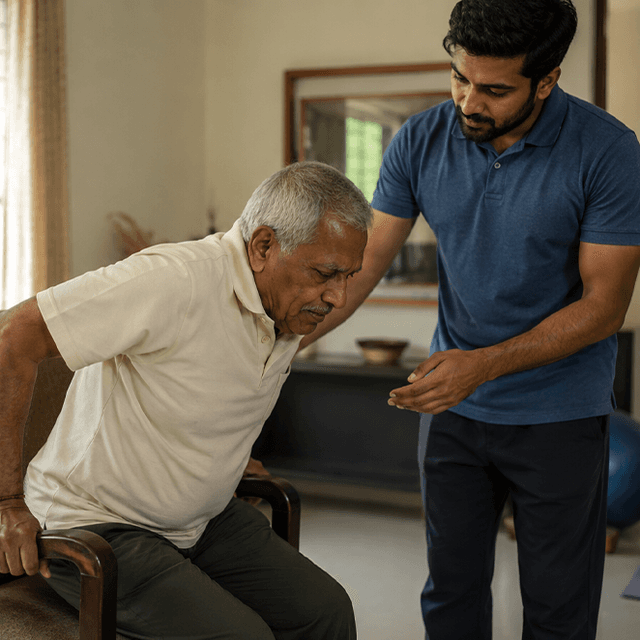
Start by determining the source and severity of the pain. Check whether your parent can take several steps and assess the ankle and foot for signs of poor circulation.
Before and after applying a support product, check the skin and circulation. Choose the least restrictive support that is appropriate for the injury and recovery plan.
Remember that the support may need to be reassessed as swelling decreases and movement increases. A support that fits appropriately at one stage of recovery may become too loose or create pressure at another stage.
A softly padded crepe bandage provides some compression, while an adjustable ankle strap provides more structured support. Neither replaces a thorough clinical assessment when symptoms are severe or recovery is not progressing.
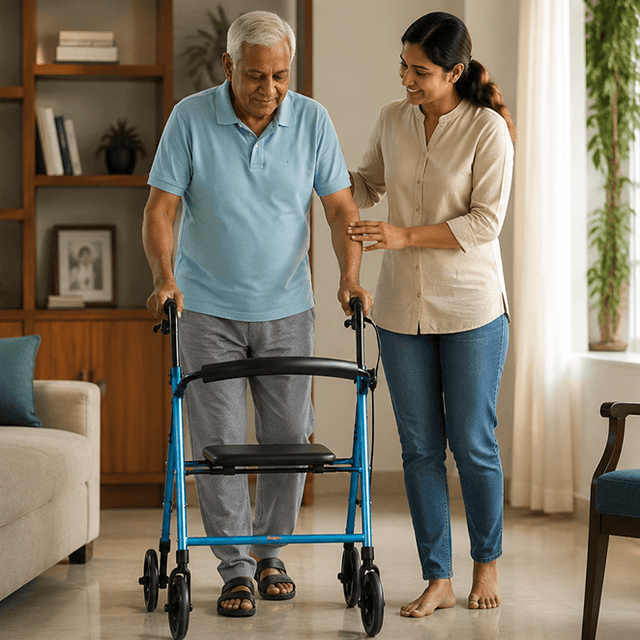
With appropriate footwear, regular observation, and a clear walking plan, your parent can be supported during recovery while gradually rebuilding confidence in movement.
Disclaimer: The health information in this article is not a substitute for professional medical advice.