

Bunion Surgery or Conservative Care? What Actually Changes the Angle
Sep 18, 2026

Bunion Surgery or Conservative Care? What Actually Changes the Angle
When your parent gets a sore from a shoe rubbing against their foot, even simple tasks can become painful. Although the bump may look like the problem, a bunion is more closely related to misalignment of the big toe joint. The angle, level of pain, everyday activities, and overall health all matter when determining an appropriate treatment plan.
Many families believe that a splint will move the toe back to a straight position, or that surgery is the best answer for every foot problem. Both assumptions can be misleading. Conservative care can help manage symptoms and function, while structural alignment of the bone is changed through surgery.
What Is a Bunion?
Hallux valgus, also known as a bunion, describes a misalignment involving the big toe and first metatarsal. It is characterized by deviation of the big toe toward the smaller toes and a prominence of the big toe joint on the inside of the foot.
In many cases, the swelling is not caused by the formation of new bone. It can result from displacement of the joint, irritated soft tissue, and an inflammatory response to pressure. Arthritis, tight shoes, foot structure, heredity, and the balance of muscles and other soft tissues may contribute to symptoms.
Common symptoms may include:
- Pain while walking or standing
- Rubbing and redness over the joint
- Difficulty fitting into normal shoes
- Formation of corns or calluses
- Limited movement of the big toe
- A feeling of imbalance
- Pain in the front of the foot
A bunion is different from a simple shoe marking. If a bump persists, pain worsens, or walking becomes difficult, medical evaluation may be appropriate. Turning or progressive deviation of the toe may also warrant assessment by an orthopaedic specialist or podiatrist.
What Does “The Angle” Mean?
During a bunion assessment, a doctor may perform a physical examination and, when appropriate, order X-rays of the affected foot while standing. These X-rays help assess the internal alignment of the bones.
Two measurements commonly discussed when evaluating bunion alignment are:
- Hallux Valgus Angle: The angle used to assess the relationship between the big toe and first metatarsal.
- Intermetatarsal Angle: A measurement of the space and alignment between the first and second metatarsals.
Other factors may also be considered, including the positioning of the sesamoid bones, joint arthritis, the position and flexibility of the other toes, discomfort during movement, and the overall position of the foot.
A more significant angle may indicate a more significant structural deformity, but it does not automatically mean that surgery is required. For example, a parent may have a prominent bunion without pain and may only need footwear adjustments and follow-up. Another parent may have a smaller deformity but experience arthritis and pain with every step.
Conservative Care Options
Conservative care can address pressure, footwear, comfort, movement, and pain symptoms. Most conservative treatments cannot reposition adult foot bones into their original alignment. Their primary purpose is to reduce pain and help maintain independence during daily activities.
1. Start With the Right Shoes
Footwear is often an important first step in managing bunion discomfort. Choose shoes with a wider toe box, a soft upper, a supportive sole, and enough depth for the toes.
Avoid pointed shoes and footwear with stiff seams positioned directly over the bunion. Trying shoes later in the day may also help because feet can become more swollen throughout the day.
2. Consider Insoles When Recommended
Foot specialists may recommend an insole to improve comfort and reduce some pressure on the foot while walking. However, an insole does not change the structural position of an abnormal bunion.
Poorly fitted inserts can increase pressure in problem areas, so professional assessment may be helpful when choosing an appropriate insole.
3. Toe Spacers and Splints
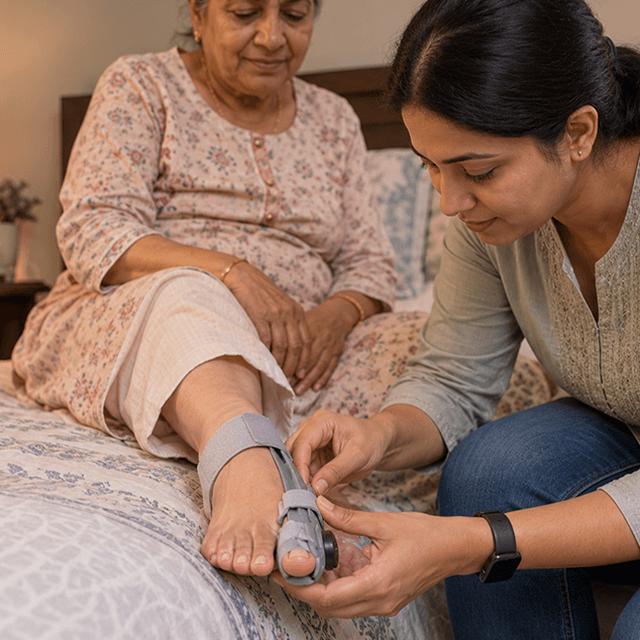
Toe spacers and night splints may help protect the foot and reduce pressure caused by rubbing for shorter periods. Their effects can vary because they do not permanently realign an adult bunion.
Stop using any device if it causes increased pain, skin irritation, or injury.
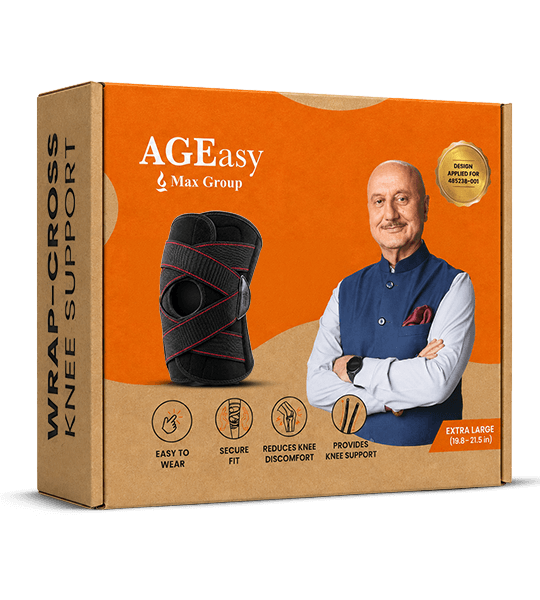
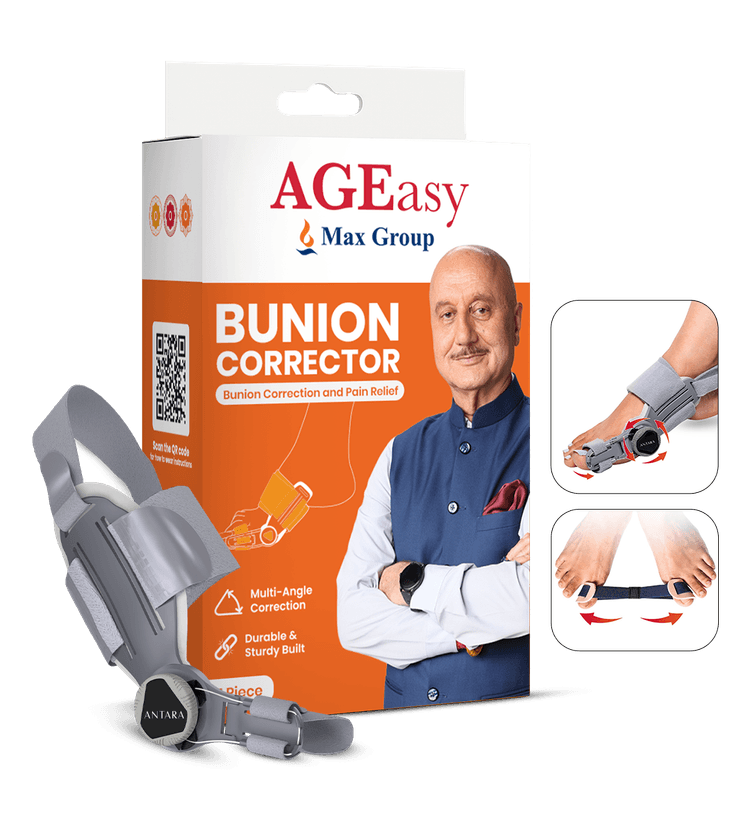
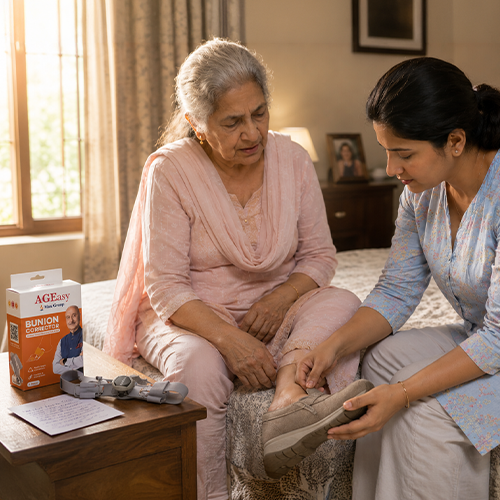
The AGEasy Bunion Corrector is designed to assist with daily toe alignment and bunion pressure management. It should be used according to the product instructions and should not be considered a replacement for professional evaluation or treatment.
4. Gentle Foot Exercises
Painless range-of-motion and strengthening exercises may help improve foot function. Depending on the individual and professional guidance, these may include big toe extension, calf stretches, toe exercises, and balance exercises.
Avoid forcefully bending the toe against resistance or stretching through pain.
5. Managing Discomfort During Flare-Ups
During flare-ups, cold packs, rest after activity, and doctor-approved pain relief may be considered. Many older adults take medicines for conditions such as blood pressure, diabetes, kidney disease, or heart disease. It is therefore important to consult a doctor or pharmacist before taking over-the-counter pain medication.
When Is Conservative Care a Reasonable First Step?
A parent with mild to moderate pain, stable walking ability, and only minor pressure or restriction during normal daily activities may be considered for pain management and a nonsurgical approach to improve walking ability and function.
This approach may include a footwear trial and targeted exercises to improve function. It can also provide useful information when discussing future treatment options with a healthcare professional.
Practical changes are important to observe rather than focusing only on how the bunion looks. Note the pain your parent experiences after activity, changes in sleep, activity levels, and tasks they are no longer able to perform. This information can be useful to practitioners when assessing the condition.
When Is Surgery Considered?
Surgery may be considered when footwear adjustments and other conservative measures provide little improvement or when the bunion significantly affects walking, work, sleep, or daily activities.
It may also be considered when there is skin breakdown, significant difficulty finding suitable footwear, excessive toe overlap, progressive pressure on adjacent toes, or a need for ongoing specialist care.
The goal of bunion surgery is not simply to remove an aesthetic bump. The procedure aims to address the alignment of the bones and soft tissues and manage pressure. The specific procedure depends on X-ray findings, overall health, activity levels, joint flexibility and condition, and the pattern of the deformity.
Surgery can change the structural foot angle more directly than conservative care, but it does not guarantee that all pain or activity restrictions will disappear. Surgical correction can involve prolonged swelling and a period of restricted weight-bearing. Casts, boots, or protective footwear may be part of post-surgical care.
Conditions such as diabetes, osteoporosis, smoking, poor circulation, and overall frailty may affect healing and complication risk. These factors should be discussed with the treating specialist.
Questions to Ask the Surgeon
- Will the proposed surgery address the angle and joint alignment problem?
- What can we expect if we continue with conservative care?
- How long will protected walking be required?
- What type of walking aid or support may be required at home?
- When can normal shoes be expected?
- What are the risks related to infection, nerve symptoms, stiffness, or other complications?
- Are there concerns involving the other foot or ankle that should also be assessed?
How Caregivers Should Make the Decision
Start with your parent’s day-to-day experience rather than focusing only on diagnostic measurements. Consider how the foot problem affects walking, footwear choices, confidence, social activities, sleep, and other daily routines.
It is also important to understand what is causing the discomfort. Pain may be related to the bunion itself, arthritis, a callus, nerve symptoms, or another foot condition.
Before surgery, consider what practical support your parent may need at home. This can include help with bathing, preparing meals, moving around safely, taking medicines, and other functional activities. Arrange the required home support and equipment before surgery where possible.
A second opinion may be appropriate if the proposed surgery is extensive or if the family or caregiver has received different explanations. Take X-ray reports, the medication list, caregiver records, and medical history to the second-opinion appointment.
Conservative Care vs Surgery: Understanding the Difference
The main distinction is that conservative care focuses on managing movement, footwear issues, pressure, and symptoms, while surgery can address bone alignment and joint mechanics.
The appropriate approach depends on factors such as pain, X-ray findings, overall health, the level of support your parent needs, and what matters most to them in their daily life. A healthcare professional can help determine which treatment options are appropriate.
Disclaimer
This article is not a substitute for a diagnosis and/or professional advice. Foot deformities and pain should be evaluated by an orthopaedic surgeon, podiatrist, or physiotherapist before any treatment is undertaken.