

LS (Lumbo-Sacral) Belt for Back Pain: How Long to Wear It in a Day and Why Longer Is Worse
Aug 30, 2026
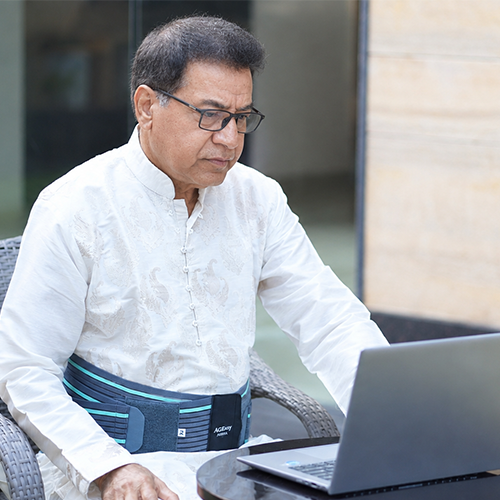
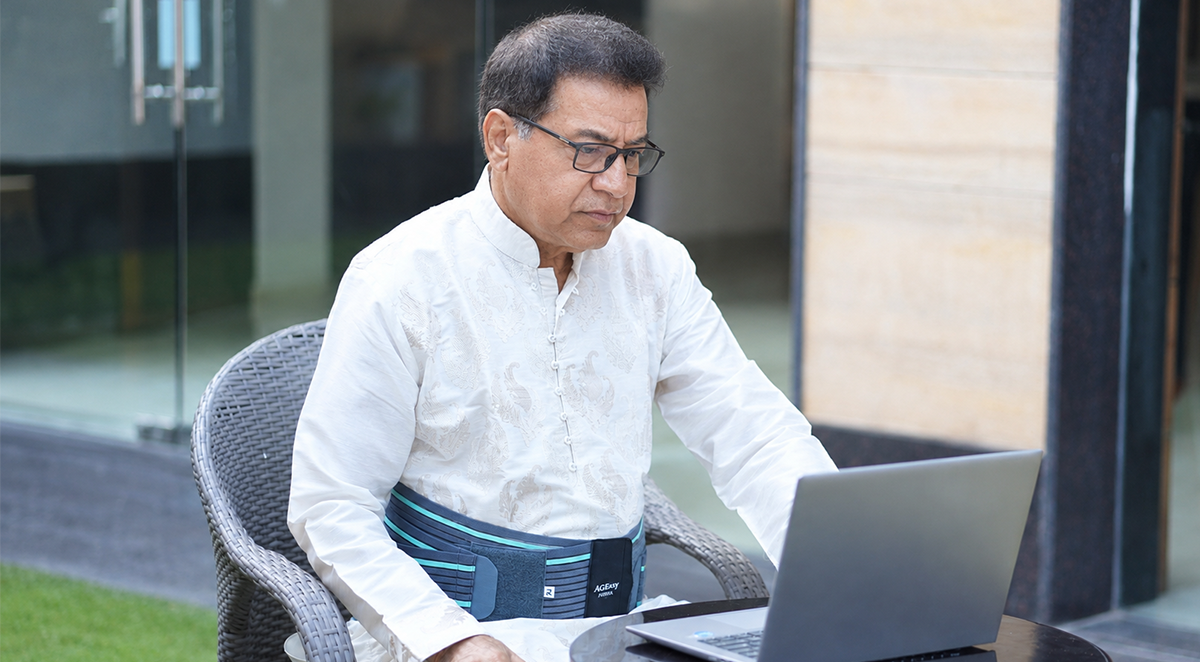
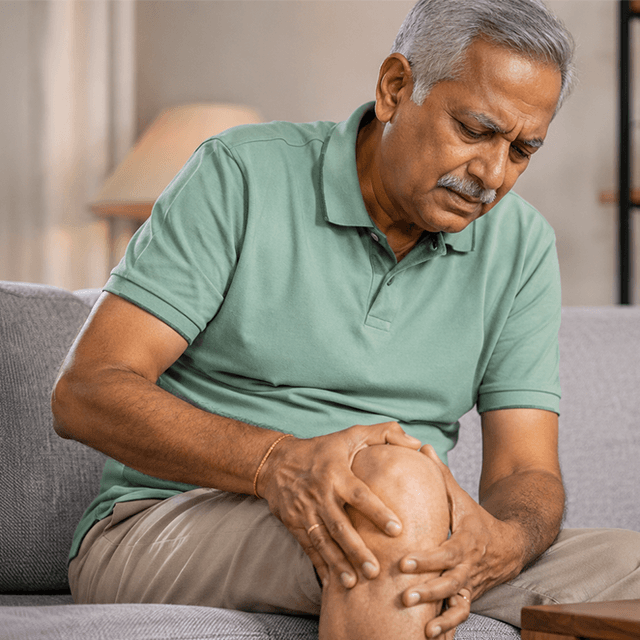
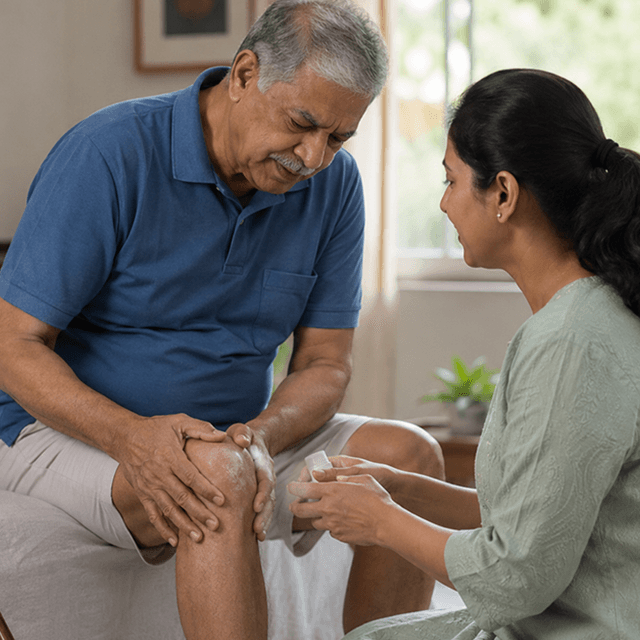
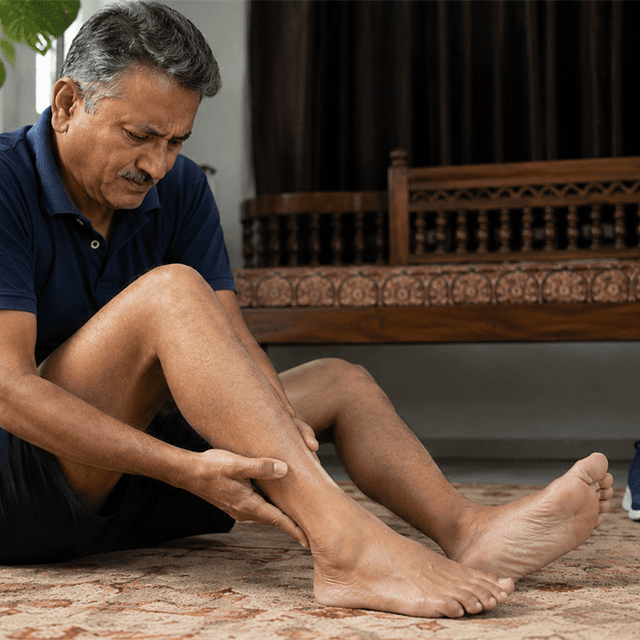
Using a lower back support belt may offer some short-term comfort, but it promotes a long-term concern: will use of the belt support recovery or will it hide a more significant problem? Support belts are designed to aid short-term relief for certain activities and should not provide support as a substitute for movement and/or care.
A lumbar sacral belt provides back support during activities which are uncomfortable such as sitting, standing, walking, and/or traveling. A support belt also aids a user’s confidence in movement. However, a support belt also should have limitations as excessive wear can inhibit movement, damage skin, and create support dependency.
For non-surgical, day-to-day back discomfort, users often begin by wearing a support belt for 1–2 hours during the activity that contributes most to their pain.
What Is an LS Belt?
An LS belt, or lumbo-sacral belt, wraps around the lower back and abdomen. It provides support to the lumbar and sacral regions. The belt is used for prolonged sitting or household activities as well as for short walks or travel.
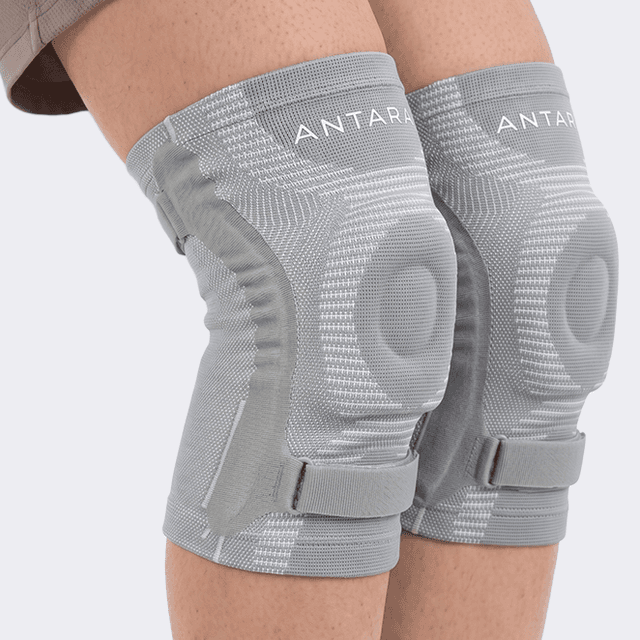
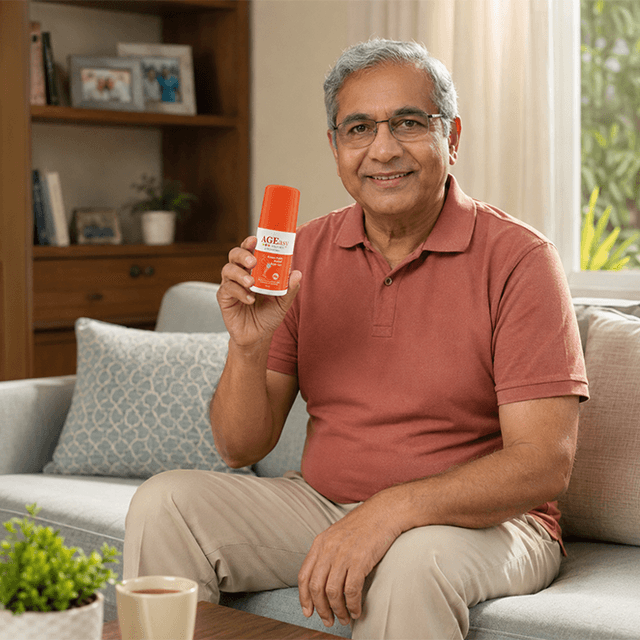
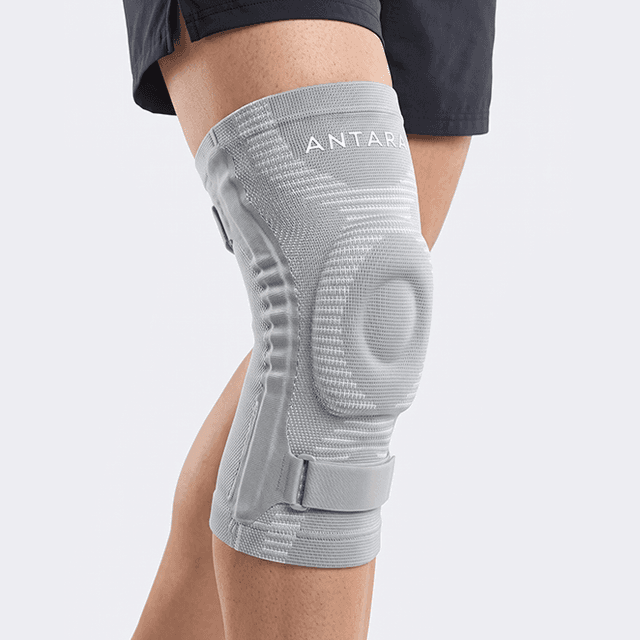
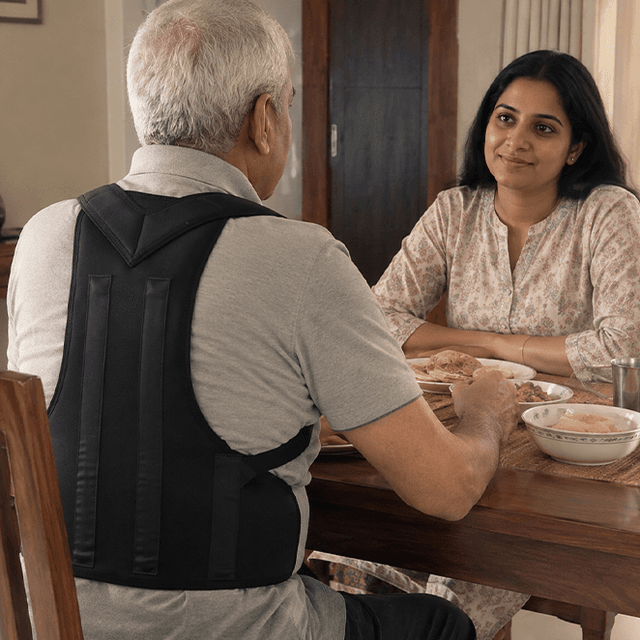
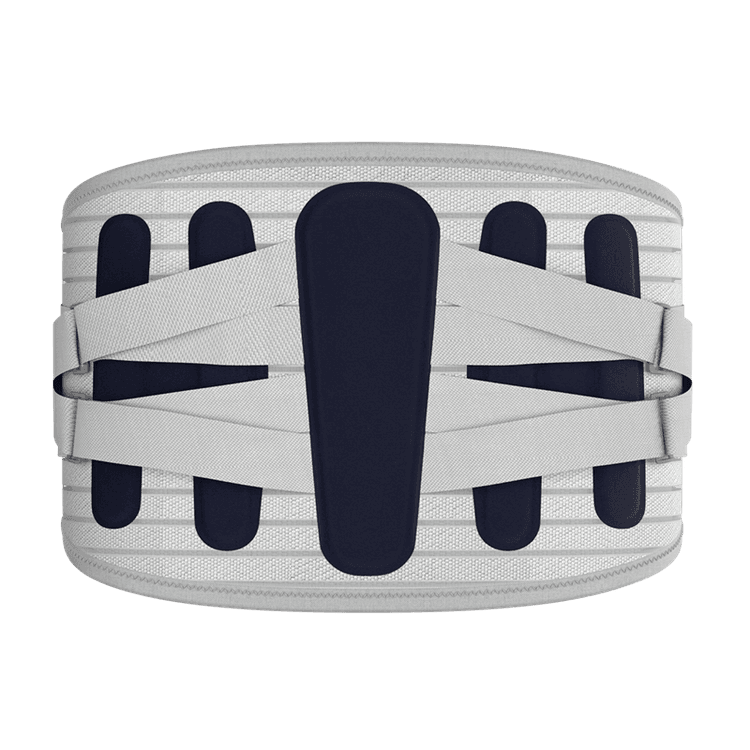
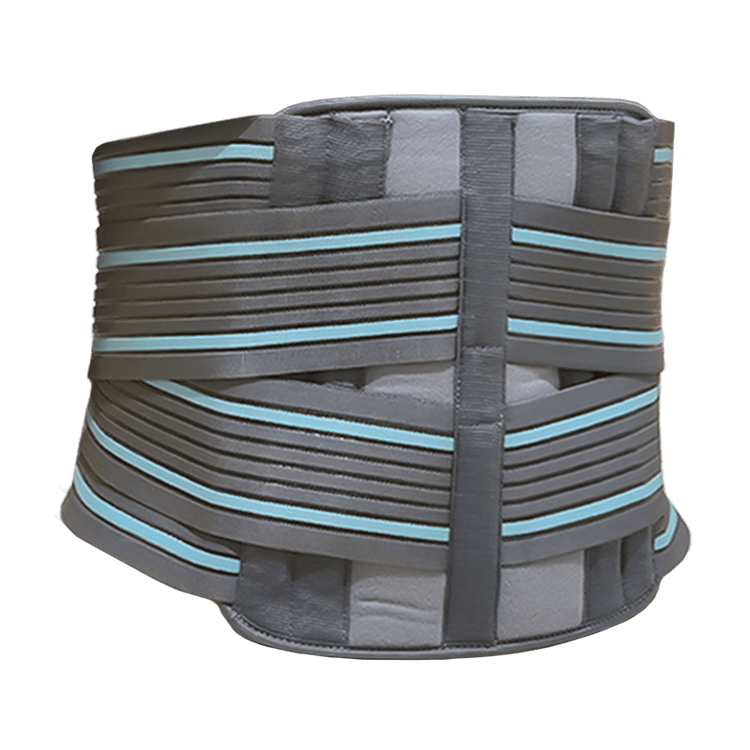
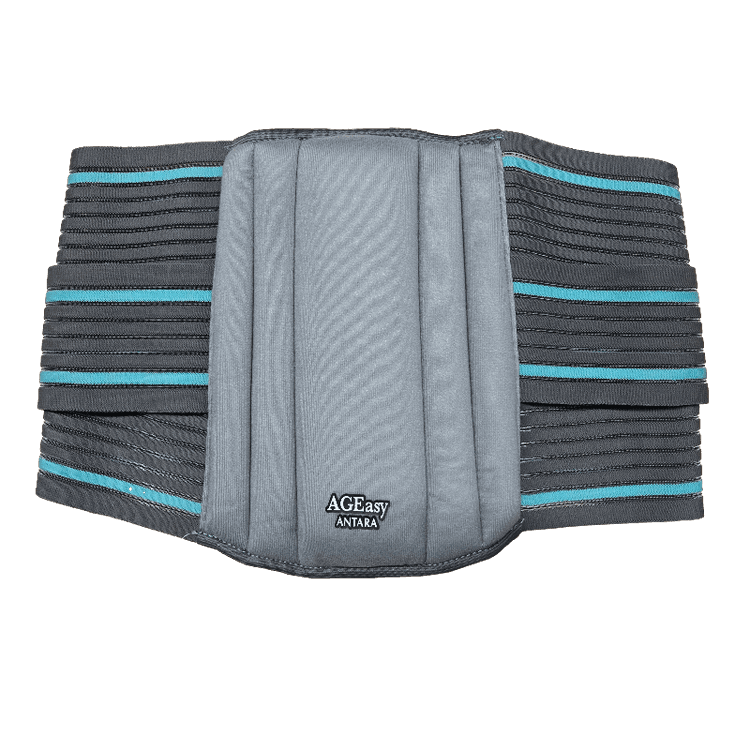
The AGEasy Lumbo Sacral (LS) Belt is a lower-back support contoured belt. According to the product information, it has an ergonomic design that is firm and flexible, with a breathable backing and dual adjustable straps. These features pertain to fit and comfort and do not guarantee that the belt is appropriate for every individual.
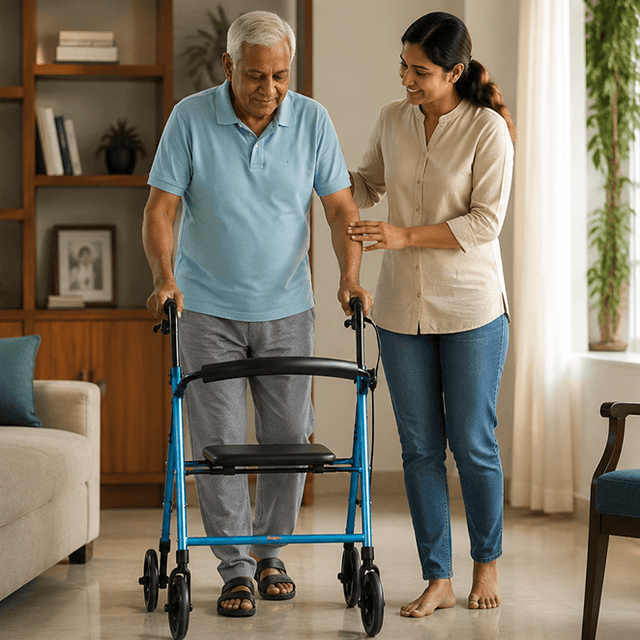
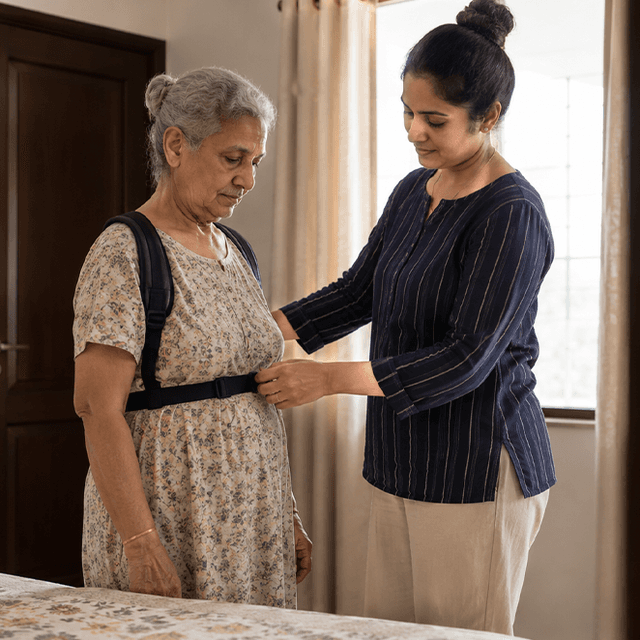
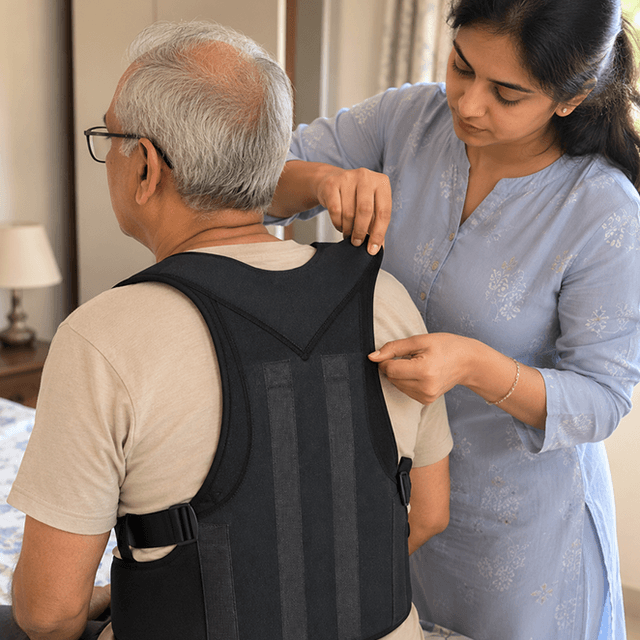
A belt should be snug, but the user should not feel pressure or breathing restriction. Your parent should still be able to move around freely.
How Many Hours Can You Wear an LS Belt in One Day?
The answer depends on the individual. The best practice is to associate belt use with a specific activity.
Begin With 1–2 Hours
For the initial use, the belt should be worn for 1–2 hours while the parent is engaged in a passive activity like desk work or travelling, or an active activity like walking outdoors. Recovery comfort should be evaluated both while the activity is in progress and after the belt is removed.
A short period will help the user determine the distribution of pressure and the reaction of the skin.
Vary Activity With Brief Breaks
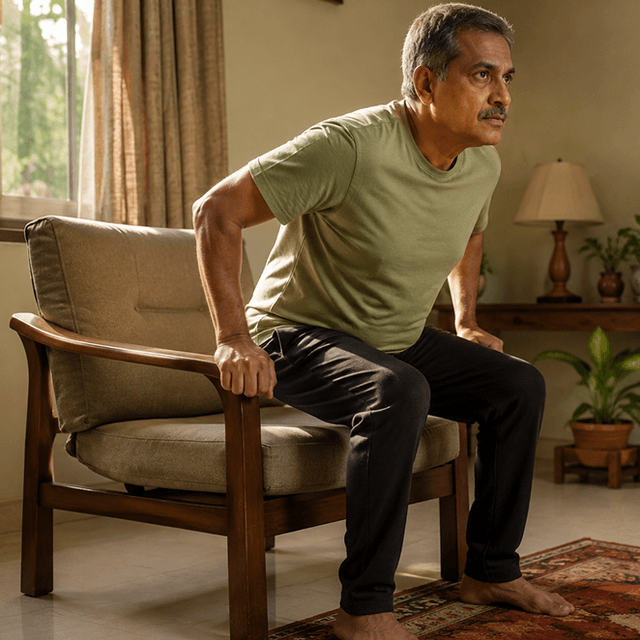
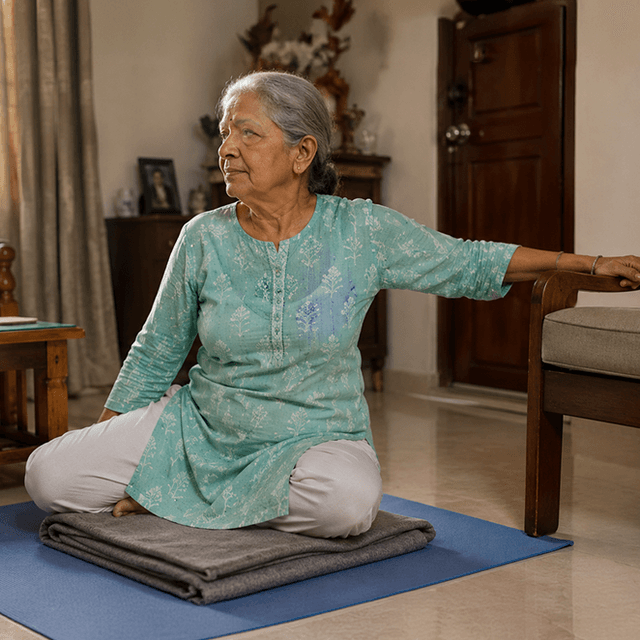
If the mobility and medical restrictions allow, breaks should include positions that relieve tension and short walking intervals. Stiffness will increase while sedentary even if you feel supported by a belt.
Limit Routine Use to 3–4 Hours
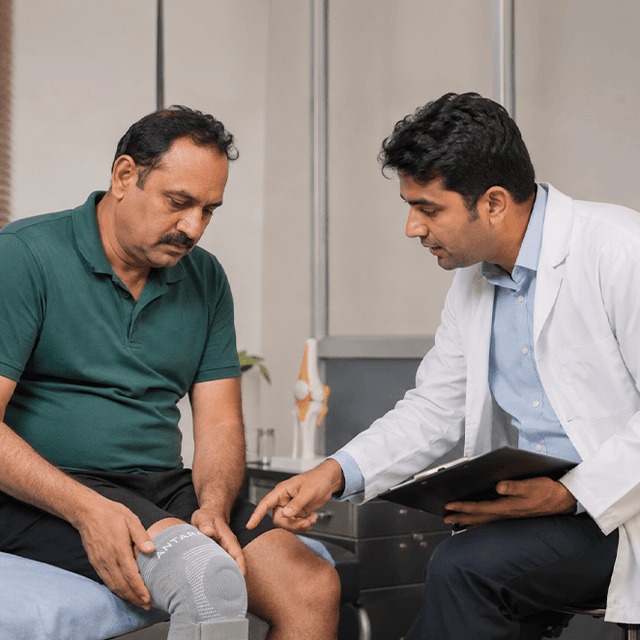
For most non-surgical, back pain cases, a general recommendation is for adults to limit the use of their pain control product to a maximum of 3–4 hours during a selected activity. This recommendation may be changed by a therapist or doctor after they perform an examination.
Follow All Specific Post-Injury and Surgery Medical Advice
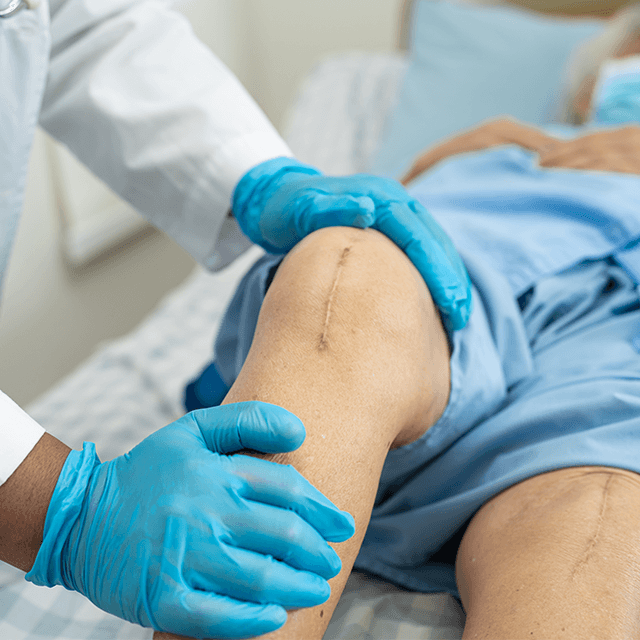
A fracture, surgery, or other major procedure may require more extended use and/or more prescribed use of the pain control product. Follow the instructions as directed, as variations may result in negative effects.
Why Should You Avoid Wearing an LS Belt for Too Long?
Using the pain control product for an extended period of time is equally as risky as using it for too short of a time. As the body adjusts to the support provided by the belt, and in particular the support around the torso, other issues may begin to develop.
Limited Natural Movement
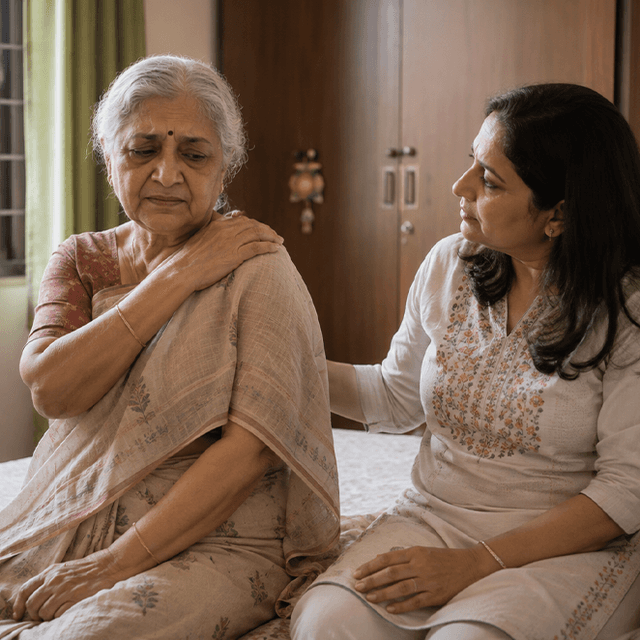
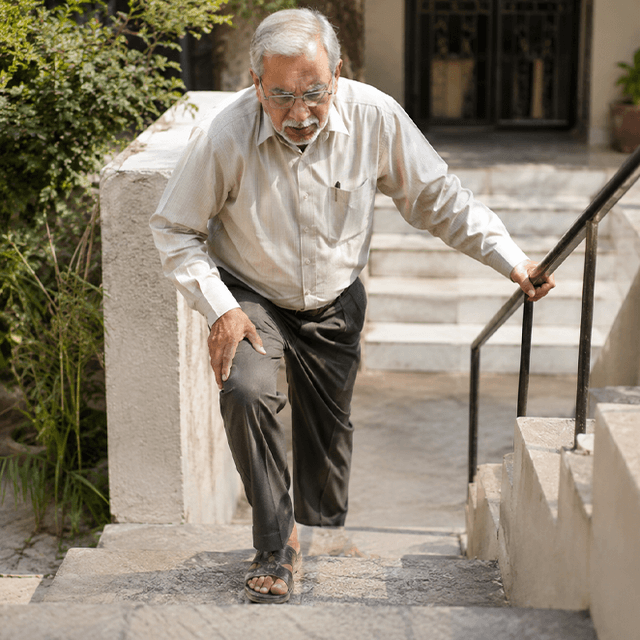
The belt affects the natural support system of the body by limiting the movement of the muscles in the back and abdomen. Torso movement will begin to diminish and lead to stiffness. It may cause your parents to become more hesitant to move when the belt is removed.
Creates a False Sense of Security
Using the pain control product makes movement feel safe. After pain subsides, using the belt for movement may lead to a false sense of reliance on the pain control product.
Pain control products are intended for the temporary management of mild and moderate pain. Pain control products should not become a permanent solution for coping with chronic pain.
It Can Mask Symptoms
A belt may relieve pain caused by spinal conditions, nerve irritations, infections, or other medical issues. If pain comes back or worsens, doesn't resolve with more support, or worsens walking or sleep, seek medical attention.
It May Irritate the Skin
Thinner and sensitive skin is one of several problems caused by aging. Friction caused by sweat may result in rashes, skin irritation, and pressure ulcers.
After use, examine the affected area, especially on the waist, hips, and back.
Can an LS Belt Affect Eating and Breathing Comfort?
A belt that is too tight when worn around the abdomen may cause discomfort or deeper breathing and may especially be a problem after eating.
If your parent feels restricted or in pain, it is best to take it off or loosen it. A belt should never cause pain while breathing, chest pain, or dizziness.
Warning Signs to Watch For
For comfort, you have to evaluate your parent. Check for:
- Persistent redness or pressure marks over the skin after removal
- New weakness or pain in the legs with numbness or tingling while wearing
- Breathlessness after meals
- Blisters, itching, skin tears, skin irritation, or stiffness after removal
- Fear of movement after removal
Seek medical attention if these symptoms are present. A wound, spreading redness, fever, weakness, and severe pain are reasons to seek medical attention immediately.
When an LS Belt Might Be Helpful
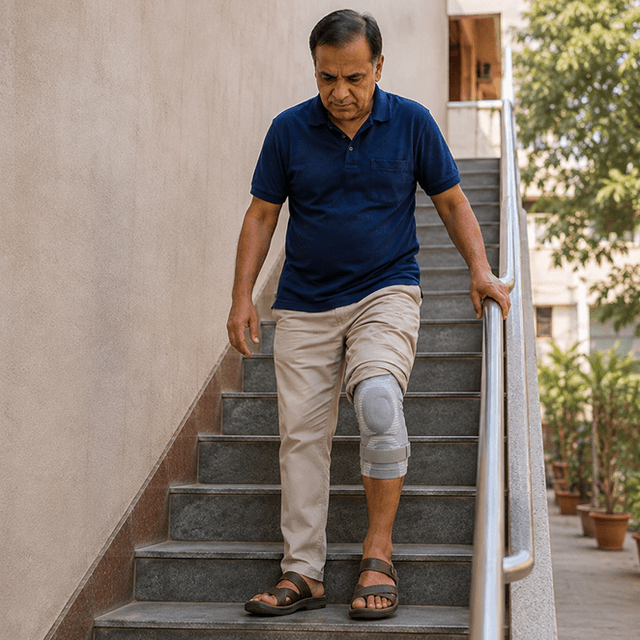
Sometimes, it's helpful to have a belt for part of the day to get relief from habitually straining your lower back. For example, if commuting is less than 15 minutes, standing while you cook, walking on an uneven surface, or where you sit or stand for a short period of time at a family event.
Use the belt along with safe movement and rest, plus the instructions from your healthcare provider. An LS belt is not a replacement for an X-ray or other diagnostic imaging.
The AGEasy Lumbo Sacral (LS) Belt includes breathable fabric, customizable fit, and compression that provides firm yet flexible support. Individuals should consider these as product features and not assume medical benefits as a result of these features.
The most appropriate option for an aging parent would combine an appropriate fit, limited use for a specific activity, frequent movement, scheduled skin examinations, and continuous consultation with medical professionals in cases where the parent’s pain is persistent or worsening.
How to Use an LS Belt Properly
Pick the Right Size
Check the size guide that comes with the product and measure yourself where the belt will actually fit. Belts that are either too large or small will not work.
Adjust the Belt
Follow the directions with the product. The lower edge should support your low back and not dig into your hips or cross a painful area of your skin. Ask your parent's physical therapist or healthcare professional to check the placement.
Wear Soft Undergarments
This might reduce friction and sweat rash while not irritating the skin. Never wear the belt over a wound unless your healthcare professional tells you to.
Do Not Sleep in It Unless You're Told To
For routine low back problems, there is really no reason to wear a back support at night, and in fact it may increase pressure, cause skin irritation, and worsen the problem. However, always follow the instructions of the clinician who is treating you after your surgery or a major injury.
What Caregivers Should Track
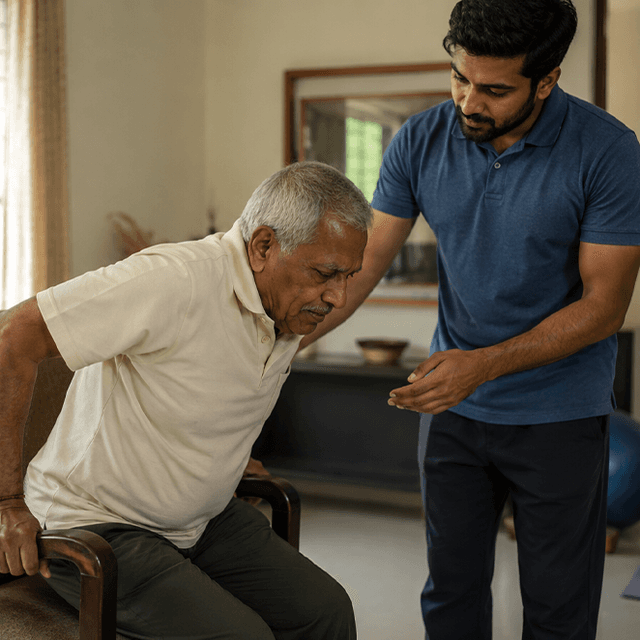
Basic tracking should include wearing time, symptom relief, changes to the skin, and comfort level after the belt is taken off. It will also give you a good idea of how the belt is used and the type of activity it is actually able to assist your parent during.
If your parent needs to use the belt for longer, consider if the pain may have changed since the last time it was looked at. Also check everything in the immediate working areas and the surrounding areas, such as medicines, footwear, aids, chairs, falls, and the rest.
The Bottom Line
An LS belt should be used within time limits to support specific activities. Use the belt with frequent breaks and a routine wear time of no more than four hours unless a clinician advises otherwise.
It should always be taken off to rest and sleep unless otherwise advised. This practice will minimize stiffness, skin irritation, and the risk of delaying treatment for an underlying problem.
Disclaimer: The health information in this article is not a substitute for professional medical advice.