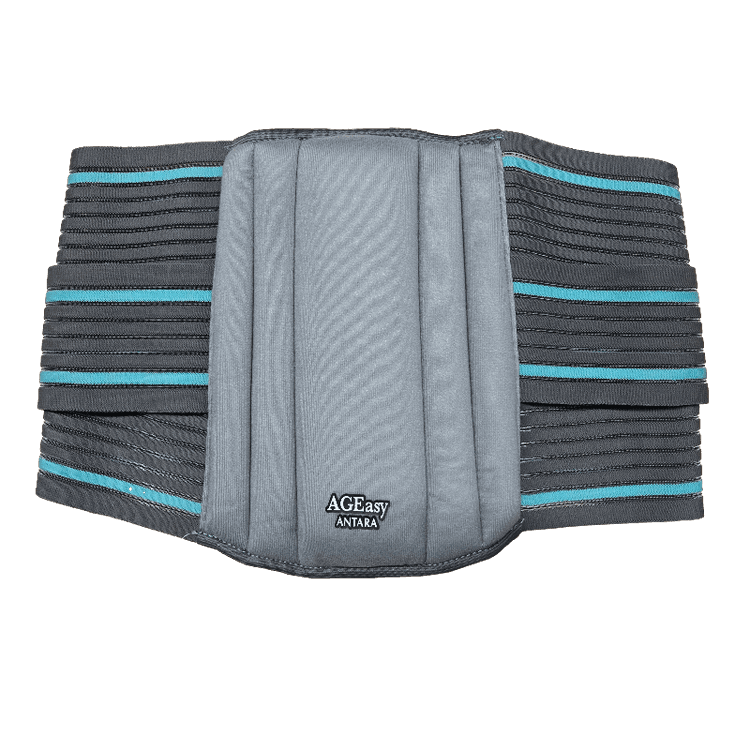


Posture Corrector for Seniors: Does Wearing a Brace Actually Retrain Your Back?
Sep 8, 2026
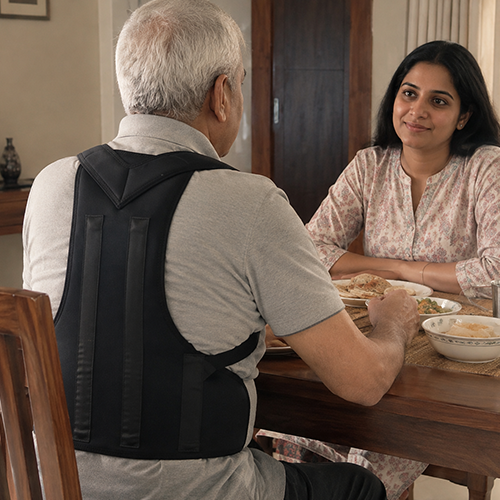
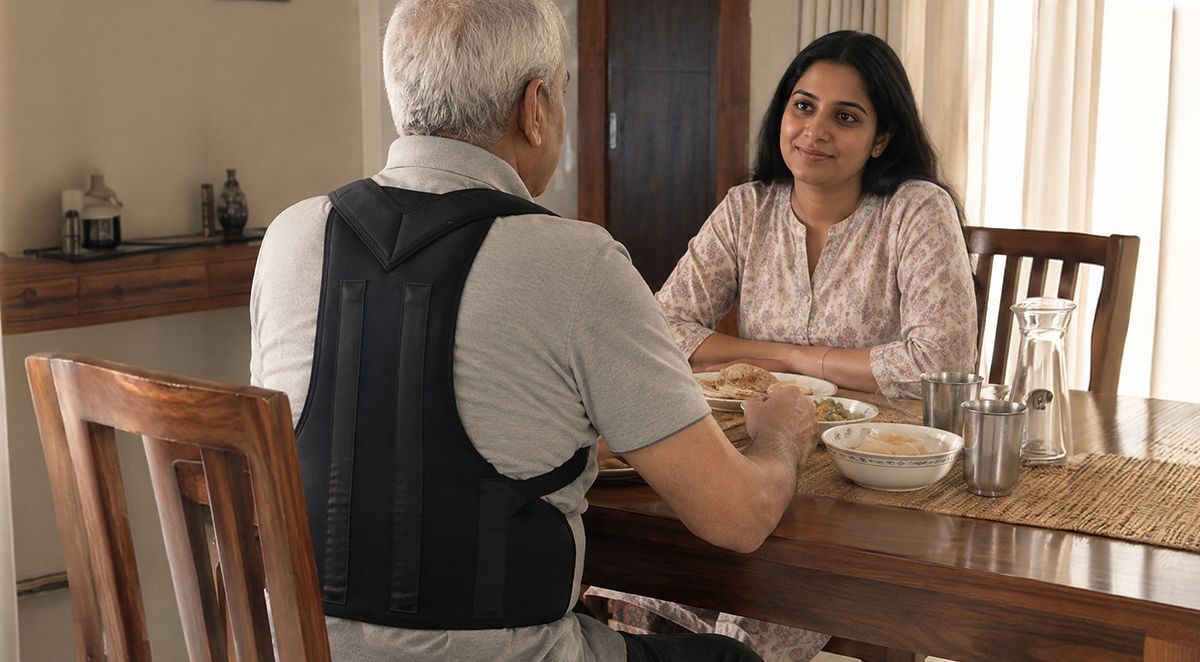
When an older parent begins to develop a bent or rounded posture, it can seem like a gradual change. They may start leaning forward while eating or resting, find it harder to reach down for everyday tasks, or become tired when trying to sit upright.
A posture corrector may appear to be an easy solution, but wearing a brace does not automatically retrain the back. A posture corrector can remind the wearer to maintain a more upright position, but it cannot build weak muscles or address every underlying reason for poor posture.
For caregivers, the more important question is not simply whether a brace pulls the shoulders back. It is whether the older adult can maintain a comfortable and functional posture after the brace is removed. Meaningful improvement usually requires a combination of movement, strength, awareness, and appropriate medical guidance.
What Is a Posture Corrector?
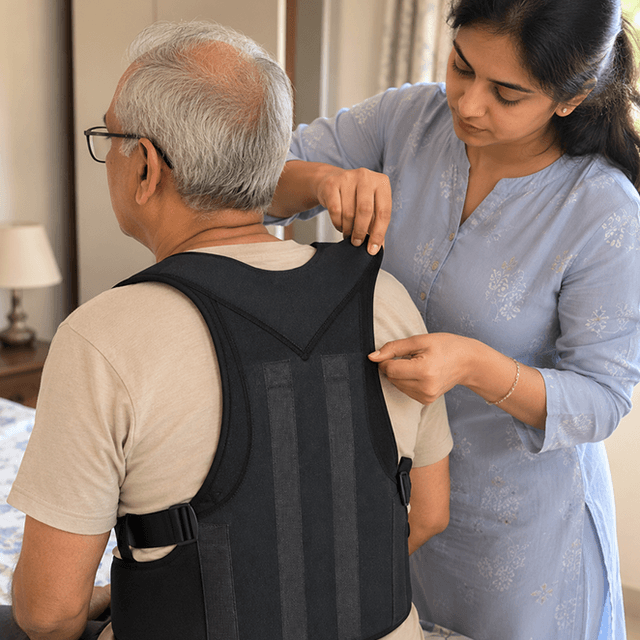
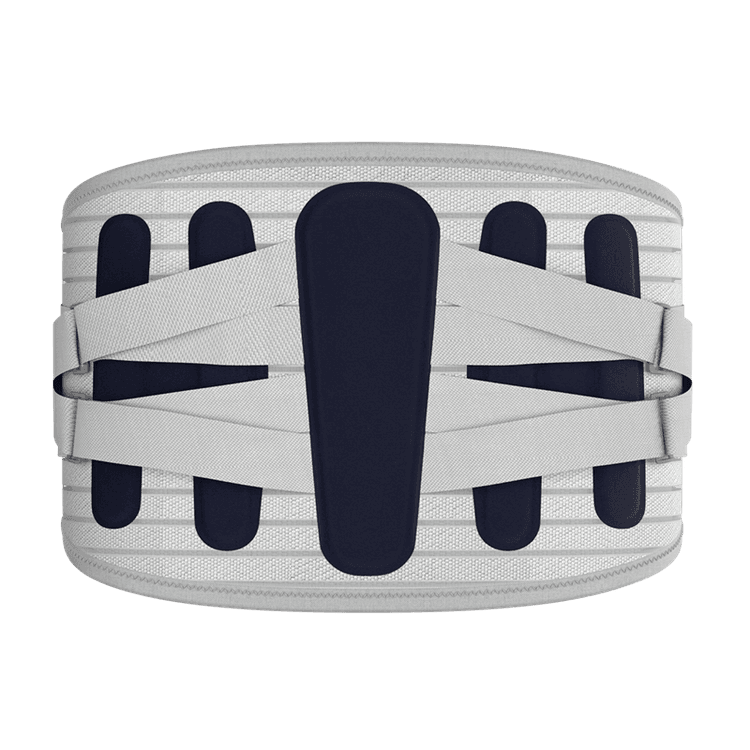
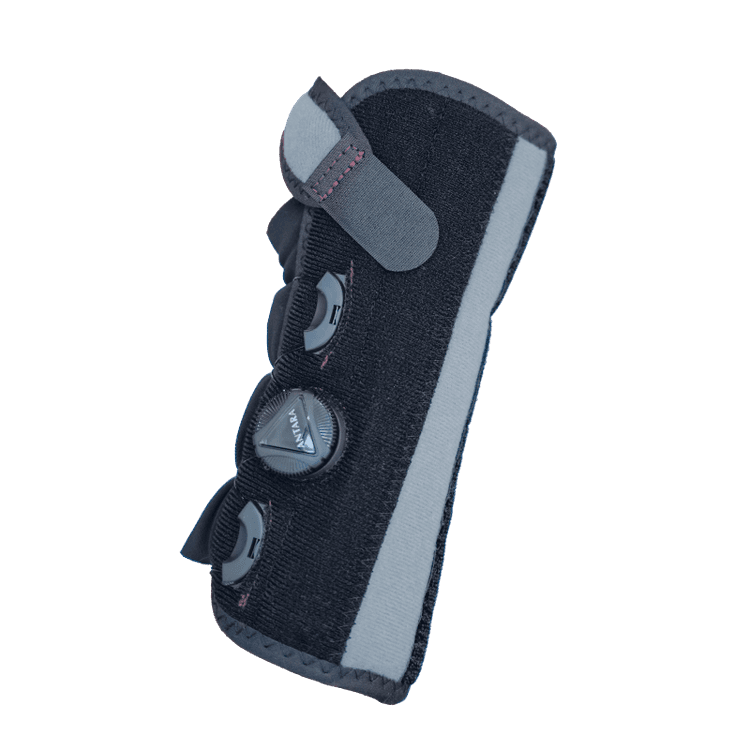
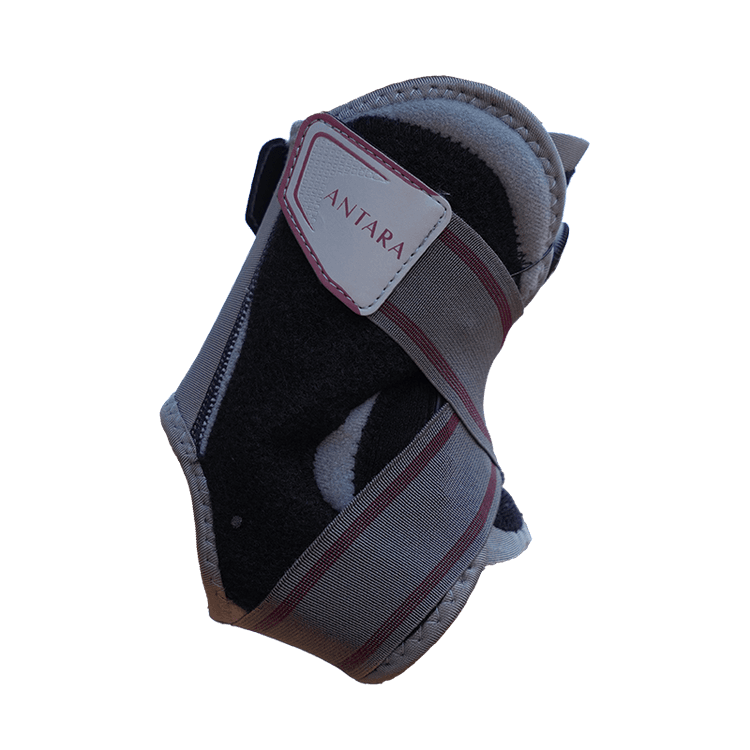
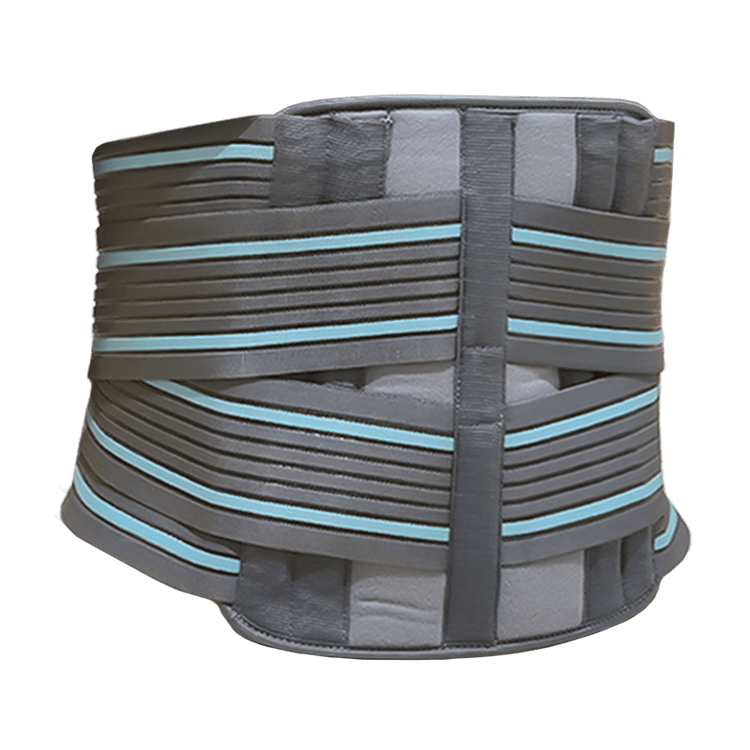
Posture correctors are wearable shoulder and back supports designed to remind the wearer to maintain a more upright position. Some designs also provide support around the lower back.
A posture corrector is different from a medical brace. It is generally used for posture awareness and support during specific activities and should not replace assessment or treatment from a doctor or physiotherapist.
Posture changes in older adults can have several possible contributors, including muscle weakness, joint stiffness, visual problems, pain, balance difficulties, prolonged sitting, and age-related changes in the spine. A posture corrector may provide temporary support or improve awareness, but it does not address all of these underlying factors.
Does a Posture Corrector Actually Retrain the Back?
A posture corrector on its own is not a back-retraining solution. It can act as an external reminder. When the wearer begins to slouch, the support may provide gentle corrective tension that reminds them to adjust their position.
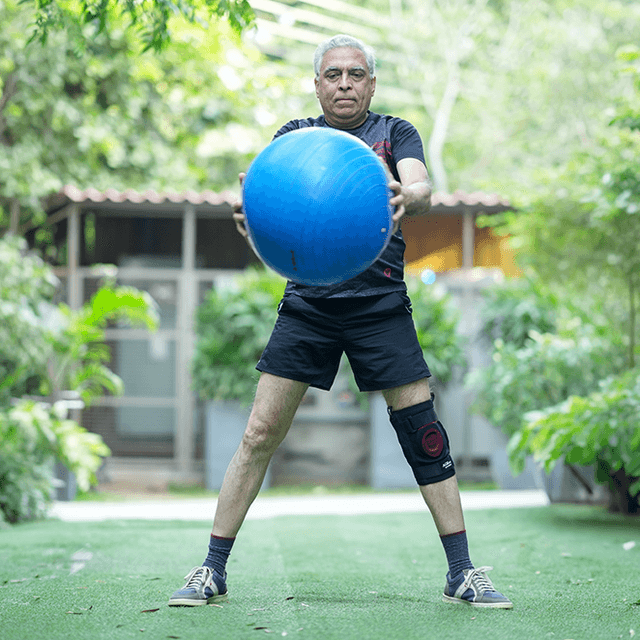
Long-term improvement in posture involves more than wearing a brace. Strength, mobility, balance, body awareness, and regular practice all play a role. The muscles around the trunk, shoulder blades, and hips need to be strong enough to support an upright position during everyday movement.
For short, planned activities such as sitting during a meal, taking a walk, or participating in a seated activity, a posture corrector may provide a useful reminder. It should not be treated as something that needs to be worn continuously or relied upon for all activities.
The benefit of a posture corrector also depends on what happens outside the time it is being worn. Remaining inactive for long periods may limit the benefits of posture support and can interfere with natural body awareness and movement. A tight or poorly fitted support may also make breathing or movement uncomfortable.
When Might a Posture Corrector Be Helpful?
A posture corrector may be considered for an older adult who:
- Has mildly rounded shoulders while sitting.
- Needs a reminder to adjust their posture during a specific activity.
- Needs a light amount of support.
- Has received appropriate advice from a healthcare professional.
- Is also working on strength, mobility, and everyday movement.
The support should feel firm without being painful. Your parent should be able to move, breathe, and speak comfortably while wearing it.
Caregivers should also check the skin after use, particularly if the older adult has sensitive or fragile skin, diabetes, reduced sensation, or a history of pressure injuries.
A posture corrector is generally more useful as a reminder than as a device that forces the body into one fixed position. Older adults should still be able to safely turn, reach, bend, and change position throughout the day.
When May a Posture Corrector Not Be Helpful?
A posture corrector should not be relied upon to correct a significant or worsening stoop. A sudden change in posture, particularly when accompanied by pain, weakness, numbness, balance problems, or difficulty walking, should be medically investigated.
Contact a doctor if your parent develops any of the following:
- A noticeably greater forward bend than before.
- Severe or persistent back pain.
- Back pain following a fall.
- Numbness or weakness in the arms or legs.
- New bladder or bowel problems.
- Unexplained weight loss, fever, or extreme fatigue.
- Difficulty breathing while sitting or standing.
- A history of spinal fractures, osteoporosis, or spinal surgery.
Extra caution is also needed when an older adult has a heart or lung condition, circulation problems, fragile skin, or significant arthritis. Tight supports around the chest or abdomen may be uncomfortable or restrict breathing. In such situations, a doctor or physiotherapist should guide the choice and fitting of the support.
How Should Caregivers Choose a Posture Corrector?
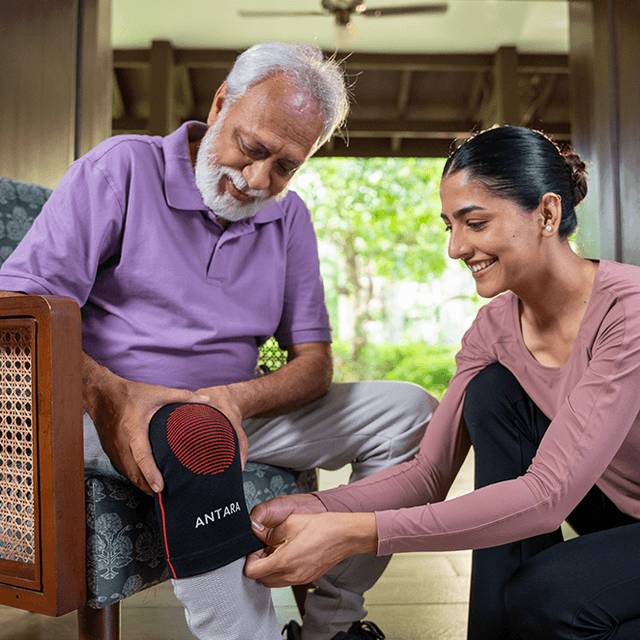
Fit should take priority over appearance when choosing a posture corrector. Always follow the manufacturer's measuring instructions and product guidance.
Look for:
- Soft, comfortable fabric.
- Adjustable straps.
- Simple-to-use fastenings.
- A design that the caregiver can put on easily.
- Edges that do not dig into the skin.
- Clear care and washing instructions.
- A comfortable fit when worn over clothing.
Introduce the support gradually. Remove it immediately if your parent experiences pain, tingling, skin marking, breathing difficulties, or any other concerning symptoms.
The AGEasy ErgoLift Posture Corrector can be considered when a posture reminder or light support is appropriate.
A posture corrector should not be worn at night unless a healthcare professional has specifically recommended it.
Exercises and Daily Habits Matter More
A posture corrector has greater value when it is used alongside appropriate movement and strengthening rather than as the only intervention.
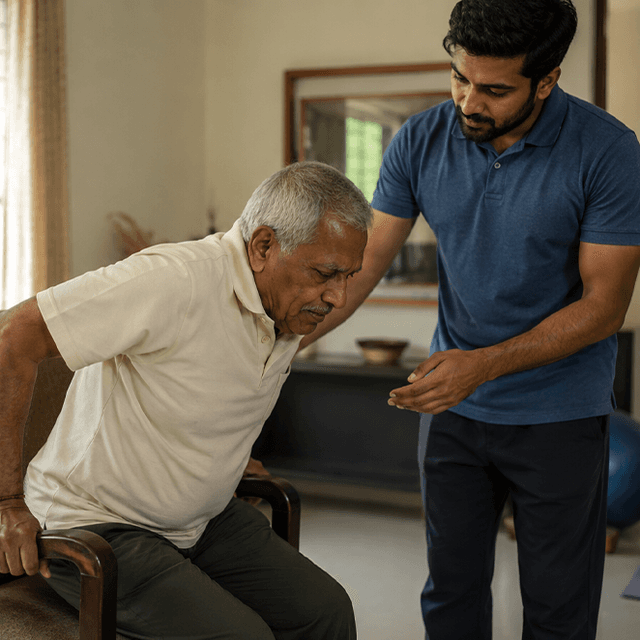
A physiotherapist can develop exercises based on your parent's balance, strength, pain, and medical history. These may focus on upper-back mobility, shoulder-blade control, trunk and hip strength, and walking ability.
Everyday habits can also influence posture. Adjust the chair height so that both feet can rest comfortably on the floor. Keep frequently used objects within easy reach to reduce unnecessary bending or stretching.
Reading material and phones can be positioned more upright and closer to eye level rather than requiring the head and upper body to remain bent forward for long periods.
Short, frequent movement breaks during long periods of sitting or inactivity may also be more practical than relying on one long exercise session.
Do not encourage your parent to hold their shoulders rigidly pulled back throughout the day. Over-correcting posture can create strain and fatigue and may become uncomfortable or painful.
Could Sitting Discomfort Be Affecting Posture?
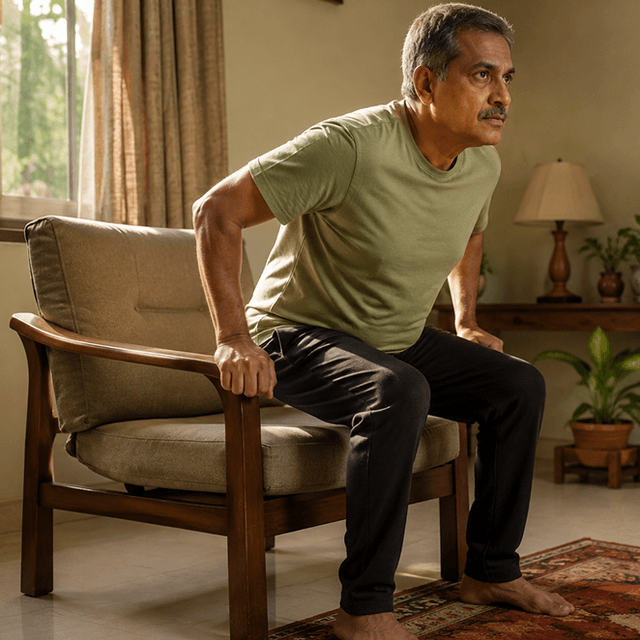
Sometimes an older adult changes their posture because sitting itself is uncomfortable. Hip pain, tailbone pain, or an unsuitable chair may cause them to lean to one side or change the way they position their spine.
In these situations, improving sitting comfort may help with posture, while a posture brace may not address the underlying problem.
One option for sitting comfort is the AGEasy Coccyx Cushion for Tailbone Pain Relief. It should be viewed as a sitting-comfort aid rather than a posture corrector or treatment for a spinal condition.
A cushion cannot correct a slouched back. It may, however, help some people manage discomfort while sitting for shorter periods, allowing them to take regular breaks to stand and move.
If your parent continues to experience pain while sitting, the underlying cause should be assessed by an appropriate healthcare professional.
A Practical Plan for Families
Start by observing when your parent begins to slouch. Does it happen only while reading, or does it occur during other activities as well? Does pain cause the slouching? Does your parent become more tired later in the day? Understanding the pattern can help identify what may be contributing to the posture change.
When using a posture corrector, encourage a comfortable position with the head and spine aligned as naturally as possible and both feet resting on the floor when seated.
Monitor comfort, movement, skin irritation, fatigue, and pain while the brace is being used. Also pay attention to whether your parent feels more or less confident while walking and whether the support helps with everyday activities.
If the posture corrector causes stiffness, discomfort, or difficulty maintaining independence, its use should be reassessed.
What Is the Best Way to Improve Posture in Older Adults?
A posture brace may remind someone to improve their posture for a short period, but meaningful and lasting changes generally depend on addressing the factors contributing to poor posture and developing safe movement patterns.
For ageing parents, a more complete approach can include professional assessment, appropriate exercises, comfortable seating and positioning, regular movement, and carefully timed use of a posture corrector when appropriate.
The goal should not be to force the back into a perfectly straight or rigid position. The priority is helping your parent remain comfortable, mobile, safe, and as independent as possible.
Disclaimer: This article is for general health information and does not replace medical advice, diagnosis, or treatment. Speak with a qualified doctor or physiotherapist before using a posture brace, especially after a fall, injury, or surgery, or if your parent has pain, weakness, numbness, osteoporosis, breathing difficulty, or another medical condition.