
Knee Pain Tablets: Painkiller, Supplement or Both? Understanding the Difference
Oct 21, 2026
Knee Pain Tablets: Painkiller, Supplement or Both? Understanding the Difference
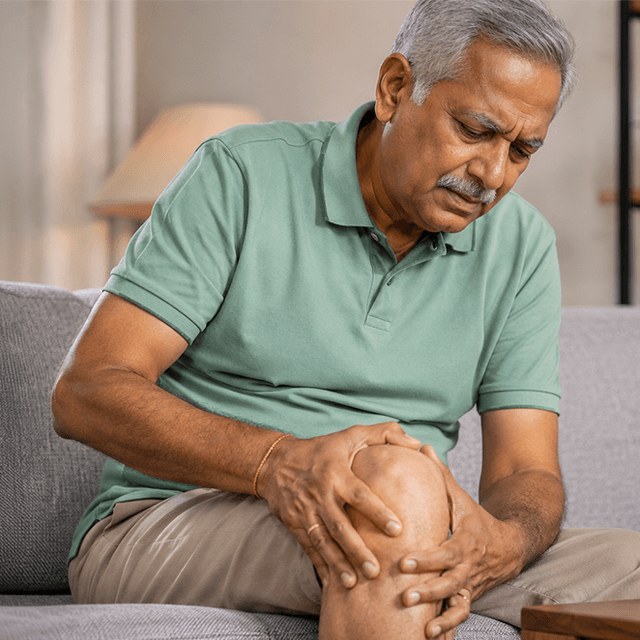
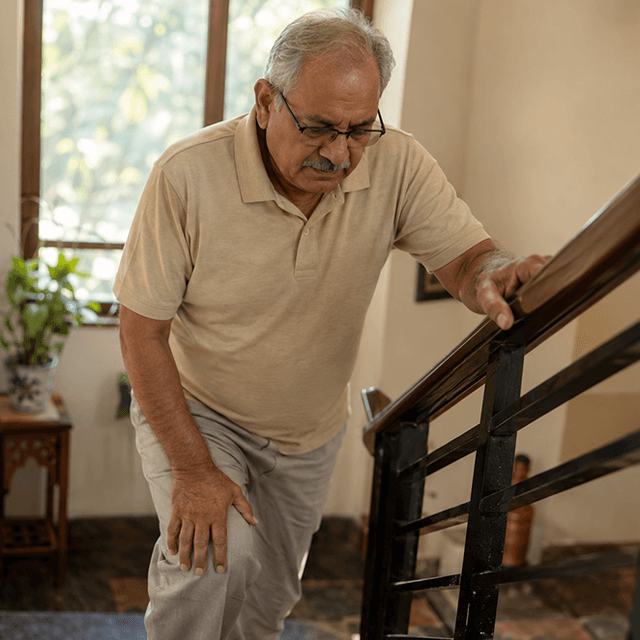
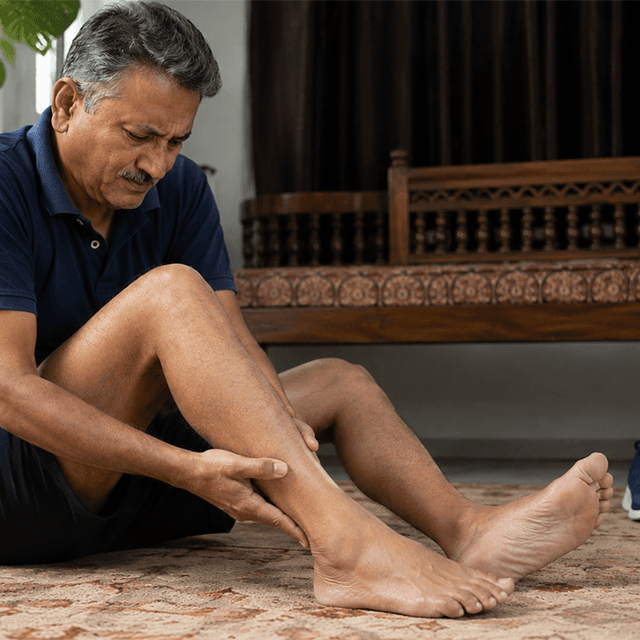
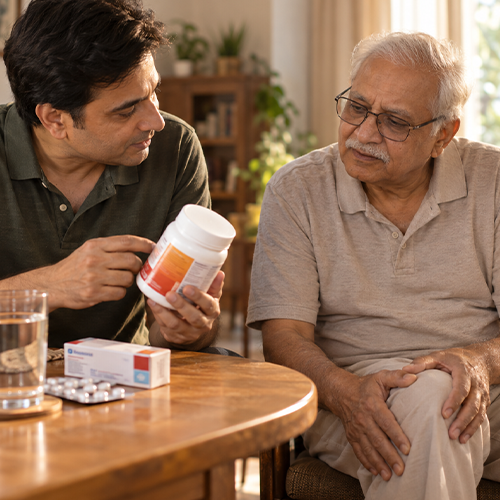
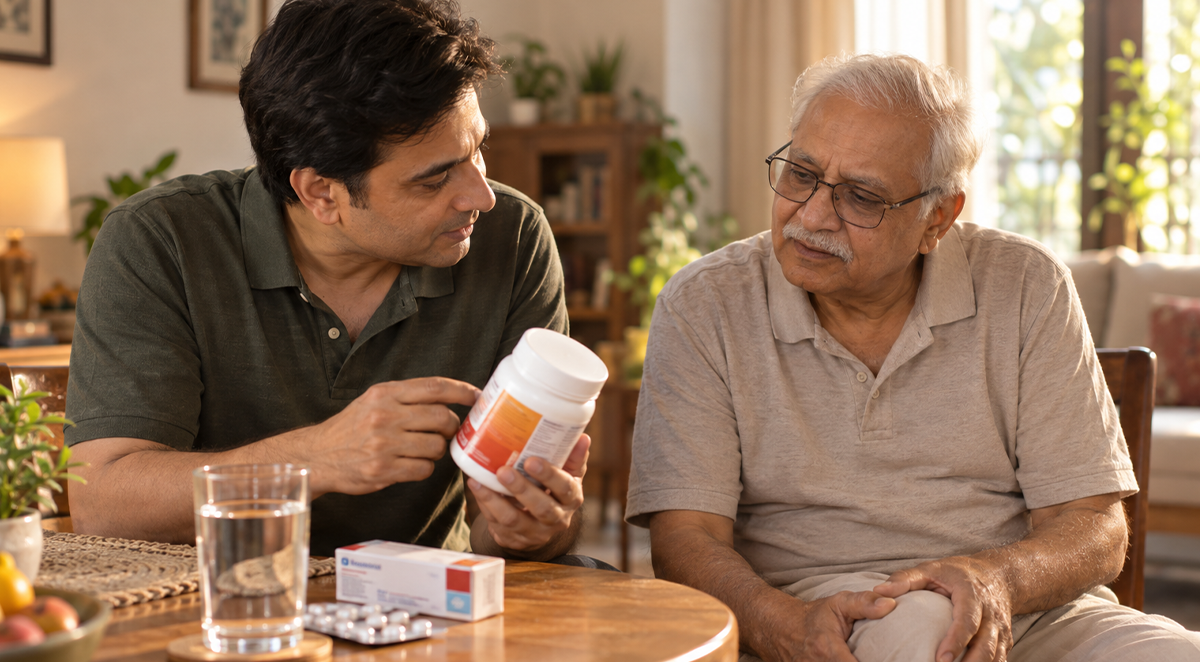
When an aging parent says,‘My knee hurts’, we all know where to look first: the medicine cabinet. One strip promises fast relief while the other wanders into the territory of joint care, cartilage support, and mobility. While these strips both claim to provide relief, they serve entirely different functions.
Knee pain isn’t a sign of the wear and tear of old age. Knee pain isn’t a problem that can be managed simply by picking a random product off the shop’s shelf. The cause matters. It could be your parent’s other medication. It could be their medical history. It could be how pain affects their mobility, how it disrupts their sleep, and in turn their quality of life.
What Are Painkillers?
A painkiller is a drug that kills pain. Some painkillers are also anti-inflammatory. Doctors and pharmacists often discuss paracetamol, non-steroidal anti-inflammatory drugs (NSAIDs), or the use of topical analgesics.
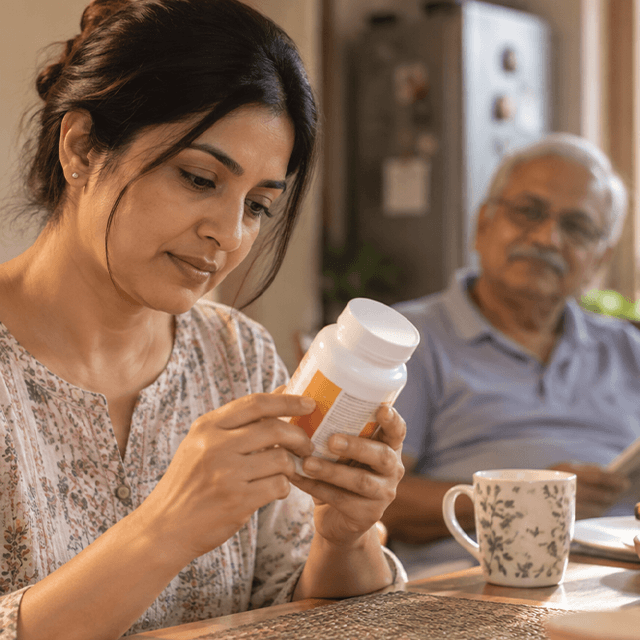
Paracetamol alleviates pain and brings down a fever, but does not address the underlying causes of arthritis. In addition, taking paracetamol in greater quantities than recommended is detrimental to the liver. Because many combination cold and flu remedies have paracetamol, check the labels before giving an older adult more than one.
Medicines like ibuprofen, naproxen, and diclofenac are called NSAIDs. These are commonly used to manage pain associated with inflammation; however, these medicines have risks. These include pain and irritation to the stomach, damage to the kidneys, increased blood pressure, fluid retention, and increased risk of cardiovascular disease. For older adults, especially those who have kidney disease, ulcers, heart disease, high blood pressure, and those taking blood thinners, these risks are the most concerning.
What Do You Mean by a Joint Supplement?
A supplement that supports nutrition and provides health benefits is a joint supplement. This is not meant to be used to treat pain similar to a painkiller. Joint supplements may not give the effect of pain relief that a person expects from medicines.
In the case of joint supplements, ingredients such as glucosamine, chondroitin, turmeric, Boswellia, collagen, and minerals may be present. There is not enough evidence to support the use of joint supplements over the longer term. For some, these supplements may provide some support in joint care; however, others may not notice any effect. Just because a product claims to support joint care does not mean it provides any treatment or cures joint pain or repairs cartilage.
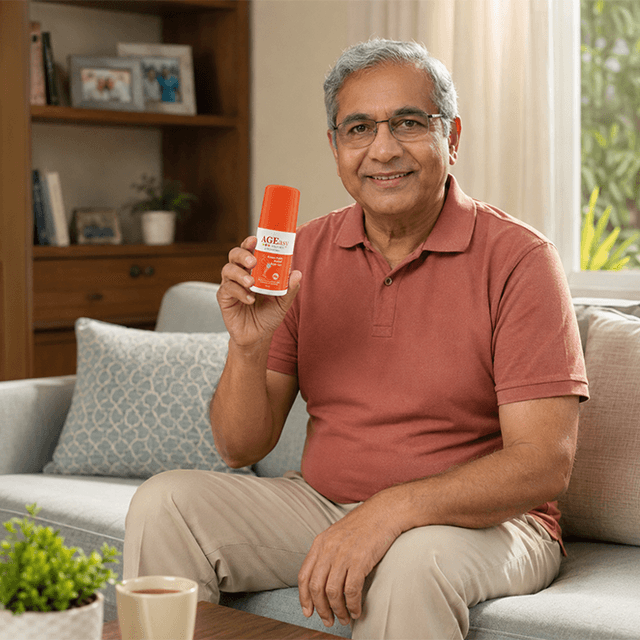
AGEasy Joint Care Comfort G is one of several joint supplements. It is a powder containing glucosamine, Boswellia, and CurQlife turmeric, intended to be made into a drink with the addition of water. It is not a pain reliever, so caregivers shouldn’t worry about that.
What caregivers should worry about is how this product will affect the older adult or the care plan. You should consult a healthcare professional before starting this product, especially if the older adult is taking products that affect blood thinning, products that affect blood sugar, products that affect blood pressure, or if the older adult is taking other joint supplements. Turmeric and other herbal supplements should trigger a medication review, as supplements can affect blood and digestive health, and can interact with other medications.
What Differentiates a Painkiller from a Supplement?
The main difference between the two is the duration of their respective purposes. A painkiller is meant to address symptoms for a short span of time, while a supplement, meant to support a certain goal of health, is meant to be taken over a longer span with effects that are often slow to show.
Neither of these products will address the reason why you or your elderly loved one's joints are in pain.
Some people use a prescribed painkiller as an interim measure to control the symptoms while following a comprehensive long-term plan that comprises exercise, weight control, physiotherapy, sleep support, and, where appropriate, a supplement.
Not all of these combinations are safe, so it is advisable to consult a doctor for a complete assessment that includes all of the aforementioned as well as all over-the-counter products, herbal and other remedies, topical applications, and vitamins.
Quick Comparison: Painkillers vs Joint Supplements
| Factor | Painkillers | Joint Supplements |
|---|---|---|
| Primary purpose | Address pain symptoms | Support joint health and nutrition |
| Expected effect | Often intended for faster symptom relief | Effects, if any, may take longer to show |
| Duration of use | Depends on the medicine and medical advice | Often assessed over a longer period |
| Treats the underlying cause | Not necessarily | Not necessarily |
| Common examples | Paracetamol, ibuprofen, naproxen, diclofenac | Glucosamine, chondroitin, turmeric, Boswellia, collagen |
| Can have side effects | Yes | Yes |
| Can interact with other medicines | Yes | Yes |
| Suitable for everyone | No | No |
| Should be reviewed with a healthcare professional | Yes, especially for older adults | Yes, especially for older adults |
| Can replace medical assessment for serious knee pain | No | No |
When Knee Pain Is a Concern and Warrants a Medical Assessment
Seek medical assistance to diagnose the cause of persistent or worsening pain that might be limiting the ability to walk, bathe, dress, and/or sleep. An osteoarthritic complaint may be a concern along with the possibility of ligament or meniscus injury, gout, infection, nerve pain, or a fracture. Each of these will warrant a distinct and different treatment.
It also warrants immediate medical assistance to attend to a parent after a fall or injury if there has been a deformity to the knee, swelling has occurred rapidly, or if that person is unable to bear weight. It is also important to seek medical assistance if the knee is warm and red with a fever, swelling has occurred rapidly, or if the pain is severe. These signs should not be self-treated with pain relief tablets or other supplements.
How Caregivers Reduce the Risk
Start with the symptoms. Note the start of the symptoms, the location of the pain, if stiffness is worse in the morning, if there is swelling or warmth present, what activities aggravate the pain, if the pain affects the ability to walk, and if the pain affects the ability to sleep. Bring this information to the appointment.
Next, prepare a complete list of medicines. Include all of the above-mentioned products, including all of the pain gels and other pain-relieving medicines. Bring the list to the appointment.
Ask five critical questions:
- What is the possible cause of my knee pain?
- Would this medicine/supplement be safe for my parent who has kidney, liver, stomach, heart, and high blood pressure issues?
- How long do we have to wait before we check on this plan?
- What side effects do we have to worry about and call for?
- What movement or physiotherapy, along with footwear and safety home changes, do we need?
Use one of the changes that the clinician recommends. This makes it easier to see if this change helps or has negative effects. Follow the label of the supplement and never increase the recommended amount to try to relieve the pain, as this could be dangerous. Do not take any supplement to ease symptoms like knee pain, which may not help and may even worsen the symptoms and delay seeing a doctor.
Support Beyond Tablets
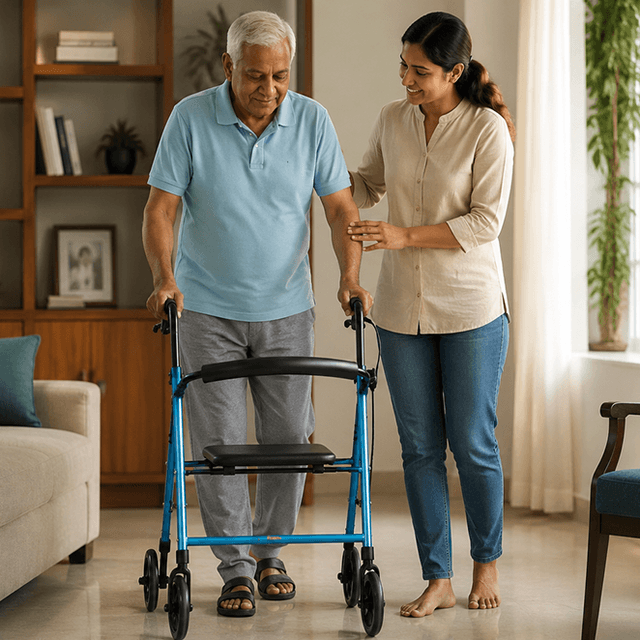
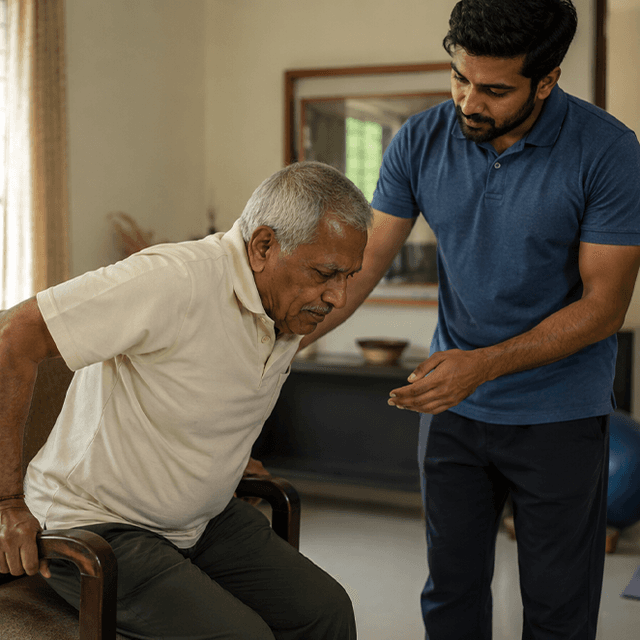
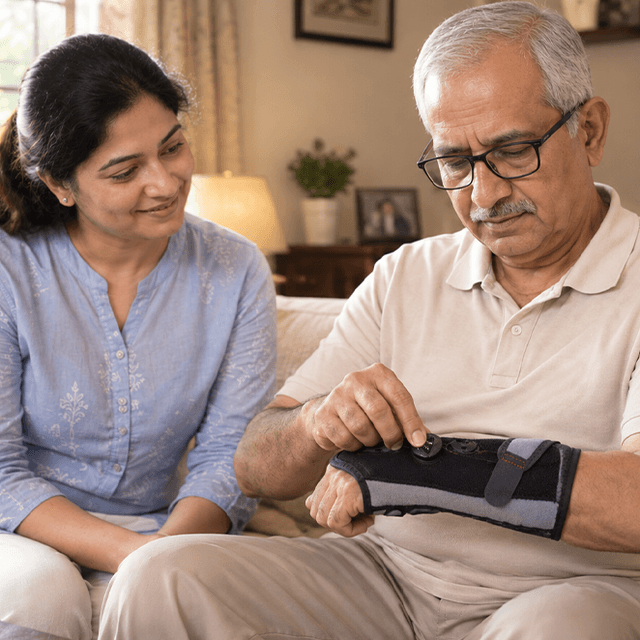
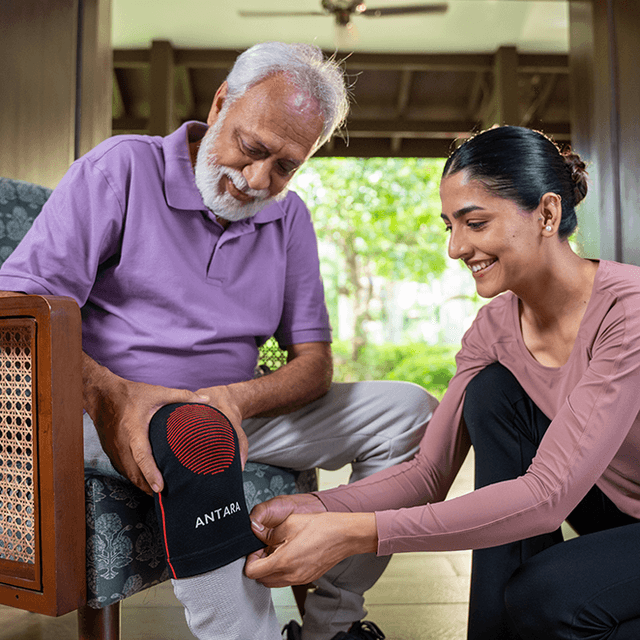
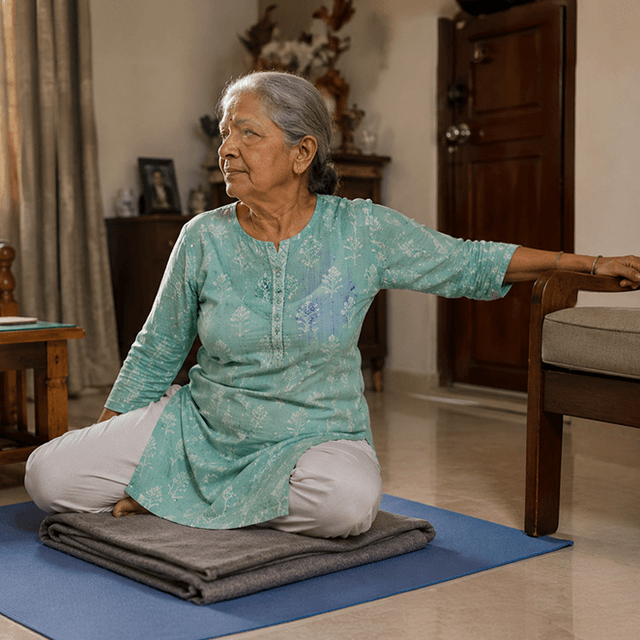
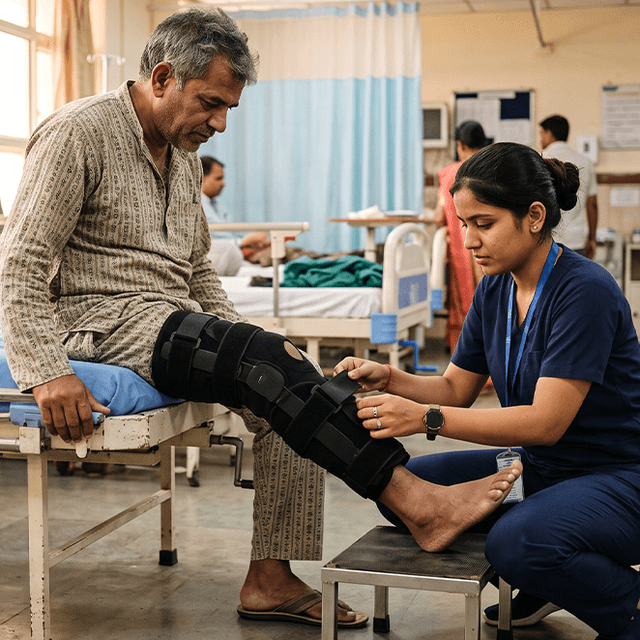
There are many options beyond medication to manage knee pain. A physiotherapist will suggest pain-relieving exercises that are safe and effective based on your parent’s capacity. Knee pain may worsen with increased weight and prolonged sitting. To reduce knee pain while walking, use a walking aid to improve mobility, and use a stable pair of shoes with a handrail facing a path that is well lit.
To reduce the negative effects of weight on knees, focus on supportive changes rather than negative criticism. You should consider weather modification, changes in appetite, heart health, etc. For some people, warmth or cold may minimize knee pain, but only use this if it does not cause pain. Talk to a healthcare professional to learn how to safely use this.
Disclaimer
This article is not to be used as medical advice and is intended for educational use only. Seek emergency medical care for severe pain, a major injury, sudden swelling, if your knee is hot and red and you have a fever, or if you are unable to bear weight.