
Wrist Pain After a Fall: Colles' Fracture, Sprain, or Just Bruising?
Oct 20, 2026


Wrist Pain After a Fall: Colles' Fracture, Sprain, or Just Bruising?
When older parents fall, they tend hold their wrist close to their body because they are afraid to move it. A fall can cause swelling, which may indicate the severity of the injury. Falls can hide fractures that may look like bruises.
When older people fall on their wrists, the pain may make them believe they have sprained their wrists. They may mistake the swelling for a bruise and delay seeking medical care. They avoid going to the doctor because the person’s wrist remains straight and normally aligned.
A fall may result in three things: a Colles’ fracture, sprained wrist, or a bruise. Because the symptoms overlap, an X-ray is warranted to make a definitive diagnosis.
What Is Colles’ Fracture?
A Colles’ fracture happens at the lower end of the radius, one of the two forearm bones. A fall may cause a person to extend their arm, resulting in a Colles’ fracture. Colles’ fractures are more common in older adults because bone density may decrease with age, particularly after menopause.
A fractured wrist may cause the wrist to bend upward and shift to the side. Some fractures may not show any visible changes. Pain, swelling and tenderness, and visible bruising are common with a fracture. Along with pain, limited range of motion is indicative of a fractured bone.
A Colles’ fracture may make everyday tasks difficult, such as turning a key, holding a cup, buttoning a shirt, or using a cane. An individual suffering a Colles’ fracture might experience tingling or numbness in their fingers. This has to be looked at by a doctor immediately to assess the pressure on the nerves.
Diagnosing and treating a Colles’ fracture will depend on a number of factors such as the position of the broken bone, the health of the individual, and the strength of the bones. In some cases, a fracture will require a splint or cast. In others, the broken bone or fracture fragments may need to be realigned by a qualified healthcare professional.
Severe fractures will usually require surgery, while unstable fractures will often need to be realigned surgically.
Understanding the Difference Between a Wrist Sprain and Fracture
The difference between a wrist sprain and fracture can be understood by the difference in the affected part of the wrist. A wrist sprain occurs when there is a stretch or tear of the ligaments which join the bones and help to stabilize the wrist joint due to a fall, whereas a wrist fracture is a crack or break in one or more wrist or forearm bones.
Signs of a wrist sprain include pain, swelling, and bruising of the wrist, and tenderness to touch. Rest and support of the wrist can bring improvement in a slight or mild sprain, but can cause severe pain and loss of function in a severe sprain.
Although sprains and fractures feel similar, pain intensity cannot be used to differentiate a sprain from a fracture. A severe sprain can feel more painful and intense than a moderate fracture. X-rays are commonly used to check for fractures, but additional imaging may be needed if pain persists despite normal X-ray results.
Often, however, if there is pain due to a sprain which persists even after normal X-rays have been taken, further imaging has to be done.
Some Commonly Known Things About Bruises
A bruise is caused when small blood vessels break beneath the skin due to a blow or impact. Blood accumulates below the skin and the skin in that area becomes discolored and looks like a bruise. This area can be sensitive to touch.
Bruises usually allow for the continued use of the bruised area, whereas arthritis and bone injuries can greatly limit movement. Wrist bruises should not cause the wrist to change its shape and should exhibit minimal swelling. Older patients who are taking blood-thinning medications can develop large bruised areas.
Bruised wrists usually recover within a few days as the pain subsides and normal movement is returned. Increased pain, stiffness, or swelling are signs that the injury may be worse and should be evaluated.
Seek Assessment After a Fall When a Wrist Looks Deformed
Falls that cause the wrist to assume an abnormal position, result in cold hands with a lack of color or the presence of blue discoloration in the fingers, and the presence of swelling, excessive or uncontrolled bleeding, an open wound over the injury or bone visible through the skin, loss of feeling, numbness, or inability to move the fingers are also cause for concern.
Get immediate help if your parent falls and there is loss of consciousness, confusion, chest pain, or difficulty breathing.
Even in the absence of these signs, prompt medical assessment is advisable after a fall if the person takes anticoagulants or has osteoporosis, even if the injury appears mild.
What to Do Before Your Parent Is Assessed
- Keep the wrist still in a comfortable, supported position until it is assessed. Do not try to straighten or realign it.
- Wrap a cold pack in a thin cloth and apply it to the affected wrist for 15 to 20 minutes at a time. Leave time between applications to avoid irritating the skin.
- Keep the swollen wrist elevated to reduce inflammation.
- Remove rings and watches, along with any tight or restricting bracelets.
- When the injury is still new, do not massage the wrist. Also, apply no heat to the inflamed region.
- Ask a healthcare professional or pharmacist which pain-relief option is appropriate, particularly if the person has kidney disease, stomach ulcers, allergies, or takes blood thinners.
- If your parent is using a walker or stick, ask for help before they plan to stand again.
- Do not allow the person to use the injured wrist to support their weight during transfers. A caregiver should be present and clear a path to the bathroom or bedroom.
How Caregivers Help During Recovery
Most older adults develop a fear of falling and, consequently, lose the motivation to walk, bathe, cook and/or leave the house. To gain back the lost confidence and motivation, it is essential to support independence, whilst at the same time keeping the tasks safe.
Keep frequently used items handy. Go for loose-fitting sleeved shirts and blouses. Move heavy containers, pots, and pans that are used frequently to the less dominant side. To help during dressing and bathing, use a chair that has both arms and is stable.
Ask your parent’s doctor how much they are allowed to use the injured wrist. Encouraging your parent to use the injured wrist to push up from a seated position is not recommended, and is discouraged, unless the healthcare provider approves this activity.
Wrist Support and Comfort
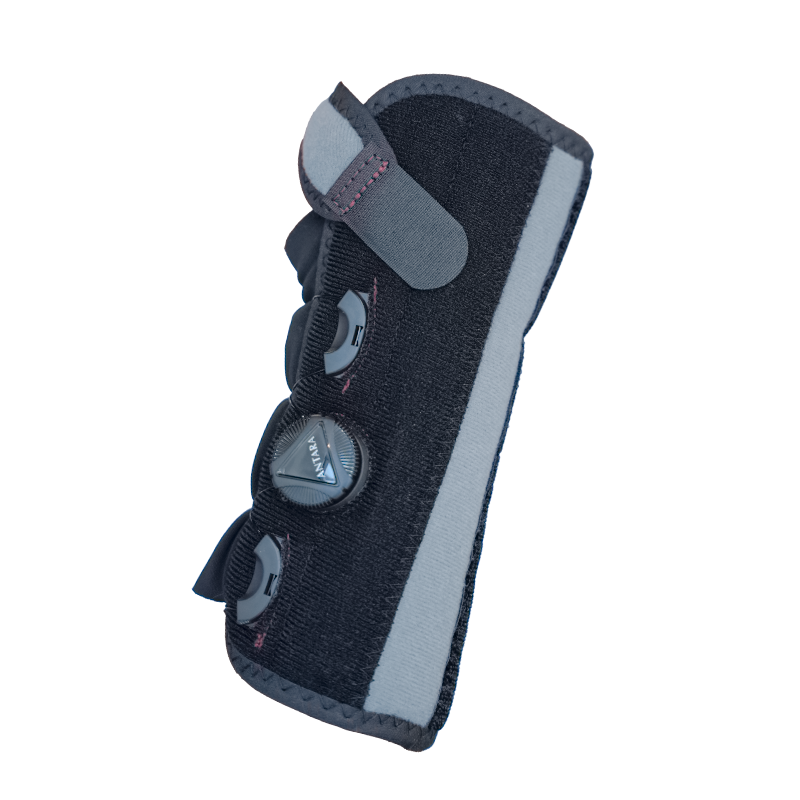
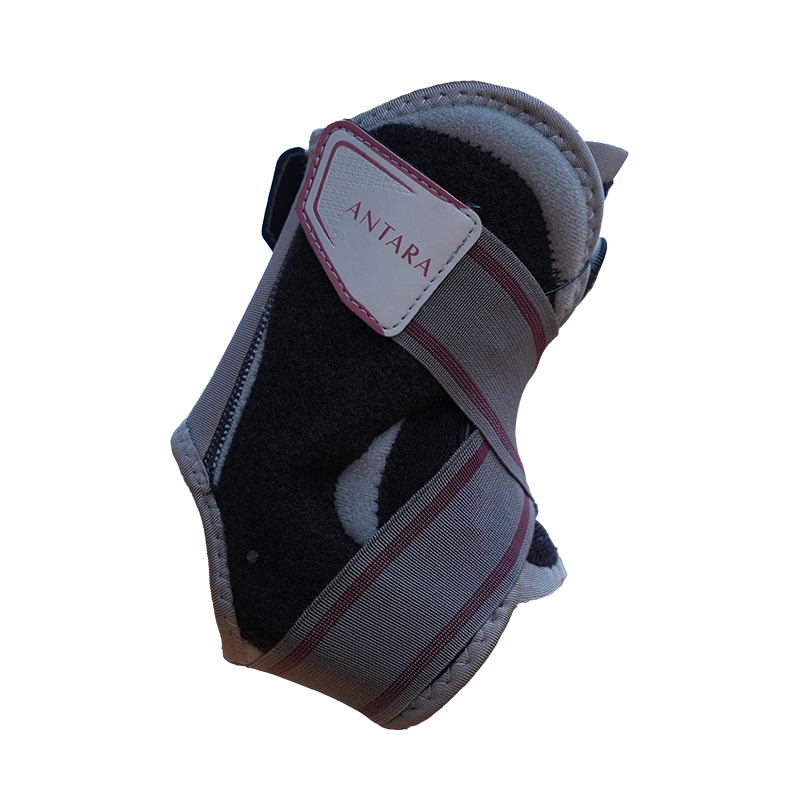
After a doctor assesses and rules out a fracture or recommends appropriate support as a next course of action, a wrist brace can help reduce movement for the duration of the recovery. The https://ageasy.co.in/products/easy-twist-wrist-brace-with-adjustable-dial is an adjustable wrist support for positioning and comfort. Use it only for the injury recommended by the clinician and remove it if pain and/or swelling increases.
A brace will not heal a fracture, repair a ligament, or restore professional care and support. A poor fit can put more pressure on the wrist and fingers. Your parent must also follow the care plan/advice from the clinician regarding bathing, sleeping, and doing exercises.
Preventing Another Fall
A fall typically indicates a more significant risk than a fractured wrist. Evaluate vision, balance, footwear, and all medications. Sometimes, falls happen after dizziness when a person stands up. Weakness, poor lighting, loose rugs, and unstable flooring can also lead to falls.
Make a record of the fall. Include details of when and where the fall took place. Describe what your parent was doing at the time of the fall, if they experienced any symptoms of dizziness, and if they fell and hit their head on anything. All these details must be communicated to the doctor.
It is important to not rush recovery. Regular check-ups help confirm the progress of healing and restoration of movement. A physiotherapist or occupational therapist will suggest some exercises to perform and some rehabilitative tasks that will help your parent perform their daily activities while their wrist heals.
The best way to proceed with new wrist pain after falling is to assume it would be an injury that requires an evaluation. Minor bruising often improves on its own, while sprains and fractures should be assessed to determine whether a splint, cast, or other treatment is needed and a Colles’ fracture will need urgent treatment.
Disclaimer
This article is designed to give caregivers general health information. It is not a substitute for a qualified health care practitioner. Wrist pain, swelling, deformity, numbness, weakness, or loss of movement after falling should be assessed by a doctor immediately.