

Knee Pain in Old Age: The Treatment Ladder From Exercise to Replacement
Sep 7, 2026
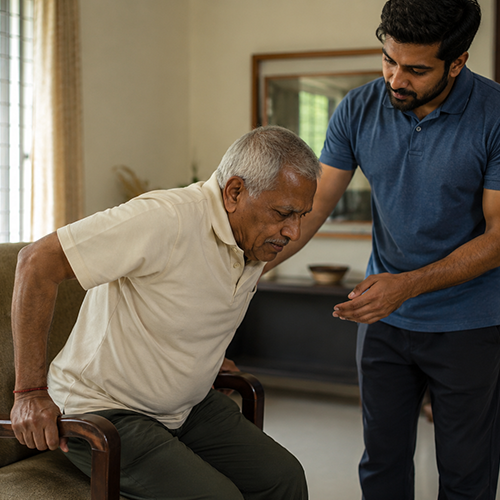
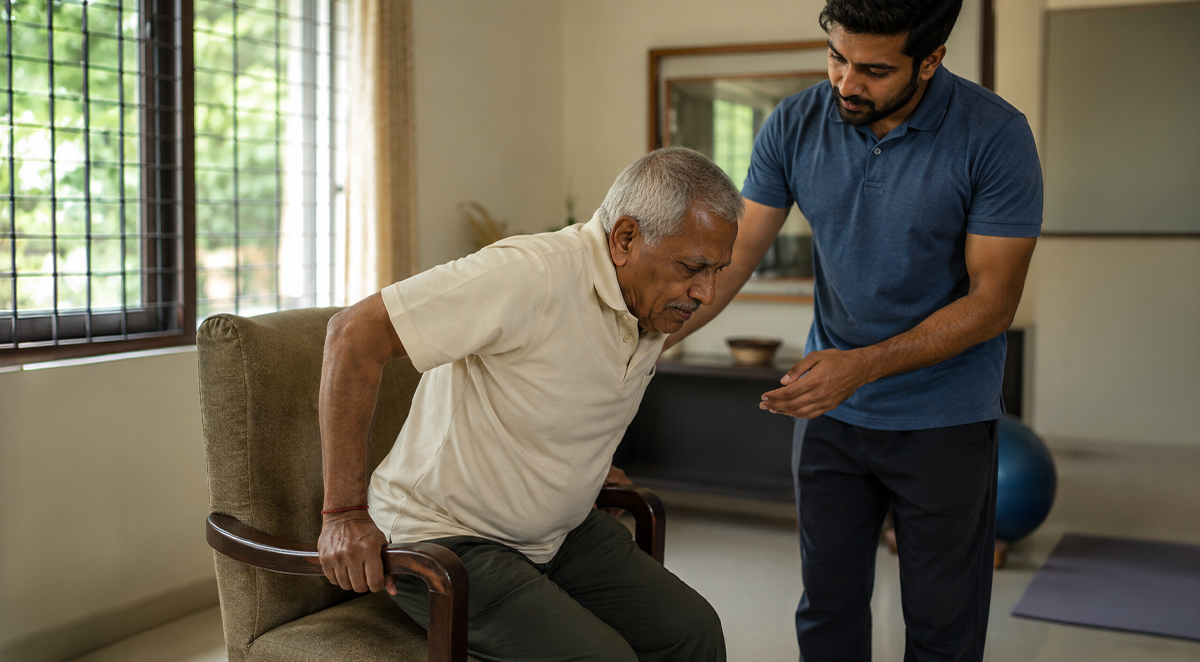
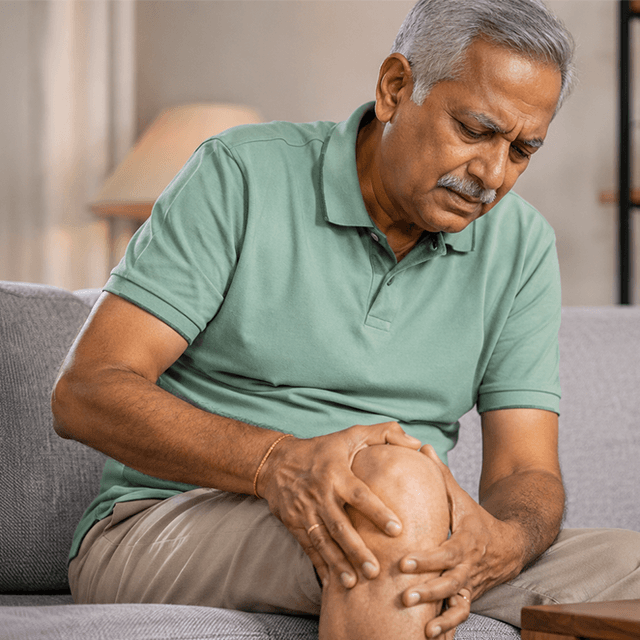
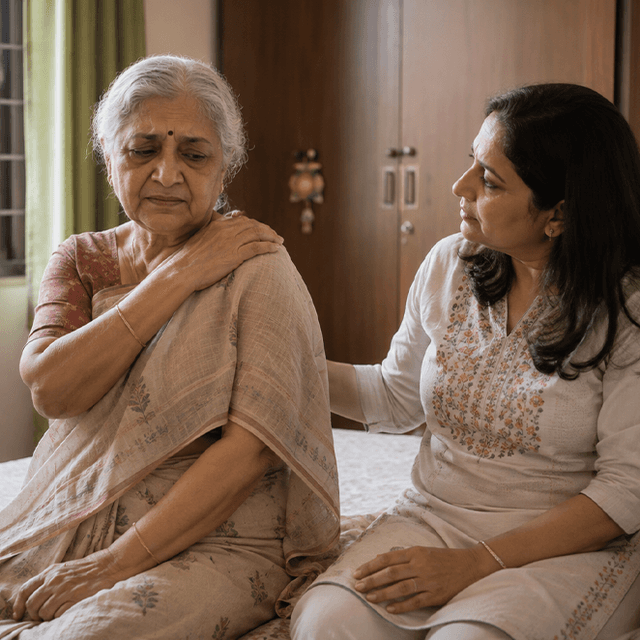
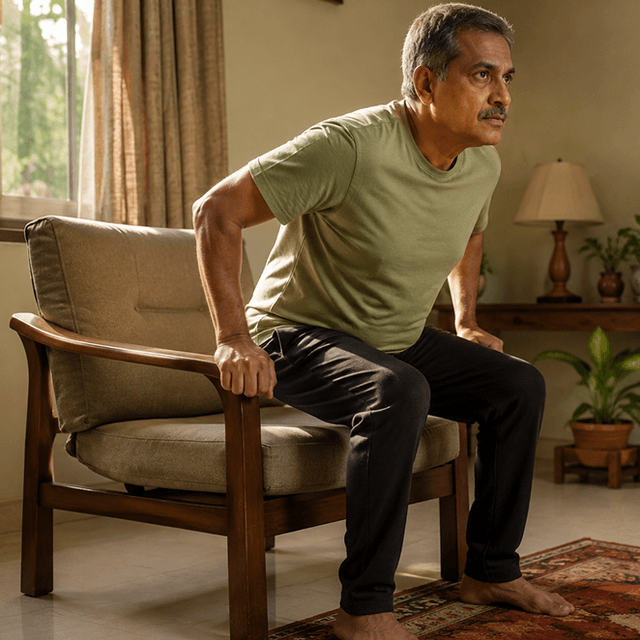
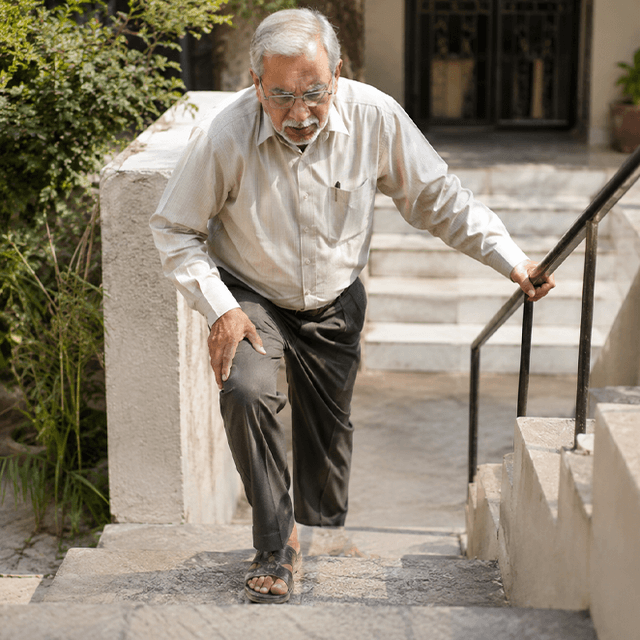
When many older adults suffer from knee pain, one of the signs is needing to grip a chair in order to stand from a seated position. Thankfully, the next step is not always a cortisone injection or surgery.
For knee pain in older adults, treatment often starts with the least invasive options as your parent moves up the "treatment ladder".
These steps include supportive medical equipment, medications, procedures, exercises, weight loss interventions, and knee replacement. The appropriate step is often based on the combination of the parent's pain, limitations in daily functioning, the physical examination, the imaging studies, and the patient's health status as well as the parent's goals.
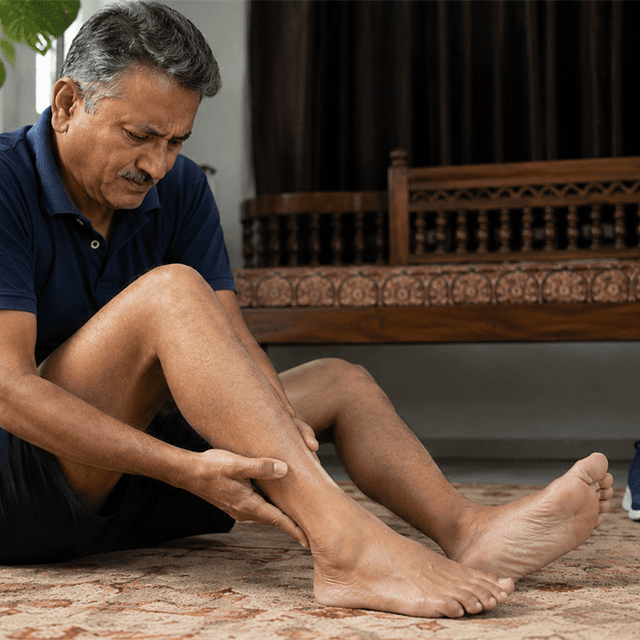
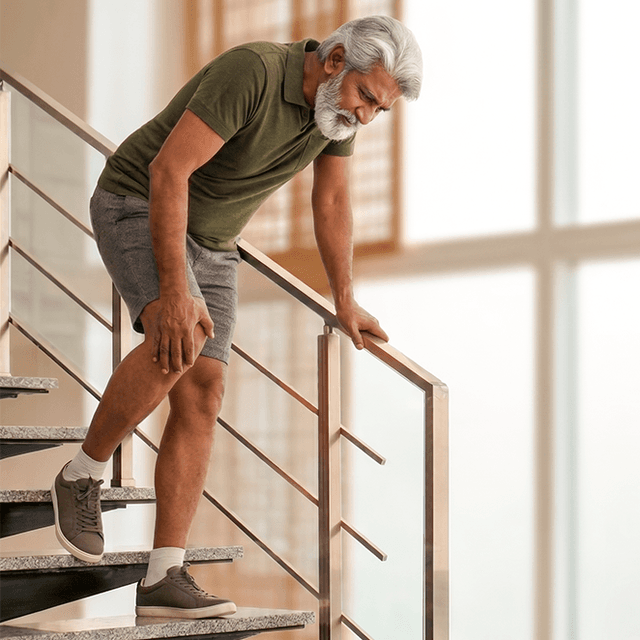
If pain starts to affect sleep (and in turn wakefulness), the ability to walk, take a bath, and participate in social activities, then the time for a clinical evaluation has come. If the pain starts after a fall, the knee looks deformed, the joint is hot and swollen with fever, and the knee suddenly gives way, then a knee evaluation should definitely occur.
Step 1: Identify the Cause and Develop a Meaningful Goal
Osteoarthritis may be common, but it is not the only cause of knee pain. Other causes include previous knee injuries, inflammatory arthritis, gout, infections, a problem with the hip or spine, nerve pain, and even muscle weakness of the leg. A practitioner conducts a joint assessment and considers the range of motion as well as strength. After this, they will decide if further evaluation is warranted.
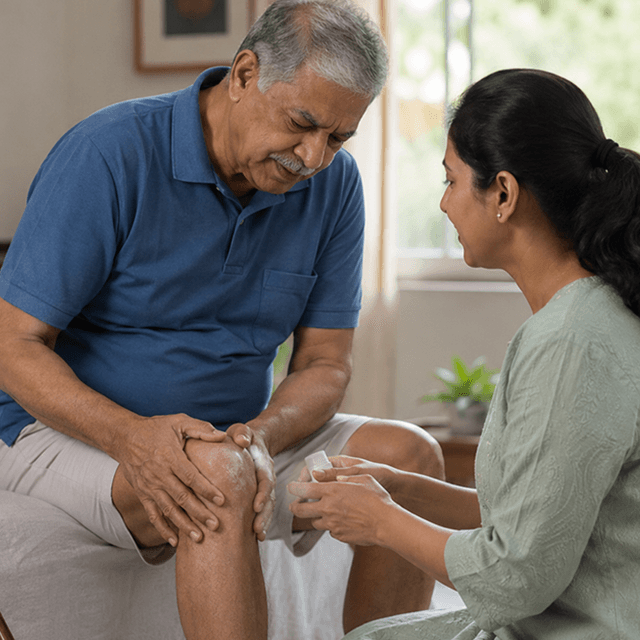
Help the parent verbalize what you perceive to be the problem. Record the onset of the pain, make note of the behaviors that make the problem worse if there are any, record the presence (and timing) of swelling, how far they are able to walk, and if they have fallen. The construction of a goal is equally important. A goal could be walking to the neighborhood grocery store, being able to climb a couple of steps, or even sleeping through the night. Treatment is usually more successful when the family and the patient are able to measure the real world consequences of the intervention.
Step 2: Exercise and Physiotherapy
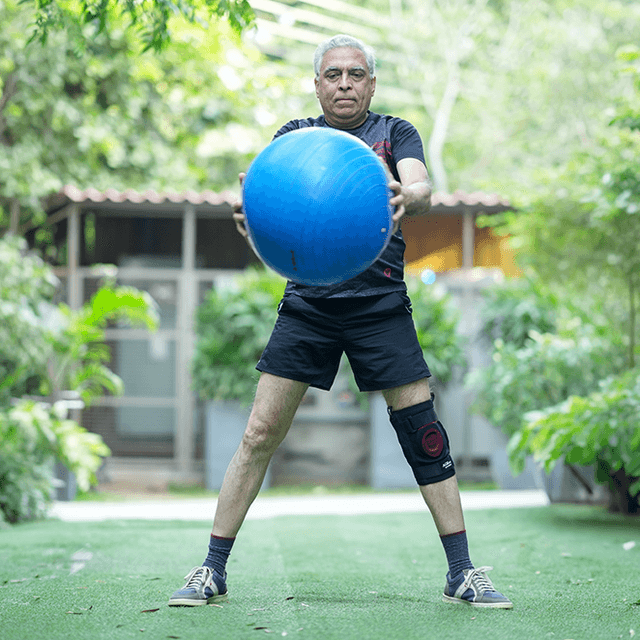
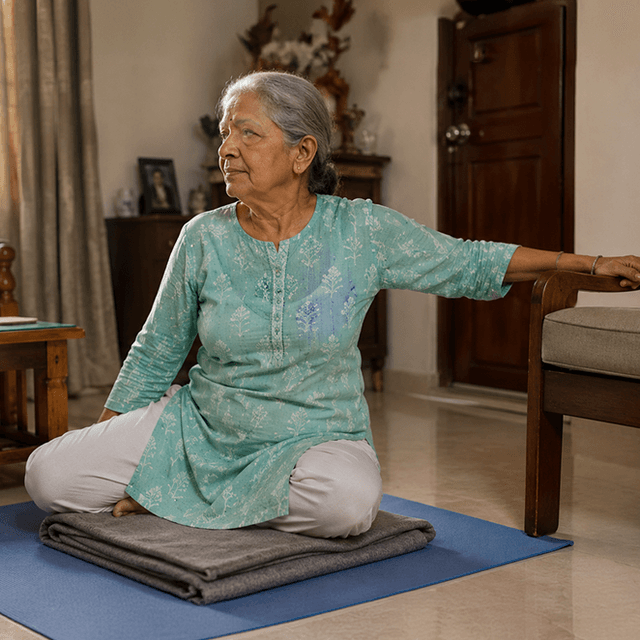
In most cases, exercise is the first step in knee osteoarthritis treatment. An initial visit with a physiotherapist involves a number of exercises to improve range of motion and strengthen the hips and thighs, as well as time set aside for gentle aerobic exercise and balance. These sessions begin with exercises at a low difficulty level and are steadily increased.
Walking, cycling, water exercises, and chair-based exercises are some options for different individuals. Early pain felt during exercise does not signify joint damage. However, the presence of sharp pain, significant swelling, or a marked decrease in the person's functioning requires further investigation. An aim of pain management should be to increase the person's daily activity and decrease inactive days through regular exercise.
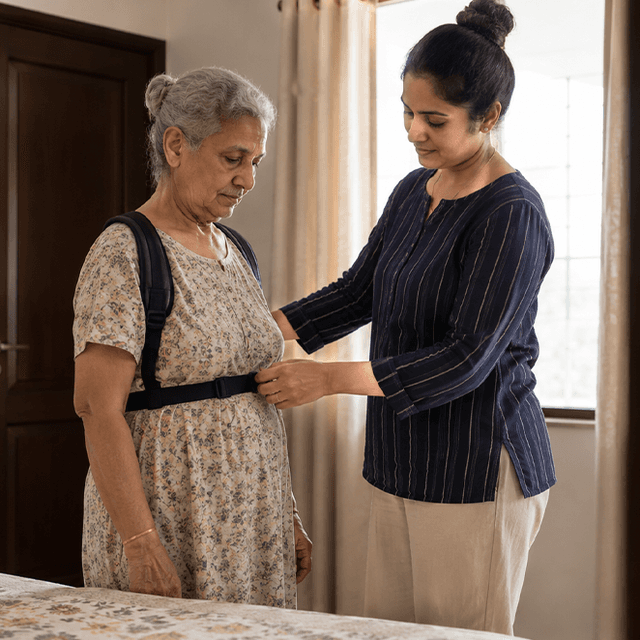
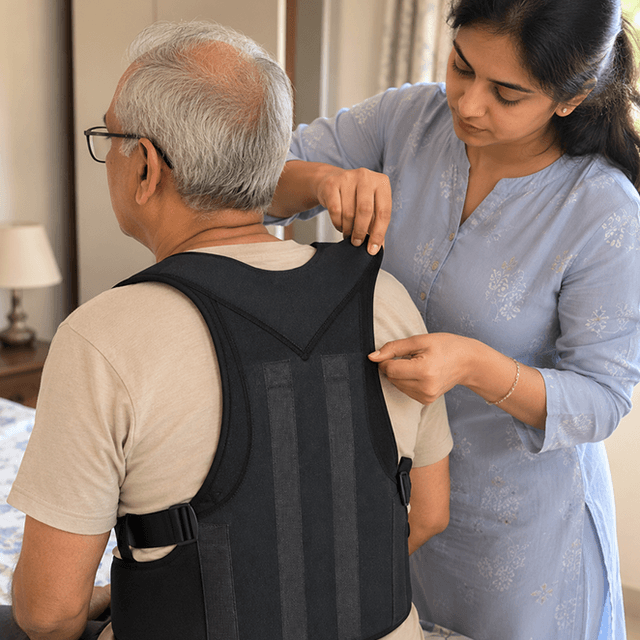
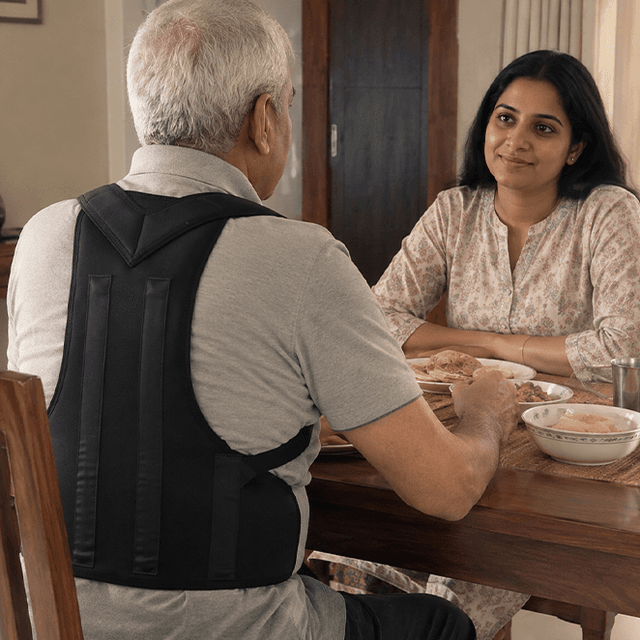
The caregiver may have to do a great deal to aid in the recovery of the person through attendance at the prescribed physiotherapy sessions, checking the prescribed exercises, and incorporating movement throughout the day. Safety during the exercises is enhanced by a stable chair, proper shoes, and an unobstructed floor.
Step 3: Weight, Sleep, and Daily Pacing
For persons who are overweight and who have knee osteoarthritis, losing weight may help relieve the pressure on the knee, and assist in slow, steady weight loss. There may need to be a medical evaluation with a dietitian or physician if there is diabetes, kidney disease, low appetite, or frailty.
Sleep and pacing need to be addressed also. Planning busy days for when pain is the least helps. It is important to use a supportive seating position during work in the kitchen or throughout the house. Many people find relief of pain and stiffness during work by alternating the arms and hands between warm and cool compresses. Sensitivity to pain should still be a primary concern while using heat and cold. A doctor should be consulted prior to instituting a dietary weight loss plan for an older person.
Step 4: Medicines and Topical Options
Before prescribing pain relievers, doctors typically assess the kidney function, stomach acid, blood pressure, and heart health of their patients, as well as their other medications. Sometimes pain can be addressed with localized treatment options. Topical treatments are designed to target specific areas. For some older patients with kidney disease, ulcers, thinning of the blood, or heart disease, oral anti-inflammatory medicines should be used with caution.
For anti-inflammatory medications and other specific treatments, consult your healthcare provider. Remember, do not use prescription pain medications unless they are prescribed to you. Questions to consider will include the dose, how long you can take the medication, potential medication interactions, and what signs or symptoms you should be aware of that could indicate side effects. Prescribed medication may allow you to do more, but it does not take the place of physical rehabilitation.
Step 5: Supportive Equipment
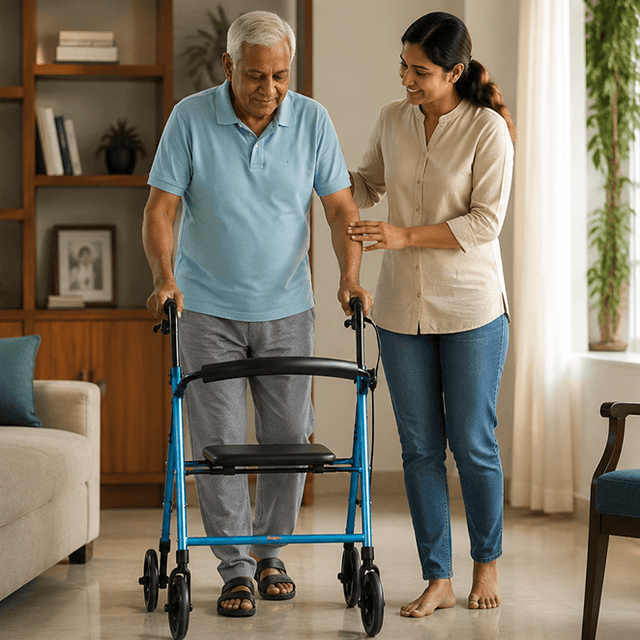
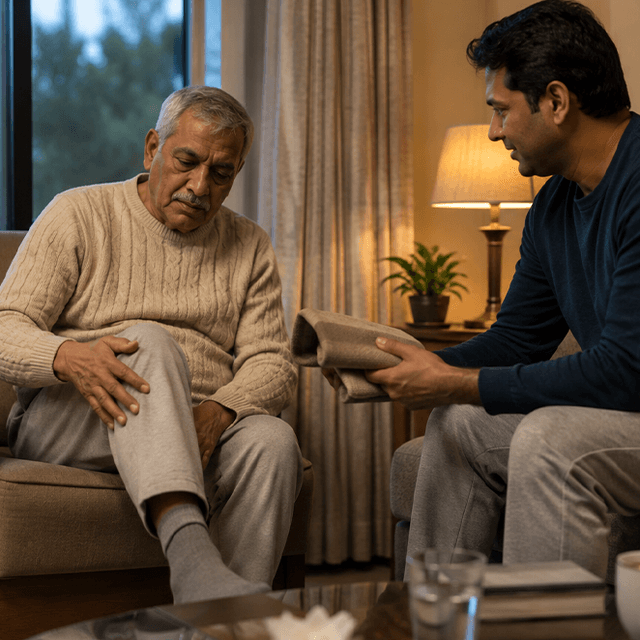
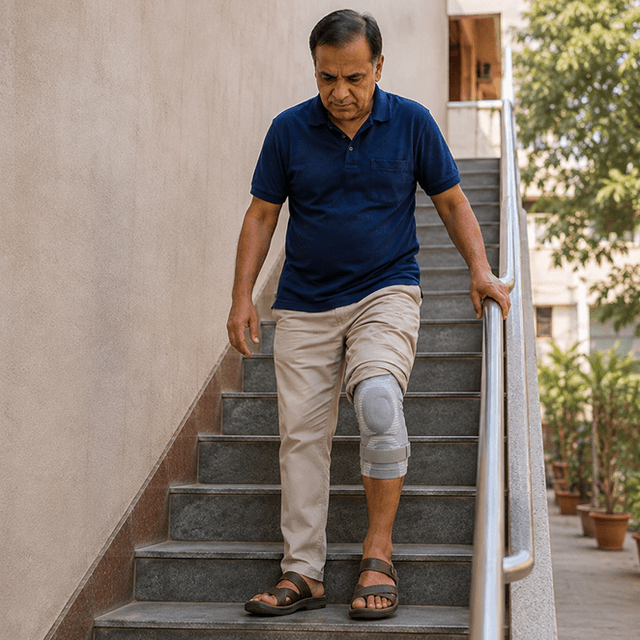
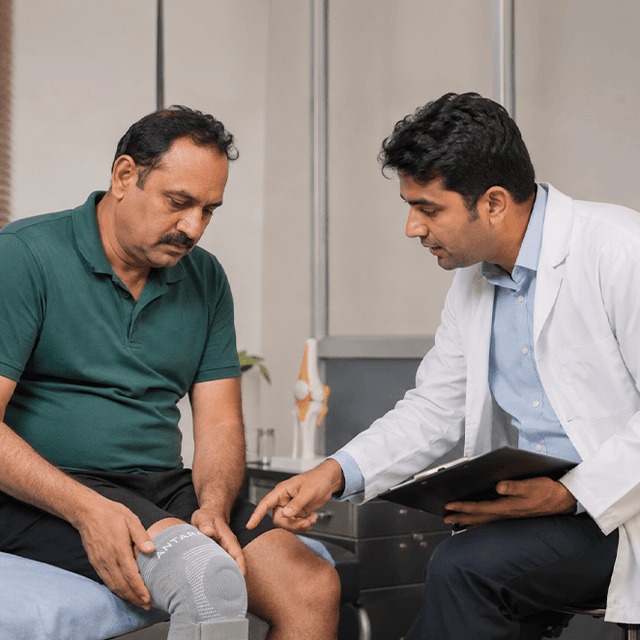
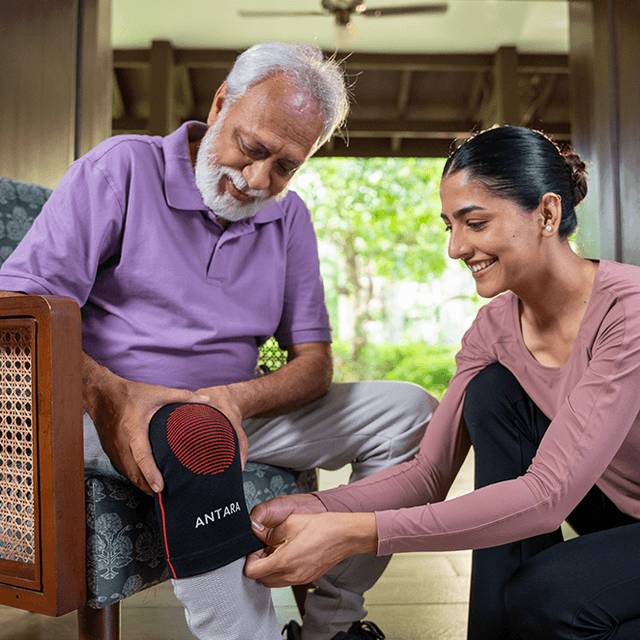
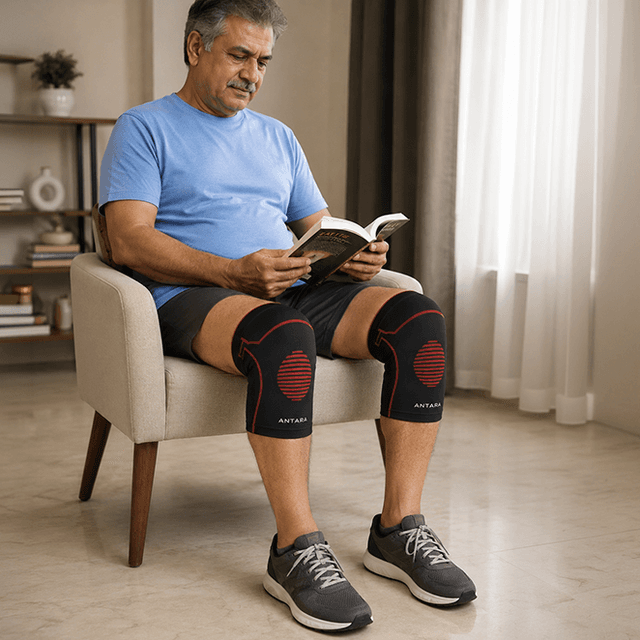
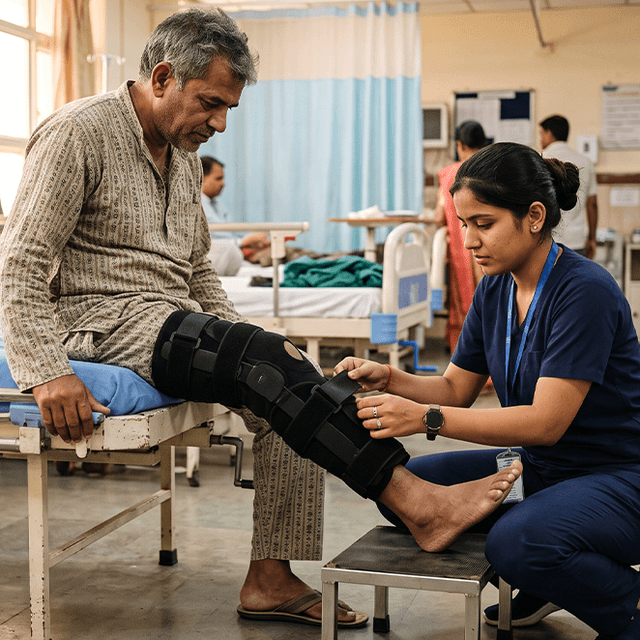
Some parents feel more confident with a cane, walker, or knee brace when going on a walk. A physiotherapist is the best person to evaluate if you need one of these and to teach you how to use it properly. These devices are designed to prevent falls. The wrong assistive device may increase the risk of falling.
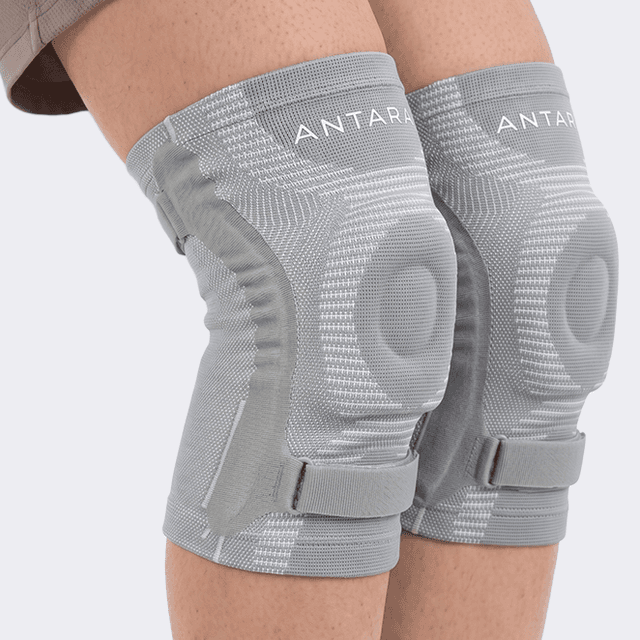
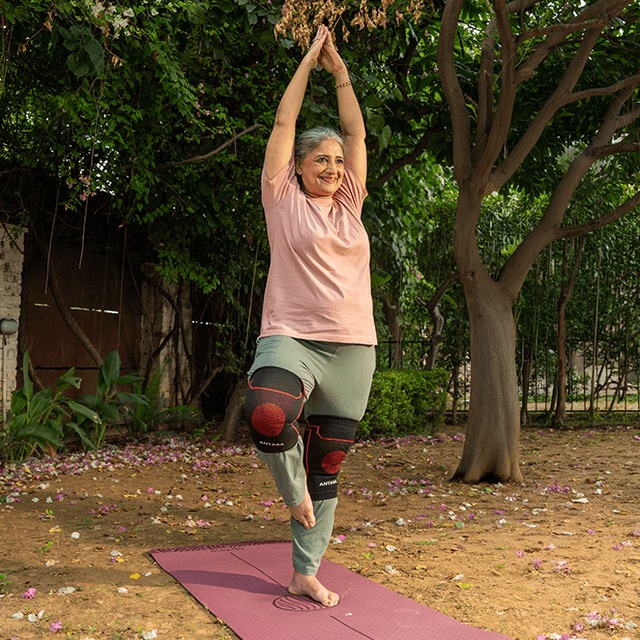
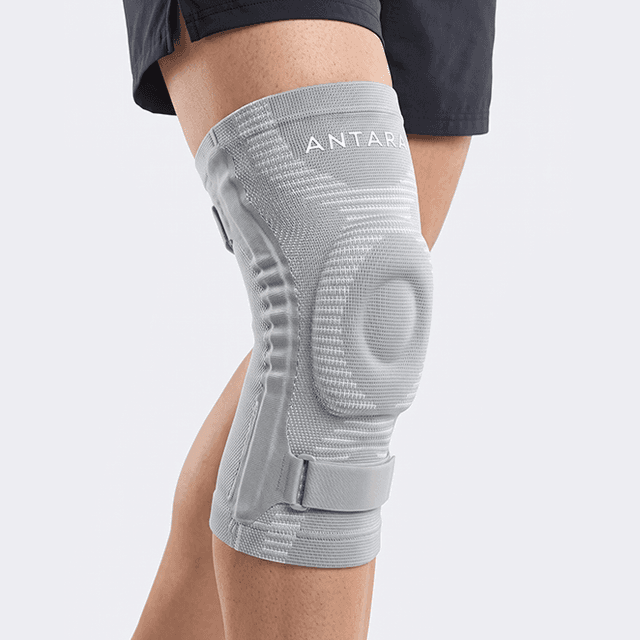
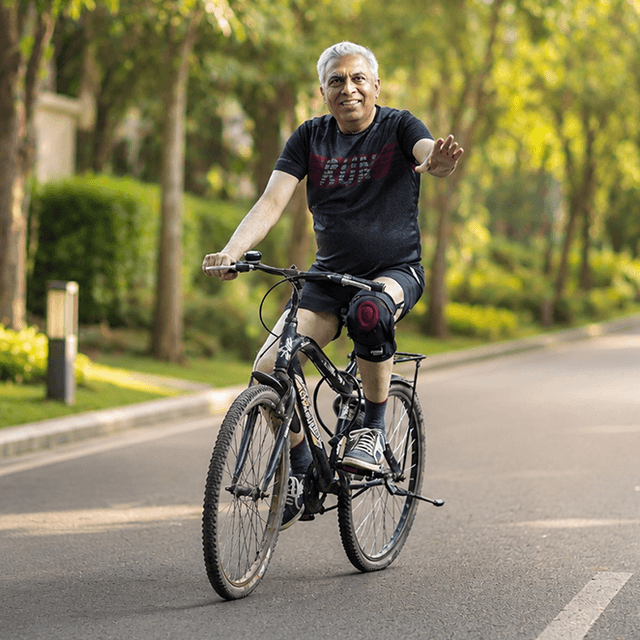
The Hinged Max Comfort Knee Cap by AGEasy uses side hinges, 3D-knitted fabric, and an anatomical cushion ring. The fabric is designed to provide flex and compression to support the knee. The device is designed to provide comfort and mild support, but is not a cure for joint pain or arthritis. Stop using the device if it causes numbness or tingling.
Step 6: Other Treatments
When pain persists even after exercise, pacing, medication, and other equipment are introduced, a specialist may need to discuss other options, which may be injections or procedures. Relief and the subsequent risk vary, and are dependent on diagnosis and the patient's overall health. Find out from the specialist how long the relief is expected to last, what after care is needed, and if it is in coordination with the plan for your overall rehabilitation.
Injections, unfortunately, are not an answer to all flare pain. An honest professional discussion on the diagnosis is required, along with setting a realistic goal. Be aware of promises of a quick cure or a miracle solution.
Step 7: Thinking About Knee Replacement
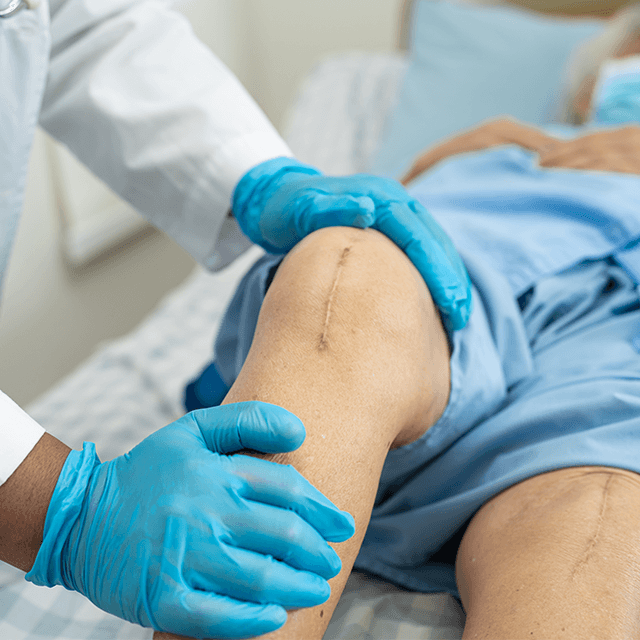
Sometimes advanced damage to a joint is visible on imaging, which along with very high pain levels and low functioning, may warrant a discussion on knee replacement. Advanced age is not the only limiting factor. Health of heart and lungs, blood sugar levels, medications, mobility, how frail a patient is, and what support is available to the parent at home are some factors that are assessed by the surgeon.
Ask what amount of functioning may be restored, what is likely to be the duration of the recovery, and how much support is expected to be required at home. Discuss post surgery physiotherapy, wound care, walking practice, pain management, and the signs that may suggest trouble. Organize support for meals, bathing, and transport as well as support for attendance on follow up visits as may be required.
Replacement is a very major decision. A second opinion is justified when the recommendation is unclear or the family needs help to weigh the risks. The parent's informed decision is the way to go.
What Caregivers Should Track
Note how far you walk, hours slept, swelling, medicines, falls, and avoided activities. Record all as weekly summaries to show doctors. Given a record of activity, doctors can assess how treatment impacts your parent's everyday tasks.
Severe pain is not a reason to force the parent to exercise. Severe pain is not a reason to keep the parent inactive for weeks. Do not presume advanced measures like x-ray, injections, or replacement are necessitated for each case of knee pain. The treatment ladder is slow and incremental, but can be adjusted frequently for each case.
Pain in the knee specifically should be treated if it starts to limit the parent's ability to move, sleep, or participate in activities of daily living. This should be assessed and treated with a plan that relies on building up support as it is safe to do so and moving to surgery or replacement only when it is medically sound to do so.
Disclaimer: This article is for general education and does not replace medical advice, diagnosis, or treatment. Knee pain needs assessment by a qualified doctor, especially after a fall, with swelling, fever, deformity, or sudden loss of function. Product information is general and does not guarantee suitability or results. Do not start, stop, or change medicines without professional guidance.