

Home Remedies for Knee Pain That Doctors Also Align With
Jul 15, 2026
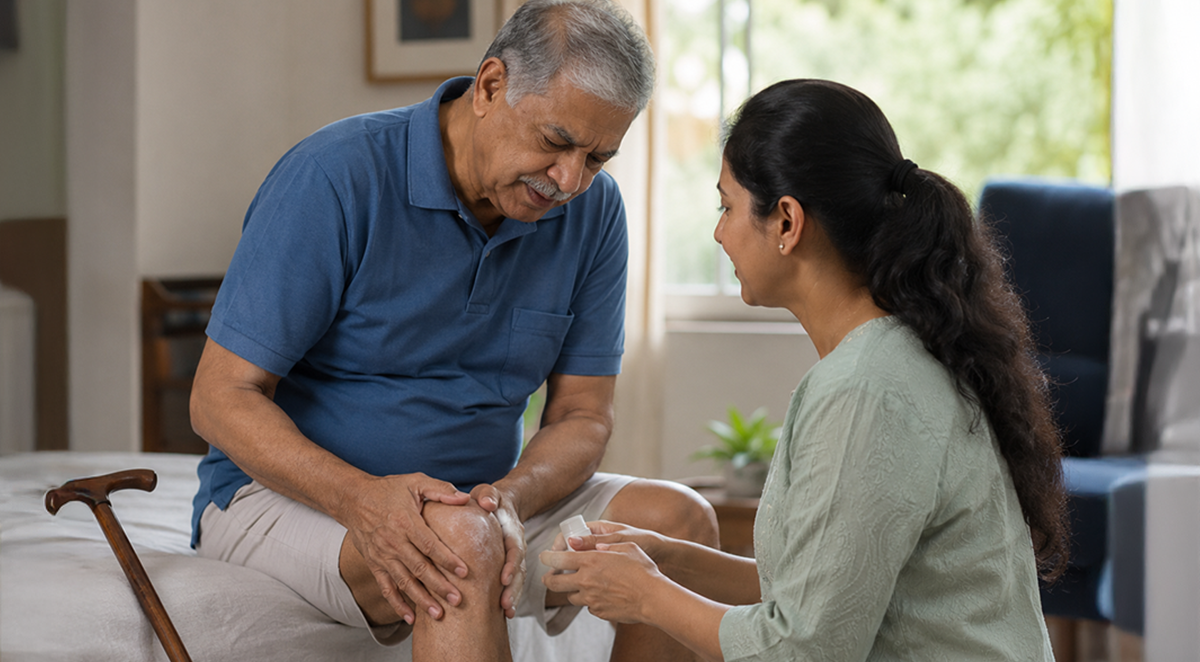
Home remedies are not always designed for your knees. For instance: rub this oil where your knee pain is, tie that cloth around your knee, or drink this miracle mixture and your pain will go away. People, especially elderly ones, think home remedies are miracles or myths. But it doesn't work like that. While some remedies can help ease pain and stiffness, they only work in combination with medical treatment. Some remedies can be harmless, but won't help you. Then there are also remedies that are counterproductive and will delay treatment.
Most of the overlooked home remedies that actually work are quite simple and not so trendy. They don't have a million views on TikTok or Instagram. What works are proven habits and remedies which are recommended by doctors. Examples include gentle movement, targeted exercises, cold and hot therapy, weight management, and knee support. This guide provides realistic and fact-based home remedies that are backed by doctors to safely alleviate knee pain.
Why a Smarter Approach Is Needed for Knee Pain
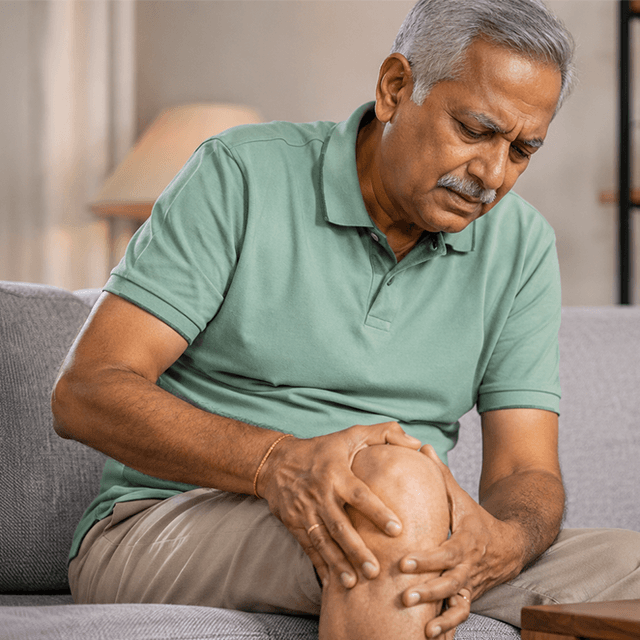
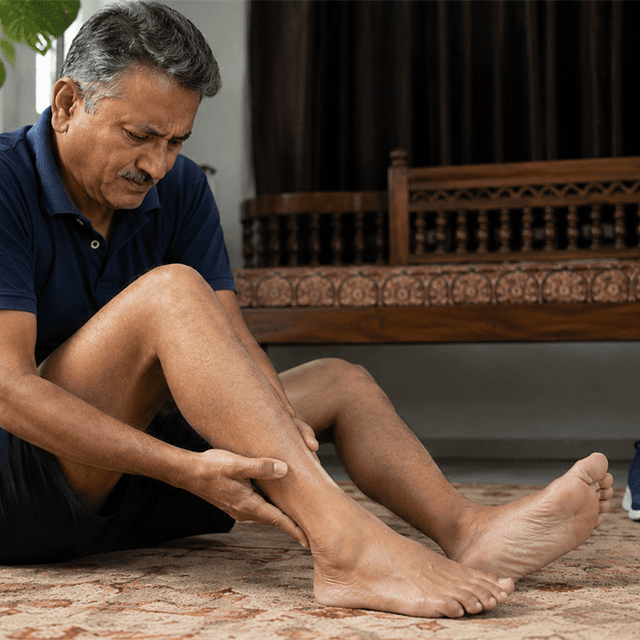
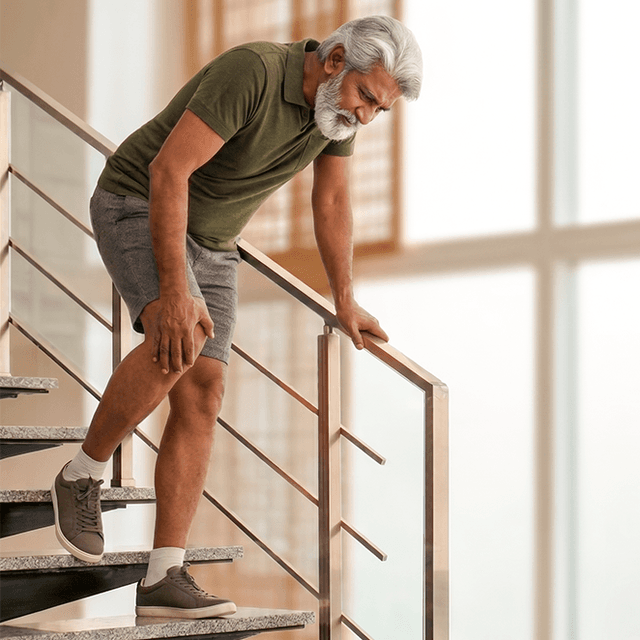
Our knees take a lot of pressure during our daily activities like walking, stair climbing, and squatting. As we age, our knees start to show signs of wear and tear, especially after we have had an injury that didn't heal correctly. It is totally understandable that many people want to find a quick fix for their knee pain.
Injuries to the knees can be a result of osteoarthritis, strained ligaments, knee injuries, and overuse. However, a treatment that may help one particular injury may not help another. This is why home remedies may work for some people, but not for others. The goal is to find multiple treatments that can be customized to your knee.
Treatments Supported by Research
Gentle, Consistent Movement
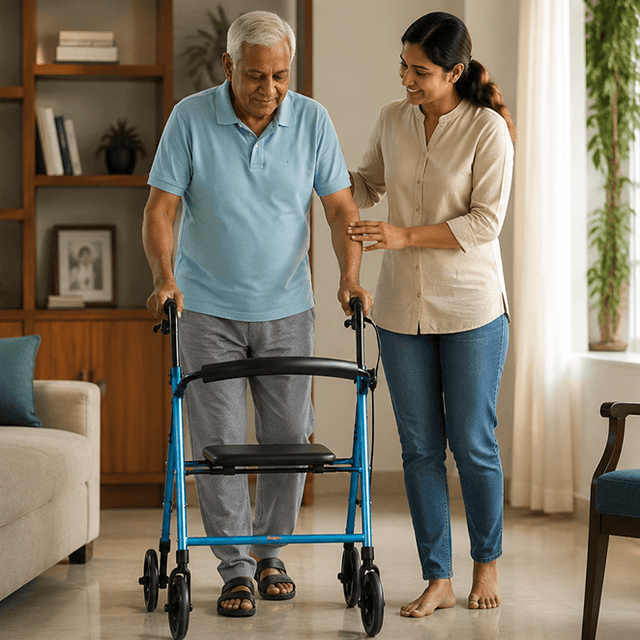
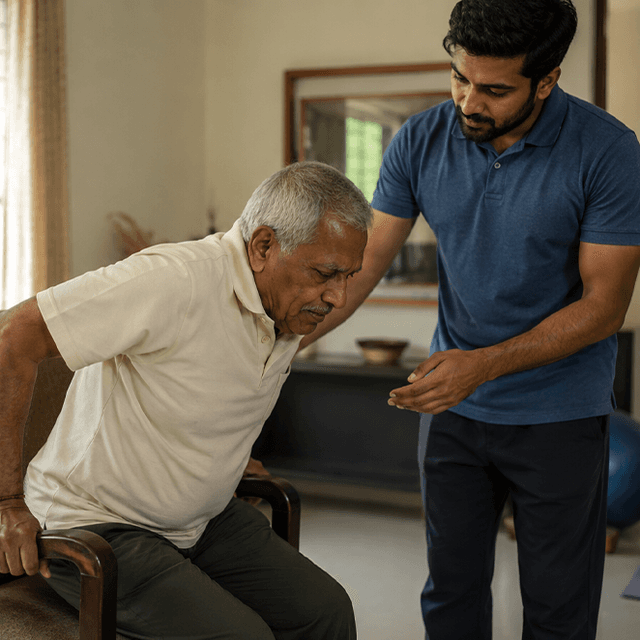
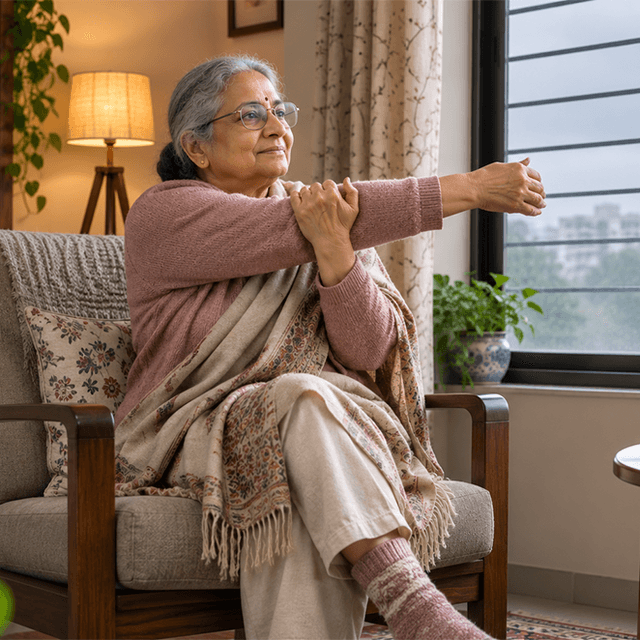
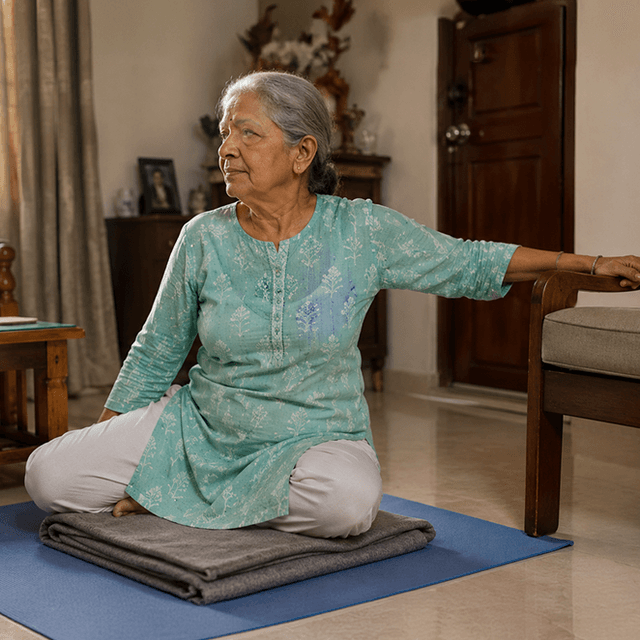
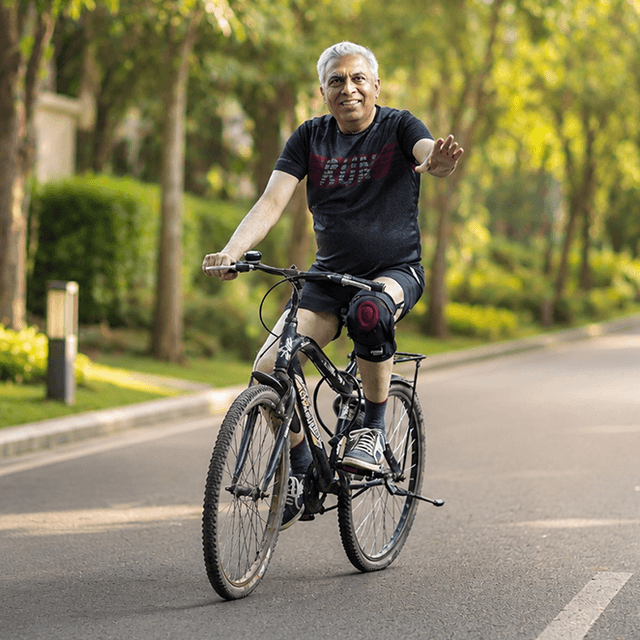
It may hurt to move, but staying still is often worse for knee pain than moving. Low-impact movement such as walking, swimming, and biking will help your knee get stronger.
Exercises Designed for Strength
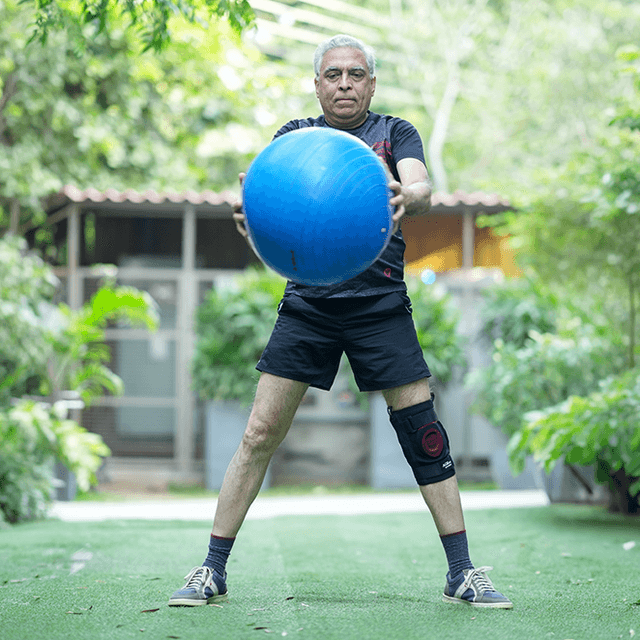
If your pain is caused by osteoarthritis, your physician will recommend strengthening exercises for your quadriceps and hamstrings. The goal is to reduce shock and strain around the joint. After a few weeks, you should notice a significant decrease in pain.
Thermal Therapy
Cold therapy is ideal for treating swelling and flare-ups after activity. On the other hand, heat therapy is ideal for alleviating stiffness and chronic aches, particularly in the mornings. In this case, it is highly advised that you establish a habit of alternating between both therapies.
Weight Control
While walking, each additional kilo of body weight adds several additional kilos of stress on the knees. It is a conservative, evidence-backed intervention for knee osteoarthritis. If sustained weight loss is achieved, it can considerably reduce osteoarthritis-related discomfort.
Topical Pain Relievers
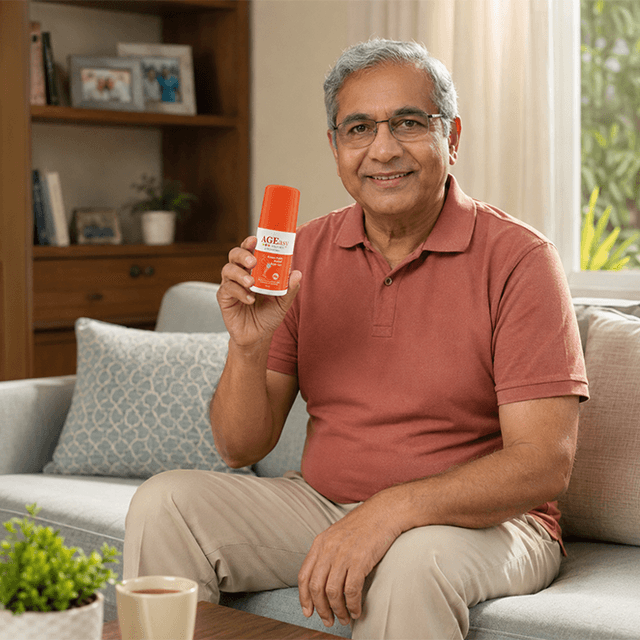
For knee pain that needs immediate attention, some physicians approve the use of local topical analgesics to avoid the adverse effects of systemic drugs. In this regard, AGEasy Pain Relief Gel offers quick-absorbing, localized cooling relief. AGEasy's Pain Relief Patch provides uninterrupted pain relief and can be left on during the workday.
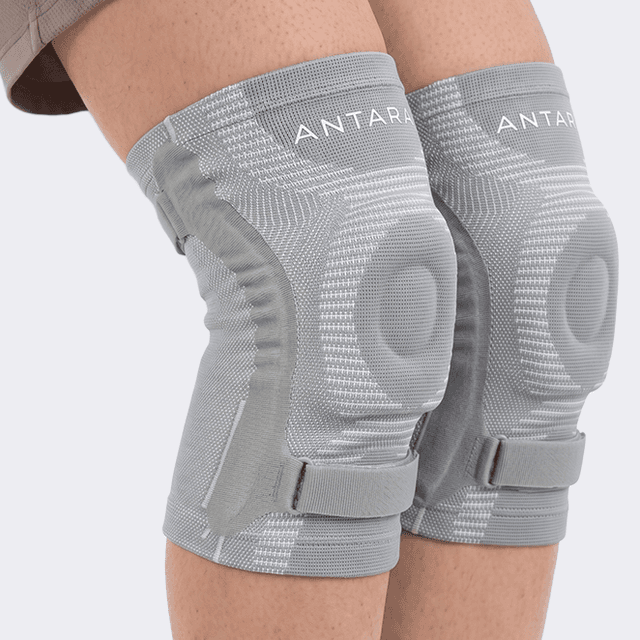
Knee Brace Support
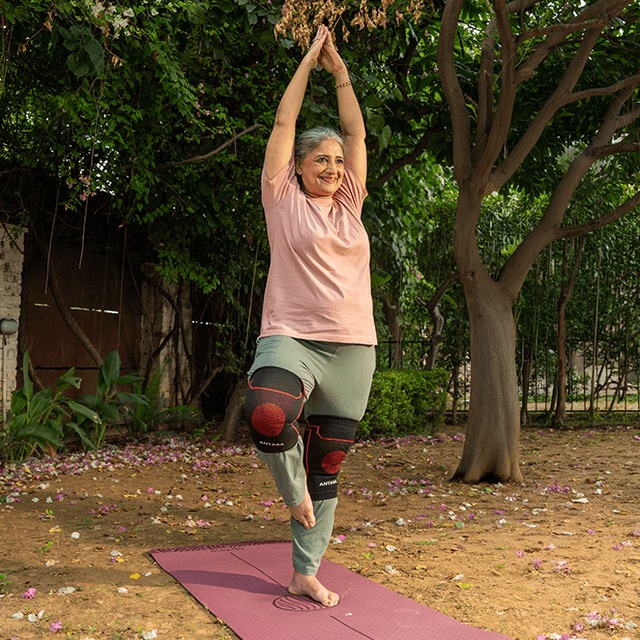
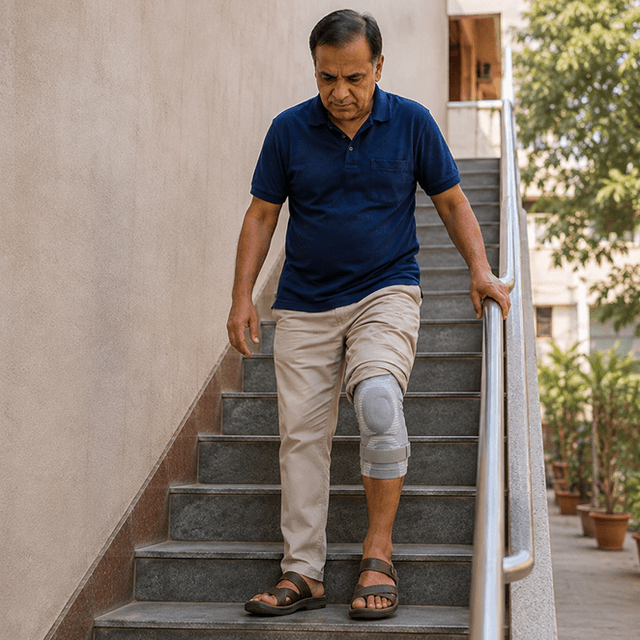
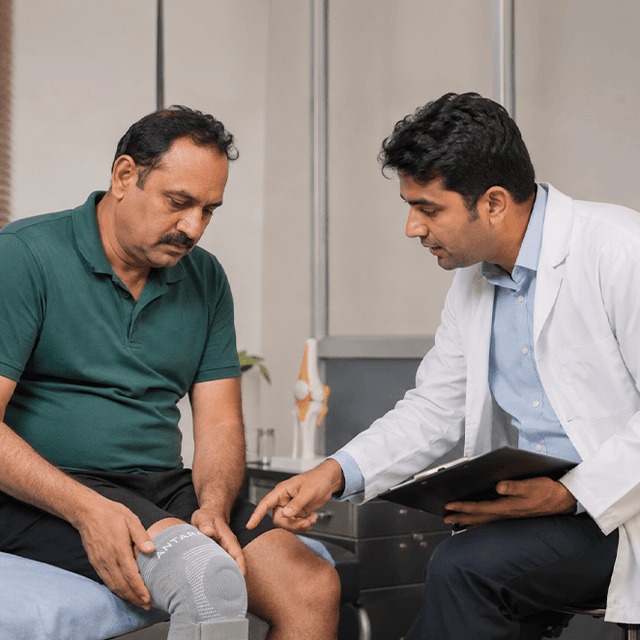
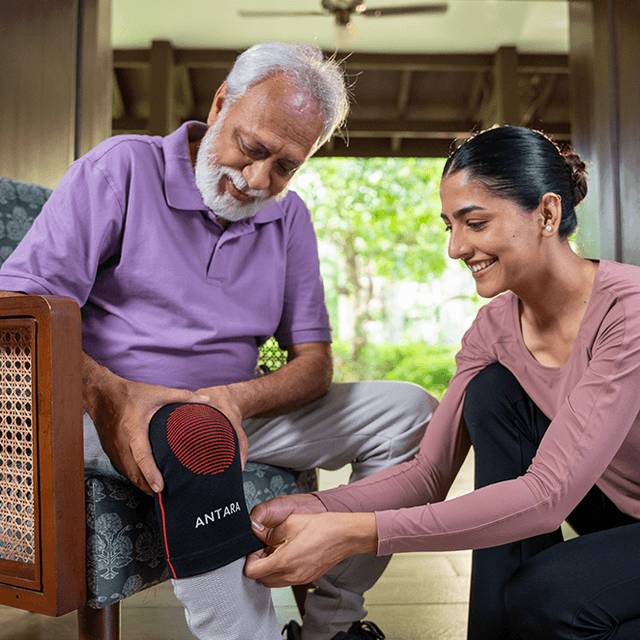
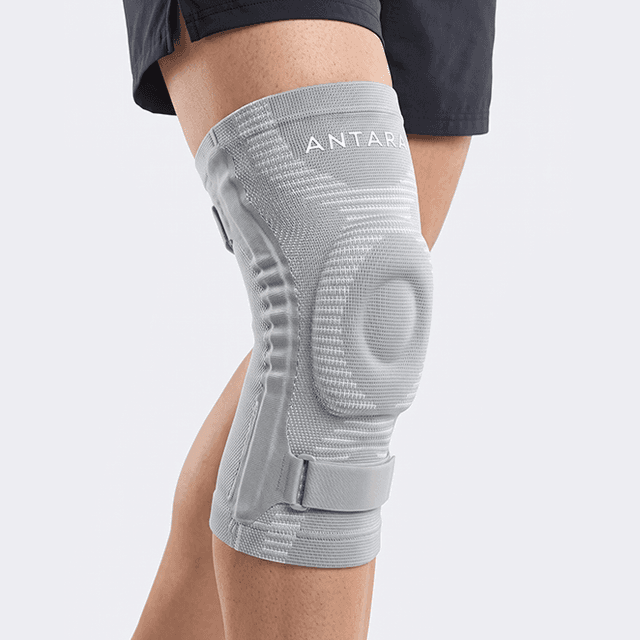
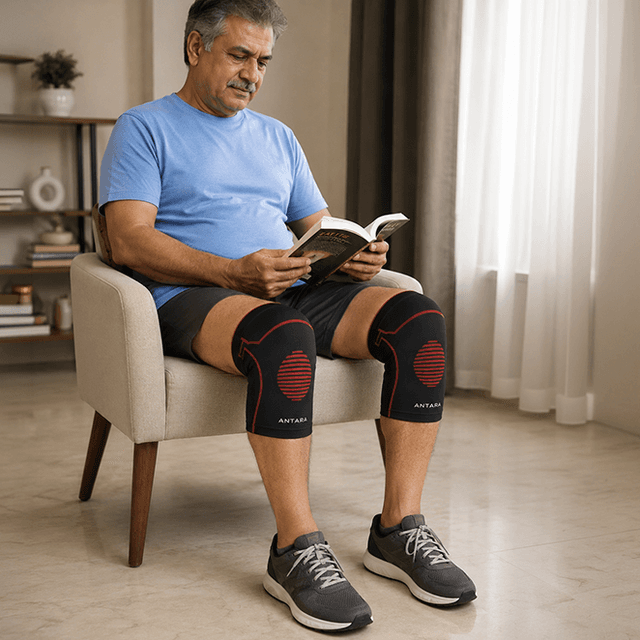
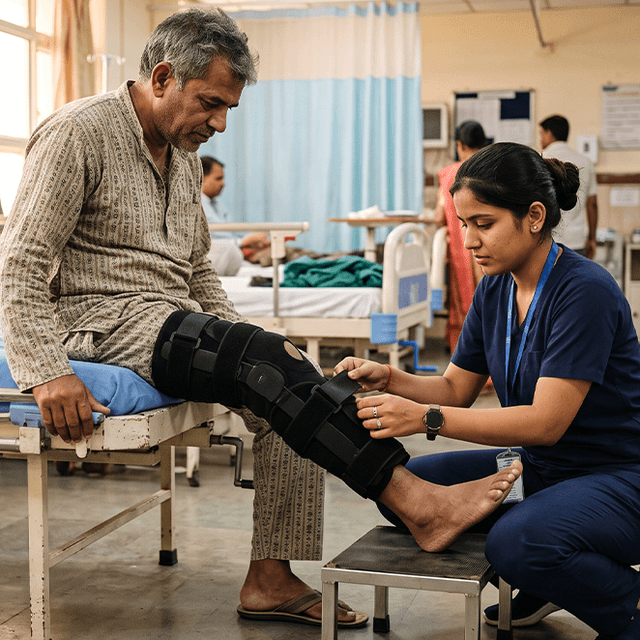
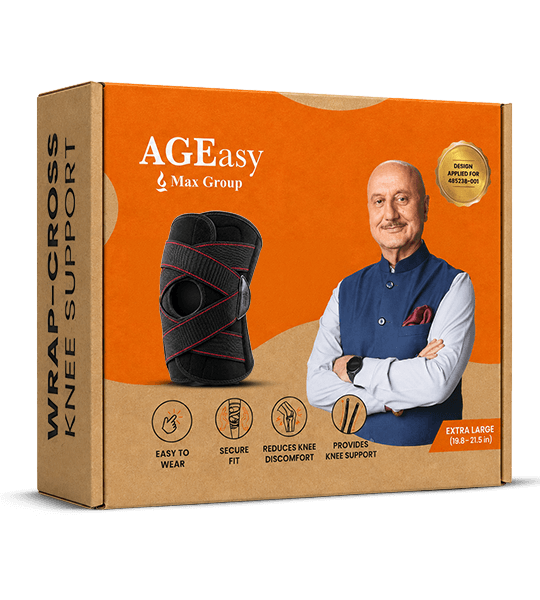
While external support is not a "solution," appropriately designed braces and hinged supports act as a pressure-redistribution tool that can increase stability and reduce movement associated with wear and tear. This is useful for people who want additional support while active and are also dealing with early-stage arthritis. Ranges like AGEasy's knee caps are made for this type of use. A sleeve brace will alleviate some of this stress, but a hinged knee cap like AGEasy's Knee Cap with Hinged Support is recommended for semi-permanent post-injury support and provides more stability in situations of advanced joint instability.
Weak and Mixed Evidence Strategies
Even if some of these practices are harmless, they won't help at all.
- Turmeric Oil — Although turmeric does contain some anti-inflammatory properties, the concentration from a home remedy will have zero meaningful impact on joint pain.
- Mustard Oil Massage — The oil itself will not do anything, but a massage can help comfort a person through relaxation and increased circulation.
- Cloth or Copper Bandages — This has zero supportive physiology, but is still primarily harmless, and can be used if it provides a sense of security.
These practices will not be dangerous, but they are not going to change anything like people want to believe.
When Home Remedies Can Make Things Worse
In most guides, this is the section that gets skipped. Certain home remedies can actually make the situation worse by delaying the appropriate treatment:
- Assuming that swelling will get better on its own and applying oil instead of going to the doctor.
- Not moving at all, out of fear that the injury will become worse, resulting in the loss of strength of the muscles and connective tissue that support the injured area.
- Using unsubstantiated "alternative care" remedies instead of taking prescribed medications.
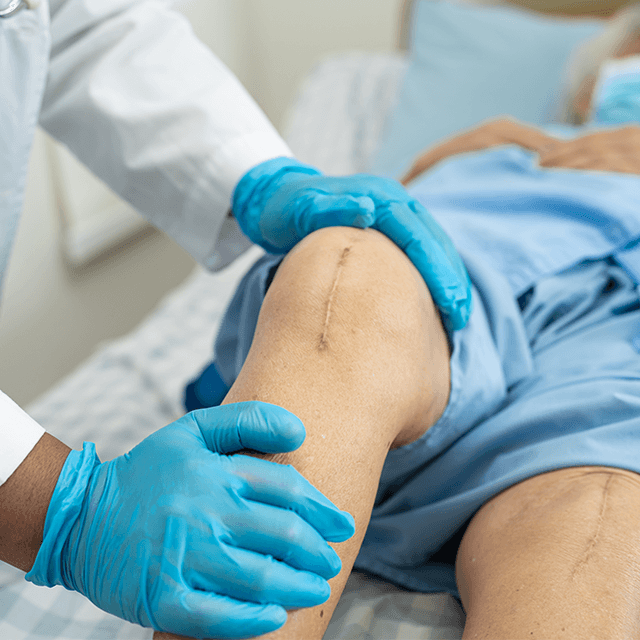
- A knee that is locking, giving out, and swelling to the point that you can't bend it is a sign that you need to stop providing home care and get professional help.
- A visit to the doctor is a must when an injury is severely painful, swollen, and you are unable to put weight on the injured limb.
Supporting Joint Health From the Inside
In addition to topical treatment and physical support, there are dietary supplements with joint-supporting ingredients such as glucosamine, along with boswellia and curcumin. These ingredients provide different levels of comfort to a joint and can increase mobility as a result of extended use. One such supplement is AGEasy's Joint Care Comfort G.
Supplements should be discussed with a doctor, especially if the individual is taking other medications, as these are not intended to be a substitute for medical treatment and may take a significant period of time to produce results.
Creating a Realistic Routine
You don't need an overly complicated routine in order to care for your knees. A practical version could include these components:
- Morning: Perform gentle stretching and/or a short walk to relieve stiffness.
- During the Day: Use knee supports while standing and walking for extended periods.
- Night: Apply heat to your knees if they feel stiff, but if they feel swollen or sore, apply a cold compress. Use topical pain relief gels and patches as needed.
- Ongoing: Do strengthening exercises a few times a week, and if applicable, manage your weight.
Each individual step is not going to be very effective on its own, but the collection of steps will provide a soft, low-maintenance routine that will greatly reduce your pain over time.
The Bottom Line
There is rarely a single cause or a single cure when it comes to knee pain. The cures that work are the practical, uneventful solutions: movement, strengthening, weight control, appropriate use of heat and cold, and the right support at the right time. Miracle oils and remedies should not be part of your treatment plan.
If you are suffering from knee pain that is persistent, worsening, or affecting your daily activities, please see a doctor or physiotherapist for a diagnosis and a tailored treatment plan.