

Why Does My Knee Hurt More Going Downstairs Than Up?
Jul 9, 2026
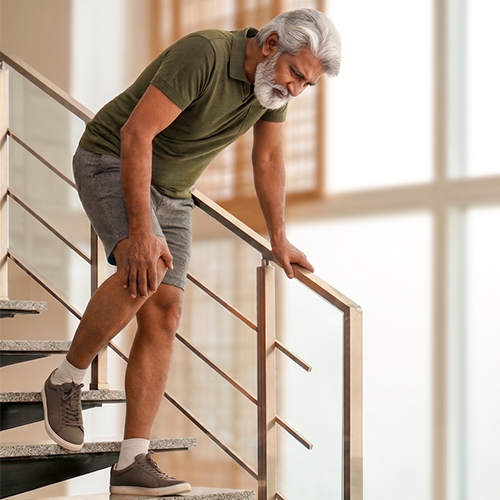
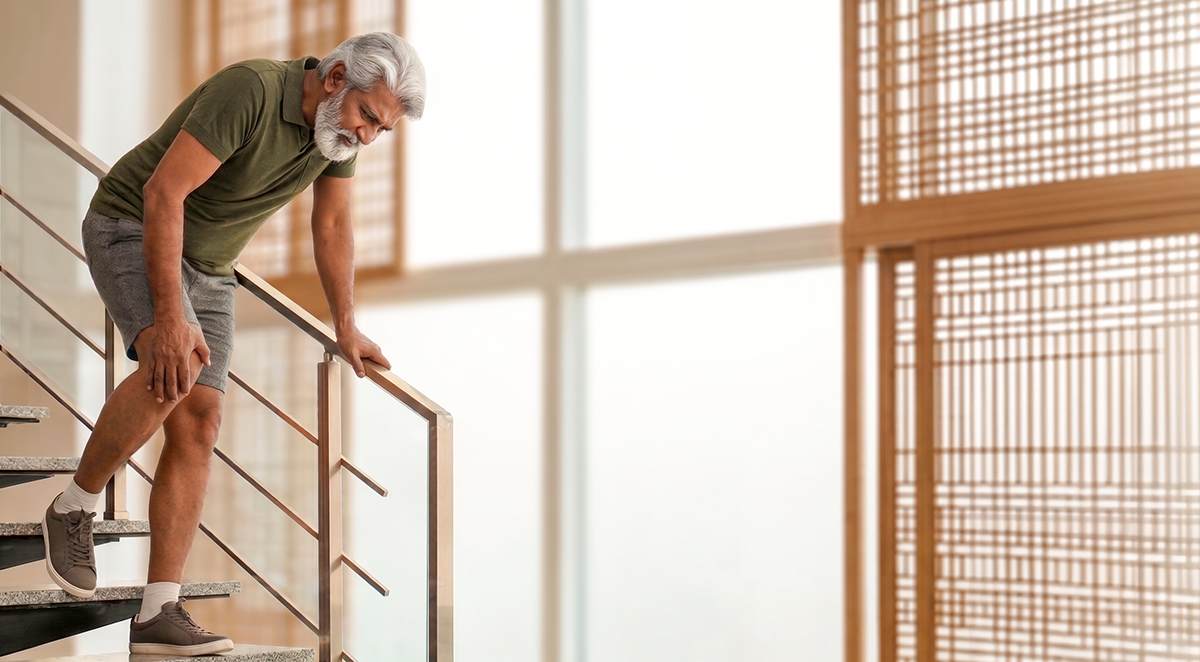
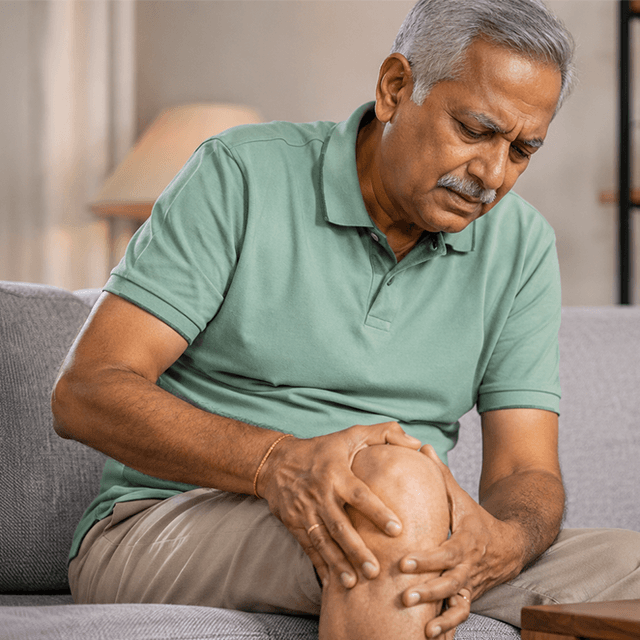
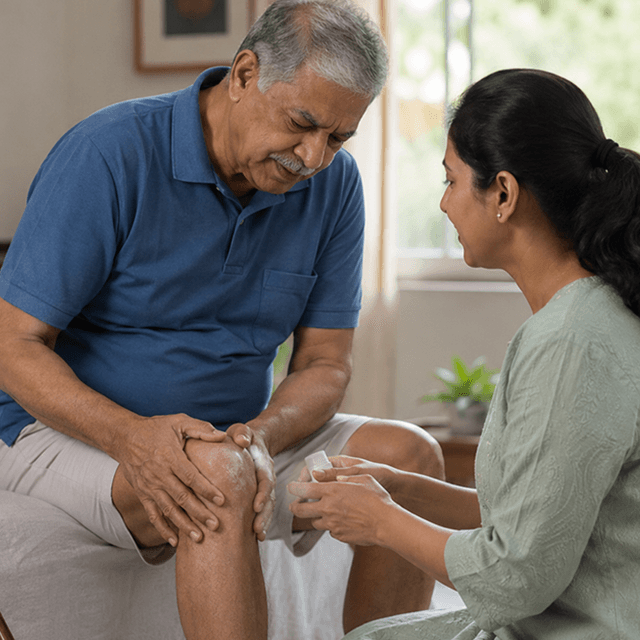
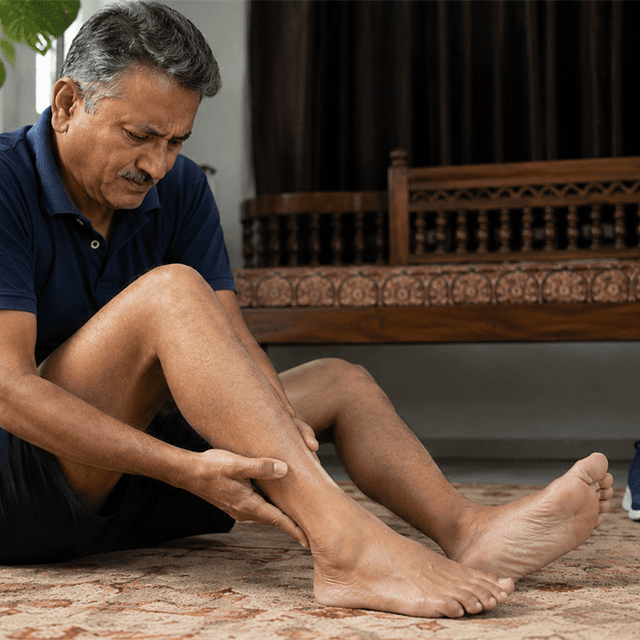
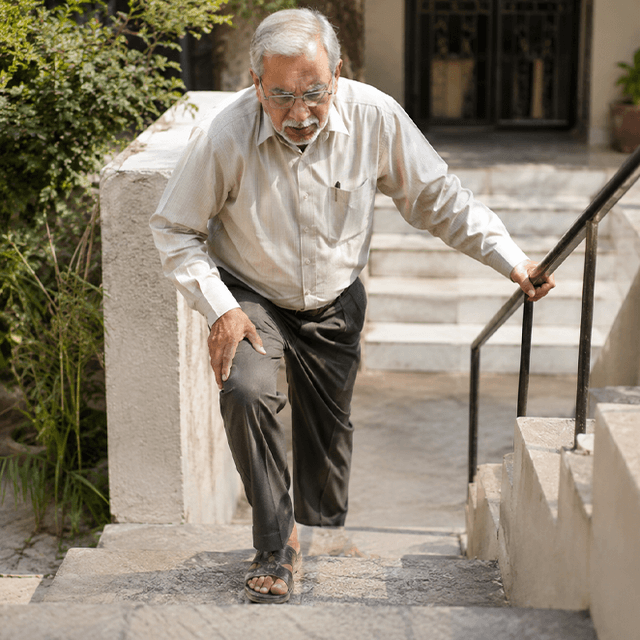
The problem is not walking. It is going downstairs.
This is easy to notice. You can walk to the side without much pain. You can even go up a few stairs without discomfort. But as soon as you start going down, your knee starts acting up.
Perhaps the biggest misconception is thinking that the more effort you exert, the more pain you will feel. This is not the case.
Knee pain is not a function of the distance walked, the last time steps were climbed, or the age of the person walking. What matters is when pain shows up.
Does it only hurt while going down the stairs? Is the pain behind the kneecap? Is there a sense of instability in the knee? Can the knee give out? Does the pain go away when you reach a flat surface?
The time when the knee experiences pain is critical. Walking on a flat surface does not exert the same pressure to the knee as going downstairs.
If you ignore these symptoms, you will continue focusing on the wrong problems, while the true source of pain gets worse. If you focus on these, you can identify the source of pain, know when it is appropriate to do some exercises, understand when it is time to see a professional, and take measures to stop the issue from becoming worse.
This guide breaks down the reasons why the knees usually hurt more going down along with the conditions that lead to it and what to do to ease it and increase confidence in mobility.
Explaining the Differences Between Downstairs and Upwards
Moving upwards using a set of stairs will ask your body to bend its knees to push your body upwards.
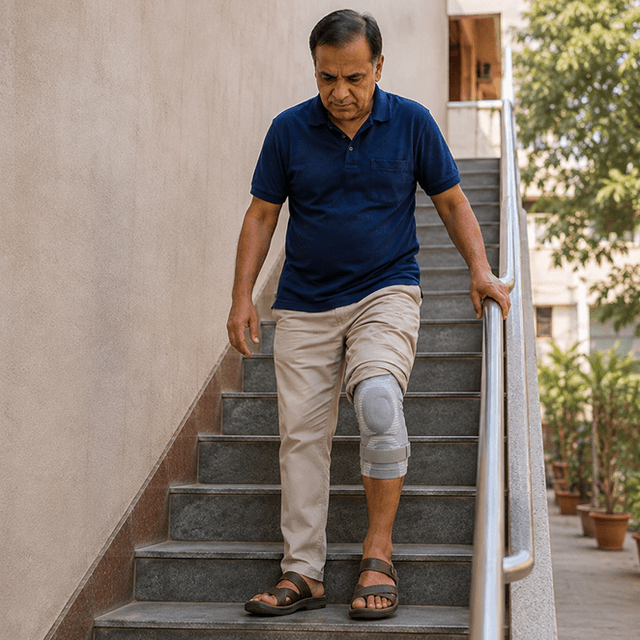
Now, moving downwards is a bit trickier. Each step downwards will force your knee to absorb the weight of your entire body while performing the difficult task of straightening itself. It works almost like a brake. This is referred to as eccentric loading, and this places more stress on your knee joint than the upward journey.
Your knees, which are patella, move to rest in the grooves on your thigh bone, and when moving downwards, the downward force increases the impact into the grooves, which is multiple times your body weight, thus increasing the damage to your thigh bone.
This is the reason many people experience pain climbing stairs, as well as going down stairs, even when their knees are fine on flat surfaces. The joint is not weaker going down the stairs, it feels like it due to the excessive stress placed on it.
Your posture also is a contributing factor. Leaning forward, taking uneven steps, or avoiding the handrails likely will alter the flow of weight through your leg, often causing increased stress on the front of your knees instead of evenly distributing stress across the entire joint.
Common Reasons Your Knee Hurts on the Way Down
- One of the more common underlying causes for this phenomenon is called patellofemoral pain syndrome (PFPS) which is primarily due to uneven tracking of the kneecap across the thigh bone. This condition can be caused by the aforementioned muscle imbalance at the hip or thigh, and also causes pain in the front of the knee, around and behind the kneecap which increases when walking downhill, and this pain can also be exacerbated by prolonged sitting with bent knees or by squatting. It can even lead to worsening of the condition.
- Chondromalacia patella, which is characterized by the softening of cartilage beneath the kneecap, results in a similar pattern of pain and is associated with a grinding and/or catching sensation.
- Among older adults, osteoarthritis is a frequent culprit. Cartilage degradation occurs in the course of normal aging, resulting in increased friction as the joint surfaces come into contact. Downward movements apply compressive forces to the degraded cartilage. This condition is often accompanied by morning stiffness and post-activity swelling.
- Even small meniscus tears can alter weight distribution in the knee and result in sharp pain when descending, as well as intermittent catching and locking sensations.
- Weak quadriceps can also be a major contributor. The quads function as shock absorbers and help mitigate the impact of each step downward. If the quads are too weak to regulate this action, it can result in pain and joint instability as increased load is transferred directly onto the joint.
- Some individuals experience the sensation of the knee giving way or feeling loose when descending. This is generally caused by ligament laxity or insufficient stabilising muscles around the joint, and warrants further investigation.
How to Alleviate Knee Pain
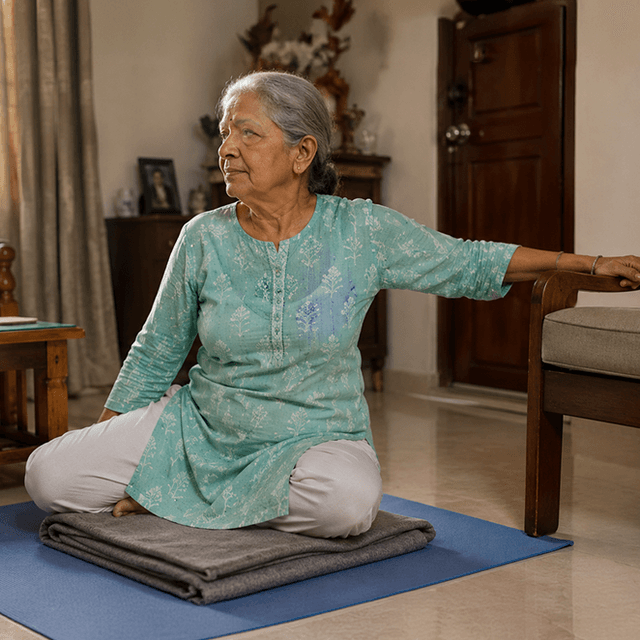
One of the most effective ways to minimize pain when going up and down the stairs is strengthening the muscles surrounding the knees.
Such actions as straight leg raises and wall-sitting are effective in building up the strength of quadriceps without too much in the way of stress on the knee joint.
Starting off with a small number of repetitions and going up gradually protects the joint while still continuing to strengthen the muscles. It is also beneficial to get the advice of a physiotherapist to work on muscle imbalances, which can provide relief in a very short period of time.
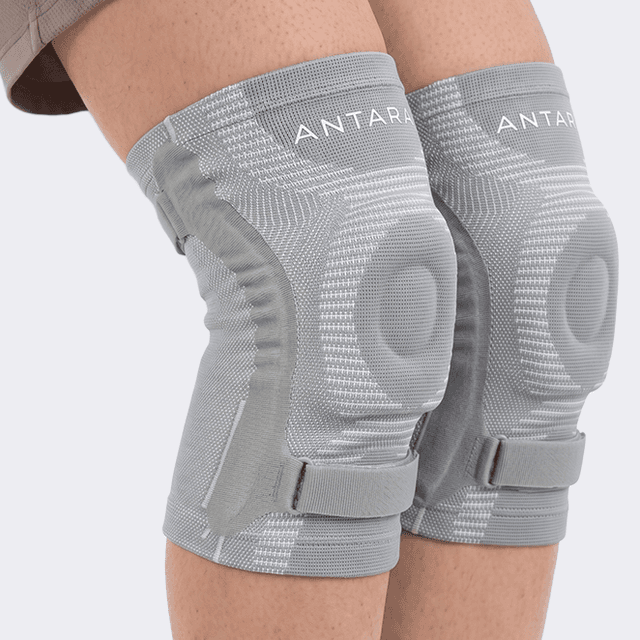
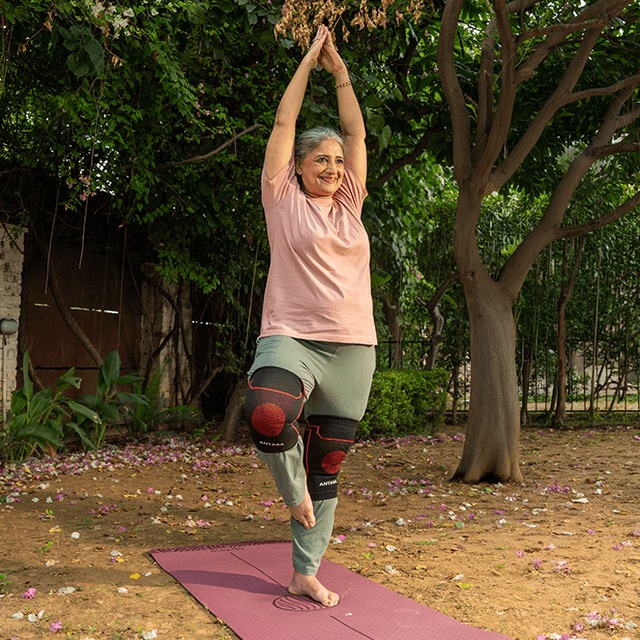
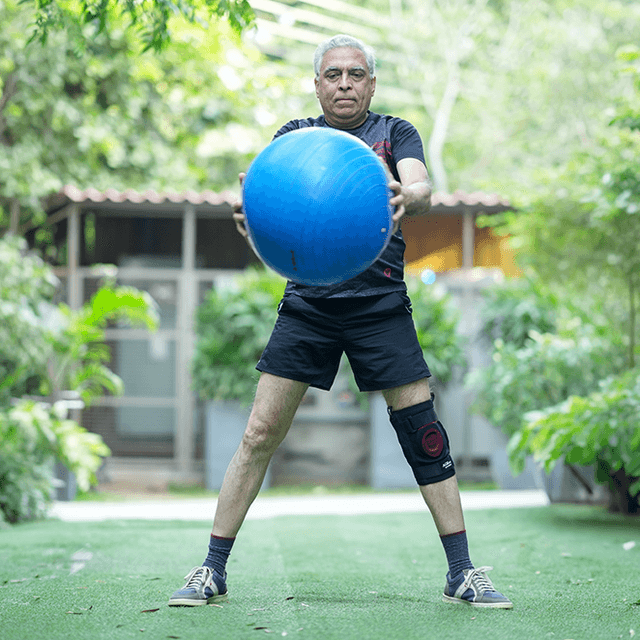
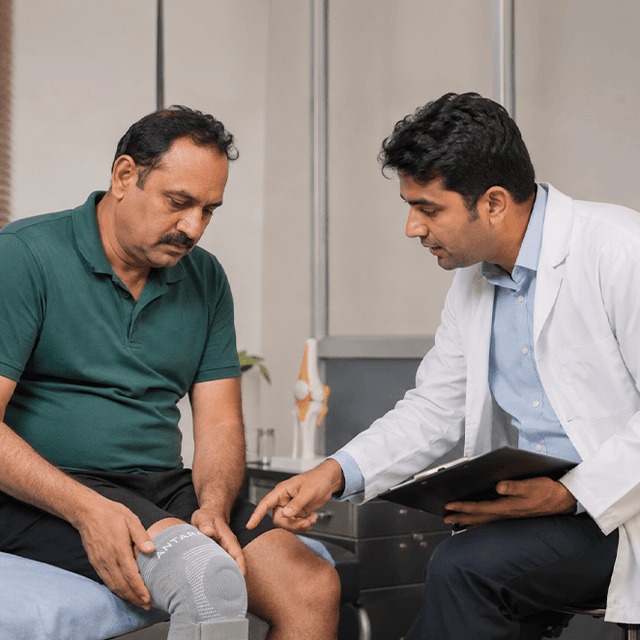
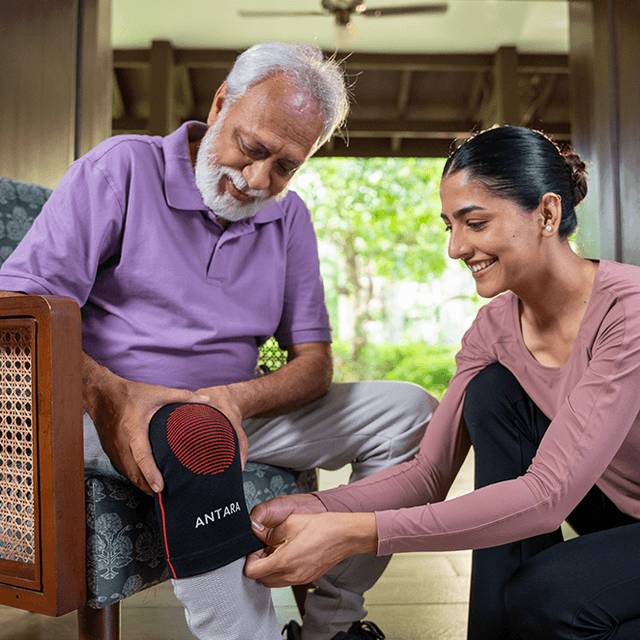
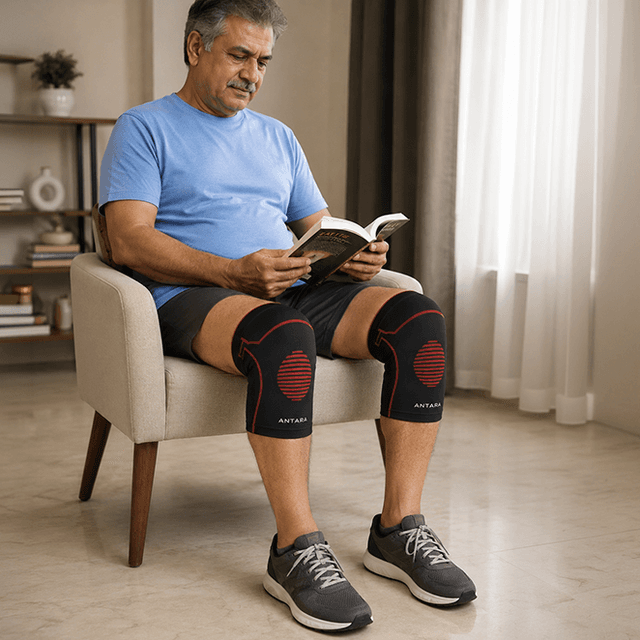
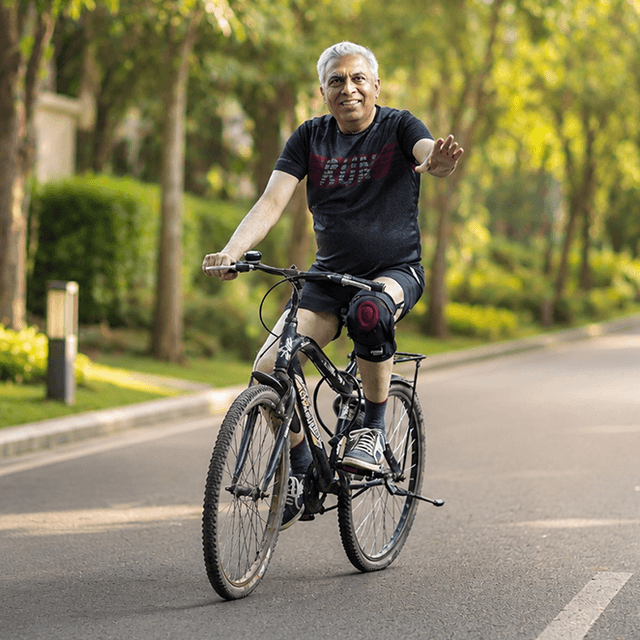
Many people also find that wearing a knee support product makes knee pain easier to manage.
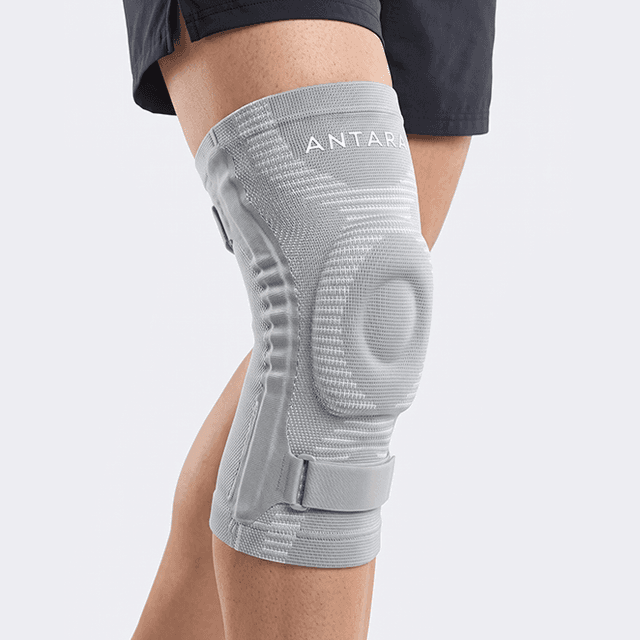
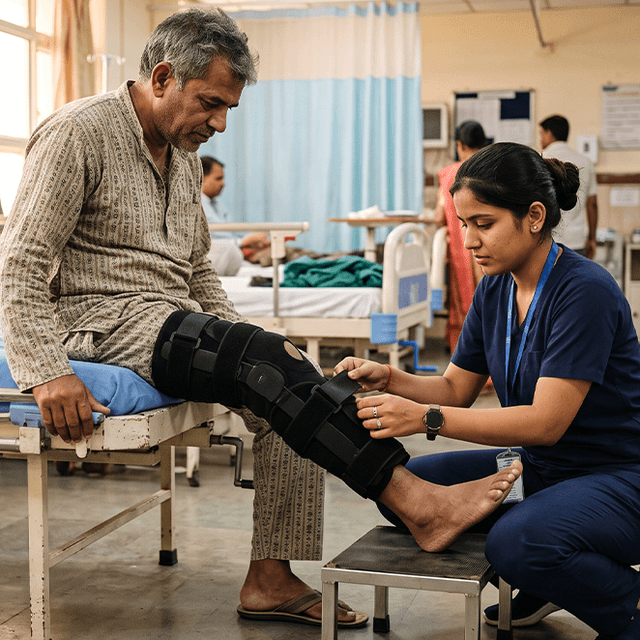
- For example, an adjustable knee support with side hinges split knee supports such as the AGEasy Comfort Knee Cap with Hinged Side Support, helps keep the joint in its proper position and protects the knee further by stabilizing it during activities such as going down stairs. The hinges allow a normal bend and limit the sideways movement that causes pain.
- For more knee support after an injury or when on your feet a lot, the AGEasy Hinged Max Comfort Knee Cap is designed with a soft, cushioned ring around the kneecap to help absorb the impact and stress of walking.
- For a less supportive knee cap, the AGEasy Comfort Ease Knee Cap is a good option that provides light support.
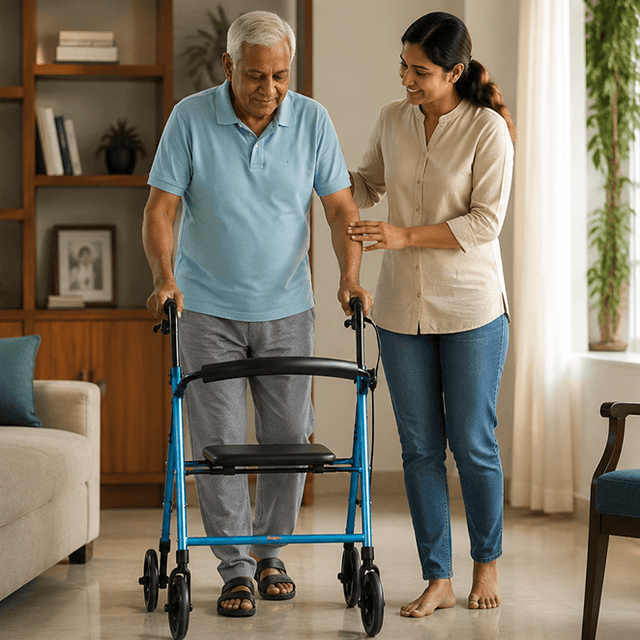
- In addition to bracing, minor changes to daily activities can make a difference. Having supportive footwear and good cushioning, healthy body weight, use of a handrail going down the stairs, taking one step instead of skipping several steps, all decrease the load exerted on the knee joints.
- Inactivity and inflammation can be calmed using a cold compress and gentle stretching of the hamstrings and calf muscles will allow the knee joint to move freely and fully without too much tension on the kneecap.
When to See a Doctor
Although knee pain can come and go but if it keeps coming back then you must consult a medical professional when experiencing knee pain because some symptoms do require urgent attention.
Increased swelling, pain that causes the knee to 'lock up', or recurrent episodes of giving-way are all concerns that should be assessed by a physician rather than self-managed. Knee pain that is worsening, is unresponsive to rest, or is occurring during sleep is in itself, sufficient cause to seek medical attention.
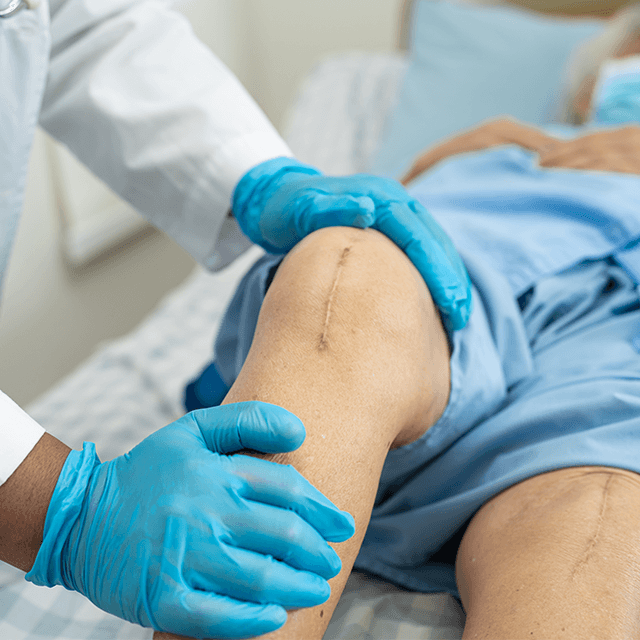
A doctor or physiotherapist will evaluate the range of motion in the knee, examine the adjacent musculature and will determine whether imaging is warranted to ascertain if the problem is with the knee cartilage, ligaments or malalignment of the kneecap. Early accurate diagnosis will save time, effort and frustration by eliminating the guess work, and will guide you toward the appropriate balance of exercise, bracing and rest.
If you are experiencing pain in your knees while going down stairs, you shouldn't ignore it. It is important to understand the root cause of the pain. Identifying the exact moments when the pain occurs, finding the right braces or supports for your everyday tasks, and strengthening the relevant areas can make a big difference in how stable, confident, and comfortable you are in your daily movements.