

Fallen Arches and Knee Pain: The Connection Most Knee Guides Skip
Sep 8, 2026
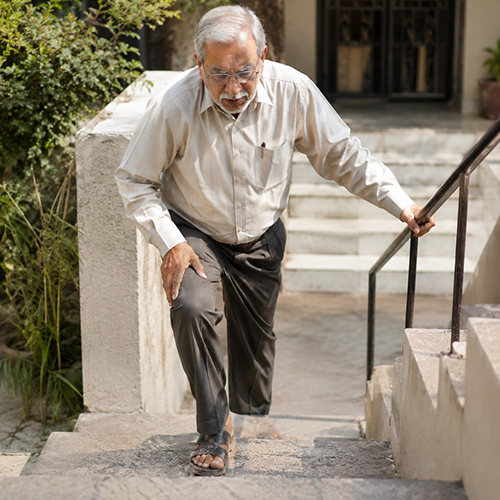
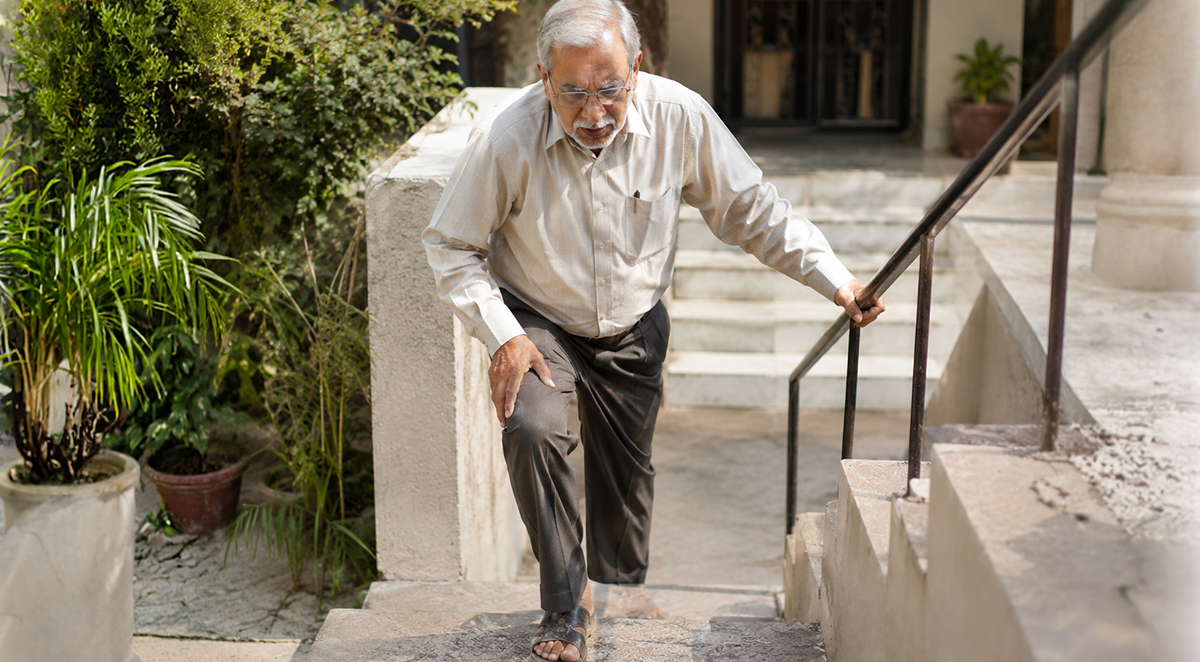
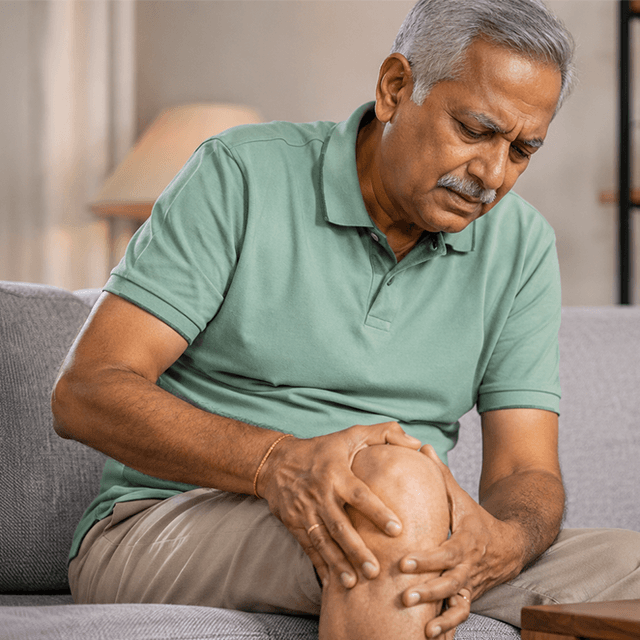
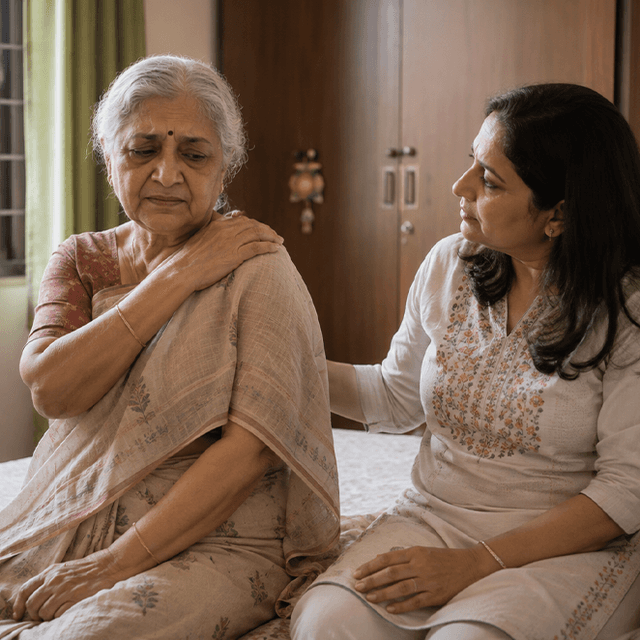
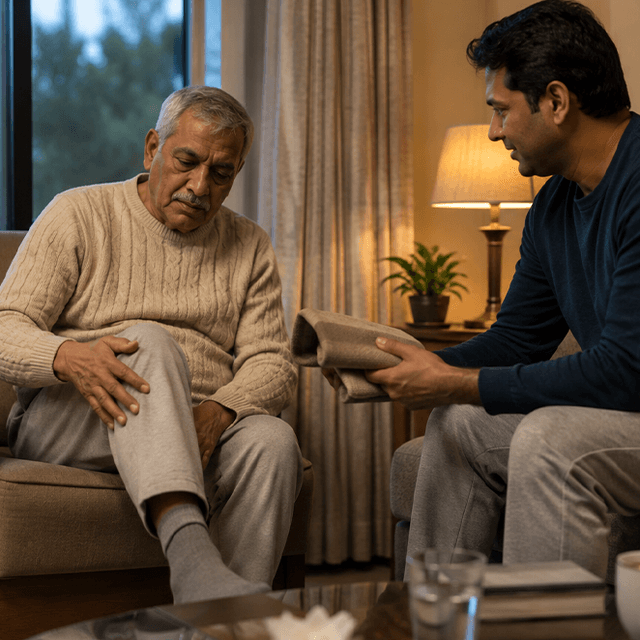
Pain around the knee is often assumed to be caused by the knee itself. However, sometimes the source of the problem may be lower down, around the foot or ankle.
A few steps may trigger knee discomfort, and the pain may temporarily improve with rest, different footwear, or reduced physical activity. However, the discomfort can return once normal activities resume.
Changes in the arch of the foot can affect how the foot contacts the ground. This can influence movement around the ankle and knee and, over time, may contribute to discomfort around the knee.
This does not mean that every case of knee pain is caused by fallen arches. Similarly, not everyone with fallen arches develops knee pain.
Instead of looking only at the painful area, it can be useful to consider the entire movement chain: how the feet support the body and how the ankles, knees, and hips work together during movement.
Understanding this connection can help you make better decisions about footwear, activity, support, and when your parent may need professional assessment.
What Is a Fallen Arch?
The inner part of the foot contains a curved structure called the arch. The arch helps distribute body weight and absorb some of the impact that occurs while standing and walking.
Fallen arches, also known as flat feet or pes planus, describe a lower arch when weight is placed on the foot. For some people, the arch may appear reduced even when the foot is not bearing weight.
Flat feet can develop for different reasons, including injury, aging, repeated strain, tendon problems, or an inherited foot shape.
Flat feet can also be flexible or rigid.
With flexible flat feet, an arch may be visible when the foot is off the ground but flatten when the person stands. With rigid flat feet, the arch remains absent both when the foot is off the ground and when it is bearing weight.
How Can Fallen Arches Affect the Knee?
The feet, ankles, knees, and hips work together whenever your parent takes a step.
When the foot arch flattens, the foot may roll inward more than usual. This movement is known as pronation.
A certain amount of pronation is part of normal movement. However, excessive inward rolling or a combination of foot, muscular, or structural issues can affect the way forces travel through the ankle and lower leg.
This can place additional stress on tissues around the knee in some people.
The relationship is not automatic. A person can have flat feet without experiencing knee pain, and knee pain can have many causes unrelated to the feet.
The combination of flat feet with activities such as prolonged kneeling may also become more uncomfortable when other factors are present, such as arthritis, a previous injury, weak muscles, or repetitive stress on the knees.
Signs That May Point to a Foot–Knee Connection
Foot-related strain may be worth considering when knee symptoms occur alongside noticeable changes in the feet or walking pattern.
Look for:
- Foot arches that appear lower while standing
- Ankles rolling inward while walking
- Uneven wear on one side of the shoes
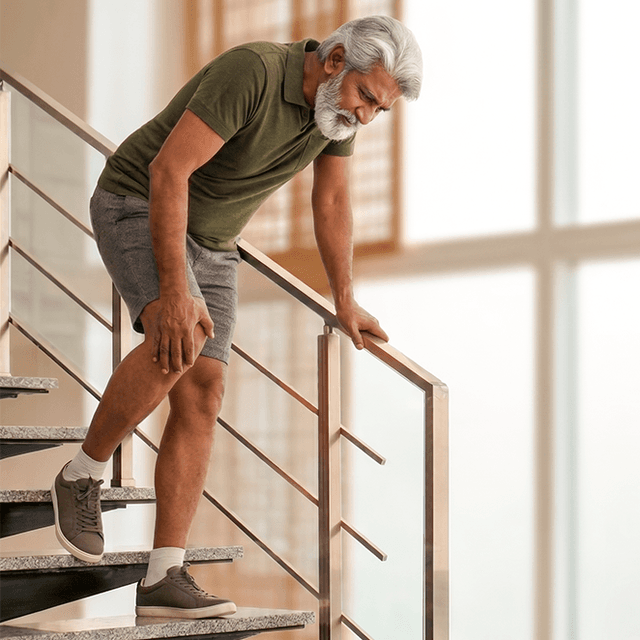
- Knees moving inward while walking, climbing stairs, or squatting
- Pain affecting one side of the feet, ankles, knees, or hips
- Knee discomfort that becomes worse after prolonged standing
- One foot becoming flatter and more painful than the other
- A noticeable loss of balance
These signs do not prove that fallen arches are causing the knee pain.
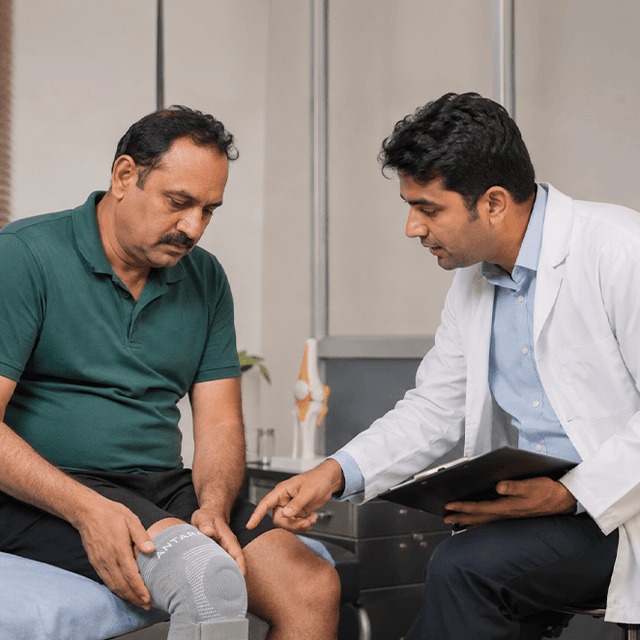
A physiotherapist, podiatrist, orthopaedic doctor, or another appropriately qualified professional can assess your parent's posture, walking pattern, muscle strength, joint movement, and footwear to understand whether the foot may be contributing to the symptoms.
Remember: Knee Pain Can Have Many Causes
Even when your parent has flat feet, the knee may have another primary cause of pain.
Knee pain can be associated with conditions or injuries involving:
- Osteoarthritis
- Ligament or meniscus injuries
- Bursitis
- Tendon problems
- Muscle problems
- Previous trauma
Knee pain that begins after a fall or twisting injury should be assessed.
Swelling, locking, repeated giving way, redness, warmth, or an inability to bear weight may require prompt medical attention.
Severe pain at night, fever, unexplained weight loss, or new numbness or weakness in the leg should also be medically assessed.
Start With Footwear and Everyday Support
The way your parent's feet contact the ground is influenced by their footwear. Shoes should fit comfortably, allow the toes to move, and provide a stable sole.
Worn-out soles can change the way weight is distributed through the foot. Replace shoes when the sole has become significantly worn or uneven.
If your parent has foot or knee discomfort, avoid making sudden and frequent changes between very different types of footwear. Gradual changes can make it easier to identify whether a particular shoe is comfortable.
Orthotics or shoe inserts may be recommended in some cases, but the appropriate type should be selected after considering the person's foot, symptoms, and footwear.
The AGEasy ArchPro Insoles for Flat Feet are designed to provide arch support and redistribute pressure within the shoe.
If your parent tries an insole, it should feel supportive without creating new pressure or pain. Introduce it gradually and discontinue use if it causes discomfort, rubbing, numbness, or other new symptoms.
What About a Knee Brace?
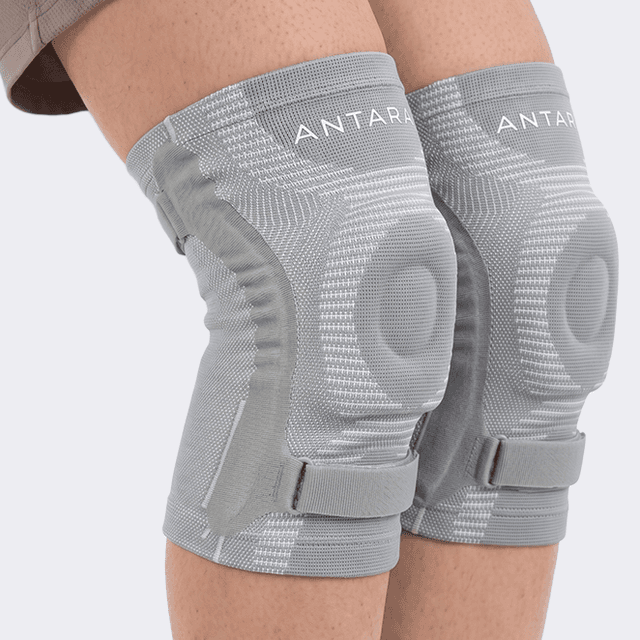
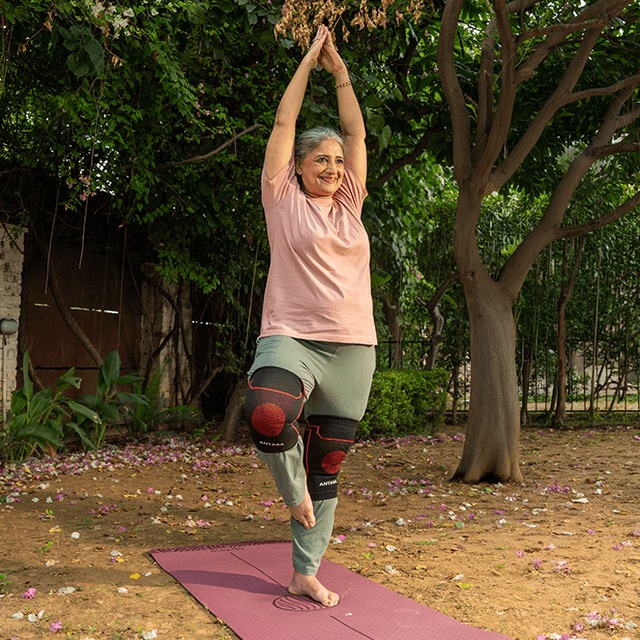
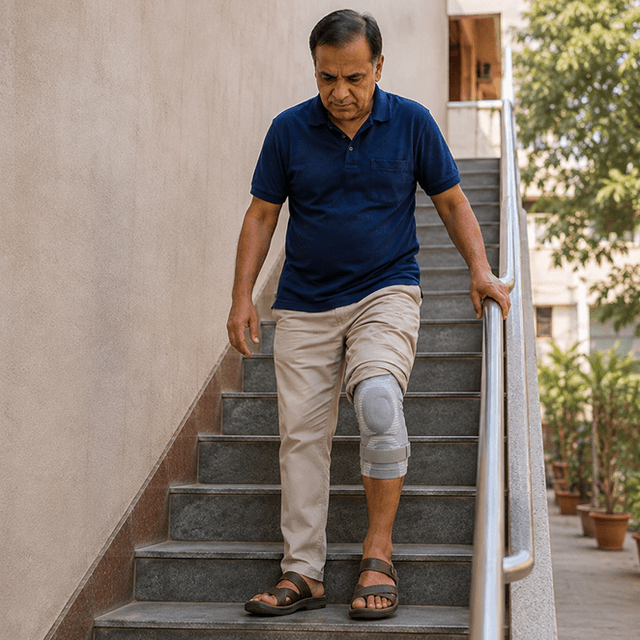
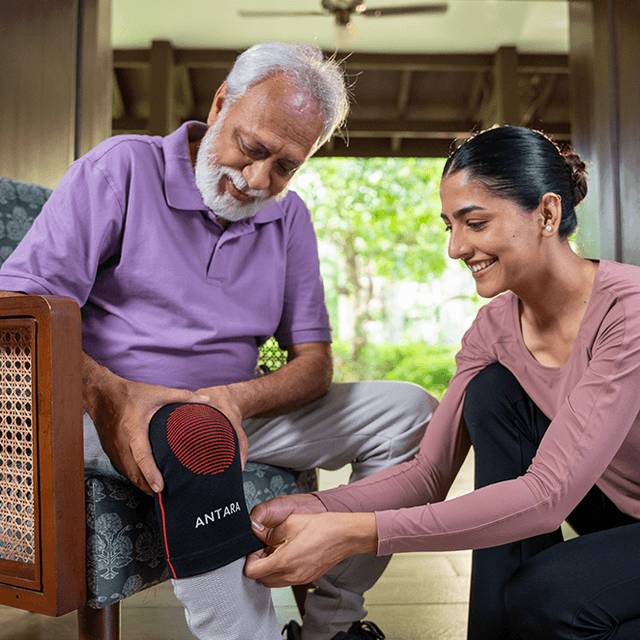
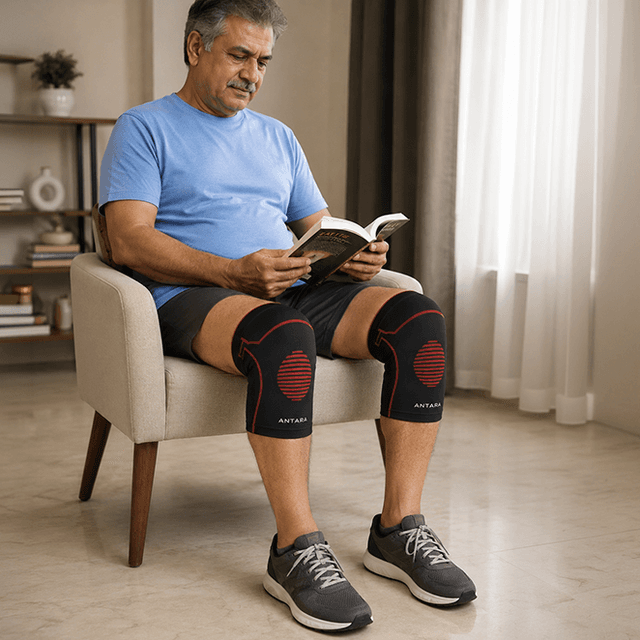
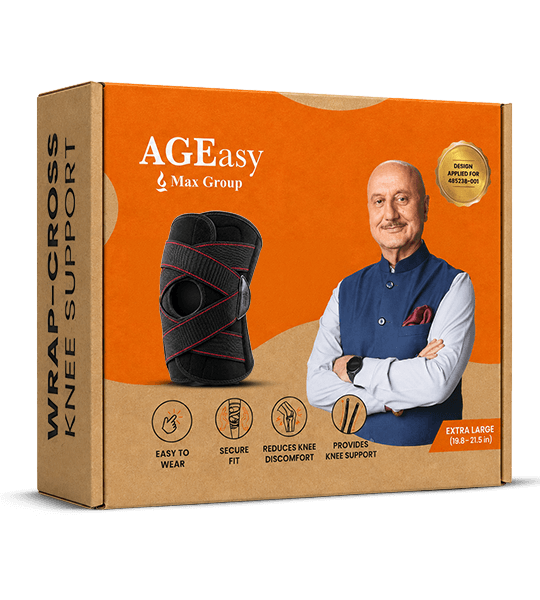
A knee brace may provide temporary support during certain activities for some people. However, a knee brace does not correct fallen arches or address the underlying cause of a foot-related movement problem.
It should therefore not be viewed as a solution for the foot–knee connection itself.
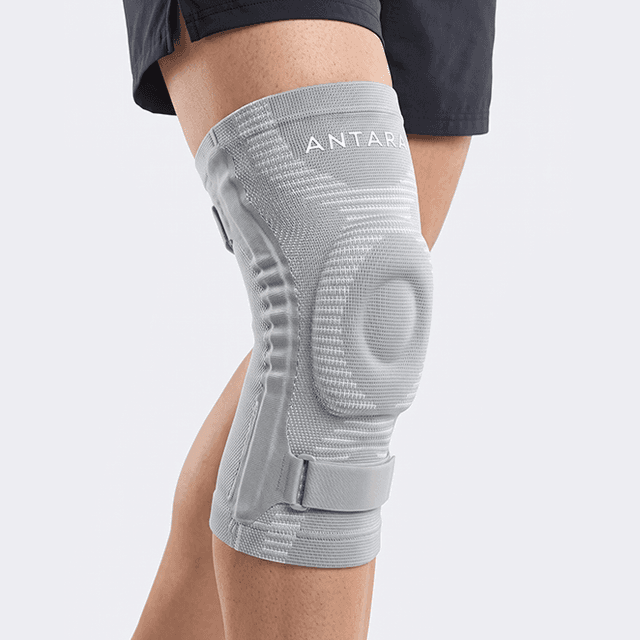
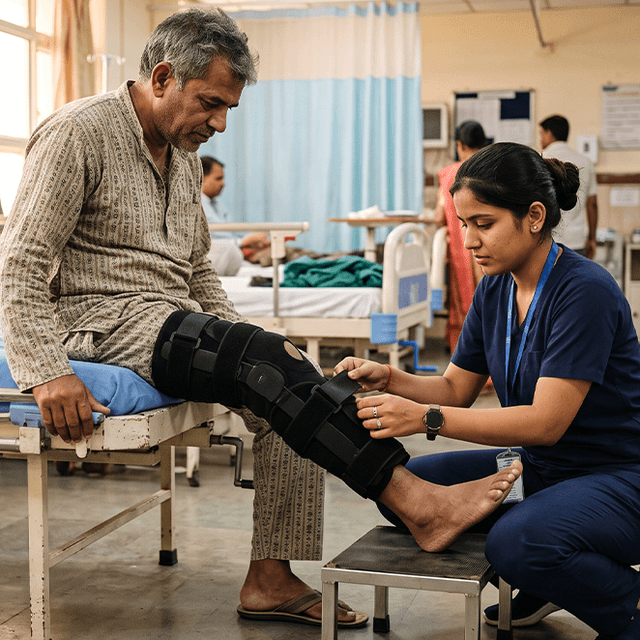
The AGEasy Comfort Hinged Knee Brace provides additional knee support and stability during movement.
If your parent experiences tingling, numbness, increased pain, or discomfort while wearing a knee brace, remove it and seek appropriate medical advice.
A brace should complement an appropriate care plan rather than replace assessment, exercise, or treatment of the underlying cause.
Build Strength Along the Movement Chain
If your parent's foot, ankle, knee, and hip are not working together comfortably, strengthening and mobility exercises may form part of an appropriate treatment plan.
The specific exercises should depend on your parent's symptoms, medical history, strength, balance, and movement ability.
A physiotherapist may recommend exercises such as:
- Gentle calf and ankle mobility exercises
- Foot and arch muscle strengthening
- Controlled heel raises
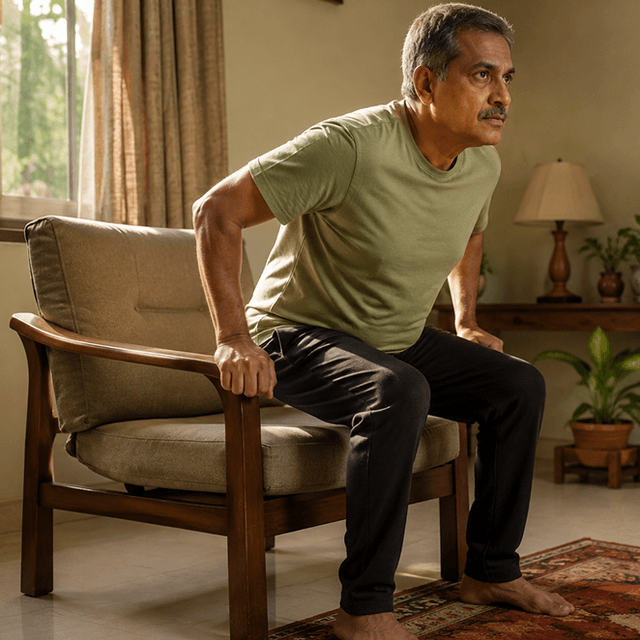
- Sit-to-stand exercises
- Hip and thigh strengthening
- Balance exercises with stable support nearby
Exercise should be performed gradually and should not cause pain.
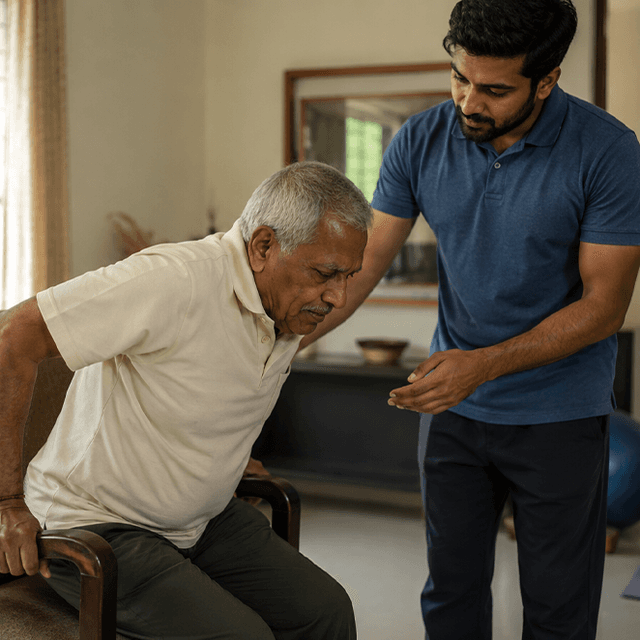
If your parent has a high risk of falling, balance exercises should be performed with appropriate supervision and stable support nearby.
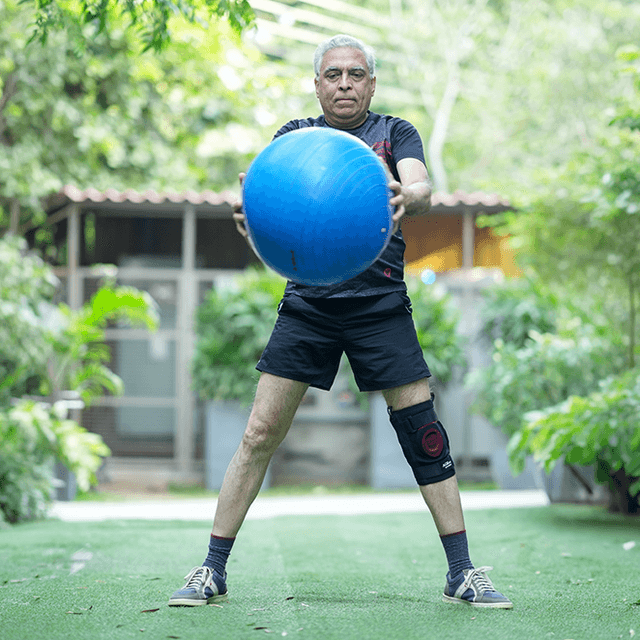
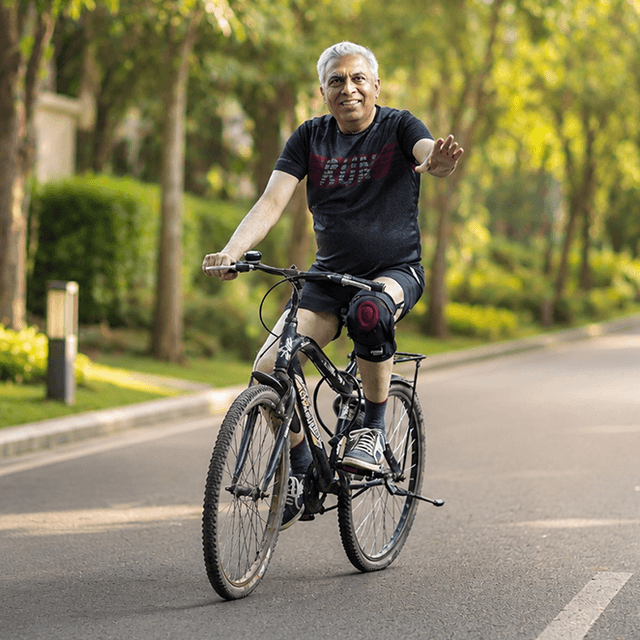
Low-impact activities performed regularly may also help maintain joint movement. Depending on your parent's health and abilities, options may include water-based exercise, cycling, or walking on a flat surface.
A doctor or physiotherapist can help determine which activities are appropriate.
When Might a Walking Aid Be Helpful?
Poor balance or difficulty walking because of knee discomfort can increase the risk of falling.
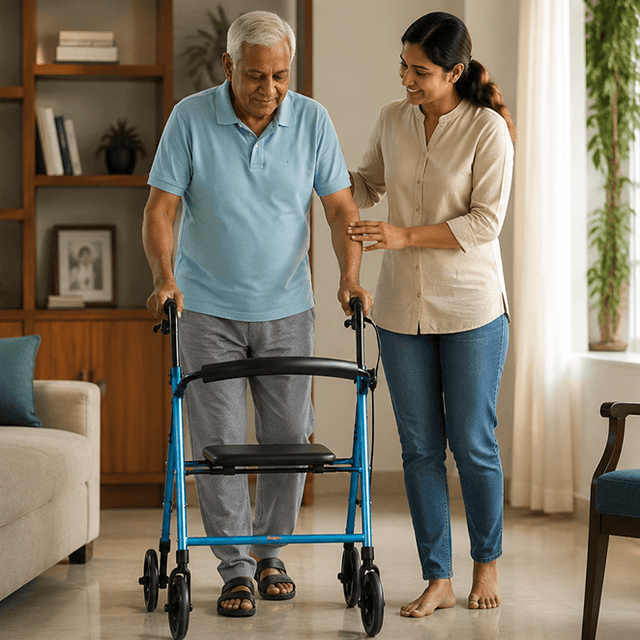
A walking aid may reduce the physical demand of walking for some people. However, using an aid that has not been appropriately assessed or adjusted can increase the risk of falls.
The AGEasy Walker Without Wheels for Seniors is a stable-frame walking aid that can be considered for people who require additional support while walking short distances.
A walking stick may be appropriate for someone who walks independently but needs an additional point of support, while a rollator may be useful for someone who can walk but becomes tired and needs to take breaks.
The walking aid should be correctly adjusted and used as recommended. It should not be used simply to hide an inability to walk safely or to push through significant pain.
What Happens During a Professional Assessment?
A professional assessment may begin with questions about your parent's pain, activities, previous injuries, medical conditions, and footwear.
The clinician may observe how your parent stands and walks and may assess movements such as squatting, stepping on and off a surface, and changing position.
They may also examine the foot arch and the movement of the ankle, knee, and hip, along with muscle strength and balance.
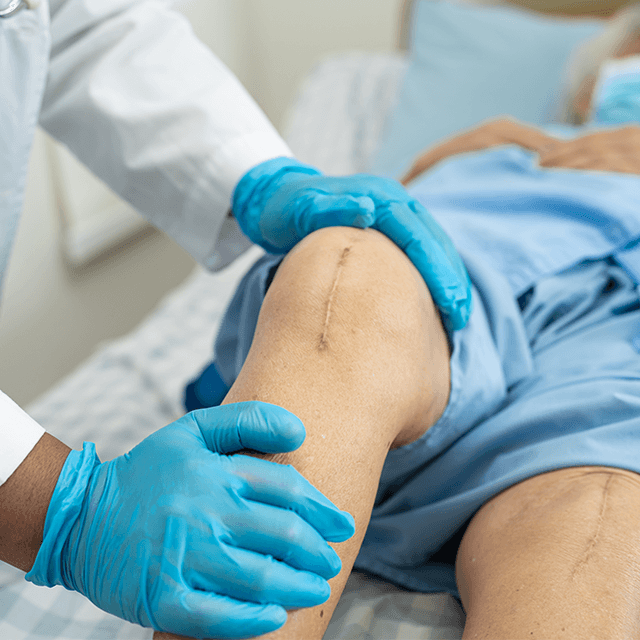
Imaging is not necessarily required in every case. If there has been previous trauma, significant swelling, possible arthritis, or persistent symptoms, the clinician may consider X-rays or other investigations.
The purpose of the assessment is not simply to identify whether your parent has flat feet. It is to understand whether and how the foot may be influencing movement and what approach is appropriate for the underlying problem.
Treat the Whole Movement Pattern
If fallen arches are contributing to knee discomfort, management may involve several components rather than a single product.
Depending on the cause and your parent's individual needs, this may include appropriate footwear, activity changes, weight management where appropriate, an insole or orthotic, exercises, and temporary knee support.
Rest may provide temporary relief, but avoiding activity completely can also allow the muscles involved in walking to become weaker.
Braces, massage, or pain medicines should not be the only approach when pain is severe or getting worse.
If your parent's symptoms are affecting walking or everyday activities, consult an orthopaedist, physiotherapist, podiatrist, or another appropriately qualified healthcare professional.
A fallen arch may be one part of the problem rather than the entire explanation. Other joints higher up the leg can also influence how the foot and knee move.
Looking at the feet, ankles, knees, and hips together can therefore provide a more complete understanding of your parent's movement and help identify ways to make everyday activity more comfortable.
When Should Your Parent Seek Medical Attention?
Do not assume that knee pain is caused by fallen arches if your parent develops concerning symptoms.
Seek medical assessment if knee pain follows a fall or twisting injury, or if there is significant swelling, locking, repeated giving way, redness, warmth, or difficulty putting weight on the leg.
New numbness or weakness in the leg should also be evaluated.
Severe night pain, fever, or unexplained weight loss alongside knee pain should not be managed by simply changing footwear or purchasing a support product.
Similarly, a foot that suddenly becomes flatter, especially when accompanied by pain or a change in walking ability, should be assessed by an appropriate healthcare professional.
Fallen Arches May Be Part of the Picture
Fallen arches do not automatically cause knee pain, and knee pain does not automatically mean that the feet are responsible.
However, the feet, ankles, knees, and hips work together during movement, so changes in one area can sometimes influence how another area moves.
If your parent has flat feet alongside changes in walking, uneven shoe wear, inward knee movement, balance problems, or pain that worsens with standing or activity, it may be useful to have their movement pattern assessed.
Appropriate footwear, carefully selected insoles, strengthening exercises, activity changes, and temporary support may all have a role depending on the cause.
The goal should not be to treat the knee in isolation. Understanding how the entire movement chain works together can help your parent move more comfortably and safely.
Disclaimer: This article is intended for general informational purposes and does not replace medical advice, diagnosis, or treatment. Fallen arches do not automatically cause knee pain, and knee pain can have many different causes. If your parent has persistent or worsening pain, a recent injury, significant swelling, difficulty bearing weight, numbness, weakness, balance problems, or other concerning symptoms, consult a qualified healthcare professional.