
Knee Immobilizer vs Knee Cap: Which One Did Your Doctor Mean?
Aug 23, 2026
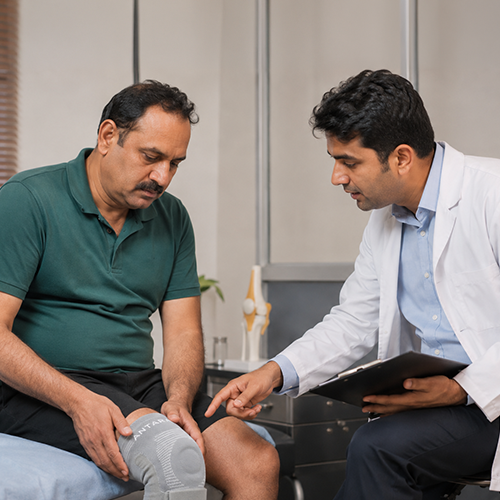
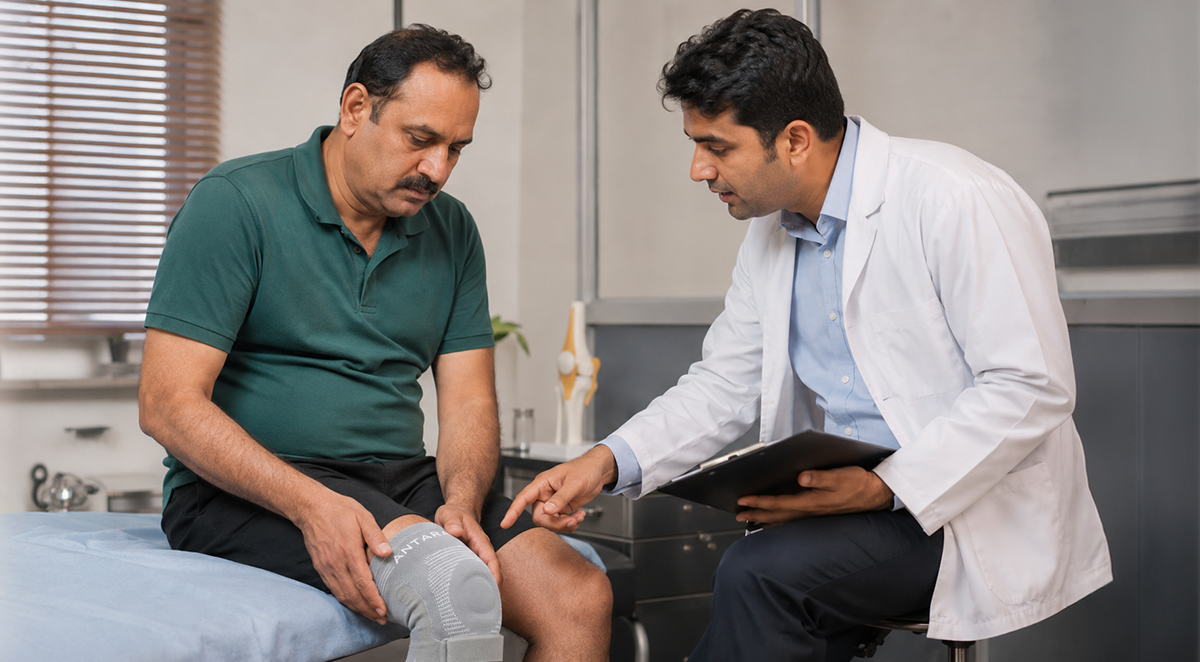
A knee injury can begin with a simple decision: Do you need a knee cap or a knee immobilizer?
Though both offer knee support, they are meant for different purposes. Knee caps offer stability during movement and provide controlled compression. Knee immobilizers offer complete stability and limit movement by immobilizing the knee joint in a fixed position.
Since injuries are unique, your doctor's instructions should dictate your choice. Stability, pain, swelling, treatment, and the projected recovery timeline should also be considered.
What Is a Knee Immobilizer?
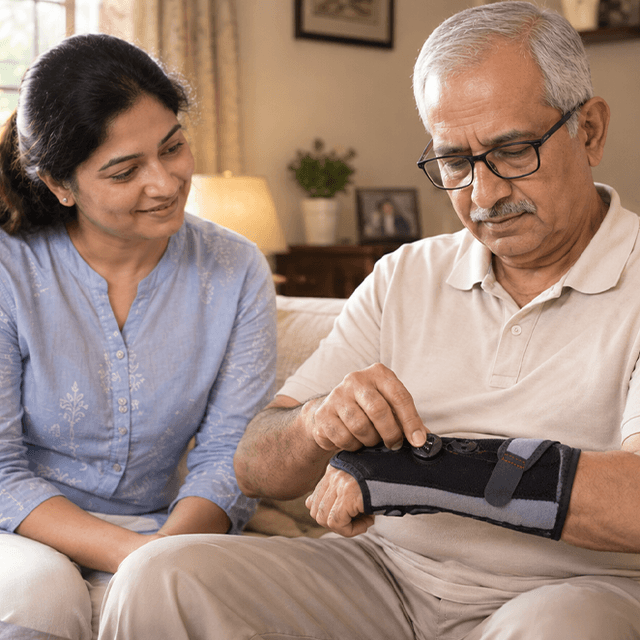
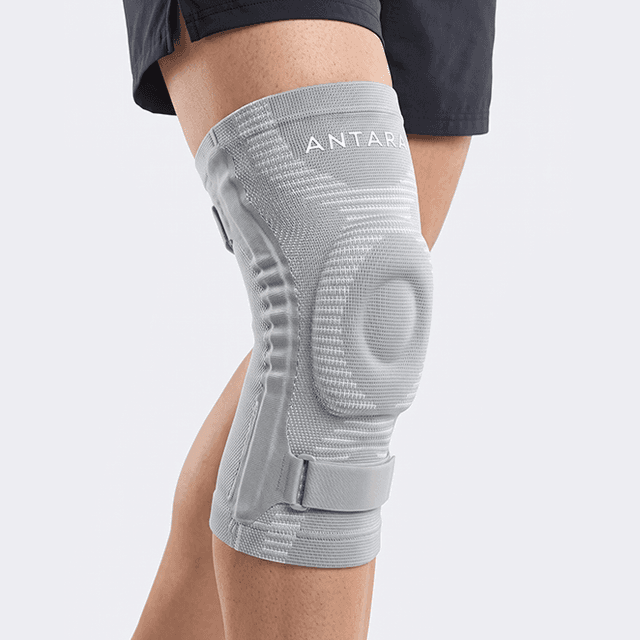
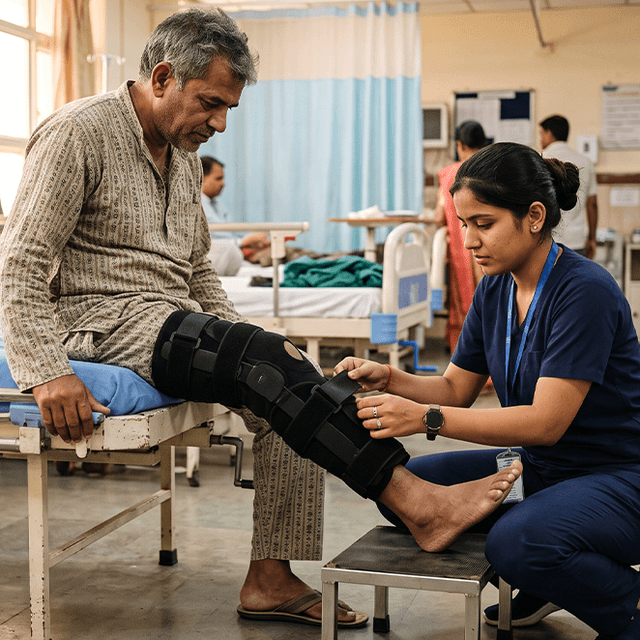
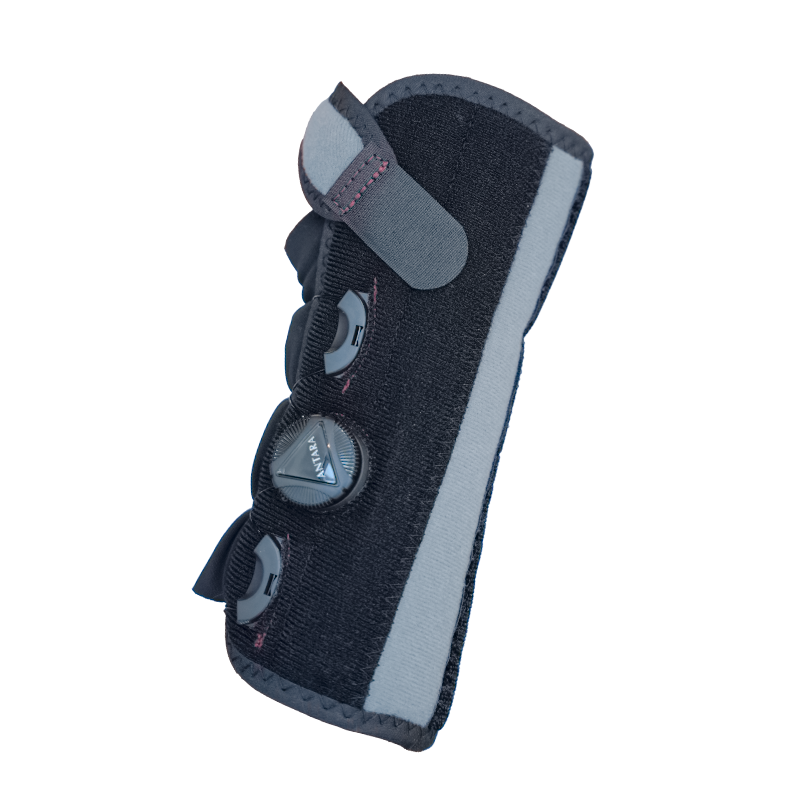
A knee immobilizer is a support device made of rigid materials that prevents bending and unwanted movement of the knee. They are usually constructed of side supports with straps and are designed to provide knee joint stability.
Knee immobilizers are often prescribed after the following:
- Severe knee injuries
- Suspected fractures
- Dislocations
- Injuries to the ligaments or tendons
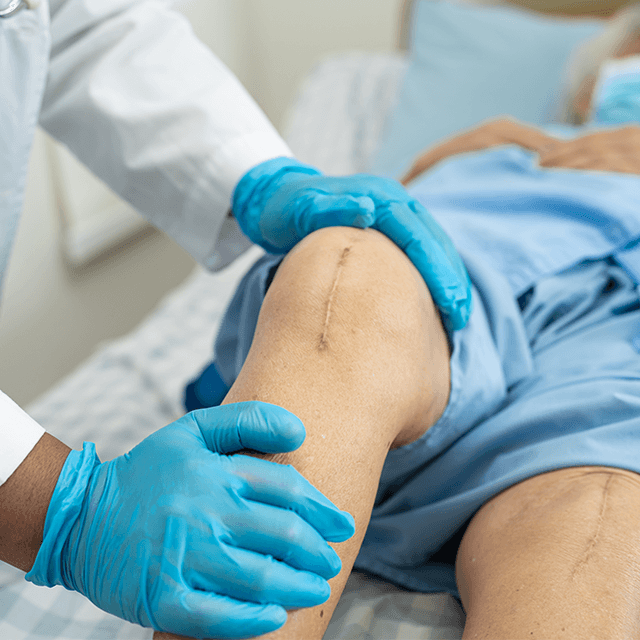
- Surgery
- Extreme joint instability
- Injuries in which knee bending could further injure surrounding tissue
Knee immobilizers are designed to protect the knee whilst the injury heals or during the period between injury and outcome assessment.
While the protection knee immobilizers provide is useful, there are restrictions on their use. An immobilizer should not be used for walking or exercise and should never be used for long periods. Use beyond the prescribed time causes stiffness and pain, as well as muscle weakness and difficulty walking.
What Is a Knee Cap?
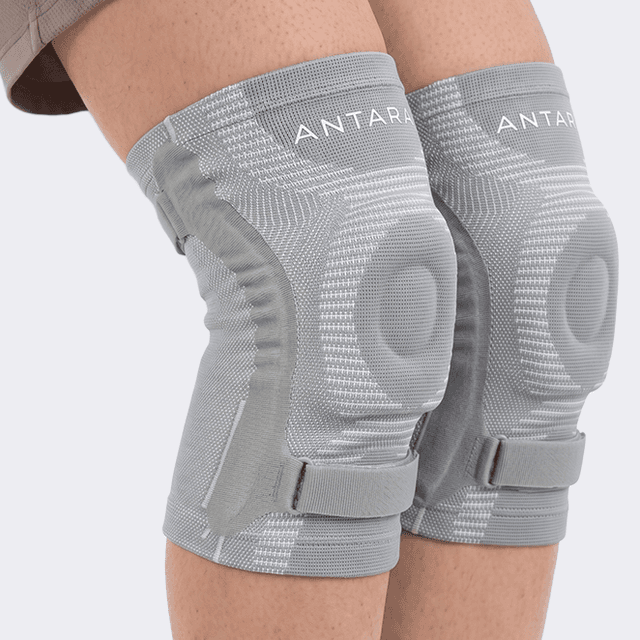
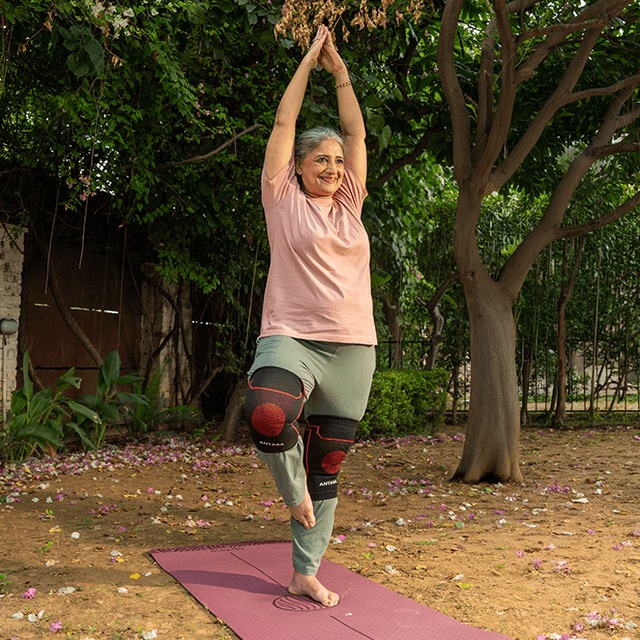
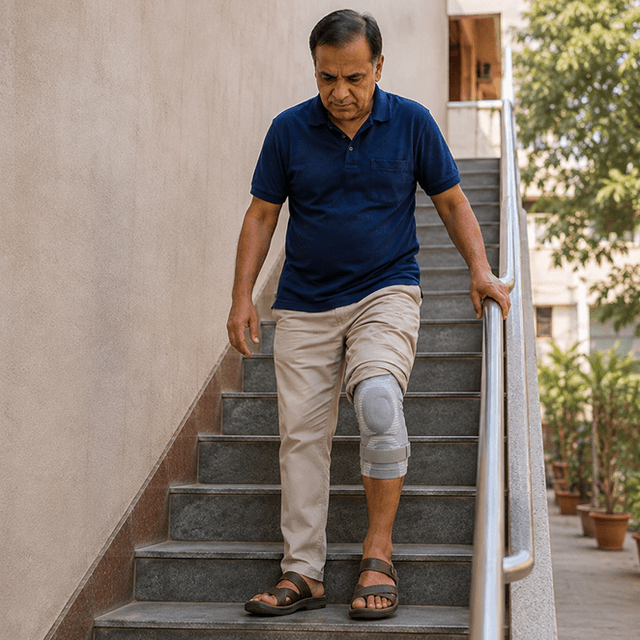
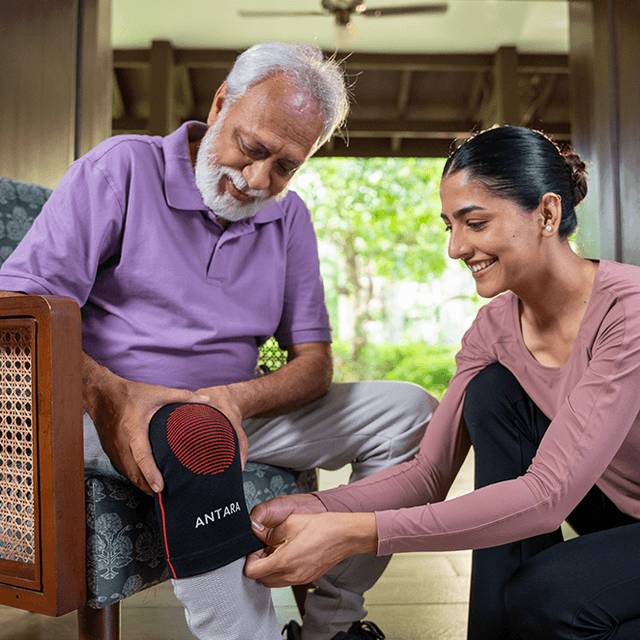
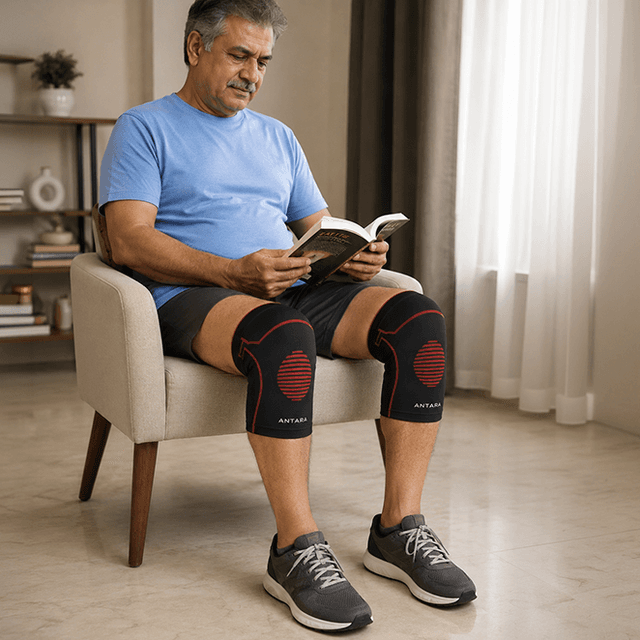
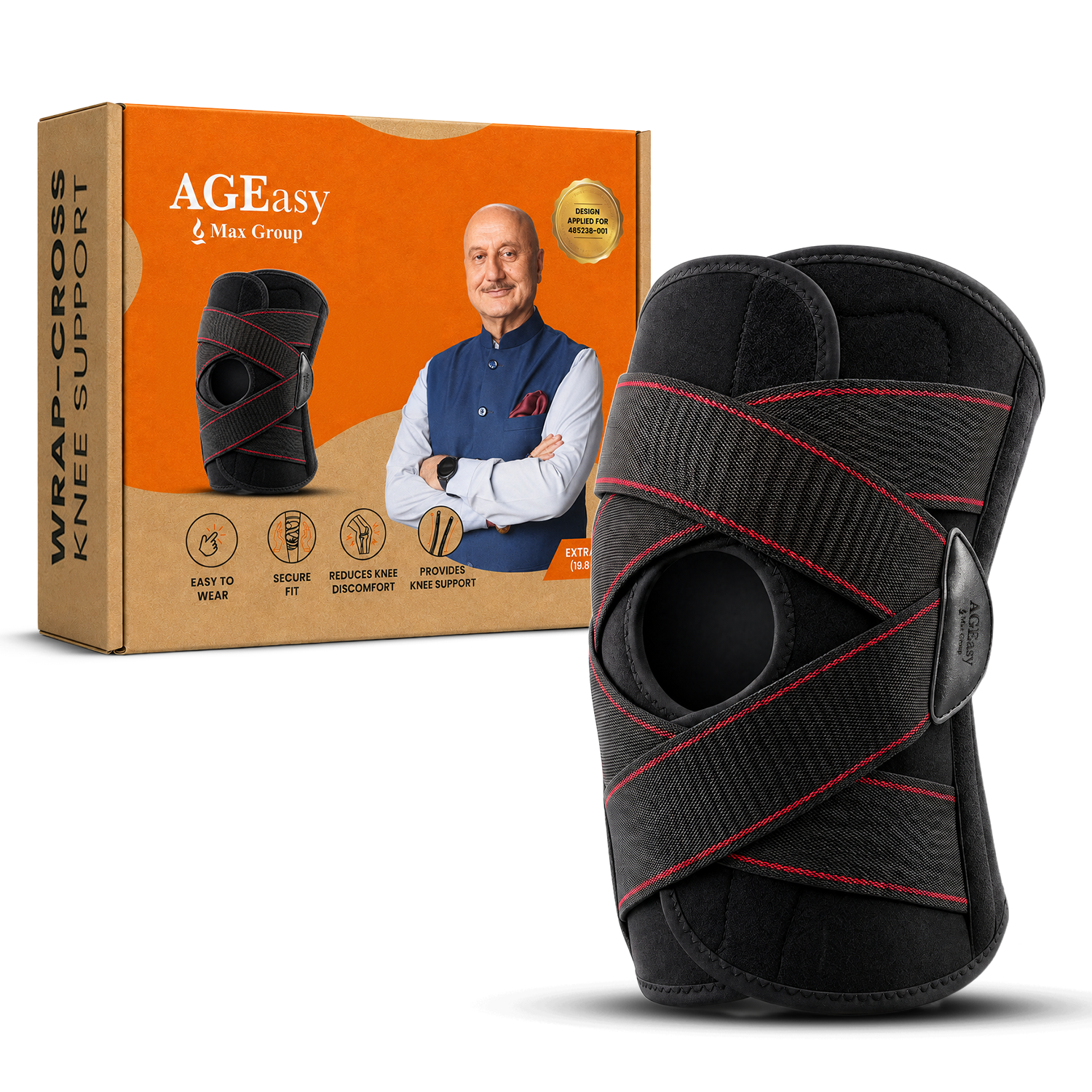
A piece of soft, elastic material that you can wrap around your knee is known as a knee cap, knee sleeve, or compression support. Most knee caps provide warmth and very low impact support, while still allowing you to move normally.
Knee caps can be prescribed by a doctor or a physical therapist for:
- Mild knee discomfort
- Swelling that occurs on occasion
- Being stiff while engaging in daily activities
- Support for when you walk
- Low-level discomfort associated with osteoarthritis
- Low-level strain
- Support when returning to activity in the later stages of a sustained injury
Knee caps provide support to keep the knee in one place. They are not meant to replace immobilizing equipment straps, casts, surgery, or a rehabilitation plan.
A flexible support may enhance your sense of security when standing, walking, or doing everyday tasks. It is important that your support is tight enough to keep its shape, but not so much that it causes discomfort or numbness, tingling, skin discoloration, or pain.
Main Differences Between Knee Cap vs Knee Immobilizer
The best way to think about the difference here is in terms of the degree of flexibility you need during the given activity.
- Knee Caps: Low degree of compression, warmth, low-grade stability, and flexibility.
- Knee Immobilizers: Rigid support, restricted movement, support for a knee that must be held in an extended position, restriction of bending and twisting, and protection against excessive bending during the earliest stages of recovery.
Knee caps are appropriate for low-level support and comfort.
For instance, an immobilizer is sometimes given to a suspected fracture victim before a follow-up procedure or imaging. A person might be given an immobilizer after surgery to help the healing process. A person with a dislocation may have to have limited movement during a specific treatment phase.
Soft knee caps in these cases would not provide sufficient immobilization. While a soft knee cap may be comfortable, it will not ensure the immobilization necessary during treatment.
Why Someone Might Need a Knee Cap Instead
Some knee conditions may not require complete immobilization. Mild discomfort, stiffness and increased activity may all be managed with a soft, supportive knee cap.
A knee cap may be beneficial for a person who has recovered from a medical problem, and was instructed by their doctor to avoid heavy activity for a specified period of time. Knee caps may also bring relief to people with chronic joint discomfort and stiffness.
AGEasy has an excellent range of knee caps for daily use. The AGEasy Comfort Ease Knee Cap provides gentle compression during everyday activities, while the AGEasy Comfort Knee Sleeve offers flexible support for both daily use and comfort. For daily use activities where a measure of stability is required, AGEasy Knee Sleeves are recommended.
These products should be seen as aids meant to provide additional support and comfort. They do not alleviate the cause of pain or help remedy a fracture, a serious injury to a significant ligament, an infection, or other serious condition.
How to Know Which Support Your Doctor Meant
Listen for any kind of movement limitation instructions.
If your doctor says:
- Keep the knee straight
- Do not bend the knee
- Avoid twisting
- Use crutches
- Wear the brace at all times
- Protect the knee until imaging
- Wear the brace after surgery
Then they are likely referring to a knee immobilizer.
If your doctor says:
- Use light support
- Wear it during walking
- Try compression
- Support the knee during activity
- Use a sleeve for comfort
- Gradually return to activity
Then they may be referring to a knee cap or flexible knee sleeve.
If the instructions were not clear, reach out to the clinic. Take a picture of the prescription or ask the clinician to write the product type, the duration for which to wear it, and movement restrictions.
Mistakes to Avoid
- Do not use a soft knee cap as a substitute for immobilization. A flexible sleeve does not provide the same protection as an immobilizer.
- Do not use a rigid immobilizer for multiple weeks without a follow-up visit. Prolonged restriction will lead to stiffness and reduced muscle strength.
- Do not cover a brace over an injured area unless your healthcare team says to do so. Check your skin for rubbing, blisters, pressure marks, or swelling and inflammation.
- Do not wear support so tight that it is painful. Look for signs of circulation problems.
- Do not play sports or return to activity just because a brace enables you to do so. Pain does not guarantee healing.
When to Seek Medical Care
It is important to seek medical care quickly after you sustain a knee injury. This is true if you are unable to bear any weight on the affected leg, the knee becomes physically deformed, rapid swelling occurs, the knee joint locks, and/or you experienced a “pop” sensation, have instability afterward, and the knee becomes hot and/or red and you develop a fever or the knee pain worsens.
If you experience any of the following new symptoms after using your knee brace, seek medical care: numbness, significant swelling below the brace, skin breakdown, cold toes, and increased pain.
The Bottom Line
A knee cap can aid in movement. A knee immobilizer decreases movement.
A knee immobilizer is necessary to use after a significant injury, surgery, instability, or damage that would require a restrictive movement of the knee. It should not be used as a substitute for standard protection.
If you are not sure which device your physician is referring to, check with them prior to wearing it. The support should align with your diagnosis and protect the healing tissues in your knee in order to align with your recovery plan.
Disclaimer: This article provides general health information and does not replace advice from a physician.