

How to Wear a Bunion Corrector: Day Splint vs Night Splint vs Toe Spacer
Sep 18, 2026
How to Wear a Bunion Corrector: Day Splint vs Night Splint vs Toe Spacer
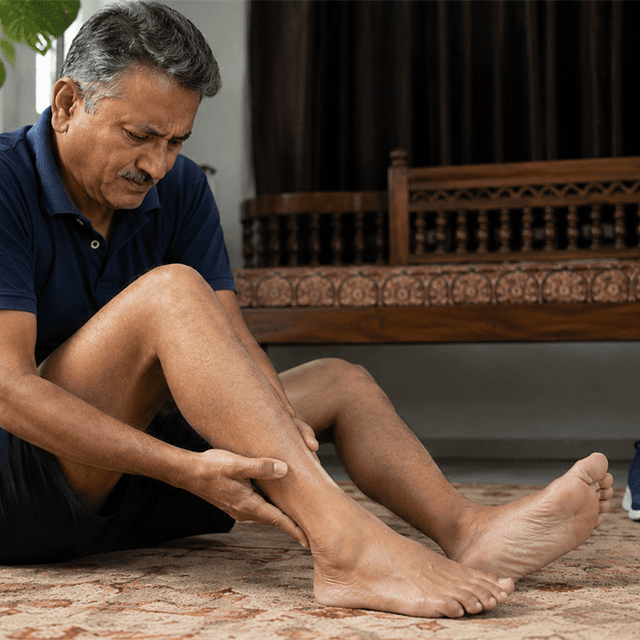
A painful first step can keep an older parent from getting up comfortably in the morning. Bunions do not just affect the big toe. They can affect how the foot meets the ground, how shoes fit, and how confidently a person walks.
A bunion corrector is not going to restore the joint to its original position, but it may lessen discomfort and assist in managing the joint. Day splints, night splints, and toe spacers each have their own specific functions.
The most suitable option depends on when your parent experiences discomfort, how mobile they are, and whether the device fits comfortably without causing rubbing or restricting circulation.
For caregivers, the goal is straightforward: choose the correct support for the appropriate time of day and slowly integrate it into daily use while checking frequently for skin irritation and discomfort.
What Is a Bunion Corrector?
A bunion corrector is designed to offer big toe support and lessen discomfort around the bunion area. Some devices use rigid supports, while others use adjustable straps or silicone padding.
A bunion corrector does not make the bunion disappear. It may help lessen discomfort during daily routines and reduce friction caused by footwear. Supportive footwear and appropriate foot movement can also be part of everyday management. If symptoms persist or worsen, consult a healthcare professional.
Check your parent’s foot for signs of infection before choosing a device. Do not place a device over an open wound.
Day Splint: Support While Walking and Active Tasks
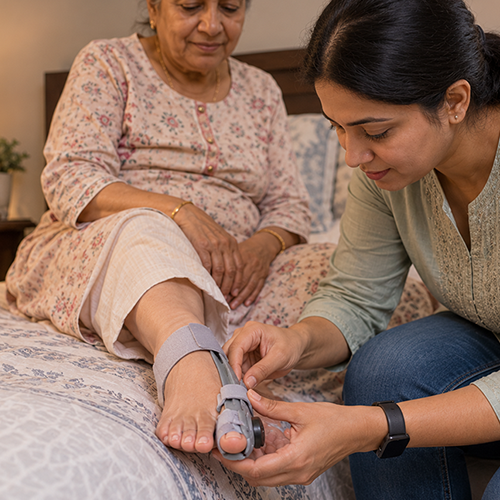
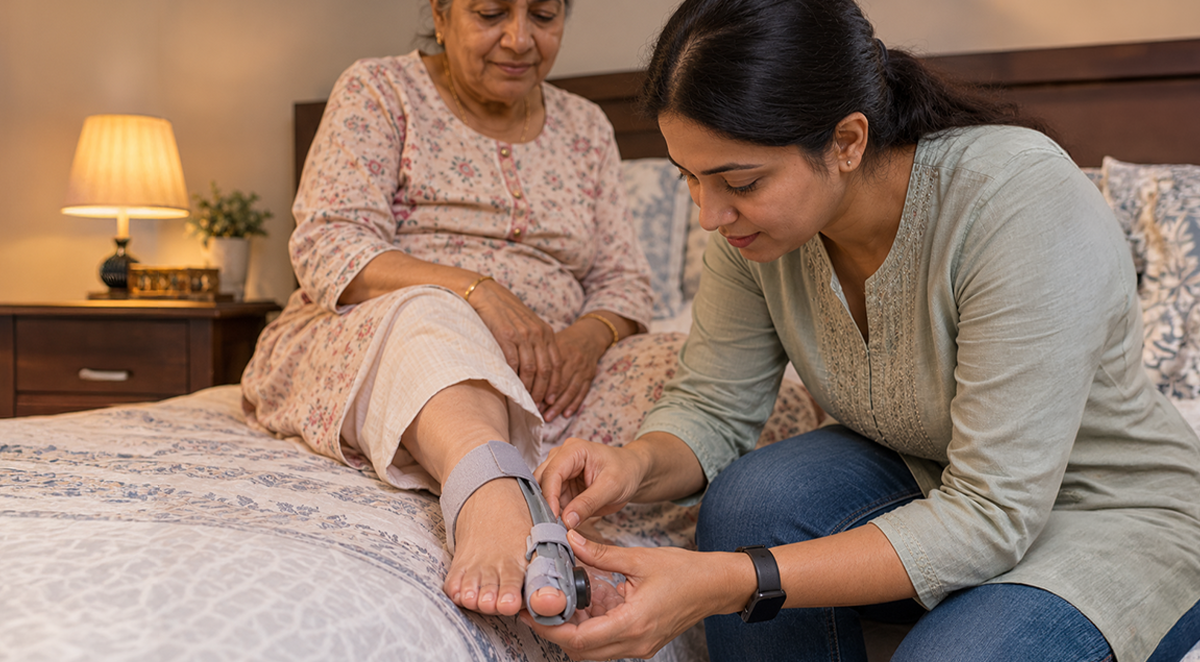
A day splint is designed for people who are active. These splints may provide support, padding, or a structure to help hold the big toe in a desired position.
A day splint may be suited to people experiencing discomfort while standing, walking, cooking, shopping, or performing other errands. It also allows caregivers to monitor the fit while the person is awake and active.
How to Wear a Day Splint
Place the support onto the big toe without applying excessive pressure. Adjust the straps gradually and check whether the day splint feels uncomfortable or causes pressure, tingling, numbness, or rubbing.
For the initial fitting, wear the day splint for around 30 to 60 minutes. If the foot remains comfortable, gradually increase the use time according to the product instructions. Check the skin after each use. A day splint should not cause pain.
Wear shoes with a wide toe box. Your parent’s big toe should not be pressed against the side of the shoe. During the adjustment period, choose roomy and supportive footwear with a wide toe box unless the manufacturer advises otherwise.
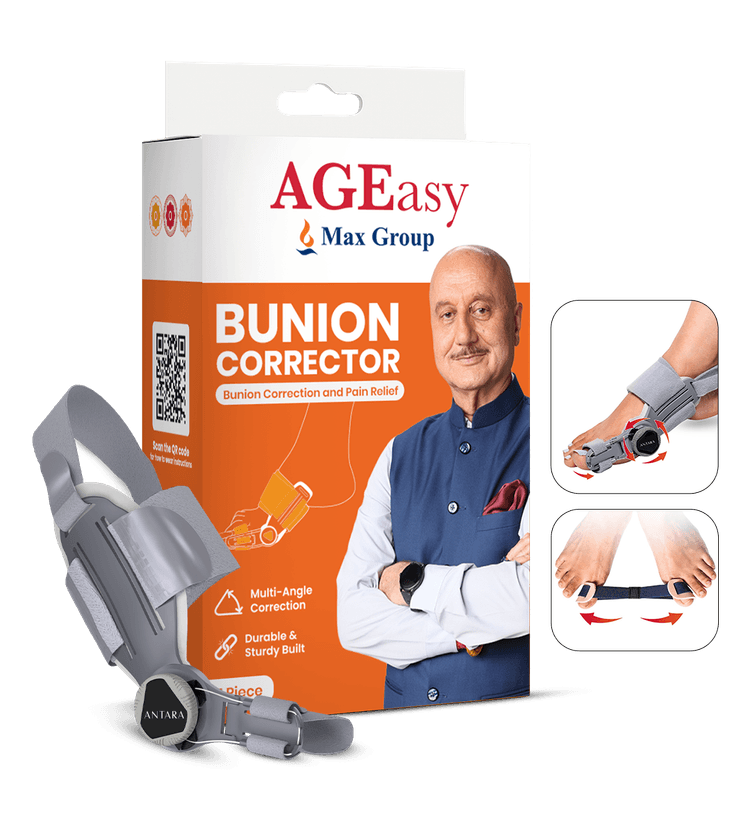
The AGEasy Bunion Corrector is designed to assist with daily toe alignment and bunion pressure management. It includes a rotating adjustment system, padding, and a recommended gradual introduction.
Night Splint: Rest-Time Positioning
Night splints are designed to be used when a person is at rest. They are generally more rigid than daytime supports and hold the big toe in a more fixed position.
They may be considered by people who experience discomfort at rest or who want to establish a nighttime support routine. Because they are worn during sleep, they should be fitted carefully, particularly for people who may not notice developing pressure.
How to Wear a Night Splint
Before first use, read the product instructions and fit the splint while your parent is awake. It should apply gentle pressure rather than forcing the toe into a sharp angle.
Check for pressure around the bunion, side of the foot, heel, and straps. Wear the splint for around 30 minutes on the first night. If there is no discomfort, gradually increase the wear time according to the product instructions.
If your parent experiences pain, numbness, tingling, burning, or increased pulsating discomfort, remove the night splint.
Check the skin in the morning for marks that do not fade, swelling, blisters, or irritation. A loose strap may allow the toe to move into an uncomfortable position, while a tight strap may restrict circulation and cause discomfort.
Toe Spacer: Gentle Separation Between the Toes
A toe spacer is a small silicone device placed between the big toe and second toe to reduce contact between adjacent toes.
Toe spacers may be useful when there is irritation, overlapping toes, or contact between the first and second toes. They can also be considered as an initial option before using a more structured splint.
How to Wear a Toe Spacer
Wash and dry the feet before use. Place the spacer between the toes without stretching the skin. The toe should remain relaxed.
Use the spacer for short periods initially, with your parent nearby so you can check for irritation. Toe spacers can fit comfortably in shoes that provide enough room.
Remove the spacer if the toes become numb or cold, appear pale or blue, or show signs of swelling.
A spacer offers less overall support than a day or night splint. It primarily relies on separation and friction control, while splints aim to support the big toe and foot in a specific position.
Day Splint vs Night Splint vs Toe Spacer
| Support Type | Primary Use | Key Consideration |
|---|---|---|
| Day Splint | Daytime activity and monitored mobility | Monitor fit, pressure, rubbing, and comfort while active |
| Night Splint | Rest-time positioning | Requires careful fitting and skin/pressure checks |
| Toe Spacer | Reducing friction and separating the toes | Provides less overall support than a splint |
A common approach may be to use different devices at different times, such as a daytime toe spacer and a nighttime structured splint. However, devices should only be combined if a health professional specifically confirms that it is safe or if the product instructions permit their combined use.
Common Mistakes to Avoid
- Do not overtighten the device until the toe is forced into an unnaturally restrictive position. More pressure does not provide more support.
- Do not immediately use the device all day or overnight. Give the foot time to adjust to the rubbing and pressure.
- Do not cover an unhealed blister, broken skin, or untreated wound with a bunion device.
- Do not wear stiff, narrow, or pointed shoes while using these devices, as restrictive footwear can increase pressure on the big toe.
- Stop using the device and reassess the fit if numbness, burning, colour changes, swelling, or worsening pain develops.
- Do not use a bunion corrector as a substitute for medical evaluation.
Bumps that become painful or change shape rapidly should be assessed. Swelling, unpredictable movement, and persistent pain should also be discussed with a healthcare professional.
When to Call the Doctor
Seek an assessment if your parent has diabetes, poor blood circulation, reduced sensation, previous foot surgery, severe swelling, an open wound, or repeated skin infections. Medical assessment is also important if pain increases quickly or movement becomes difficult.
A podiatrist, orthopaedic clinician, or physiotherapist can assess the bunion, footwear, walking pattern, and suitability of the support device. This is particularly important if your parent has multiple health conditions or takes medicines that may affect healing or circulation.
The appropriate bunion support depends on how your parent uses it. For daytime use, choose a device that is comfortable and safe for the intended activity. A day splint is intended for guided movement, a night splint is designed for rest-time positioning, and a toe spacer is primarily intended to reduce friction between the toes.
Start with short periods of use, wear appropriate footwear, check your parent’s feet for rubbing or irritation, and follow the instructions provided with the product.
Disclaimer
This article provides general information and is not to be considered medical advice. Please seek a medical professional before using a bunion corrector for a person who may have diabetes, poor circulation, reduced sensitivity, an open wound, severe pain, or may have had foot surgery.