

Before You Say Yes to Knee Replacement: Questions to Ask, and What Recovery at Home Really Needs
Jul 16, 2026
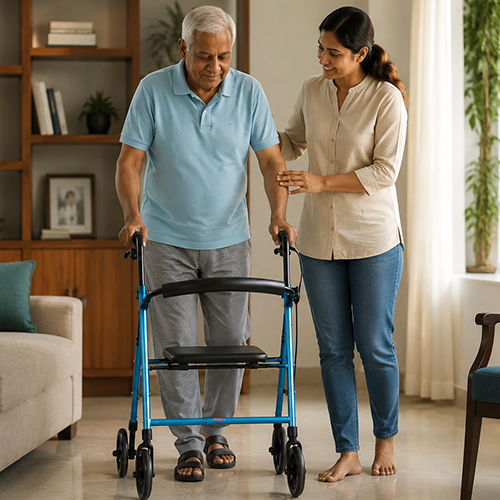

Selecting the surgeon to perform the knee surgery is not the biggest challenge. There is a much bigger challenge that lies ahead after the surgery that needs to be prepared for.
It is common for families to spend several months researching the knee replacement process. They look for information on different hospitals, read reviews, and talk to their friends about who they would recommend. Once the surgery starts, however, is when the real process begins.
Many families assume that the operation is the most difficult part of the process. For many people, coping with the challenges of recovery is the most difficult thing to do.
Families need to make sure they have answers to four specific things before agreeing to the surgery:
- What will the ideal outcome from surgery look like?
- What will the first several weeks after surgery look like?
- How much assistance will the patient need once they return home?
- Does the home need modifications for a safe recovery?
A smooth recovery does not begin with a successful surgery. There are many things that need to be done after the surgery to have a successful recovery.
If a parent is not prepared to do everyday activities after the surgery, they will lose confidence during rehabilitation. They will also feel unnecessary pain or have setbacks during the rehabilitation process. This lack of preparation will also increase the amount of time it takes for them to regain their independence.
If done correctly, the preparation will make the rehabilitation process easier and more comfortable and will also reduce the number of falls and the complications that go with them. Your parent will also be able to return to their normal daily activities with much more confidence.
This article discusses the challenges of recovering from knee replacement surgery, the support needed for the rehabilitation process, and the preparation families need to do to make the rehabilitation more safe and smooth.
Questions to Ask Before You Agree to Surgery
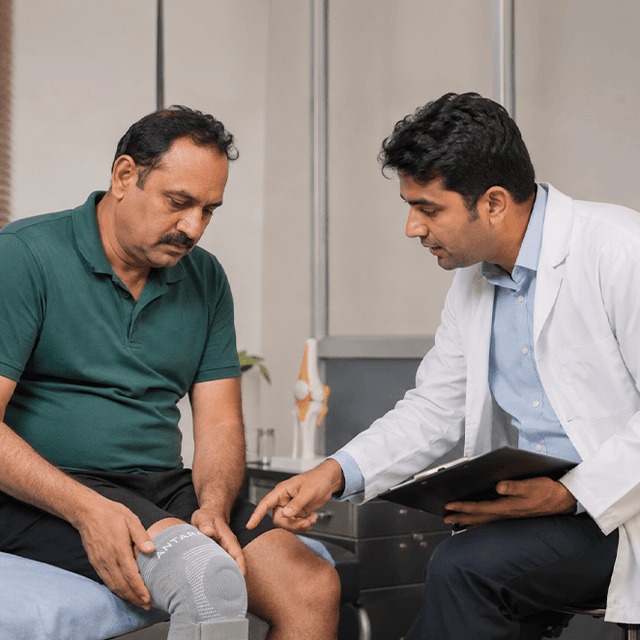
Before your parent books a date, sit down with the surgeon to prepare some direct questions.
Ask about recovery-specific milestones regarding range of motion and pain levels at the 3, 6, and 12-month marks.
Be sure all possible outcomes of recovery and how, or if, the surgery will help your parent with osteoarthritis, a particular past injury, or joint deterioration from prolonged standing or squatting are discussed.
Make sure to ask about delayed recovery and what post-op hospital services your parent will have, as well as what assistance will look like after your parent returns home.
These questions help surface information that surgeons often don't talk about. Determine who will help your parent with bathing during the first 2 weeks, meal prep, medication, and the scheduling of physical therapy. There may be a need for a lower-level bed to avoid navigating stairs after surgery.
These considerations will greatly influence how manageable the first month after surgery will be, and may be the most important planning done in relation to the surgery.
What Recovery at Home Looks Like in the First Weeks
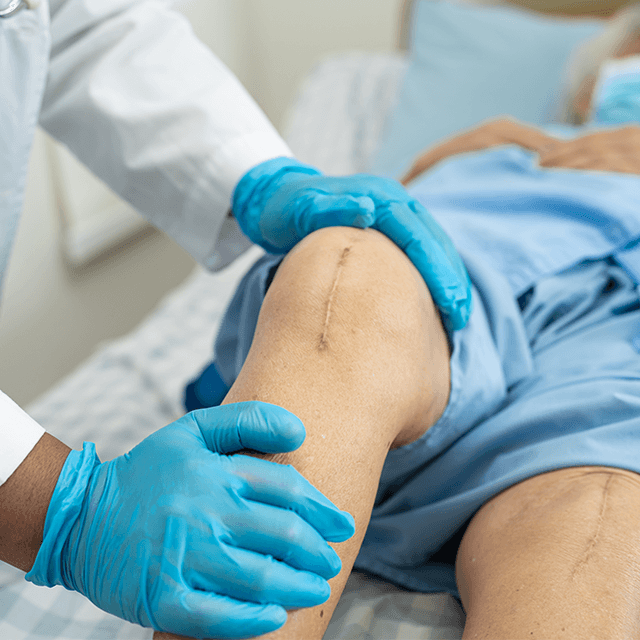
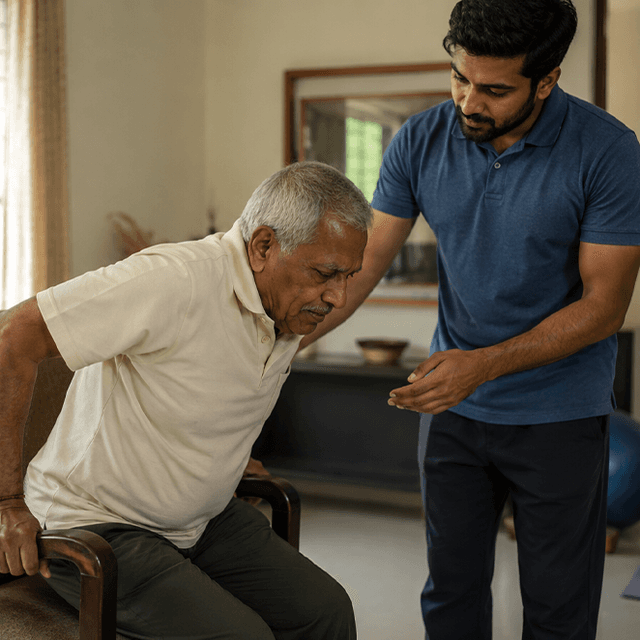
After a knee replacement, patients may experience swelling, stiffness, and restricted movement in the first two weeks post-operation. Your parent will require assistance with standing, sitting, and walking short distances around the house. For the first week or two, pain and disrupted sleep are common because of the operation, and this can be severe.
Physiotherapy will likely begin a day or two after the operation, and from then, it will be part of the patient's daily routine at home. It is critical for the patient to stay committed to the exercises, as this will help build the strength and range of movement required to speed up the recovery process. Most people will go from using a walker to a walking stick around weeks 3 and 4, and by week 6 most people will be able to walk short distances without a walking aid. Full recovery can take between 3 and 6 months.
Preparing Your Home Before the Surgery Date
Set up the recovery space before your parent goes to the hospital. If stairs will be an issue, move the bed to the ground floor. Remove loose rugs, wires, and low furniture to create clear pathways. Place a stable chair with armrests next to the bed for sitting and standing practice.
Bathroom safety needs to be addressed early. To make sitting down and standing up easier, the AGEasy Commode Seat Raiser is a great option because it reduces the amount of bending at the knee, which is especially important in the first month when knee flexion is limited. For added support when adjusting positions, your parent can use the AGEasy Toilet Grab Bar with Floor Support as a sturdy support when shifting position over the toilet. Anti-slip mats are also available for use in the shower to increase traction on wet tiles and lower the risk of falls during times when balance is limited.
Managing Pain, Swelling, and Movement
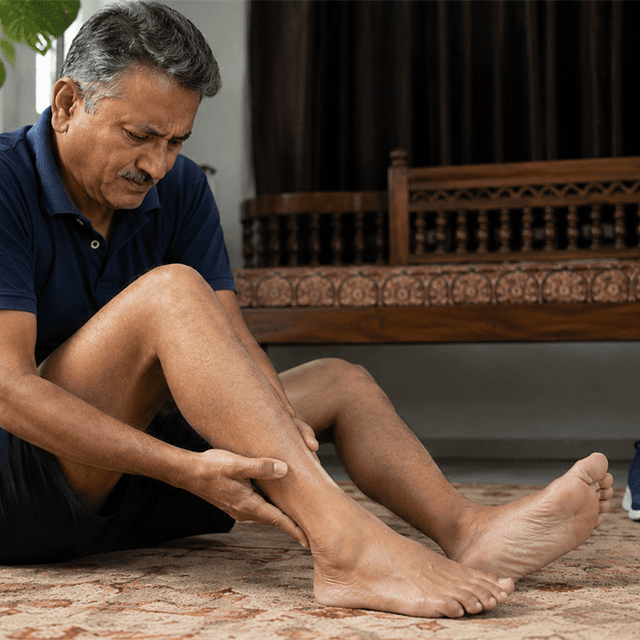
Slight swelling around the knee post-surgery is expected and will subside over time. Your surgeon will direct you on when to ice your knee and take the prescribed medication. Ice and elevation will help with the swelling.
For muscle soreness in your thigh or calf (away from the incision), something like the AGEasy Knee Pain Relief Roll-On can provide soothing, cooling relief and can help relax the area after physiotherapy. Please clear this with your surgeon before applying anything near the incision.
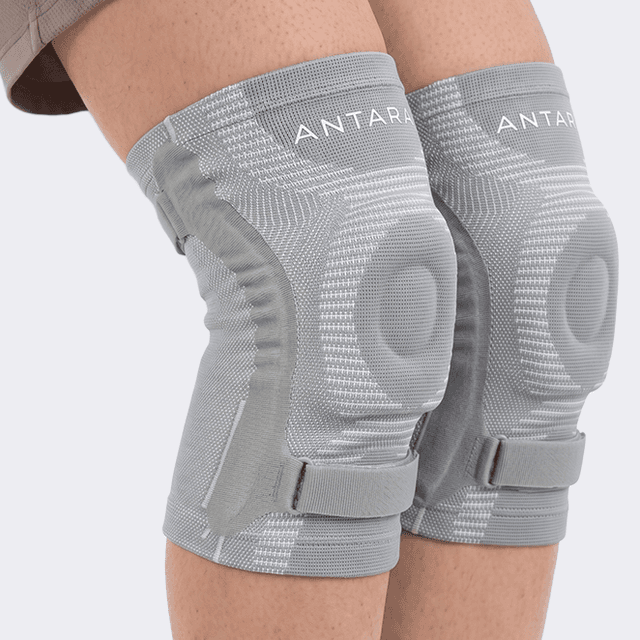
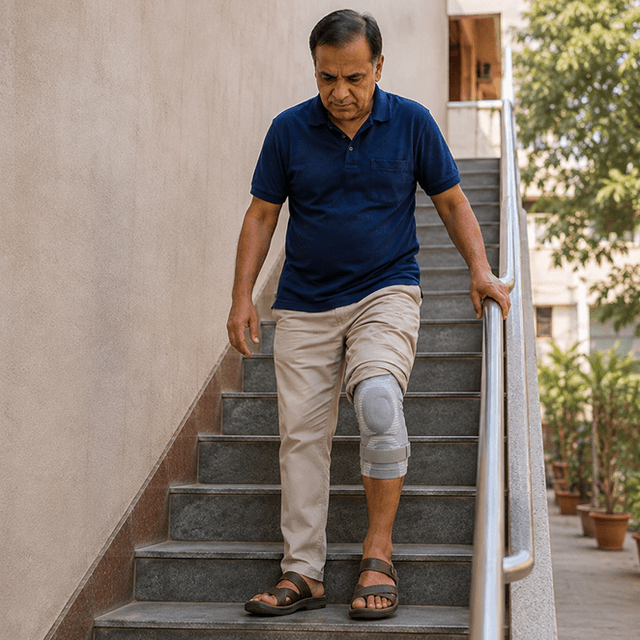
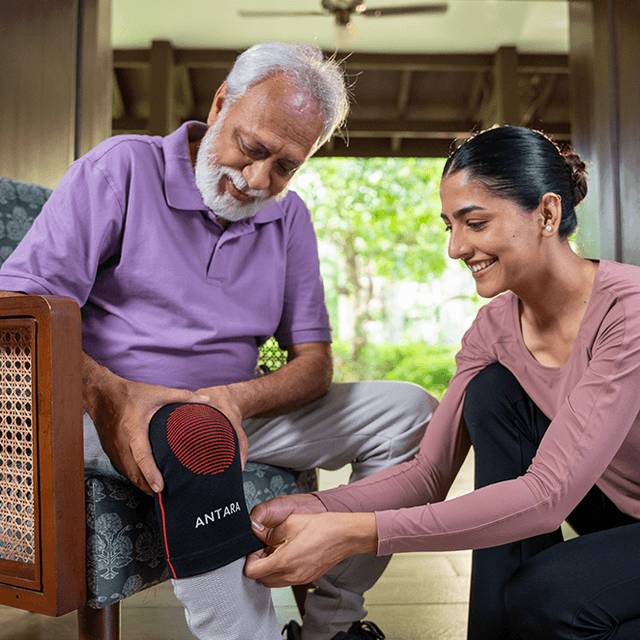
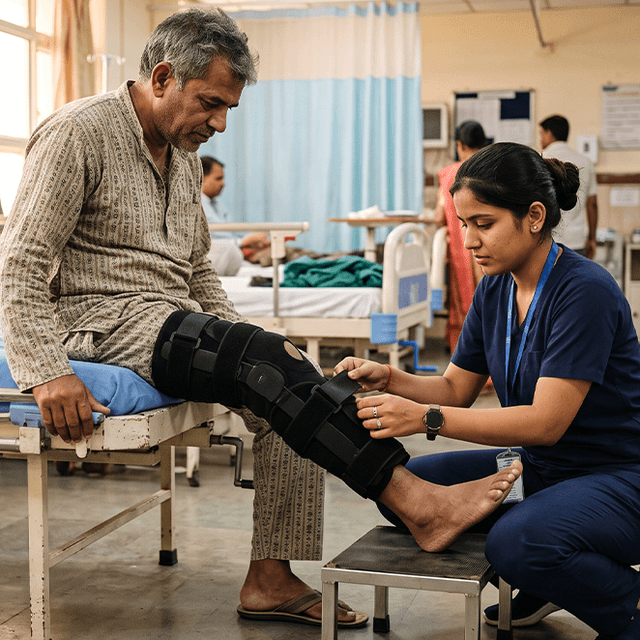
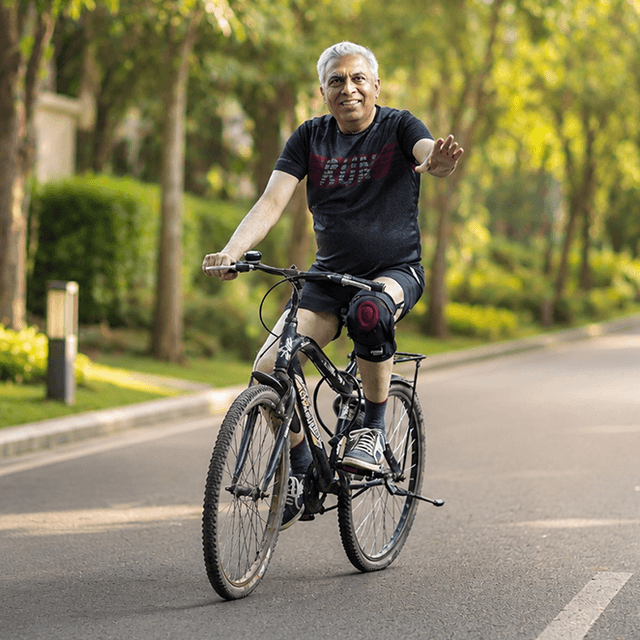
Once the doctor clears the incision and it has healed, your parent can use a knee support such as the AGEasy Comfort Ease Knee Cap for very mild compression, which can help make your parent more steady while moving around the house. If your parent needs extra support on both sides of the joint during later rehabilitation, a hinged knee support like the AGEasy Comfort Knee Cap with Hinged Side Support is recommended. It's best to discuss this with your physiotherapist, as they will guide you on what brace is appropriate based on your parent's recovery stage.
Supporting Safe Mobility During Rehabilitation
As recovery progresses, the mobility aids your parent uses will also change. In the first few weeks of recovery, something like the AGEasy Walker for Elders with Wheels will provide your parent with ample support while reinforcing them to not rely heavily on a single leg to move around the house. Once they start to regain their confidence and balance, they will be able to use a rollator with a seat that provides support to walk longer distances and take a rest whenever needed. This will encourage the walking intervals that their physiotherapist suggests.
Encourage short walks several times a day rather than one long walk. This builds strength steadily and reduces the risk of overloading the new joint too soon.
Bathroom Safety and Everyday Comfort
During recovery, bathrooms present the greatest risk of falling due to the combination of wet floors, low seating, and the need to limit knee bending. The AGEasy Shower Chair for Fall Prevention allows your parent to sit safely while bathing so they don't have to stand on the slippery bathroom floor. Combined with a grab bar and some anti-slip flooring, the bathroom can actually become one of the safest rooms in the house instead of one of the most dangerous.
Signs That Need Medical Attention
There are some symptoms that do require a call to the doctor rather than a wait-and-see approach. Watch for a fever, spreading redness from the incision, unusual drainage, sudden calf swelling, or increasing pain during the first week. Also, not being able to bear weight beyond what was expected will need a follow-up call as well. There are normal and expected paces to recovery, and anything that falls outside of it is worth a call as opposed to guesswork at home.
If equal importance is placed on recovery as on the operation itself, quality of life will improve after the knee replacement. Before the date is set, it is necessary to do some research, prepare the house for easier access, and assist your parent through the process. The operation will repair the joint, but the following weeks will dictate how effectively they will be able to use it.
Disclaimer: This article provides general information and is not a substitute for the advice of your physician or physical therapist. Consult your parent's medical team before beginning any new exercises, using a knee brace, or implementing any new items during the recovery process.