

Posture Corrector vs Back Brace: Which One Does Your Parent Actually Need?
Sep 7, 2026
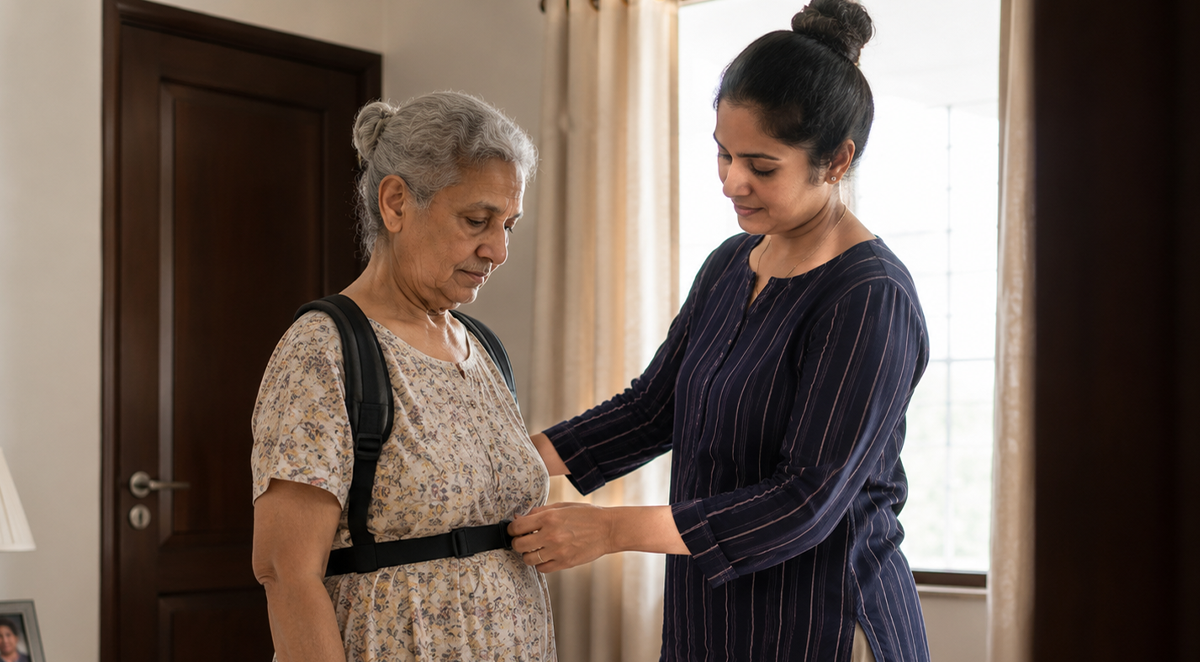
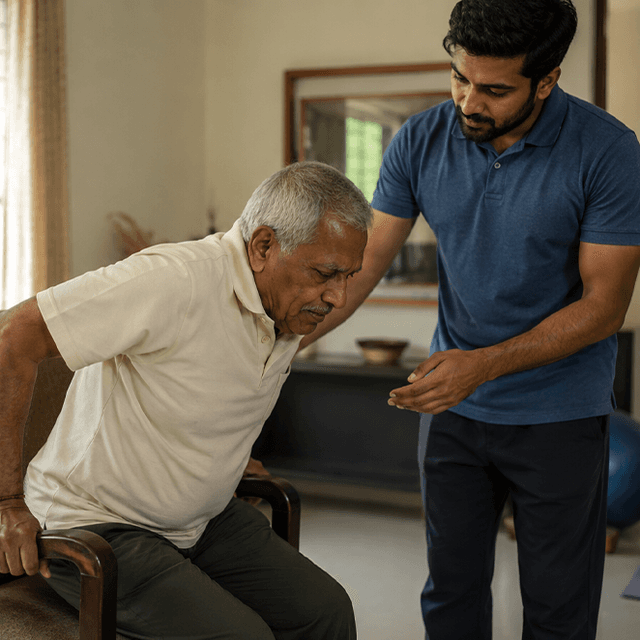
You’ve noticed your parent’s back pain or poor posture and started looking into back supports. Now you have an important decision to make: should you consider a posture corrector or a back brace?
Although both are designed to provide some form of support, they serve different purposes. The right choice depends on the problem you are trying to address.
For example, if a back brace is too restrictive, your parent may find it harder to move and participate in activities that help maintain strength and mobility. If the main concern is rounded shoulders or slouching, a posture corrector may provide a reminder to adjust posture, but it will not address ongoing lower-back pain.
Before choosing either option, start by considering the underlying concern. Is it back pain, rounded shoulders, poor posture, an injury, recovery after surgery, or something your doctor or physiotherapist has already assessed?
A posture corrector is generally aimed at the shoulders and upper back, while a back brace provides more targeted support around the lower back. Neither should be treated as a permanent solution for pain.
Understanding Posture Correctors
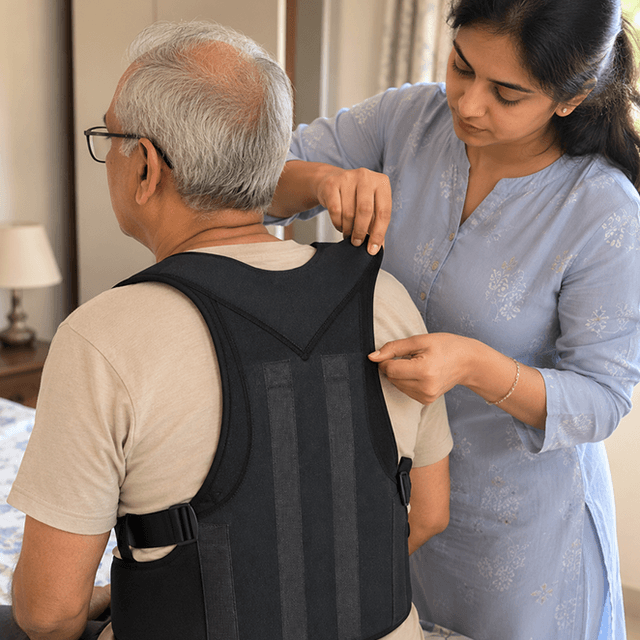
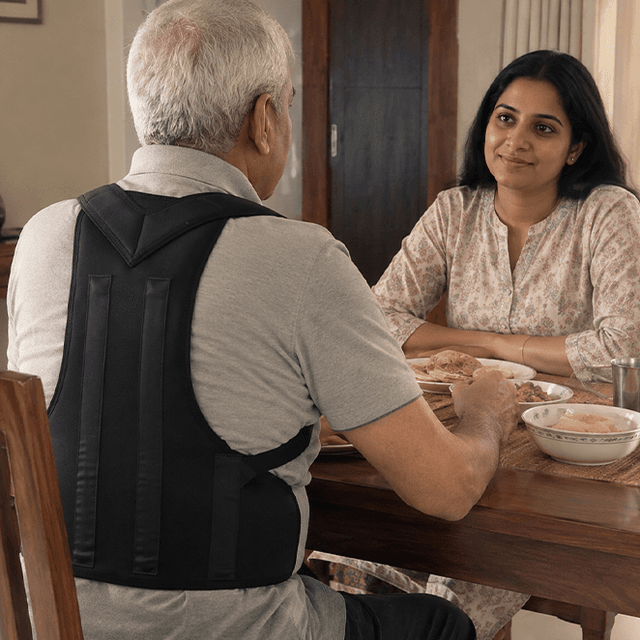
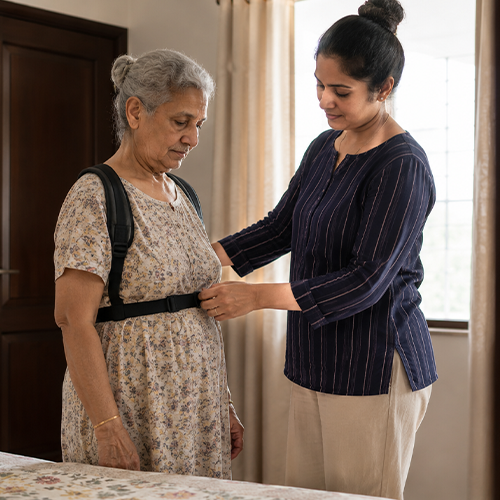
A posture corrector is worn around the shoulders or upper back and is intended to help remind someone to adjust their sitting or standing posture.
Many posture correctors use gentle tension across the shoulders. When your parent slouches, the tension provides a physical reminder to adjust their position.
A posture corrector does not physically realign the spine or strengthen the back muscles on its own. Its role is primarily to provide posture awareness.
A posture corrector may be considered for a parent who:
- Develops rounded shoulders while reading for extended periods
- Frequently sits with rounded shoulders
- Experiences upper-back discomfort while sitting for long periods
- Needs a reminder to sit more upright
When first using a posture corrector, the source recommends limiting wear to no more than an hour. Strengthening the upper back, improving shoulder mobility, and taking frequent movement breaks are more beneficial than wearing a posture corrector throughout the day.
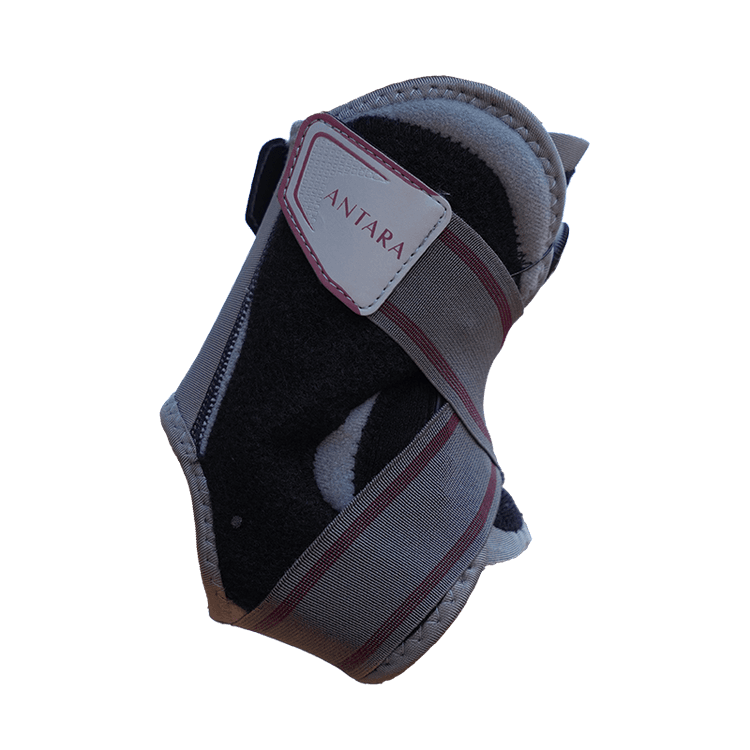
The AGEasy ErgoLift Posture Corrector is a current AGEasy posture-support option designed to gently support the upper back and shoulders and encourage posture awareness.
It should be used as a support for posture awareness rather than as a replacement for movement, strengthening exercises, or professional assessment when symptoms persist.
Understanding Back Braces
Back braces provide support around the lumbar region and are generally worn across the lower back. Many are adjustable and use compression or firmer support panels.
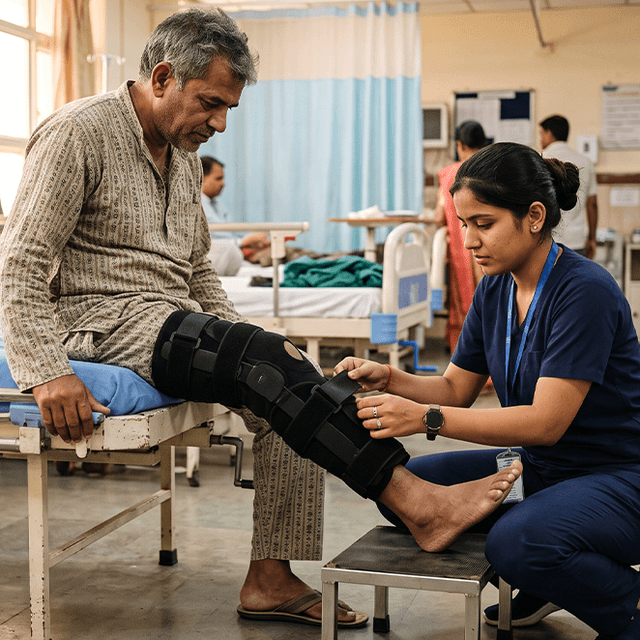
Doctors and physiotherapists may recommend a back brace for certain people recovering from surgery or an injury involving the spine, or for particular spinal conditions.
Because a back brace provides lower-back support, some people may use one for specific activities such as household tasks or travel when advised to do so.
A back brace is not appropriate for every type of back pain and should not replace movement or rehabilitation. With prolonged use, reduced movement and reliance on external support can become a habit.
If your parent has persistent pain, numbness or tingling in the leg, weakness, balance problems after a fall, or pain following a fall, seek medical assessment rather than simply purchasing a brace.
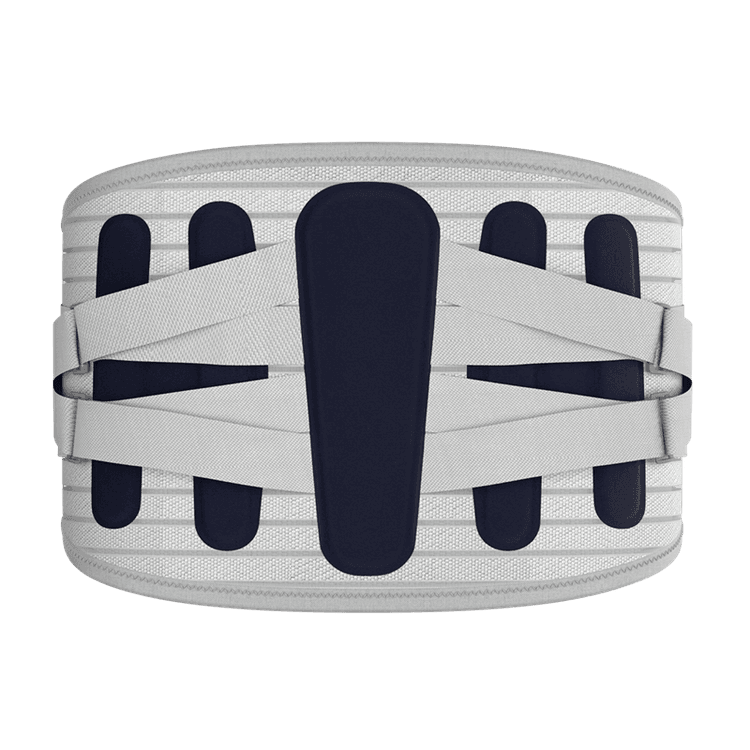
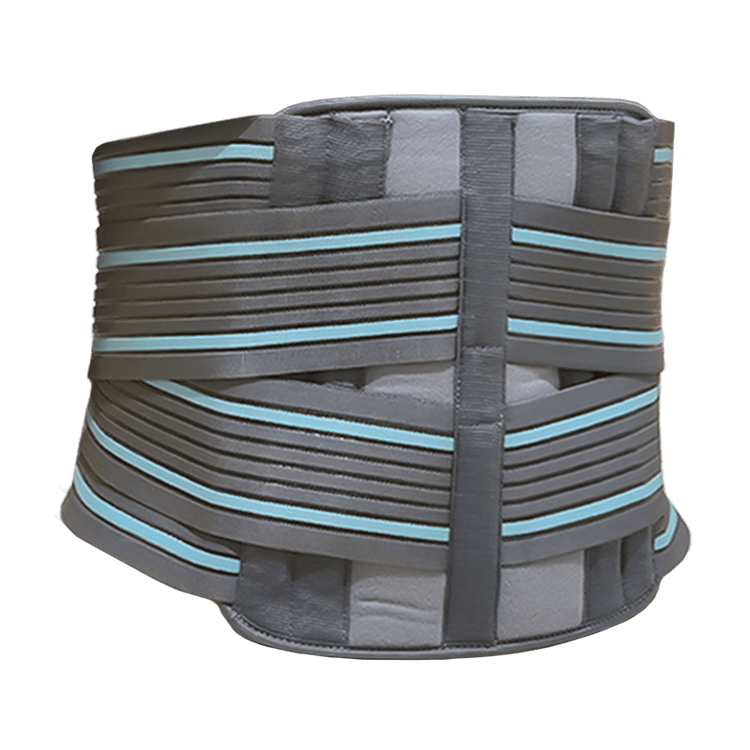
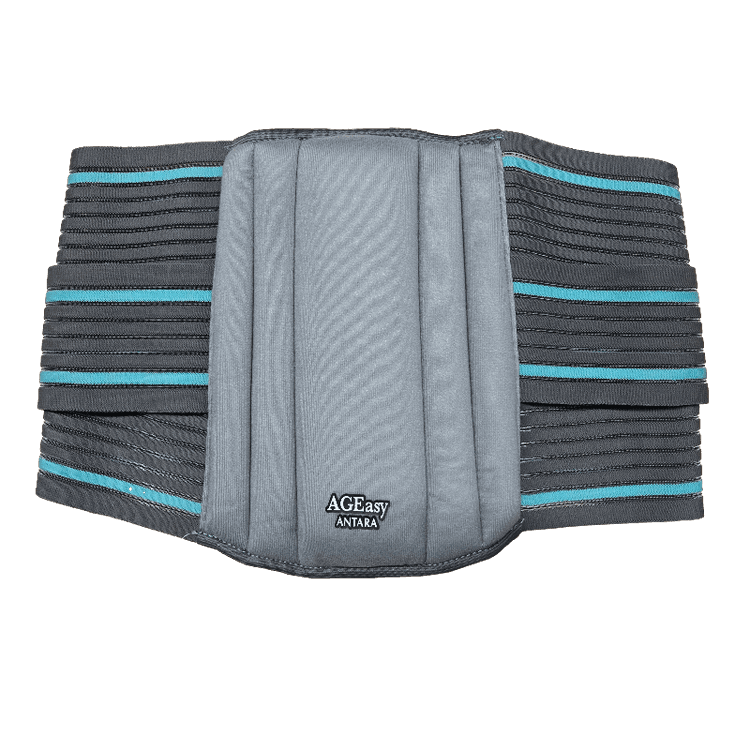
The AGEasy Spine Pro Belt is a current AGEasy lower-back support option. It is designed to provide support around the lower back and spine during everyday activities.
If a back brace has been recommended after surgery or for a specific spinal condition, follow the instructions provided by the treating healthcare professional rather than substituting a general-purpose support belt.
Posture Corrector vs Back Brace
| Feature | Posture Corrector | Back Brace |
|---|---|---|
| Primary area | Shoulders and upper back | Lower back and lumbar region |
| Main purpose | Posture awareness and a reminder to avoid slouching | Greater lower-back support and movement restriction when appropriate |
| Typical use | Short periods such as reading or sitting | Specific activities or recovery when advised |
| Does it strengthen muscles? | No; exercises are needed for strengthening | No; it should not replace movement or rehabilitation |
| Best suited to | Rounded shoulders and posture-related habits | Specific lower-back support needs |
Neither device will provide relief for every type of back pain. Back discomfort can have different causes, including posture-related problems, muscle weakness, spinal or nerve issues, and arthritis.
A device that is comfortable and useful for one person may be uncomfortable or unsuitable for another. The support should therefore be selected according to the purpose for which it is needed.
Where a Comfort Kit Fits
Not every parent needs a wearable support. Some people experience discomfort while sleeping, sitting, or resting and may benefit more from positioning and comfort support throughout the day.
The AGEasy 4-in-1 Spine & Comfort Kit combines four different support elements: a cervical pillow, wedge pillow, lumbar back support, and coccyx cushion.
The cervical pillow can be used to support the neck while resting. The wedge pillow can be used to elevate the back or legs. The lumbar support can fill the gap between the lower back and a chair or bed, while the coccyx cushion can provide seating comfort around the tailbone.
The kit can therefore be incorporated into different parts of a home comfort routine. For example, a parent may use the cervical pillow while sleeping, the wedge pillow while resting, the lumbar support while sitting in a chair, and the coccyx cushion during seated activities.
This type of comfort support serves a different purpose from a wearable posture corrector or back brace. It can help with positioning across different activities rather than providing one form of external support throughout the day.
How to Choose the Right Option for Your Parent
1. Identify Where the Discomfort Is
Start by identifying where your parent experiences discomfort.
Rounded shoulders and upper-back posture concerns may indicate a need for posture support. Lower-back discomfort may call for lumbar support, although persistent or chronic discomfort should be assessed medically before purchasing a back support.
2. Consider the Activity
If your parent is uncomfortable while sitting, a lumbar cushion or coccyx cushion may be more appropriate than a wearable brace.
A posture reminder may be useful for a parent who slouches while reading or sitting. If your parent is recovering from surgery, follow the guidance of their surgeon or physiotherapist.
3. Check Comfort and Fit
Straps should be tight enough to provide the intended support without digging into the skin or restricting breathing.
Remove the device if your parent experiences numbness, increased pain, or tingling. Discomfort should not be interpreted as a sign that the device needs to be tightened further.
4. Keep Movement Part of the Routine
Support devices should not become a substitute for movement. Within the restrictions provided by a healthcare professional, encourage walking breaks and appropriate gentle movement during the day.
Place frequently used items within easy reach to reduce unnecessary bending and twisting.
5. Consider the Type of Support Needed
The AGEasy ErgoLift Posture Corrector may be relevant when the main concern is upper-back and shoulder posture.
The AGEasy Spine Pro Belt provides lower-back and spine support and is therefore aimed at a different area.
For lower-back comfort while sitting, the AGEasy Lumbar Back Support is a seating-support option rather than a wearable brace.
The AGEasy 4-in-1 Spine & Comfort Kit may be considered when your parent needs different types of positioning support while sleeping, sitting, and resting.
Home-Use Safety Tips
Start With Short Periods
When using a wearable support for the first time, begin with a short period and adjust based on comfort.
After removing the device, check the skin underneath it for redness, irritation, or other changes. This is particularly important for people with sensitive skin or reduced sensation.
Do Not Keep Tightening the Support
Tightening a brace does not necessarily provide more support. A brace should remain comfortable and should not interfere with breathing or normal movement.
If your parent has a spinal condition, has recently undergone surgery, has osteoporosis, or has unexplained pain, follow the instructions provided with the support and seek professional advice.
Keep the Home Environment Safe
One of the best ways to support your parent is to create a safe environment where they can move between furniture comfortably.
Adjust chair height where appropriate, maintain good lighting, and keep walking surfaces even and free from obstacles.
When to Seek Medical Advice
Arrange medical care if back pain does not settle after several weeks, returns frequently, or begins to interfere with sleep.
Seek medical care promptly following a fall or injury, particularly if your parent has severe pain or limited mobility.
Contact a healthcare professional immediately if back pain is accompanied by:
- New bladder or bowel problems
- Numbness around the groin
- Significant weakness in the legs
- Fever
- Unexplained weight loss
- Pain that radiates down the leg
A healthcare professional can help identify the likely cause of the symptoms and determine whether exercises, additional support, imaging, or another form of treatment is appropriate.
The Correct Support Is Determined by the Problem
A posture corrector may be useful for a parent who needs a reminder to avoid slouching. A lower-back support may be more appropriate when the concern is around the lumbar region. A comfort kit can provide different types of support while your parent sleeps, sits, and rests.
Think about the purpose, fit, and safe duration of use before choosing a support device.
The AGEasy 4-in-1 Spine & Comfort Kit provides multiple forms of positioning support for different activities. It can be incorporated into a broader routine that includes movement, appropriate positioning, and medical input when symptoms persist.
Ultimately, the best support is not necessarily the strongest one. It is the one that matches your parent's specific need while allowing safe movement and fitting comfortably into their everyday routine.
Disclaimer: This article is intended for general informational purposes and does not replace medical advice, diagnosis, or treatment. If your parent has persistent or severe back pain, neurological symptoms, recent surgery, an injury, or an underlying spinal condition, consult a qualified healthcare professional before choosing or using a posture corrector or back brace.