

Commode Chairs and Raised Toilet Seats: A Dignity-First Buying Guide for Indian Bathrooms
Article Category: General Wellness
Article by: Lakshay
Jul 24, 2026
The hardest part is rarely asking for help. It's needing help with something you've handled on your own your whole life.
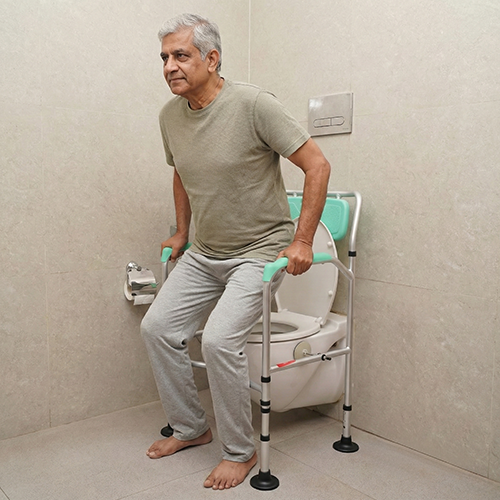
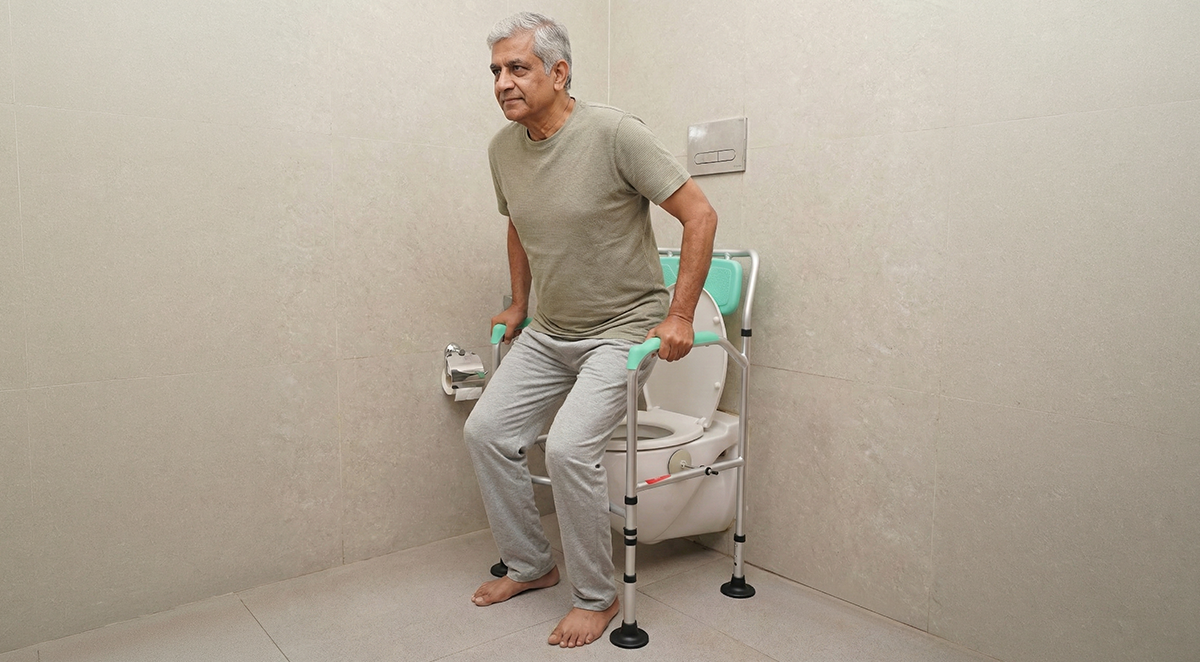
Before you sit down, you pause. You begin reaching for the wall to push yourself up and wonder if somebody should be standing by the door to assist you.
Nobody ever thinks about how difficult it can become to complete such a basic, daily task. But for many seniors, recovering from surgery, arthritis, or just finding it difficult to move, the bathroom becomes one of the most difficult places to go in the house.
For a lot of families, using a raised toilet seat or a commode chair is seen as a loss of independence. However, the complete opposite is true. These tools help make standing and sitting much easier and help people take control of the situation, without the need for someone else to assist them or even be in the room.
The right aids in the bathroom are not about dependence at all. It's about dignity.
The good news is that one small change can make a huge difference in comfort, reduce the pain in the knees and hips, and help an older adult maintain their independence and privacy.
This guide will help you choose between commode chairs and raised toilet seats for your needs, or for your parents, or for someone recovering at home. We will also look at what options will fit Indian bathrooms.
Why the Bathroom Becomes the Hardest Room in the House
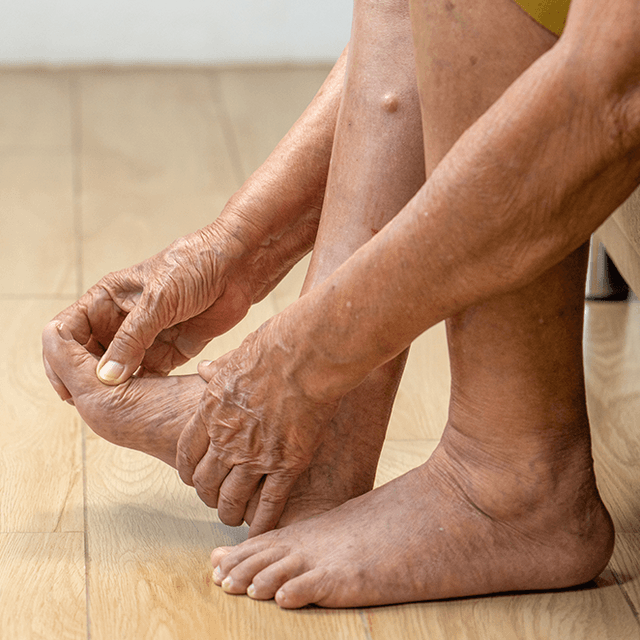
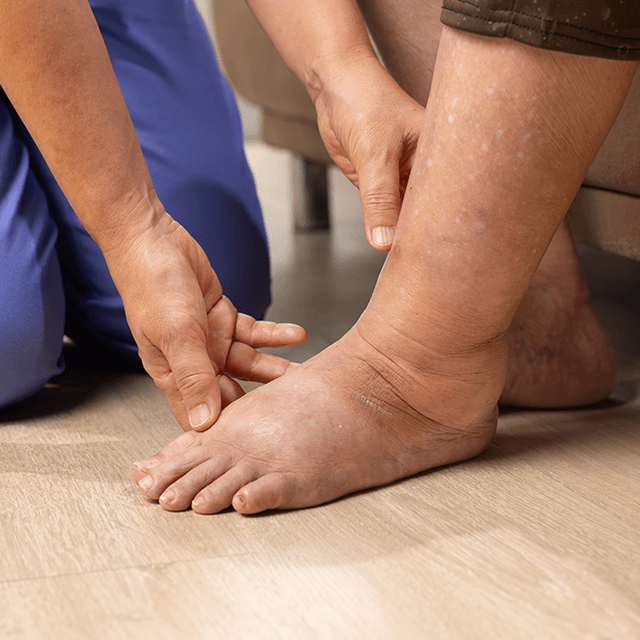
Most Indian homes do not consider mobility and accessibility issues. The toilet is low, the floor is wet and tiled, and there is often not enough space to fit grab bars and to do a full wheelchair turn. For people with knee osteoarthritis or who have had their hips replaced, or who have had a stroke, or who are simply weak due to age, doing the ordinary task of lowering one's body into a sitting position and then pushing back up to stand can put considerable strain on already impacted joints.
This is not a small or unusual problem. Losing one's balance when standing up or sitting down at the toilet is a leading cause of falls in the bathroom. The floor is slippery, there's often nothing sturdy to hold onto, and the toilet itself sits at a height that assumes strong knees and hips.
Identifying and acknowledging this problem early is what will determine whether a year will be full of painful struggles or it can go smooth.
Commode Chair or Raised Toilet Seat: What Are the Differences?
Both products address the same issue of physical effort needed to stand up and sit down. However, both of them use different approaches to address the problems, which makes each of them suitable for a different scenario.
Raised toilet seats are toilets that add several additional inches of height to an existing toilet. This is a semi-permanent solution compared to the other option as it allows users who can still walk to the toilet, not having to struggle with the last few inches of sitting down and standing up. Most raised seat toilets, including the AGEasy Commode Seat Raiser, are designed to relieve the strain on the knees and joints while improving the safety of the user when using the toilet.
Unlike the raised toilet seat option, a commode chair is a standalone piece of furniture that has a toilet seat, and also has a removable waste collection tray beneath it. This can be deployed next to a bed, in a bedroom space, or wherever it is required, which is especially important for people who cannot walk to the toilet for a long period of time, and especially during the night. A foldable design such as the AGEasy Bedside Commode Chair is purpose-built for ease of use by people with limited mobility, and folds up when not in use, which is important in the smaller bedrooms and bathrooms that are typical in Indian homes.
There is a middle ground worth knowing about. A commode frame fits around the current toilet and provides side handles for use when sitting or standing without any adjustment to the seat height. The AGEasy Commode Frame for Elders is also height-adjustable and foldable, and is suitable for someone who requires hand support for steady assistance as opposed to a higher seat.
Which One Is the Best Fit For You?
Select a raised toilet seat if:
- The individual is still able to walk to the toilet independently
- The obstacle is the last part of bending the knees to lower oneself to a sit, or assisting themselves to a stand up
- The person is recovering from hip or knee surgery where bending at the knee is a problem
- Your toilet area will remain unchanged
Select a bedside commode chair if:
- Walking to the toilet is deemed unsafe, particularly during the night hours, or it is otherwise too much work
- The individual is bed-bound or is recovering from an extensive surgical procedure
- There is the chance that the person suffering will not be able to reach the toilet in time
- You need the flexibility to move or position the chair wherever it's needed
Select a commode frame if:
- The individual's primary concern is safety when standing or sitting
- The current toilet height is reasonably fine
- Assistive hand support is a priority
It's common for families to begin with one option and as needed, add another. For example, using a raised toilet seat for daytime and a bedside commode for nighttime during the first few postoperative weeks.
Fitting an Aid Into a Typical Indian Bathroom
Indian bathrooms bring a few specific challenges that buyers outside India rarely have to think about:
Wet tiled floors: Most chairs have some sort of plastic or standard feet that will slip on wet tiled floors, therefore consider looking for chairs with feet that can be capped with rubber or have anti-slip functionality instead.
Smaller bathroom floors: A foldable design as offered by AGEasy is more important in an Indian bathroom than in a Western bathroom, as the aid will often be pushed aside or stored between uses.
Older homes with squat toilets: This situation is where a commode chair will be most useful as there is no need to do any major renovations and the person can easily skip the squat position with the help of the commode chair.
Shared family bathrooms: If the bathroom is shared by the whole family and is used by everyone, then a commode chair that can be folded flat will be much more helpful than a big frame which has to remain there all the time.
Humidity and cleaning: Indian homes have bathrooms that are not ventilated well, so choose materials that are easy to wipe down every day and are resistant to moisture.
A Few Safety Basics Worth Getting Right
The option you choose does not make the aid helpful. A few details like these will differentiate the helpful ones from the ones that end up gathering dust in a corner:
Weight capacity: Always check the maximum weight capacity and leave a safety margin above the user's actual weight.
Seat height: For a raised seat or frame, the height added should allow your knees to sit about 90 degrees when seated. Too high can be just as awkward as too low.
Arm rests: Sturdy armrests make the sit-to-stand movement significantly easier, so take this into consideration even if it means the price will be slightly higher.
Stability on wet tile: Do not assume that any product will be safe for the Indian bathroom floor. Check the grip of the feet, or ask about it.
Ease of cleaning: If a chair or frame becomes more difficult to clean, it will likely be used more carelessly over time, which defeats the purpose.
All of this information is not a substitute for talking with a doctor or physiotherapist. This is especially important for people who are recovering from recent surgeries. They can provide guidance specific to that stage of recovery regarding seat height and support level.
The Bigger Picture: This Is About Dignity, Not Decline
Let's go back to the beginning of this guide. A commode chair or raised toilet seat is not about someone giving up their independence. In fact, it often protects someone's independence. There are fewer falls, less pain, and a decrease in reliance on having someone else in the room. More privacy during one of the most personal parts of the day.
For families making this decision on behalf of a parent or older relative, making these changes in the home as an upgrade tends to make the conversation, and the adjustment, considerably easier.
This article is for general information purposes only. It is not meant to be a substitute for guidance from a medical doctor, physiotherapist, or occupational therapist. If you are recovering from surgery or another medical condition, please speak to a healthcare practitioner before selecting a bathroom mobility aid.