
Osteoporosis Is Silent Until It Isn't: Bone Health for Women After Menopause
Jul 16, 2026
Women in menopause face many deteriorating health issues, one of them being osteoporosis, a condition that compromises bone health. Osteoporosis is often called a silent condition due to the lack of symptoms it presents, and by the time signs such as fractures from minor injuries become prominent, the condition is already advanced.
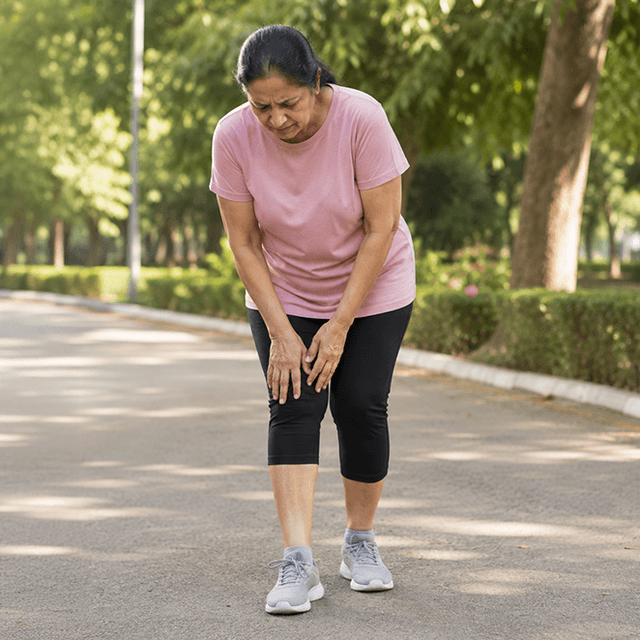
Consider the mundane activity of carrying a grocery bag, then tripping on a stair, or catching a toe on a rug. Such incidents wouldn't seem harmful and are certainly not serious enough to warrant concern. But if osteoporosis is involved, a trip that on other occasions would have been inconsequential could result in a broken bone and many serious changes to your health and quality of life.
Throughout your life, you can keep your bone health in check and maintain its strength through positive lifestyle changes such as diet, exercise, and routine. While osteoporosis is problematic and may present a host of fractures in your life, it is best to keep your bone health a priority.
This guide describes the reasons osteoporosis is prevalent among menopausal women, how bones offer support, and the measures you can take to stay independent as you grow older.
What Happens to Your Bones After Menopause?
Your bones are constantly regenerating. This means throughout your life, layers of bone tissue are being both reabsorbed and replaced. Estrogen plays a role in the re-building process, meaning that when the levels of estradiol, the primary female sex hormone and one of the two main estrogens, decline during menopause, the cycle of reabsorption tips the scale toward bone loss.
After menopause, studies suggest that women may lose as much as 10% of their bone density within the first 5 years, and this loss is greatest around the time of their last menstrual period.
This is the reason osteoporosis is one of the most common health issues for aging women. It is not the result of being careless or unlucky — it is due to biological processes that happen to every woman during this time of life, which is why it requires planning.
The Fracture Is the Symptom, the Bone Loss Isn't
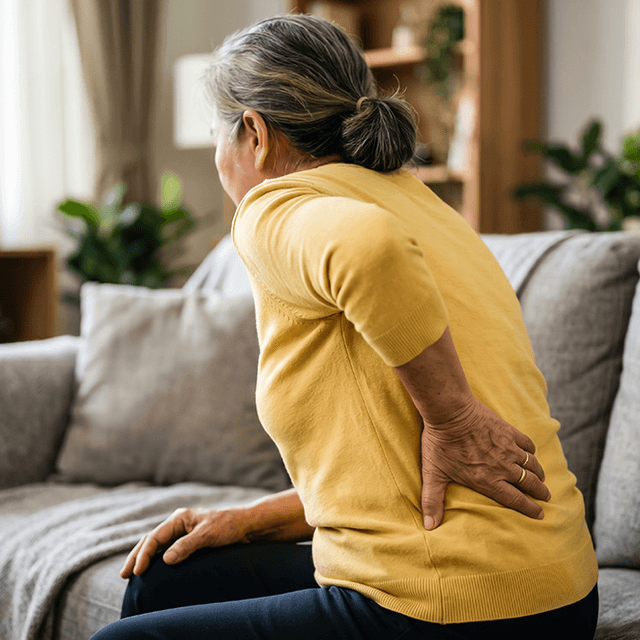
Most health issues provide some sort of warning before they escalate into something more serious. A good example is a cavity that will throb before it needs a root canal. This is not true with osteoporosis. There are no warning signs, and bone density can decrease for years without any pain or stiffness.
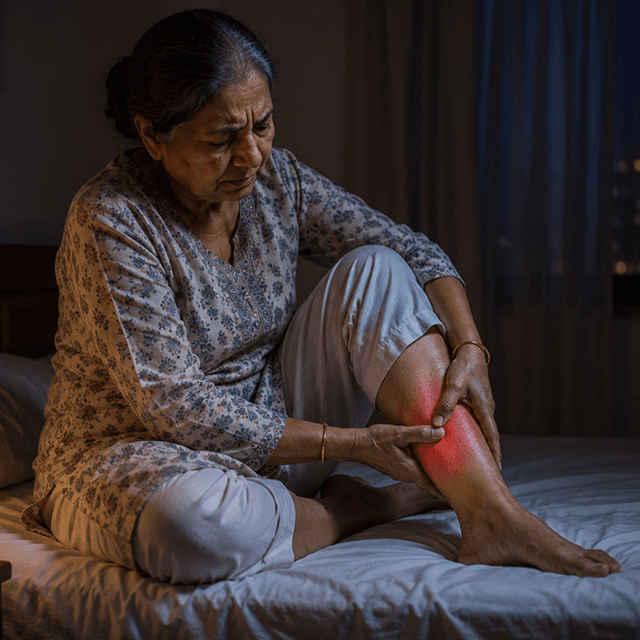
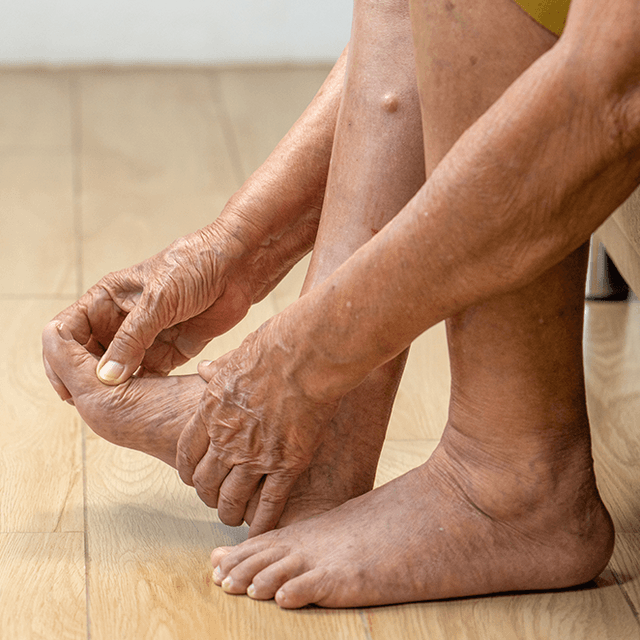
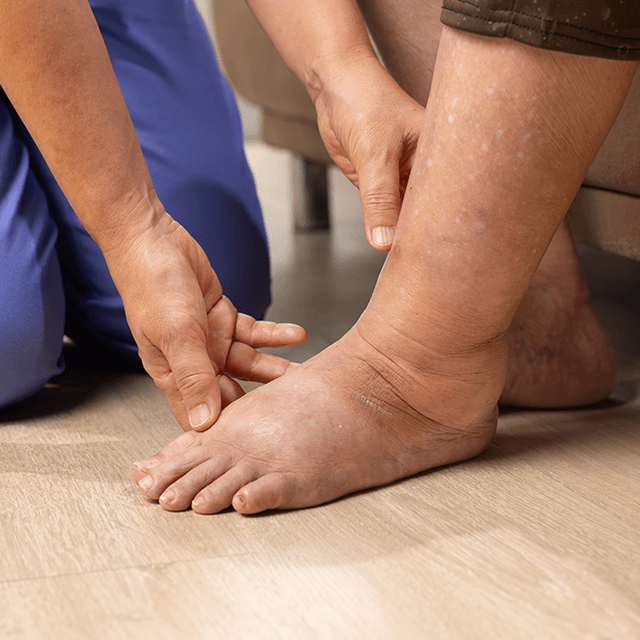
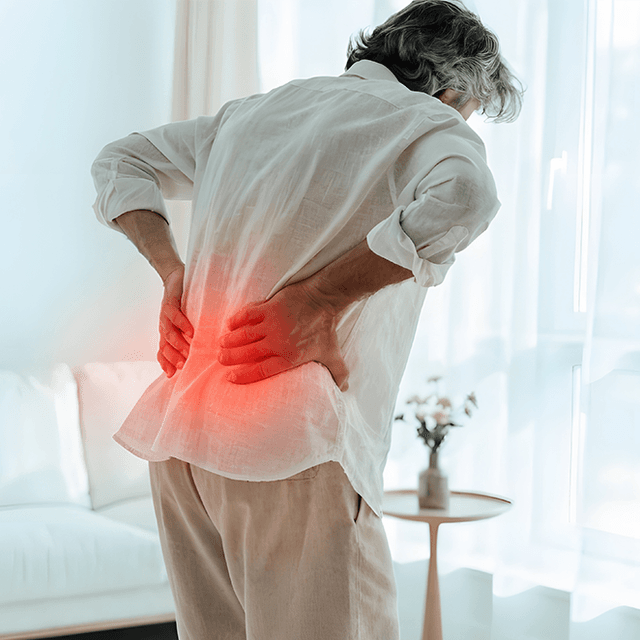
The first major sign of bone loss for many women is a fracture that occurs as a result of what should have been a minor fall — a bathroom stumble, a slip off a step, or even a fall from standing. Hip fractures in particular can carry serious downstream risks for the independence of older adults and their recovery from the fall, which is why prevention is needed before that moment.
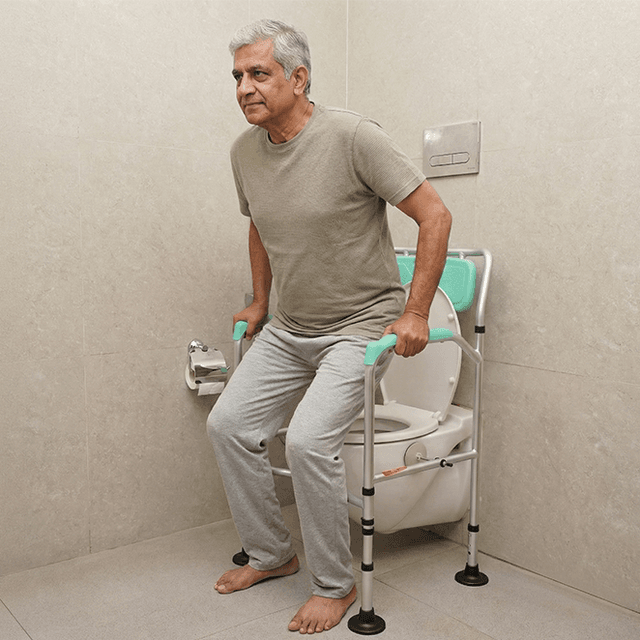
This is also where home fall-proofing becomes as vital as nutrition and exercise. Changes like installing grab bars near the shower, putting down non-slip mats, and adding better lighting in hallways reduce hazards that turn silent bone loss into emergency room visits. While household hazards trigger the slips, it is the underlying weakness of the bones that causes them to break so easily from a simple fall. AGEasy's bathroom safety products and fall prevention essentials are designed to reduce the chance of injury among the elderly.
Getting Screened: One Step Most Women Don't Take
It is not feasible to predict bone density on your own. DEXA (dual energy X-ray absorptiometry) scans carry low radiation and measure bone density to provide a score (T-score).
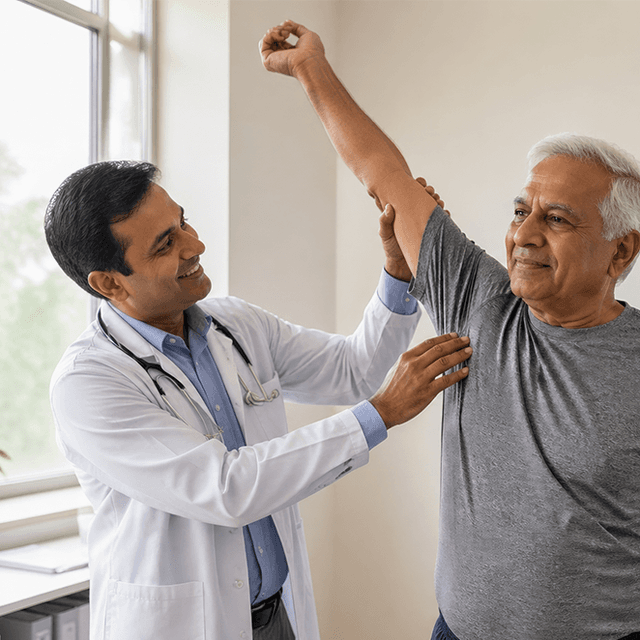
Medical guidelines recommend DEXA scans for all women aged 65 and older, as well as younger post-menopausal women who have risk factors such as early menopause, a family history of osteoporosis, long-term steroid use, low body weight, or a history of minor fractures. If you are post-menopausal and have not been screened, this is a discussion you should have with your doctor to establish trackable data points.
What Do Your Bones Need?
Bones are made up of calcium and collagen and require a well-balanced diet to maintain their integrity.
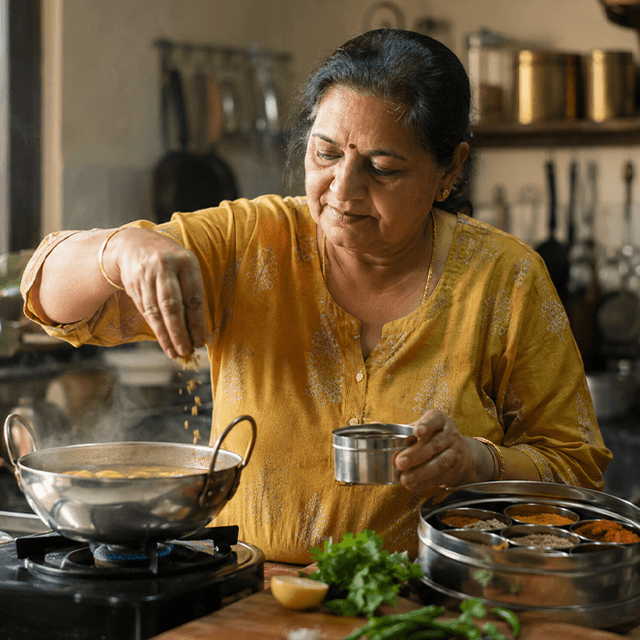
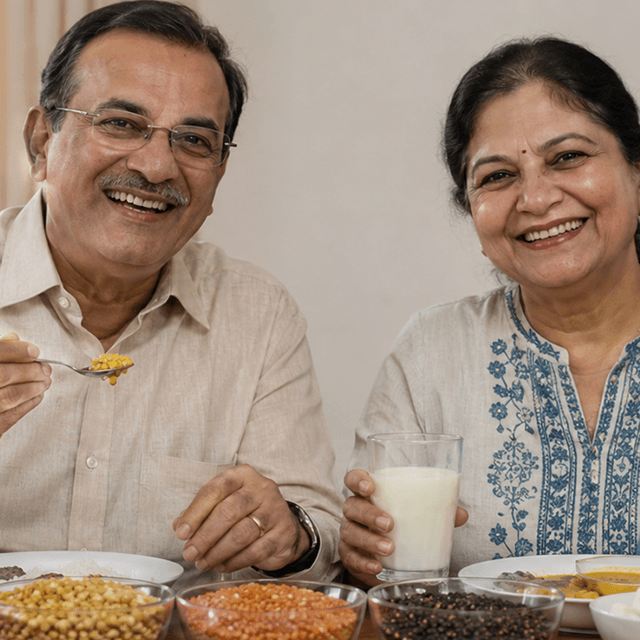
Food sources are the best means of meeting the recommended calcium intake for women over 50, which is 1,200 mg daily. Calcium can be found in dairy products, sesame seeds, and fortified foods. Other sources include amaranth, fenugreek, ragi, and certain dark leafy greens. Supplements can also help reach the daily goal, but too much calcium can become detrimental unless proper nutrients are taken alongside it to aid absorption.
Calcium is almost useless if the body cannot absorb it, which is why vitamin D is necessary for calcium absorption. Although Indian women are exposed to plenty of sunlight, they are still very likely to suffer from vitamin D deficiency. This is because skin with more melanin requires more UV light to produce vitamin D. Vitamin D deficiency can be determined via blood work.
Adequate protein consumption aids bone health, especially its structural aspects, since collagen, which makes up approximately 33% of bone, is a protein. Dals, eggs, paneer, fish, and poultry are examples of protein-rich foods. Weight-bearing and resistance exercises are the only means of creating a physiological response that helps bones become thicker and denser. Supplements alone cannot build bone density; however, targeted joint supplements can support the physical ease needed to perform these exercises.
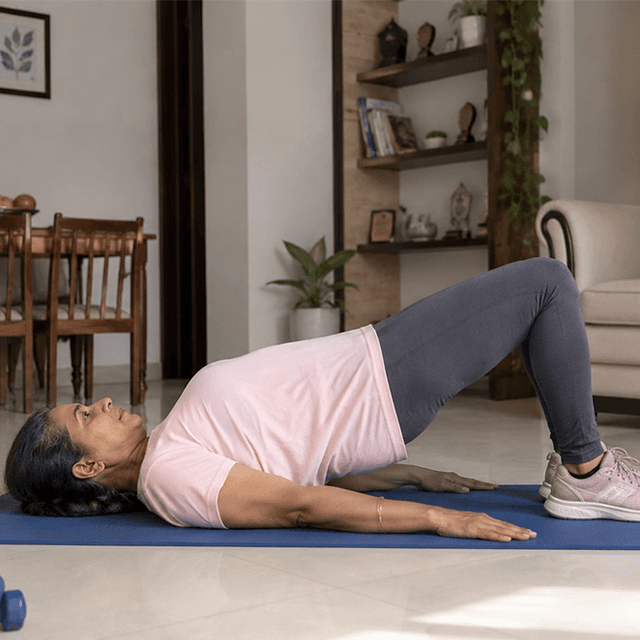
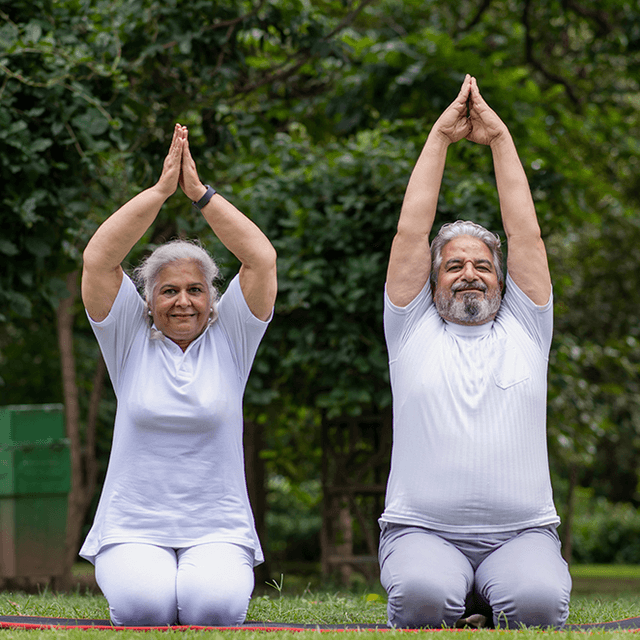
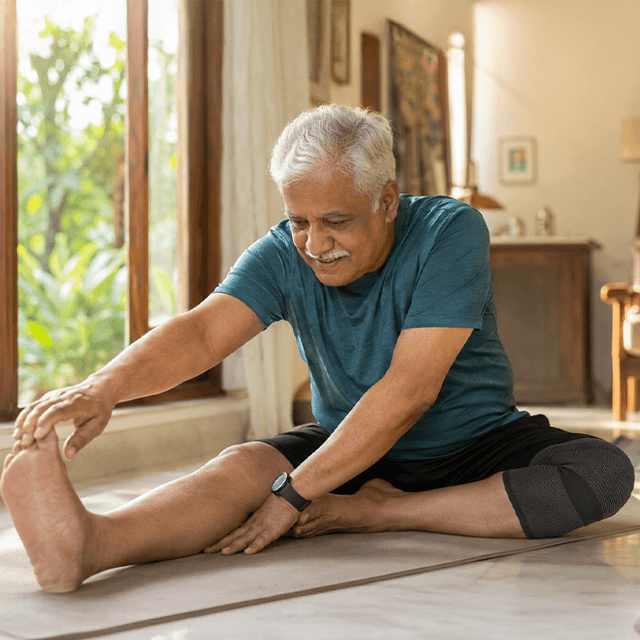
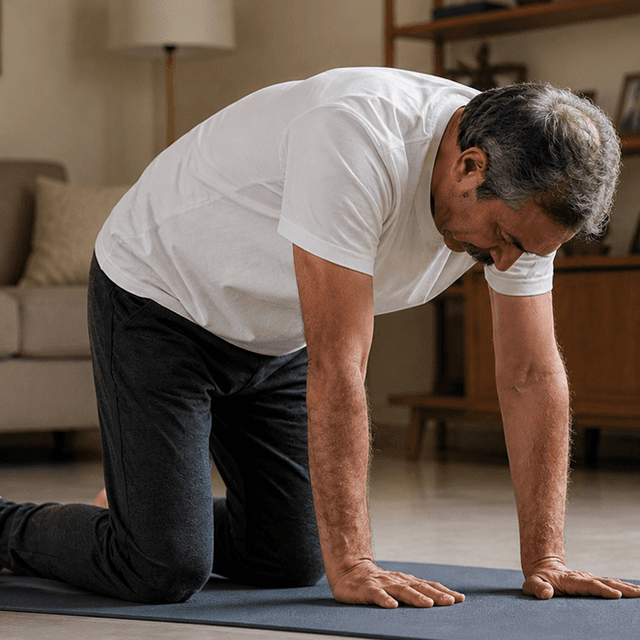
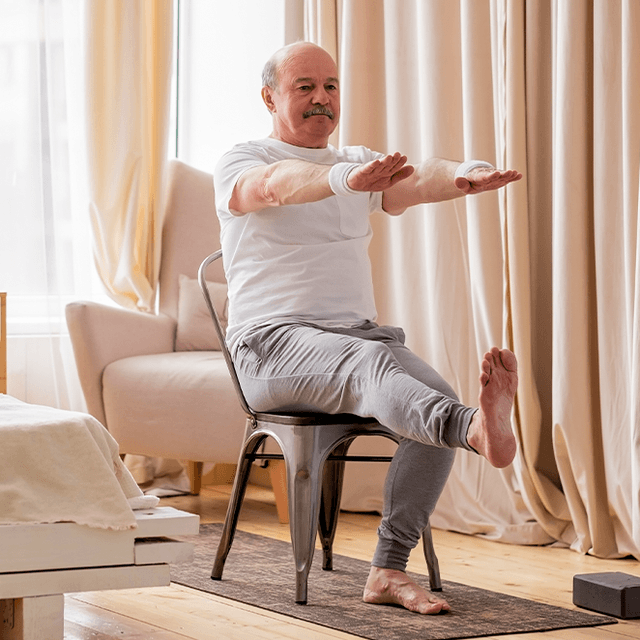
For women, the best form of exercise after menopause is weight-bearing cardio. This can be any of the following: stair climbing, dancing, or brisk walking.
To help protect your joints, muscle-strengthening activities should be performed 2–3 times per week using body-weight squats, light dumbbell weights, or elastic resistance bands.
Balance work is important too. Exercises like tai chi and standing on one leg are not as effective for bone density, but are much more effective for fall prevention, which can be a much more serious problem.
If joint pain is the reason you have put off resistance exercise, that is something that needs to be addressed rather than avoided indefinitely. Many women with early joint stiffness and bone-health anxiety find that taking a daily supplement containing glucosamine, boswellia, and curcumin, like AGEasy's Joint Care Comfort G, helps them move more freely throughout the day. This is especially important, as habitual movement reinforces and stabilizes bones over time.
Every little bit counts.
It may also be beneficial to limit smoking and drinking alcohol, as both directly impair and alter the process of bone remodeling.
Be aware of and try to limit your caffeine and salt intake, as both lead to a greater loss of calcium through urine.
Finally, sleep should be prioritized, as bone remodeling occurs disproportionately more while you are resting and asleep.
You should consult your doctor about the implications of all medications you are taking. Some medications for chronic illnesses, including steroids and thyroid medications, can result in significant bone loss and may need to be looked at more closely.
If You Are Helping an Older Mother
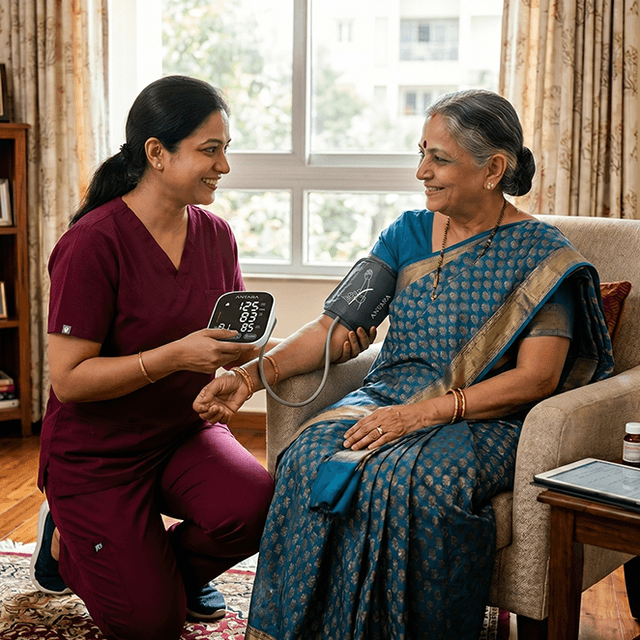
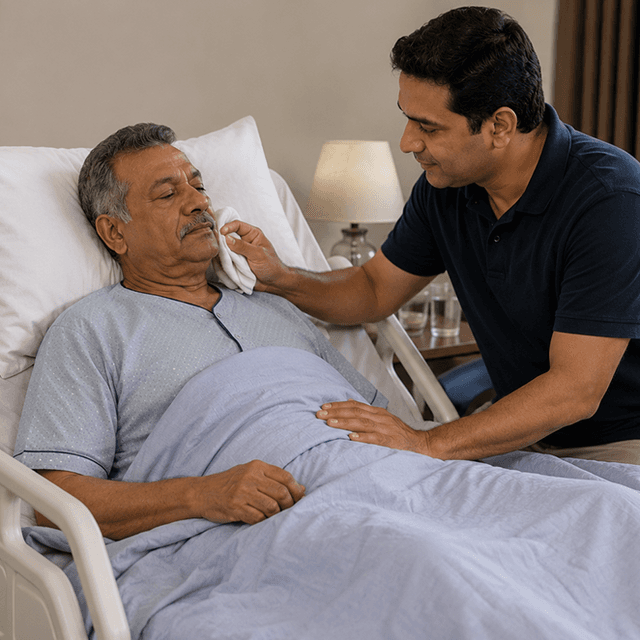
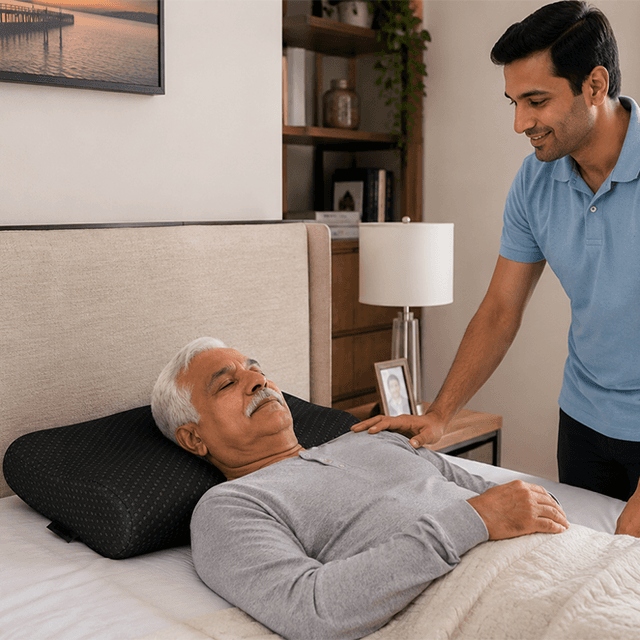
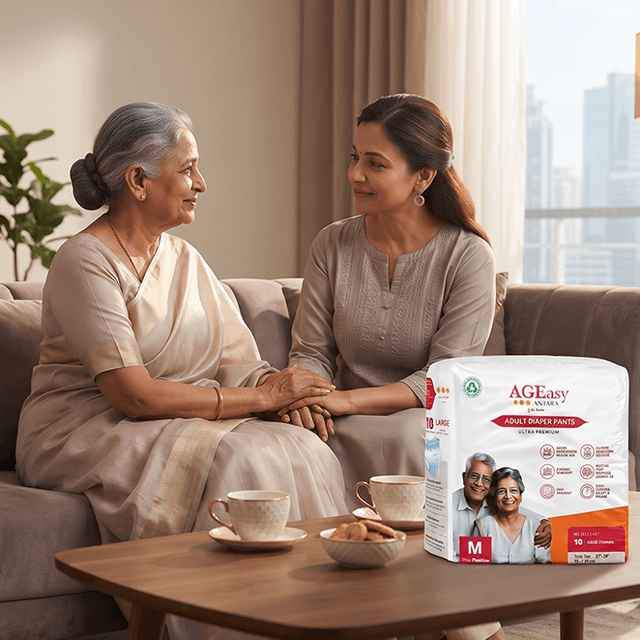
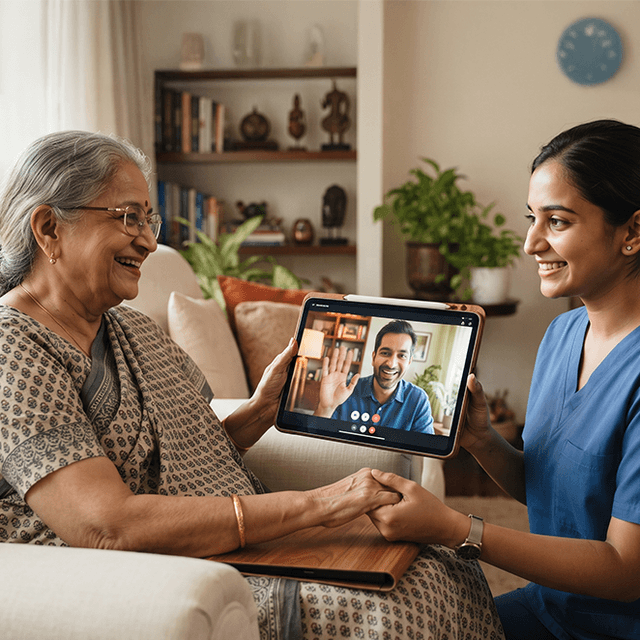
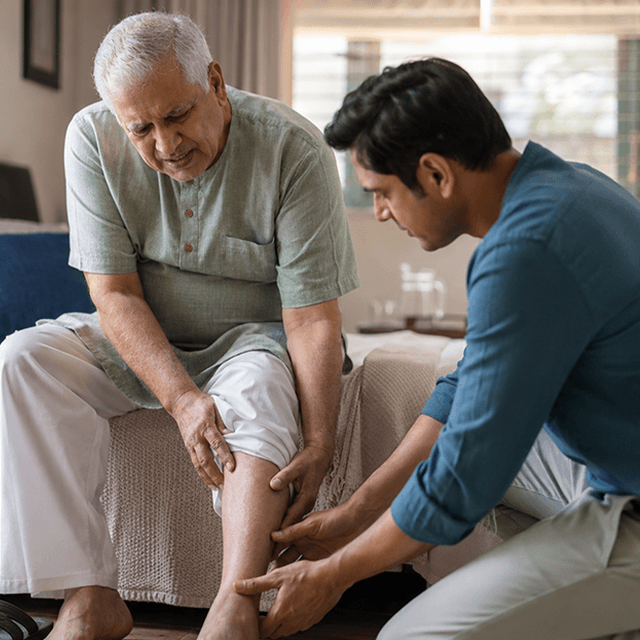
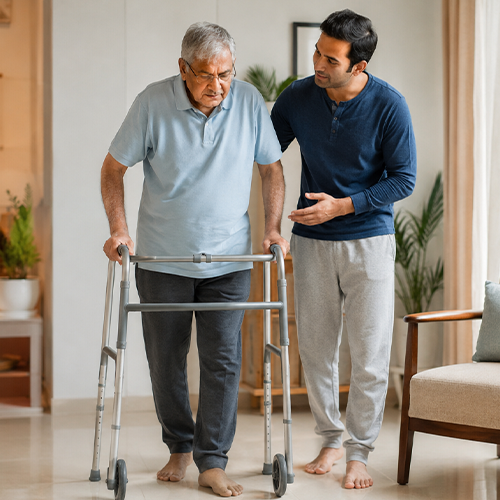
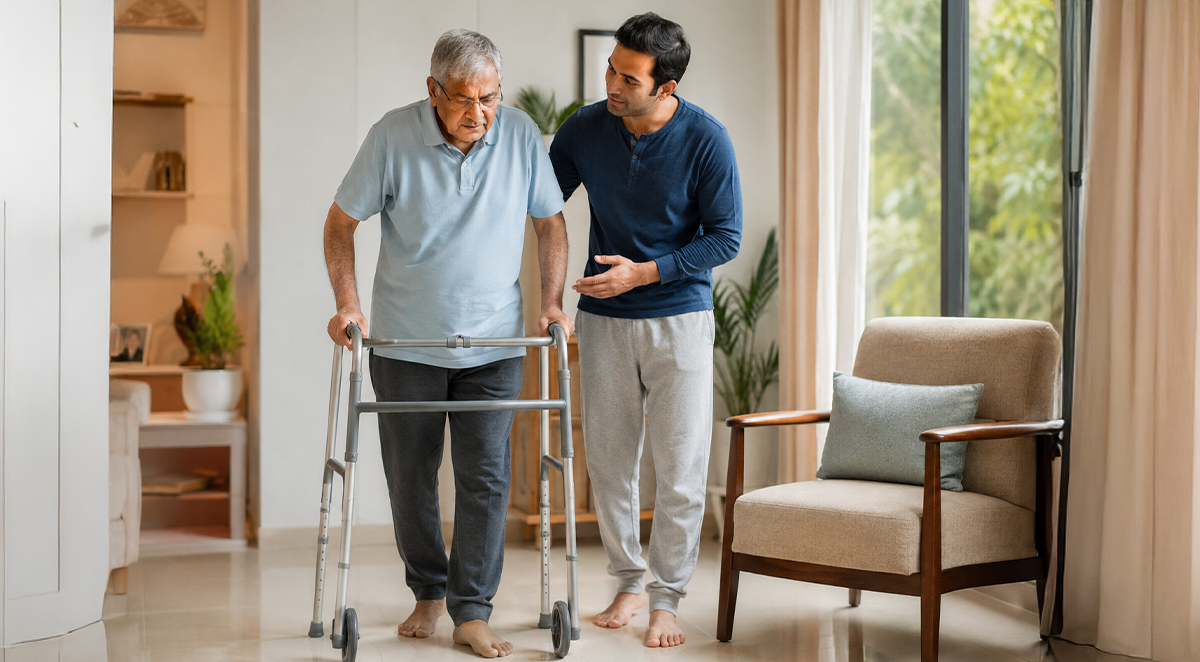
If you are doing this for someone else, the emphasis shifts somewhat. In this case, screening and nutrition remain vital, but home safety and fall-risk assessment become equally critical, since an older parent faces an increased risk of sustaining a fracture and a slower recovery compared to a woman in her fifties who has just gone through menopause.
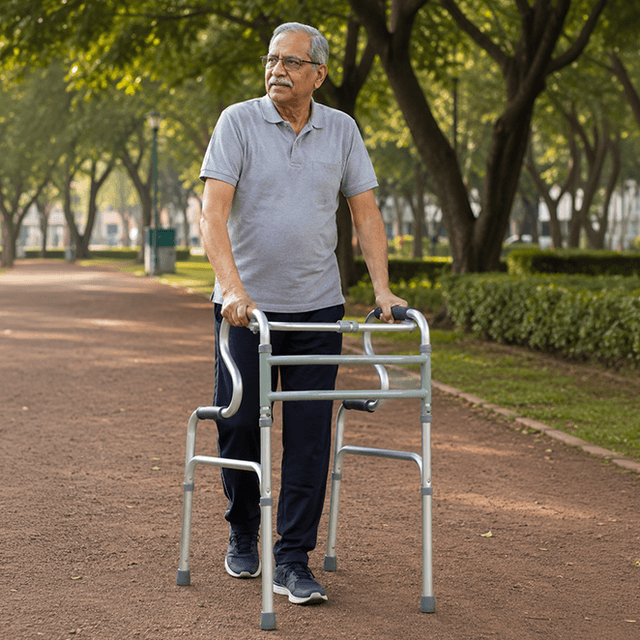
Some simple modifications can be valuable. Sturdy walking sticks to assist with traversing uneven surfaces, shower chairs to reduce fatigue from standing, and fall-detecting smartwatches with SOS buttons (for example, AGEasy's Protec) won't prevent bone density loss, but they will provide peace of mind. They will also help build the confidence to remain active and reduce dependence on others.
The Bottom Line
Osteoporosis is unfortunate, but it is also stealthy and silent. Luckily, you do not have to wait to find out if you have it — bone density scans (DEXA) can tell you, and you don't need to wait until your body runs short on nutrients (calcium, vitamin D, protein) to start building support for your bones. It is important to include weight-bearing and resistance training exercises so that your bones have the stimulus to rebuild. Fully fall-proofing your home provides a vital line of defense, preventing the dangerous fall incidents that lead to debilitating fractures.
Changes do not have to be made all at once. Small decisions made over time will help protect your bones long before they really need it.
Disclaimer: Talk to your healthcare provider before changing any supplements, exercises, or health-screening tests. This is especially important for people with chronic medical conditions. This article is educational information only and is not a substitute for medical advice. You should follow the instructions of your healthcare providers.