
The World Elder Abuse Awareness Day - The Threat No One Talks About, and Why It Almost Always Happens Inside the Home
Jun 14, 2026
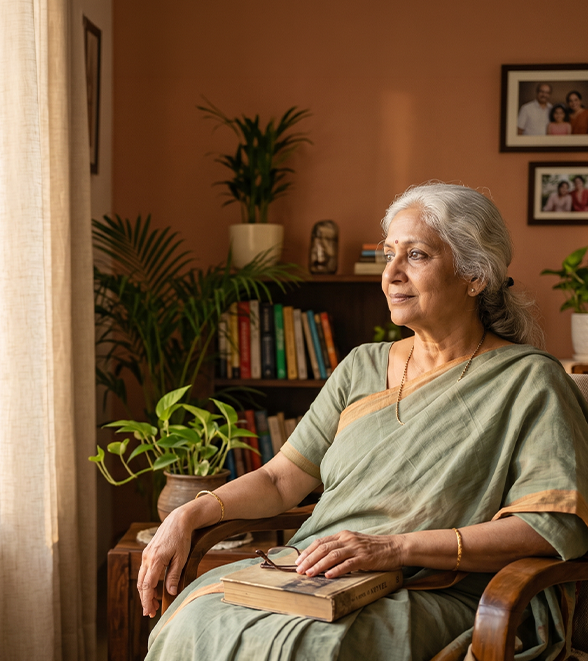
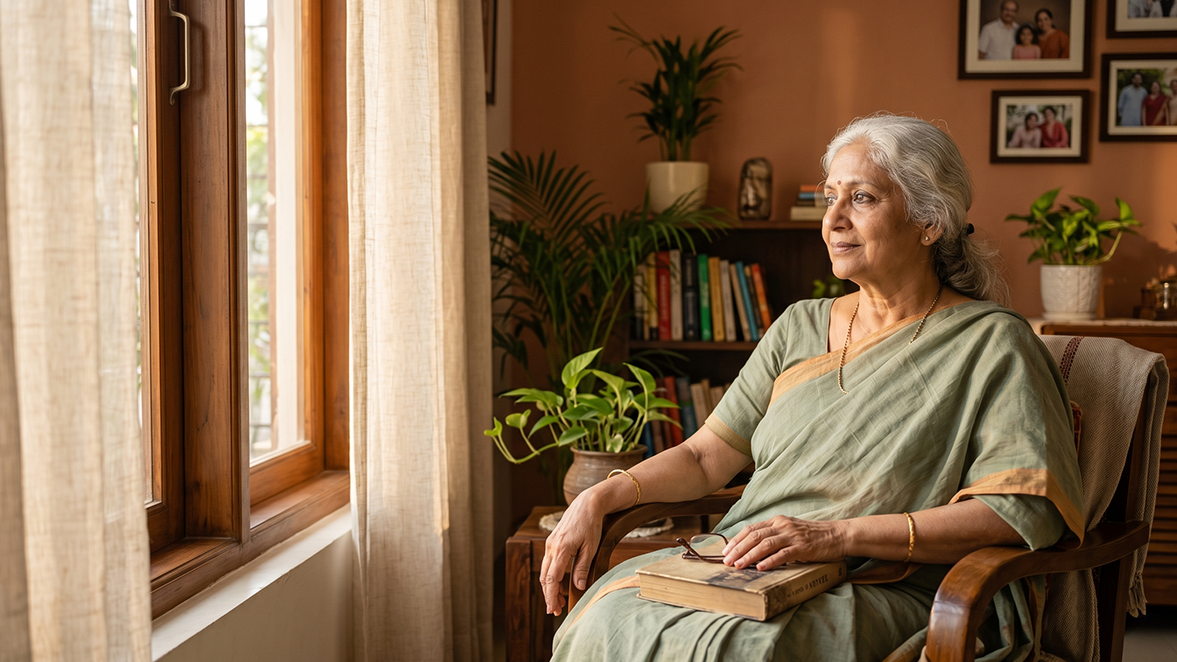
Every June 15, World Elder Abuse Awareness Day asks us to pause and look, really look, at how we treat the elders in our lives. What the data reveals is both unexpected and deeply uncomfortable.
The signs tend to emerge gradually.
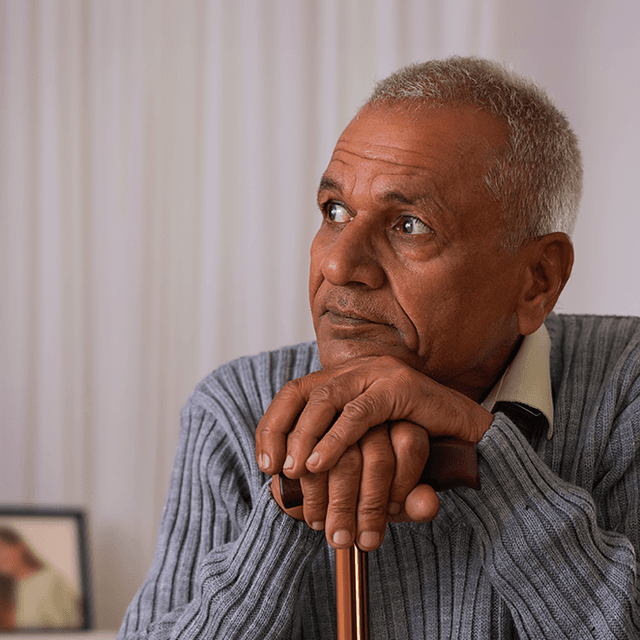
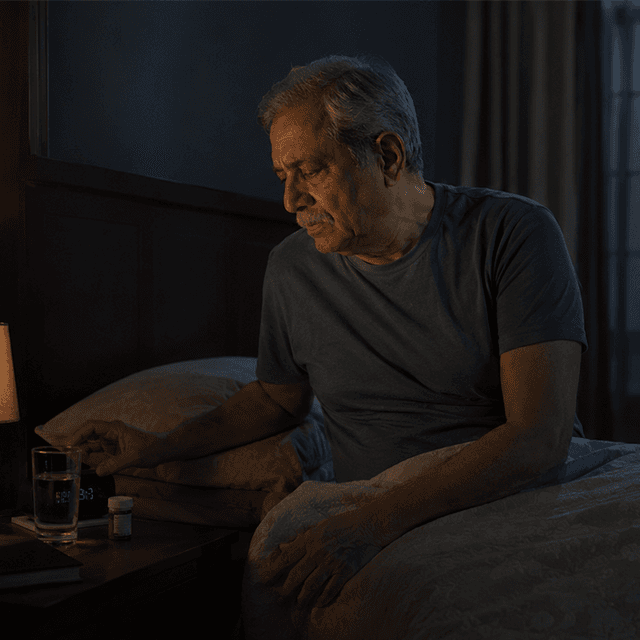
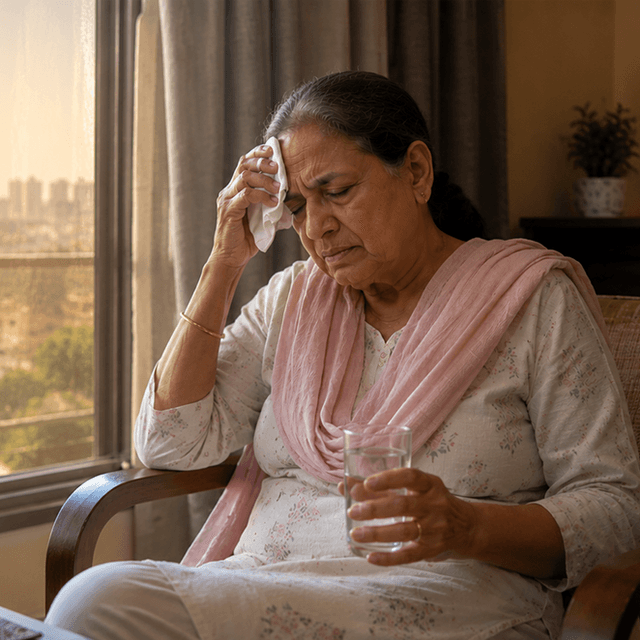
A parent who used to speak their mind starts being more evasive with 'how are you' answers. An older relative who used to care about looking presentable has been looking more unkempt. A grandparent who called you back promptly now leaves you hanging with days-long unanswered calls.
It’s easy to dismiss these new behaviors as signs of aging. We usually think old age is the culprit, or maybe it’s just the slow-paced nature of life now.
It’s possible that is the case, and you would hope that is the case. It is, more often than most families are prepared to accept, something else entirely.
The Day the World Set Aside to Notice
On June 15th every year, the United Nations marks World Elder Abuse Awareness Day. It is an opportunity to remind everyone that almost all elder abuse cases go far beyond the neglect seen in nursing homes or what is read in the distant news. It is a major public health crisis that is systematically framed as a lesser and more 'soft' human rights abuse.
The World Health Organization estimates that globally, among people aged 60 and above, every year, about 1 in 6 older adults experience some form of abuse. A substantial number of the studies that comprise this WHO analysis estimated, on average, that around 15.7% of older adults reported experiencing abuse in the preceding 12 months. Abuse of older adults spanned a wide range and included, among other things, psychological abuse, financial exploitation, physical abuse, sexual abuse, and neglect.
1 in 6 older adults globally experiences some form of abuse every year (WHO, 2017)
Here’s the statistic that will, at last, put things in proper perspective:
Only 1 in 24 cases of elder abuse is ever reported.
Look at that ratio. For every elder who has the courage to raise their hand or voice to say that something is wrong, 23 keep silent. Just imagine how much is missing from sight.
What accounts for this silence? The reasons are numerous and complex. It could be the shame. The fear that no one will believe them. The reliance on the abuser. The love of the abuser, even though the love is directed toward the abuser.
India’s Most Uncomfortable Stat
In India, silence takes on a quality that makes it particularly difficult to discuss. Breaking silence strikes at the heart of many of our most deeply held cultural beliefs.
We believe in the family as a protective unit. We pride ourselves on multi-generational homes. The thought of an Indian elder coming to harm at the hands of their family is, for many, almost unfathomable.
Yet, in reality,
82% of India’s seniors live with their own family, and family members are the most common perpetrators of harm (HelpAge India, 2024)
HelpAge India released their first major national study on the challenges of ageing and caring in India in 2024. It is a comprehensive study surveying more than 5,000 elderly respondents and over 1,300 caregivers in 20 cities across 10 states. The findings are important and deserve attention.
Seven percent of elderly respondents said they had experienced abuse. A further five percent said they would prefer not to respond. The mere act of not responding speaks volumes, especially considering the numerous reasons why incidents of abuse are not reported.
When the researchers were asked to identify the main abusers,they were not described as strangers, institutions, or even neighbors.
Sons were identified as the primary abuser in 42% of cases. Daughters-in-law in 28% of cases. The abuse is happening inside the house.
Abuse is happening within the family. Directly, abuse is happening behind doors that appear, from the outside, to be completely normal.
Who Is Most at Risk, and Why
Elder abuse is of concern for some, but not all, older adults. Abuse of elders varied depending on certain factors according to data from HelpAge India.
The most important factor is poverty. Abuse of the elder population is highly correlated with poverty, as
73% of abuse victims had an annual income under Rs 1,00,000 (HelpAge India, 2024)
Abuse is facilitated through a power imbalance as elder populations frequently become financially dependent on their family members, resulting in a deterioration of the family relationship.
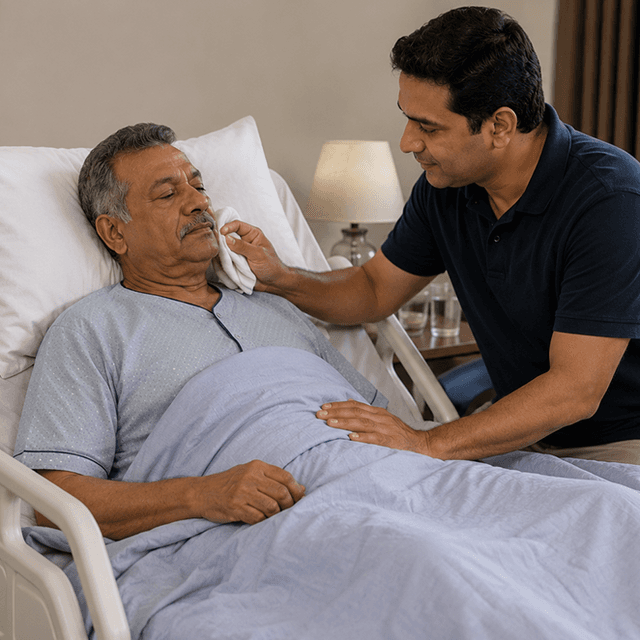
Post HelpAge India (2024) statistics, chronic disease is another important factor. The majority of elder abuse victims (94%) were suffering from at least one chronic disease. The burden of caring for an ill and elderly parent, who requires assistance in carrying out basic daily functions, can create an environment that facilitates abuse and/or neglect, especially if the abused parent relies completely on the abusive child for support.
Class also plays an important role. Elder abuse victims from the lower SEC C class reported abuse rates that were nearly three times higher than elder abuse victims from the SEC B class (11% vs 4%).
HelpAge India surveys from 2018 and before were conducted in 23 cities, giving a longitudinal view of the issue. Back then, around 25% of the elderly population in India suffered from some form of abuse. The most commonly cited were: lack of respect (56%), verbal abuse (49%), and neglect (33%). More than 40% of the elderly population felt that abuse of the elderly increased in the last 3 years.
More than half of elders surveyed felt that seniors are “soft targets.”
Among the cities that registered the highest rate of elder abuse in 2018 were Mangaluru (47%), Ahmedabad (46%), Bhopal (39%), Amritsar (35%), Delhi (33%) and Kanpur (30%). These are not small or peripheral cities. These are cities at the heart of Indian life.
What Does Elder Abuse Look Like?
Most people think that abuse of the elderly should have some obvious and dramatic expression. A bruise, or some loud and clear expression of abuse and confrontation.
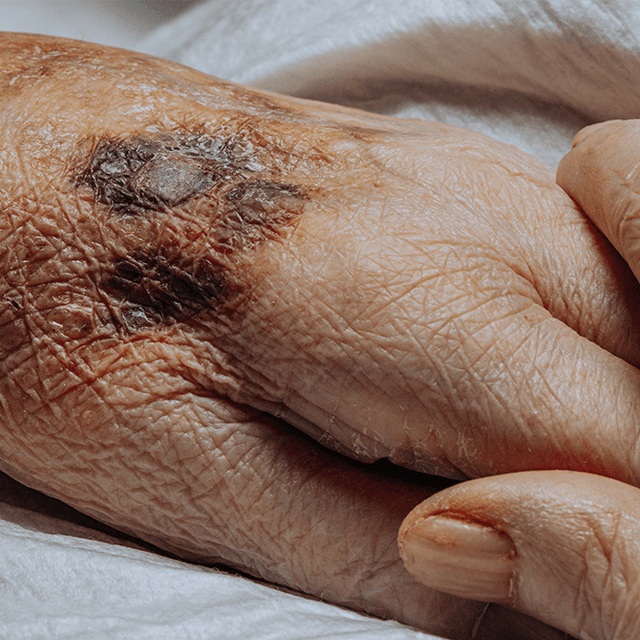
In truth, most abuse of the elderly is what can be described as "invisible" because it leaves no physical marks and there are no witnesses. It is a behavior that is sustained over time, not a single occasion.
Psychological abuse is the hardest form to see and is the most prevalent form reported in India. It includes chronic disrespect, dismissiveness, threats, humiliation and emotional manipulation. An elderly parent who is told that they are a burden, and that their health problems are inconvenient and that their opinions no longer matter, is experiencing abuse. The lack of bruising means that there is no lack of harm.
Neglect can take many forms. Neglect can include not meeting basic needs like providing food, taking care of health, maintaining cleanliness, or offering companionship. Though it may not stem from a bad place, like neglect out of sheer exhaustion or ignorance, this still takes a toll on someone’s wellbeing, especially an older person.
Of all the types of elder abuse, financial abuse is the most underreported. This can be forcing an older person to give away their possessions, acting as a gatekeeper to their finances, or abusing their retirement funds. Many older people who have a financially abusive son or grandson find it nearly impossible to come forward about the abuse because of how shameful they find the situation.
The body often whispers before it screams. Elder abuse is the same. It signals long before it becomes impossible to ignore.
Signs You Should Not Ignore
As they relate to the care of a loved one, the ability of adult children, caregivers, and relatives to detect the signs of elder abuse indicates their level of competence regarding health literacy.
Keep an eye out for the following signs:
- A family elder who is nervous, fearful, quiet, and who avoids direct contact when a certain family member is present
- Abrupt changes to the will or transfer of property accompanied by financial giveaways to family members under situations that suggest a lack of free will
- Physical signs of declining hygiene, losing weight, and being isolated from social contacts
- A dismissive and resentful attitude by the family member toward the elder who is alone and increasingly socially isolated and aging
- The elder who is socially isolated and aging, and who is fearful of speaking and providing full and complete information changes their story when a certain family member is present
Caregiving and socializing are difficult, demanding, and almost full-time jobs, and family members' and caregivers' attempts to come up with explanations for the elder's quietness and declining social contacts, are often difficult to refute. However, these rationalizations create a mental block that ignore the signs of elder abuse.
If something feels wrong, trust that feeling. Not to accuse, but to look more carefully.
The Other Danger Inside the Home, the One We Almost Never Name
Here is where the conversation about elder safety needs to expand.
When thinking of harm to older adults in the home, many of us think of intentional abuse. However, there is another category that is real, preventable, and something that occurs far more consistently. This is harm caused by environments that weren't designed to accommodate aging bodies.
Falls.
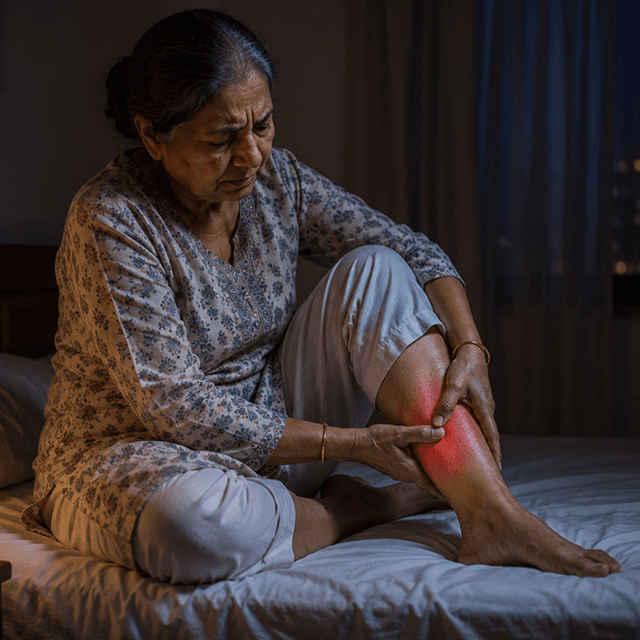
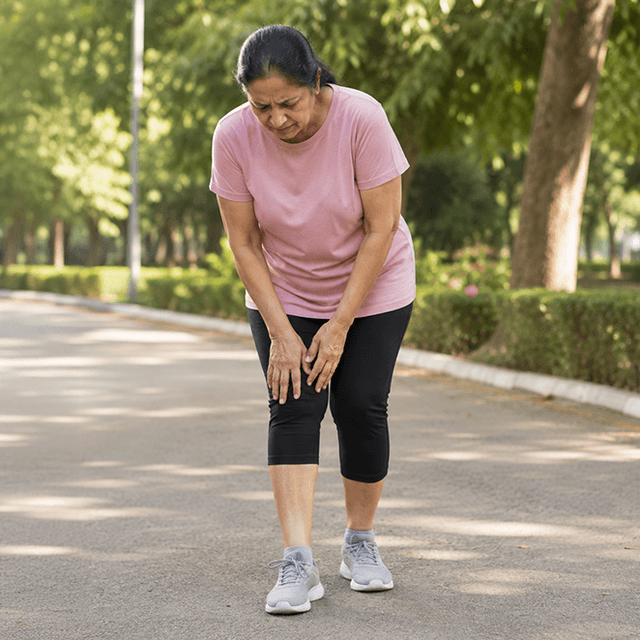
Within the older adult population in India, studies show falls and injuries to have a prevalence of 14% to 53%. Among those who fall, 65.6% sustain an injury and 1 in 8 of the injured sustain a fracture. 1 in 5 of the injured older adults need to be hospitalized.
65.6% of Indian seniors who fall sustain a physical injury (pooled meta-analysis, BMC Public Health)
Older women are at an even greater risk because of a combination of social and physical factors. Research conducted using data from the Longitudinal Ageing Study of India has shown that in the 60 years and above category, older women are almost twice as likely to report sustaining an injury from a fall compared to older men.
Where do falls occur the most?
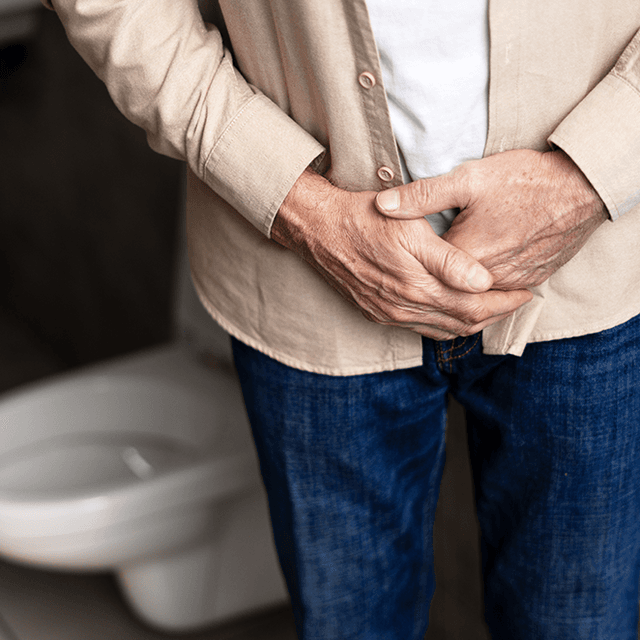
In the bathroom.
The CDC states that 81% of injuries in the bathroom are caused by a slip and fall. A shower or bath that accounts for 2 out of every 3 injuries occurring in the bathroom or a washroom, happens when an individual is at their most vulnerable, is likely not wearing any footwear and is the farthest from family members.
30% of adults over 65 injured in bathrooms are diagnosed with fractures (CDC)
For those adults aged 85+, 38% will be admitted to the hospital after an injury sustained in a bathroom. Also, the risk of injury increases with age. This shows that an environment that was once safe for someone at age 65, may become truly hazardous by age 75 or 80.
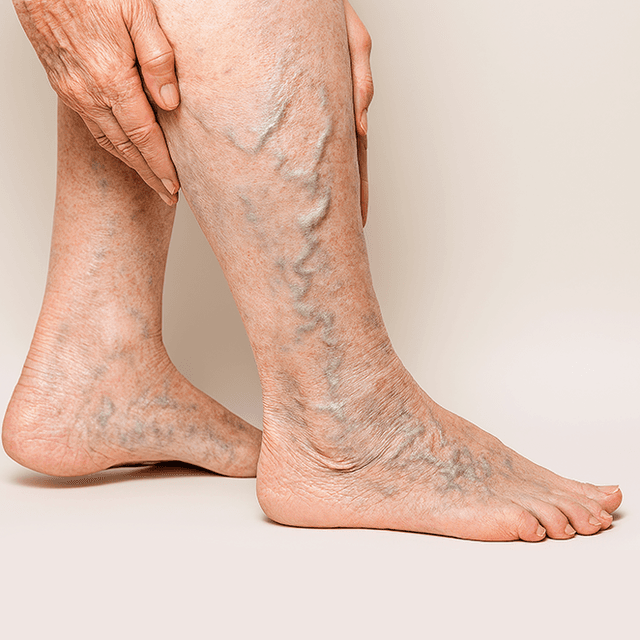
A senior with a chronic illness, which describes 94% of elder abuse victims, living in an unmodified home faces compounding risk: the vulnerability of illness, combined with a physical environment that has not adapted to their changing needs.
Why Home Should Be a Safe Environment
The majority of households will make their home safe for their aging loved ones only after something unsafe occurs in the home. After a parent has fallen, then the family will consider the need for grab bars. After a parent has fallen while walking in the dark, the family may then decide to install brighter lights to illuminate the path in the home.
The need for safety is often underestimated. Prevention of accidents often goes unnoticed by the family and is unreported. For example, a family advancing the safety of an elder by placing bathroom mats to prevent slips and falls is performing a silent task that often goes unrecognized. The same gift is given every day that is uncelebrated and goes unrecognized.
Most important health decisions are not made in hospitals. They are made at home, one ordinary day at a time.
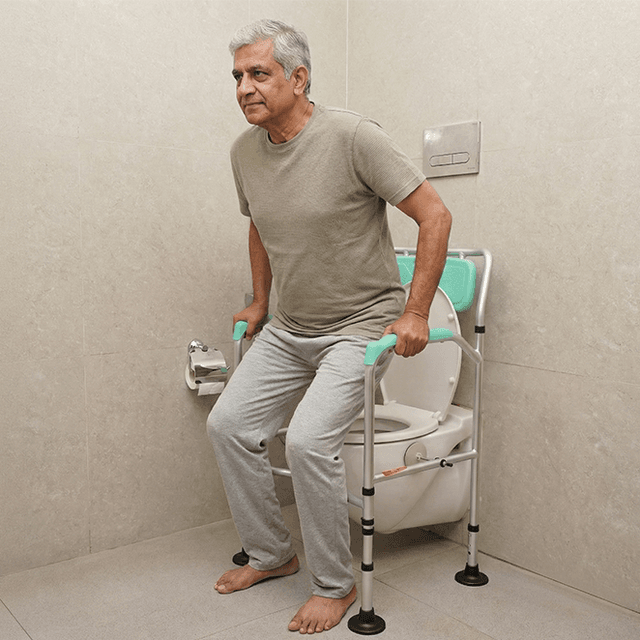
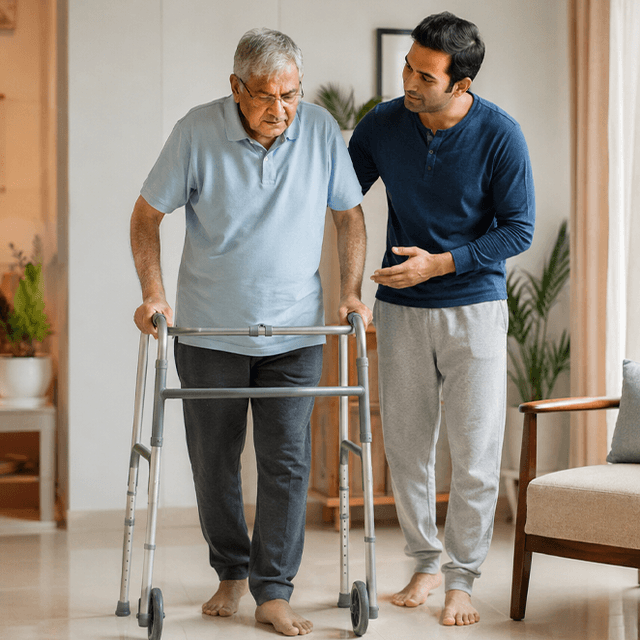
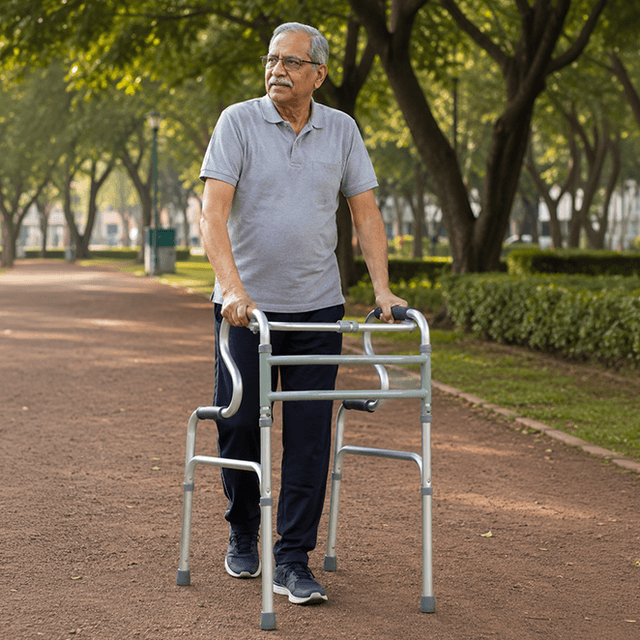
Not only are the designs for creating a safer home for an aging parent easy to construct and inexpensive, they're also simple to implement. One of the most dangerous places for a senior in the home is the bathroom. Anti-slip mats can be placed to remedy that. Grab bars can be placed near the toilet or on the walls and inside the shower to hold onto when stability is an issue. Improved lights in hallways and staircases can eliminate the risk of disorienting falls.
The home is better designed and made safer for the aging parent, and shows that the family truly cares about them. It says we love you. We think of you. Your home is ready.
What You Can Actually Do On June 15th And Everyday After
World Elder Abuse Awareness Day is not about making families feel guilty. It's a chance to educate families, which is valuable in its own right.
If you're an adult child or caregiver:
- Directly and honestly engage with your elder parent and inquire how they really feel and are experiencing as members of the family. How do they feel about their emotional and dignified safety and is it secure?
- If you have the chance to witness how other members of the family engage with the elder members in your household, do so. Disrespect and contempt toward older adult family members is never without consequence. It harms them.
- Evaluate your home from the perspective of a possible fall hazard. Where is a fall most possible? Is the bathroom a potential risk? Are the lights bright enough? Is there anything to help brace your weight?
- If you are the primary caregiver at your home, recognize caregiving when it is too much. Balancing caregiving and your health takes practice. If you don’t practice balance, not caring for yourself will result in neglect of others. Seeking support is caring for more than yourself.
- Elderline, India’s first nationwide service for elder care launched in 2021. Its number is 14567. It is a service for the people and should not be a secret.
If you are an older adult yourself:
If you are caring for an elder, their safety isn’t an inconvenience to you and they deserve to voice it. If you have unsafe feelings about your Home or Relationships, you have the right to express safe feelings to someone you trust, a doctor, or a helpline.
Changing your home to be physically safer does not mean you are physically weaker. Grab bars are aids to your safety.
Talking About Difficult Subjects
Elder abuse is not a problem that occurs in other families. It is not a dysfunction of families who do not care or love enough. It is a consequence of financial hardships, chronic illness, caregiver burnout, a home that was never adapted for the needs of aging, and a culture of looking away.
HelpAge India's statistics should not create distrust within the family. They should make families honest. With 82% of the elderly population in India living with their families, the family unit is in the best position to protect the elderly, and therefore, the most critical in the prevention of elder abuse.
Science explains what happens. The challenge is recognising it early enough to act.
June 15 is just one day. But the question is permanent.
Is the loved one who you are now so privileged to care for, truly safe?
Not just safe to exist, but safe to thrive and be treated like a dignified human being, in a home that does not pose a threat to the very person you want to protect.
It is important to reflect on meaningful questions like these.