


Hot Water Bag vs Electric Heating Pad: Which Heat Therapy Is Safer for Older Skin?
Article by: Kunal
Jul 22, 2026. 9 min read
Heat is supposed to take the edge off pain, not create a new problem.
You fill the hot water bag, or plug in the heating pad, and settle in. For a while it works. But skin changes with age, and it doesn't handle heat the way it once did.
Many people believe that all heat therapy is the same and as long as it feels good it is fine. This is incorrect. There are a number of factors to consider including how long the heat source will be against the skin, how well the skin can still sense temperature, and if the heat is even appropriate for the type of pain you are trying to treat. In fact, the hottest option may be the most dangerous.
Hot water bags offer simple and familiar warmth, while electric heating pads offer even, controlled heat. Ultimately, the choice is up to you based on your skin and health.
The good news is that as long as a few simple precautions are followed, heat therapy will still work even for thinner and more delicate skin. And it is particularly beneficial for easing muscle tension, stiff joints, and chronic pain.
This guide covers how each option works, each option's risks, and how to safely use heat options for older parents.
Why Older Skin Reacts Differently to Heat
As one ages, skin starts to become thinner. The insulating fat layer that sits below the skin also gets thinner. This means that heat will reach deeper tissues more quickly. Therefore, temperatures that used to feel only warm to a person at 40 years of age, could cause tissue damage at the age of 70.
The ability to sense heat also diminishes with age. The nerve endings that signal that a temperature is too hot become less responsive over time, so the elderly do not pull away from hot surfaces as quickly. The warning signal from the body is either delayed or absent.
As circulation decreases, blood flow to the area is less and heat is unable to be carried away from that area and is trapped instead. This is particularly true in older individuals and in those who suffer from diabetes or peripheral vascular diseases.
For example, low-temperature burns are more common as one ages. These are caused by prolonged exposure to temperatures that are below the normal or expected threshold. The deeper tissue layer tends to heat up more quickly and the skin does not exhibit blisters or burns to signal damage.
The Hot Water Bag: Familiar, but Front-Loaded
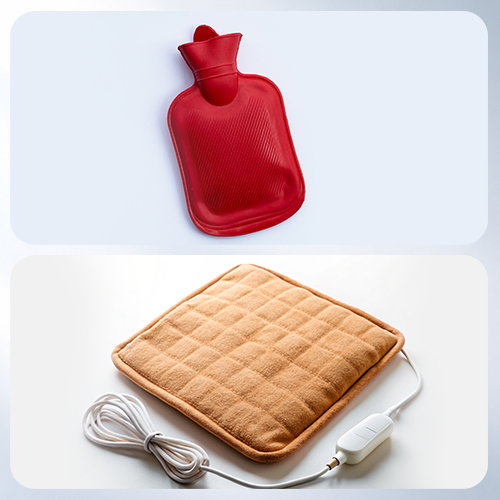
When hot water bags are first filled, they reach their hottest temperature. Over time, they cool down from this initial fill temperature. The design of hot water bags allows for a more gradual cooling so that there is less risk of injury from prolonged exposure to its surface compared to an electrically powered device that stays on.
It works well for things like menstrual cramps, general aches, and warming your feet because it requires no electricity and can easily contour to the natural curves of your body.
They work best when you avoid one major error: the filling. You can get hurt by the hot water bag if you use boiling water, which is the most common cause of hot water bag injuries. The water should be hot, but should not be boiling. Also, it should be well below the temperature that would force you to pull your hand away. Fill it to about two-thirds, and make sure you are pressing the air out of it, and that the stopper is seated properly.
The second failure point is the bag itself. The materials used (rubber and PVC) deteriorate over time, and you need to replace your bag if it's older than 2 years or if you see any sign of cracking, cloudiness, or hardening around the neck of the bag. If the bag touches your skin when the seam fails, it can cause serious burns.
You must always use a cover or wrap the bag in a towel because direct contact between the rubber and your skin is where most of the burns occur.
The Electric Heating Pad: Consistency Is Both Good and Bad
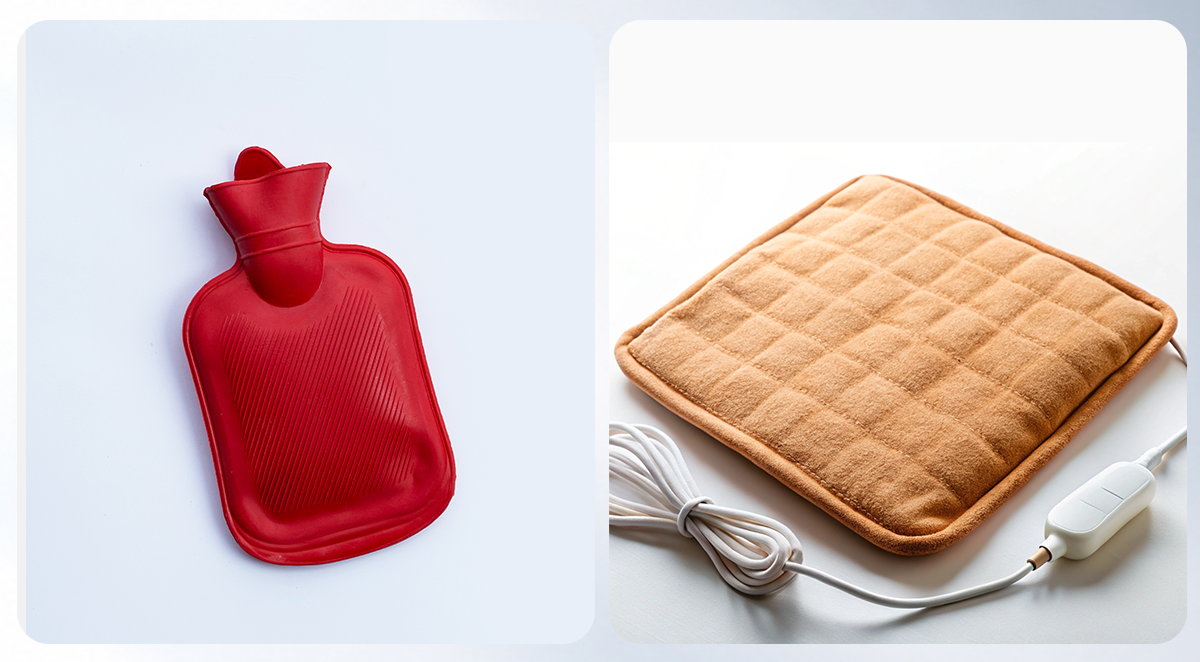
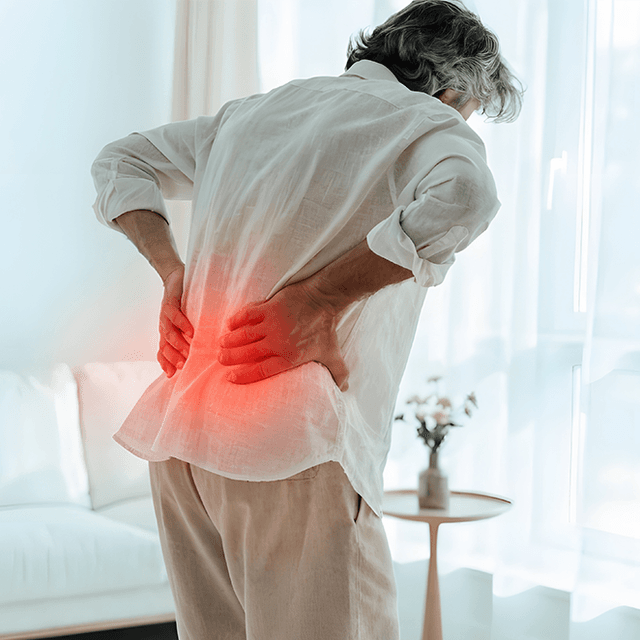
For lower back pains and stiff joints, an electric heating pad is actually better than a heat pack because it can stay at a set temperature for an indefinite amount of time, whereas a heat pack will cool down to lukewarm after 20 minutes.
Unlike a hot water bag, which safely cools down over time if you nod off, an electric heating pad will continue emitting constant heat, creating a major burn hazard if you fall asleep on it.
When purchasing a heating pad consider the following:
- Auto Shut-off: This is a crucial safety feature rather than a convenience tool. A built-in timer that turns the device off after 30 to 60 minutes automatically limits heat exposure, drastically reducing the risk of low-temperature burns if the user falls asleep.
- Multiple Heat Settings: There should, at minimum, be three heat settings and one of them should be between low and medium. It would be best for a senior to use the low setting.
- Cover Material: Covers designed with velvet or fleece provide a better user experience as the material promotes even heat distribution and is more comfortable against skin. Covers that utilize PVC and other materials create a more uncomfortable experience as the heat distribution is not even.
- Controller Visibility: The controller should feature large buttons and a clear, backlit display indicating the heat level. This is especially true for someone with limited hand dexterity, and poor eyesight.
- Safety Certification: Heating pads should have a BIS mark, or an equivalent safety certification, to ensure compliance with the safety regulations that govern the Indian market.
Retailers that specifically cater to the needs of older adults such as AGEasy have heating pads and pain-relief supports that have been designed with the unique needs of older adults in mind and are worth looking for as opposed to a generic listing.
Most people are unaware of the importance of cord safety. Avoid folding a heating pad unless it is switched off to avoid internal wire stress which causes the collapse zone to become a hot spot. Avoid sitting or lying directly on top of the heating pad. Routinely check the controller and cords for fray or discolored spots and refrain from use if any is found.
Side by Side Comparison of Hot Water Bags and Electric Heating Pads
| Hot Water Bags | Electric Heating Pads | |
|---|---|---|
| Heating Method / Heat pattern | Hottest at start, cools gradually | Constant until switched off |
| Best for | Cramps, short sessions, warmth in bed | Chronic joint or back pain, longer sessions |
| Main Risk | Scalds from filling; seam or stopper failure | Prolonged exposure; burns if used while asleep |
| Falling Asleep With It | Lower risk (self-cooling) | Only safe with auto shut-off |
| Needs Power | No | Yes |
| Ongoing Cost | Replace every 1–2 years | Higher upfront, lasts longer |
Summary: For most seniors, a certified electric heating pad with an auto shut-off feature and lower settings is the safest option because the two main hazards (heat starting too hot and running for an uncontrolled duration) are removed. Hot water bags can be used for short periods and have the benefit of no power use.
Caution for Both
- Never place heat directly on the skin. Only use covers or towels to separate the heat from the skin.
- Limit the use of heat to a maximum of 15 to 20 minutes. After using heat, take a break of at least an hour, or longer if you think it helps. Longer sessions are not better.
- Always check the skin after each heating session. Warning signs of heat damage include prolonged redness, mottling, and blotchy patterns. If the discoloration stays, it is a sign of heat damage and you should stop using heat on that area.
- Never use heat if you are asleep, on either device.
- Never use heat on skin that is numb. If an area does not feel normal temperature, you have lost the warning system that should be in place.
Knowing When to Eliminate Heat Completely and When to Contact a Physician
The avoidance of heat is appropriate for:
- New injuries. During the first 48 hours after a sprain, strain, or fall, ice should be used. Heat should be avoided as it can increase blood flow and increase swelling.
- Areas where sensation is decreased. This can include diabetic neuropathy, nerve damage post surgery, or any other cause of numbness.
- Open wounds, ulcers, rashes, or skin that is infected.
- Joints that are swollen, hot, red or have a fever. This can be an inflammatory flare or infection where heat can worsen the condition.
- The limbs with poor circulation, which includes peripheral arterial disease.
Before using heat therapy regularly, it is advised to consult a physician if they have diabetes, any type of diagnosed neuropathy, circulatory issues, or a history of deep vein thrombosis. This is also true if they are taking medication that can impact their sense or alertness.
If a burn has blisters, if discoloration of the skin does not return to normal within a few hours, or if the pain is new, severe, inexplicable, or if there is a fever, swelling or numbness that accompanies it, medical assistance should be sought. Heat is a way to manage symptoms but does not diagnose the issue.
The Practical Takeaway
Provided the device builds in the safety features that dulled nerve endings can no longer monitor, heat therapy remains one of the most affordable ways to soothe age-related aches. This means that you should purchase devices with shutoff timers and low settings instead of max temperature settings, limit your time to 20 minutes per session, and check your skin at the start of every session.
If you are arranging this for a parent, the two worthwhile purchases are a certified heating pad with automatic shut-off, and the real effort to develop a habit of checking the skin afterwards. AGEasy's range of mobility and pain-relief products is designed specifically for this type of everyday elder-care, and combining a heating pad with the appropriate support such as a knee cap or lumbar belt, often does more for chronic stiffness than heat alone.
This is general information and not medical advice. People with diabetes, nerve damage, circulation issues, or ongoing unexplained pain should see a doctor before beginning heat therapy.
Recommended Blogs




You May Also Like
 No products found
Article by:

Kunal
Article Category:
General Wellness