
HbA1c Normal Range by Age: What Your Parent's Report Actually Says
Jul 16, 2026
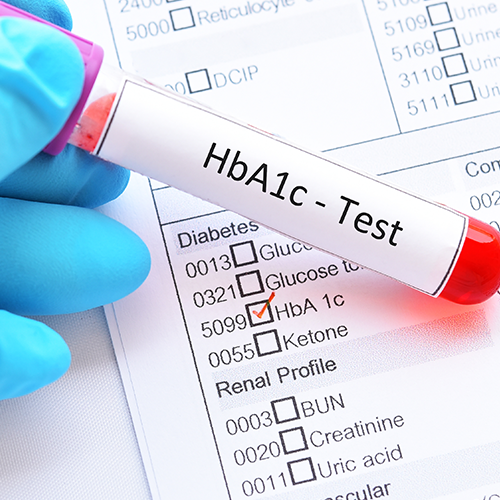
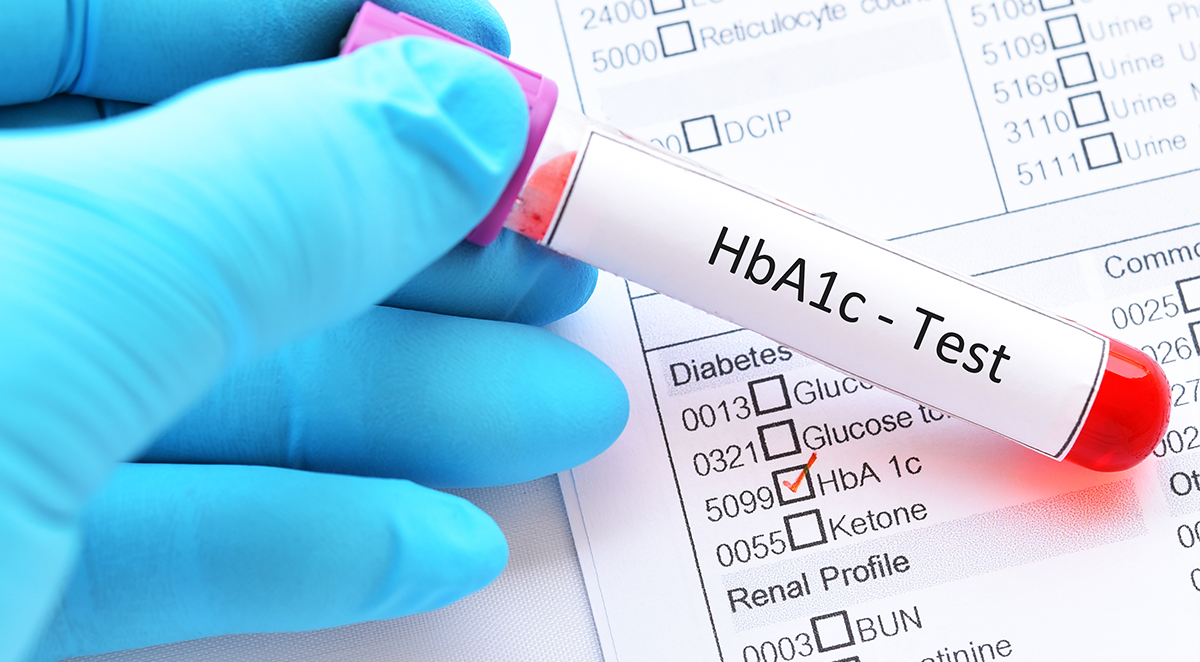
The first time you viewed your parent's HbA1c report, you may have thought it was just another medical printout — maybe a number, a reference range, and perhaps a "normal" or "high" flag next to it. However, in reality, that number means something much more. It's a 3-month blood sugar diary, and it can potentially highlight problems long before symptoms develop.
The mistake most families make is to pay no more attention to the report once they've seen the flag. If it's normal, they think there's no more information to be taken from it, but if it's high, they tend to panic. This is unfortunate, because while it's true that HbA1c values are age and context specific, families are wrong to think they can simply compare their parent's number to a generic reference range without taking into account their parent's age, health conditions, or current diabetes treatment.
Because of all this, it is important to understand the value of the report, and to be able to identify a normal HbA1c range for someone of your parent's age so it becomes a more constructive tool rather than just an arbitrary number.
What Is HbA1c?
HbA1c is also known as A1c or glycated hemoglobin. It refers to the quantity of hemoglobin in red blood cells that is bound to glucose. Due to the lifespan of red blood cells, approximately three months, this test indicates average blood sugar over that period.
This is what sets it apart from a fasting glucose test. A fasting glucose test is a snapshot of blood sugar levels, so it could be misrepresentative if your parent was especially careful with their diet the day before. HbA1c cannot be skewed by one day or one meal. That is why physicians use it to both diagnose diabetes and monitor treatment progress.
What Are the Ranges for HbA1c?
Most laboratories and diabetes associations use the following cut-offs for HbA1c test results in adults:
| Category | HbA1c Level |
|---|---|
| Normal | Below 5.7% |
| Prediabetes | 5.7% to 6.4% |
| Diabetes | 6.5% or higher |
For elderly patients, the target for someone already diagnosed with diabetes often shifts from the standard "normal" range to a goal of 7% or below, rather than the tighter targets used for younger adults.
Why Older Adults Have Different Targets
This is the information that most lab reports fail to mention. The reference ranges printed on lab reports are static, meaning a 35-year-old and an 80-year-old will see the same reference range on their report, but the clinical interpretation of that number is different.
| Age / Health Profile | Typical Target |
|---|---|
| Healthy older adults (60–70) | Below 7% to 7.5% |
| Older adults with multiple comorbidities | 7.5% to 8% |
| Frail elderly (usually 80+) | 8% to 8.5% |
For Healthy Older Adults (Ages 60–70)
If your parent is healthy and independent, doctors tend to aim for an HbA1c of less than 7% to 7.5%. Maintaining good control at this stage still significantly decreases the risk of long-term complications such as kidney failure, nerve damage, and vision impairment.
Older Adults With Multiple Comorbidities
If your parent has several chronic medical conditions, is on multiple medications, and/or experiences some difficulty with daily functioning, many geriatric guidelines consider an HbA1c target of 7.5% to 8% to be safe and reasonable.
For Frail Elderly Individuals (Usually 80 and Older)
For very elderly or frail parents, many doctors accept, without further concern, an HbA1c of 8% to 8.5%. Chasing a textbook number for an 85-year-old tends to do more harm than good.
Why Is It Safe to Have Looser Targets?
The most important factor is the risk of low blood sugar. In older adults, active treatment aimed at lowering blood sugar increases the risk of hypoglycaemia episodes, which can result in falls, confusion, fainting, and hospitalisation.
For older adults, a fall caused by hypoglycaemia is often more concerning than the marginal benefit of chasing a tighter HbA1c target. That is why a report flagged "high" is not necessarily a crisis, and why the most appropriate response is a conversation with your parent's physician instead of a sudden, drastic diet change at home.
When Are Results Actionable?
While targets are individual, there are some general patterns where a doctor's appointment is a more appropriate course of action than a wait-and-see approach:
- A first-time reading of ≥6.5% in a parent who is not known to be diabetic will require confirmation and a discussion on treatment options.
- A reading in the prediabetes band (5.7% to 6.4%) is a cause for attention. With lifestyle changes, diabetes can often be entirely prevented at this stage.
- A very low reading (below 6%) in a parent who is on insulin or sulfonylurea tablets may be indicative of frequent, unnoticed low-sugar episodes.
What Can't Be Inferred From HbA1c, and How to Bridge the Gap
Averages tend to hide risk. Two patients may have the same HbA1c, but their blood glucose levels during the day may have spiked to 250 mg/dL and dropped at night to 65 mg/dL. This hidden variability is especially risky for elderly patients.
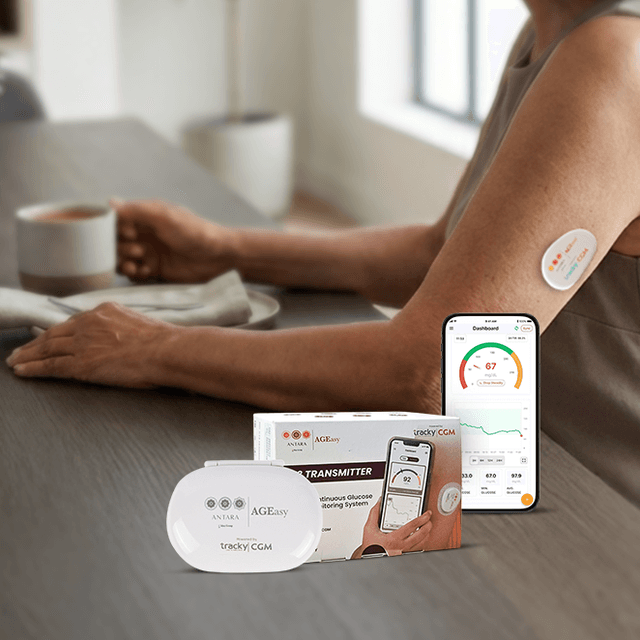
This is where daily monitoring can help. Of course, standard finger-prick glucose monitors do the job, but the repeated pricks can be painful enough for older adults to avoid testing altogether. A better option for these patients may be a continuous glucose monitor (CGM). Devices like the AGEasy CGM and the Antara CGM use a small sensor placed on the patient's arm that tracks glucose levels continuously. These devices can notify caregivers in real time if glucose levels exceed a certain range. They're also water-resistant, and each sensor lasts for 14 days before needing to be changed.
Peace of mind is the greatest benefit for families. Instead of having to guess what might be happening between quarterly reports, they're able to see the trends and share that information with the doctor to help fine-tune the treatment plan.
HbA1c Rarely Travels Alone: The Bigger Picture
When an elderly person's HbA1c is elevated, their doctor will also check blood pressure and cholesterol. Diabetes, heart disease, and hypertension tend to develop together, and each can increase the risk of the others. Home tracking devices help with this — your parent can keep a digital BP monitor near their pillbox to log readings for the doctor.
Along with prescribed medications, some practices that consistently improve HbA1c levels in older adults include:
- Consistent meal timings, along with controlled servings of carbohydrates such as rice, rotis, and other carbs.
- Even light activity for 20–30 minutes daily improves the way insulin is used by the body.
- In seniors, one of the most common causes of a rising HbA1c is nonadherence to prescribed medications, particularly missed doses. A pill organizer or reminder system helps significantly with this.
- If control is stable, HbA1c should be tested at least every six months; if targets aren't being met, testing every three months is recommended.
Questions Worth Asking the Doctor
Take the report with you, and ask the following:
- Considering my parent's age and other conditions, what is the appropriate HbA1c target?
- Is there potential for low blood sugar episodes that we need to monitor?
- Should blood glucose levels be checked at home between tests, and if so, how frequently?
- Based on these results, do any medications need to be changed?
In Conclusion
An HbA1c report is not a death sentence — look at it as a trend line. For your parent, "normal" is relative to their age, overall health, and what they're trying to achieve with their treatment plan. A 6.9% may be a great result for a 75-year-old managing diabetes, while the same result may be worrisome for a healthy 50-year-old. Examine the number in context, monitor how it fluctuates over time, use home monitoring to support your observations, and approach each report as the beginning of a discussion with your parent's doctor, not the end of one.
Disclaimer: This article is intended for general educational purposes only and is not intended to be used as a substitute for professional medical guidance. Dietary, medication, or monitoring changes for your parents should always be made with the guidance of their physician.