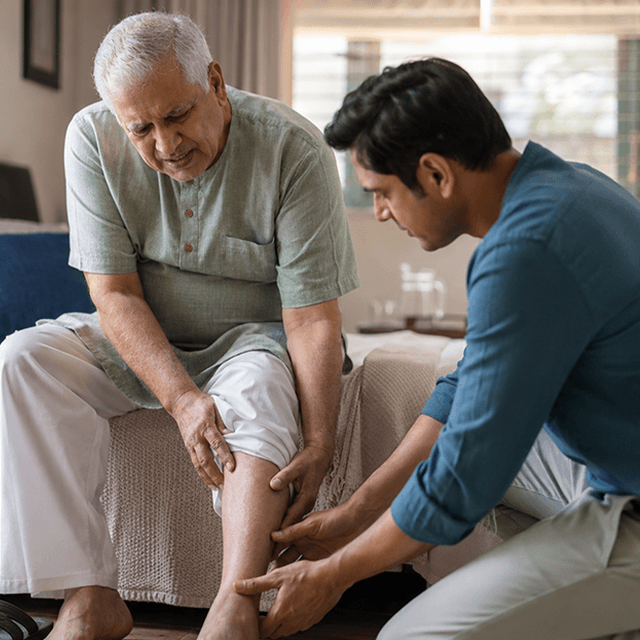


Leg Pain After a Walk: The Recovery Ritual That Keeps Seniors Moving
Article by: Shruti
Article Category: General Wellness
Jul 27, 2026
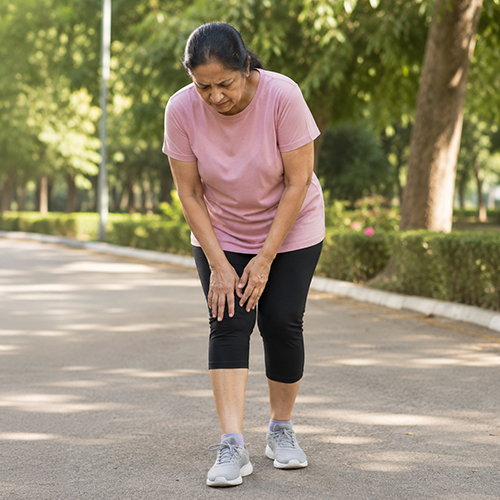
Walks are not the main reason older adults stop what they're doing.
It's how they feel afterward.
How stiff their knees get an hour later.
After enough of these uncomfortable experiences, most parents decide it's just easier to quit going altogether.
Most people are mistaken when they think the pain is cause for them to stop going walking, because this just means they need to set up better recovery goals.
When a parent goes walking, most people will focus on things like the distance, number of steps, pace, and completion time. Recovery is what will determine whether they will be able to walk again tomorrow.
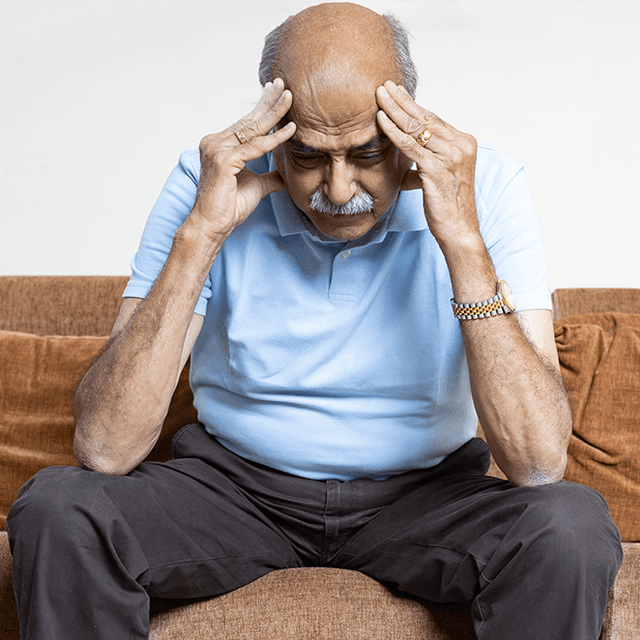
If nothing is done to aid recovery, your parent may completely stop exercising, and will actually develop less strength, balance, and stamina. They'll become less confident leaving the house, and will mistake manageable muscle soreness for a reason to stop moving.
If walking is going to build independence, then recovery is going to make all the difference. More walks will be possible with good recovery, and you will help your parent become active, confident, and independent for longer.
This article attempts to explain why your parent may experience pain in their leg after walking, what an appropriate recovery routine should look like for older adults, and how simple changes can help your parent enjoy tomorrow's walk just as much as today's.
Reasons for Leg Pain from Walking
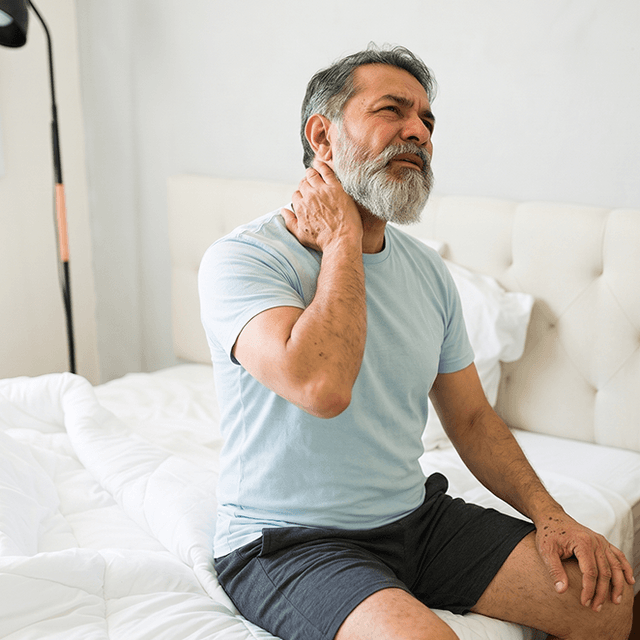
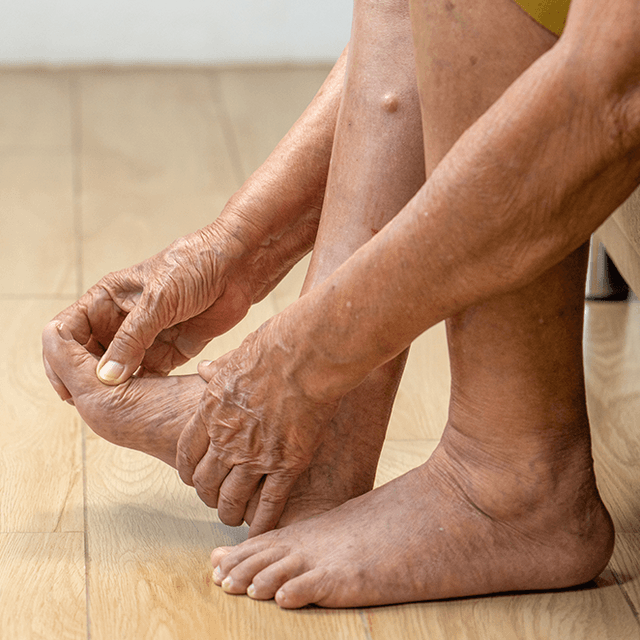
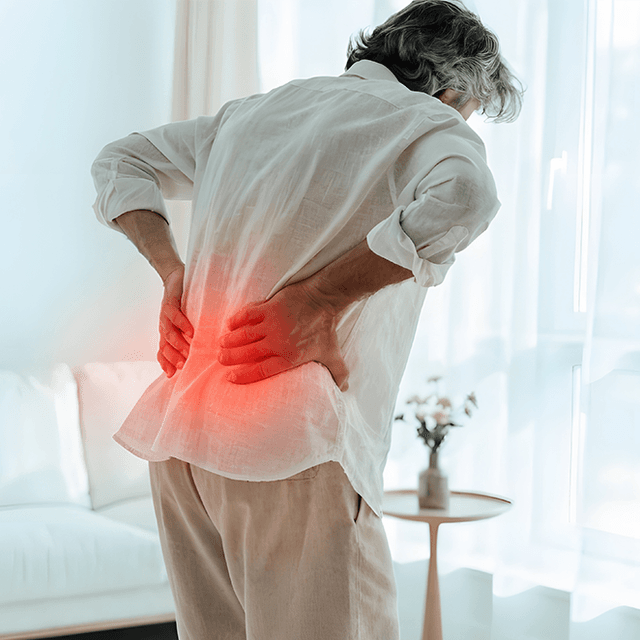
If an individual has a sedentary lifestyle, then their leg muscles will have to exert significant additional effort if they go on a walk. This increased effort can create waste byproducts in the muscle fibers leading to soreness.
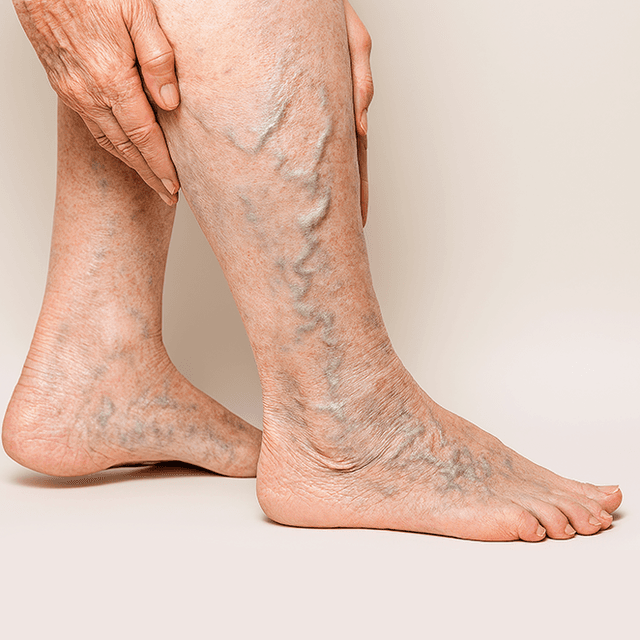
Osteoarthritis or advanced knee and hip cartilage loss can lead to discomfort in the joints because the cartilage has a cushioning effect on the joints. Additionally, since people have aging blood vessels (which makes blood flow less efficiently), walking can leave the legs feeling heavy and tired due to decreased circulation.
This type of soreness signals effort and will typically go away within a day or two.
How to Tell Muscle Pain from Warning Pain
Not all pain should be ignored. If your parent walks faster or for a longer distance, and they feel tightness or soreness across both legs, then this should not be a cause for concern.
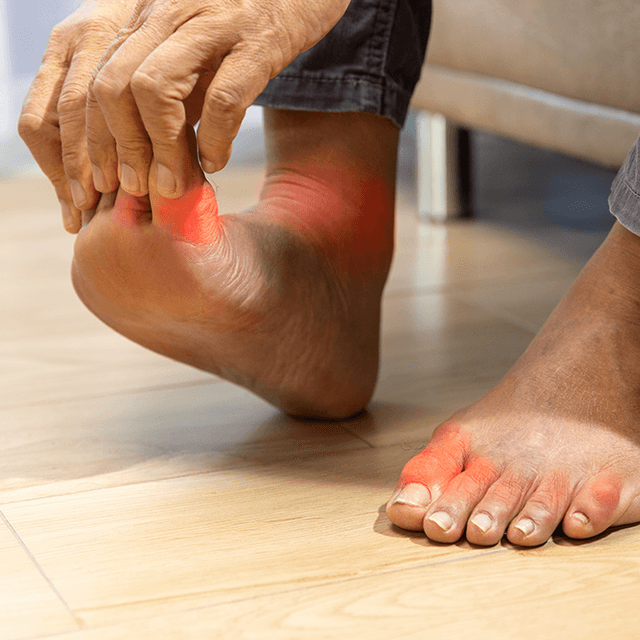
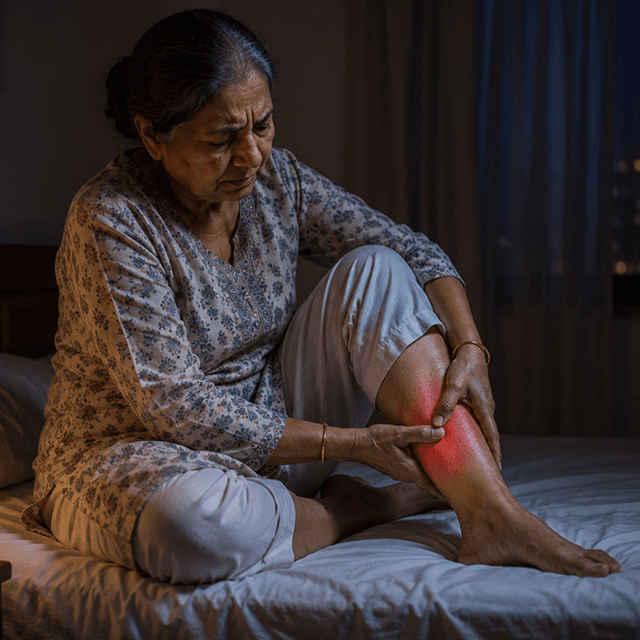
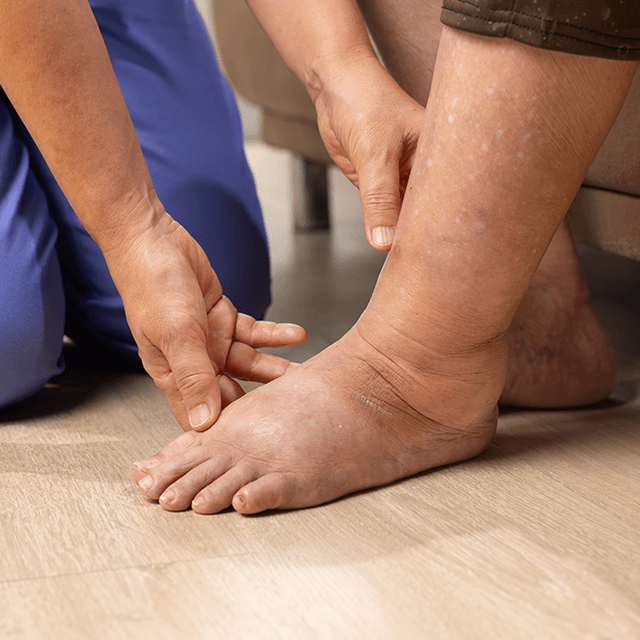
If your parent feels sharp pain in one leg, experiences swelling that does not go down, feels warmth or redness around a joint, or feels pain during a walk, then walking further should be avoided.
Instead of guessing, it is always beneficial to document the changes. The pattern can be better tracked by writing down how he/she feels each evening and the following morning after the walk. Noting down how your parent feels will provide valuable information should he/she have to visit a doctor, especially if the information outlined previously is not present.
How to Ease Leg Pain After a Walk
Resting While Legs Are Elevated
After each walk, sit with your legs raised above your heart for 15-20 minutes to help with fluid retention and swelling in your calves and ankles. Having a wedge pillow can help you keep your legs up without adjusting them.
Gentle Stretching, Not Stopping
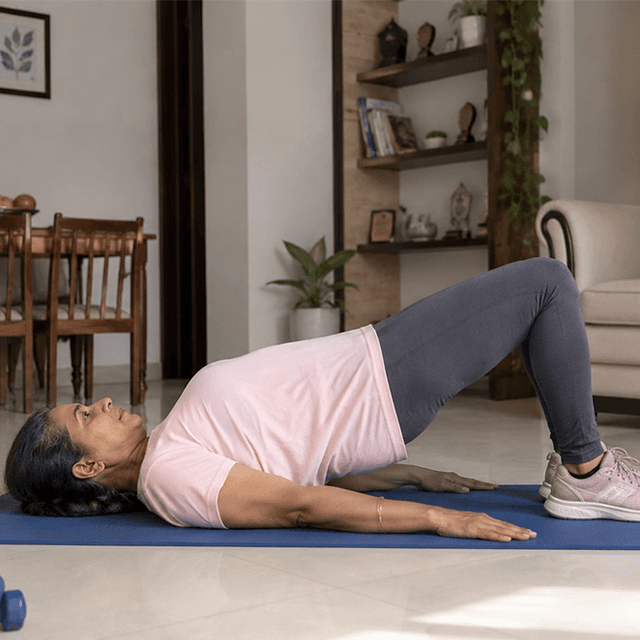
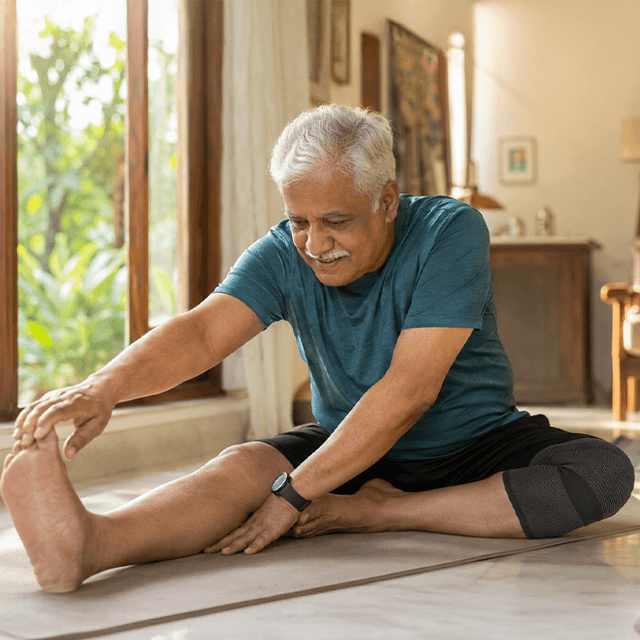
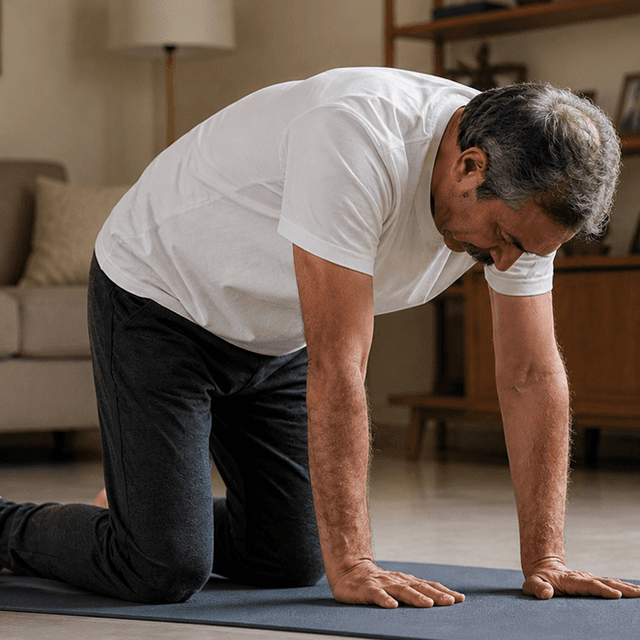
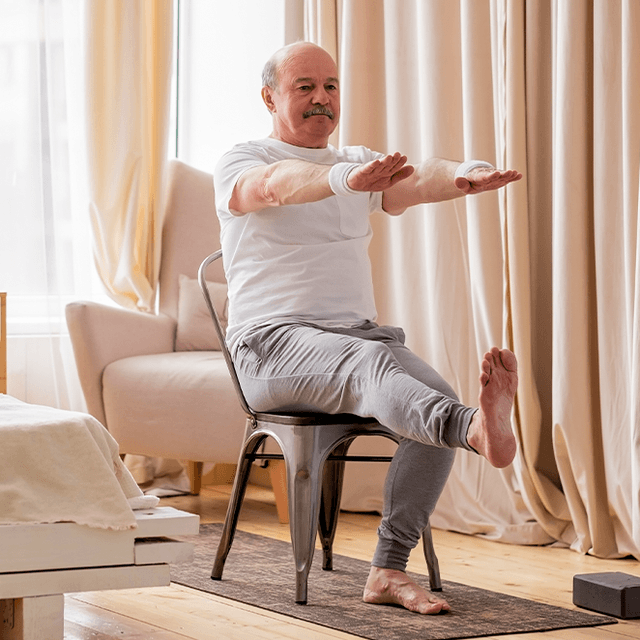
Sitting still after a walk can stiffen your body even more. Gentle calf and hamstring stretches can keep blood flowing and reduce stiff muscles the next day. Hold stretches for 20-30 seconds. Don't do fast stretches, as older tendons are better at slow and controlled movements.
Warm, Massage, and Targeted Relief
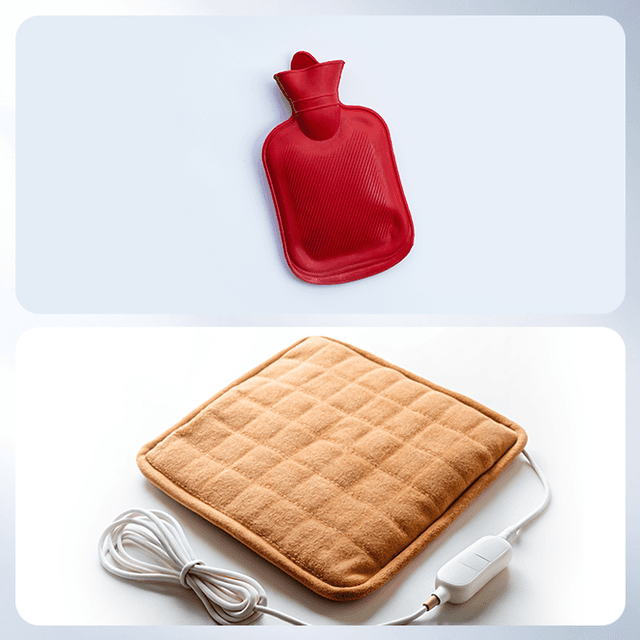
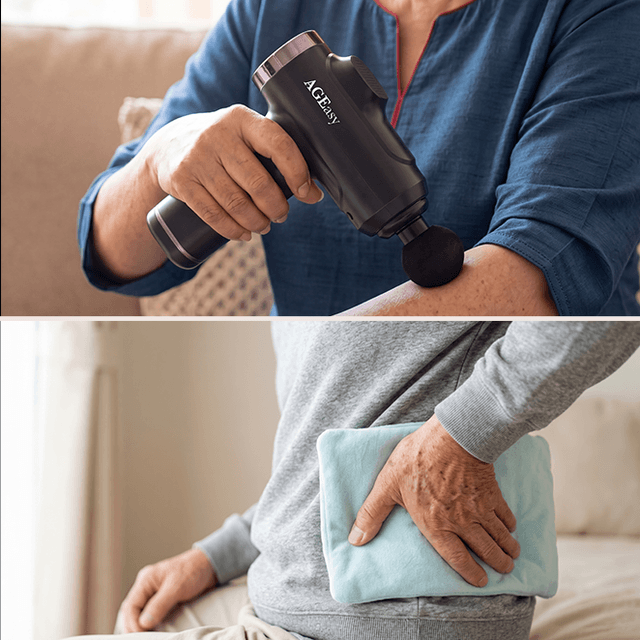
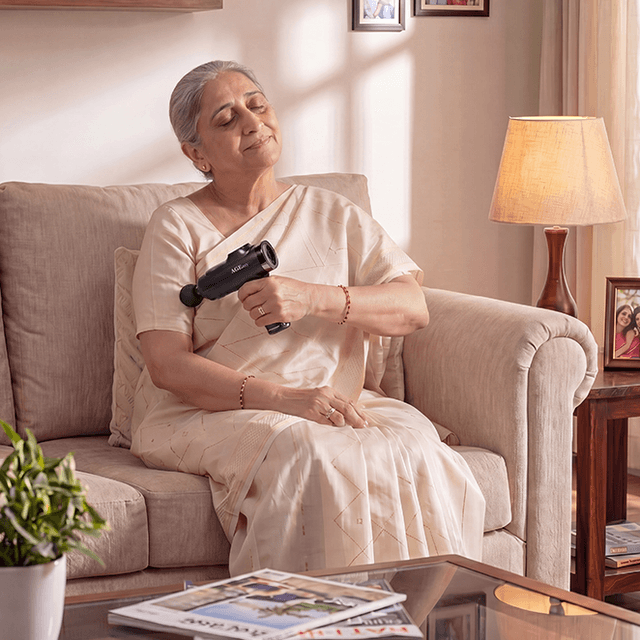
Warm compresses can relax tight calves and make them feel better. Massage your calves and thighs toward your heart to help your circulation and recovery. A joint and muscle relief gel like AGEasy Pain Relief Gel works without being greasy, and can be applied even after a mildly uncomfortable walk. This can become a 2-minute recovery habit, not an afterthought.
Compression and Joint Support
If your parent is experiencing stiffness in their knees, an adjustable knee brace can support their knee and help relieve pressure on the knee joint while walking. The AGEasy Comfort Ease Knee Cap provides your parent with nice compression and a comfortable and breathable fabric, so they can remain comfortable throughout the day. For added support, there are designs with locking side hinges that can help during walking, while still allowing the user to walk freely without restrictions.
Tracking What Lurks Behind the Fatigue
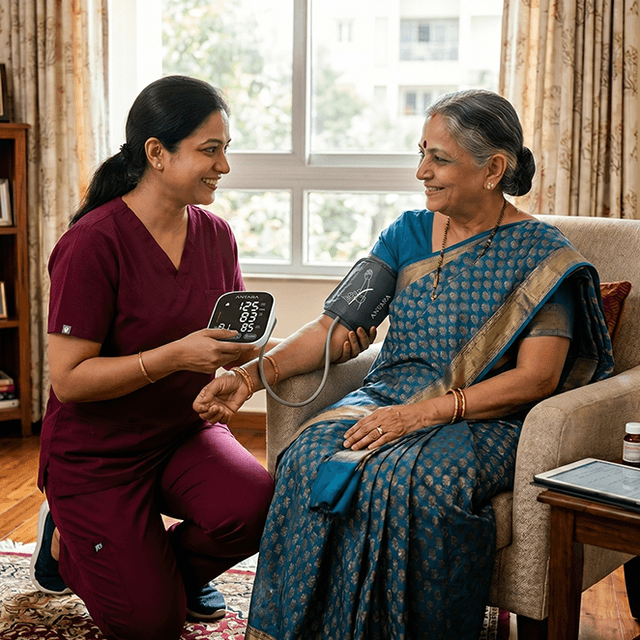
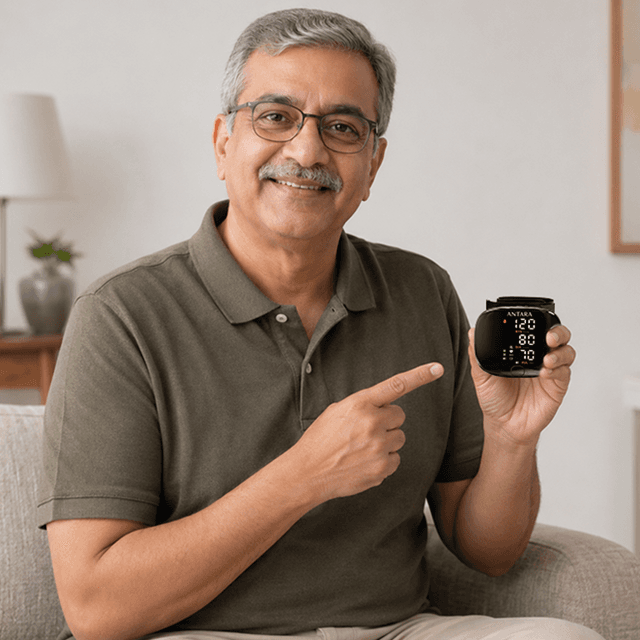
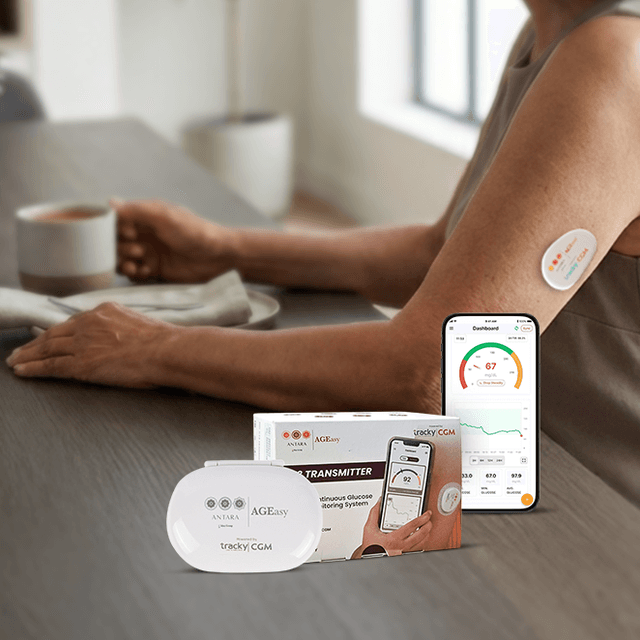
Leg fatigue is not just because of the muscles and joints; it also involves the heart and circulation. If your parent's blood pressure is elevated, their body will become less efficient in the vertical blood flow leading to the legs and can cause that leg to feel heavy or take longer to recover after activity. To understand what is causing your parent's fatigue, partnering with their doctor can help to improve the clarity on their blood pressure recordings.
It is easy to incorporate the AGEasy wrist blood pressure monitor into your parent's daily structure because of how small and portable it is. It can be done in one touch and provides fast readings without the need for an arm cuff to be set up. Keeping a daily log with the monitor can help you and your parent draw connections between walking, recovery, and overall heart health.
Developing a Sustainable Walking Habit
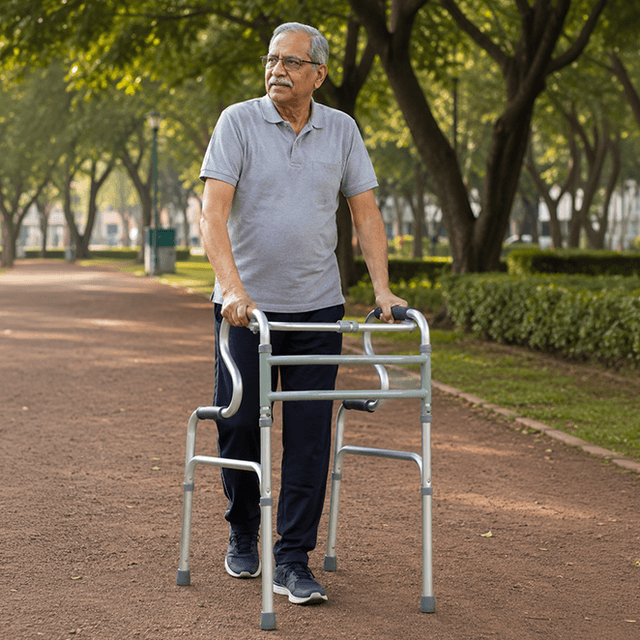
Distance pales in comparison to consistency. Occasional longer walks may leave your parent feeling sore, potentially diminishing their willingness to walk again. Instead, focus on developing consistent walking habits, even if it is just 5-10 minutes a day.
Starting with an easy to walk distance and then adding recovery steps afterward will help build a solid foundation towards longer walks in the future. When it comes to achieving your goals, supportive and comfortable shoes are a necessity. If need be, a walking stick may aid in providing proper balance.
When to Reach Out to a Doctor
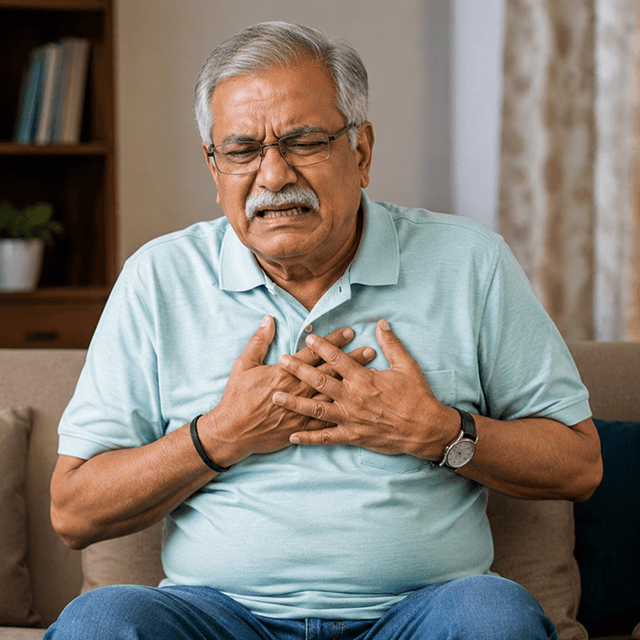
If there is increased swelling in one leg, pain is experienced in the leg while resting, or there is pain over the calf if the skin is warm and discolored, it is time to reach out to a healthcare provider. This includes pain that is sufficient enough to cause shortness of breath. If this happens, it is imperative to seek help immediately.
Medical Disclaimer: This article serves solely for educational purposes and is not meant to be a substitute for professional help. Speak to a qualified medical professional before starting any new exercise regimen or if there are any symptoms your parent is currently experiencing.