
How to Reduce Uric Acid: The Foods That Matter, the Myths That Don't
Jul 16, 2026
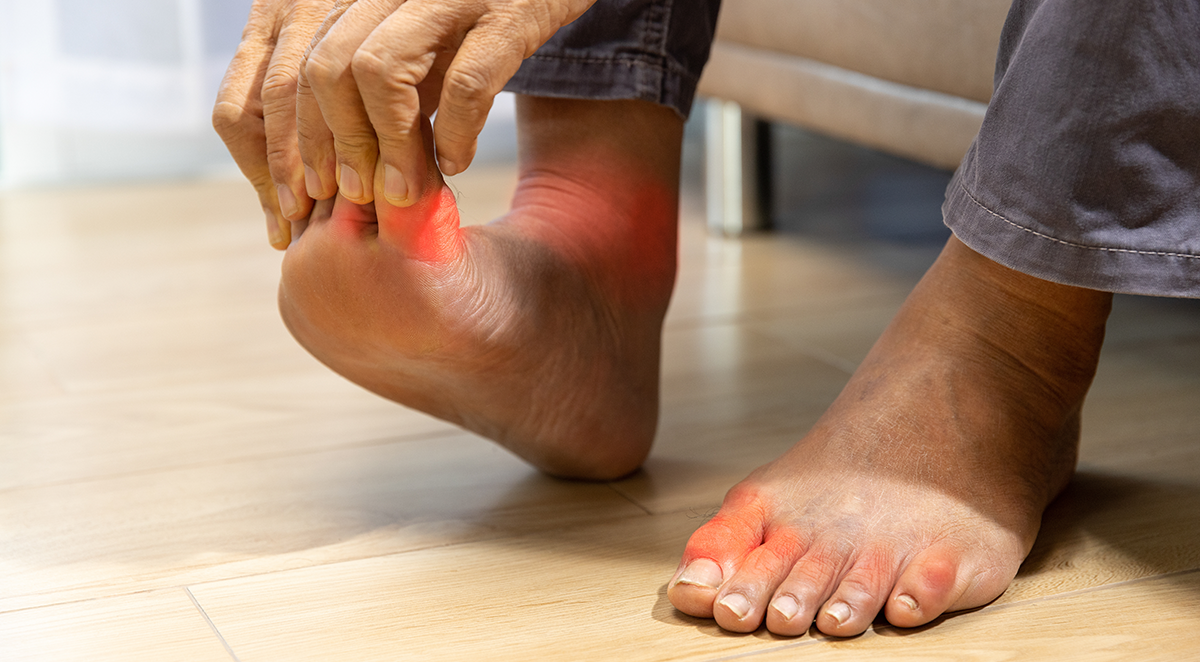
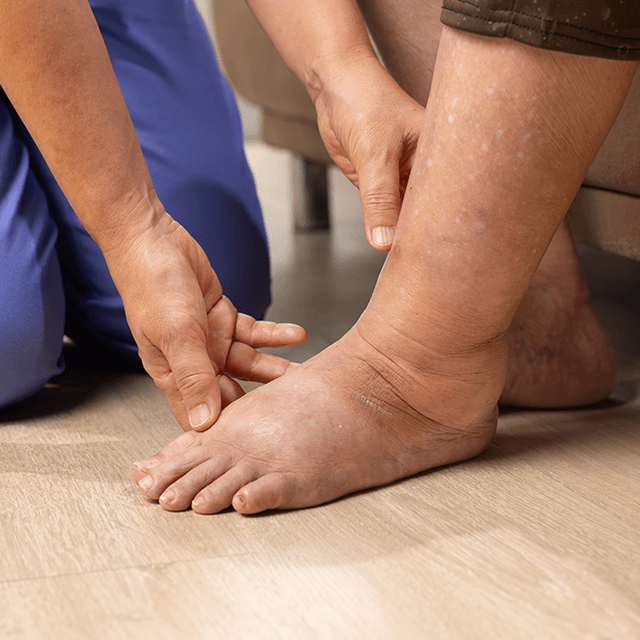
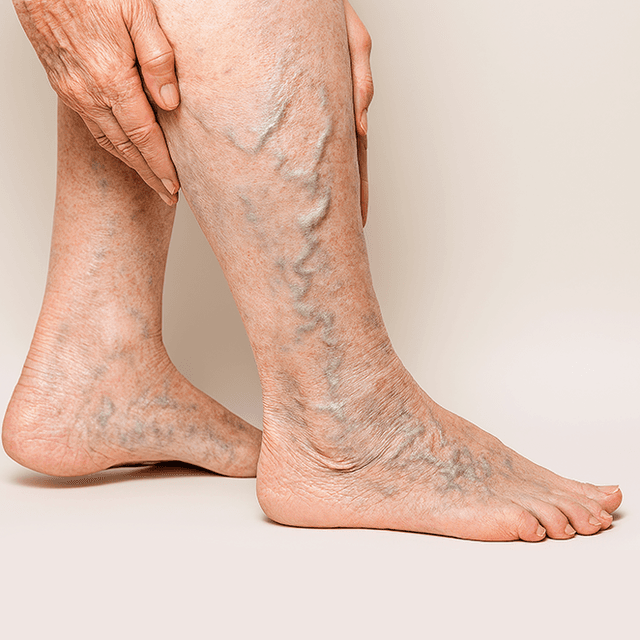
The body does not signal to us when there is a uric acid buildup, and because it does not cause us pain, we tend to ignore it. It is a buildup caused by our daily choices that go unchecked.
Since the consequences don't show up immediately, many people ignore the problem. The accumulation of issues comes from simple daily decisions that no one in the household ever considers.
If you ask most people, they'll suggest that gout can only happen once you get old. Then the food bans start. It could be tomatoes first, then spinach, lentils, mushrooms, and fruits. After 6 months, the kitchen is left with a shorter and sadder menu, no one knows what is actually allowed, and the diet is just as unhealthy as it was at the start.
What most people don't want to hear is that this "folk knowledge" is mostly baseless. What actually works is very simple. Know the specific foods that actually raise uric acid levels, identify and quit the daily routines that are making it worse, and do a few things to prevent flare-ups. That's it.
No one is trying to take away the foods that parents enjoy. The idea is to clear up the misconceptions, so meals are chosen based on health, not on fears passed along by a neighbour.
What Is Uric Acid and What Increases It?
Uric acid forms when the body breaks down substances called purines. They are naturally present in our tissues and in many everyday foods. Normally, the kidneys filter this uric acid and remove it through urine without any trouble. Problems begin either when the body starts making too much uric acid or when the kidneys are not able to get rid of enough of it.
It is not about cutting out all the foods your parents enjoy. It is about clearing up the misconceptions so that meals are chosen based on health rather than unnecessary, folklore-driven fear.
The Foods That Elevate Uric Acid
People often lack awareness about the foods that actually spike uric acid levels, even though the research on various food groups is fairly consistent.
Red Meats and Organ Meats
Red meat and organ meats (liver, kidney, and brain) contain high dietary purine levels. Such foods should not be banned completely, but in the case of gout or elevated uric acid, consumption of red meat should be as minimal and as rare as possible.
Seafood
Almost all fish, including sardines, anchovies, mackerel, shellfish, and fish eggs, are considered high-purine foods. If your parents eat fish, some reasonably good and less harmful alternatives are moderate-purine fish like rohu or salmon.
Alcohol (Especially Beer)
Because of its high purine content, beer is particularly bad. Alcohol is harmful on two fronts: it raises uric acid levels, and it also stops the kidneys from flushing them out. Spirits are less harmful, and moderate wine is thought to be better than beer, though not risk-free. All forms of alcohol should be avoided during flare-ups.
Drinks High in Sugar and Fructose
This trips up a lot of people. Drinks like root beer, bottled fruit juices, and anything sweetened are risky. People with obesity or other metabolic disorders should especially avoid sugary products. Replacing sugary drinks with plain water, or even unsweetened buttermilk, is one of the most meaningful everyday changes a family can make.
The Myths That Make Meals Miserable
There are myths surrounding food that have no real basis. Often, the foods removed from an older adult's diet are rich in protein and other nutrients they actually need.
Myth 1: Tomatoes Lead to Gout
Tomatoes actually have a low level of purines, and although some people believe they've had a tomato-triggered gout flare-up, no large studies show a consistent link between tomatoes and increased uric acid. Unless your parent has observed this pattern multiple times themselves, there is no reason to ban tomatoes.
Myth 2: You Should Avoid Dal, Beans, and Lentils
Legumes do contain some purines, but a large number of studies have shown that purines from plants do not impact gout the way purines from animals do. Older adults need enough protein in their diet to preserve lean muscle mass and reduce the risk of falls and injuries. Assuming an older adult can live without dal is a decision no one should accept lightly.
Myth 3: Spinach and Mushrooms Are Harmful
These vegetables are moderate in purines, but even vegetables that are higher in purines are not considered dangerous, and neither are these. They have great nutritional value, and the risk simply isn't worth avoiding them over.
Myth 4: All Fruits Are Dangerous Due to Fructose
Whole fruits are much better than fruit juices. There is no research proving that eating whole fruits causes gout. Cherries actually help with gout, and so do many other fruits. It's much better to have an apple with lunch than to drink juices or sodas.
Myth 5: Milk and Curd Can Increase Uric Acid Levels
This is not true. Milk and curd are low-fat dairy products that actually help lower uric acid levels. The protein found in dairy products helps the body clear uric acid more effectively. This is especially good news for vegetarian older adults.
What Actually Helps: A Practical Plan
The evidence suggests a few behaviors that will have the largest impact.
- Drinking more water gives the best results. The kidneys require water to help flush out uric acid. Aim for about 2–3 litres a day unless a doctor advises against it due to a heart or kidney condition. Many older people drink much less than this.
- Removing sweetened beverages and limiting alcohol. These are easy changes to make. They don't interfere with meal times, and many people notice the biggest benefit from these changes alone.
- Be sure to include dal, vegetables, a serving of dairy, and whole fruits in your meals. These foods are protective or neutral and will help keep your diet balanced enough to build and maintain healthy muscles and bones.
- Focus on losing weight gradually and staying near your target weight. Losing weight too quickly can actually raise uric acid levels, so avoid crash diets or prolonged fasting, as these can trigger a flare-up. The only sustainable way to lose weight is gradually, combining good food with some light exercise.
As mentioned above, it is best to stay active, but not in a way that punishes or harms the joints. Activities like walking and swimming, coupled with some light resistance or strength exercises, can be helpful. If walking is difficult due to knee pain, you can use assistive devices designed for easier movement. In particular, a well-fitted knee brace that offers gentle compression with hinged controls can help lessen the strain during day-to-day activities.
To reduce the pain of ongoing knee and joint discomfort in our parents, it helps to use topical analgesics instead of relying on more oral medications. AGEasy Knee Pain Relief Gel and Pain Relief Roll-On use turmeric, clove oil, menthol, and wintergreen to reduce stiffness and soreness around the knees. A well-fitted sleeve like the AGEasy Comfort Knee Cap can also provide support and protection to the knee during movement or while recovering.
There are also pain relief creams that work quickly and can soothe sore joints after walking. Many seniors also use a combination of glucosamine, boswellia, and curcumin to help their joints feel better.
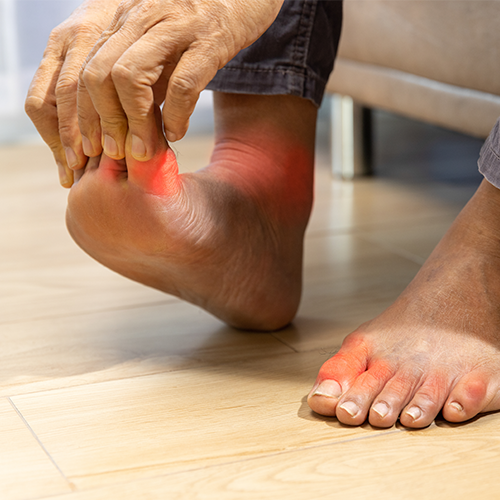
During a flare-up: rest and elevate the affected joint. Wrap the joint in a cloth and ice it in 15–20 minute intervals. Stay hydrated. Avoid alcohol and take any prescribed anti-inflammatory medication. If the joint is hot, red, and accompanied by a fever, reach out to your physician immediately.
When Should You See a Doctor?
Changes in diet can support treatment, but cannot replace it. If you have high uric acid due to diet changes or increased stress, if you have flare-ups more than twice a year, kidney disease, kidney stones, or visible bumps on your joints, or if you wish to change or stop any medications, see your physician.
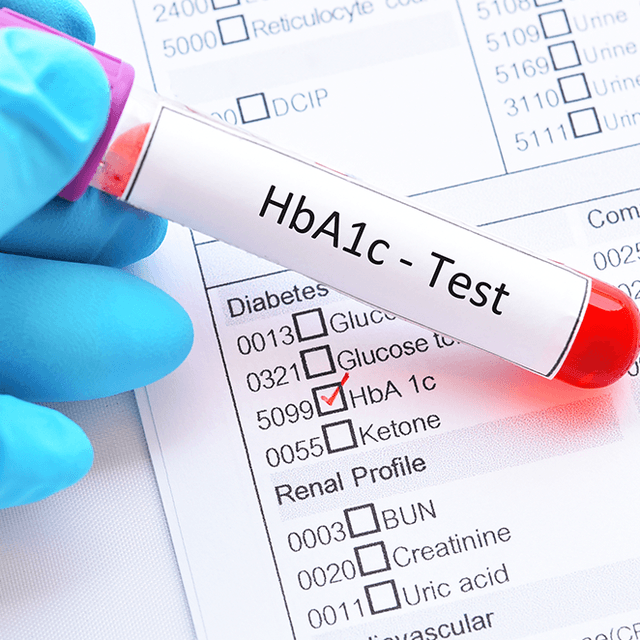
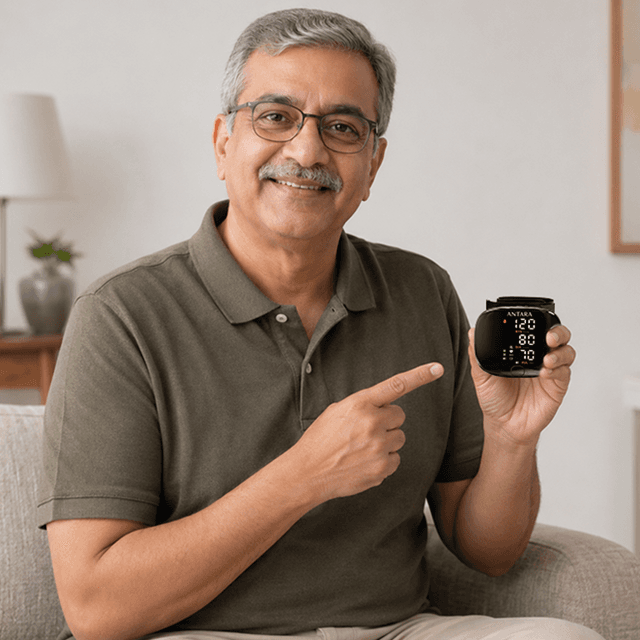
You should consult your physician on a regular basis, because uric acid levels can be related to high blood pressure and high blood sugar. This means you should measure your blood pressure and get blood tests done on a regular basis. Using an AGEasy digital blood pressure monitor can help you get accurate readings to share with your physician.
Summary
To lower high uric acid levels, focus on the foods that are actually permitted. Reduce or stop the consumption of red meat and alcohol, stop drinking sugar-sweetened beverages, drink more water, and include dairy, tomatoes, dal, and spinach freely, since none of these are the culprits folk wisdom makes them out to be. With a physician's guidance, it's possible to make meals enjoyable again for your parents.
Disclaimer: This text is intended to provide information and should not be interpreted as medical advice. For any consultations or possible diagnoses related to high uric acid levels or gout, a qualified practitioner should be consulted.