

Fasting vs Post-Meal Sugar: A Senior-Specific Chart (Because Targets Relax After 65)
Article Category: General Wellness
Article by: Riya
Jul 24, 2026
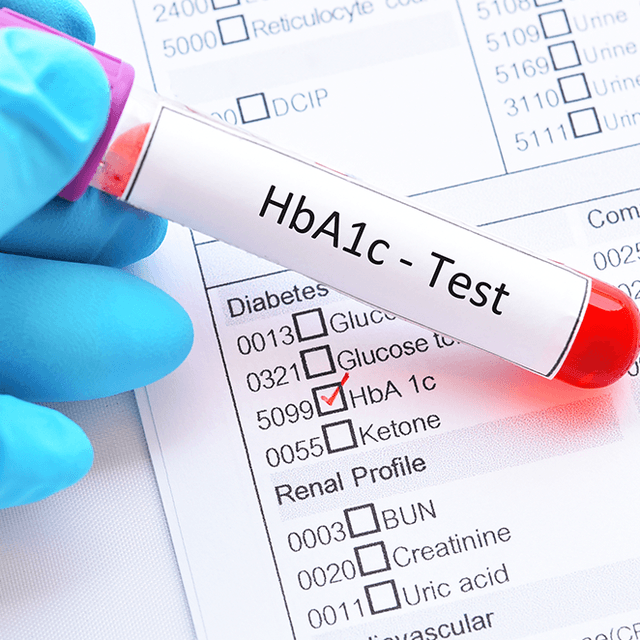
Your parent's fasting sugar reads normal. Their HbA1c is in normal range as well. Yet they still feel tired after meals and complain of dizziness.
Some older adults show readings that climb later in the day, a pattern a single morning reading misses entirely. A single reassuring number suggesting that diabetes is under control does not tell the whole story.
For older adults, both fasting and post-meal sugars are important.
The target numbers for older adults with diabetes differ from those of younger adults. In those over 65 years, the focus moves from the pursuit of numbers to the maintenance of blood sugar levels that avoids complications, falls, and the dangers of over-treatment.
When one knows what fasting and post-meal readings indicate, understands the appropriate age and health specific targets for their parents and recognizes when those targets should be adjusted, they prioritize healthy aging over the pursuit of numbers.
What Fasting Blood Sugar Tells You
Fasting blood sugar is measured after at least eight hours without food, so it gets tested first thing in the morning. It reflects how well the body controls glucose levels overnight, how much the liver releases, and how well insulin controls it.
A high fasting glucose level indicates either insulin resistance or a decrease in insulin secretion, both of which are common with diabetes. Situations in which fasting readings are below 70 mg/dL represent hypoglycemia which can lead to dizziness, confusion, weakness, and falls, especially in the elderly, and as such, is a medical emergency. Recurrent episodes of acute hypoglycemia may also increase the risk of cognitive decline.
What Blood Sugar Levels After a Meal Mean
Blood sugar levels after eating, also known as postprandial blood sugar, is measured 2 hours after the meal begins. This test shows how well the body handles the rise in glucose that follows eating.
Many older adults experience the inability to regulate their blood glucose levels after eating long before their fasting levels become abnormal. With aging, the body's insulin response to food diminishes, prolonging the duration of elevated glucose levels post-consumption.
Some seniors can have normal fasting blood sugars yet have drastic increases after consuming food. As the fasting blood sugar levels are assessed prior to food consumption, they fail to account for these fluctuations. Chronically elevated blood sugar levels following eating can cause fatigue, and blurred vision and over time can increase the risk of damage to blood vessels, nerves, kidneys, and other organs.
Why Blood Sugar Targets Become More Flexible After 65
For younger adults with diabetes, tighter glycemic control lowers the long-term risk of eye, nephron, nerve, and cardiovascular complications. As one advances in age, the treatment objectives are subject to change.
In older adults, the potential long-term benefits of intensive glucose control are less than the risks, especially hypoglycemia. Dizziness, falls, fractures, and hospitalizations are all a result of low blood sugar.
Furthermore, older adults may find low blood sugar especially dangerous as it can cause heart rhythm problems and lead to cognitive deterioration. Therefore, the American Diabetes Association recommends that, together with other geriatrics care recommendations, clinicians adjust glycemic control targets based on the patient's health status, functional ability, and life expectancy.
In general:
- Older healthy adults with few chronic illnesses and good physical and mental health should aim for targets that are the same as what is expected for younger adults.
- Elderly patients with multiple chronic conditions or mild cognitive impairment should have targets that cause less risk of hypoglycemia.
- Elderly patients with advanced illnesses and significant cognitive decline should have less strict goals with more emphasis on comfort, avoiding all symptoms and hypoglycemic episodes instead of strict long-term control.
Senior-Specific Chart
These values are based on the recommendations from the American Diabetes Association (ADA) for older adults. They should be used as starting points for conversations with your parent's physician, not as substitutes for personalized recommendations.
| Health Status | Fasting / Pre-meal (mg/dL) | 2-hr Post-meal (mg/dL) | HbA1c Goal |
|---|---|---|---|
| Healthy, independent, few chronic conditions | 90–130 | Below 180 | Below 7.0–7.5% |
| Multiple chronic conditions or mild cognitive/functional decline | 90–150 | Below 200 | Below 8.0% |
| Poor health, advanced illness, or limited life expectancy | 100–180 | Below 220, symptom-free | Avoid symptoms; HbA1c less useful |
The chart highlights two principles.
- First, targets need to relax as an older adult becomes frail or develops multiple chronic illnesses. The risk of hypoglycemia and its consequences, including falls, fractures, and hospitalisation, rises with age and frailty. In these cases, preventing low blood sugar becomes a higher priority than maintaining tight glucose control.
- Second, post-meal targets sit higher than fasting targets across every health category. Blood sugar rises naturally after eating, even in people without diabetes. Post-meal testing exists to catch excessive or prolonged spikes, not to prevent the normal rise that follows a meal.
When One Number Looks Good and the Other Doesn't
When fasting blood sugar is normal, but post-meal blood sugar is high, this suggests that the body's early insulin response to food has weakened. This pattern is common among older adults with diabetes or pre-diabetes. Depending on the particular reason, a healthcare professional might recommend changes to the dietary plan including the structure, timing, and/or sequencing of meals; the addition of a prescribed level of post-meal physical activity; medications; or monitoring of blood sugars. Chronic elevated postprandial blood glucose levels increase the risk of cardiovascular diseases and complications related to diabetes.
High fasting blood sugar and normal post-meal blood sugar reflects increased glucose production by the liver overnight, the dawn phenomenon, or other causes of high morning blood sugar. More rarely, overnight hypoglycemia causes high morning blood sugar. If this pattern persists, discuss it with your healthcare provider before making any changes to diabetes medications.
If fasting and post-meal blood sugar are both elevated and the HbA1c is normal, then such results require further assessment. This is common when the elevated results are recent, when particular medical conditions impact the HbA1c, or when blood sugar levels are experiencing significant fluctuations throughout the day. A healthcare provider will suggest repeat testing or continuous glucose monitoring to capture the pattern.
How to Monitor Blood Sugar Without Complications
Most elderly adults will not be able to feasibly conduct multiple fingerstick blood tests daily due to reduced dexterity, discomfort, and difficulty seeing, and remembering to test at the correct time can interfere as well. Post-meal testing, however, is often the most valuable test because it provides insight about the body's response to food.
Shortcomings of Fingerstick Testing
Traditional glucose meters show only a single measurement at a time, and even if a person manages to do post-meal fingerstick testing, blood glucose values do not tell the complete story because they do not provide information about blood glucose levels before the meal, during the night, or about how close to the recommended glucose level the person remains.
Glucose Meter Devices
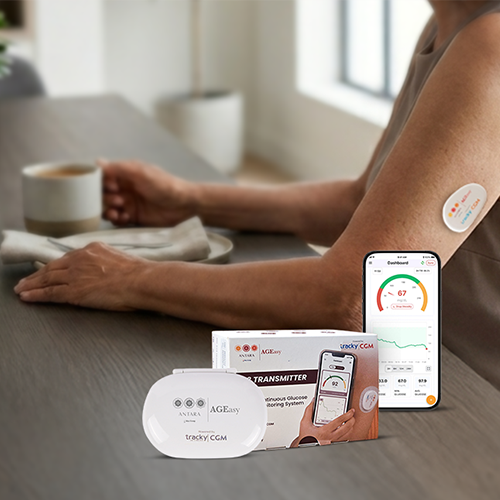
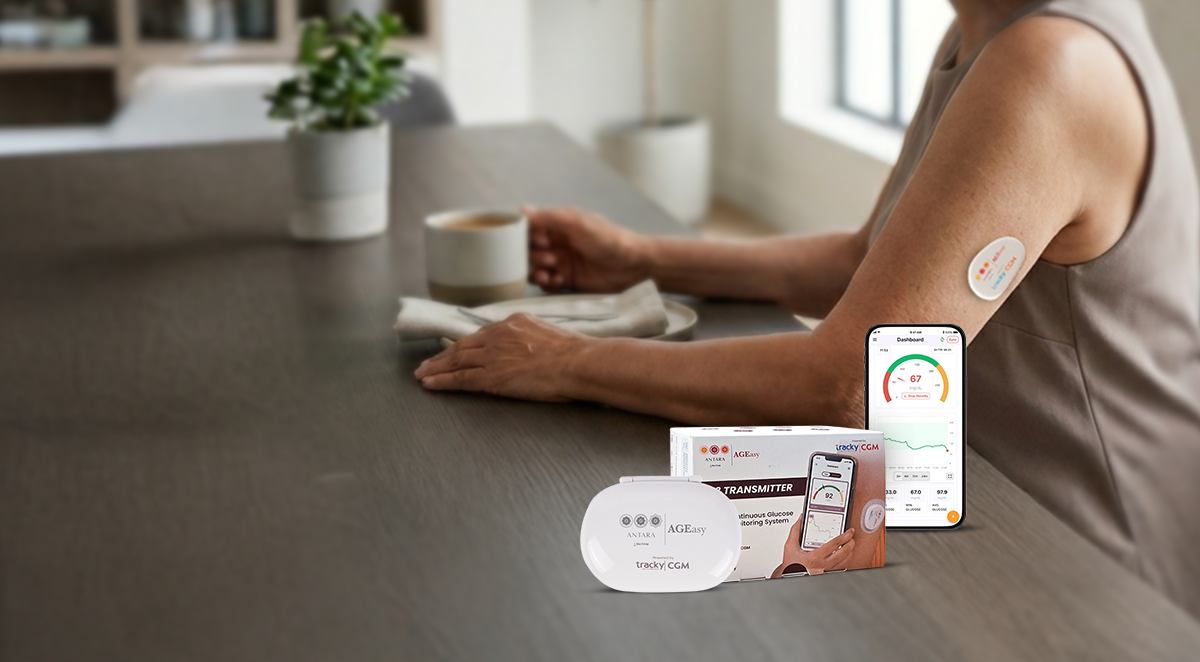
Older adults and their families can now use glucose meter devices to monitor trends in blood glucose values remotely. Glucose monitors also send notifications when blood glucose levels are too high or low, and some devices, such as the AGEasy CGM and the AGEasy Continuous Glucose Monitor (CGM) + Transmitter, include additional senior-friendly features.
Options Available
Your physician can still receive valuable information from a patient's blood glucose levels, even if diabetes doesn't allow the patient to use a CGM.
Here's a potential approach:
- For 2 to 3 weekdays, check your fasting blood sugar in the morning.
- Do a blood sugar check two hours post the biggest meal of the day on each of those days.
- Keep track of your measurements along with signs of dizziness, fatigue, sweating, and shakiness.
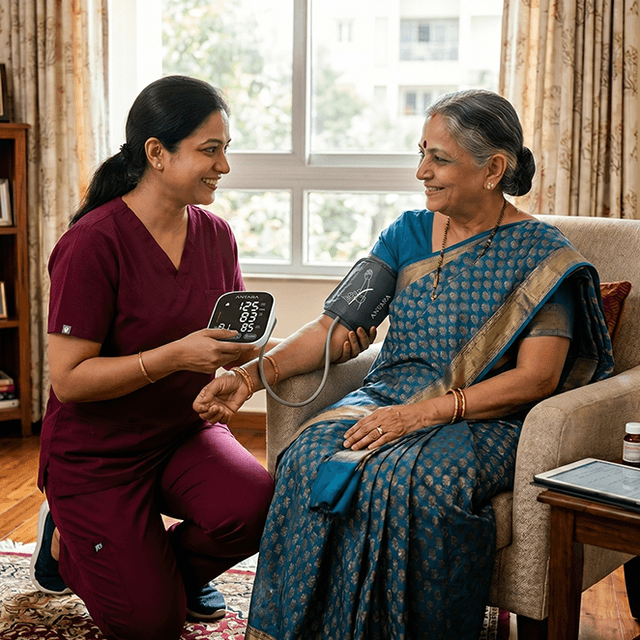
- Many older patients who have diabetes also have hypertension, and so tracking both blood sugar and blood pressure can help your provider. Blood pressure and glucose monitoring can be done with a home blood pressure monitor, so your provider can make better-informed decisions regarding your treatment.
When to Discuss Your Blood Sugar Targets With Your Doctor
Your doctor should be asked about blood sugar targets regularly, especially when changes occur in a parent's health or medications.
Targets may be too strict if:
- You experience chronic shaking, sweating, confusion, or dizziness.
- You have blood sugar levels that are low, consistently and multiple times (i.e. 70mg/dL and below).
- You have recurrent falls or near falls.
- You miss meals while following the prescribed diabetes medications.
- You have memory issues that complicate taking the medication.
With these issues, the potential dangers of hypoglycemia outweigh the risks.
Your treatment plan may need an adjustment if:
- You consistently have high blood sugar when you fast or after meals.
- You consistently have post-meal blood sugar levels above what your doctor targets.
- You notice excessive thirst, urination, fatigue, and blurred vision.
- You have two consecutive HbA1c tests above your individual target, while you have adhered to the treatment plan.
It is important to talk to your healthcare provider about the issues stated above. Your healthcare provider is looking beyond a single reading and focuses on the patterns and symptoms and the health as an entire whole.
The Bottom Line
A single normal fasting blood sugar reading does not always indicate good control of diabetes and a single high reading does not indicate that treatment is failing. It is more important to assess patterns over time than to focus on individual numbers.
For older adults with diabetes, it is important to consider a few more questions. Is the average blood sugar level well in the safe range throughout the day? Are there any instances of low blood sugars? Do the goals consider the person's health, daily activities, and risk of low blood sugars rather than their age?
You should take all fasting and post-prandial readings to the next appointment. Along with the HbA1c and other symptoms, this gives a better understanding of your parent's diabetes control.
Blood glucose targets can change over time just as your parent's health, medications, and functional status change. What is a good target for a 68-year-old is not necessarily the same for a 78-year-old.