

Muscle Pain Relief Without Medication: A Caregiver's Guide
Article by: Vidhusha
Article Category: General Wellness
Jul 27, 2026
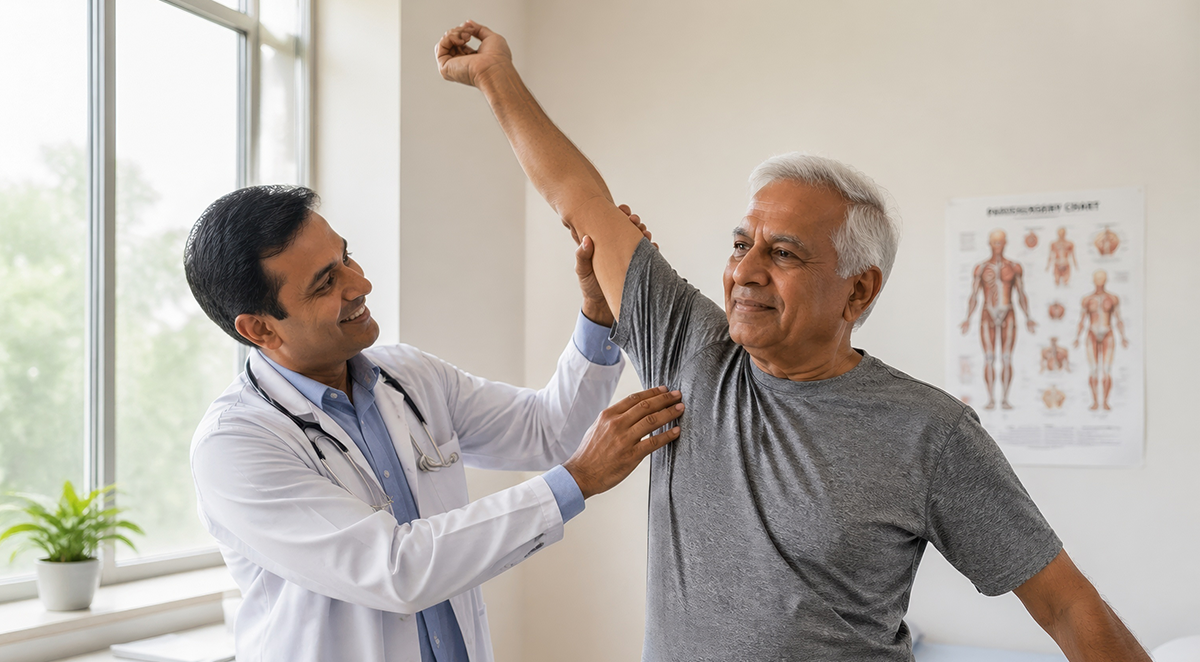
There are other ways to help that do not involve medicine.
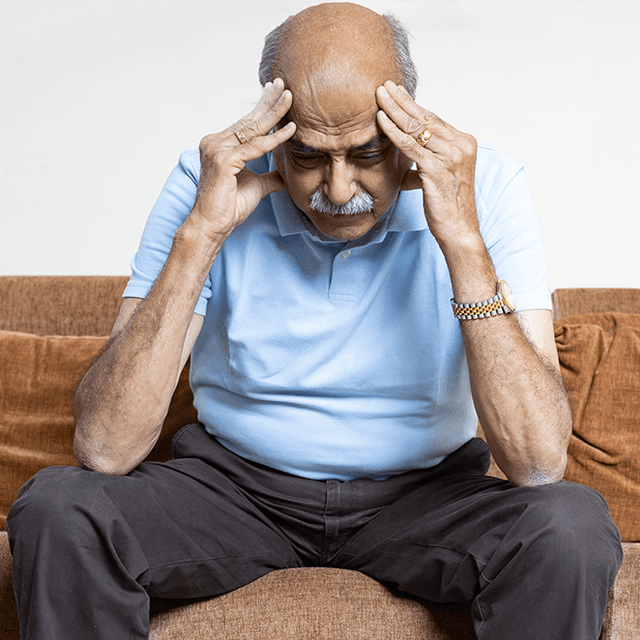
When your parent has sore muscles, you are quick to reach for a pain reliever. While it may help temporarily, the pain will return. Many families fall into the trap of thinking that pain medication is the only option for managing chronic muscle pain. This is simply not true.
Before you try another pain pill, the strongest topical analgesic, the latest gadget, or a home remedy that will not work, try to find the source of the muscle pain. Your parent could simply be experiencing discomfort from extended periods of time sitting in one position, post workout or after therapy soreness, everyday tiredness or maybe it is a symptom of something serious and requires medical attention. Not all muscle aches are caused by the same thing and therefore not every solution can be found in a medicine cabinet.
If you rely on quick-fixes, your parent will continue to suffer with constant discomfort, and eventually become less active because movement becomes painful. He or she will miss important opportunities to strengthen and improve flexibility. An underlying issue that requires medical attention will also go unnoticed.
When supportive recovery is done correctly, your parent will not only learn to manage everyday discomfort, but will also feel more confident and active. In addition, it will aid in any medical treatment the doctor prescribed and help to promote and sustain an active lifestyle for many years dealing with chronic pain.
This article explains how to relieve muscle pain without medications using gentle movement, heat therapy, massage, stretching, hydration, and recovery habits while also helping you identify pain that requires medical attention before using home care methods.
Understanding the Type of Muscle Pain Your Parent Has
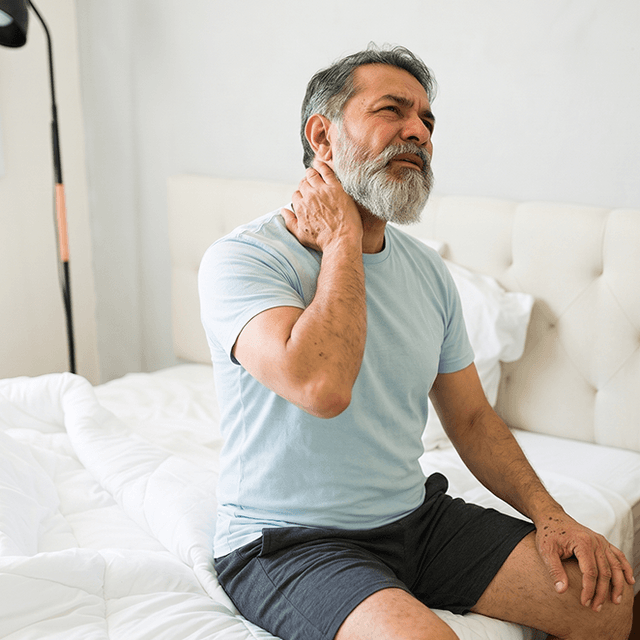
Muscle pain is a common complaint among older adults, and each type of pain requires distinctive approaches to care.
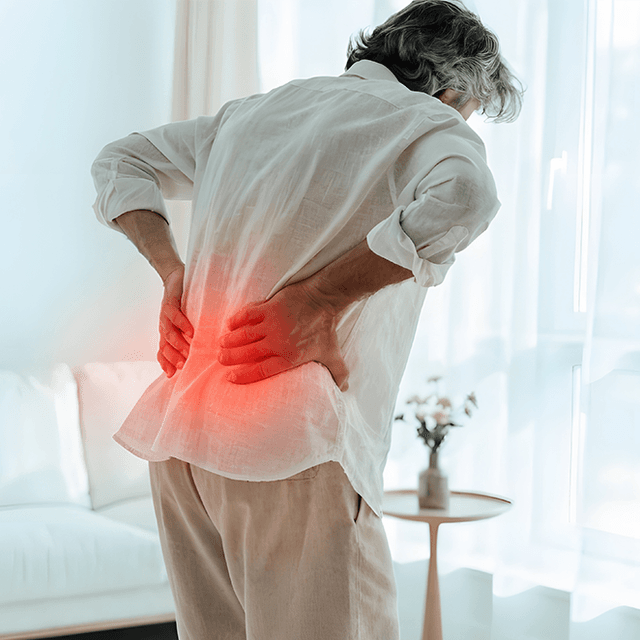
Stiffness from inactivity occurs after extended periods of sitting or lying down. The muscles tighten and movement feels laborious. Pain of this nature typically subsides after your parent begins to move.
Soreness after activity, including physical therapy or light exercise, is a typical response to muscle exertion. Your parent feels this the most within a couple of days after the activity.
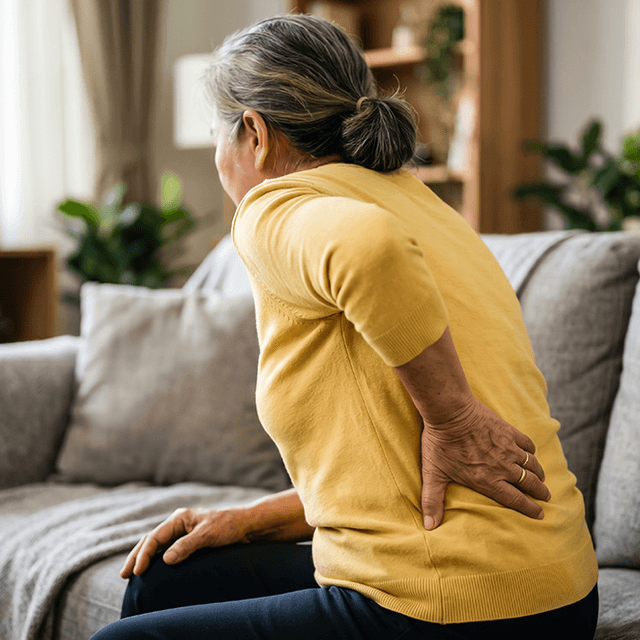
Overuse strain develops over time as a result of repetitive movements, poor posture, or uneven load bearing (e.g. carrying a bag on one shoulder). This is common in the back, shoulders, and legs.
Using these patterns enables you to provide the appropriate response to the underlying cause instead of using a catch-all solution.
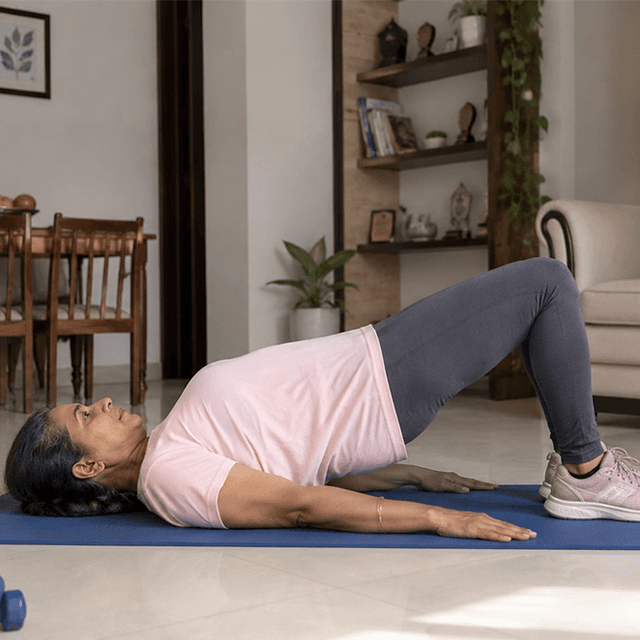
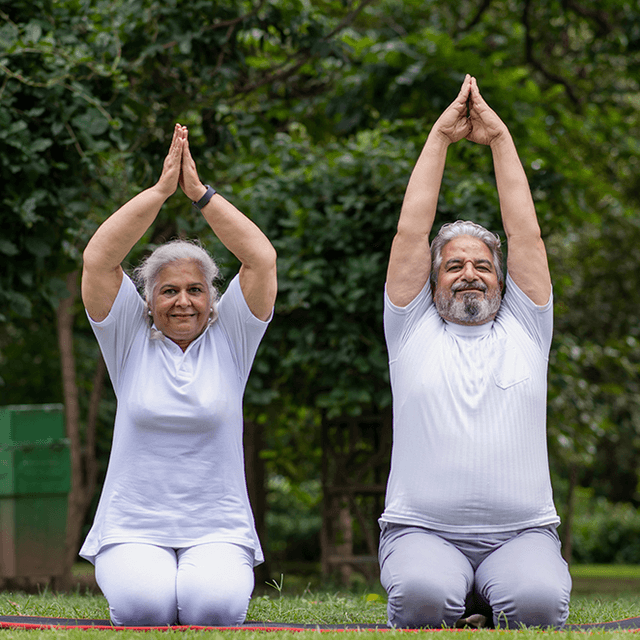
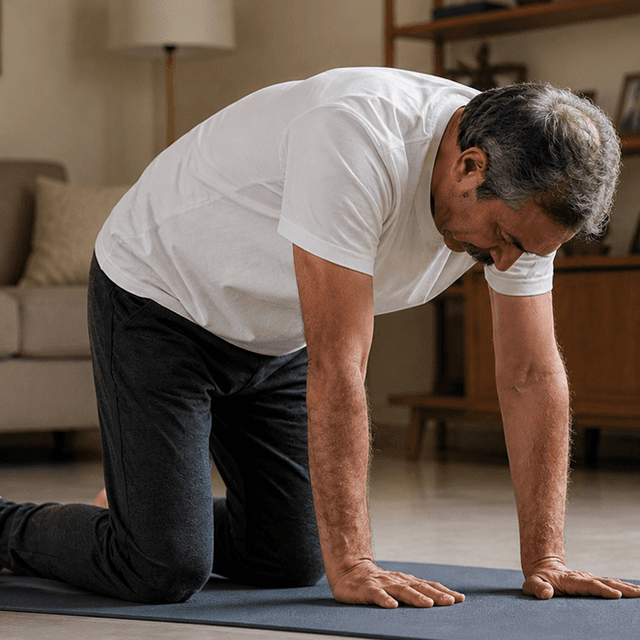
Gentle movement often provides better results than rest. When a parent reports muscle pain the most common assumption for relief is rest. Contrary to popular belief, insufficient activity can cause increasing stiffness as a result of prolonged inactivity.
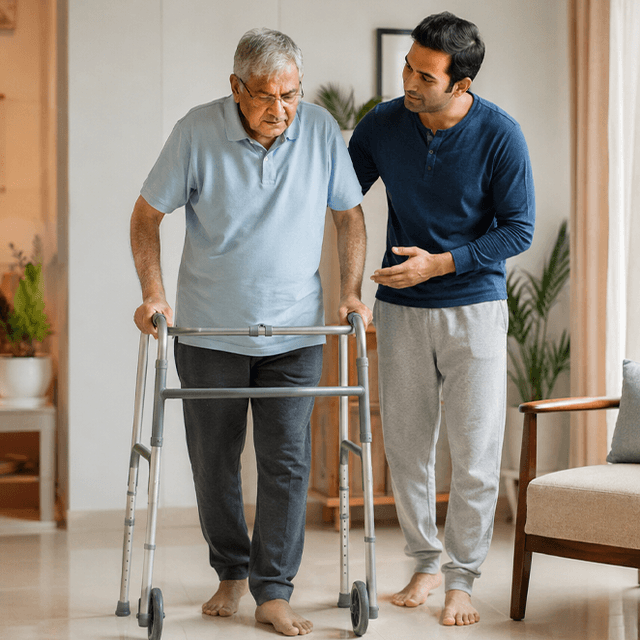
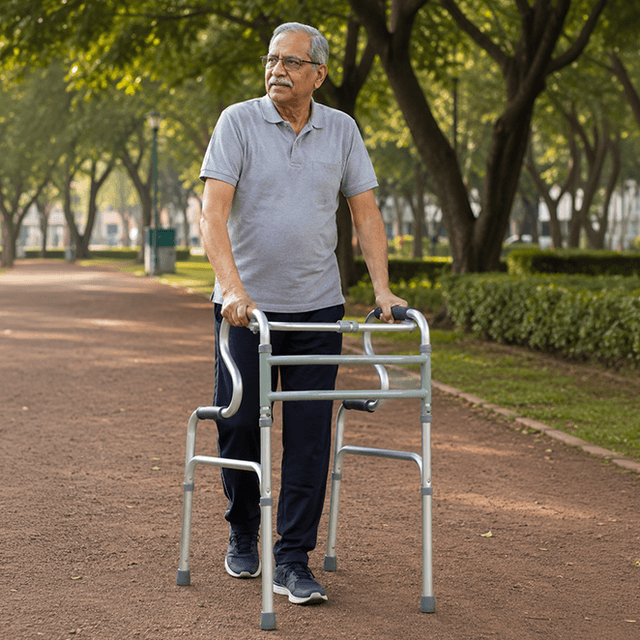
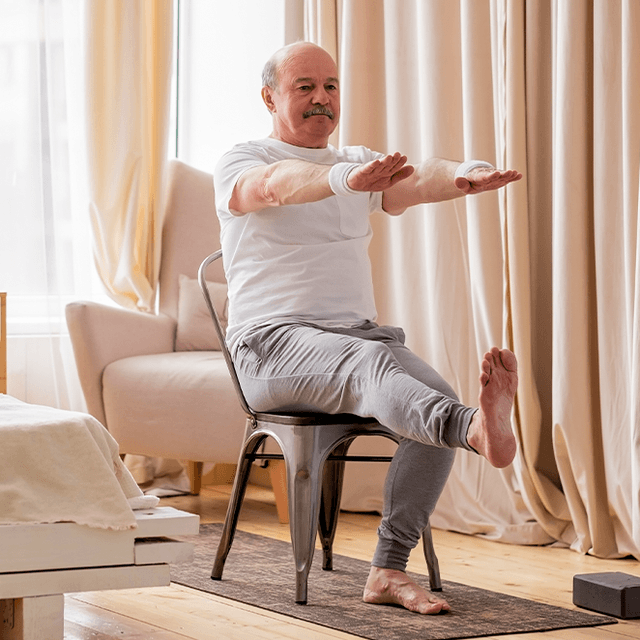
Incorporating short, gentle movements into your parent's daily routine will encourage improved circulation and joint mobility. Gentle movements and stretches include seated leg lifts, shoulder rolls, and walking short distances. If your parent is in contact with a physio, adhere to their recommendations and avoid introducing other exercises.
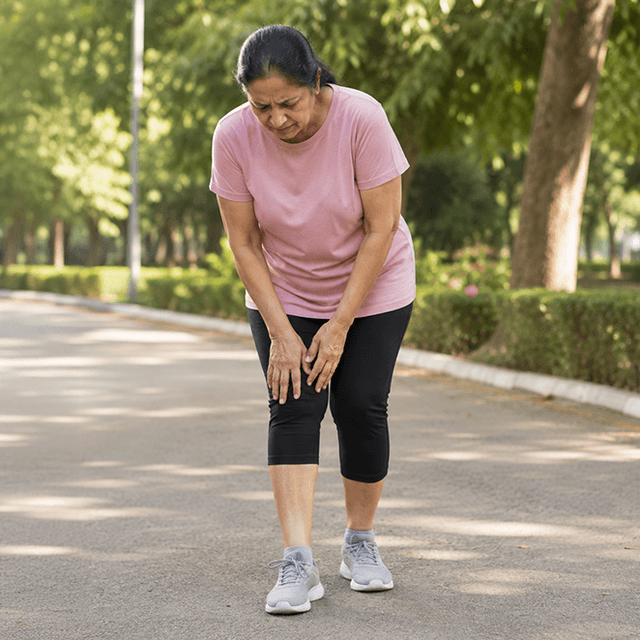
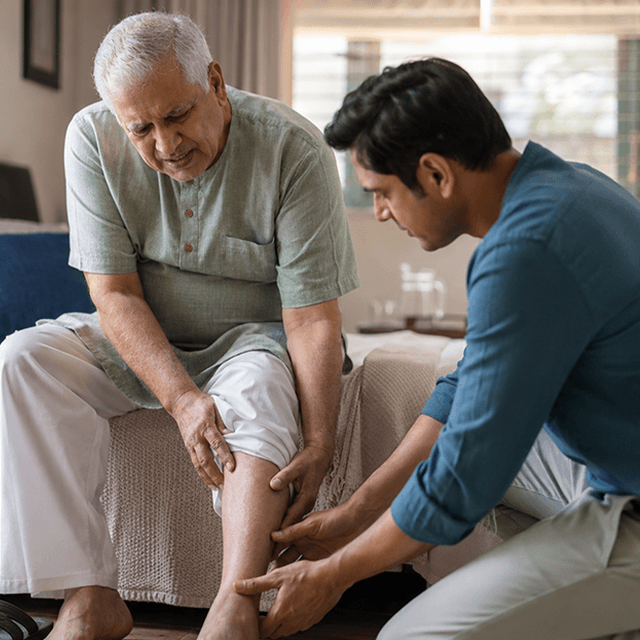
For parents in post-operative recovery or with joint issues, a knee support such as the AGEasy Comfort Knee Sleeve can be beneficial. It provides light compression and stability to the knee, allowing for greater movement during the day.
Everyday Heat Therapy for Soreness
The use of heat therapy promotes increased circulation within the target area and provides relief to any tension that may be present in the muscles.
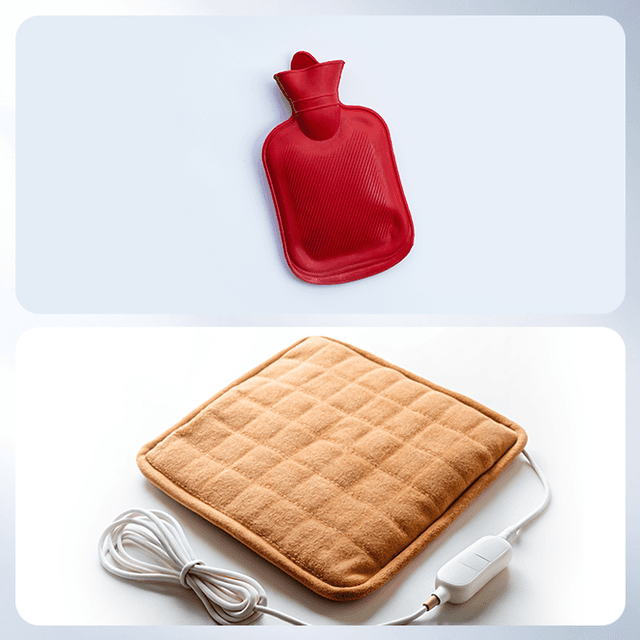
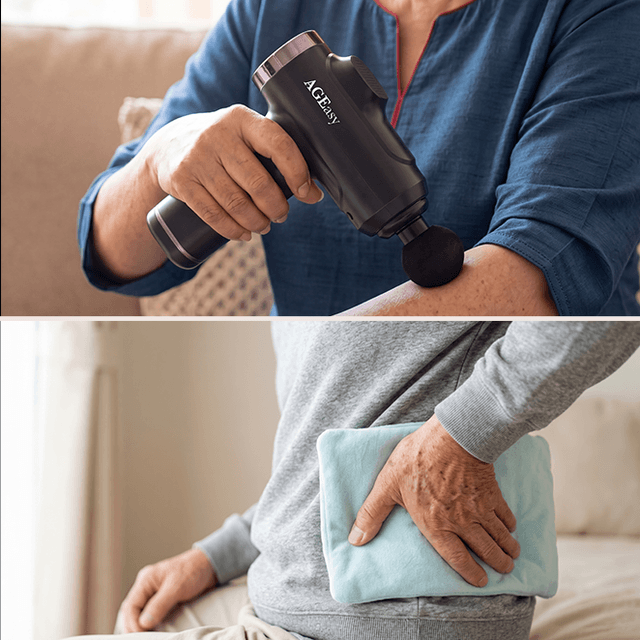
Use a warm towel, hot water bottle, or a heated pad on the affected area, and the use of heat will provide relief to any stiffness experienced within the back, legs or shoulders.
To avoid risks of burns, ensure that the heat source is not too hot, as older skin is more fragile. If any new heating device is being used, check the skin frequently, especially within the first few uses of the device.
Massage Therapy for Recovery
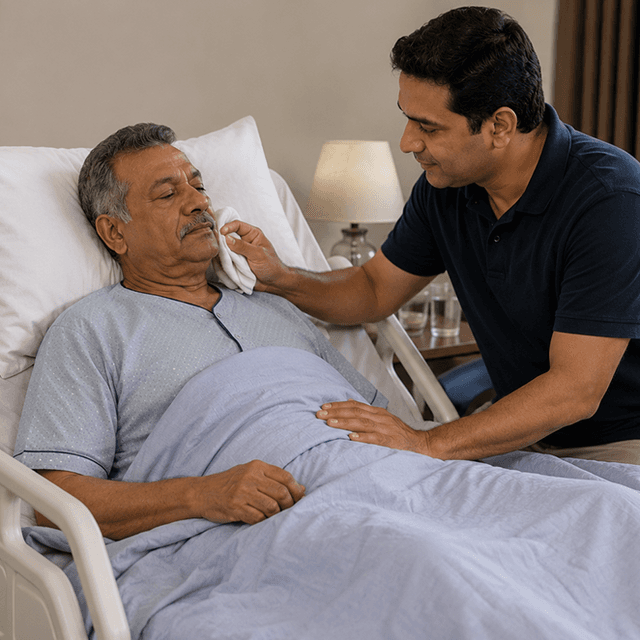
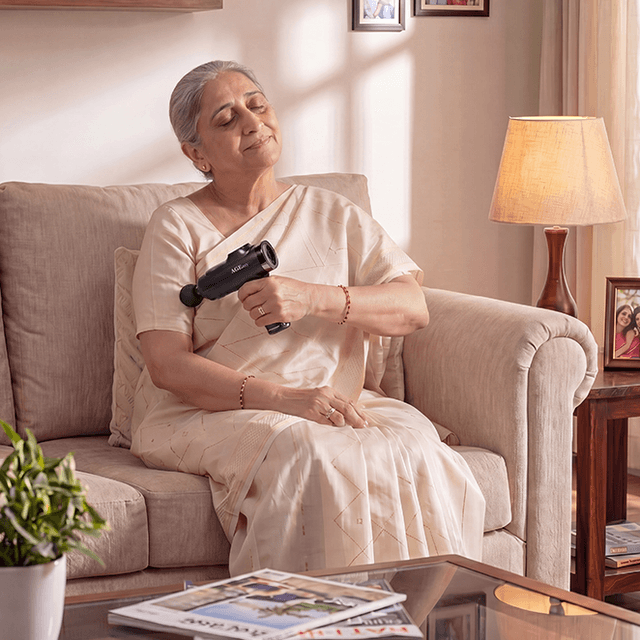
Massage therapy is an excellent form of recovery. It provides your parent relief mentally and physically, as well as releasing muscle tension. It does not require a seasoned therapist to be effective. A few minutes of massage in a specific area such as the neck, shoulders and calves can make a significant impact on the parental unit.
The AGEasy Relief Compact Massage Gun allows for consistent and deeper relief than hand massages and provides relief to muscle tissue that hand massages alone might miss. It's effective for parents experiencing stiffness following physiotherapy or long periods of sitting. Additionally, seniors can use the one-button feature to operate the device independently.
Combining massage therapy with a topical product offers additional relief. The AGEasy Pain Relief Gel absorbs quickly, offers no greasy residue, and provides a cooling relief where applied, easing discomfort right where your parent applies it. Similarly, the AGEasy Pain Relief Roll-On provides cooling relief and is portable so your parent can use it between activities.
Stretching for Flexibility
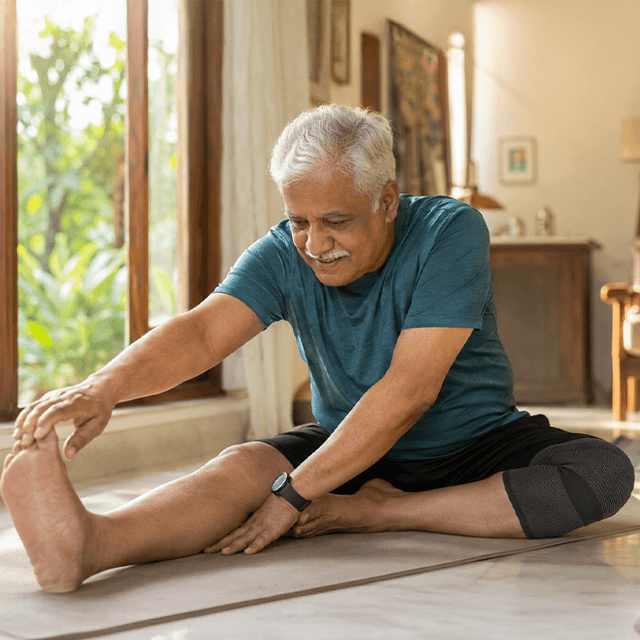
Stretching promotes flexibility. Flexibility reduces the frequency of muscle soreness, and stretching regularly can help. Stretching should be done slowly and controlled to avoid injuring the muscle or cause a sprain. Gentle neck tilts, shoulder stretches, and hamstring stretches held for 20-30 seconds are effective stretches for most seniors.
Parents need to be cautious of stretches that cause them sharp pain. Although mild tension is expected, pain indicates that the area should be rested.
Hydration's Influence on Muscle Discomfort
In older individuals, the sense of thirst diminishes due to aging. Encourage your parent to hydrate frequently, even if they do not feel thirsty. In addition to water, fluid intake can be supplemented with herbal teas, soups, and fruits containing significant amounts of water.
Developing Lasting Recovery Practices
More important than any one remedy is the practice of consistency. Over the course of days, weeks, or even months, a daily routine that includes short walks, a few minutes of stretches, a self-massage, and adequate hydration will serve to protect and develop the tissues.
Collect and analyze the reports from your parent that document the pain, its causes, and what remedies worked. This will be invaluable to both you and the doctor as these reports will reveal patterns that can address the problem and prescribe the correct adjustments to the routine.
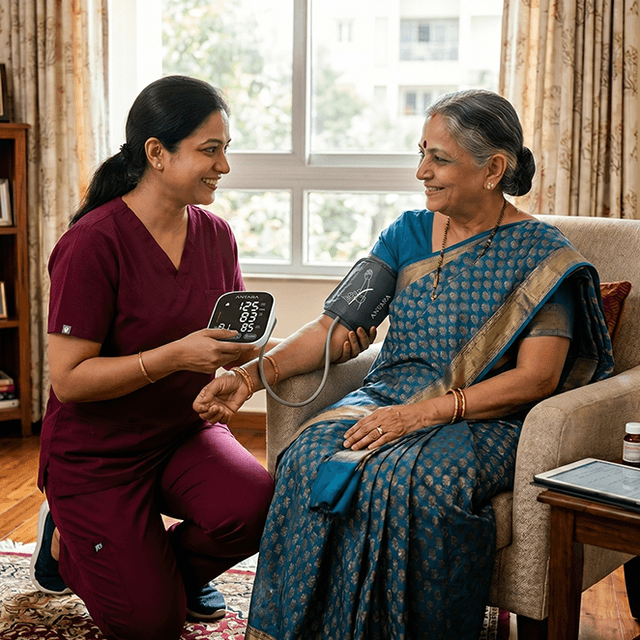
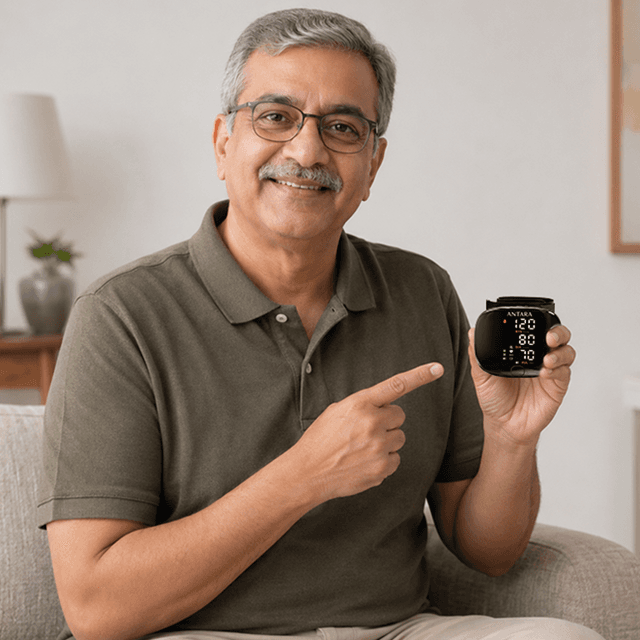
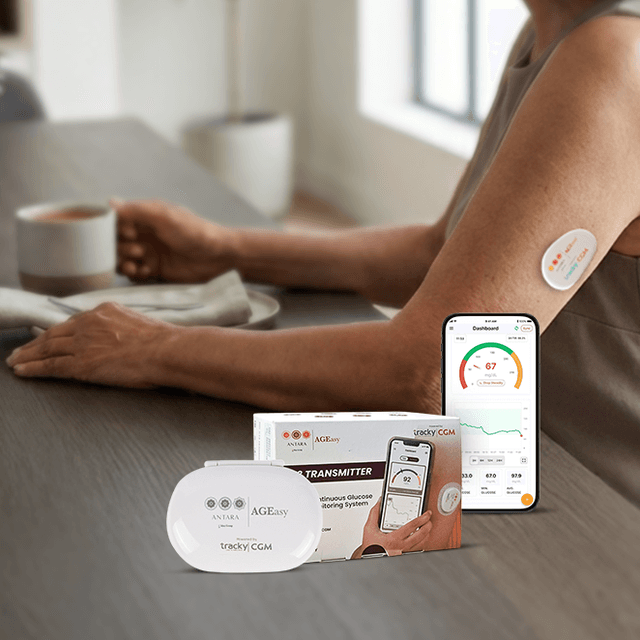
For parents who suffer from muscle pain and also have difficulty managing their blood pressure (especially those who are on circulation-affecting medications), using a home blood pressure device, like the AGEasy Digital BP Monitor, will enable you to monitor the connection between pain, fatigue, and circulation rather than muscle strain alone.
When Muscle Discomfort Requires Medical Intervention
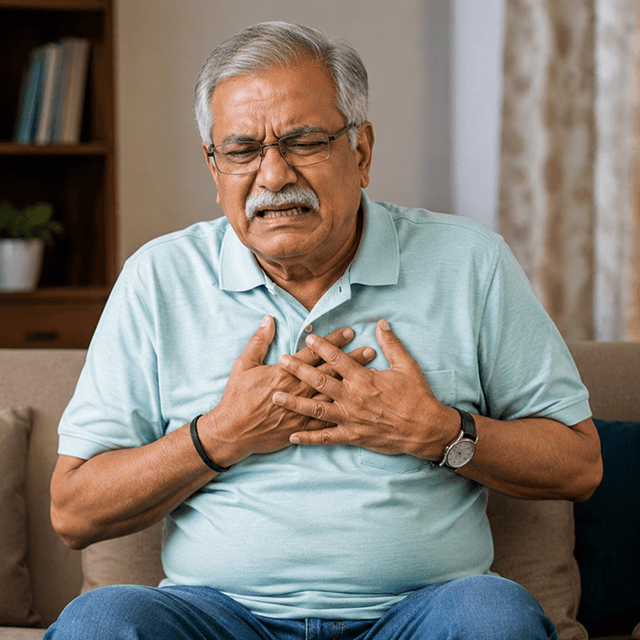
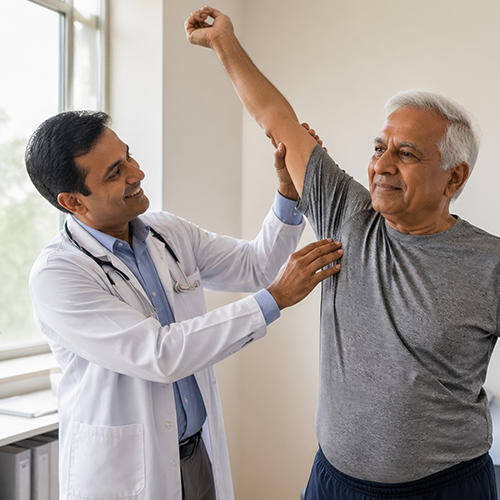
If there is an observable set of symptoms that is present, then home care will not be suitable for muscle soreness and stiffness, and will require a physician's assessment, as these symptoms are indicative of a serious condition.
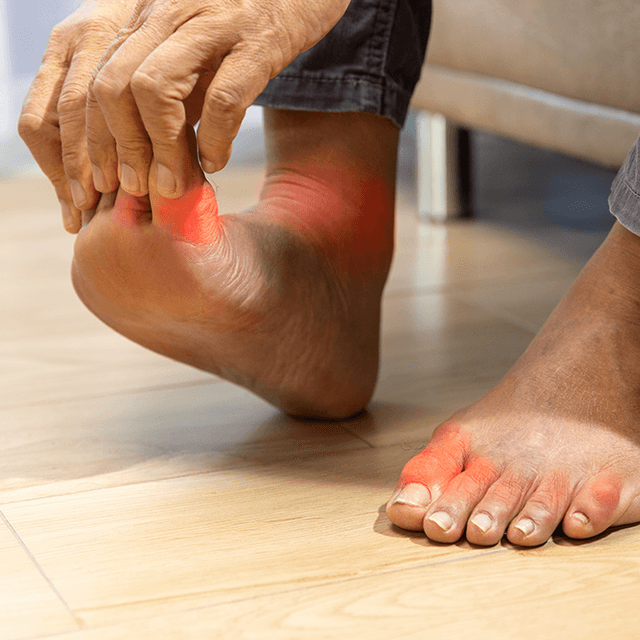
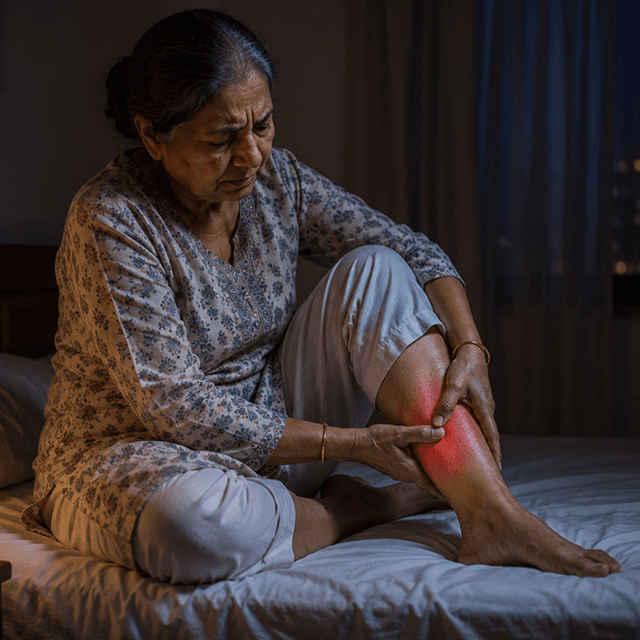
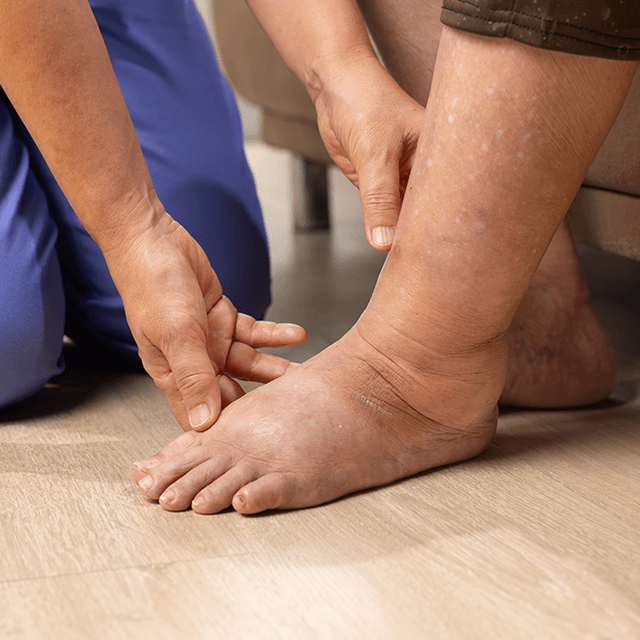
If your parent feels pain that does not improve after a few days of rest and gentle care, has new pain, swelling, or redness, or has pain that is accompanied by a fever, or if the pain is sudden, or if there is numbness or tingling with the pain, contact a physician.
These symptoms can indicate more serious issues than a simple muscle strain, and getting evaluated sooner rather than later will yield better results.
Disclaimer: This article cannot be construed as medical advice, nor does it qualify as medical advice. All the information here is general and cannot be specific to your parent. For your parent, a physician or physiotherapist must be consulted before initiating any new pain relief strategies, especially when the parent has existing medical issues, or is on medication that alters muscle function or circulation.