
Osteoarthritis After 60: Why Your Cartilage Wears Out and What Slows It Down
Jul 16, 2026
Your knees are not the enemy; they are the victims of your life's activities during every stair you climbed, every child you carried, every morning jog, every errand run, and every day that was not special in any distinct way. Your knees remember all those activities.
Although most people think that osteoarthritis is simply something that happens as we age, this is not accurate. Osteoarthritis is the end result of cartilage that has worn out slowly over years of use. It is the outcome of many small factors over a long time.
Because osteoarthritis takes so long to develop, managing it isn't about chasing a cure, it's about protecting what cartilage remains, managing range of motion, managing muscle strength, and managing lifestyle so that the rate of wear is minimized while ensuring that adequate movement is possible.
People are often quite surprised to learn that a diagnosis of osteoarthritis does not translate to the end of movement. In fact, this is often just the beginning. With the right combination of targeted exercise, adequate weight management, optimal joint protection, effective pain control, and appropriate medical intervention, an individual may be able to remain active and independent for years following a diagnosis.
Whether you have recently received a diagnosis or you are caring for someone who has osteoarthritis, this guide explains the reasons it becomes more prevalent after the age of 60, what happens with the joints, and the evidence-based, practical measures that can be taken to slow the progression of its effects so that you can continue moving with assurance.
Why Osteoarthritis Is More Common After 60
Cartilage is the smooth and cushioning tissue that permits the bones to glide against one another without friction. Unlike skin or muscles, cartilage does not have its own blood supply, so it heals slowly and has a limited ability to repair itself. Over decades of movement such as walking, bending, kneeling, and climbing, this cushioning layer gradually thins.
A few things speed this process up after 60:
- Reduced cartilage repair capacity: The cells responsible for cartilage maintenance become less active with age.
- Muscle loss (sarcopenia): Weaker thighs and hip muscles mean that the joints absorb more impact as opposed to having that force distributed.
- Years of cumulative load: Additional body weight, repetitive movements, and old injuries all contribute.
- Changes to joint fluid: The fluid that provides lubrication to the joints becomes thinner and less effective at providing cushioning with age.
This does not mean that decline is inevitable or uncontrollable. This is simply an explanation for why osteoarthritis typically occurs in the 60s and beyond, but not before.
What Happens to the Joint
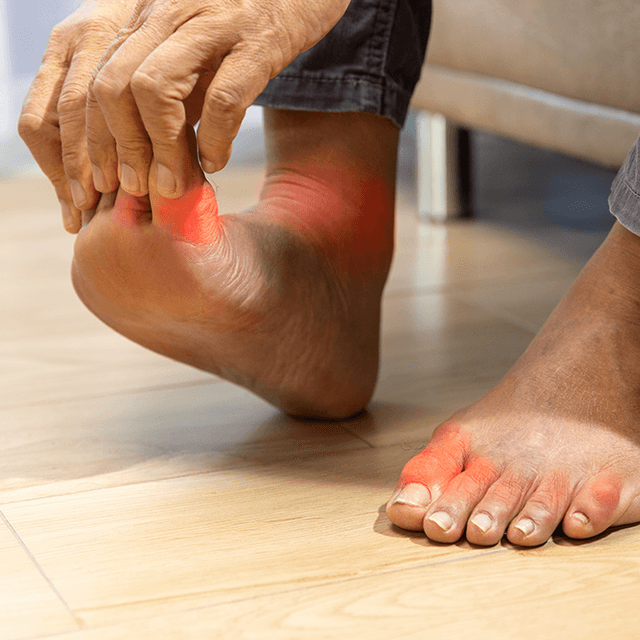
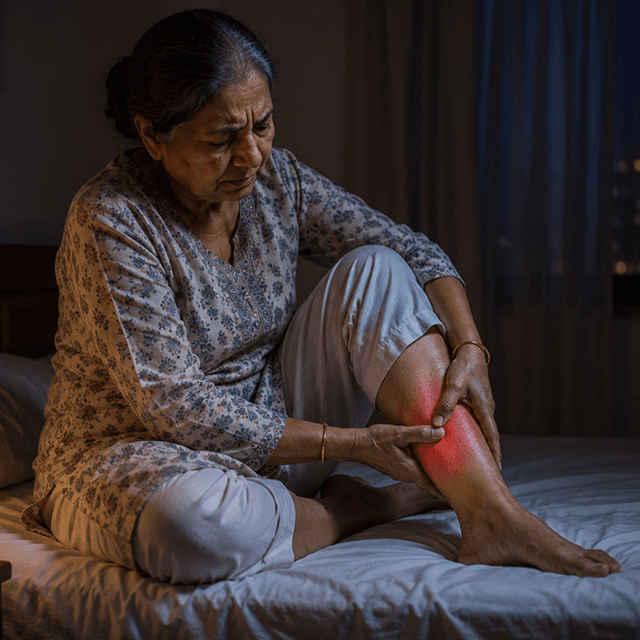
Osteoarthritis is commonly known as a wear-and-tear injury, however, a more accurate description would be an imbalance injury. It is characterized by a breakdown of cartilage that occurs at a higher rate than the body's ability to heal it. As cartilage becomes thinner, the space between the bones diminishes, causing stiffness, swelling, or a grinding sensation when the joint is moved. The body attempts to stabilize the joint by growing osteophytes, which are small bone spurs.
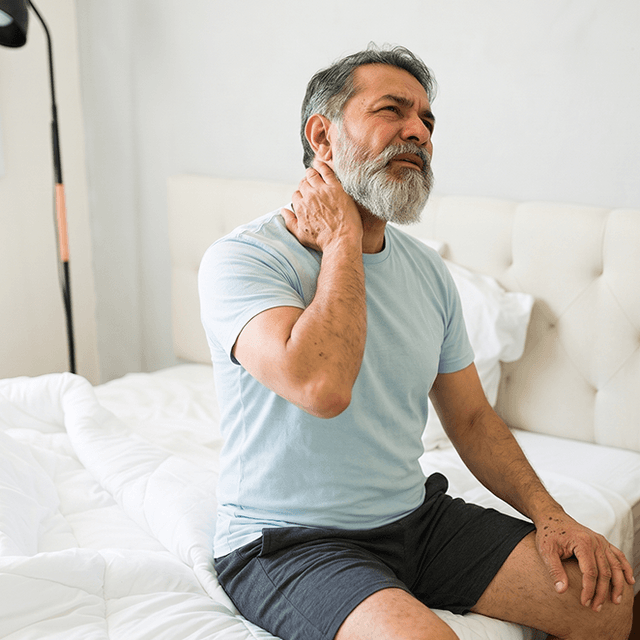
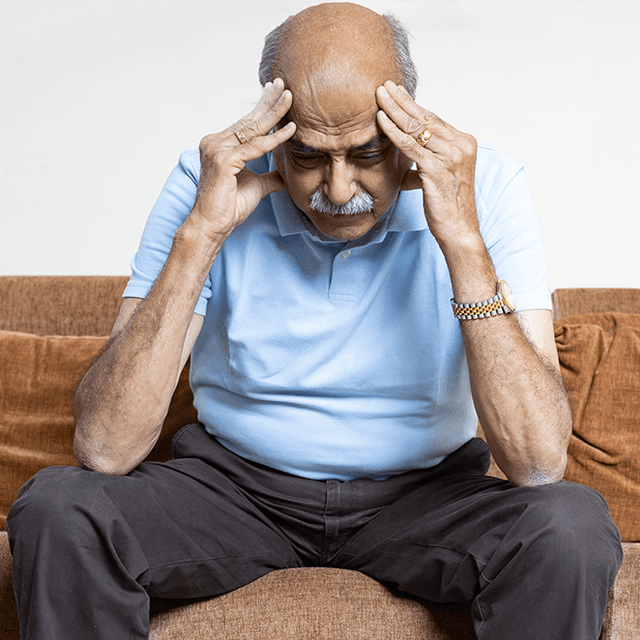
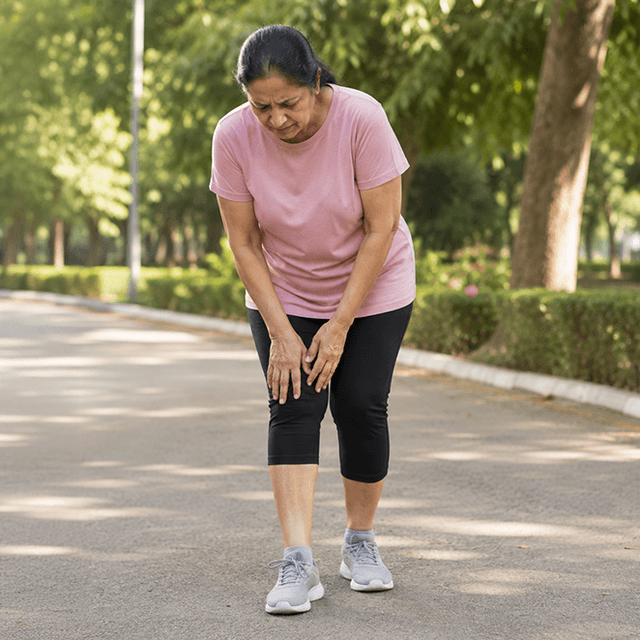
Symptoms may include stiffness from prolonged sitting, a knee that complains on stair descents, or morning joint stiffness that takes longer to loosen up. While these symptoms should not be ignored, they should not be a reason to stop movement. In fact, the opposite is usually true.
Movement Is Necessary — Why Rest Is Not the Solution
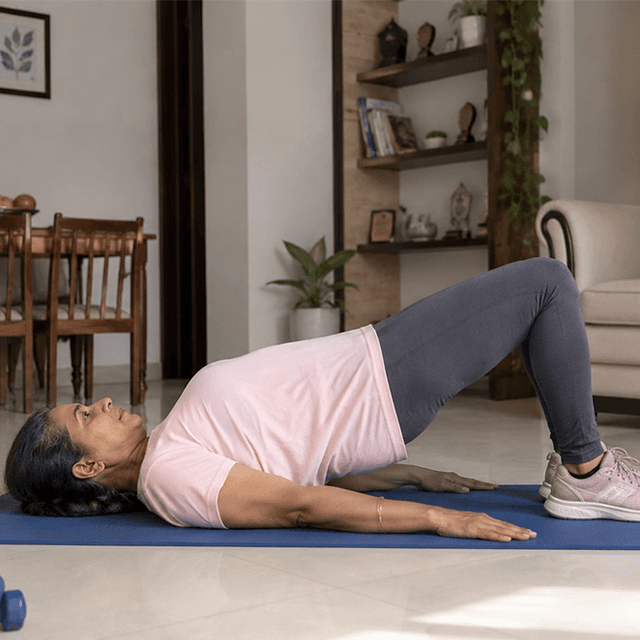
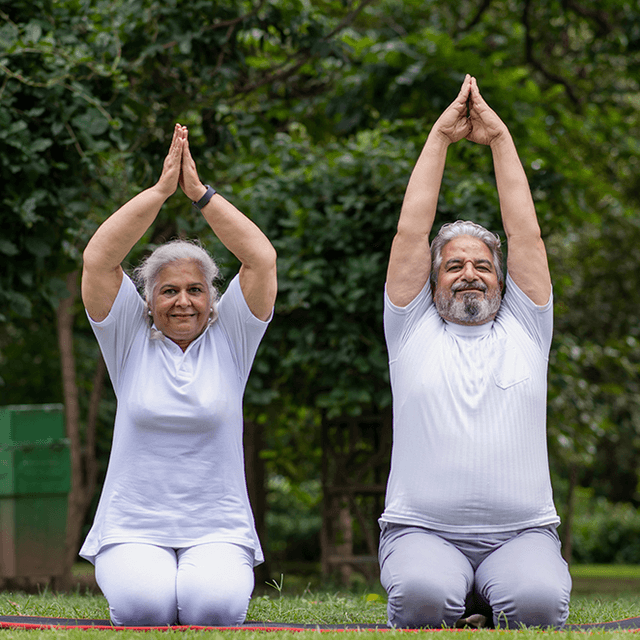
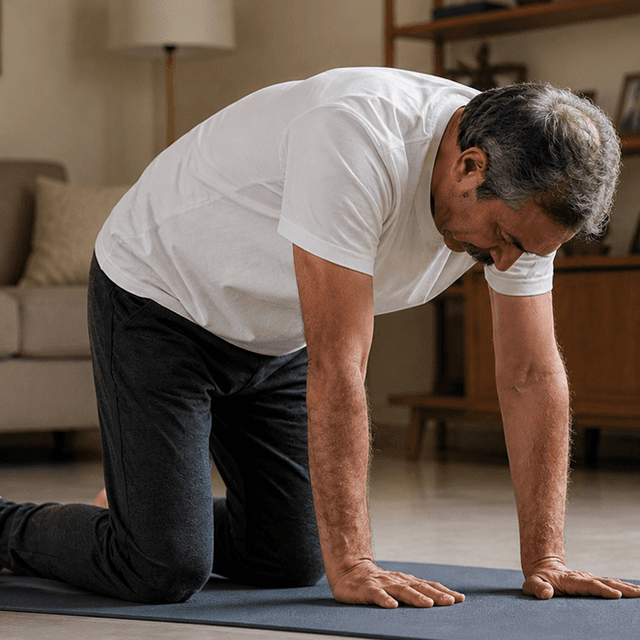
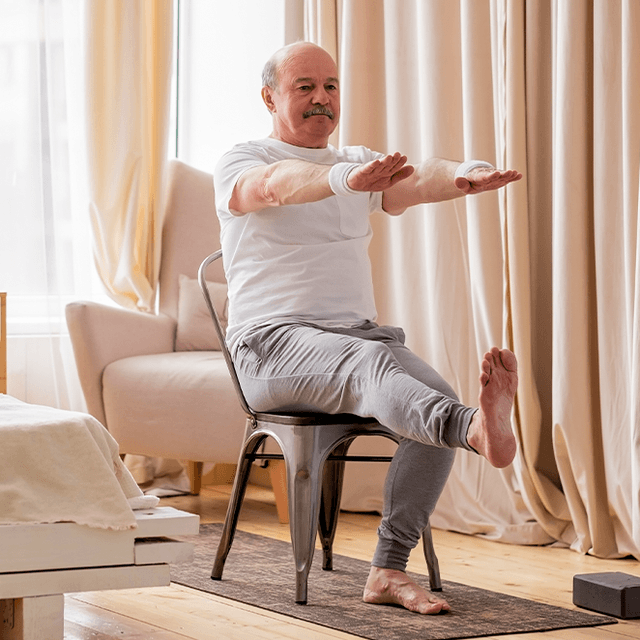
It may not seem obvious, but remaining still can be extremely damaging to an arthritic joint. Cartilage requires movement in order to remain nourished, as the synovial fluid that nourishes the cartilage is only moved through the joint during motion. Additionally, the muscles surrounding the joint become weaker from inactivity, which ultimately increases the strain on the joint.
Generally, low-impact activities are kinder to the joints:
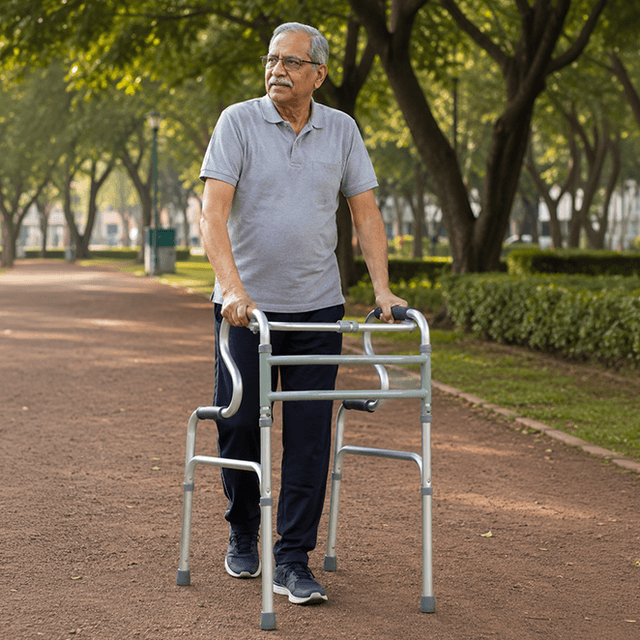
- Walking on flat, even surfaces
- Swimming or water-based exercise
- Stationary cycling
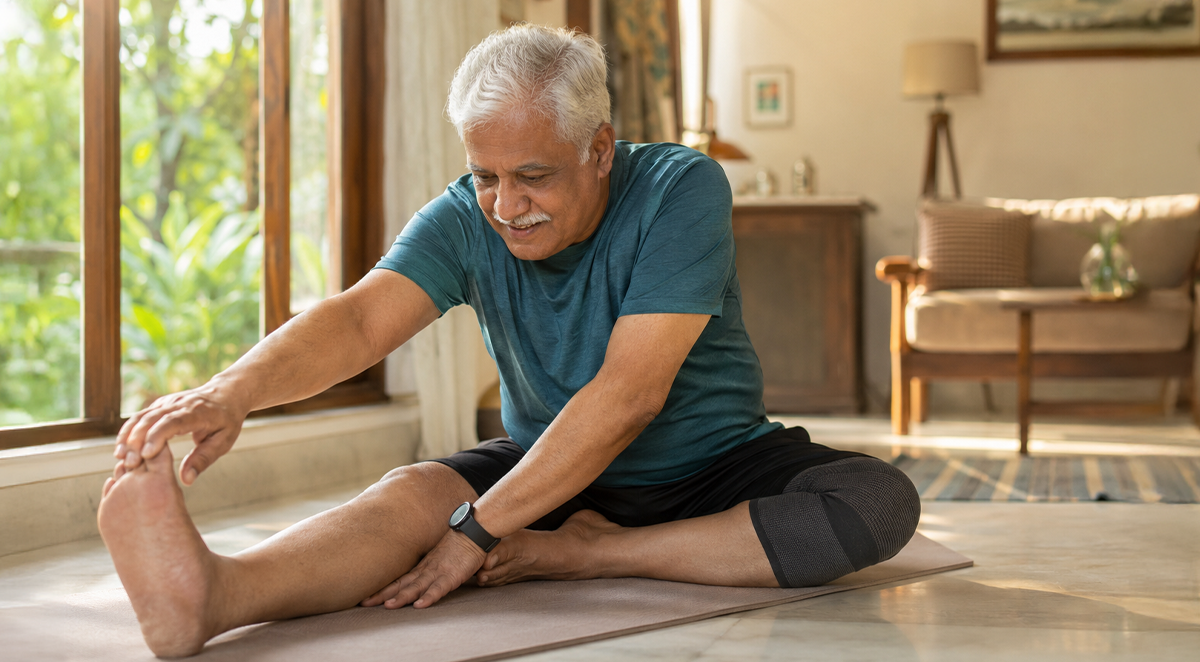
- Gentle stretching and mobility routines
- Strength training focused on the muscles around the knee and hip
With movement, frequency is more important than intensity. Short, frequent sessions are usually better for joints than long, infrequent sessions.
Weight Management: A Silent but Significant Factor
For every additional kilogram of body weight you carry, your knees absorb roughly four kilograms of extra pressure with each step. This phenomenon is supported by clinical data as one of the dominant risk factors that accelerates the progression of osteoarthritis. Even a small, sustainable weight loss goal can positively affect the load and pain felt in the joints, more so in the weight-bearing joints of the knees and hips.
Joint Preservation in Everyday Activities
With a few simple and practical changes in daily routines, the impact on the joints can be lessened:
- Choosing shoes that provide cushioning and added support
- Using the handrails on stairs and avoiding positions that require deep bending of the knees or squatting
- Engaging in warm-up and cool-down exercises
- Using external support, such as a knee sleeve or brace, which can help stabilize the joint and reduce discomfort during walking or exercise
For those suffering from osteoarthritis of the knee, AGEasy Comfort Hinged Knee Braces for Knee Discomfort are designed to relieve pressure off the knee joints and help with day-to-day activities including stair climbing, walking, and prolonged standing.
Dealing With Flare-Ups and Routine Pain
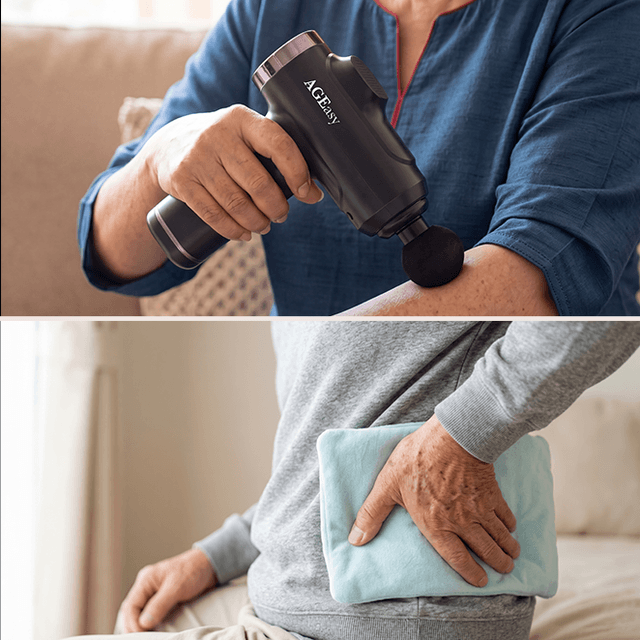
The symptoms of osteoarthritis can be unpredictable; some days will be worse than others and have entirely different symptoms. For inflammatory and pain relief, look to topical ointments including AGEasy Pain Relief Patch, AGEasy Pain Relief Gel, and others to help ease pain. These products are made to be applied directly to the affected area to aid in providing pain relief and allow you to avoid taking pain medications. This can be especially useful to patients who may have multiple medications to manage, or who have a sensitive stomach.
While topical pain relievers may help, it is imperative that you see a doctor if you have persistent pain, severe swelling, or redness around the affected joint. These may be signs of other conditions that require separate treatment.
When to Visit the Doctor
If any of the following conditions are true, you should speak to your doctor or an orthopedic specialist:
- The pain from the joint is making it impossible for you to sleep or perform your day-to-day activities
- You suffer from morning stiffness that lasts longer than 30 minutes
- You have any of the following: excessive swelling, instability, heat, or overall joint warmth
- You have made use of all the available OTC options and still have no relief
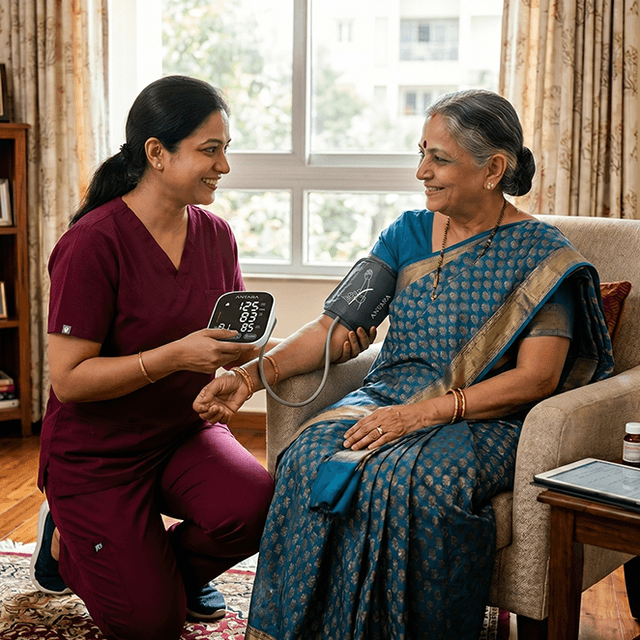
It is important to see a physician so that you can get a proper diagnosis and have treatment options explained to you. These options can range from physical therapy to injections in the joint, or possibly even surgery.
The Bigger Picture
While osteoarthritis is a typical condition affecting people over 60 years of age, this does not mean it is unmanageable. For the appropriate treatment to relieve your symptoms, you may have to combine movement, weight management, and joint protection. More than a single fix, it's the daily small consistent choices that really make the difference. It's about the condition management mindset — not about chasing the elusive cure, but about the protective and supportive work you do, one day at a time.