

Managing Urinary Incontinence at Home: Prevention of Rashes, UTIs, Infections
Jul 28, 2026
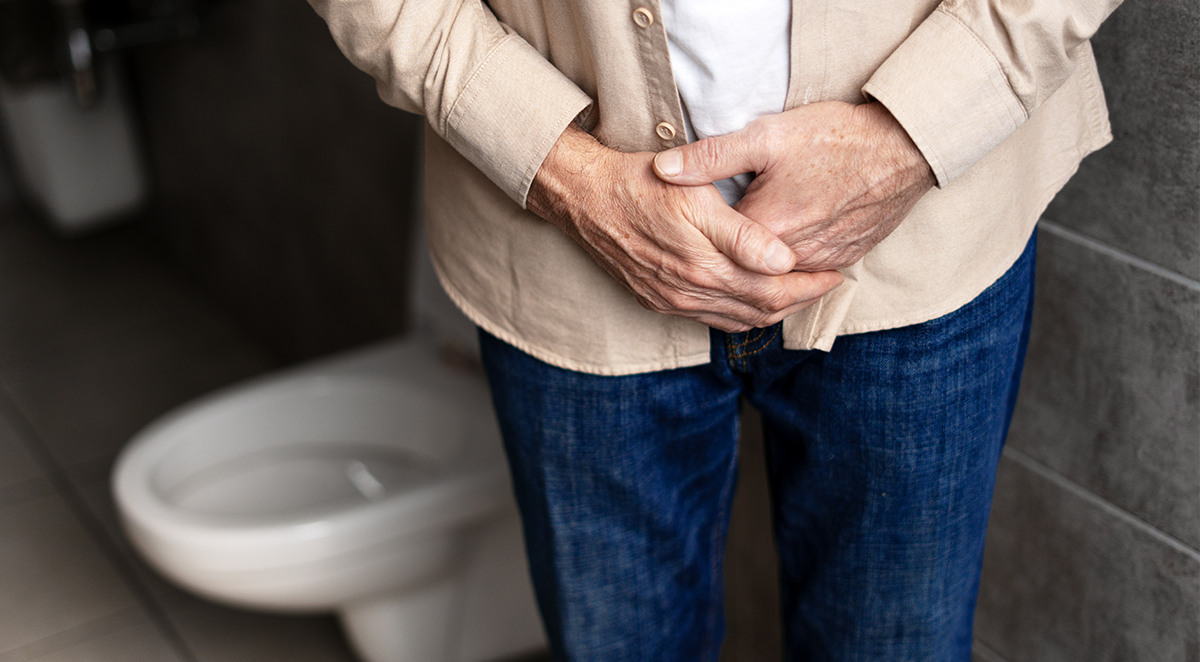
What many people do not realize about urinary incontinence is that the leak itself is only the beginning of the issue at hand. Pain, rashes, and infection are just some of the consequences that follow that are often unexpected by families. While the urine-drenched diapers and soiled clothes are being removed, and the incontinence pads are being changed, there is a problem if an individual sustains an injury or infection on the skin as an effect.
Most families are likely to assume that protecting skin from urinary leakage is an aspect of incontinence care that is secondary to simply keeping the parent in question dry. The truth is that protecting the skin is the primary goal of incontinence care, and the rest of the goals just center around providing comfort.
Dealing with incontinence care involves not only addressing the cleanliness of the skin, but also choosing the best fit for each individual with regards to the absorbency in the product to prevent infection. Furthermore, monitoring for signs of infection or irritation is key to preventing infections rather than waiting to address concerns until they appear.
With the use of incontinence care products and maintaining daily care routines, there are many risks that exist. Failure to implement daily care routines will increase the likelihood of developing painful rashes, infection, and may also lead to a decline in their mental comfort, confidence, and independence.
If care routines are neglected, skin care will suffer and the chance of infection will increase. Routines will always increase confidence, and will also improve and maintain dignity.
This home-based guide focuses on how to address urinary incontinence, daily habits to reduce the likelihood of rashes, UTIs and skin infections, and the little adjustments that can be made to improve caregiving and increase comfort for everyone involved.
Why Skin Care Is Most Important
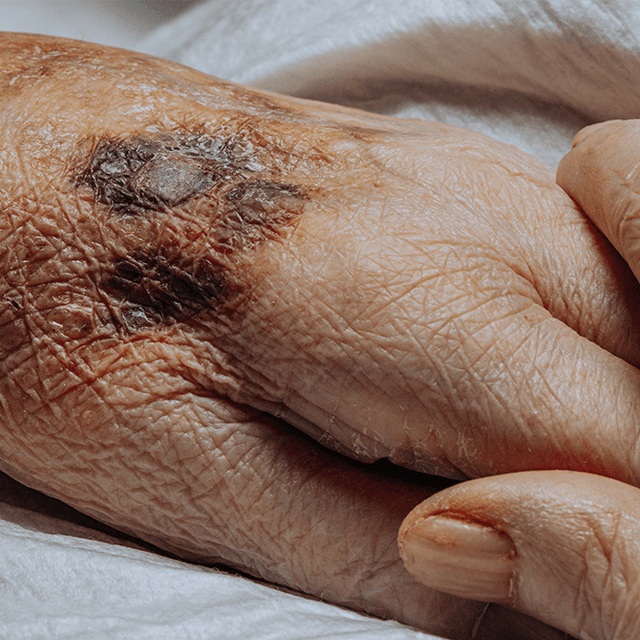
When urine comes into contact with skin it can disrupt the skin's natural barrier in an hour or even less when it is warm or humid. Once the barrier has been disrupted, the skin may become red, tender and may begin to crack. If this is not treated, it can lead to incontinence-associated dermatitis which is a very painful condition that can cause additional infections.
Be sure to place priority on the skin. While dryness and cleanliness are both important, they are not the same. Gentle wipes should be used after every change. The skin should be allowed to air for a minute before a new product is applied, and hard rubbing should be avoided since friction can damage skin that is already thin and weak.
Selecting the Most Appropriate Products for Each Situation
When it comes to incontinence products, fit is actually more important than absorbency. In the case of incontinence products, a diaper that is fitted loosely will create an increased risk for rashes as urine that leaks will sit against the skin folds. On the other side of the spectrum, a product that is fitted too tightly will create the same problems as they trap moisture and heat against the skin.
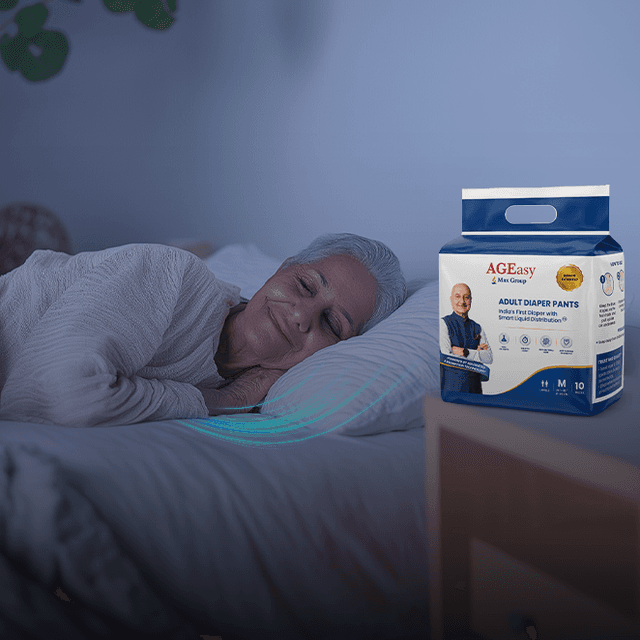
For seniors able to walk or complete activities of daily living independently, pull-up style diapers provide freedom of movement while also containing urinary incontinence at the legs and waist. It is important to select a product with an absorbent core designed for even liquid distribution, as moisture pooling in one spot can cause skin irritation rashes.
For seniors who are less mobile or bed-bound and require assistance to move, taped diapers can be a better option as a caregiver can adjust and check the diapers without having to stand the senior up. An absorbent core that is designed to pull moisture away from the surface and hold it below is most critical during extended periods when the senior is resting.
Regardless of the style chosen, it is important to change diapers according to a schedule. Waiting until the skin is visibly soiled creates a situation where moisture has been in contact with the skin for an extended period.
Protecting Furniture and Bedding Without Extra Laundry
Sitting for long periods of time may cause leakage, resulting in a soiled mattress, sofa, or wheelchair cushion. To assist with this issue, place disposable underpads under the person to protect the fabric surfaces and to minimize the amount of times that the bedding has to be changed and washed. The soft surface of the disposable underpad will also reduce friction against the senior's skin during extended periods of rest, thereby providing an additional layer of protection.
Signs of Possible Infection or Skin Irritation
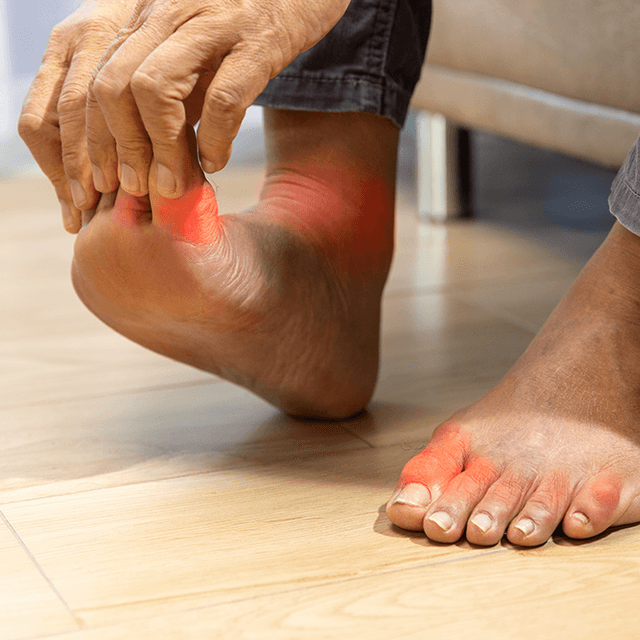
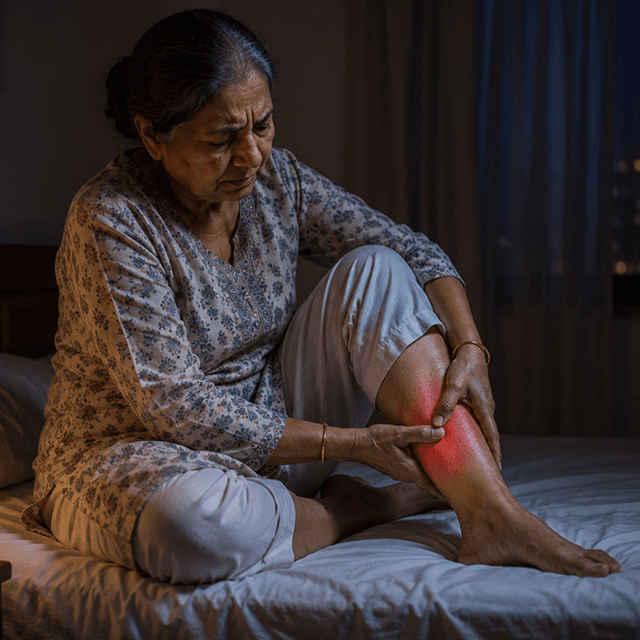
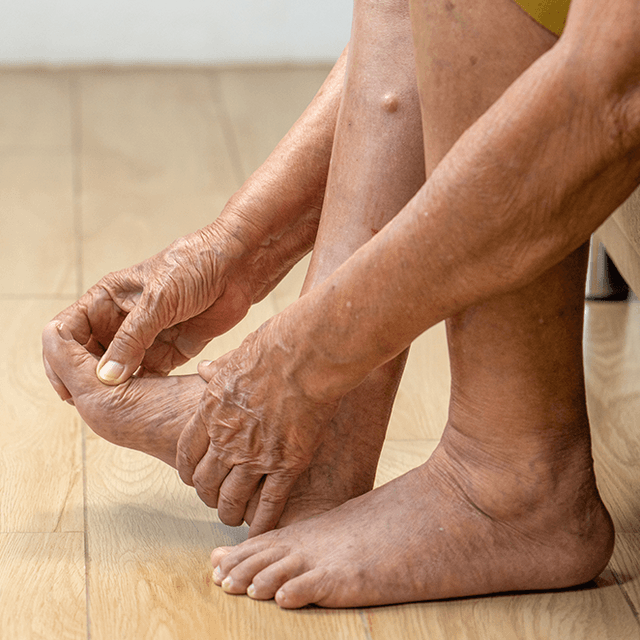
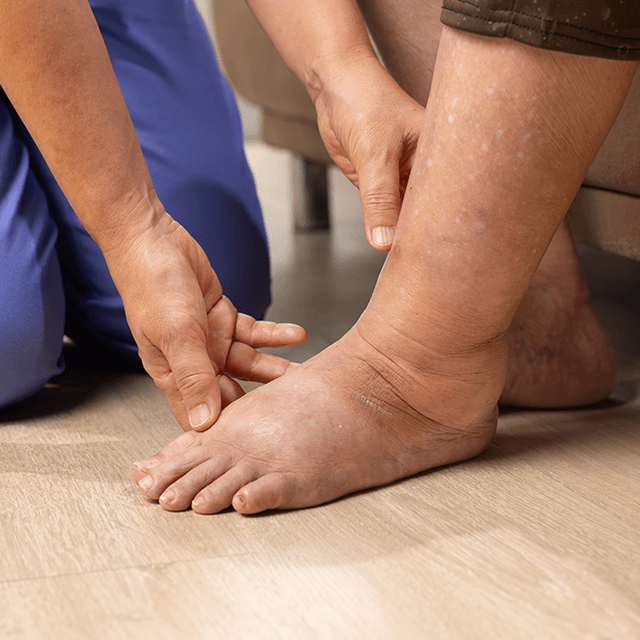
The skin should be checked at every diaper change to catch any concerns early. Look for redness in the folds of the thighs or groin, small raised bumps, or skin that is warm to the touch. These problems can be sorted out before they worsen to the point of broken skin. Once skin is broken, bacteria can enter the body.
In addition to skin concerns, watch for signs of a urinary tract infection. Symptoms of a UTI include burning during urination, cloudy or strong-smelling urine, abdominal discomfort, and changes in behavior such as confusion or increased tiredness. Especially in older adults, confusion can be one of the first symptoms of a UTI, before any other signs. A sudden change in mood or alertness should be treated seriously.
Good Habits to Prevent UTIs
Preventing UTIs at home is more about timing and hygiene than anything difficult. Change moisture-wicking products quickly, clean front to back for female family members, and encourage them to drink fluids throughout the day, unless the doctor says otherwise. Concentrated urine (which occurs from dehydration) is a breeding ground for bacteria, which promotes its growth. This is why a steady water intake throughout the day is important.
Wear loose-fitted clothing around the waist and thighs, as restrictive clothing maintains heat and moisture in the same manner a poorly fitting diaper would. Bath wipes for sensitive skin are ideal for fast clean-ups between full baths, particularly for seniors with limited mobility who cannot shower multiple times a day.
Observing Health While Managing Incontinence
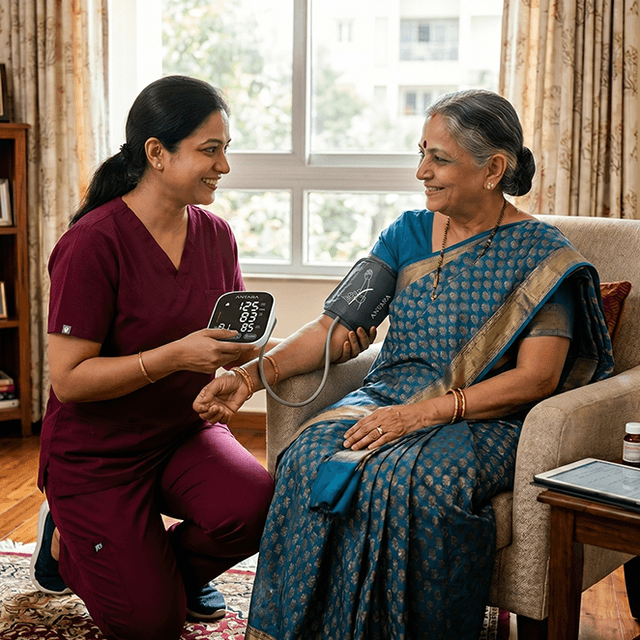
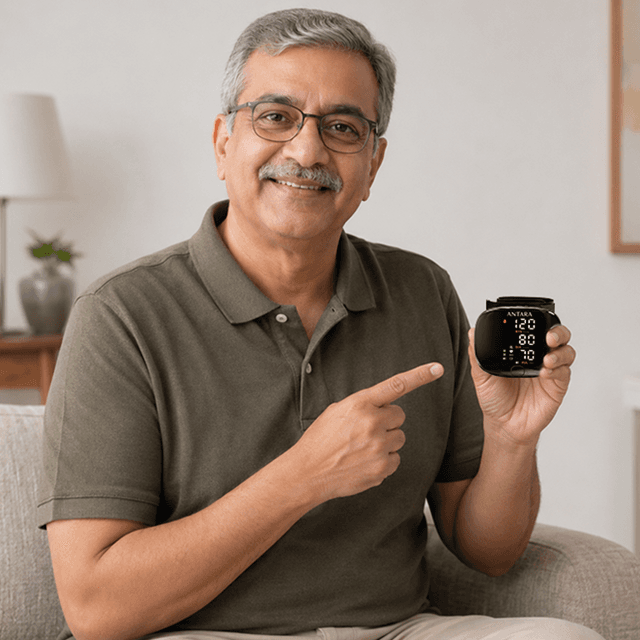
UTIs and skin infections are a continual source of distress for the body, sometimes prompting an increase in blood pressure due to stress. Seniors who are incontinent are likely to have other conditions, so checking blood pressure daily provides an early warning system.
Digital blood pressure monitors that are one-touch are ideal for seniors with limited mobility and can incorporate blood pressure checks into their routine. A simple set of logs kept alongside daily skin inspections can help the doctor along with your memory of the readings to assess the situation as opposed to waiting for the previous weeks to unfold.
When to See a Doctor
Call the doctor if a rash does not get better after a few days of care, breaks open, or starts to ooze. Call if your parent gets a fever or if you notice UTI symptoms like burning, cloudy urine, or confusion. It's better to see a doctor sooner to prevent serious problems. Untreated UTIs can lead to kidney infections, especially in older adults.
The tips above are meant to help you care for your parent but do not constitute medical advice. Always talk to your doctor or other qualified healthcare professionals about any questions or concerns you have regarding your parent's health, symptoms, or treatment.