
Swollen Feet After 60: When It Is the Heat and When It Is the Heart
Jul 17, 2026
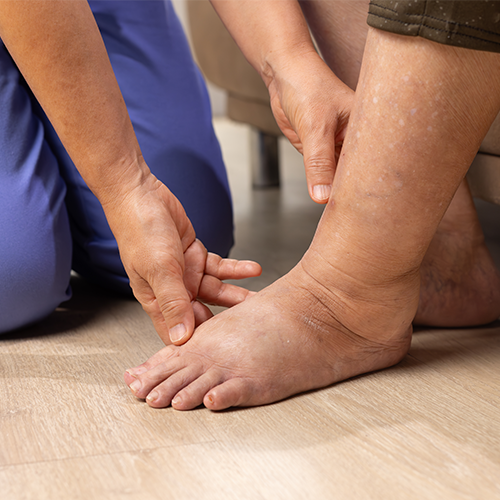
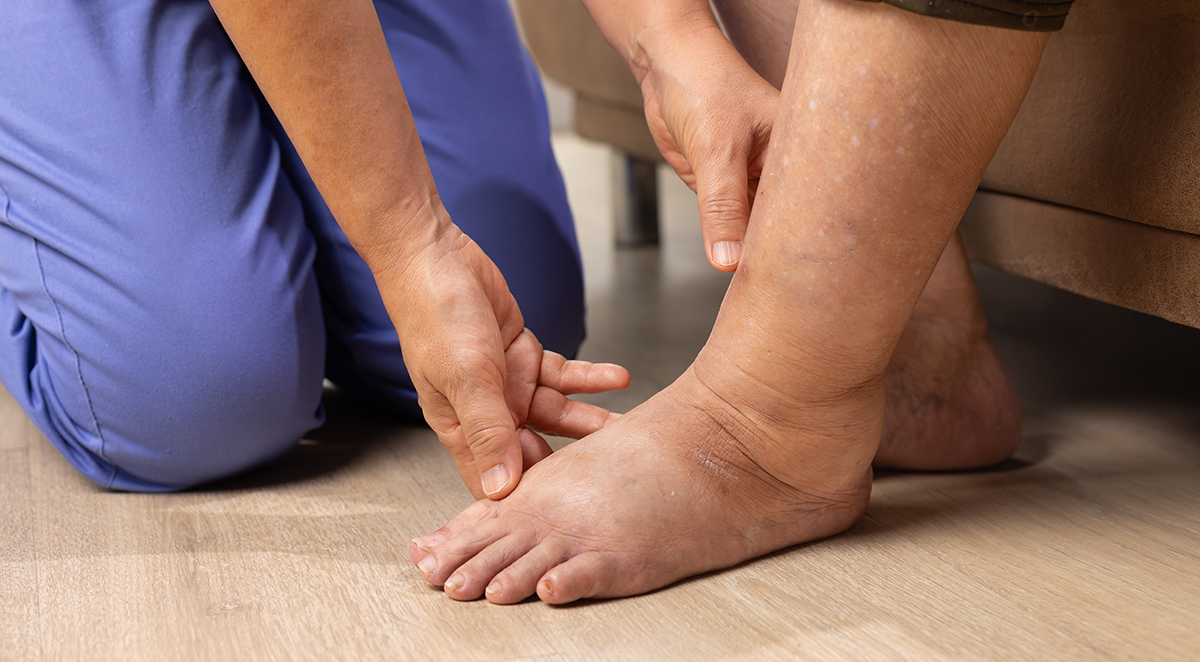
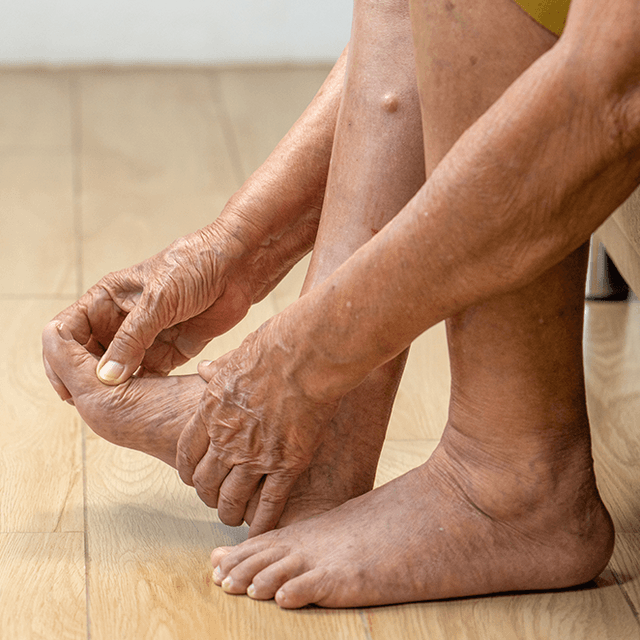
Family members tend to treat swollen feet as if they all have the same cause. However, the cause of swelling is not always heat, or long days on your feet.
Here's what you shouldn't brush aside:
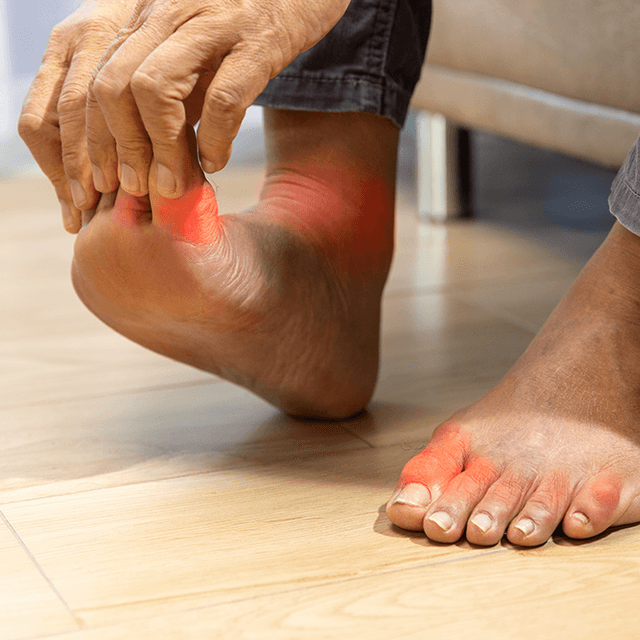
Swelling that shows up every evening, socks leaving deep marks around their ankles, shoes feeling tighter than they did last week, and one leg more swollen than the other.
These signs may be expressing a harmless reason such as hot weather, prolonged sitting or mild fluid retention but sometimes, they can also suggest issues with the heart, kidneys, veins or any other tissue that may require medical attention.
This guide describes the general reasons why swelling occurs in the feet and ankles of people over the age of 60, how to differentiate between swelling due to heat exposure from other, more serious causes of swelling, and when to seek medical advice.
Why Feet Swell More After 60?
Medically, swelling in the feet and ankles is called edema and it happens when excess fluid collects in the lower leg tissues. Due to gravity, fluid is drawn downward, and under normal circumstances, the body returns fluid upwards via the veins and lymphatic system.
After a person turns 60, that system starts to fail in the body. The walls of veins become less elastic, the valves inside them close more loosely, and the calf muscles that provide the pumping action during walking become less functional. As a result, fluid collects around the ankles and feet, particularly after prolonged periods of sitting or standing.
This explains why end of the day swelling is common in older adults. It develops gradually throughout the day, is bi-lateral (affects both feet the same), and resolves overnight while the legs rest in a horizontal position. Knowing this baseline is useful for identifying the abnormal swelling patterns.
Harmless Causes of Swollen Feet
Heat
Blood vessels dilate in warm weather, as part of the body's cooling mechanism. Blood vessels that are more open, leak more fluid into the surrounding tissues, which causes swelling. The feet are the furthest from the heart and are most likely to collect the fluid. Heat related swelling happens during hot weather, affects both feet, and gets better in a cool environment or after a night of sleep.
Long Periods of Sitting or Standing
Fluid cannot be pumped up by the calf muscles, so a long car ride, a full day at a family function, or an afternoon sitting in front of the television can cause swelling around the ankles by the evening. This can be avoided by taking a short walk every hour.
Salt in the Diet
When we eat salty foods, the body retains more water. If you eat a heavily salted meal at night, you can expect swollen ankles when you wake up. The good news is that cutting down on pickles, papads, packaged snacks, and eating out won't cause this kind of swelling within a day or two.
Minor Injuries
Swelling in a single foot is common after an injury like a sprain or a stumble and is often accompanied by tenderness at the site of the injury. After some rest, the swelling usually resolves in a few days.
Serious Health Issues You Should Never Overlook
Heart Failure
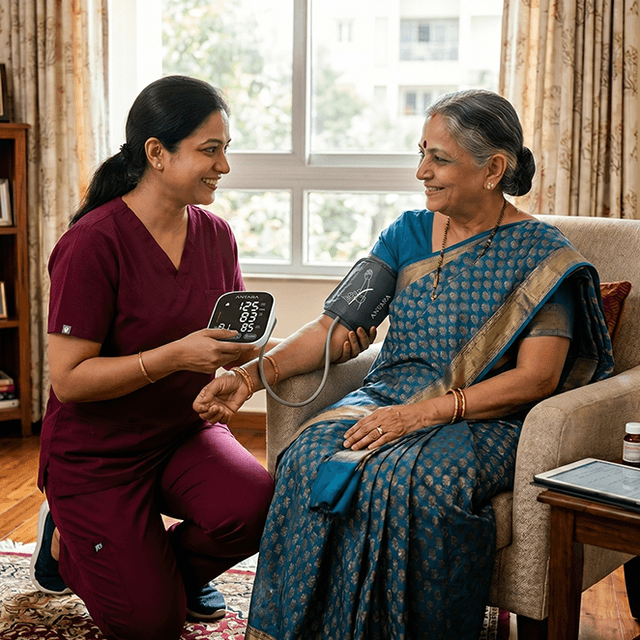
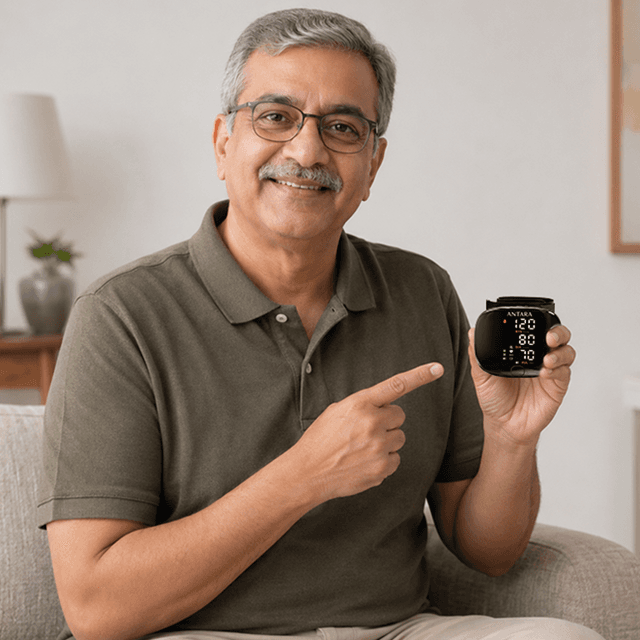
As your heart becomes less effective at pumping, blood flow backs up in the veins and fluid starts to leak into the lower legs. Swelling from heart problems usually affects both legs, and can worsen throughout the day and is accompanied by breathlessness while doing even simple activities, difficulty with lying flat during sleep, unusual fatigue, and sudden weight gain. The most common cause of heart failure is high blood pressure in older adults which is why it is worth checking it regularly at home. Simple devices are available, such as the AGEasy wrist BP monitor, which has one-touch operation and voice readouts, allowing seniors to track their number and provide valuable data to their doctors at every visit.
Kidney Disease
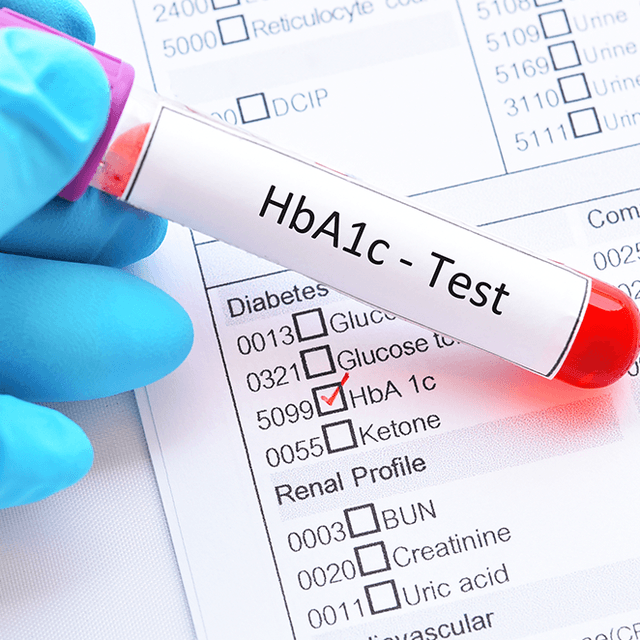
Weak kidneys remove less fluid and salt from the body. Swelling from kidney trouble often appears around the eyes in the morning along with swelling of the feet, foamy urine, reduced urination, or persistent fatigue. People with diabetes or high blood pressure face higher risk and should get kidney function tested once a year.
Chronic Venous Insufficiency
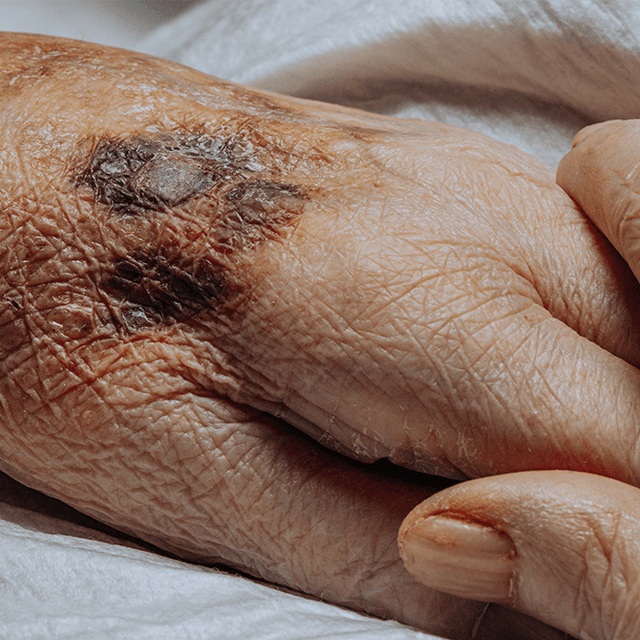
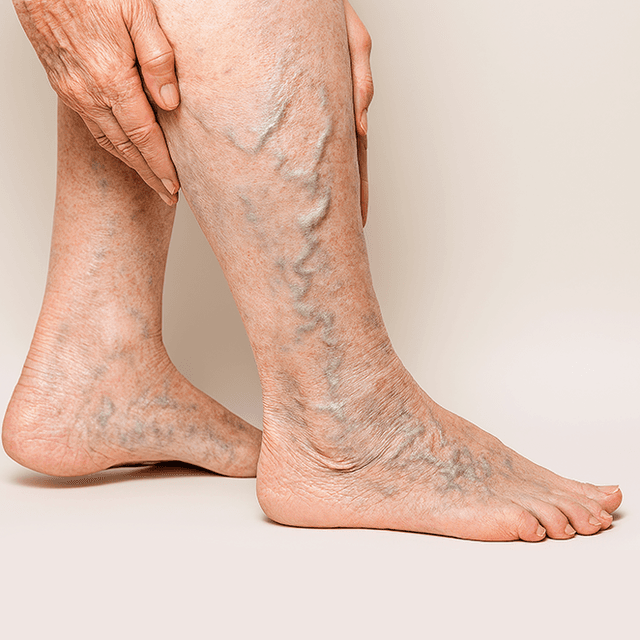
Blood collects in the lower legs as a result of damaged vein valves and is seen by the formation of a blood clot in the lower leg. This may lead to symptoms of aching or heaviness in the legs, darkened skin around the ankles, itching, and varicose veins. If you don't treat it, it leads to skin ulcers which heal poorly.
Deep Vein Thrombosis (DVT)
A blood clot in a deep leg vein causes swelling in one leg, often with warmth, redness, and calf pain. This is an emergency. A clot fragment reaching the lungs becomes life-threatening within hours. Sudden one-sided swelling needs a doctor the same day.
Side Effects from Medication
Some common medications that cause fluid retention include amlodipine and other calcium channel blockers, pain medications like ibuprofen, steroids, and some diabetes medications. If swelling starts in the weeks after a new prescription, bring this up to your doctor. Do not discontinue the medication without consulting your doctor first.
Signs: Swelling That Needs Medical Attention
If the swelling is only in one leg, appears suddenly, and is accompanied with pain, redness, heat, or warmth, you need to see a doctor. If your parent has swelling in their feet and or are experiencing shortness of breath, pain in the chest, or a feeling of tightness in the chest, this could indicate a problem with their heart, or a blood clot in the lungs, which would require immediate attention.
If the swelling does not improve after two to three nights of rest, schedule an appointment if the area you are swelling is soft and has a depression after you touch it or if it does not return to its normal state for more than a few seconds or if the skin surrounding the swollen area appears stretched, shiny, or discolored.
Taking pictures of the feet during the same time at night each day for a week can be useful for seeing progress. Doctors appreciate seeing a picture much more than hearing a description of the swelling.
Managing Swelling at Home
After a doctor has eliminated a possibility of serious conditions, everyday habits can be established to help control regular swelling.
To help drain excess fluids from the legs, raise the legs by propping the feet on pillows so that they are above heart level for 20 to 30 minutes, twice a day.
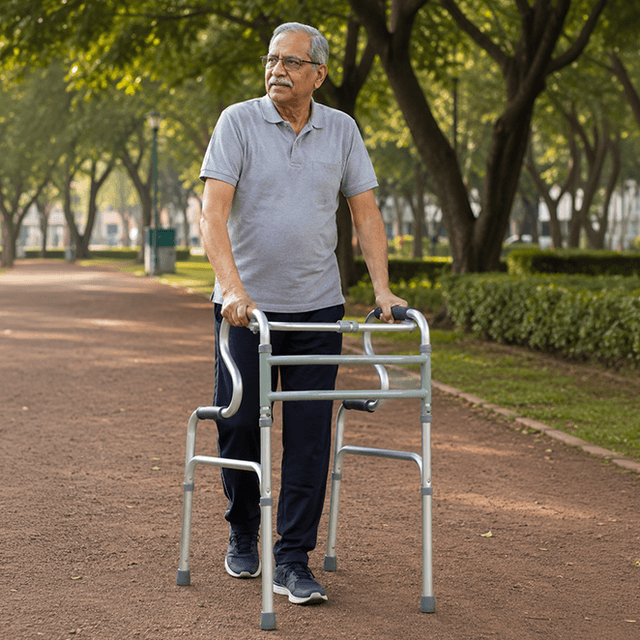
Walking is the best practice for dealing with fluid retention as each step pumps fluid up and pushes the calves. For those who find it difficult to walk unaided, using a walking aid like the AGEasy foldable walking stick provides a way to support and complete a daily walk. Seated activities such as toe raises and ankle rotations during television time are also effective.
Comfort Ankle Sleeve from AGEasy helps with blood circulation by providing gentle compression to the ankles while also providing support around the ankles which aid in everyday use as well as gentle compression to help with circulation. It is best to consult with a physician before estimating the use of compression gear.
Swelling in the legs can be worsened by tight, supportive footwear. Comfy shoes that are roomy can help with reducing the risk of falls from displacing shoes and supportive arch insoles such as AGEasy ArchPro help to keep the feet evenly distributed.
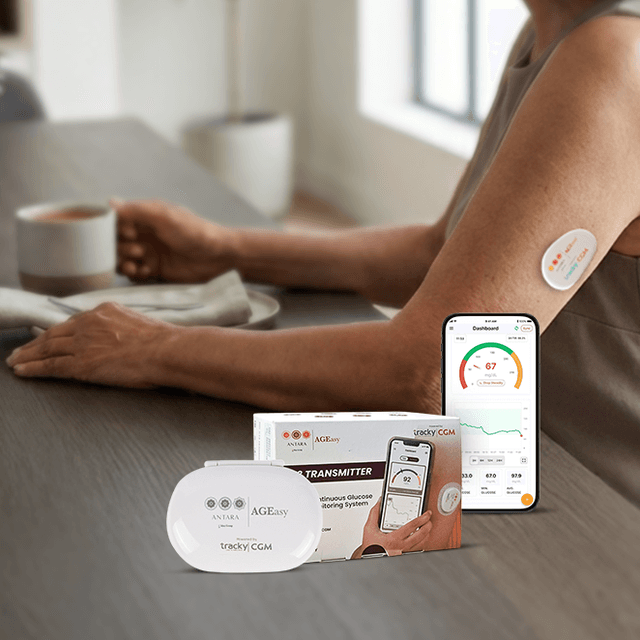
With regards to dietary consumption, aim for less than a ratio of one teaspoon of additional salt per day. Additionally, the blood pressure and weight of the individual should be taken at least once weekly in order to track any increases as fluid retention is commonly associated with elevated weight and swelling of the legs. If this is the case, contact a physician for further assistance.
The Bottom Line
Most swollen feet after the age of 60 can easily be traced back to heat, salt intake, or prolonged periods of time without movement (even simple habits can remedy the situation).
However, the type of swelling that deserves concern is of a different variety: unilateral, sudden onset, painful, persistent, accompanied by shortness of breath or weight gain. Knowing these differences allows you to respond to an actual concern without having to treat every swollen ankle as an emergency. In case you are not sure, you can easily eliminate all doubt with a physician's evaluation. If you take photographs of the swelling, that will only make your appointment more useful.
Disclaimer: This article is intended to provide general information and is not a substitute for professional medical advice. Sudden and persistent swelling should be evaluated by a physician.