

Back Pain Relief After Sitting All Day: What Actually Works
Article by: Mona
Article Category: General Wellness
Jul 28, 2026


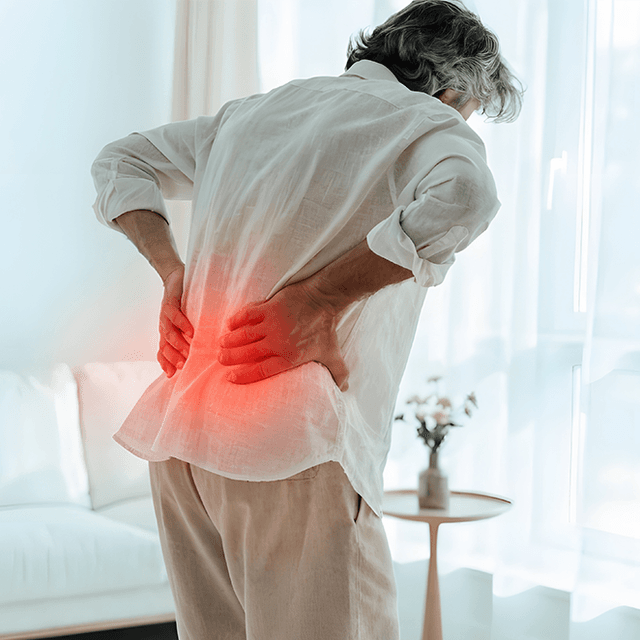
When it comes to back pain, the injury doesn't complain immediately. Instead, it keeps a record of the many long drives, extended meetings, and hours spent sitting in the same chair. Most people do not notice the pain or stiffness until it is finally time to stand up.
Many people do not understand the difference between resting and sitting. Resting, for most people, means sitting in the same spot for hours and doing nothing. This is not the same thing as resting your back. When sitting and not moving, the body has to fight to get moving. The longer you stay seated, the more pain you'll feel when you finally stand up.
The pain you feel when standing up is just one sign of sitting too long. The good news is you don't need to quit your desk job, favorite chair, or take shorter drives to feel better. A few simple changes throughout your day can reduce the pain, stiffness, and restore your back to its intended range of motion.
Whether your work involves sitting at a desk, driving long hours or simply sitting more than you prefer, here are some practical strategies, supported by research, that could help ease your pain.
Why Sitting Affects the Spine More Than You Would Think
It seems harmless enough. You're not straining or lifting anything. You're just sitting. But your spine has a different opinion.
The act of standing or moving involves the distribution of weight across different muscles, joints, and discs in a way that is always changing. This changes when you sit, and more importantly, when you sit slouched, the pressure is then transferred primarily to the lower back. Research on prolonged sitting has consistently linked it to increased pressure on the lumbar discs, weakened core and gluteal muscles, and tightened hip flexors, all of which pull on the lower back and change how it moves once you're upright again.
This is the reason for the pain to occur at a later time and not while sitting. The body adapts to sitting and does not mimic the pain until post-sitting activities like standing, twisting, or bending.
Back Pain Caused by Sitting at a Desk
The following are common patterns of individuals that report pain associated with sitting:
- Poor lumbar support: The majority of car seats and sofas, let alone chairs, offer no support that complements the natural arc of the lower spine. This causes the lower back to slouch or flatten its natural curve.
- Long stretches without movement: Prolonged periods of sitting, especially in the same position for hours at a time, causes muscle stiffness, which reduces a muscle's ability to support the spine due to lack of use.
- Weak core and hip muscles: The muscles located at the center of the body (core) and the hips are typically weak due to inactivity. When the muscles of the core are active, they provide additional support to the spine, relieving some of the burden on the back.
- Poor posture habits: These are largely a result of habitual behaviors. Leaning into a computer screen, slouching into the driver's seat of a car, or sitting with legs crossed can all result in the spine being positioned away from its neutral alignment.
None of these issues are major on their own, but when combined over a full workday or long drive, they can quickly lead to lasting pain.
The Following Evidence-Based Techniques Will Help
1. Add support to your lower back
Providing additional support to the lumbar spine can have a very beneficial effect. Adding a cushion or support device that aligns with the natural curvature of the lumbar spine can maintain a better overall position of the spine and prevents further rounding of the lower back in order to help focus on a task or while driving.
A memory foam lumbar cushion is designed to fit the natural curve of your lower back and can be attached to any chair you sit on, including office chairs, car seats, and dining chairs. For people who sit for long stretches at a desk or behind the wheel, having that support in place removes one of the biggest contributors to end-of-day stiffness. The AGEasy Lumbar Back Support Cushion is one of those products.
2. Move on a schedule, not just when you remember to
Standing up, walking a short distance, or simply changing position every 30 to 45 minutes gives your spinal discs a break from constant pressure and reactivates muscles that go quiet while you sit. You don't need a full workout. Even a little bit of movement, like a short walk to refill water, or a couple of minutes of stretching is enough.
3. Stretch the muscles that tighten most
The following stretches are some of the most commonly recommended stretches for people who sit for long periods of time:
- Hip flexor stretch — stretches the muscles in the front of the hip that tighten from prolonged sitting and pull on the lower back.
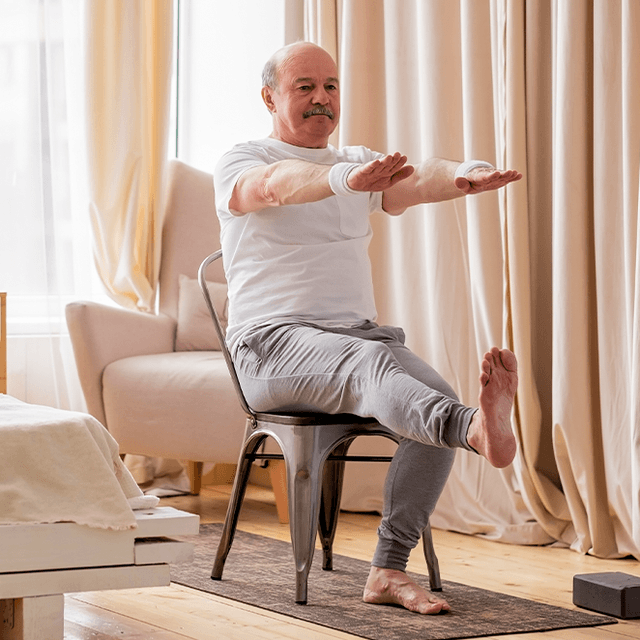
- Seated spinal twist — counters stiffness of staying in one position and gently mobilizes the lower back.
- Cat-cow stretch — it is great for moving the spine into flexion and extension, which is the opposite of what sitting tends to do.
- Standing back extensions — it undoes the rounded posture that develops at the end of the day from being at a desk.
If these stretches are done consistently a couple times each day, it can help decrease some of the stiffness you may feel.
4. Use additional support during high strain times
For those with a pre-existing back condition, or those who are likely to have prolonged periods of sitting or driving, back support belts may be useful during those times as long as they don't become an ongoing support. The AGEasy Spine Pro Belt is a support belt designed for this purpose. It provides support to the lower back while being breathable and adjustable to be worn during long periods of sitting or standing. A Lumbo Sacral Belt can be used to provide even more support for those with chronic conditions like spondylosis or disc-related problems.
Any kind of support belt should be used as an aid in particular contexts such as long driving trips or periods when you expect to be doing manual work so that you don't become reliant on it for comfort. The goal is to develop the muscles that should be doing the work so that you can function without it.
5. Engage your core and glutes
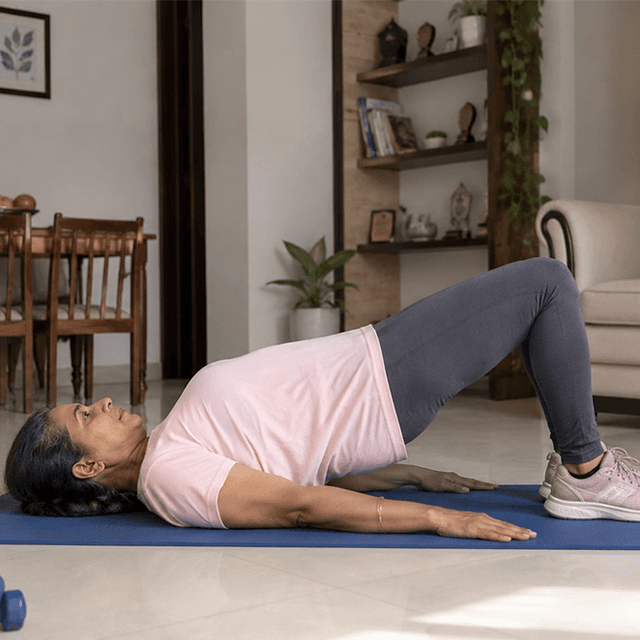
The most effective long-term way to combat sitting-related back pain is to strengthen the muscles that support the spine. Low-impact exercises like bird-dogs, bridges, and planks are good options to develop core stability without further aggravating an already irritated back. Even short sets of these exercises (even as little as 10 minutes) 2–3 times a week can significantly decrease the amount of strain your lower back experiences on a daily basis.
6. Change how you sit, not just how long
Small posture adjustments can help ease the strain on your back. Make sure that your feet are flat on the floor, your knees and hips are level, and that your lower back has support, rather than being rounded. The more you are able to maintain this posture, the less load your back will have to support while you work. If your chair does not allow you to sit in this posture then a pillow specifically designed to allow you to adopt this position should provide you with the support you need.
When to Consult a Specialist
Home strategies and supportive products help a lot with everyday stiffness and strain from sitting. However, if you have pain that radiates to your leg, or causes numbness and tingling, or if the pain does not get better with just resting or moving, or if you have increasing discomfort, it would be a good idea to get it checked by a doctor or a physiotherapist. Persistent or increasing back pain may have a cause that requires a diagnosis more than just improved ergonomics.
The Bottom Line
Back pain isn't caused by the action of standing up; it's caused by the hours of continuous sitting, lack of movement, inadequate posture, and the muscle inaction that occurs. The solution isn't to get rid of your desk or your car; it's to make a few changes in habits: provide support to your back while sitting, move frequently, stretch the muscles that become most tight, and strengthen your muscles in the lower back area.
The habits need not be complicated. Sometimes it can be as simple as a cushion and a stretch to allow your back to keep up with you throughout the day, as opposed to being stiff and sore at the end of the day.