


Bed Sores: How to Prevent Them, Spot Stage 1 Early, and Care for a Bedridden Parent
Article by: Isha
Jul 22, 2026. 9 min read
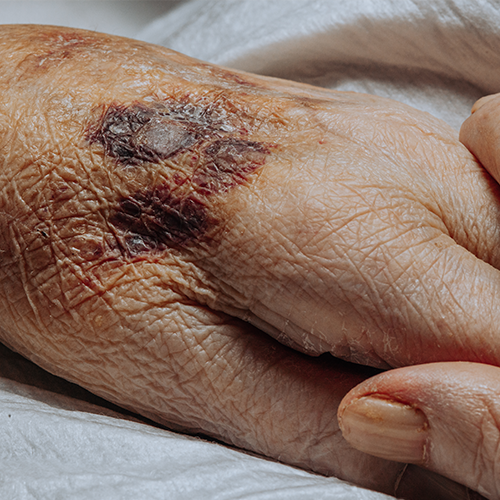
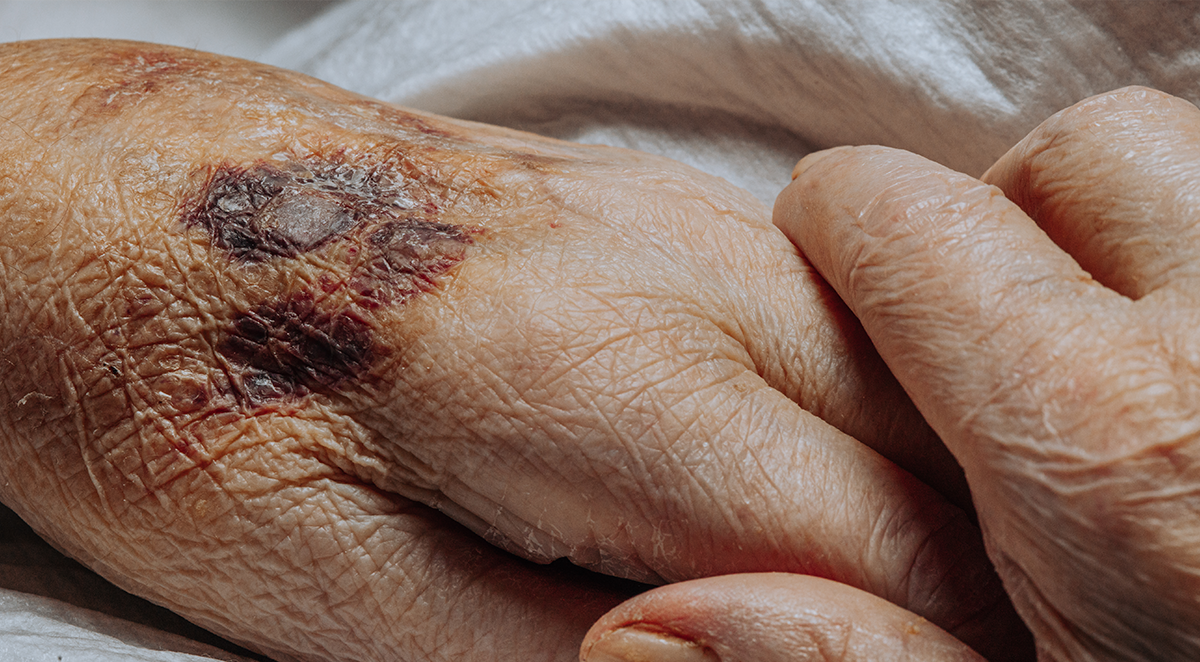
Skin breakdown takes quite some time to happen. But, pressure damage that leads to sore formation can happen in just over several days or some weeks.
The risks of pressure injuries are due to the fact that most of your elderly parent's skin will be subjected to high levels of sustained pressure if the skin is not repositioned. The areas that have the highest chances are the hips, the heels, the tailbones, and the elbows.
The soft red areas that develop on the skin are often the first sign. Once a soft red spot develops, the skin is at risk of developing a more serious wound. It is important to understand that the treatment for an open wound is significantly more difficult than the treatment for the early warning signs.
Most bedsores are preventable with the right knowledge and care. Knowing the right techniques, how often the patient should be repositioned, and what signs and symptoms need to be reported will help to avoid major injuries and will allow your parent to maintain a high level of comfort and health while remaining at home.
What Are Bedsores
Bedsores, also known as pressure sores and ulcers, are caused by sustained compression of soft tissue and skin between a bony prominence and a firm surface (e.g., mattress, wheelchair). Blood supply is blocked to the area due to the direct pressure which causes the skin to become ischemic and die.
There are three things that make this happen. Of these three, pressure does the most harm, especially over bony areas that have little padding. Then friction adds to this, when the skin rubs against bedding during moving around. The third that makes it happen is shear which occurs when there is a relative motion between skin and bone. For example, when a parent slides down in an elevated bed, the skin remains still, but the bone underneath moves. Shear can even stretch and tear blood vessels located in the deeper layers of the skin.
Some seniors are more vulnerable to this than others. The most dangerous risk factor is limited mobility, which can be followed by poor nutrition, dehydration, diabetes, incontinence, and thin, aged skin. If your parent has 2 or more of these risk factors, it is important to check their skin daily.
Where Do Bed Sores Form? The Pressure Points to Check Every Day
Bed sores are formed over bones that are resting against a bed or chair for a long period of time. For parents who are lying on their back, check their tailbone, heels, shoulder blades, elbows, and the back of their head. For parents who are lying on their side, check their hips, ankles, knees, and ears. For parents who are in a wheelchair, the tailbone and buttocks bear most of the weight.
Make checking the skin as part of your morning routine. Good lighting matters. Run your fingers over each pressure point and compare both sides of the body. You are looking for changes in colour, temperature, and texture.
Identifying Stage 1 of Pressure Injury
Stage 1 is the only stage where skin does not break. Catching a sore at this stage means it will heal in days instead of months.
Check for the following:
- New areas of skin damage. If skin is healthy, it will turn whitish when pressed and return to its normal color after a few moments. Stage 1 injuries will have skin that is unresponsive to pressure and will not turn white or pink. For brown skin the absence of redness or the presence of purplish/blueish patches as compared to normal skin are indications of a pressure injury.
- Skin that is warmer or cooler than the rest of the area.
- The skin in question feels noticeably different (more firm, soft, or spongy).
Your loved one may have some or all of the following symptoms: soreness, burning sensations, or itching at the area in question. They may seem to be uncomfortable or may be tender to touch.
A simple test can confirm the presence of a Stage 1 pressure injury.
- Remove the pressure from the red area to allow the skin some time to recover.
- After 30 minutes you should be able to see an improvement. If the redness is still present then you have identified a pressure injury that needs to be addressed.
Your loved one's doctor should be notified as soon as possible. The area should have no further contact until it returns to normal.
Movement: The Most Important Step
Movement is the only way to restore blood flow and the only way to prevent damage to the tissue.
When caring for a parent who is bedridden, try to change their position after every two hours. You can set alarms to go off on your phone until this becomes part of your routine. If your parent is in a wheelchair, you will need to adjust their weight every 15-30 minutes, and you should change their position completely every hour.
As important as timing is, technique is equally important. Lift, do not drag. When you drag a person, you create friction in areas that can be injured. Instead, use a draw sheet to slide your parent smoothly.
When positioned on the side, use a 30-degree angle position. If someone is in a full side position at 90 degrees, all of that weight will be concentrated on one bony hip. By putting a pillow behind their back, they will be shifted to 30 degrees and the pressure will be redistributed to softer tissue. A wedge pillow keeps them at this angle, preventing them from rolling back to the flat position and is recommended to be used at all times for this purpose.
Keep the head of the bed flat. Any time the head of the bed is raised more than 30 degrees, the person's body will slide down, creating friction and shear on the tailbone. This is only to be done for meals. Otherwise, the head of the bed must be kept as low as possible.
Lastly, when caring for a parent who is bedridden, it is important to float the heels. Place pillows under their calves so that their heels are hanging off the edge of the mattress. The heels are especially vulnerable to breaking down and should be protected by this method at all times.
Selecting Appropriate Support Surfaces
The type of mattress that your parent lies on determines how much pressure is absorbed by their skin and how often they are turned. Basic foam mattresses create pressure on certain bony areas, whereas alternating pressure air mattresses create controlled pressure through cycles by inflating and deflating different air pressure cells, thus redistributing the load on different parts of the body. The AGEasy air mattress has a quiet pump that is designed for seniors who are on extended home bed rest. It is designed to assist circulation between repositioning turns, but it does not eliminate the need to reposition your parent. The air mattress will not relieve you of the task of turning your parent.
For a parent who sits a great deal, a coccyx cushion with a cut-out can relieve the tailbone, which is one of the first locations of breakdown. The AGEasy coccyx cushion can be used with a wheelchair, on a sofa, and on a regular chair. Ring or doughnut type cushions should be avoided as they create a pressure point at the edge of the ring and can reduce blood flow to the center of the cushion.
Skin Care and Hygiene
Moisture from sweat, urine, or stool may soften the skin and may damage it. If your parent has incontinence, their skin should be cleaned as soon as possible and a barrier cream should be applied to the skin to protect it from moisture. Use a gentle cleanser and never rub the skin, as that may further damage it. In between bedding changes, leak-proof disposable undersheets will keep the bed dry and are much easier to change than a complete bed change.
The aim is to maintain a balance. Areas that are dry, flaky, and may crack and break under pressure need to be moisturized daily. However, skin folds and pressure areas should be left free of excess moisture to avoid making the problem worse. Even the edge of a folded sheet could create a pressure point after a few hours.
Nutritional and Hydration Needs of the Skin
Skin needs adequate protein, calories, and fluids to stay supple and to heal. If the elderly bedridden are eating and drinking less, then their skin will weaken due to a lack of internal nourishment. Make sure to provide protein at every meal, through dal, paneer, eggs, curd or milk. Guava, citrus fruits and nuts are a good source of Vitamin C and Zinc which assists with the healing process of the skin. Unless the doctor has restricted fluid intake, encourage 6-8 glasses of fluid intake. If your parent's appetite has dropped significantly, speak to the doctor about the possibility of a nutritional supplement.
When to Consult the Doctor
If the red area has not faded after 30 mins of relieving the pressure, if there are any blisters, breakdowns, or open areas, if there are any drainage or dark spots, that demonstrate the presence of more serious underlying issues, then contact your parent's physician. In the elderly, infection can deteriorate quickly, so urinary tract infection, increased redness, warmth around the wound, or foul smelling discharge are also to be attended to without delay.
It is better to request home visit or nursing assistance sooner than later. A wound care nurse identifies issues a relative may overlook, and a physician rules out other reasons for changes in the skin.
The Bottom Line
Preventing bed sores is much easier than treating them. Daily skin assessments and turning your parent every two hours is imperative, as is ensuring skin remains clean and dry, and use of pressure-relieving mattresses and cushions. Nourishing the skin from the inside is also important. With a regular routine, most families manage to keep their bedridden parents free from sores at home.
This article provides general information only and is not a replacement for medical guidance. Consult your parent's physician before modifying any medications, target goals, or monitoring procedures.
Recommended Blogs


















You May Also Like
 No products found
Article by:

Isha
Article Category:
General Wellness