
Uric Acid Symptoms: How Gout Announces Itself (and Why the Big Toe Isn't the Only Clue)
Jul 16, 2026
Your body's first signals are subtle.
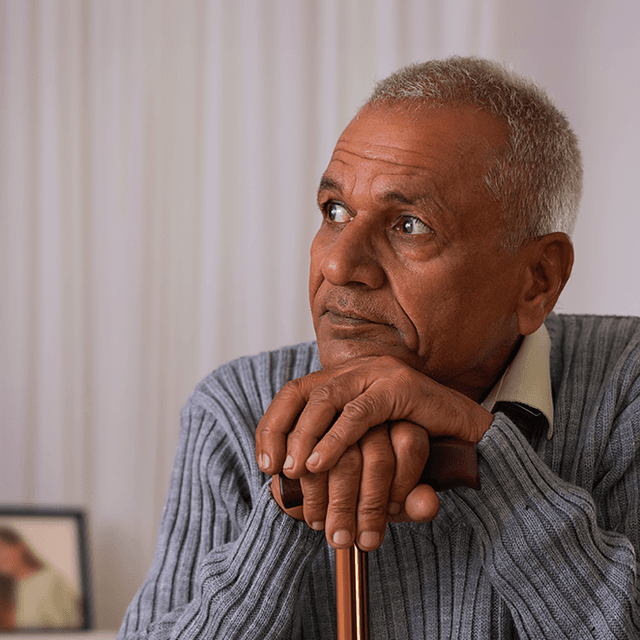
Many people assume that gout shows up out of nowhere. In fact, high uric acid has been present for months or even years, for a long time leaving small signs that people ignore until the suffering becomes intolerable. For adult children keeping an eye on an ageing parent's health, this is exactly the trap to watch for: the parent themselves is often the last person to mention it, having written the stiffness off as "just old age."
We might blame the midnight meal, their age, their muscles, or the throw of the dice. All the while, uric acid crystals are growing where they don't belong.
It begins with lethargy, then swelling, followed by warmth, and then pain so severe that a bedsheet touches the skin like molten lava.
And gout can show up anywhere, not just the big toe.
This article breaks down the early signs of high uric acid and gout, explains the cause of attacks, and identifies the signs that are overlooked before permanent damage to the joints occurs. It covers the signs that are especially worth knowing if you're the one helping a parent stay ahead of their health.
What Uric Acid Does to Your Body
Uric acid is a waste product. The body produces it when purines are broken down. Purines are natural constituents of cells and some foods. Normally, the kidneys filter uric acid out through urine. The problem starts when the body produces too much uric acid, or when the kidneys are unable to clear it quickly enough.
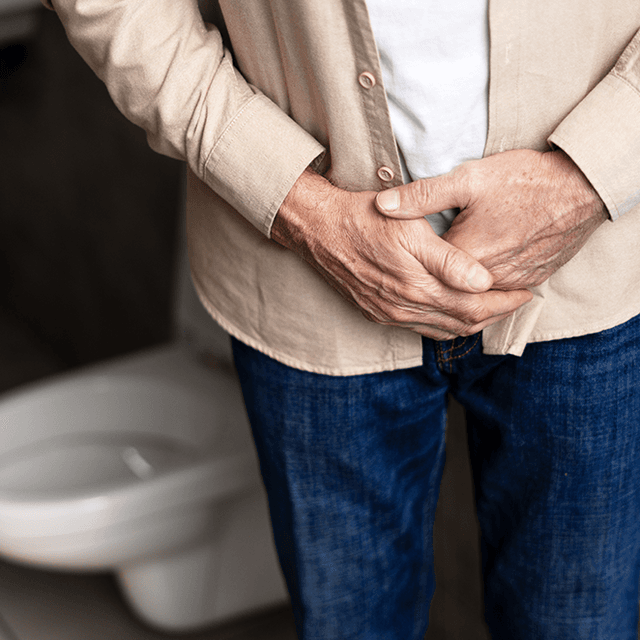
If uric acid levels are maintained at high levels for a long enough period of time, crystal formation begins and develops within joints. The formation of crystals leads to inflammation which causes the swelling, redness, and pain of a gout attack. This condition is known to primarily affect men, those over the age of 40, and individuals with a family history of gout. However, in recent years, this condition has been observed more frequently in younger adults, mainly due to diet and lifestyle choices. That older-age bracket is also, not coincidentally, the age group whose health many adult children find themselves quietly tracking through reports, routine check-ins, and the small changes they notice on visits home.
The Early Warning Signs Nobody Talks About
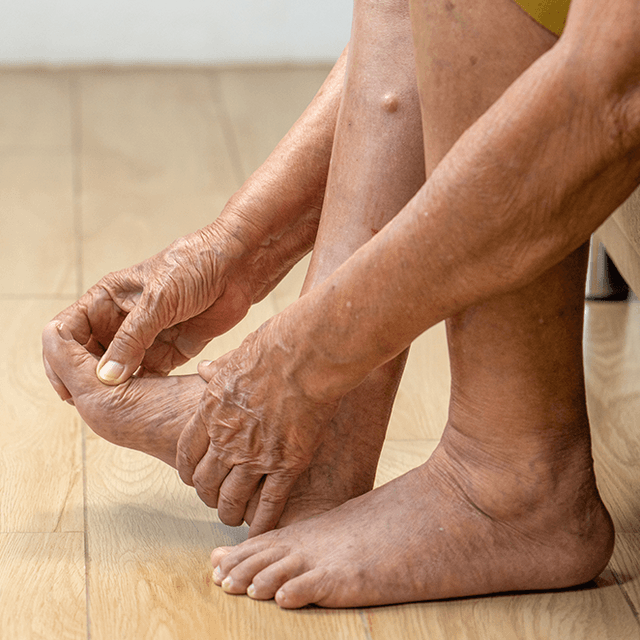
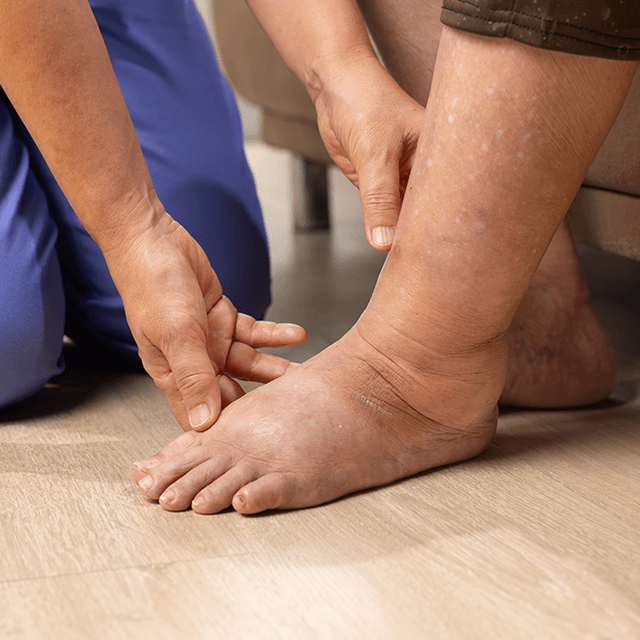
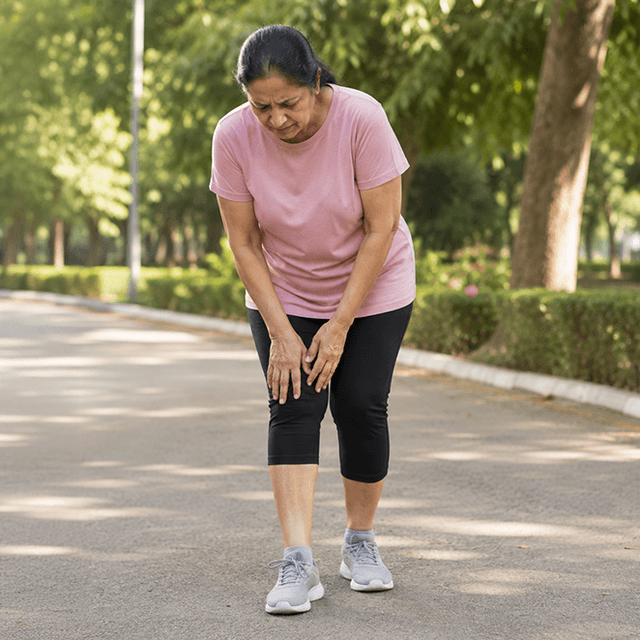
Gout often starts off without an intense flare. In fact, most cases show mild joint stiffness first thing in the morning, which is often confused with age-related wear and tear of the joint, while others suffer from a longstanding low-grade painful condition in the ankle, knee, or wrist which lasts for several weeks before an attack occurs. Some individuals may observe a joint become warm or slightly puffy which resolves within a few days, leading them to ignore it. If you're the one looking out for a parent, this is often where you notice something before they'd think to bring it up themselves — a slight limp after they've been sitting a while, or a reluctance to put full weight on one foot in the morning.
These symptoms are the early warning signs of increased serum uric acid levels. Eventually, the gradual buildup of crystals, if left unaddressed, will exceed the threshold and result in severe gout attacks.
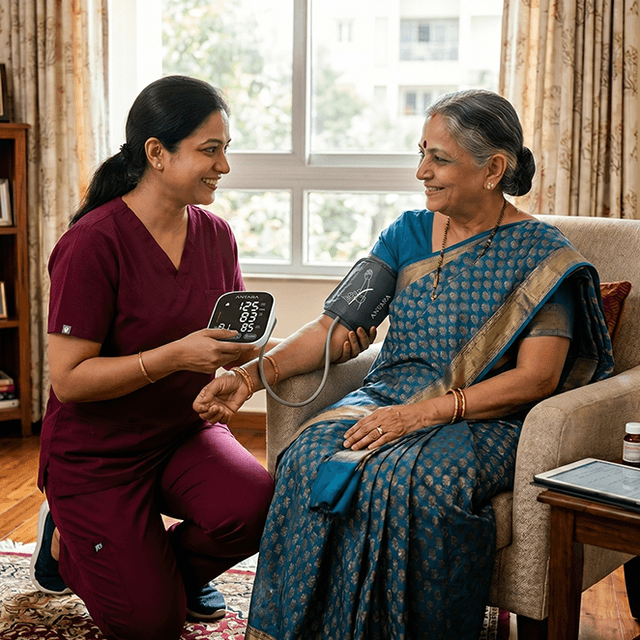
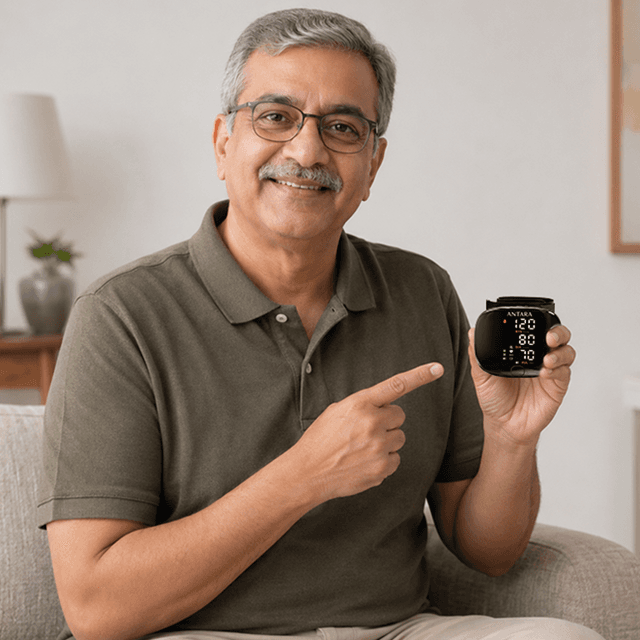
Blood pressure and general health monitoring at home can help identify patterns that require medical intervention, and that's even more important if you have high blood pressure, diabetes, or high uric acid levels. The AGEasy BP Monitor is one such device that enables you to keep track of these important numbers and evaluate risk, and for many families, this kind of monitoring becomes a shared responsibility, with an adult child helping a parent stay consistent with it. This is important because gout is associated with increased risks for cardiovascular disease and metabolic disease.
Why the Big Toe Gets the Reputation It Does
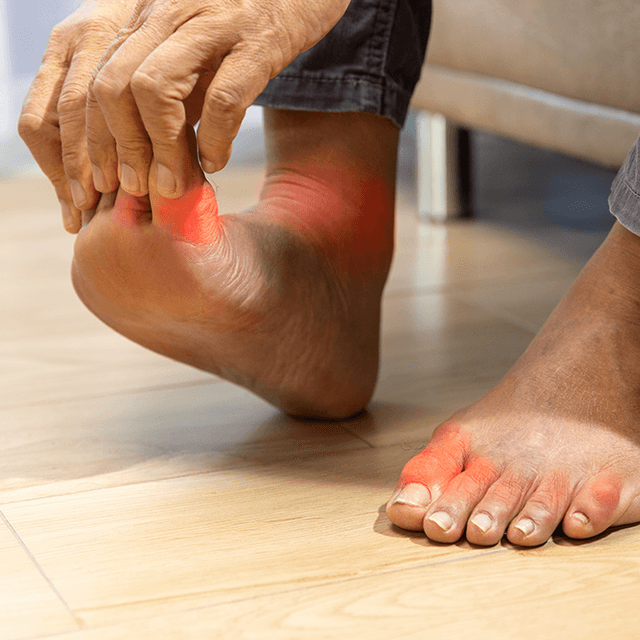
The first metatarsophalangeal joint (the big toe joint) is the most frequent site for the first gout attack. It's located a distance away from the heart, which means it can be a little cooler than some other parts of the body. This temperature difference can cause increased formation of uric acid crystals, which precipitate gout attacks.
However, gout attacks are also quite common in the knees, ankles, and upper body, including wrists, fingers, and elbows. In fact, many long-standing patients with gout experience the so-called migratory pattern of attacks, which involves multiple joints. This pattern can be easy to miss if a person assumes gout means only toe pain. If you're supporting a parent with recurring flares, a simple note of which joint, and when, can be genuinely useful information to bring to their doctor.
Ankles are often involved in this migratory pattern, and attacks here are more common among people who stand a lot (such as teachers) or people with existing joint laxity. In these cases, supportive ankle structures can help limit the range of movement at the inflamed joint and help make walking more manageable. This is worth keeping in mind for a parent who's still active and on their feet around the house.
What a Gout Attack Actually Feels Like
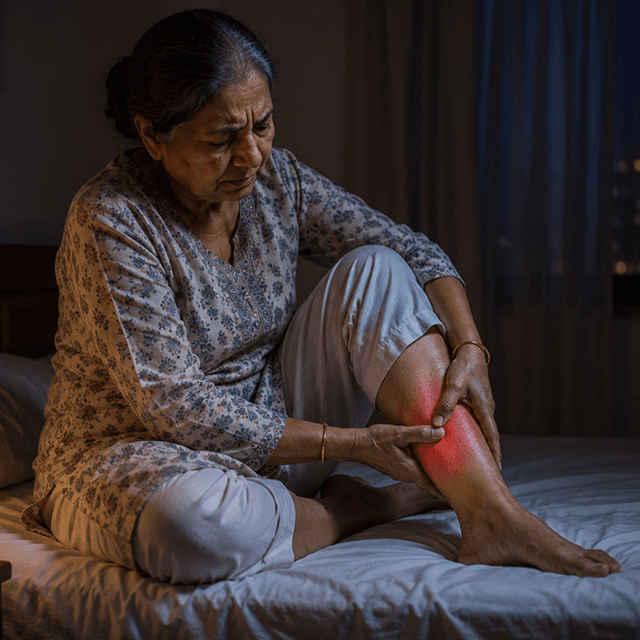
A gout attack can hit quickly and with great intensity. It can take hours for the sharpest pains to set in after the initial onset. This is accompanied by swelling and heat on the affected joint, which can make any touch feel unbearable.
Flares can also cause mild fever, fatigue, and an overall sick feeling, which can vary from person to person. The skin surrounding the inflamed joint may also become shiny, red, or even purple. Untreated attacks can last anywhere from a couple of days to two weeks, and poor management of gout means repeat attacks, which will lead to permanent joint damage. If you're checking in on a parent by phone rather than in person, this is worth remembering: pain this severe is often downplayed in a quick call, so a change in their gait, a skipped walk, or an offhand mention of fever is worth asking a follow-up question about.
Why Joint Support Matters During Recovery
Joints need rest after an attack, but they also need support to prevent reinjuring the ligaments, which is when the right mobility support becomes truly essential. These are also the kind of practical, everyday aids that adult children often end up researching and arranging on a parent's behalf.
Gout flares affecting the knee can benefit from supportive knee braces, like the AGEasy Hinged Knee Brace, which stabilizes the joint but allows for the natural flexion required for movement. The open areas around the sensitive regions mean less direct pressure while still providing compression, which many people find more comfortable during a flare-up.
Having a topical option such as AGEasy Pain Relief Gel can benefit pain that lasts even after the acute phase of an injury. It is quick-absorbing and non-sticky, and some people use it to relieve residual stiffness and discomfort around their knee, ankle, or foot after the worst of the swelling has subsided. While it can help with day-to-day comfort while the joint heals, it is not a treatment for the uric acid buildup itself.
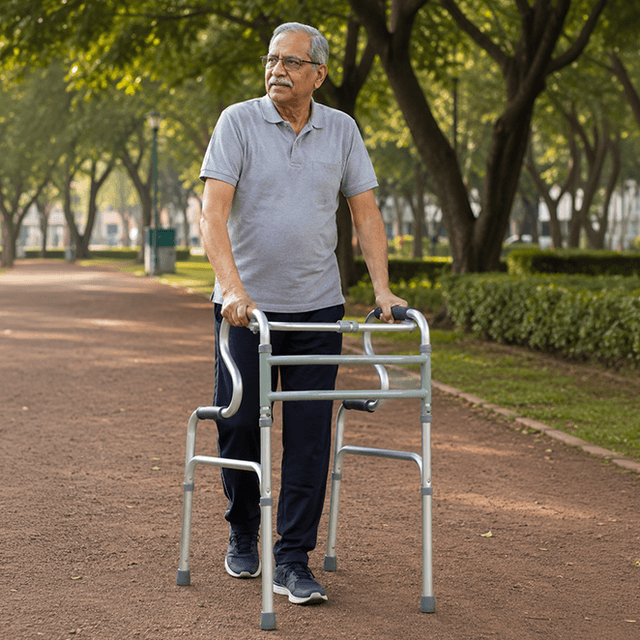
If a flare-up affects mobility, particularly in the knee, ankle, or foot, using a temporary walking aid may alleviate some of the weight on the joint and lessen the risk of falls. This is a real concern for an ageing parent recovering from a flare. Among the lightweight options to aid stability without creating unnecessary bulk, the AGEasy walking stick range might be a great option for short-term use during recovery.
When to See a Doctor
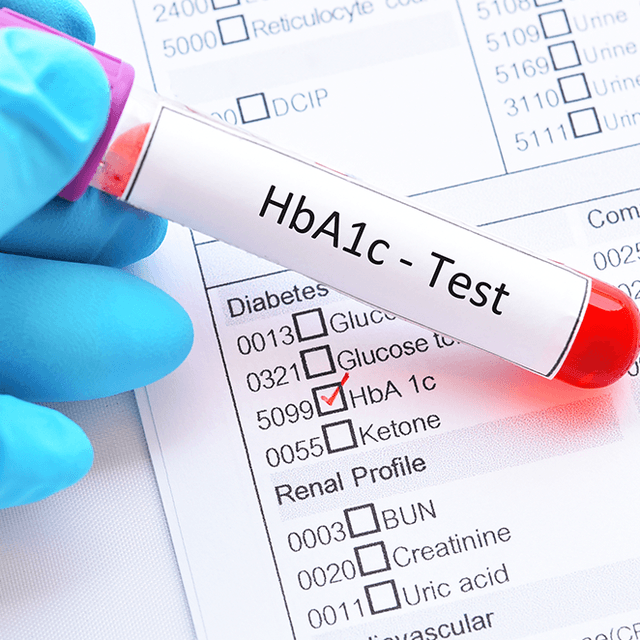
A certain amount of joint discomfort can be expected from aging, but recurring swelling, heat, or pain in the same joint should always be evaluated, particularly if it is occurring more than once every few months. It is a straightforward process to analyze blood samples to evaluate uric acid levels, and subsequently, your doctor can determine whether you need to modify your diet or medication, or if further assessment is necessary. If a parent tends to brush off recurring pain as "nothing serious," noticing the pattern and gently pushing for that appointment often falls to the adult child paying attention.
Long-standing high uric acid levels ultimately lead to more than just frequent attacks of pain. After several years, it can cause irreversible harm to your joints, lead to deformity, and even result in the formation of kidney stones. Early intervention is best when you notice the first signs: mild swelling, stiffness, or a joint that just feels off.
Speak with a doctor or rheumatologist if you notice recurrent pain or swelling in your joints, or any of the other symptoms discussed here. Gout can only be diagnosed and treated appropriately by a medical professional. If you're the one looking out for a parent, helping them get to that appointment, and going along if they'll let you, is often the single most useful thing you can do.