
Morning Stiffness Isn't Just "Old Age" - Here's What Actually Helps
Jul 9, 2026


Old age should never be a reason to wake up and have to mentally coax your body into moving.
There are people who have to brace themselves and prepare mentally to stand. The first few moments after you wake up your body should never feel like it's a decade older than you actually are.
While many people pass this off as "just old age", this is not the full picture.
Stiffness does not have to be a part of your day. Depending on the situation it could just be your body asking for a little bit of movement. In other situations, it may mean that your joints need some additional support. In some cases, doing something could mean a change from the habits you've been meaning to implement.
A great morning routine includes gentle movements. Supporting your joints can be the difference between staying stiff and loosening your body enough so that daily tasks don't feel like a chore.
If you want to stop starting your day with self-doubt, and instead start your day with enthusiasm, this guide is for you. It covers the likely reasons behind your body's stiffness, and what you can do to alleviate it.
What Happens to Your Joints Overnight
Your body isn't just going into rest mode during sleep. It is also losing range of motion and that will catch up to you by the morning. Your body's natural lubricant that aids in smooth joint movement is called synovial fluid. This fluid thickens when your body is kept in a still position (like sleep) for long periods of time. Sleep also means the body isn't moving, and therefore there is reduced circulation to the muscles and connective tissues around the joints. For people with mild inflammation, wear and tear of cartilage, and poor muscle conditioning, the deconditioning of muscles may make movement more difficult after a prolonged period of sleep.
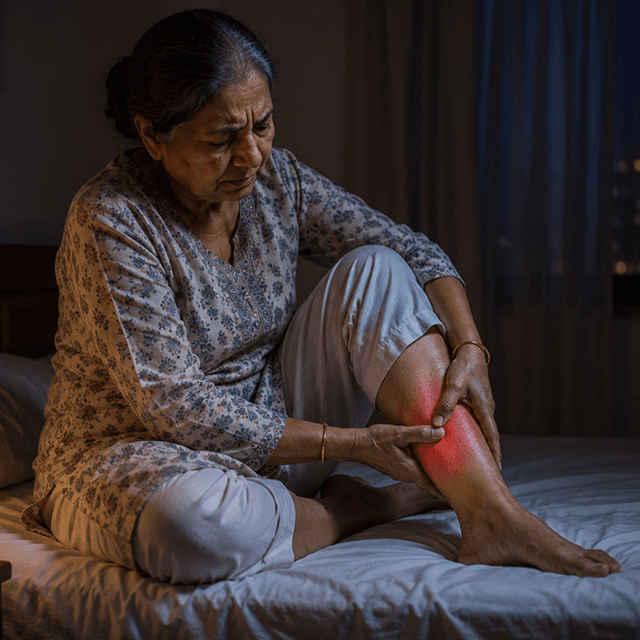
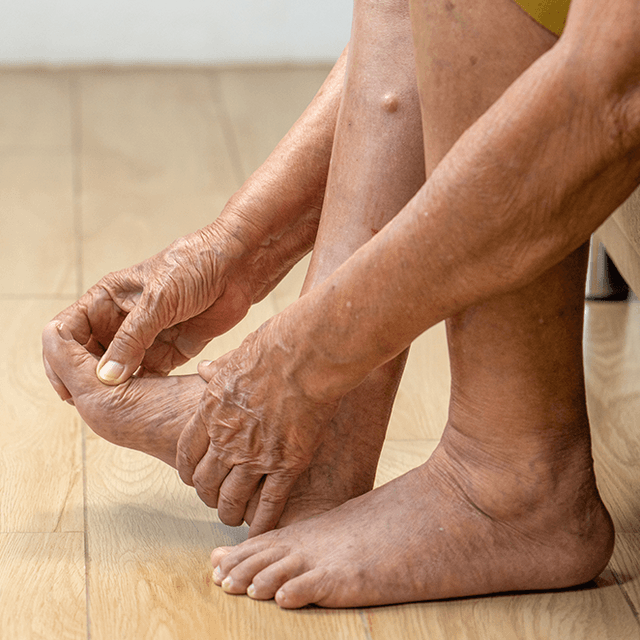
Aging is associated with an increased frequency of morning stiffness. However, it's more common in people who sleep in a particular position, have low levels of physical activity, are dehydrated, sleep in a cool room, and have underlying joint conditions like osteoarthritis. If stiffness persists for over thirty minutes, or is accompanied by swelling in the joints, or is significantly warm to the touch, that may be an indicator of rheumatoid arthritis. This should always be brought to the attention of a physician.
Effective Morning Stretches
On the bright side, most morning stiffness is alleviated by simple, consistent habits. These habits do not require a major change to your lifestyle.
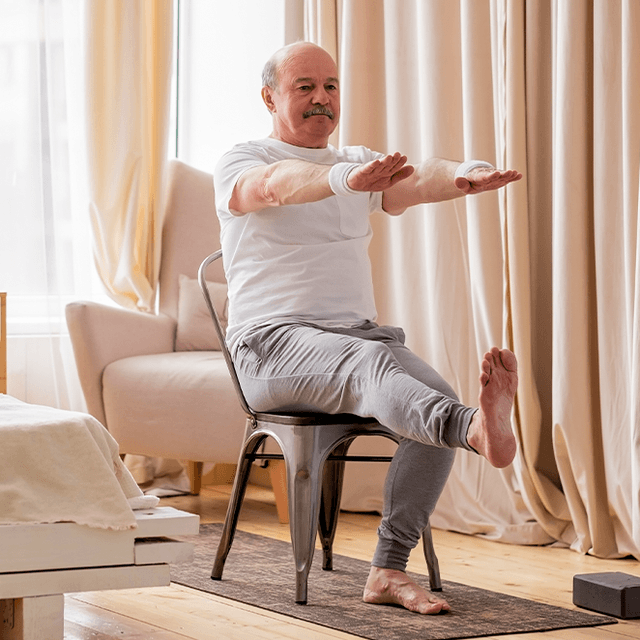
Move before you get up. You can do some movements like circles with your ankles and wrists, or even do knee-to-chest stretches. That gets the fluids going in your joints and maybe helps with the weight. It seems small, but these small habits make a difference.
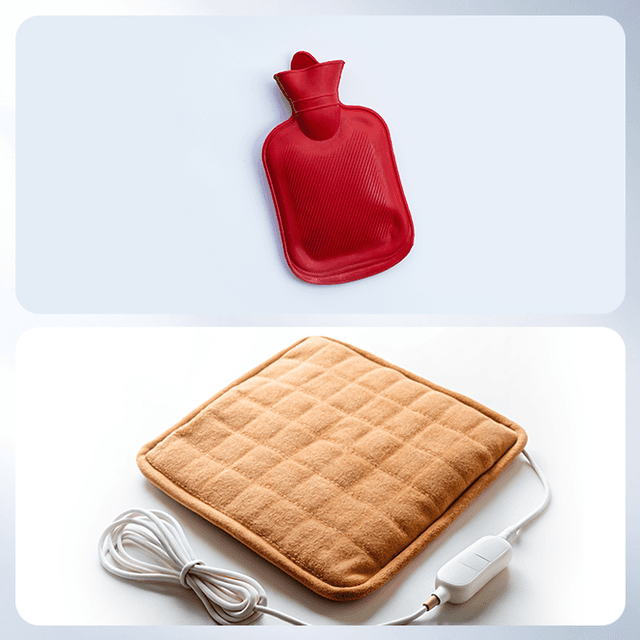
Warmth helps more than most people realize. A shower in the morning helps or just running your hands under warm water makes your fingers and wrists warm quicker. A warm shower helps some people to get rid of the stiffness.
Hydration matters more than people expect. Joints need fluids to stay soft otherwise you will be stiff. Mild dehydration makes muscles become stiff. It really does help to drink water as soon as you wake up.
Your sleep setup counts too. Soft pillows and soft mattresses cause stiffness and soreness. They do matter and they support you. Look at what supports you. You should do this before you focus on diet or exercise.
Building Joint Support Into Your Day, Not Just Your Morning
Stiffness in the mornings shows what happens in the day overall, not just mornings.
Engaging in physical activity like walking, swimming, or stretching helps prevent joints from becoming stiff. This is more important than vigorous workouts because being active regularly is beneficial. If standing or walking is difficult because of joint pain, specially designed mobility aids can assist you in remaining active and in avoiding movement that could worsen stiffness. For instance, AGEasy's walking aid and joint support products are designed to keep you active and independent while avoiding strain to your joints.
Your joints may also be affected by the foods that you eat. Anti-inflammatory foods such as fish, nuts, greens, and olive oil may help reduce your joint pain. Other foods that may increase your joint pain include those high in sugar and refined carbohydrates. This does not mean you have to eliminate those foods completely. Making small changes to your eating habits can help improve your joints.
Another factor is weight management. Every extra pound adds pressure to weight-bearing joints, like the hips, and knees and even small amounts of weight loss can reduce stiffness in the mornings.
When Support Aids Help
Many individuals who have chronic joint pain, whether it be because of arthritis, prior injuries, or just age-related wear, are able to not have to 'push through' the pain thanks to the right support products. These also tend to include some form of assistance. This might be a supportive cushion that relieves pressure on the lower back and hips while sitting, or a compression sleeve that provides gentle support on a working joint, and even gripping assist devices that help people do activities as simple as opening a jar or turning a key. AGEasy has a large selection of these types of products. They provide customized, functional products that integrate easily into daily activities. This is often the critical aspect that determines whether a product will be used frequently or whether it will end up collecting dust in a drawer.
Products should never be used to replace movement or medical help. Products should help remove barriers so that people can stay active, especially on challenging days.
Knowing When to See a Doctor
Although many of the habits listed above can help manage morning stiffness, it is advisable that you speak to a health care professional if:
- You experience stiffness for more than 30-45 minutes regularly
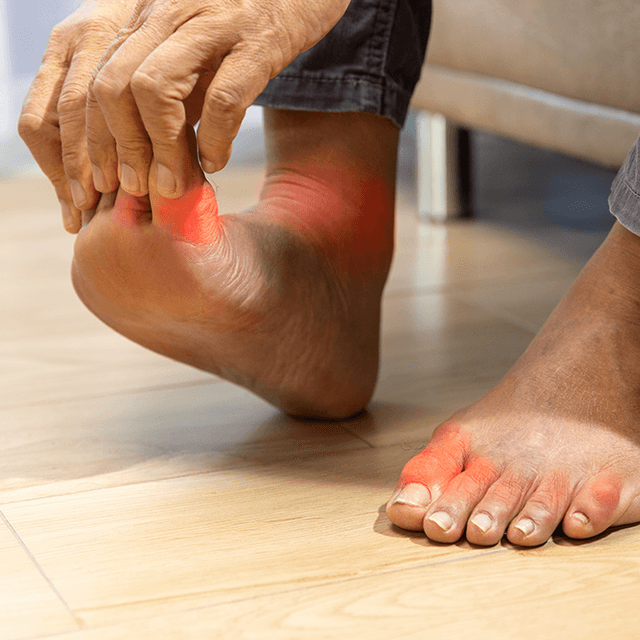
- You have swelling, redness or warmth in the joint
- Your stiffness is worsening week to week or month to month
- You have a fever or unexplained fatigue along with the stiffness
These symptoms may show signs of inflammatory arthritis or other conditions and can be further assessed with an early diagnosis and treatment. Do not wait to have an assessment.
Conclusion
Morning stiffness may be an expected symptom of arthritis, but that does not mean that nothing can be done to ease the discomfort. With consistent practice of gentle movement before standing, drinking enough water, covering the body to ensure warmth, improved sleep support, and remaining active throughout the day, the discomfort can be significantly eased. Furthermore, daily activities that seem to be more of a struggle than they should be can be made easier by supportive products, allowing you to manage your discomfort without sacrificing your independence.
This article is for informational purposes only and should not be construed as medical advice. If you experience ongoing joint stiffness that is getting worse or having a negative impact on your life, seek the advice of a qualified healthcare provider.