
5 Everyday Habits That Ease Joint Pain in Ageing Parents
Oct 13, 2026
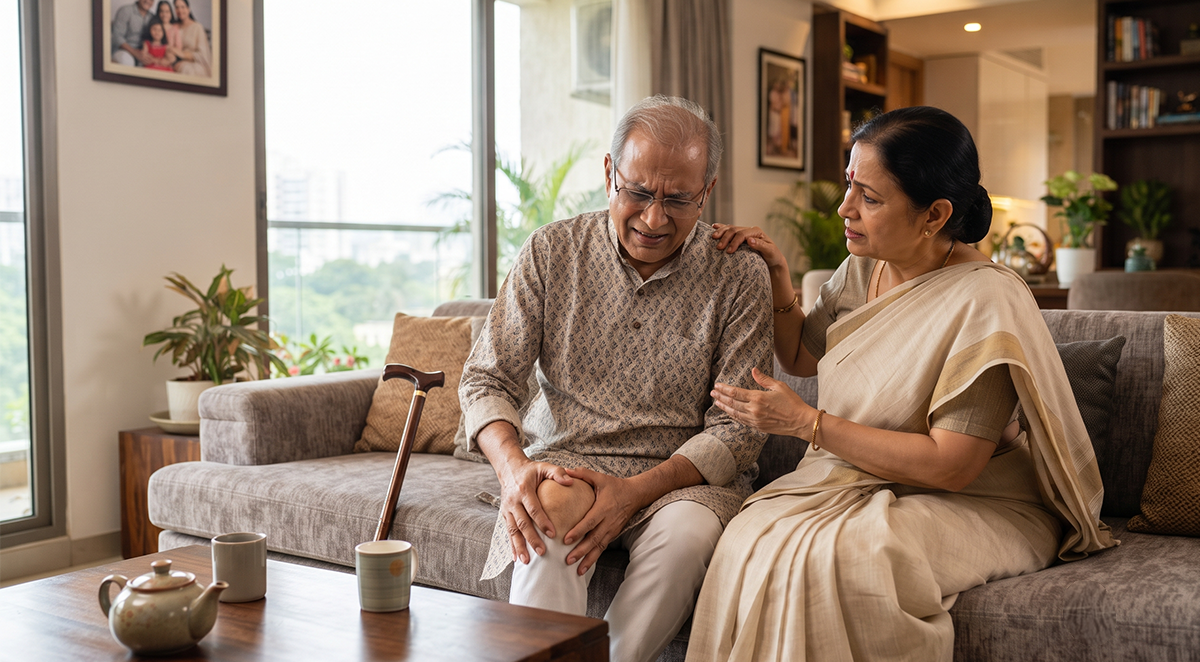
5 Everyday Habits That Ease Joint Pain in Ageing Parents
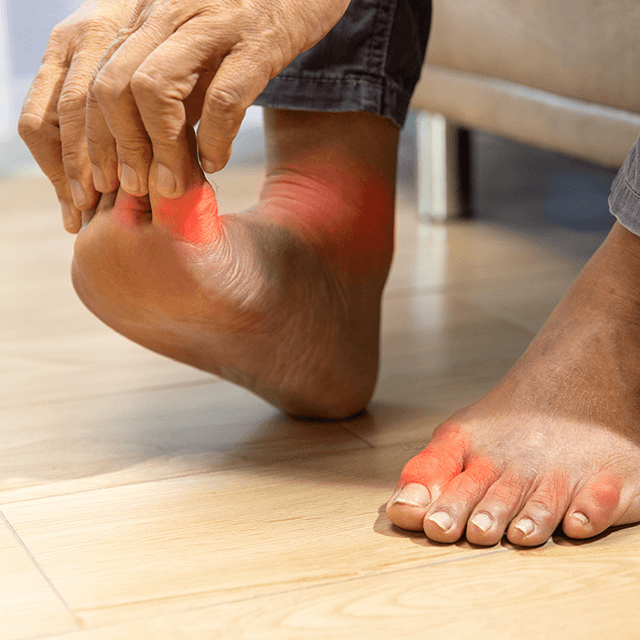
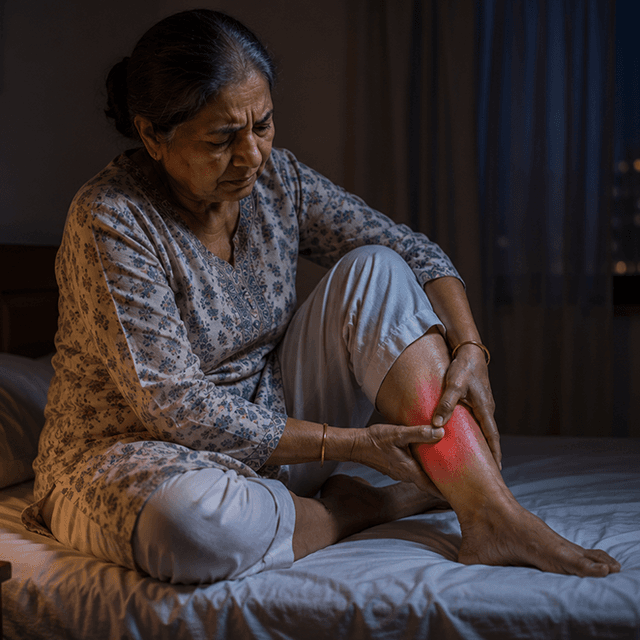
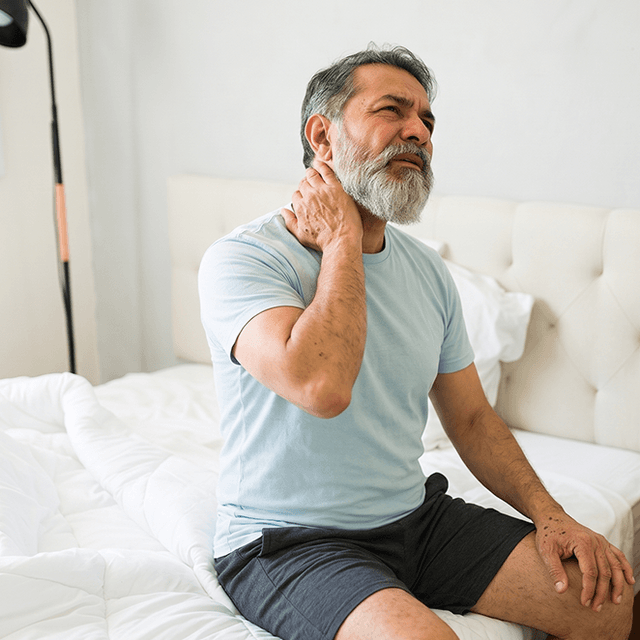
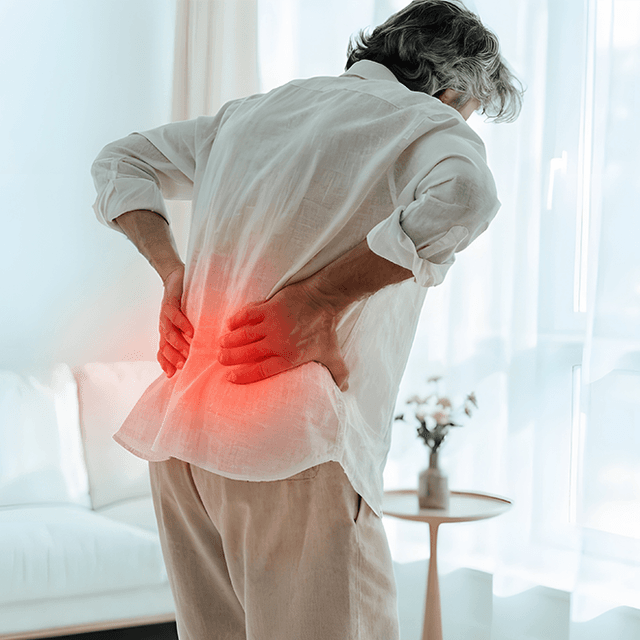
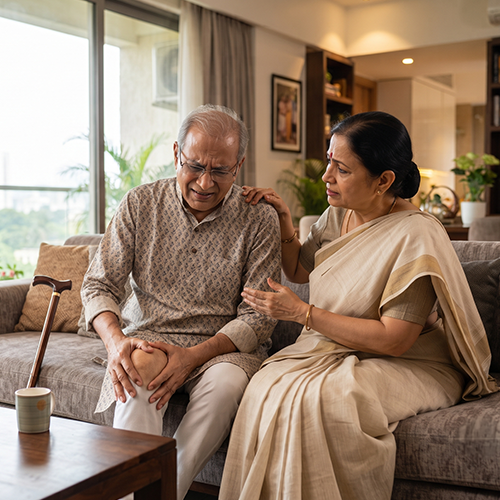
Joint pain is one of the most common issues that affects millions of seniors and young adults around the world. Whether it is caused by ageing, an inactive lifestyle, previous injuries or excessive strain on the joints, it can make day-to-day routines equally challenging for both older and younger adults. But the good news is that the right habits and a healthy diet can help older adults manage joint pain and maintain overall mobility.
In this article, we will explore 5 habits that you can help your parents build to support joint health, mobility and independence.
1 - Staying active with low-impact exercise
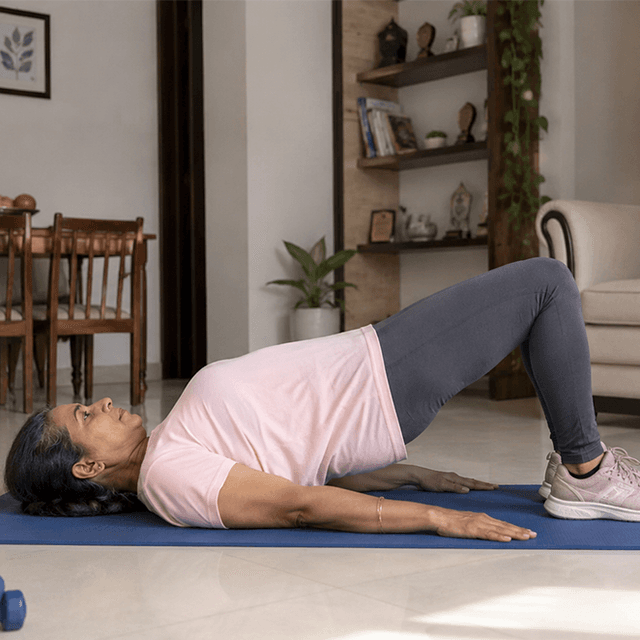
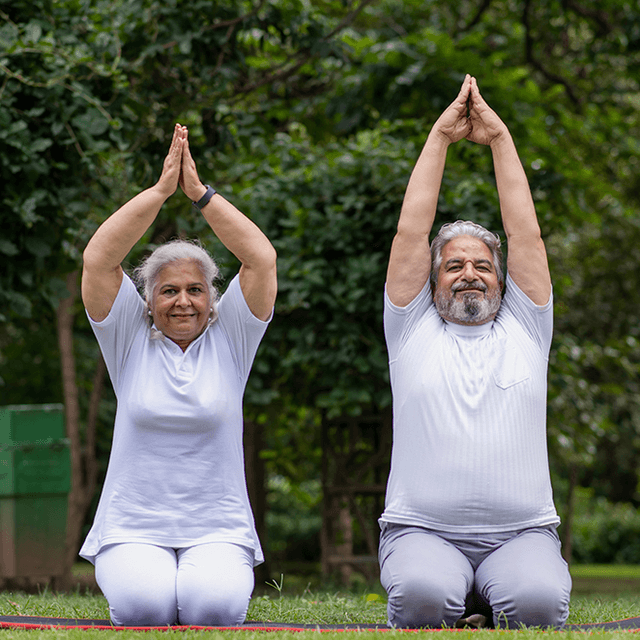
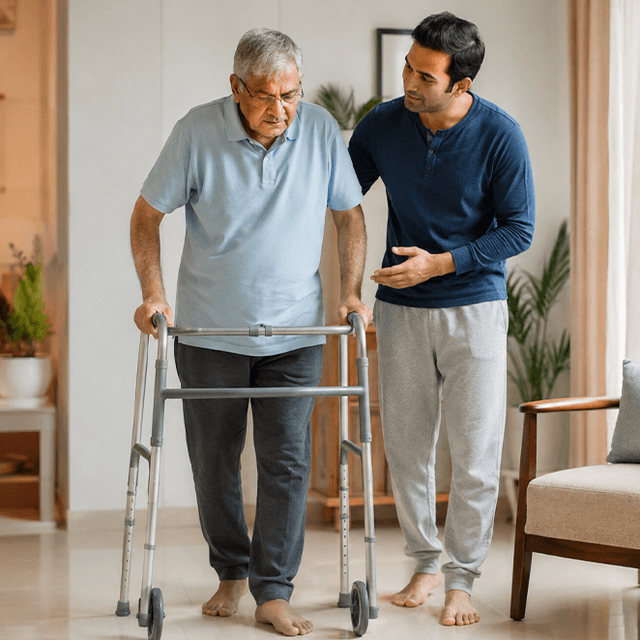
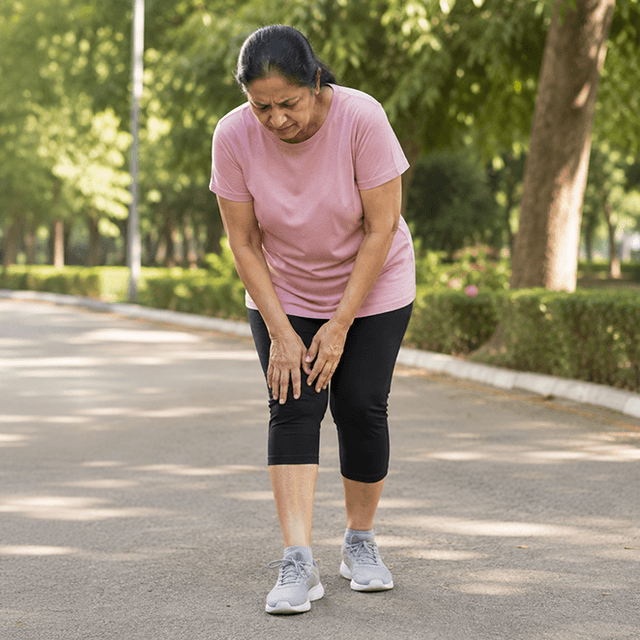
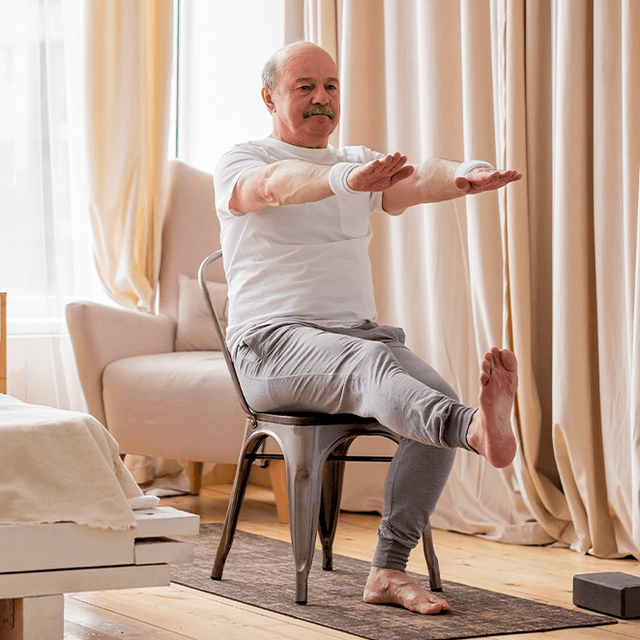
It is no secret that staying active and exercising regularly helps one stay healthy. This becomes even more important when dealing with joint pain, as regular physical activity helps keep the joints mobile, strengthens the muscles around them and prevents stiffness. Hence, instead of encouraging your parents to stop exercising altogether, help them find activities that are gentle on their joints and comfortable for them.
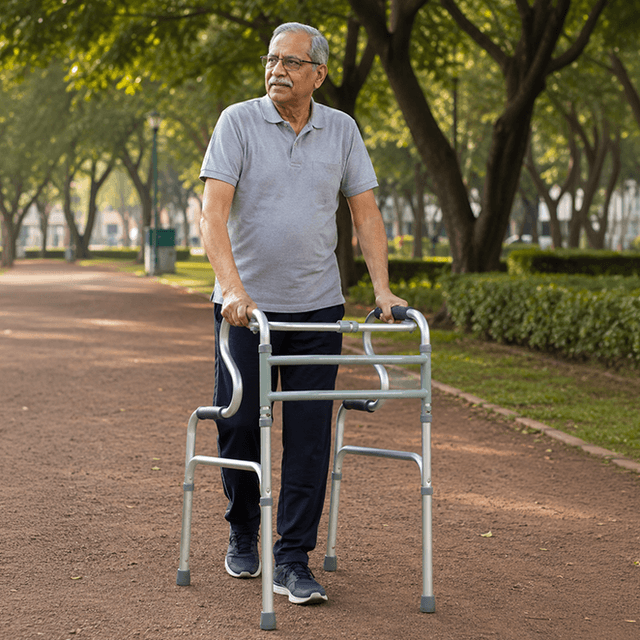
Walking can be a safe place to start. Depending on their comfort and flexibility, a 30-minute walk, cycling, swimming or even yoga can help keep joints active without putting excessive strain on them.
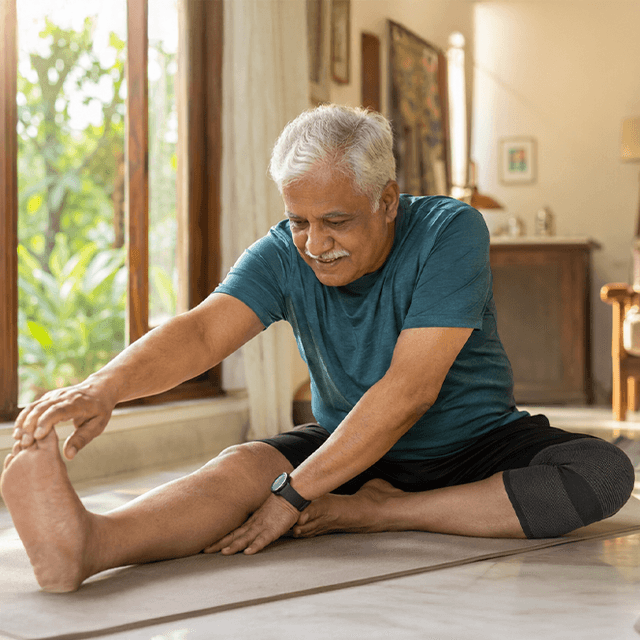
Encourage regular stretching
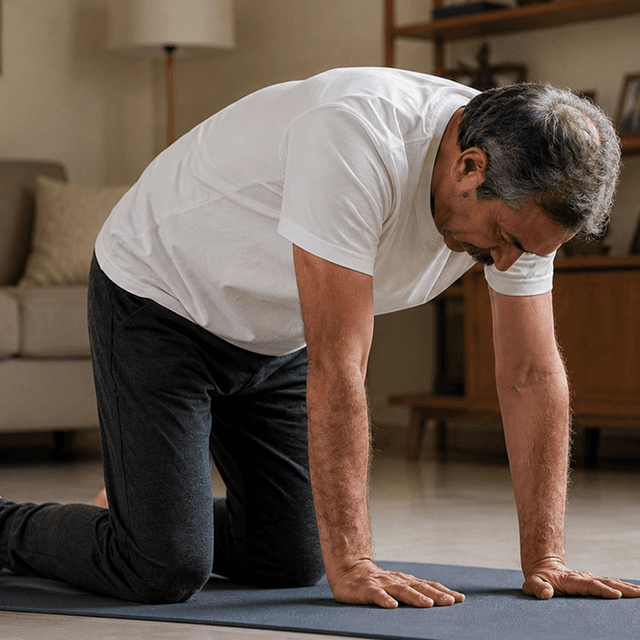
Stretching is another habit that one must include in their routine as it can help improve flexibility, reduce stiffness around the joints and make everyday movements easier.
A few minutes of regular stretching can help:
- Reduce stiffness and improve blood flow.
- Help in retaining flexibility and makes daily movement easier.
- Helps prevent injuries by keeping muscles and tendons flexible.
The goal is to help your parents keep moving comfortably rather than remaining inactive for long periods.
Pro tip: If your parents spend long hours sitting, encourage them to stretch their legs and move around every hour instead of staying in the same position for too long. Even small movement breaks can help break up prolonged sitting.
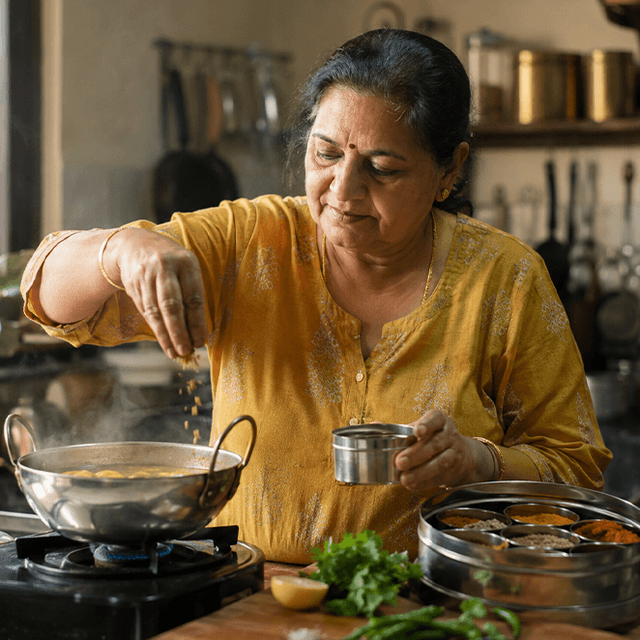
2 – Maintaining a healthy weight and diet
Weight can have a direct effect on the amount of stress placed on weight-bearing joints such as the knees and hips. Carrying excess weight can increase this mechanical load and may make symptoms of conditions such as osteoarthritis harder to manage.
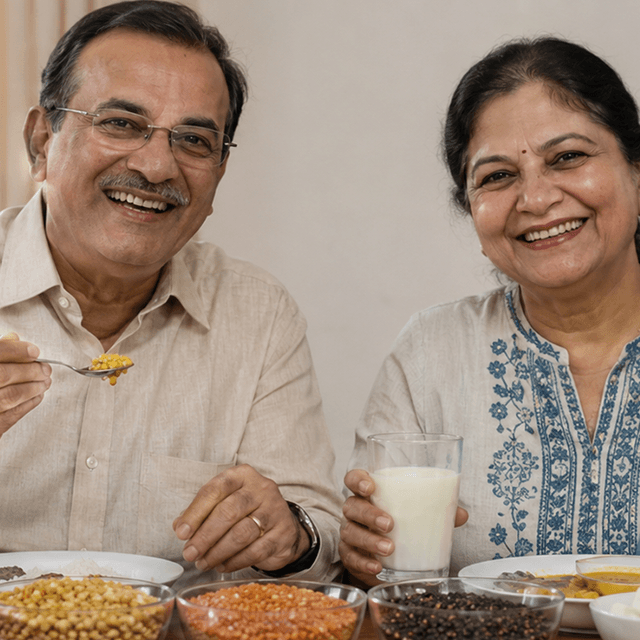
As a caregiver, you can support your parents by helping them maintain balanced eating habits without resorting to restrictive diets. Start with sensible portion sizes and meals that include adequate protein, fibre, vegetables and healthy fats, alongside carbohydrates.
Small, consistent dietary changes can support overall health over time. Rather than focusing on weight alone, help your parents build eating habits that meet their nutritional needs and suit their preferences.
If your parents have existing health conditions or dietary restrictions, consult a healthcare professional or nutritionist to determine an appropriate and balanced diet for them.
3 - Choose foods that support overall joint health
There is no food that can cure joint issues. But some food items have anti-inflammatory properties that may help support overall joint health and manage inflammation.
Including the below-mentioned foods containing healthy fats in your parents diet can be a healthy addition to your meals:
Fish: Tuna, salmon and mackerel
- Nuts & seeds: Walnuts and chia seeds
- Leafy vegetables: Spinach and kale
- Berries: Blueberries and strawberries
Keep hydration in the routine
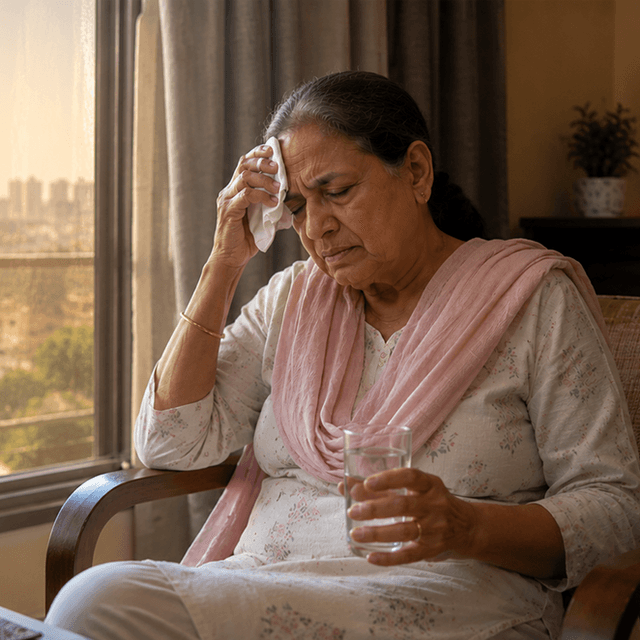
Water is another simple habit that one must take care of. As people age, their sense of thirst can change, so encourage them to drink at least 8 to 10 glasses of water a day. Proper hydration supports cartilage health and synovial fluid lubrication, which may help manage discomfort and stiffness.
Staying hydrated is important for overall health and helps the body function properly.
4 - Make rest and recovery part of the routine
Staying active is important. So is knowing when to slow down.
An older adult may feel comfortable after a particular activity one day and experience more stiffness afterwards. That does not necessarily mean they should stop being active altogether. It may simply mean the activity needs to be adjusted.
Pay attention to how the body responds.
If standing for a long time makes your parent's knees uncomfortable, encourage short sitting breaks. If a long walk leaves them in considerable discomfort, shorter walks spread throughout the day may be more manageable.
5 - Practice good posture
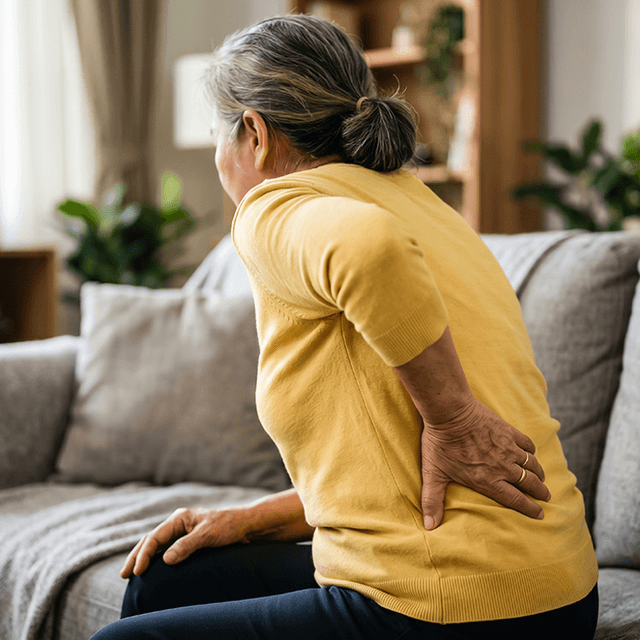
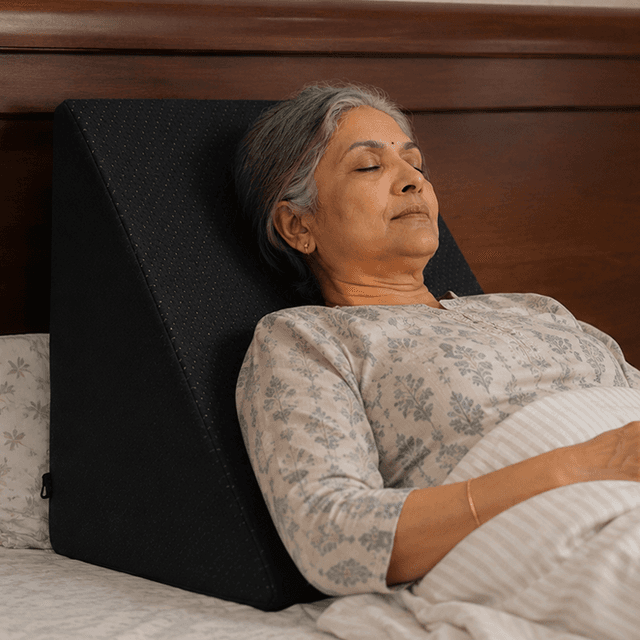
Paying small attention to details matters when managing joint pain. While joint pain is not only about exercise and food, one must also look after their posture, as good posture helps maintain the alignment of the joints, while improper posture can lead to pain and discomfort.
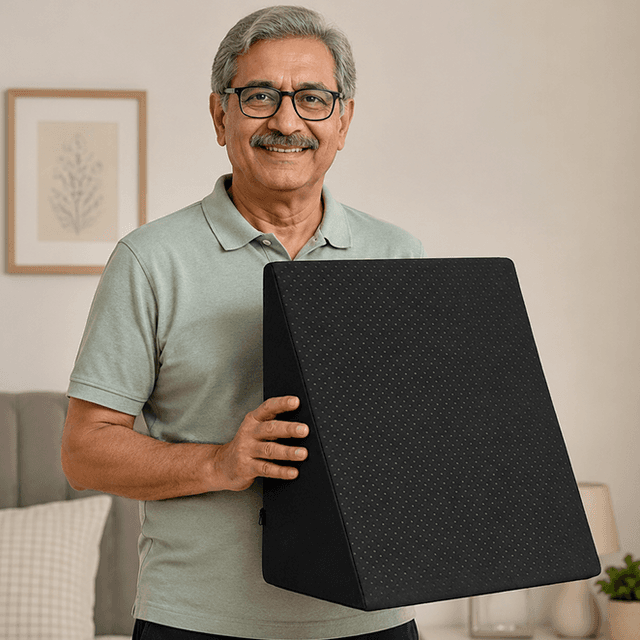
If required, get ergonomic support like orthopaedic pillows and cushions for pain relief and support.
Be mindful of prolonged leg crossing
Avoid sitting with your legs crossed for long periods if it causes discomfort, and make sure to change your position regularly.
Choose comfortable footwear
Choose well-fitting and comfortable footwear that provides adequate support and makes everyday movement easier.
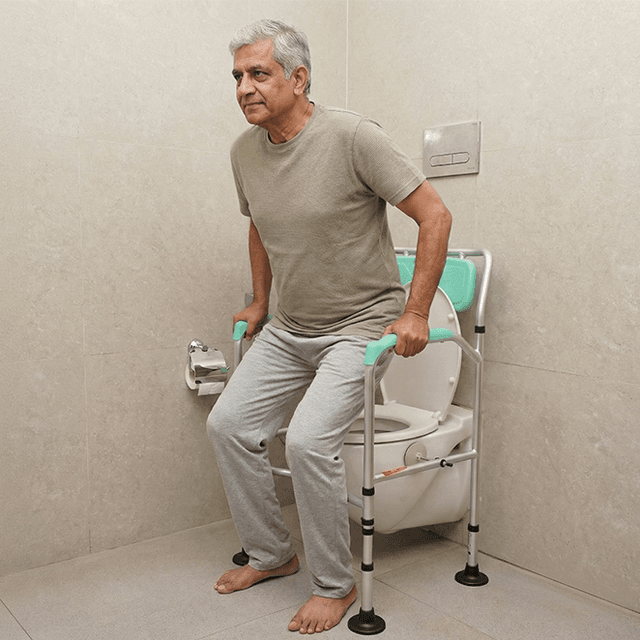
Make the home easier to move around in
Keep frequently used items within easy reach and make sure pathways are clear so that your parent can move around the home comfortably.
Helping parents stay independent, one habit at a time
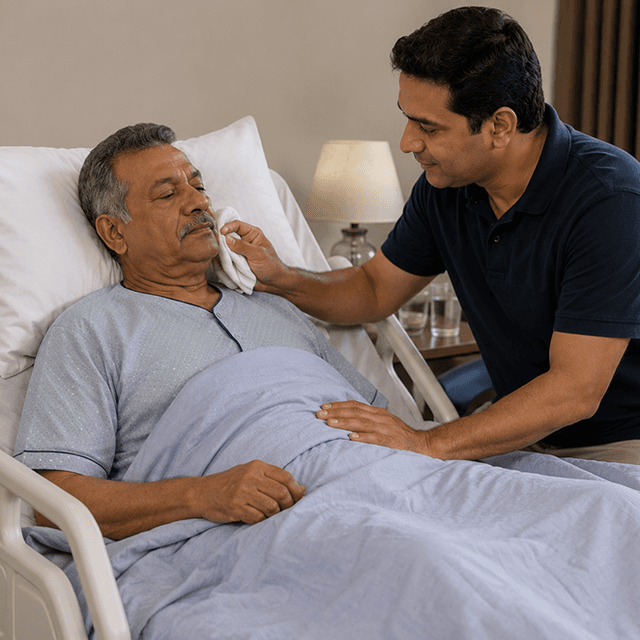
When an ageing parent starts experiencing joint pain, we often limit their movement and rely more on rest and recovery. But while supporting them is necessary at times, support doesn't always mean taking over.
Encourage your parents to walk, focus on their diet and hydration, and help them with stretching at home. These simple yet small habits may sound normal, but they can have an impact when it comes to managing joint pain and maintaining mobility.
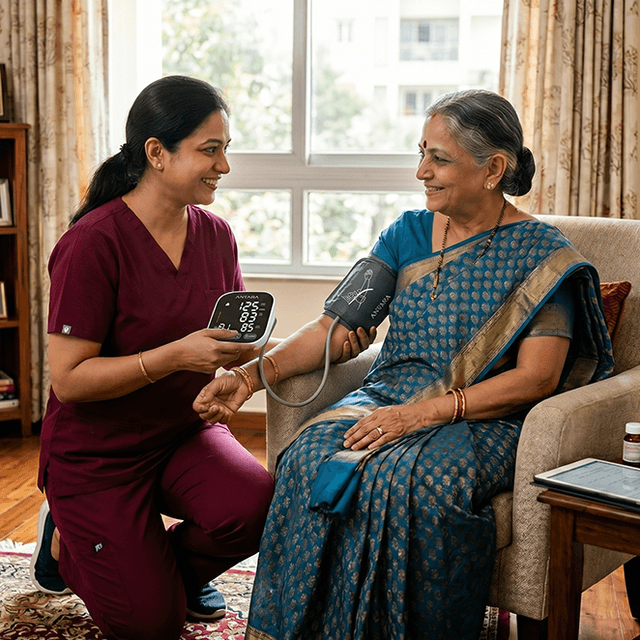
Most importantly, make sure they get regular check-ups with their concerned doctors and discuss any persistent or worsening joint pain with a healthcare professional.
Once you understand the actual challenge, it becomes easier to find a practical solution without taking away their independence.
That’s why, at AGEasy, we believe that ageing well is about having the right support and guidance. We design products specifically for seniors to help them maintain their dignity, confidence, and independence.
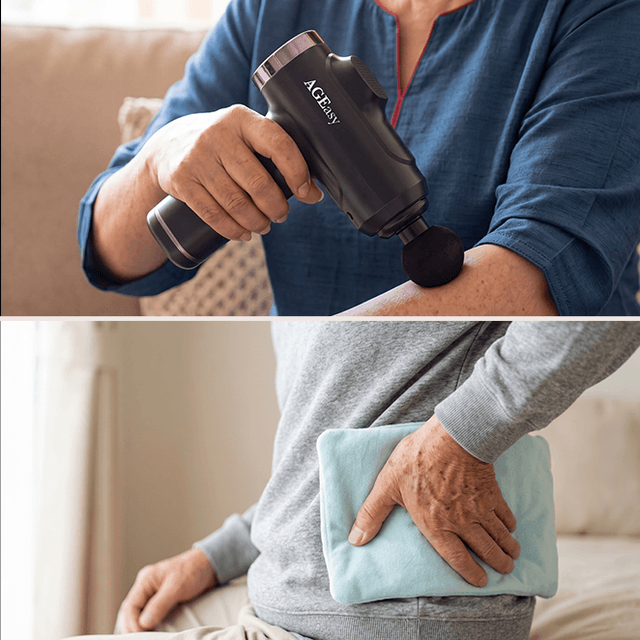
Explore our joint care products, designed to provide everyday support and help your loved ones stay active and comfortable.