

Thumb Pain From Gripping: De Quervain's, Texting Thumb and Base-of-Thumb Arthritis
Sep 18, 2026
DEXA Scan Cost in India: Reading a T-Score Without Panicking
A routine diagnostic test for your parents can sometimes feel stressful. Results related to bone health or low bone density can create confusion and concern, particularly when a single number on a report appears alarming.
Many DEXA scans take less than thirty minutes, but understanding the report requires looking at more than one number. A T-score needs to be interpreted alongside factors such as age, fracture history, medications, health conditions, and other risk factors.
What Is a DEXA Scan?
A DEXA scan, also known as dual-energy X-ray absorptiometry, measures bone mineral density. The scan commonly focuses on areas such as the hip and spine.
The test generally requires the patient to lie on a scanning table and usually takes less than half an hour. It uses a very small amount of radiation. The diagnostic centre may provide instructions about removing metallic objects and other preparation requirements before the scan.
The DEXA result is interpreted alongside your parent's age, sex, history of fractures, medications, health conditions, and other risk factors. The scan measures bone density; the result should be considered as part of a broader assessment of bone and fracture risk.
DEXA Scan Cost in India
The cost of a DEXA scan can vary depending on the city, hospital or diagnostic centre, body area being scanned, whether a consultation or assessment is included, and whether additional sites are part of the package.
A hip and spine DEXA scan may generally cost around ₹1,000 to ₹3,500, although prices can vary between centres. Always confirm the latest price before booking.
Before scheduling the scan, ask the diagnostic centre:
- Which body sites will the scan cover?
- Will the report include both T-score and Z-score?
- Is a doctor's or radiologist's interpretation included?
- How long will it take to receive the report?
- Can the same machine or centre be used for future follow-up scans?
Using the same centre and, where possible, the same machine can make it easier for a doctor to compare future results. Small differences between scans do not necessarily mean that bone density has suddenly changed. Differences between machines and the least significant change reported by the centre should also be considered.
How to Read a T-Score
A T-score compares bone mineral density with the average peak bone density of a healthy young adult of the same sex. The score is expressed in terms of standard deviations. A lower T-score indicates bone density that is further below the young-adult reference.
For postmenopausal women and men aged 50 years or older, the commonly used categories are:
| T-Score | Bone Density Category |
|---|---|
| -1.0 or above | Normal bone density |
| Between -1.0 and -2.5 | Low bone density or osteopenia |
| -2.5 or lower | Bone density in the osteoporosis range |
These categories describe bone density at the specific site measured. A T-score alone does not determine whether medication is required. Your parent's doctor will also consider fractures, falls, steroid use, kidney or thyroid conditions, early menopause, family history, body weight, and other clinical factors.
Why the T-Score Is Not Everything
Look at the anatomical site next to the score on the report. Spine and hip scores can be different, and femoral neck and total hip scores may also differ.
Ask your parent's doctor which result is most relevant. Arthritis or spinal deformities can sometimes affect the interpretation of measurements taken at the spine.
A Z-score is more relevant in premenopausal women, men under 50, and children. It compares bone density with people of a similar age, sex, and body size. A Z-score outside the expected range requires medical evaluation rather than being interpreted using the same categories as a T-score.
What to Do After Getting a Low Result
The first step after receiving a low result is to review the findings with a healthcare professional. Take the complete DEXA report to the appointment along with a list of medicines and supplements, your parent's history of falls and fractures, and any other relevant medical records.
The doctor may determine whether repeat testing or blood tests are required and whether treatment should be considered.
Do not start high-dose calcium or vitamin D supplements, or osteoporosis medicines, without consulting your parent's doctor. Supplements and medicines need to be considered in the context of kidney function, diet, existing medicines, and the individual's risk of falls and fractures.
Support Bone Health Through Everyday Habits
Weight-bearing activity can help support strength and balance. However, your parent's doctor or physiotherapist should be consulted before starting a new exercise programme, particularly if your parent has recently undergone surgery, has pain or dizziness, or has previously experienced a fall.
Diet is also an important part of maintaining overall bone and muscle health. Meals can include calcium-rich foods such as milk, curd, paneer, and leafy vegetables. Protein-rich foods such as tofu can also contribute to maintaining strength.
If your parent has low vitamin D levels, spends most of the time indoors, or has a medical condition that affects vitamin D absorption, discuss appropriate supplementation or other measures with their doctor.
Reduce Fall Hazards Around the House
Fall prevention is an important part of supporting an older adult with concerns about bone health. Small changes around the home can reduce common hazards.
- Improve lighting throughout the home.
- Remove loose rugs and other items that can be tripped over.
- Keep walkways clear of furniture and other obstructions.
- Consider appropriate support bars near the bathroom.
- Pay attention to your parent's hearing and vision.
- Review medicines and discuss any concerns about dizziness or blood pressure with the doctor.
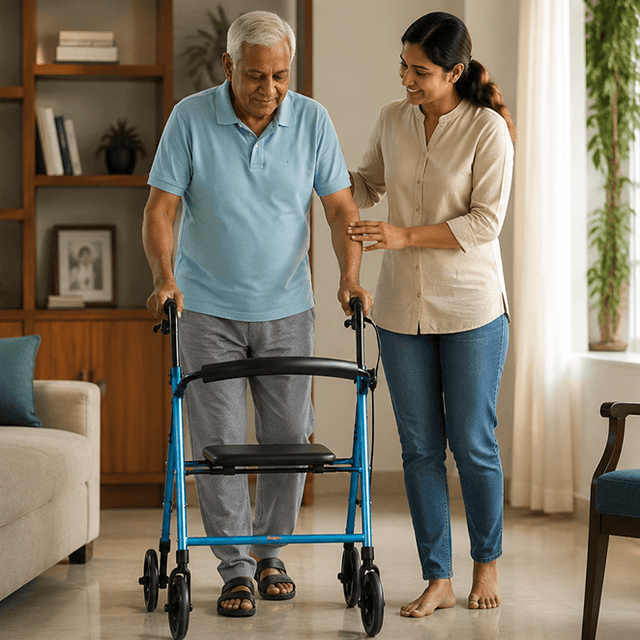
If your parent has difficulty standing or walking without support, a mobility aid may be considered following appropriate professional assessment. The AGEasy Walker Without Wheels for Seniors can provide a stable walking aid for appropriate users and is designed to fold for storage.
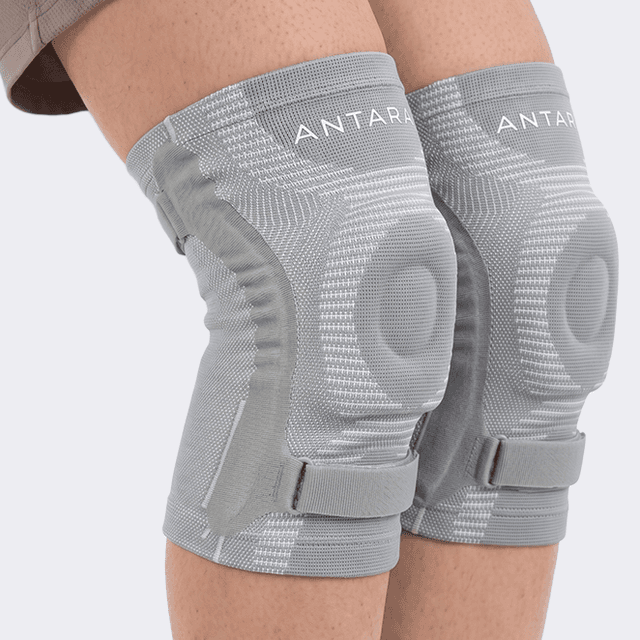
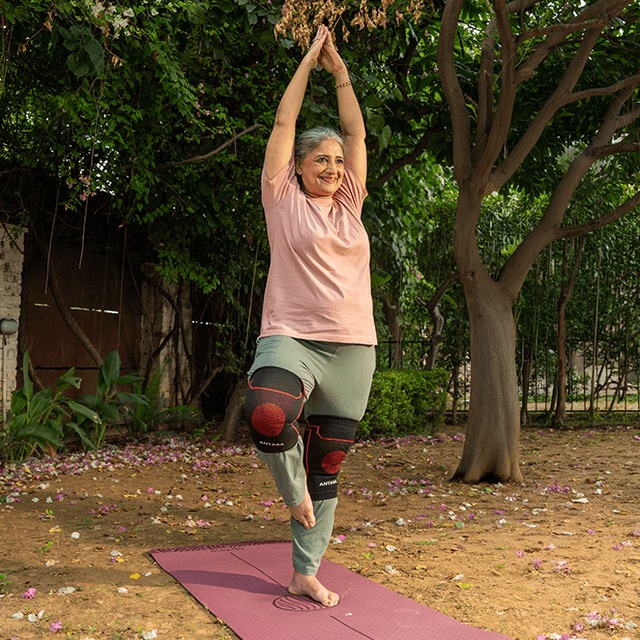
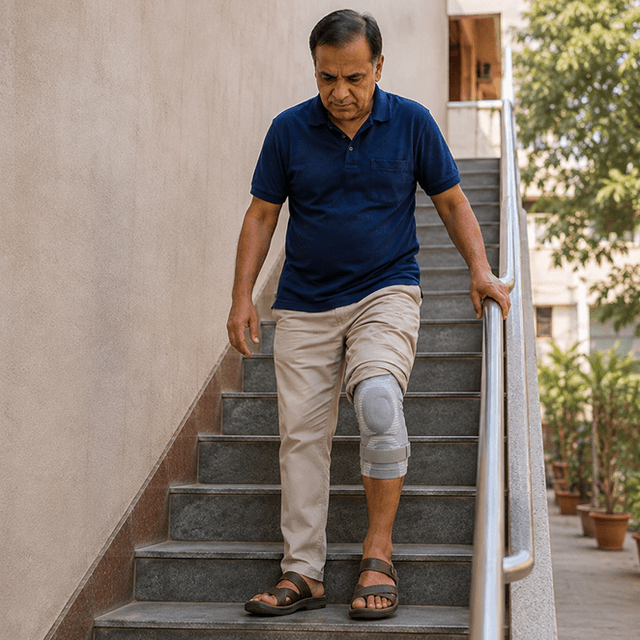
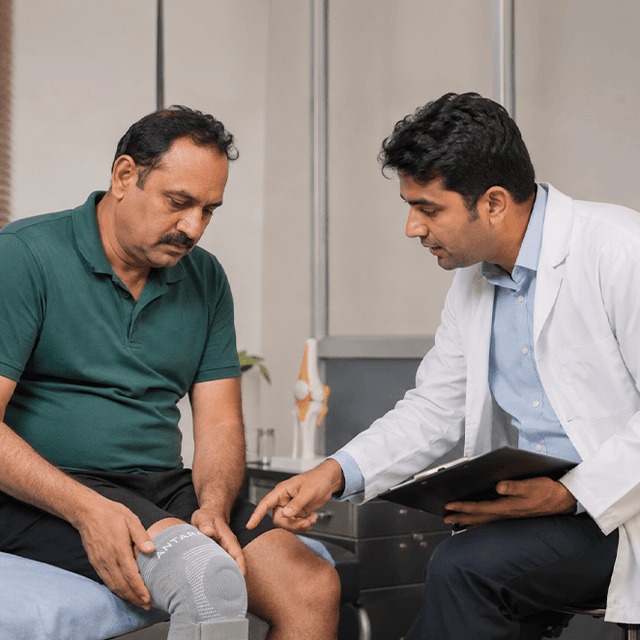
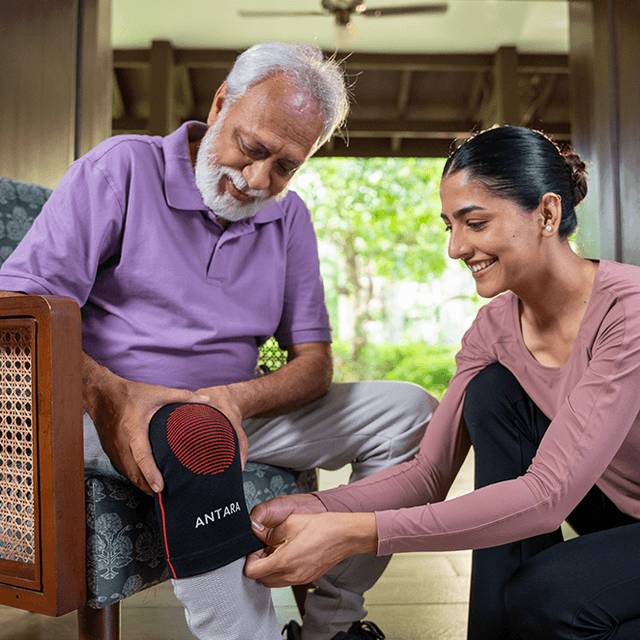
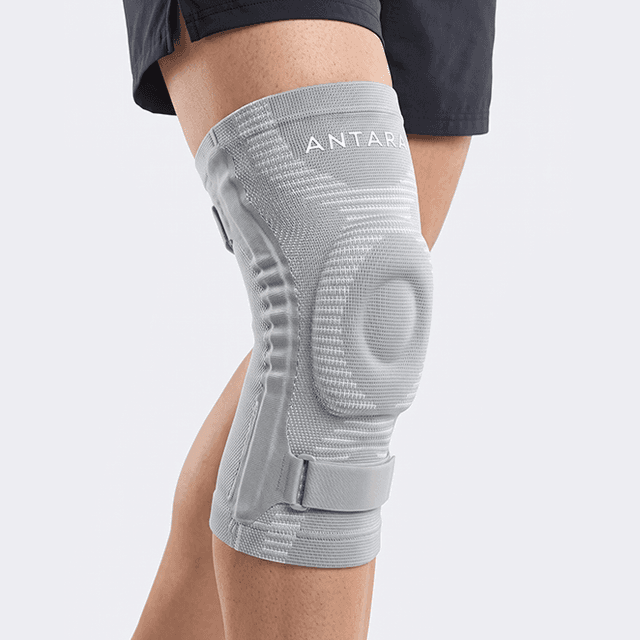
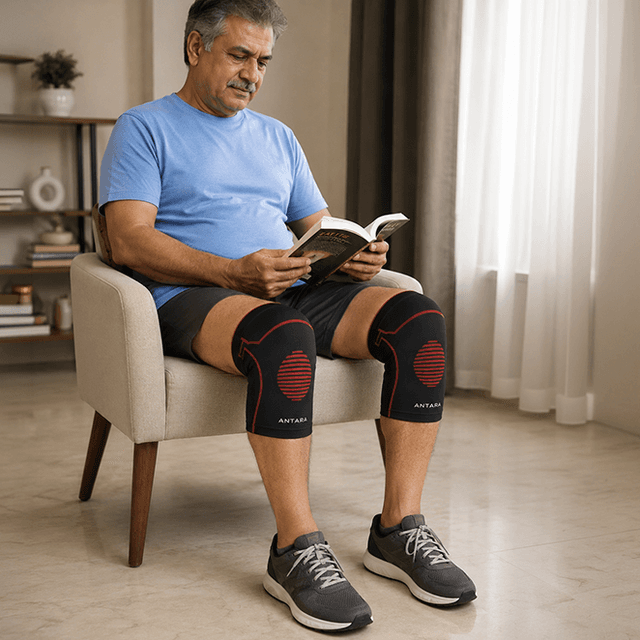
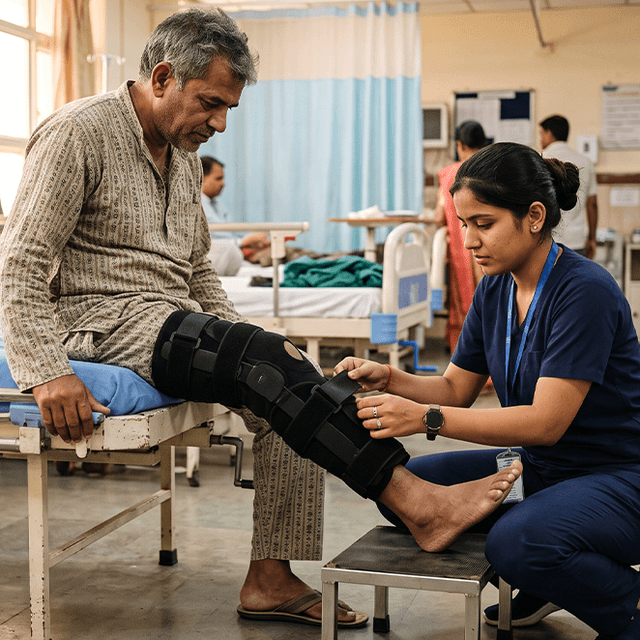
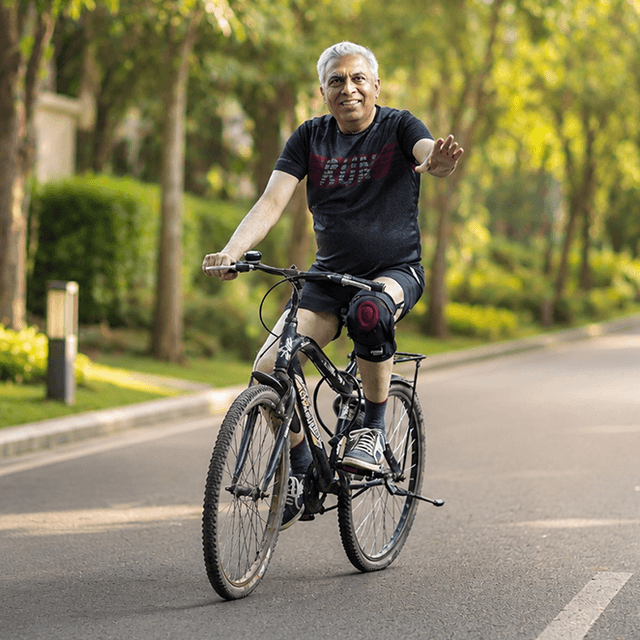
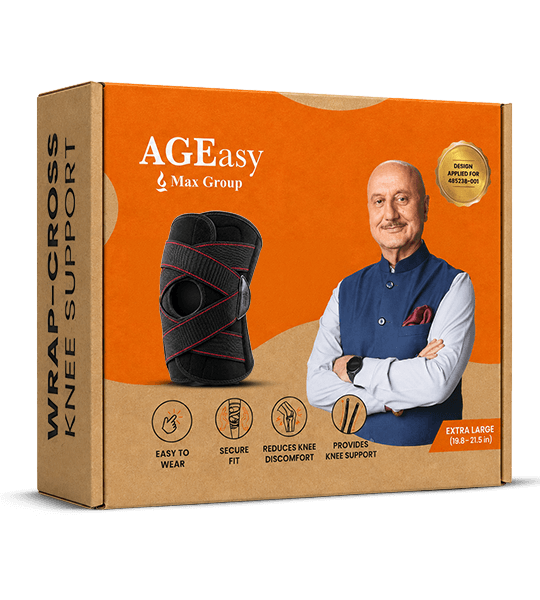
If knee discomfort is limiting mobility, the AGEasy Hinged Max Comfort Knee Cap for Joint Care may provide support for appropriate users. It does not treat low bone density, change a DEXA result, or address an underlying fracture or injury.
When Medical Care Should Be Sought
Contact your parent's doctor if they have a new low-impact fracture, new back or hip pain, unexplained loss of height, frequent falls, or a sudden inability to walk.
Seek immediate medical attention if your parent experiences severe pain after a fall or appears to have a deformed bone.
A DEXA result should be viewed as one part of the overall assessment rather than as a reason to panic. Your parent's doctor can explain what the score means for the specific site tested and whether additional evaluation or treatment is appropriate.
What to Take Away From a DEXA Report
A DEXA scan provides useful information about bone mineral density, but the number on the report needs context. Note the score, the location where it was measured, and the date of the scan.
Take the complete report to your parent's doctor and ask what the result means in relation to fracture history, falls, medications, health conditions, and future monitoring. A clear plan for managing fall risks and maintaining strength can be more useful than focusing on a single number.
Disclaimer
This article is for general information only and is not intended to provide a diagnosis, personalized treatment plan, or medical advice. DEXA results should be interpreted by a qualified healthcare professional in the context of the individual's medical history, fracture risk, medications, and other clinical factors.