
Choosing a Cervical Pillow After Neck or Shoulder Surgery (A Guide for Seniors and Their Caregivers)
Jul 29, 2026


Surgery fixes what's inside. Recovery is about what happens after, and for older adults, that recovery often takes longer and needs more careful support.
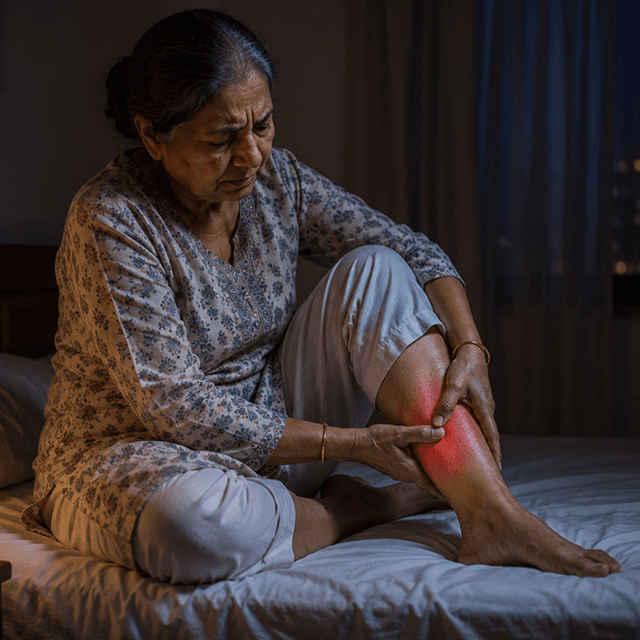
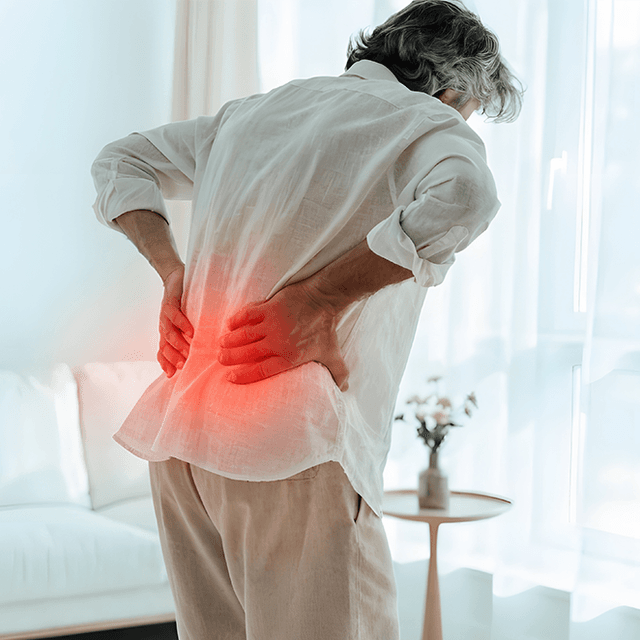
Typically, the hardest part of the recovery process is the first night following the surgery. Initially, you may have to lie in a single position to avoid pain. However, you try to adjust your head throughout the night so that it doesn't hurt. For elderly patients, this first night can be even harder, since aging joints and thinner skin are more sensitive to pressure and slower to recover from a bad position.
Post-operative pain following shoulder or neck surgery complicates sleep. It can even make getting sleep feel like one more part of the recovery process; something that families often underestimate when caring for an elderly parent or relative at home.
Here's the thing most people get wrong: they assume any soft pillow will do the job post-surgery. Unfortunately, that is not the case, and it matters even more for older adults. A supportive cervical pillow is necessary to avoid direct contact with the surgical site. Similarly, another consideration is necessary to avoid sinking and twisting the shoulder. Most importantly, pillows that push the spine into a rigid position need to be avoided, as they can cause misalignment of the spine — a risk that's higher for seniors who often have less muscle support to compensate.
Choosing the proper cervical pillow means not fighting with a bad sleep position every night, and allowing the body to rest. You will likely experience a more comfortable sleep, an improvement in spinal alignment, and a reduction in post-operative stiffness and soreness with the right choice of pillow, which for elderly patients can also mean fewer disturbed nights and a steadier recovery pace.
This guide covers an essential selection of cervical pillows for those who are helping a loved one recover from a neck or shoulder surgery, particularly aging parents or grandparents, and provides tips for improving sleep while the body is engaged in the critical work of recovery.
Impacts of Sleep Positioning During Post-Surgical Recovery
Following surgical procedures on the neck and shoulders, it is critical to sleep in a position that places as little stress as possible on the area. This matters even more for seniors, whose tissue heals more slowly and whose joints are often already dealing with age-related stiffness. Each hour spent sleeping in a bad position can increase the amount of stress on the area. Using a flat pillow can lead to low head positioning, which can lead to greater stress on stitches and increased muscle tension. As a result, a person, and especially an older adult, may feel more soreness after waking up than prior to sleeping.
That being said, the purpose of sleep positioning, and by extension the choice of pillow, is to allow the neck and spine to feel comfortable and supported as they heal. As a result, there is a lot to consider when choosing a pillow for an elderly loved one, including the placement of the head and neck at an optimal level. Overall, the optimal pillow for post-surgical recovery will work to ensure that the sleeper's head and neck are maintained in as neutral a position as possible, night after night, with minimal adjustment needed.
What to Expect From Your Recovery Cervical Pillow
When looking for a recovery pillow for yourself or an aging family member, consider the following features first.
- Neutral alignment vs. awkward angles: Make sure to look for a pillow that has been designed to ensure that the sleeper's head and neck remain in a neutral position while they sleep, to avoid undue strain on the area. The newer models will often give an equal amount of elevation of head and neck without too much strain, while still maintaining the neck in a parallel position. AGEasy has produced a senior-focused cervical pillow designed around this exact principle.
- Memory foam vs. average fluff: Instead of merely compressing under pressure, memory foam adapts to the shape of your head and neck. That sort of pressure dispersion is especially important in the first few weeks following surgery, as even slight pressure can lead to discomfort, something older skin and joints are typically more prone to.
- Ideal height for both back and side sleeping: Many people will, at least subconsciously, shift around while they sleep, and older adults are no different. A pillow with a higher contour for back sleeping and a lower one for side sleeping means you don't have to stay in one position because the pillow is restrictive.
- Covers that are breathable and washable: Post-surgery sleep can bring on plenty of sweating, due to medications or restlessness, a common experience for elderly patients on multiple medications. When covers are washable, they can stay clean without you having to worry about the foam becoming damp or ruined.
- Hypoallergenic materials: Sensitive skin is common around healing areas, and even more so in older adults, so gentle, non-irritating materials are good to have.
Neck vs. Shoulder Surgery: Slightly Different Requirements
Even though there are a lot of similarities in terms of spinal alignment, there are a few that are distinctive.
In the case of cervical spine surgery, it is essential that the neck does not move into flexion or extreme rotation. A pillow that keeps the head in a central position, without it being able to roll to the side uncontrolled, is usually the most effective in these cases and gives caregivers of elderly patients extra peace of mind overnight.
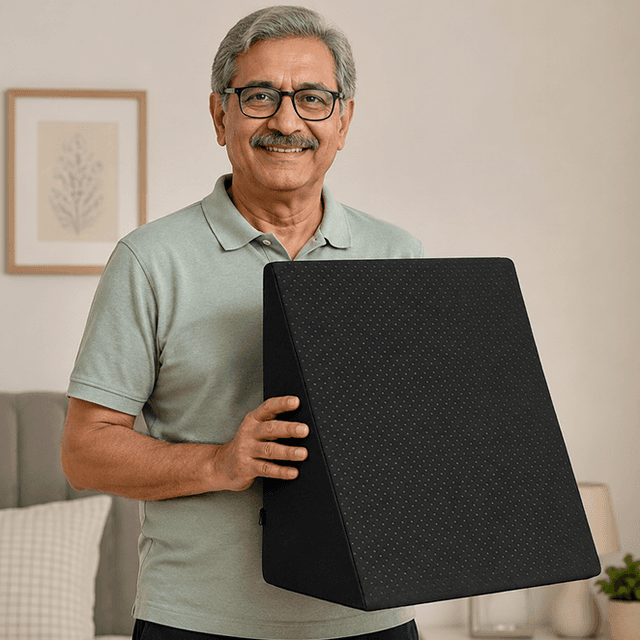
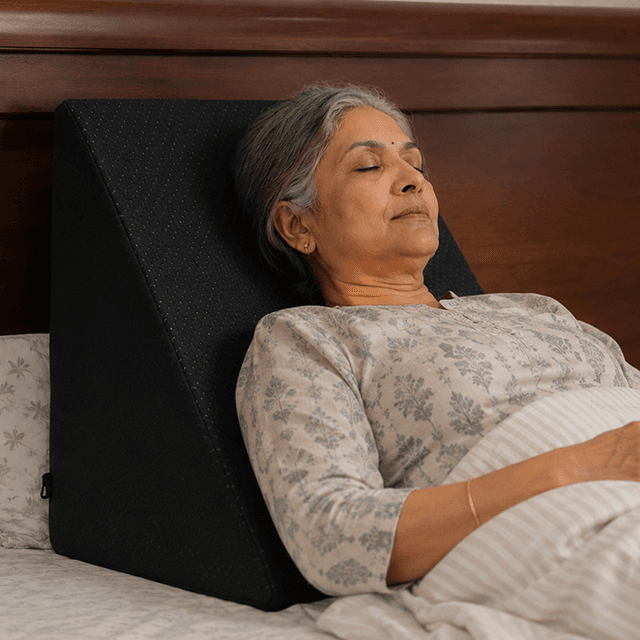
Post-operative advice often becomes focused on the arm and shoulder and not as much the neck. Many patients report a need to sleep in a semi-reclined position, and some use wedge pillows to keep the upper body elevated to avoid pressure on the operated shoulder while using a cervical pillow to support the neck. The AGEasy Wedge Pillow has been specifically designed for this purpose.
How to Actually Use the Pillow (Not Just Own One)
While buying the right pillow is a good start, it is essential that you also use it properly, and if you're caring for an elderly parent, it helps to walk them through the first few nights.
- Position the neck roll so that the curved edge is directly underneath your neck and not behind your shoulders so that the contour is aligned with your spine.
- If you sleep on your back, use the higher side of the contour, but if you roll onto your side, you might find the lower curve to feel more natural.
- Don't be tempted to put a second pillow underneath it to increase the height. This will push your neck out of alignment and reduce the supportive effect, a mistake that's easy to make when trying to prop up an older adult who's used to extra pillows.
- Many find that genuine cervical pillows feel strange at first because they do far more work than the usual pillow, so this adjustment period is normal. Most people, including seniors, find the adjustment period lasts no more than three to four nights.
Supporting the Entire Recovery, Not Just Sleep
A cervical pillow is just one part of the bigger picture. Typically, recovery involves physiotherapy, prescribed medication, gentle movement, and follow-ups with the surgeon, all of which can be harder to coordinate for an elderly patient without support at home. It also won't fix a bad night's sleep by itself, and it is not a replacement for medical advice, but removing one of the more painful sleep variables will help the body get more of the recovery benefits sleep provides.
If you are supporting a parent or older family member recovering from surgery, think about the complete setup. In addition to a supportive cervical pillow, you may need a wedge pillow for elevation. Simple daily routines where you minimize strain will also help a lot. AGEasy's cushions and pillows are designed for exactly this purpose; helping seniors sleep and recover with a little more ease, and giving families one less thing to worry about.
The Bottom Line
Healing from surgery mostly happens during sleep, which is exactly why sleep needs to be prioritized after surgery, especially for elderly patients, whose recovery depends so much on consistent, well-supported rest.
The right sleep products, combined with proper positioning and a good-quality support pillow, can help transform those recovery nights into a sleep experience where an aging body can truly use that time to heal.