

The Silent High Blood Pressure Symptoms Every Family Should Watch For
Article Category: General Wellness
Article by: Shruti
Jul 24, 2026


High blood pressure is a ticking time bomb waiting to go off. Out of nowhere, it can affect an individual's health. There are no warning signs indicating to a family member that it is time to see a doctor.
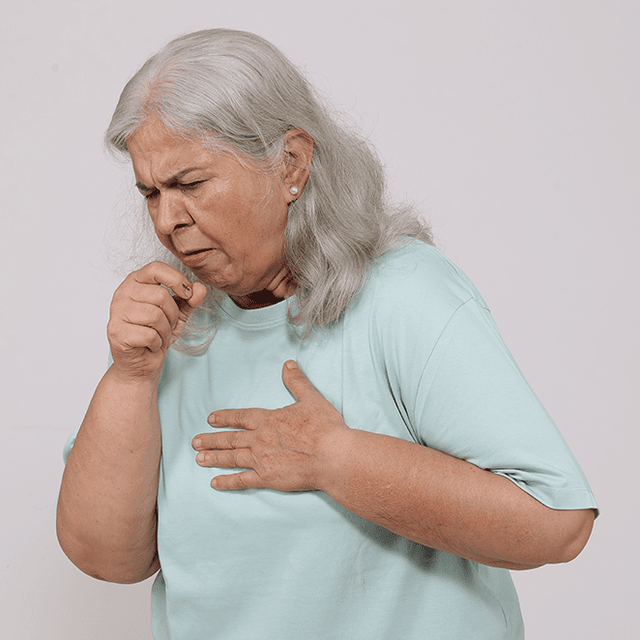
Doctors are not being overly dramatic when they refer to high blood pressure as the silent killer. Organ damage happens without anyone being aware. Many older adults do not recognize that significant damage is placing their heart, brain, kidneys, and blood vessels at risk. Symptoms such as severe headaches, blurred vision, chest pain, and shortness of breath coupled with an altered mental status can face an individual when blood pressure has reached immensely dangerous levels and can cause irreversible damage.
Checking blood pressure is a risk that no family should take. High blood pressure is often without symptoms. Waiting until symptoms present is waiting until it is too late.
Blood Pressure and Why It Is Silent
Blood pressure is described as the force of the blood pushing against the walls of arteries. Damage occurs over time when the body feels no sensation as a result of the pressure being continuously high for prolonged periods of time. The heart works harder, the arteries become stiff, and the kidneys become under pressure when filtering blood. All of this happens without the individual being aware.
Very few people feel any symptoms of illness when their blood pressure is at 160 over 100, similar to that of a 'normal' 120 over 80 blood pressure reading. It is only when vital organs or systems start to deteriorate that the individual will start to have symptoms.
As a person ages, the risk of developing hypertension increases. The body's arteries become less elastic. The presence of conditions such as diabetes, kidney disease, and high cholesterol also increases the risk of developing hypertension. In addition, the use of multiple medications among the elderly is common. This pharmacological treatment can also affect blood pressure. This phenomenon causes a slow and silent progression of hypertension without a warning to the individual to become mindful of their health.
Warning Signs That Family Members Should Never Ignore
For the most part, hypertension goes asymptomatic. Once symptoms do occur, they usually indicate the presence of high blood pressure that is damaging the body. The following signs should be taken as an immediate reason to seek medical attention.
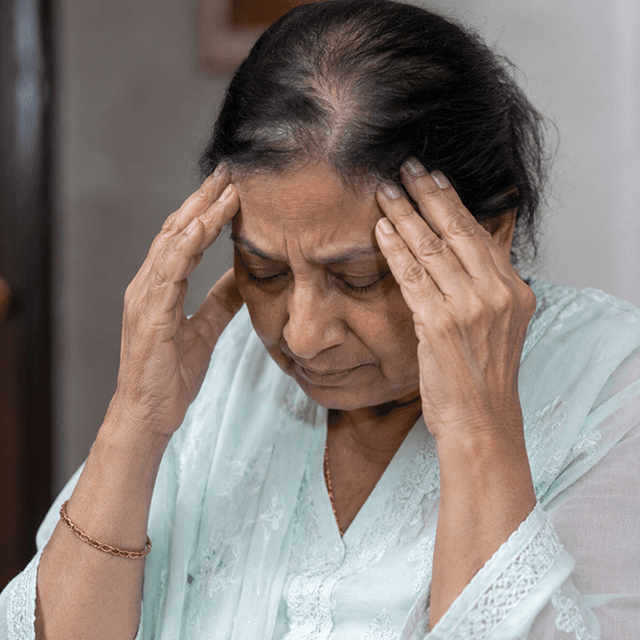
- Severe or persistent headache. A thumping headache, felt in the back of the head can signal a sudden spike in blood pressure. This is a worrisome situation if the headache occurs in conjunction with any of the other symptoms on this list.
- Blurred and or disturbed eyesight. High blood pressure causes damage to the small blood vessels of the eye. If your vision suddenly becomes unclear, you see double, or if there are dark spots in your field of view, you should see a physician immediately.
- Chest pain and or tightness. This is a warning that your heart is overworked and may be the result of a heart attack. If you experience chest pain and sweating, nausea and or pain in the arm, you should immediately seek emergency medical care.
- Shortness of breath. It should not be the case that a person has to exert themselves in order to avoid becoming breathless. This indicates that the heart is unable to pump blood at a normal pressure.
- Sudden confusion or difficulty speaking. This could indicate reduced blood flow to the brain which means a stroke is likely occurring and every second counts.
- Frequent nosebleeds that are difficult to stop. By themselves, nosebleeds are usually not a cause for concern, however if they are coupled with other symptoms, then they should be evaluated by a doctor.
The Risks of Waiting for Symptoms
High blood pressure can cause heart attacks, strokes, heart and kidney disease, and even vision loss. These conditions oftentimes occur silently from untreated elevated blood pressure for a long time.
The good news is that hypertension can be managed if you become careful early. High blood pressure is one of the most manageable conditions with the right medications, dietary changes, and with a regular doctor's appointment. The most important thing is to capture the blood pressure readings before the damage occurs.
Choosing the Right Monitor for Home
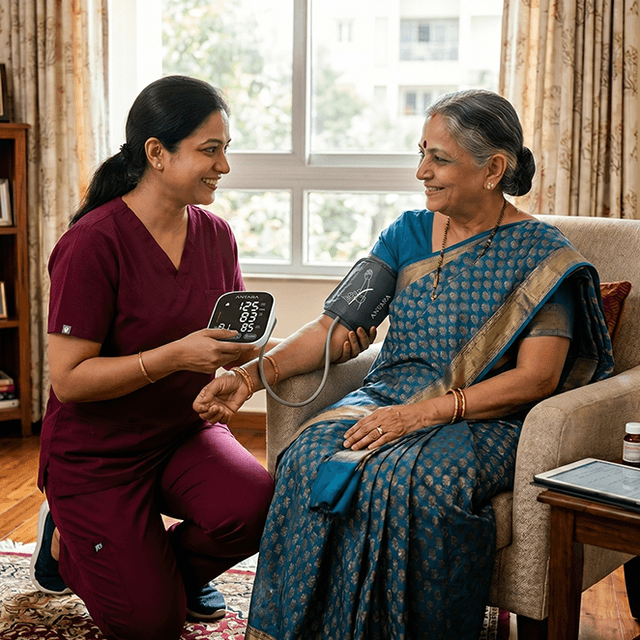
An easy-to-use monitor will make it easy to keep up with the habit of regular blood pressure monitoring at home. The best designs are one-touch monitors with clear displays.
The AGEasy Arm BP Monitor is ideal for most seniors. It is circled with a comfortable cuff around the upper arm to provide quick and precise digital measurements and stores past readings. Arm monitors are also the best for regular blood pressure measurements.
For older people who may find using a bulky arm cuff for measuring blood pressure uncomfortable, the AGEasy Wrist BP Monitor is a better alternative. This model includes a one-touch operation as well as a voice talk back function to provide the results. This is especially useful for the elderly, as they may experience vision problems, and will have difficulty tracking their measurements.
The monitor weighs very little and will fit in your travel bags with ease. The AGEasy Advance Digital BP Monitor can provide precise measurements with additional memory storage.
Regardless of your final choice, it is crucial that the device features an accurate monitor, an easily adjustable cuff, a clear display and memory storage for the readings.
How to Achieve Accurate Measurements?
In order to get the most accurate results, your parents would need to adapt to some habits. It would improve the quality of the blood pressure measurements if they were to refrain from speaking for five minutes before taking the measurement. Their back should be against the chair and their feet should be flat on the floor. The arm needs to be at heart level during the measurement. Two separate readings should be taken a minute apart, and both values should be recorded. Ideally, the measurements should be taken at the exact same time every day.
Keeping a simple log of the date, time and value measured will provide useful data to the doctor that will allow for adjustments to be made to the prevailing treatment regimen based on the accurate measurement, rather than the arbitrary single number that will come from the blood pressure device.
Daily Practices That Help Manage Healthy Blood Pressure
Daily management goes hand in hand with daily monitoring. Reduce salt in cooking and at the table. Use the plate method to fill your plate with vegetables, fruit and whole grains. Gentle movement, like a daily walk (after being cleared by the doctor) is great. Good sleep is important. Your parents may need help with stress management. If your parents smoke or drink heavily, support from a doctor is important to help quit both.
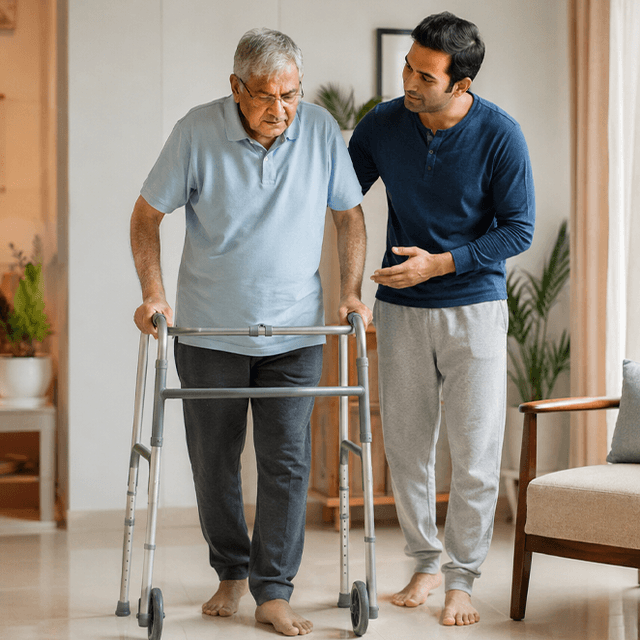
For seniors who live alone or those with a history of falls, the AGEasy Empower Fall Detection Smartwatch tracks important wellness indicators and detects falls. It sends SOS alerts and fall alerts so help will arrive to your parents whenever they may experience pressure-related dizziness and fall.
When to Contact a Doctor
If home measurements remain above your parent's target for several days without any symptoms, schedule a doctor's appointment. High readings with chest pain, shortness of breath, headaches, severe headache, vision changes, confusion and the like should be taken to urgent care. For any signs of stroke, call emergency services. A call to the doctor is always the safer option when in doubt.
A Final Word for Families
A silent killer is what high blood pressure is sometimes called. Your parent may feel perfectly fine, but high blood pressure is building within their body. Most people try to protect loved ones by waiting for a symptom, but the best way to protect family is by watching the numbers. Take action on the warning signs, and build blood pressure monitoring into your daily life. With a few minutes each week, a steady relationship with your physician, and a reliable home blood pressure monitor, you can add years to your loved ones' health and safety.
This document is not intended to provide medical advice, diagnosis, or treatment, and should not be relied on as such. Discuss your parent's blood pressure or any other health concerns with their physician.