

Why India's 2026 Heatwave is a Silent Killer for Seniors
Article Category: General Wellness
Article by: Amit
Jul 23, 2026
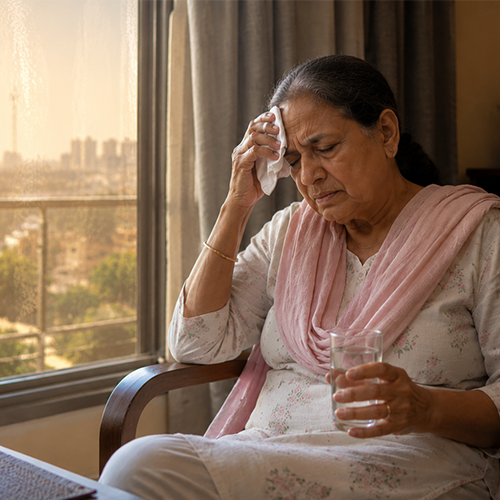
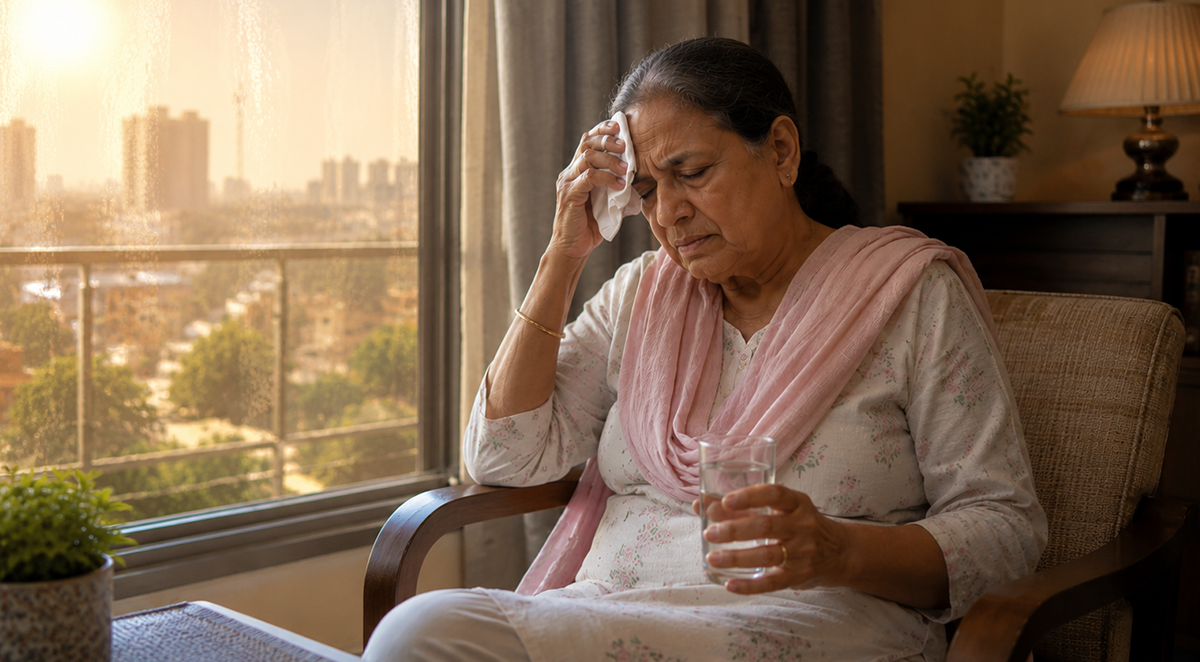
India reported that, on May 22 in 2026, 97 out of 100 of the hottest cities in the world were in India. For the average reader, it was an interesting news story. If you are a reader with elderly parents, it should have been a cause for concern.
About extreme heat and older people, this is what you probably do not know.
The danger does not make a sound. There is no sudden fainting. There is no sudden event. The process of failure of the body is quiet, and the process is not obvious. It can be mistaken for the tiredness and confusion that comes from the discomfort of a hot afternoon.
Families are left to notice when the process of failure begins. By this time, the process has already physically manifested.
This is why it is called the silent killer. And this summer, not unlike previous years, the silence has been the most notable.
What Happened on 22 May 2026
On the morning of 22 May 2026, all fifty of the hottest cities in the world were in India, and by that afternoon, 97 of the top 100 in the world were in India. The other three were in Nepal, India's neighbor.
97 / 100 of the world's 100 hottest cities were in India, 22 May 2026
Source: AQI.in data, 22 May 2026
48°C Peak temperature recorded in Balangir, Odisha
Sasaram, Bihar and Varanasi, UP also reached 48°C and 47°C respectively
6–8% Humidity in some of the hottest cities
Extreme dry heat that severely compromises the body's ability to cool through sweating
Several states were running 4 to 6 degrees Celsius above normal. India's Meteorological Department had issued heatwave and severe heatwave warnings for the last days of May. In just the state of Andhra Pradesh, more than 300 cases of suspected heat illness were reported between March to May, 2026, as per Reuters.
These numbers sound extremely concerning, but are difficult to visualize. They likely mean more to you for your elderly parents who live at home.
Why Are the Elderly More Affected by the Heat
Consider a thermostat that has grown old and is less sensitive. The room can get really hot, but the system won't notice for a long time.
This is somewhat likened to what happens to the human body with aging.
There are three main factors that greatly increase susceptibility to heat and are largely unknown to families.
The first is aging adults losing their ability to sweat. Sweat is essential for the body's cooling system. As we age, the body's sweat glands become less functional and the ability to cool the body through heat is lost. On a day with a high of 48 degrees, this is a minor inconvenience and a major emergency.
The second reason: a breakdown in the thirst signal. Younger people recognize thirst long before the onset of dehydration. Many older adults experience a sensory loss of the thirst signal. Someone can be dehydrated, and they would have no way of knowing until they feel the consequences. Doctors consistently discover that older patients are usually already dehydrated by the time they ask for a glass of water.
The third reason: the power of the drug. The most common drugs of older adults, blood pressure diuretics and heart block beta medication, and many of the psychiatric medications, wreak havoc on the body's fluid balance and loss of heat control. A drug that saves a life in winter becomes a risk factor in summer.
The body often whispers before it screams. With heat stress in seniors, the whisper can be almost impossible to hear.
The Numbers Behind the Deaths: Why They Are Probably Undercounts
India officially counts approximately 800 annual heat-related deaths. That number is almost certainly wrong.
A study by some UC Berkeley researchers in 2026 shows that a day of extreme heat in India can cause about 3,400 excess deaths. No, not in a season. In a day.
One reason for this discrepancy is in how death certificates are written. When seniors die during a heat wave, cardiac arrest, kidney failure, and respiratory collapse are some of the most common deaths recorded. Heat is never cited. Even though it was the trigger that set the cascade in motion, it remains invisible in the data.
~3,400 Estimated excess deaths from a single day of extreme heat in India
UC Berkeley study (Narang & Gadgil), 2026
~800 Official annual heat deaths recorded in India
Widely considered a significant undercount
~70% Rise in heat-related deaths among over-65s in India over two decades
Source: Down To Earth, March 2026: a long-term trend, not a single-season spike
Worldwide, the situation is far worse. Citing the Lancet Countdown, the decline in heat deaths among those aged 65 and older, compared to the 1990s, has climbed to 167%, which is over 100% beyond the predicted increase, due to population aging. The world is getting older, and the heat, in comparison to the demographic change, is getting worse.
WHO and UNEP data from 2000 to 2019 show that of the estimated 489,000 heat deaths recorded globally each year, over 85% were among people aged 65 and older. Other studies on the mortality effects of heatwaves indicate that during extreme heat events, between 82% and 92% of descendants are older persons.
A good historical case for a precise example is the 2010 heat wave in Ahmedabad which recorded 1,344 excess deaths. This was a 43% increase than expected; most of those who died were over 65.
This is what heat does to the body, step by step
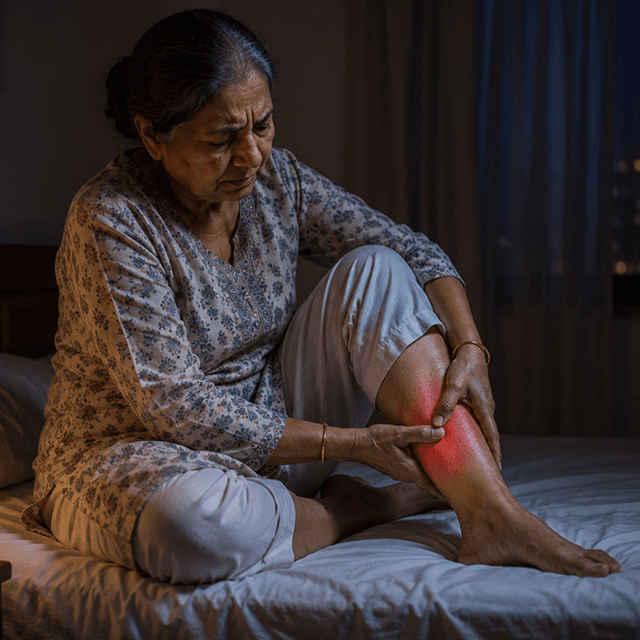
- At the start, the body begins to overheat. The core temperature rises and the heart puts strain on the body as it works faster to move the blood to the surface of the skin for it to escape. This puts strain on a body that may already have heart issues or hypertensive conditions, as it affects the cardiovascular system.
- Dehydration has now accelerated. The fluid loss to the body becomes greater and the self-cooling, yet the dehydration for the older adult is continuous if he or she is not drinking, and especially if he or she does not feel the need to drink as much. As the blood becomes more concentrated, the kidneys have to work harder.
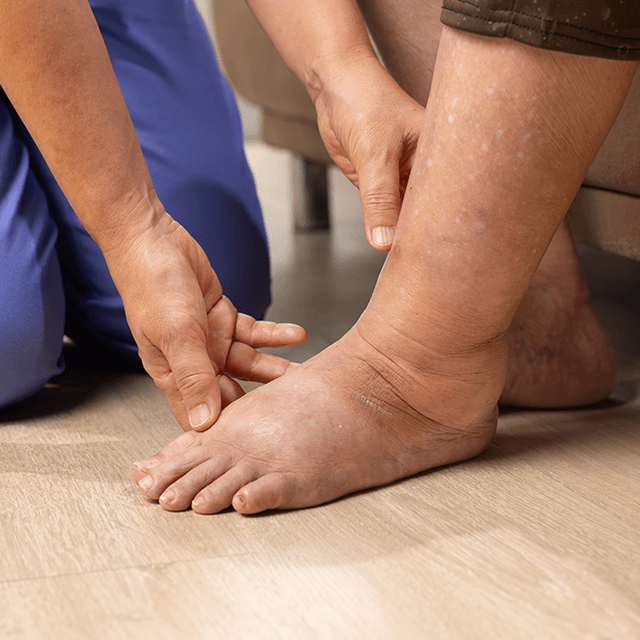
- Now the kidneys come under attack. It is the decreased fluid volume to the body that decreases the blood flow to the kidneys. The sustenance of heat stress has the potential to create acute injury of the kidneys and this is especially troubling since heat kidney damage from heat waves in older adults is one of the most underreported things.
- The heart now carries more strain. The body has faster heart beats, thicker blood, lower volume of blood, greater circulation, and a greater strain on the heart. For the older adult, all of this is compounded, and irregular heart beats become more prevalent as the cardiac events become greater.
- At the greatest of these, you have heat stroke. When the core body temperature becomes greater than 40 degrees Celsius, the body's system for heat regulation begins to fully break down. This makes heat stroke a medical emergency, since it is only a matter of a few hours before the organs begin to fail and die after brain damage is sustained. It is very rare that heat is actually listed as a direct cause of death on the death certificate.
Heat doesn't just cause discomfort. In an older body, it can initiate a chain reaction that ends with organ damage recorded under an entirely different name.
Recognizing the Signs and Symptoms of Heat Stress in the Elderly
Many families might have a general awareness that something is wrong during the heat, but they usually lack specific knowledge of how to provide the right type of care, and instead rely on their general instincts.
Early Warning Signs - Act Immediately
- Unusual levels of fatigue or weakness
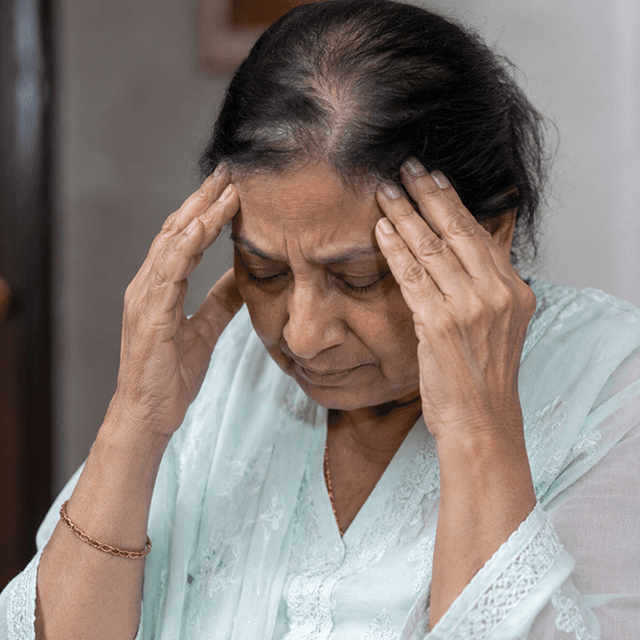
- Confusion, disorientation, or difficulty in speech
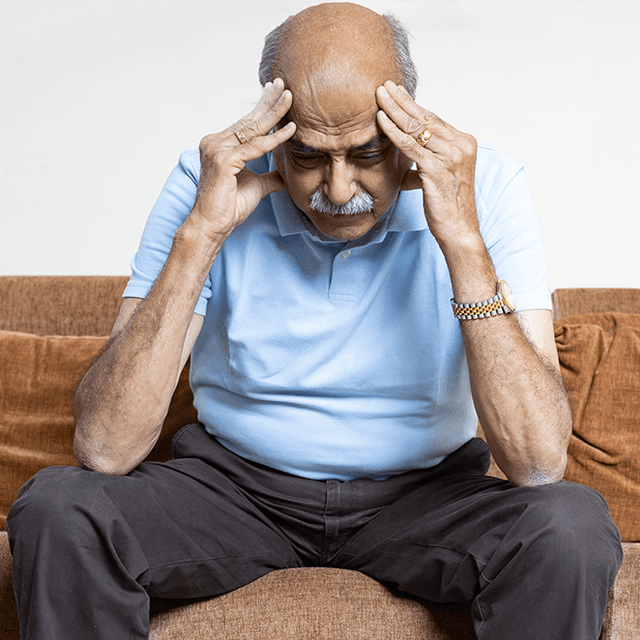
- Headaches that are resistant to treatment
- Light headedness or dizziness upon standing
- Decreased urination or concentrated (dark yellow or amber) urine
- An unexplained episode of rapid heart rate
- Unexplained nausea
Emergency Signs - CALL FOR HELP
- Skin that is hot and dry, with the absence of sweating (classic sign of heat stroke)
- High fever (39 to 40 degrees Celsius)
- Loss of consciousness
- Seizures
- Severe confusion or inability to orient self or others
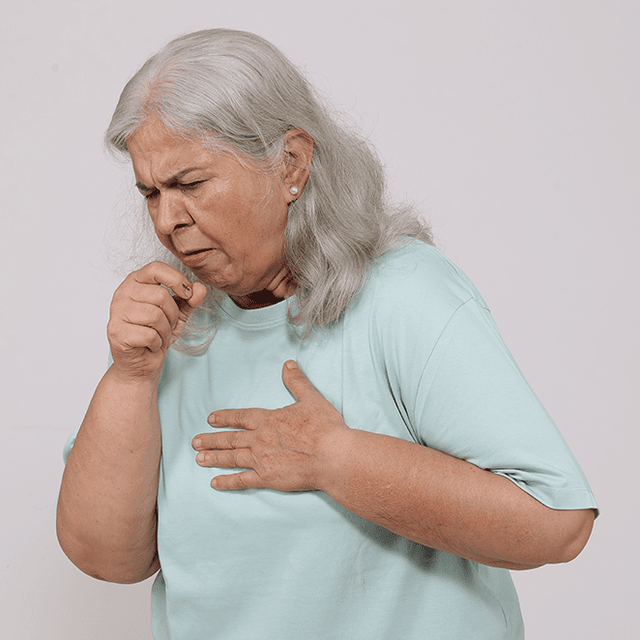
- Rapid and shallow respirations
Heat stroke is the classic example of the importance of NOT waiting to see if a condition will improve on its own. Move the person into a cooler environment and contact emergency services.
Dehydration During Heat Waves Causes Increased Risk of Falling
This is another danger caused by dehydration of the organs, particularly during an extreme heat wave.
Dizziness, fainting, and weakness are more immediate effects of dehydration on the body. But blood pressure will suddenly drop the first time an elderly person stands up from a seated or lying position. This is called Orthostatic Hypotension.
What does this mean in practice? An elderly parent who is dehydrated and weakened from the heat and who is experiencing a little dizziness is in a more precarious state as he/she/they navigates his/her/their home than he/she/they normally is/are. And it is likely that he/she/they are doing this more frequently than normal because heat waves drive people to the one place they go to cool down.
The bathroom.
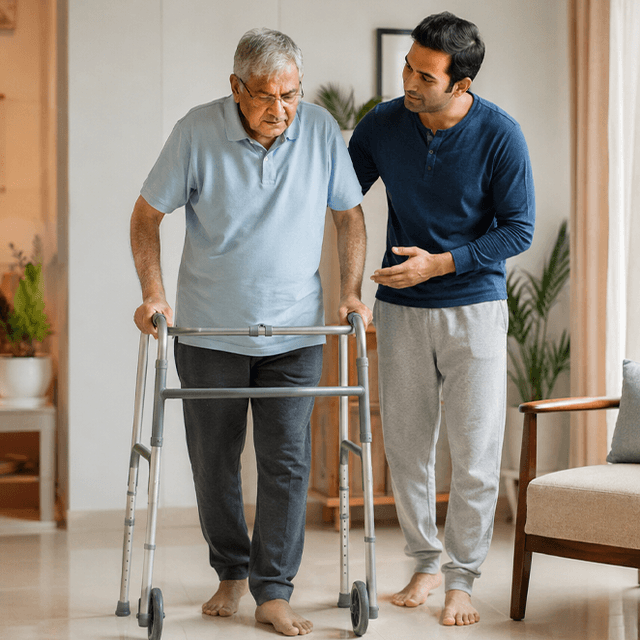
The bathroom is the highest risk room in the home for older adults. A heat wave means that older adults are more likely to take multiple cold showers or baths throughout the day. Wet surfaces pose a danger to older adults who have compromised balance.
Heat doesn't just threaten the heart and kidneys. It raises the immediate, everyday risk of a serious fall, in the room where falls are most dangerous.
It does not have to be a far future concern. It is something that can happen on any given day at the peak of the heat.
What You Can Actually Do: A Practical Guide for Families
Approaching prevention usually lacks complexity, but it does require intentionality since risks can be less obvious in individuals that seem completely fine.
Hydration: The Foundation
- It may be too late by the time someone asks if a parent needs some water - they may be dehydrated.
- Water, coconut water, and electrolyte drinks should be provided at least every hour during the peak heat hours.
- Urine colour should be monitored. Pale yellow is good. Dark yellow or amber means dehydration is already starting.
- During heat waves, caffeine and alcohol should be avoided since they both lead to worse dehydration.
Keeping the home cool
- The curtains and blinds on the sunny side of the house should be closed around the peak hours of the day (about 11am to 4pm).
- With very dry (6-8% humidity) heat, a fan alone is not a good means of cooling the house. Fans help circulate air, but they actually make the room warmer. Use fans with cool, damp clothes.
- Air conditioning is not available in every home, so locate the coolest room and have the elderly person spend the peak hours in there.
- A cool (not cold) bath or shower can help make a significant impact on reducing core body temperature.
Medication review
- Before summer is in full swing, speak with the doctor or pharmacist about each medication taken by the elderly person. Ask if any of the medications impact heat tolerance, hydration, or blood pressure.
- Do not change medications without medical guidance, but do ask the questions.
Bathroom safety during cooling routines
- Add a non-slip mat in and outside the shower or bath.
- Between the toilet and bath and the shower entrance, install and/or use grab bars to help when the person is dizzy or has a temporary loss of strength from heat fatigue.
- To prevent long standing duration while bathing, buy a shower chair or bath seat.
- If a family member is present, during extremely hot cooling days, accompany the elderly person while they bathe.
Knowing when to act on symptoms
- Set a quick daily check-in for a midday phone call or text to see how the elderly person is feeling on hot days.
- If you notice confusion, less urine, a dizzy feeling with an increased heart rate, act, don't put it off and see how they feel later.
- Heatstroke is a call for emergency services, not a call for the family doctor, when the signs of heatstroke are present such as high body temperature with no sweating and confusion with fainting.
Challenge Is Recognizing It Early Enough
India has an official estimate of 800 heat related deaths, but this is a guess of the deaths that are actually recorded. It can be said that the guess is the guess.
It is almost certainly much higher than the official count, as evidenced by heat related kidney failures and cardiac events that are recorded, but will not be seen in the heat death count.
Researchers estimating 3,400 excess deaths from just one extreme heat day aren't being alarmist. They're taking into account the figures that official tallies miss between the lines.
For these families, the statistical gap has a very real, practical impact.
There is no clear announcement that something has gone wrong. It doesn't seem like a dramatic emergency at the start. It looks like an unusually tiring afternoon. It looks like your parents are a little confused about something. It looks like they are not finishing their water. It looks like nothing that should cause concern.
Most important health decisions aren't made in hospitals. They're made quietly, at home, on an ordinary afternoon in May, when someone notices something and decides whether or not to act.
There is a lot of research that explains what heat does to the bodies of the elderly. There is research that explains the cooling system of the body, and explains how it can lead to the injury of the kidneys and the heart, and the breakdown of heat.
Understanding the mechanism isn't the challenge. Recognising it is. That is what families can do.
Sources & References
AQI.in data (via GKToday, Pragativadi): 97 of 100 hottest global cities in India, 22 May 2026. Reuters: 300+ suspected heat-illness cases, Andhra Pradesh, March-May 2026. Down To Earth, March 2026: ~70% rise in heat deaths among over-65s (two-decade trend); 82-92% elderly heatwave mortality. Lancet Countdown (2024 / latest report): 167% rise in heat deaths among 65+; 3.7 additional heatwave days/year for over-65s. WHO / UNEP: ~489,000 annual global heat deaths (2000-2019); 85%+ in the 65+ age group. UC Berkeley study (Narang & Gadgil, 2026): ~3,400 estimated excess deaths per day of extreme heat in India. PMC / published literature: 2010 Ahmedabad heatwave: 1,344 excess deaths, 43.1% rise, predominantly among over-65s. India Meteorological Department (IMD): heatwave / severe heatwave forecast, May 2026. Note: Official 2026 season death tallies are still being compiled and are subject to revision. All statistics presented reflect verified data at time of writing. This article is for informational purposes only and does not constitute medical advice. Please consult a qualified healthcare professional for guidance specific to your situation.