

Yoga for Knee Pain After 60: 7 Safe Asanas and 3 to Avoid
Aug 24, 2026
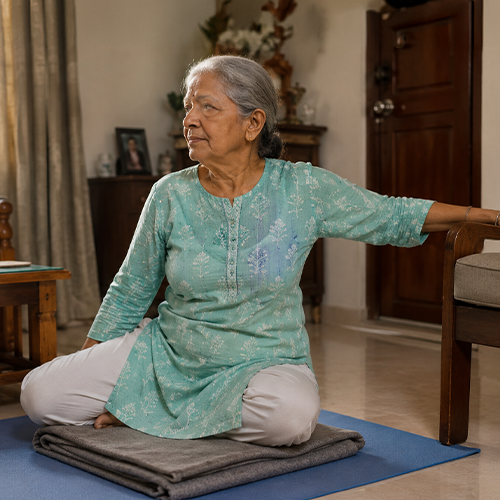
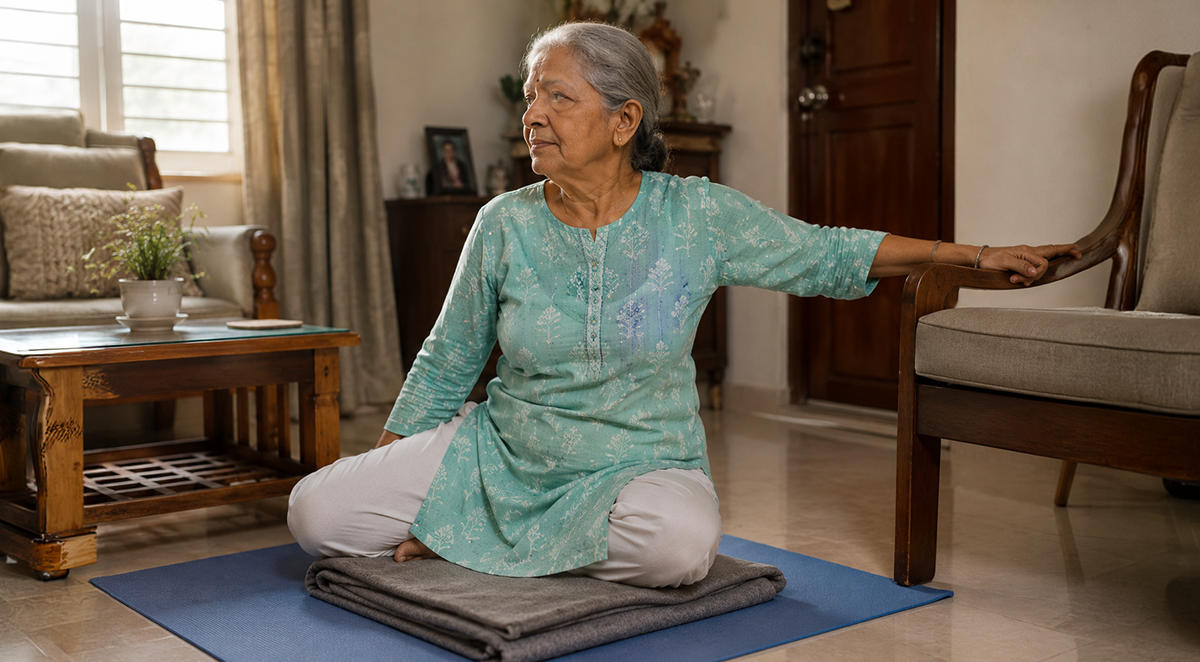
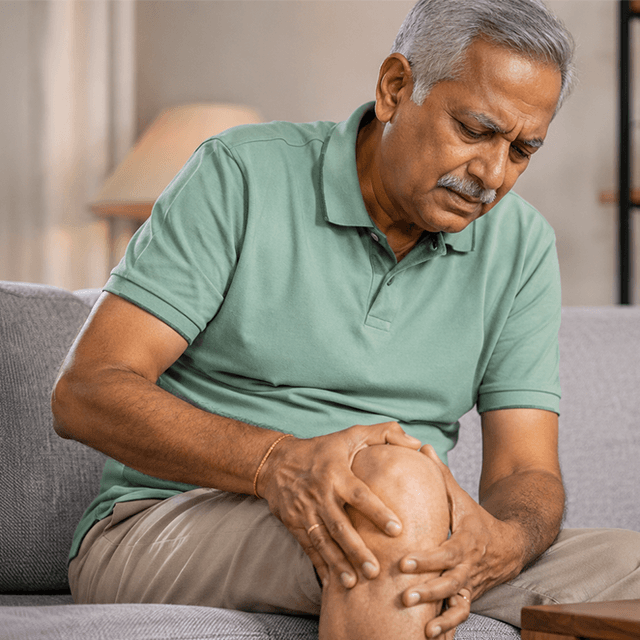
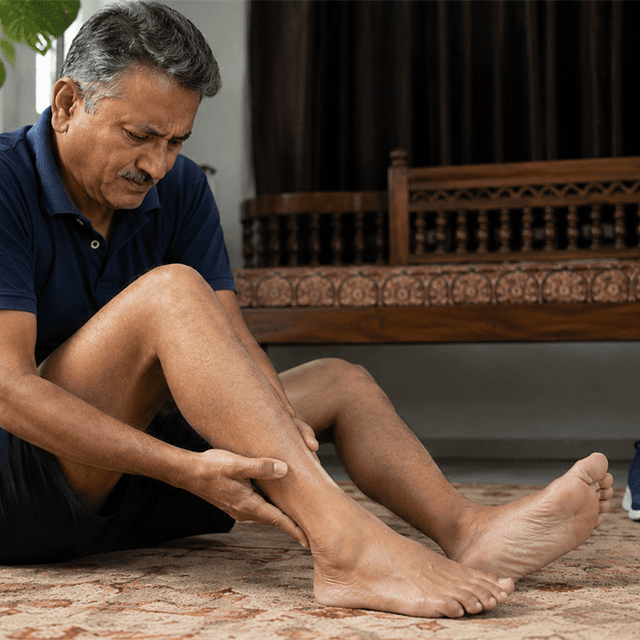
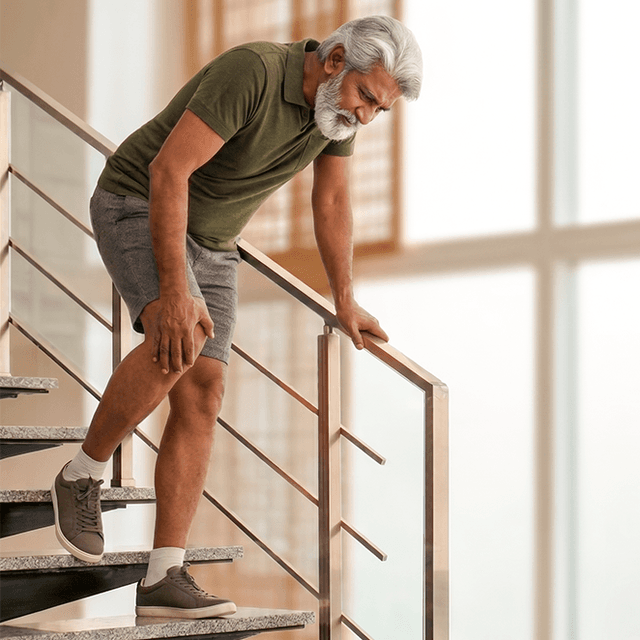
You never know how hard an activity is until you lose your knee. Knee pain does not necessarily mean rest for the weary. Knowing which pose works for your parents in an optimal way, and which is unsafe for your parent’s joints, is the hardest part for many older adults when it comes to starting a practice.
During a practice, one must keep in mind to work within safe limits. The main concern is poses that work the joint in an unsafe manner. These poses may increase pressure, force a twist, or create a sense of discomfort. For adults over the age of 60, poses that work the joints in an unsafe manner should be avoided.
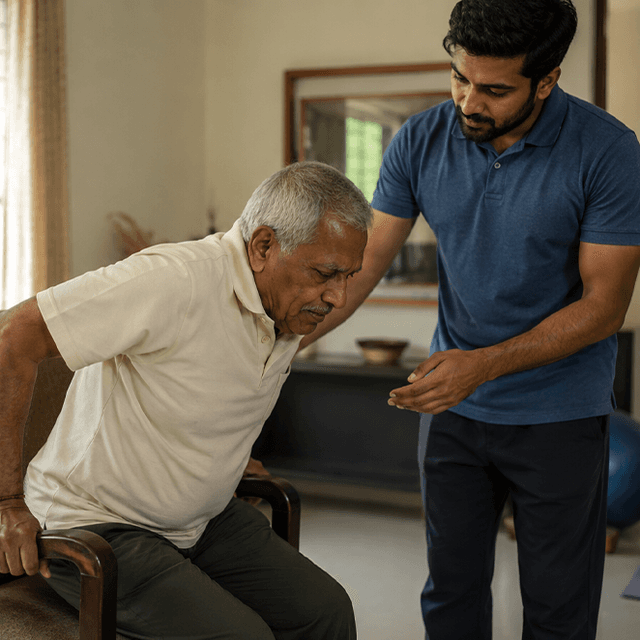
For any adult child or caregiver context, it is important to promote activity without pain and without mimicking any advanced yoga poses. These 7 asanas may provide a suitable starting point for any adult over 60. These poses should be done only after consultation with a doctor or physician if new knee pains, painful joints, or injury are present.
How to Practise Yoga Safely After 60
Prepare an open, well-lit space with at least one wall to lean on for support. Practice on a nonslip surface.
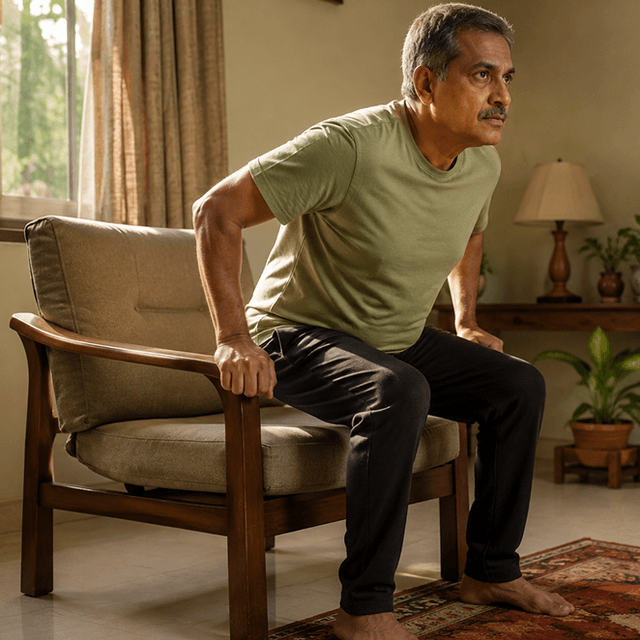
Start with 5 minutes of slow, gentle walking and slow, gentle ankle rotations. Slow transitions should be adopted when moving from a seated position to a standing position. In standing, it is important to keep the knees aligned with the toes and avoid letting the knees cave in.
Mild muscle work is fine. Pain, swelling, or locking of the joints, sudden weakness, or feeling of instability is not. Seek help if pain persists after practice.
1. Tadasana (Mountain Pose)
Tadasana is a useful posture for building standing posture and body awareness. It helps improve overall balance and can be a useful way to assess comfort and balance before attempting more advanced postures.
Stand with your feet hip-distance apart. Place a supporting hand on the wall if you have problems with your balance. Keep your legs straight, balance the weight on both feet, and softly bend your knees. Elongate the spine and relax your shoulders. Take slow, deep breaths.
Hold the pose for about 20 seconds. Repeat 2–3 times.
During the initial few sessions, a caregiver is recommended to be present. AGEasy Anti-Slip Socks or an AGEasy Anti-Slip Mat may be a good addition to your home safety equipment if your parent practices the posture near the bathroom on slippery floors. These products help create traction but should not be relied upon to replace supervision or a stable surface.
2. Seated Dandasana (Staff Pose)
This pose is good for posture and leg activation without placing the full body weight through the knees.
Sit on a hard surface or the edge of a folded blanket. Extend your right leg, keeping your right heel on the ground. Let your right knee have some bend. Gently pull your right toes towards you, and release. Sit up straight and use your hands on a chair for additional support if needed.
Do this for 5 breaths on each side, 3 times.
Sitting on a chair is likely safer than sitting on the floor for most older people because of limited hip mobility or trouble getting up. If your parent has trouble getting up from the floor, conduct the entire practice either seated or standing.
3. Supta Padangusthasana (Reclining Hand-to-Big-Toe Pose)
This pose can help gently stretch the hamstrings while keeping the back supported. Stretching the hamstrings, however, does not necessarily relieve the cause of knee pain.
Lie on your back with your legs bent and one foot on the ground. Lift your other leg up towards the ceiling, and hold onto your thigh to keep it slightly bent, or use a strap.
Before you feel strain or your back starts to arch, hold this for 10–20 seconds, and repeat on the other side.
4. Setu Bandhasana (Supported Bridge Pose)
Supported Bridge Pose strengthens the hips and backs of the legs with small movements.
Lie on your back with your knees bent and your feet hip-width apart and parallel. Gently lift your hips off the mat while pressing your feet into the mat firmly. Use a firm cushion or yoga block only if it has been placed there by an expert.
Lower your hips slowly if your knees are becoming uncomfortable.
Hold for 3–5 breaths and repeat 5 times. To keep knee alignment safe, the knees should remain in line with the second toe and must not fall inward or outward. A small lift is better than a high arch.
5. Marjaryasana-Bitilasana (Cat-Cow)
This pose, also known as Cat-Cow, improves gentle spinal movement and controlled weight shifting. Since the knees are touching the mat, use thick padding and reduce the range of movement if kneeling becomes uncomfortable.
Start this pose on your hands and knees and place a folded blanket underneath your knees. Place your hands beneath your shoulders and your knees underneath your hips. Round your back and lower your head. In the reverse of this pose, lengthen your spine and lift your chest. Avoid forcing your lower back.
Move through this pose slowly 5–8 times.
If kneeling causes pain in your knees, practice this seated to relieve pressure on your knees. To do this, round your upper back and place your hands on your thighs.
6. Supported Virabhadrasana II (Warrior II)
Warrior II strengthens both legs and balance as long as your front knee does not take a deep bend. It is important not to allow knee pain to turn into a deep lunge.
Start with your feet next to or facing the wall. Step one foot back and bend the other foot to the side to take a lunge. Keep the front knee bent no more than to a 90° angle over the ankle. Maintain the back leg relaxed and use the wall or chair for support.
Hold for 3–5 breaths and then come back to an upright position. Repeat the lunge with the opposite leg to the front.
The knee and toes should be parallel to each other. If this position begins to hurt the knee, stop the bend and do Tadasana instead.
7. Ananda Balasana Variation (Gentle Happy Baby)
The traditional Happy Baby pose usually involves a deep bend to both knees and hips. This can be more challenging for people with knee problems. A more controlled variation is therefore recommended in this routine.
Lie down on your back and bend both knees. Keep one knee pulled in towards the chest while holding behind the leg at the thigh. Keep the other leg on the floor. Bring the knee towards your armpit while keeping it close to the body in a comfortable position. Switch the knee held to the thigh after a few breaths.
Hip mobility may be gained with the knee supported by the floor. It can be used as an ending pose for a quick yoga practice.
If this position causes pain in your joints by pulling your knees to the side, avoid doing the pose. If you have had a hip replacement or surgery related to this area, avoid doing this pose.
3 Yoga Poses to Either Avoid or Modify
Malasana (Garland Squat)
Deep squats put a lot of pressure on the knees, hips, and ankles. They also require good balance and control when lowering and lifting.
Older adults with arthritis, compromised leg strength, and a history of surgery on the knees should avoid this movement unless their physician has modified the movement and clearance has been provided.
A safer option is to do a half-squat with the support of a chair. As a safety measure, keep a bend in the knee and keep the chair at a short distance.
Vajrasana (Kneeling Pose)
Vajrasana puts pressure on the knees and ankles and also on the tops of the feet. Because of stiffness, many people feel discomfort in this position.
Seated meditation can be done instead with a firm chair that supports the feet. A cushion is not a good alternative for kneeling.
Padmasana (Lotus)
Lotus puts the knees in an even more compromised position and involves deep rotation of the hips. Forcing the knees into this pose strains the joint.
In the absence of a chair, cross-legged sitting can be done as long as the knees do not get stressed. Your knees should never be forced to the floor.
Helpful Support Beyond the Yoga Mat
Support sleeves do not serve as a substitute for diagnosis or treatment for a condition, or strengthening for the affected area.
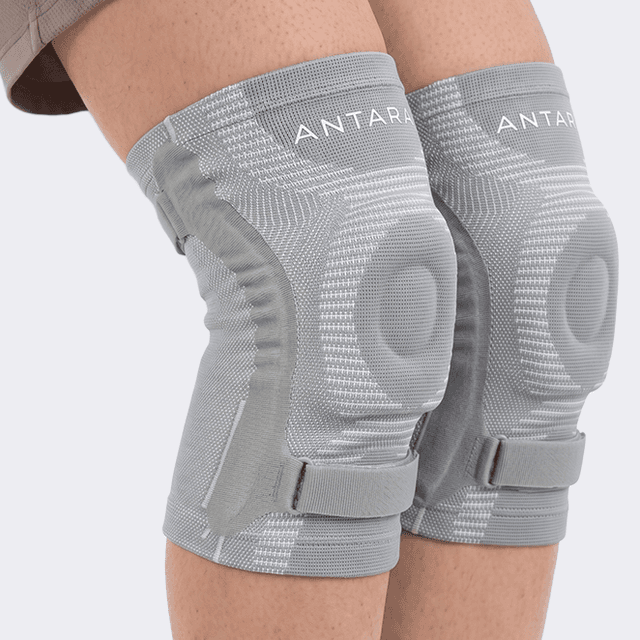
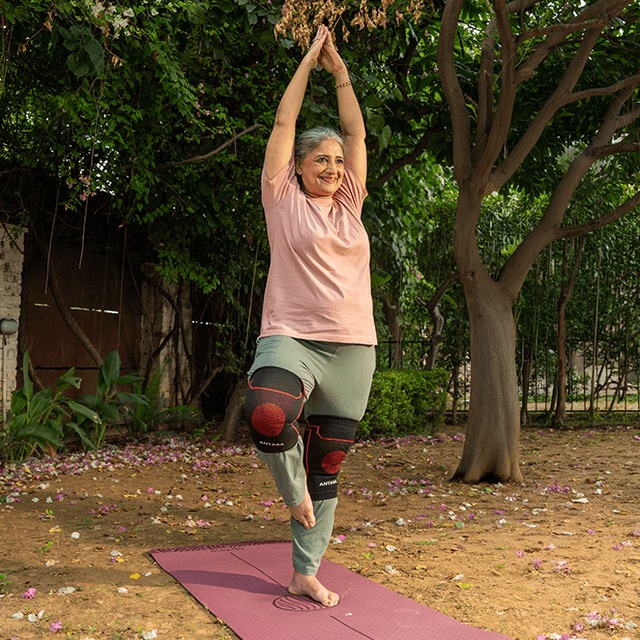
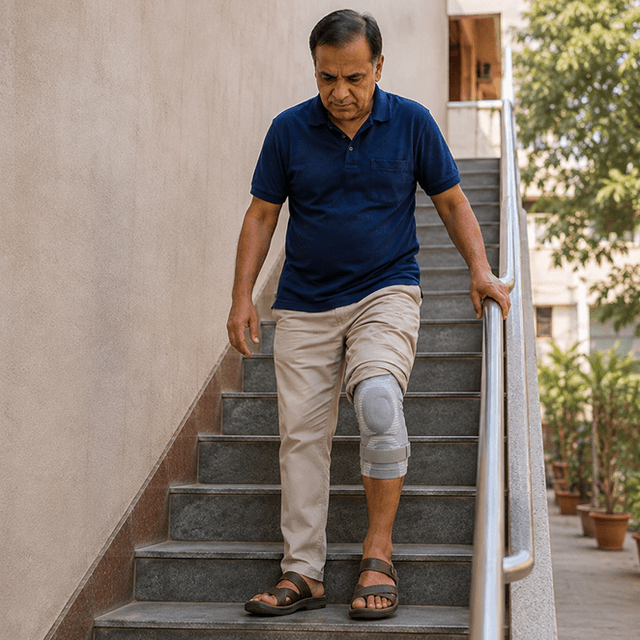
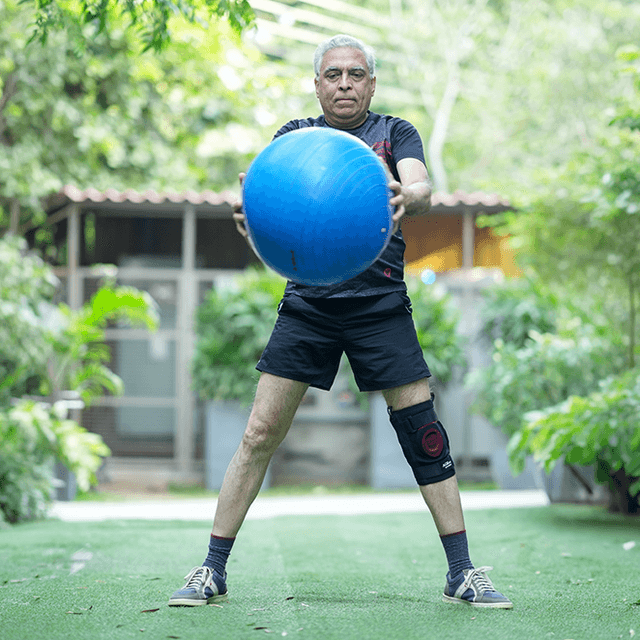
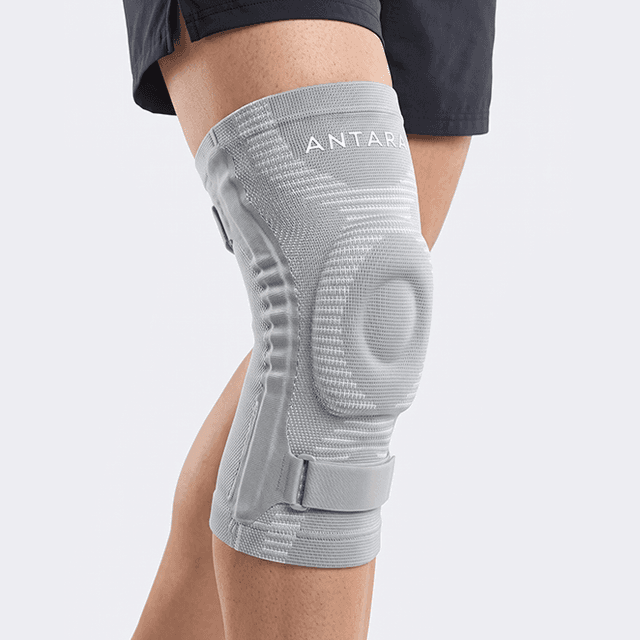
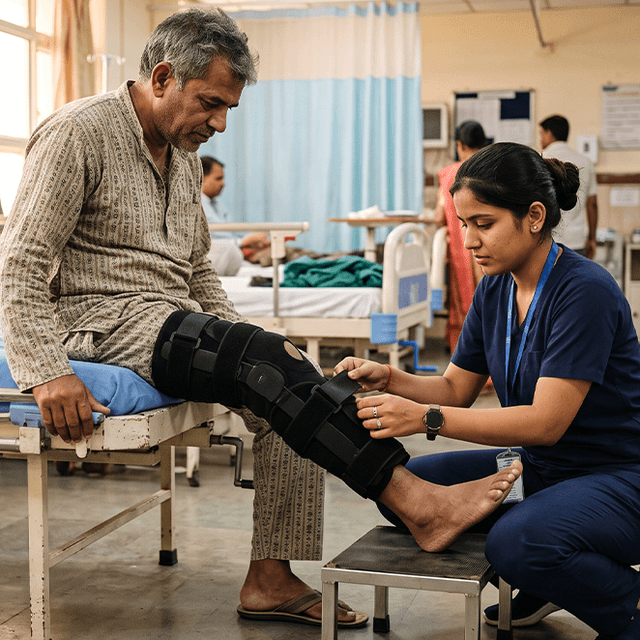
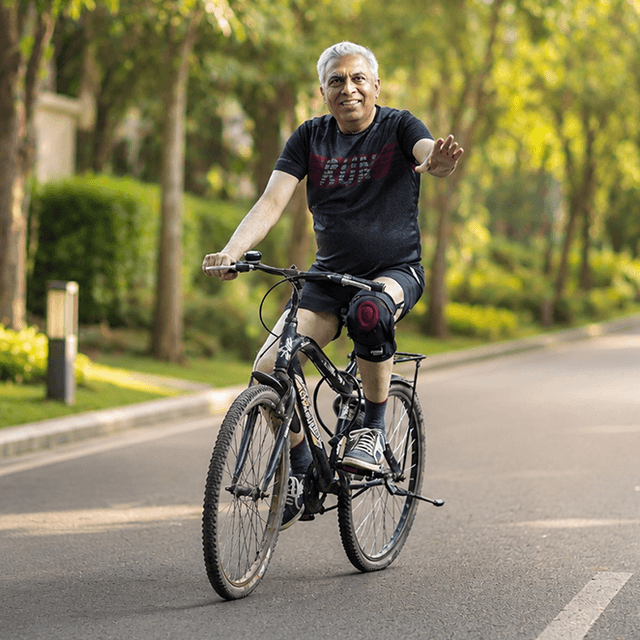
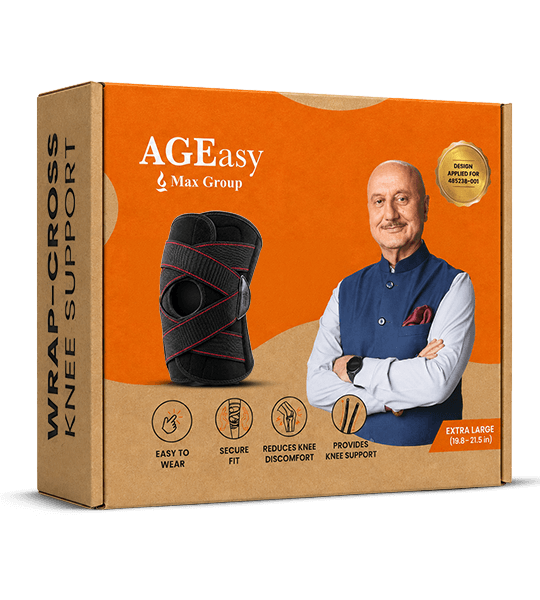
If your parent's specialist suggests a knee support, you can look for the AGEasy Comfort Ease Knee Cap or AGEasy Comfort Hinged Knee Brace .
Ensure that you review all instructions for the product to make sure that it fits your needs. A good support should not cause numbness, pain, swelling, or decreased circulation of the leg.
Medical Guidance for Knee Pain After 60
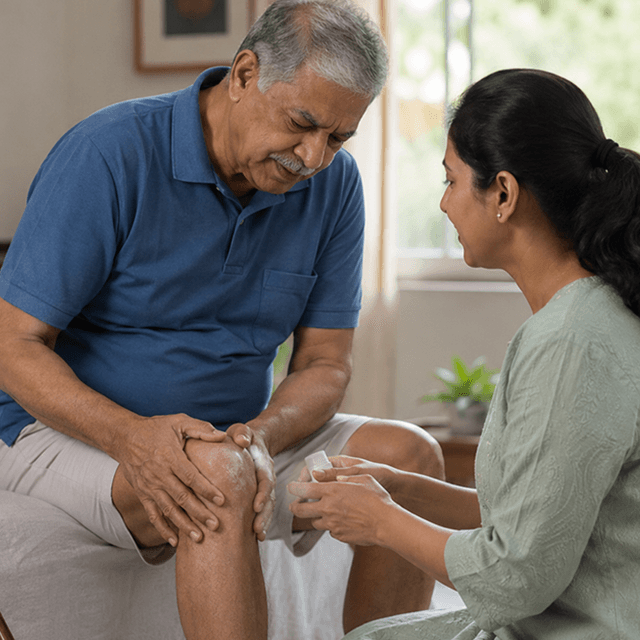
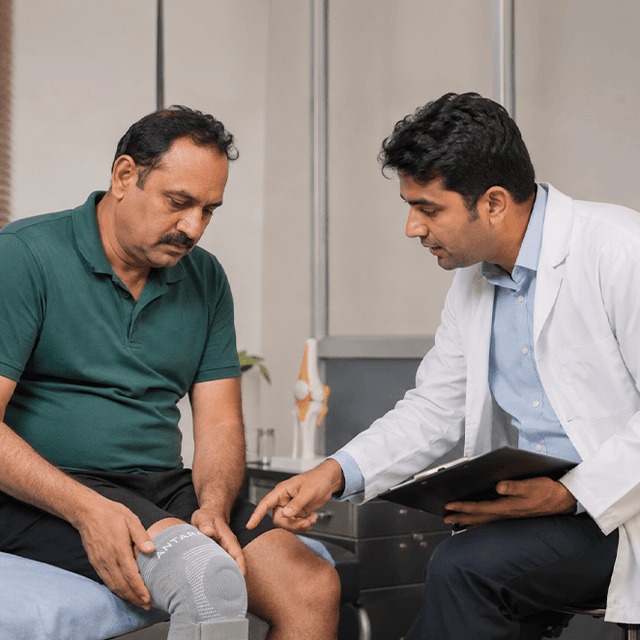
It is essential to go to the doctor for a consultation when pain in your knee develops after an injury which causes swelling of the knee, locking, or inhibits walking and standing normally.
Pain accompanied with a fever and redness, along with swelling in your calf, needs medical attention, along with weakness which might occur without any explanation.
Yoga should supplement other plans of care. This may include medical evaluation, the fulfillment of prescribed exercises, situating the footwear properly, managing your parent’s weight optimally, and structural adjustments to your home.
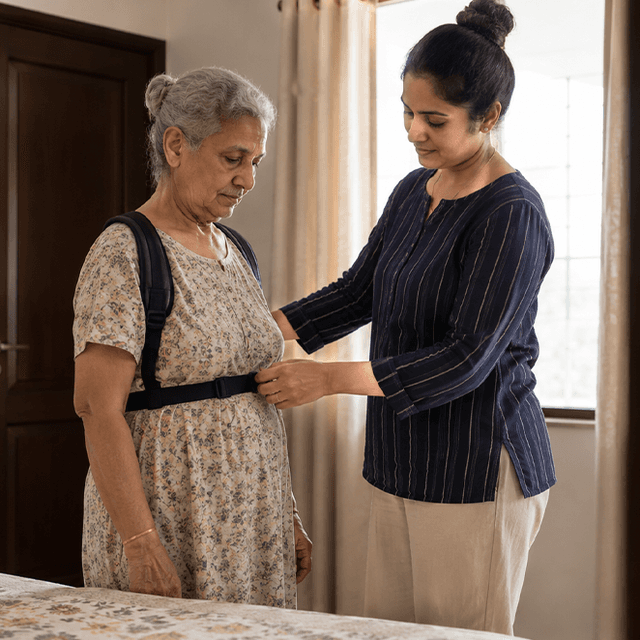
For caregivers, the best routine should include support, supervision, and adjusting the routine to the older adult’s comfort.
Disclaimer: This article provides general information and should not replace individualized advice, diagnosis, or treatment from a qualified healthcare professional.