

Winter Joint Pain: Understanding the Effects of Cold, Barometric Pressure, and Vitamin D
Sep 7, 2026
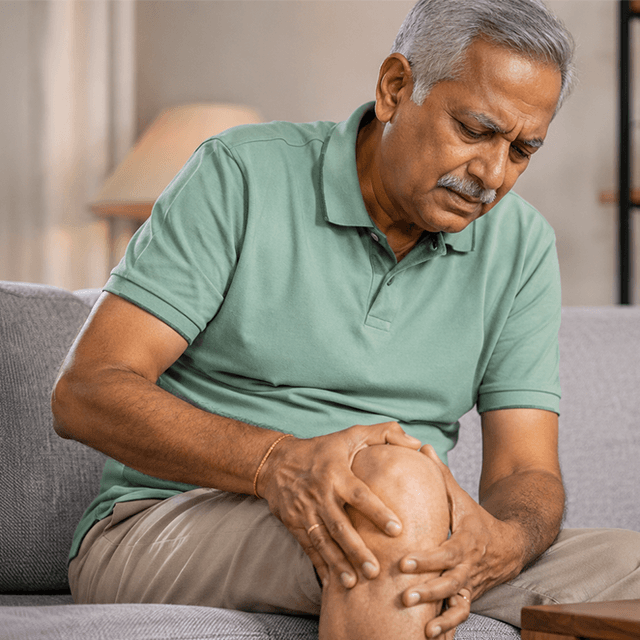
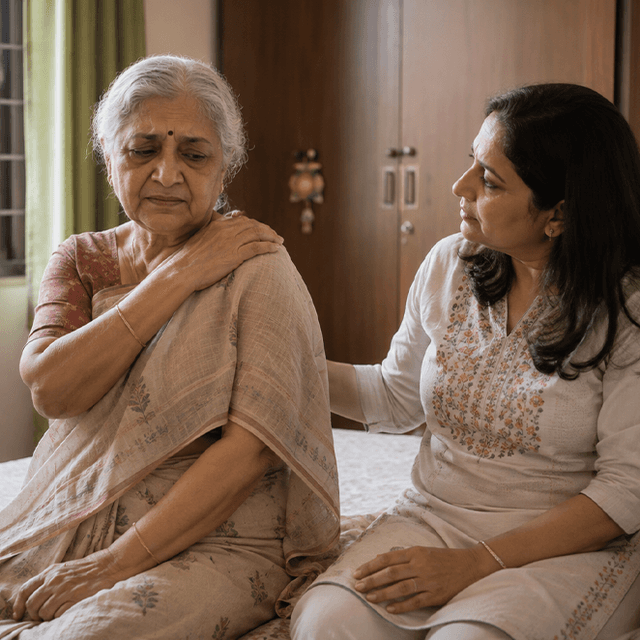
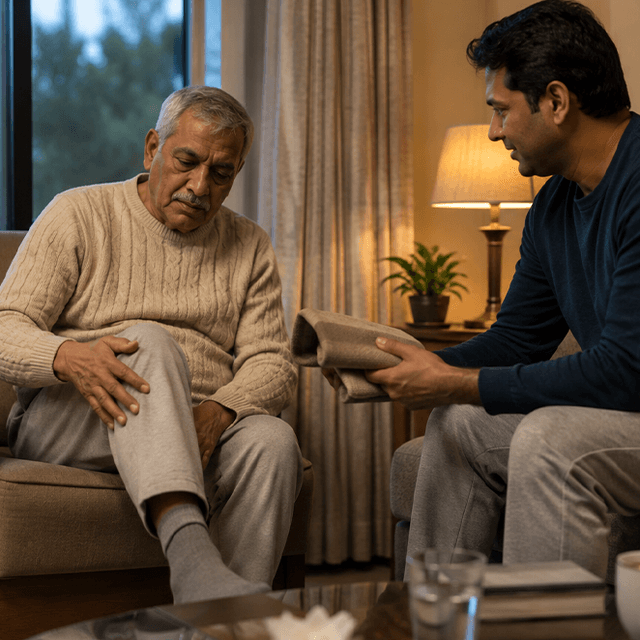
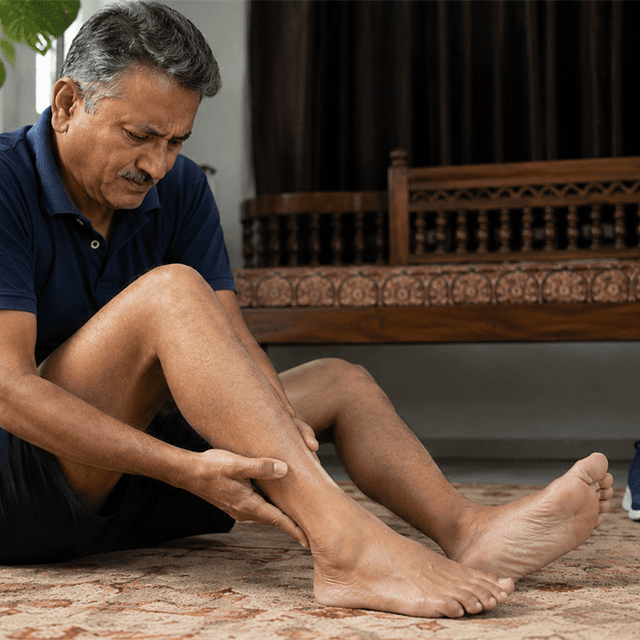
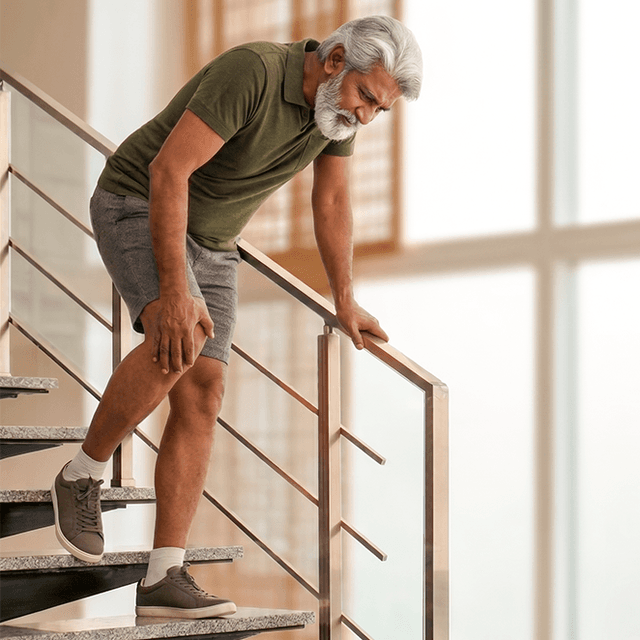
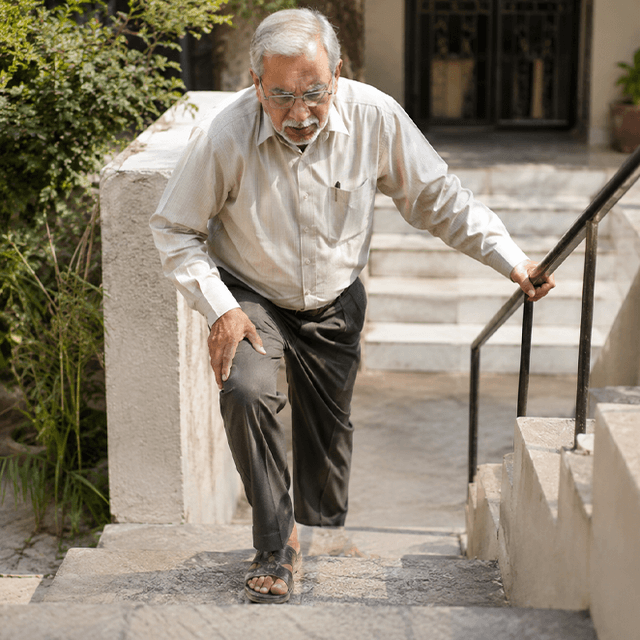
Aches and pains cause some parents to crawl rather than walk to the shop across the street. Joints feel tighter and each step becomes a struggle. Cloudy days can worsen the problem. Many people attribute joint pain to cold weather but there can be many other factors.
Cold weather, reduced activity levels, changes in barometric pressure, previous injuries, osteoarthritis, and low levels of vitamin D can all be contributing factors.
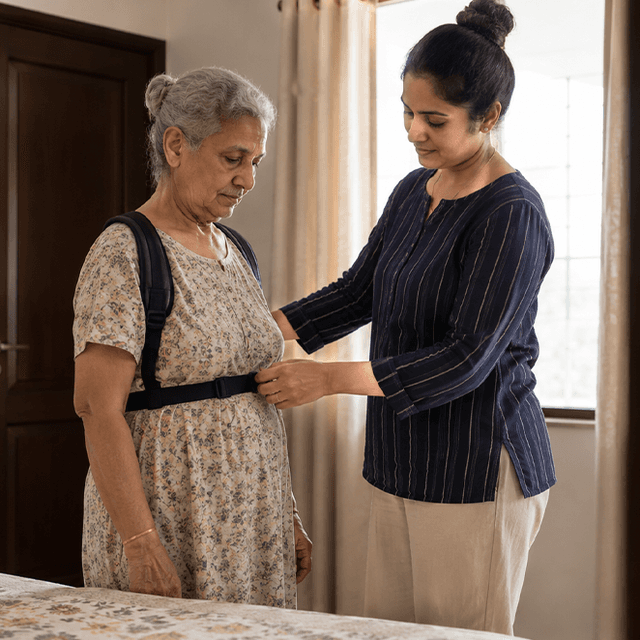
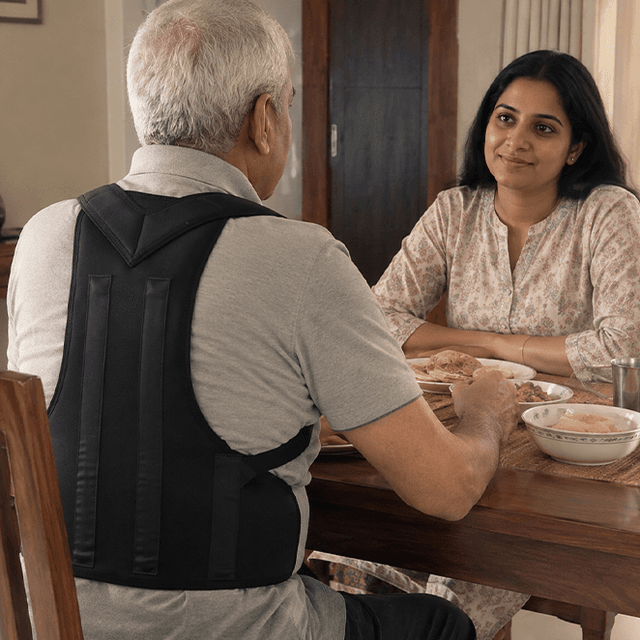
For adult children and caregivers, the focus should not be on determining whether winter causes arthritis, but on knowing how and when to provide corrective support for safe movement and how to access support for pain management.
The Relationship Between Cold and Joint Pain
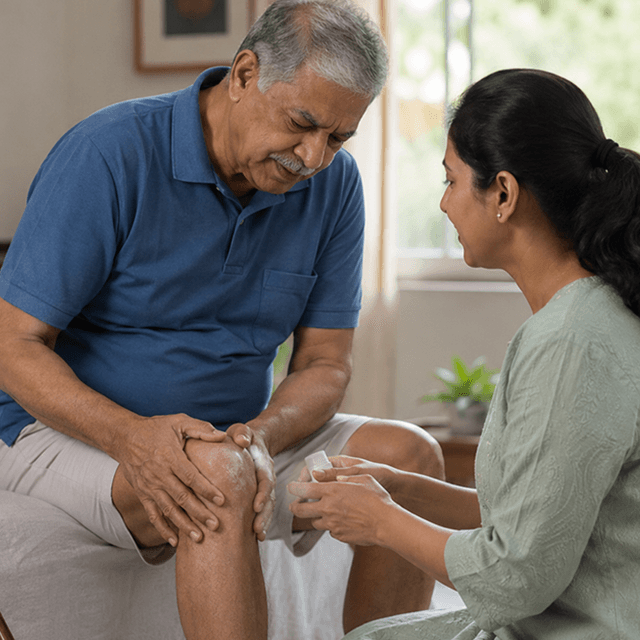
Cold weather does not cause arthritis, but it may increase joint pain and stiffness in people with it. Joint pain can result from various causes, including arthritis, musculoskeletal injuries, inflammation, and other medical conditions; some symptoms may worsen in cold weather. Joints also become stiff from prolonged sedentary activity.
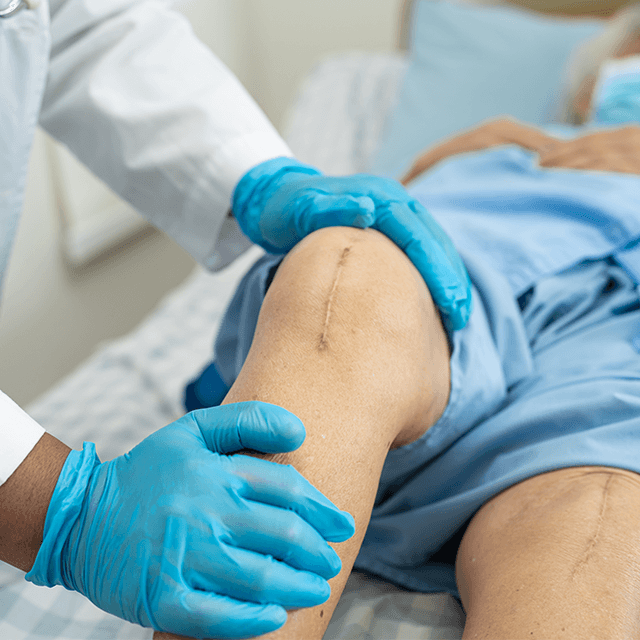
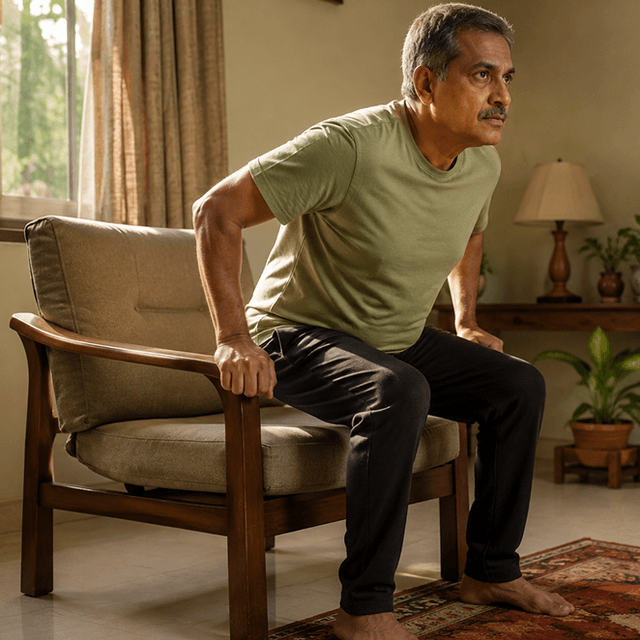
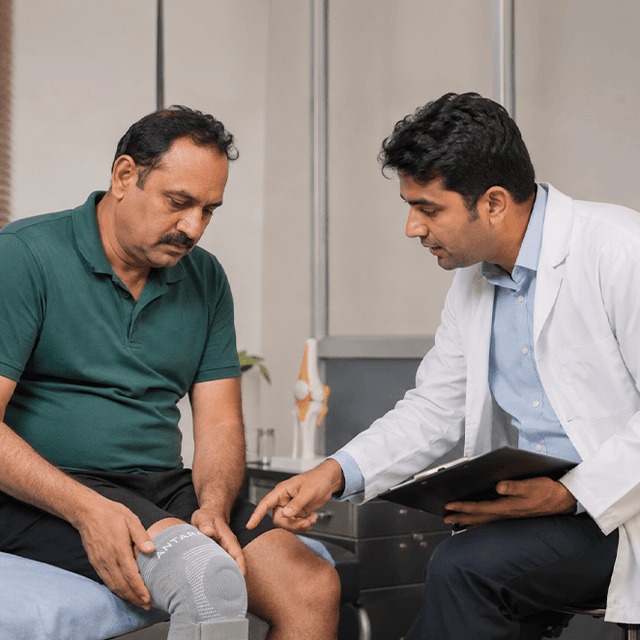
Pain improves with movement, while stiffness following a prolonged sedentary period is typically worse in the morning and after sitting for a period of time. Persistent pain, repeated swelling, loss of range of motion, reduced joint function, or tissue damage requires clinical evaluation.
Winter can lead to sedentary behavior amongst some older adults. Combinations of cold mornings, rain, poor lighting, slipping, and general fear result in less walking among older adults. This loss of activity leads to several problems. Muscle weakness around the knees, hips, and ankles, as well as in the back and core, can reduce joint support that are not properly supported, thus increasing the demand on the joints and making simple daily tasks problematic.
Barometric Pressure and Joints
The pain patients feel in their joints is often a result of several factors, one of which is a change in barometric pressure, or the pressure of the weight of the air surrounding us. Older adults with joints that have deteriorated and people with arthritis report pain before a rainstorm or as the weather starts changing. This may happen as joints are encased by tissue, which expands when pressure increases. Muscles contract and become more active with an increase in cold, damp weather.
While barometric pressure and joint pain may be a result of several different factors, you can best manage the symptoms by being consistent in maintaining a joint pain diary. Record joint pain, inflammation, rest, level of activity, sleep, and weather for two to three weeks if your parent notices pain followed by a consistent pattern.
The information that you provide is useful for your doctor to better understand what you're going through and manage your symptoms more effectively.
Joint Health and Vitamin D
Vitamin D aids in the absorption of calcium, which promotes bone health and proper muscle function. The risk for low vitamin D levels is greater for older adults. The production of vitamin D through sunlight decreases as people age and people become less active. Older adults may also suffer from low vitamin D levels due to poor nutrition and health conditions that affect the absorption of the vitamin.
Not all knee pain can be blamed on low levels of vitamin D. Low levels of vitamin D don't mean that taking a supplement will cure the pain of osteoarthritis. A doctor performs a thorough assessment and a blood test to determine if someone is deficient, and if supplementation is required, given the person's overall health. This is especially important for patients with kidney disease and high calcium levels and for patients taking medication to control calcium levels.
With respect to dietary intake, fatty fish, egg yolks, and fortified foods are some examples, depending on the individual's food choices. Exposure to sunlight, depending on a person's skin type and the season, may differ. Safety is particularly important for the older adult with a high risk of skin cancer. It is important not to recommend unprotected sun exposure as a part of a treatment for these patients.
Winter Activity Tips for Older Adults
Warm Up
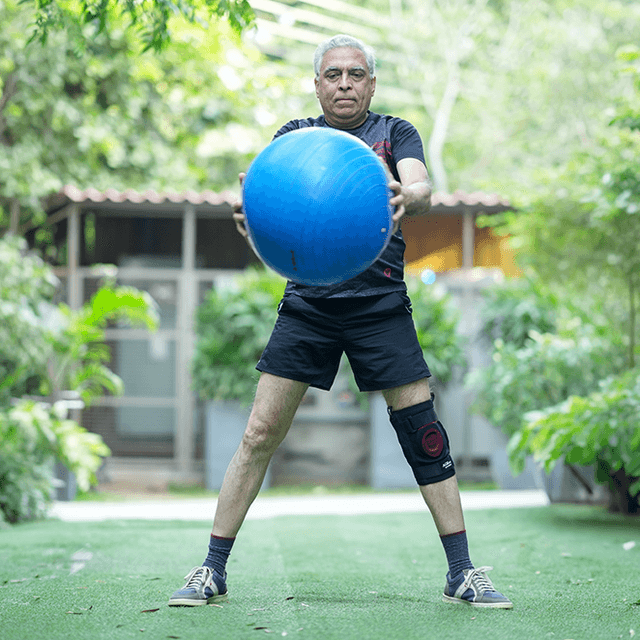
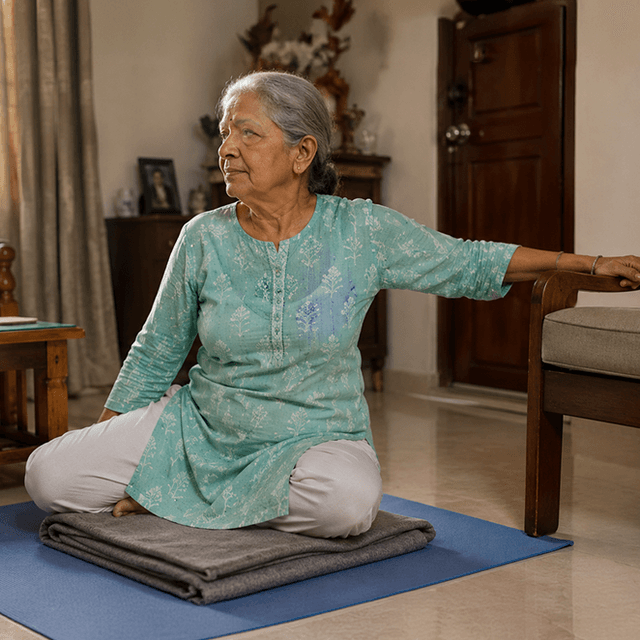
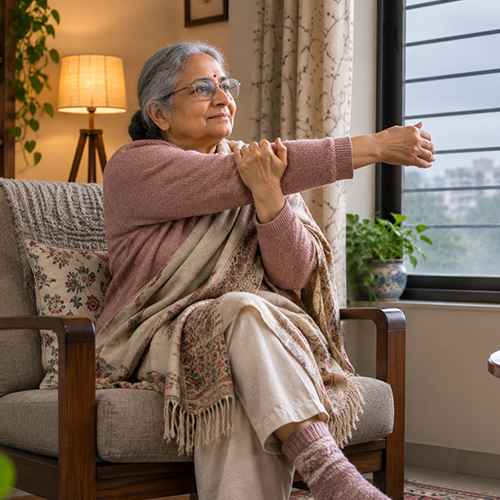
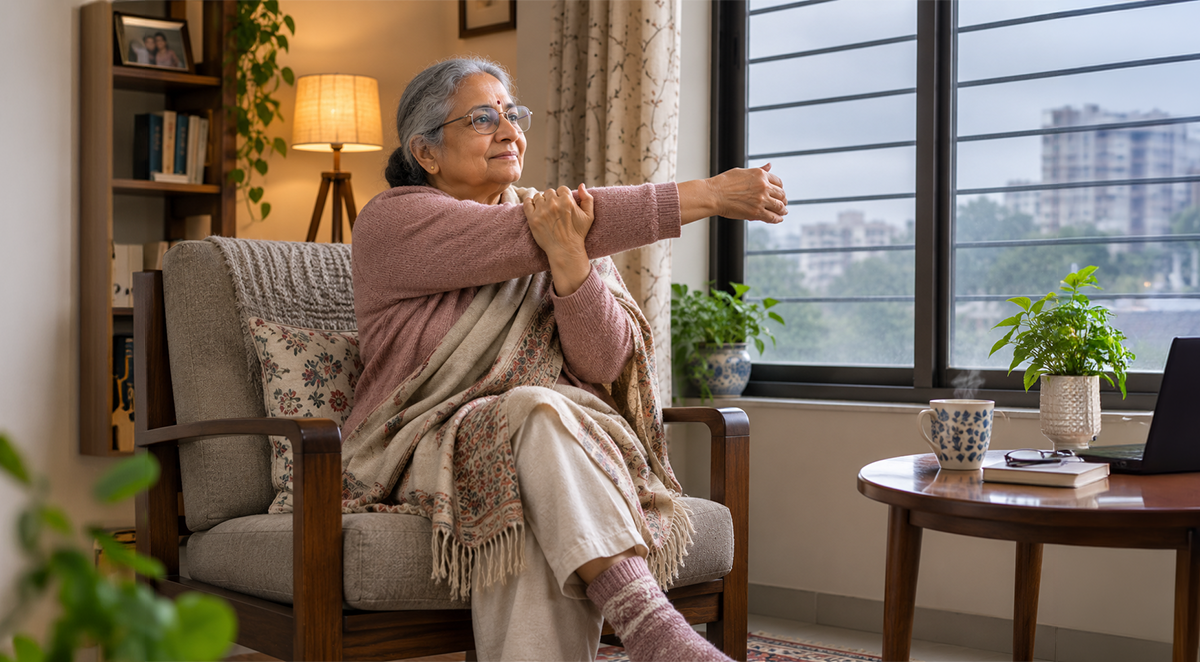
Have your parent perform at least 5 minutes and up to 10 minutes of easy movement prior to performing any activity. Some easy movements may include slow walking, doing arm and shoulder stretches, etc. The goal of the movements is to prevent stiffness, not cause pain.
Prevent Cold Floors
Make your parent wear ample socks and wear layers for most activities that take them outdoors. Make sure the walking surfaces are not wet. Check bathrooms and hallways for moisture. Use night lights and position frequently used items at easy to reach heights. Warm rooms also help your parent be more mobile after prolonged periods of inactivity.
Regular, Gentle Motion Types
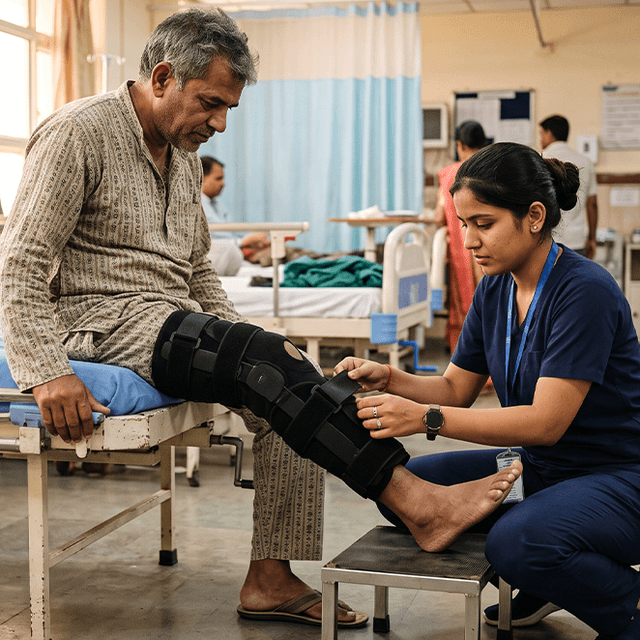
Movement support for this category includes short walks and physio exercises to help with mobility, as well as water and chair-based exercises. Your parent's physio can provide exercises specific to arthritis, post joint replacement, balance issues, etc. Stop the exercise and inform your physio if you experience significant pain, swelling, chest pain, fainting, or developing weakness.
Use Comfort Aids Cautiously
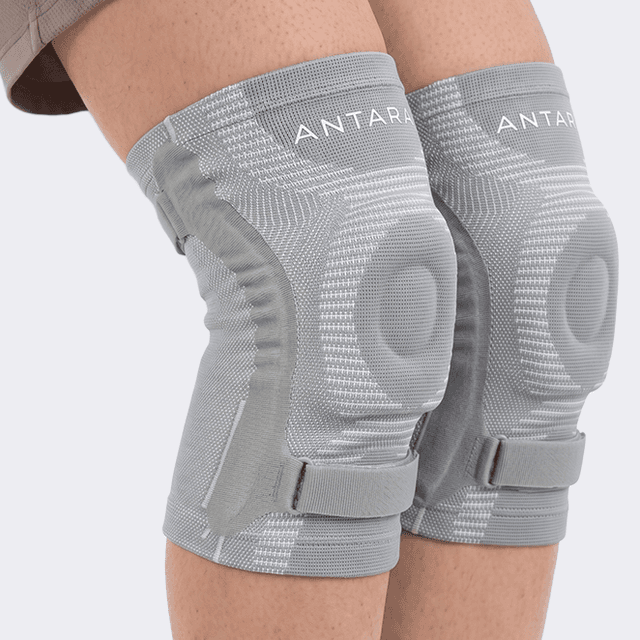
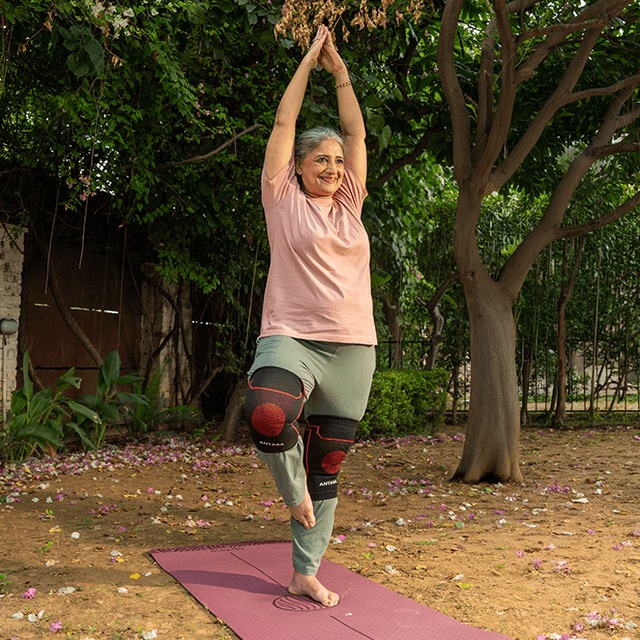
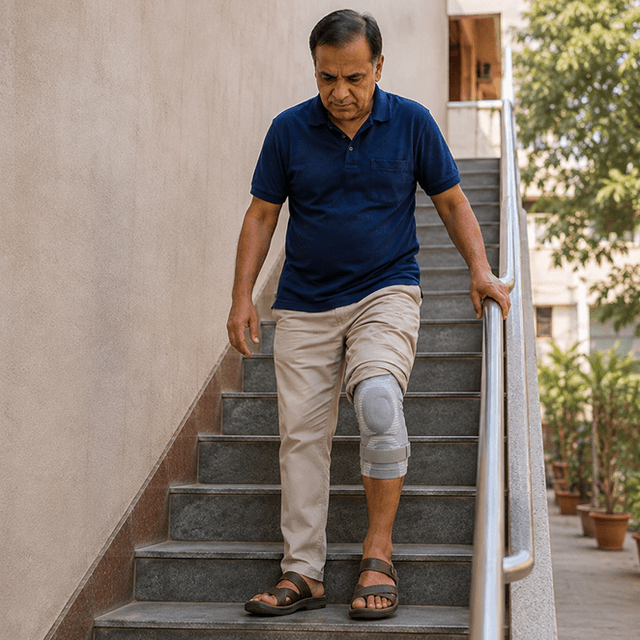
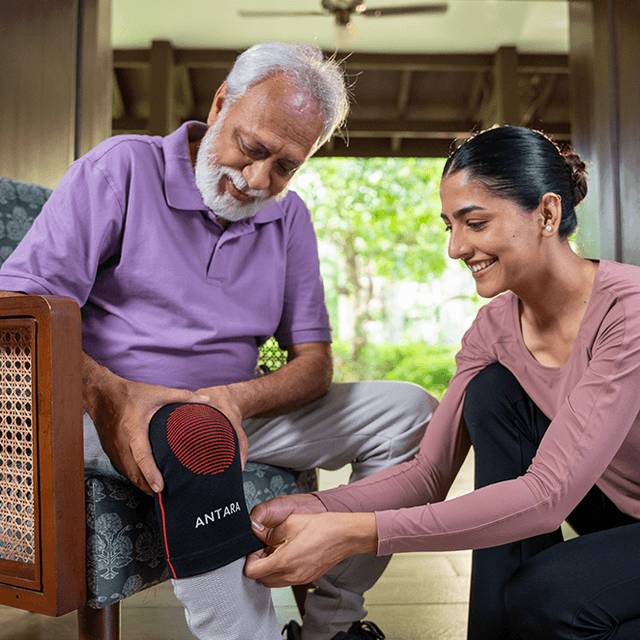
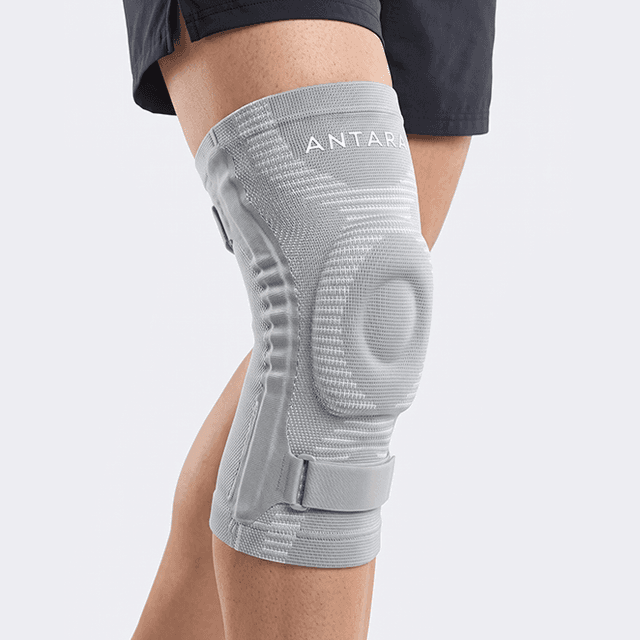
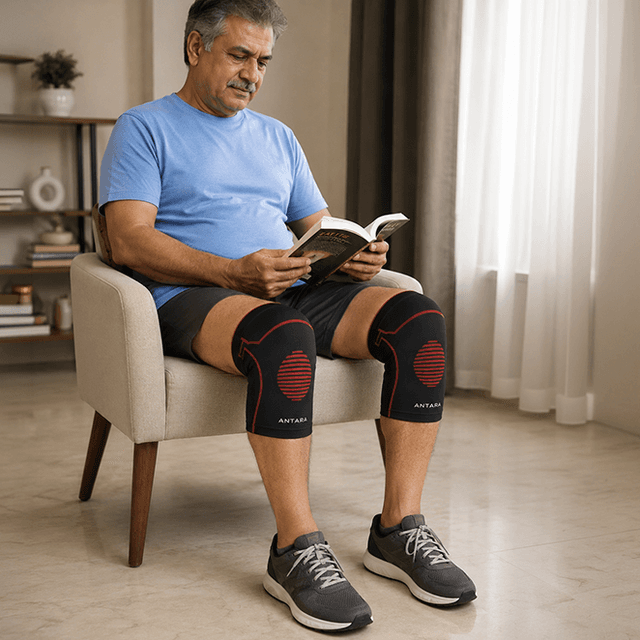
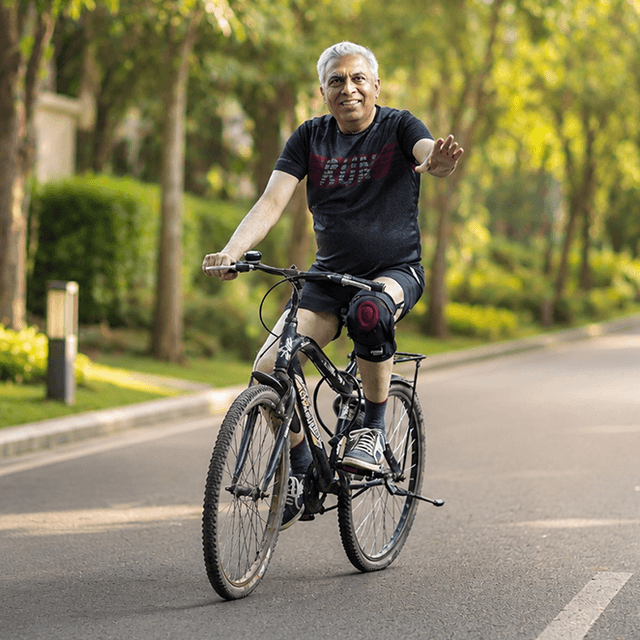
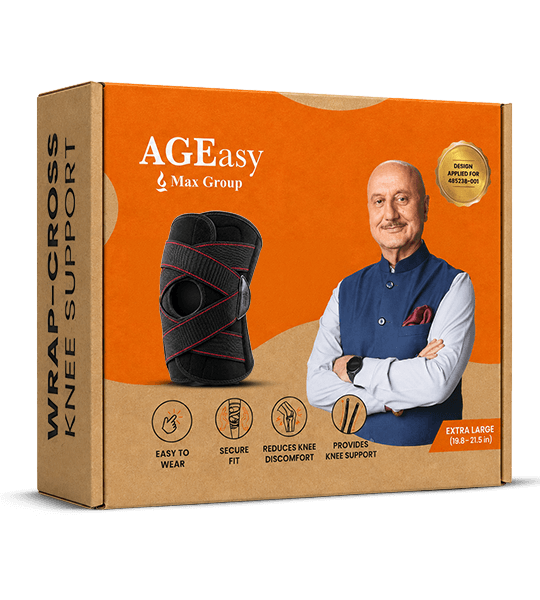
AGEasy's Comfort Ease Knee Cap is indeed lightweight, breathable, and stretchable. The cap provides "gentle compression." It should provide enough support for lower leg chronic joint issues. The cap is primarily for support, not for diagnosis or relief of chronic joint issues.
Make Walking Safer
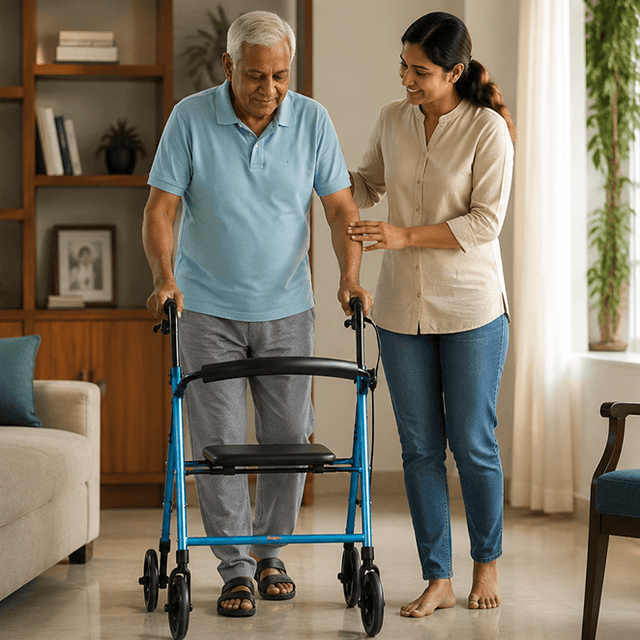
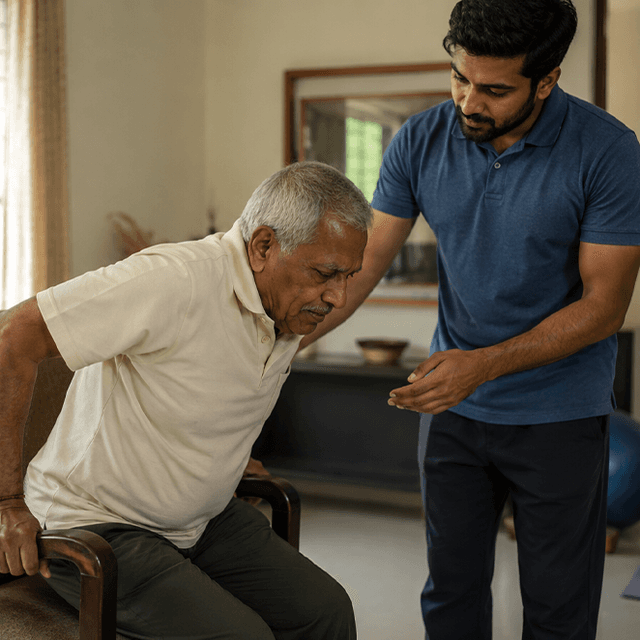
Adjusting to pain can change balance and walking patterns. Walking sticks and rollators should be adjusted to fit the user's height. It is important for caregivers to look beyond the aesthetics and price of a walking aid. A physiotherapist or occupational therapist can examine many factors including balance and strength, footwear, and the layout of the user's home.
Signs It's Time to Seek Medical Attention
Book an appointment for pain that lasts longer than a few weeks, that comes back, worsens at night, that has accompanied increasing stiffness, and decreases mobility for performing activities of daily living, such as walking and dressing, or for using the toilet.
Seek urgent medical care for a hot, red, swollen joint, severe pain, a fall, a new deformity, fever, the inability to put weight on a limb, and sudden weakness. Chest pain or trouble catching your breath, along with the inability to control your bladder or bowels, should be addressed immediately.
What Caregivers Should Know
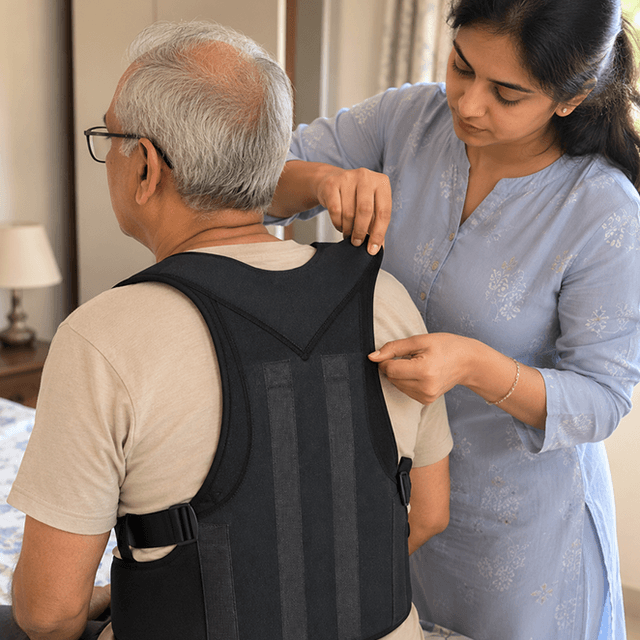
Winter joint pain is a sign of caution but should not spark panic. Keeping warm and moving the joints regularly should help. If joint pain or stiffness persists, a doctor can determine whether vitamin D testing is appropriate based on the person's symptoms and risk factors. A full medical evaluation should be sought before using comfort aids. A suitable walking route should be cleared of hazards, and the home should be kept well lit.
Disclaimer: This article does not take the place of a medical professional. Symptoms of joint pain can be dangerous, so do not hesitate to call for professional emergency help.