

Knee Pain Oil: What Massage Actually Does for Arthritic Knees
Aug 25, 2026
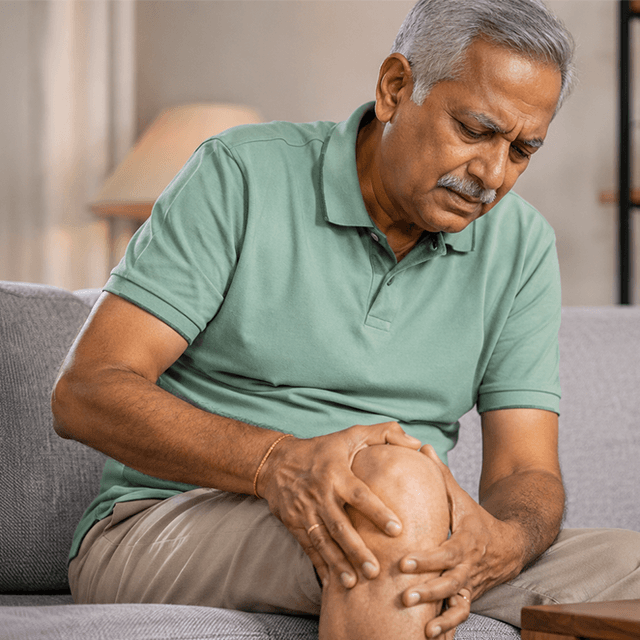
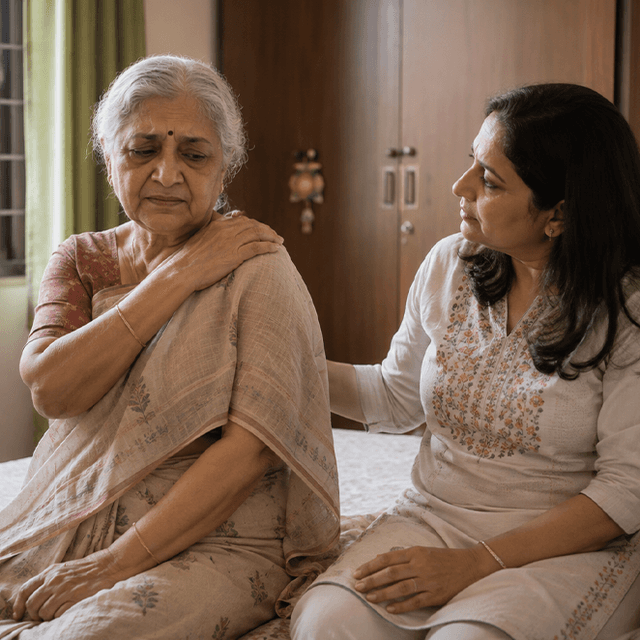
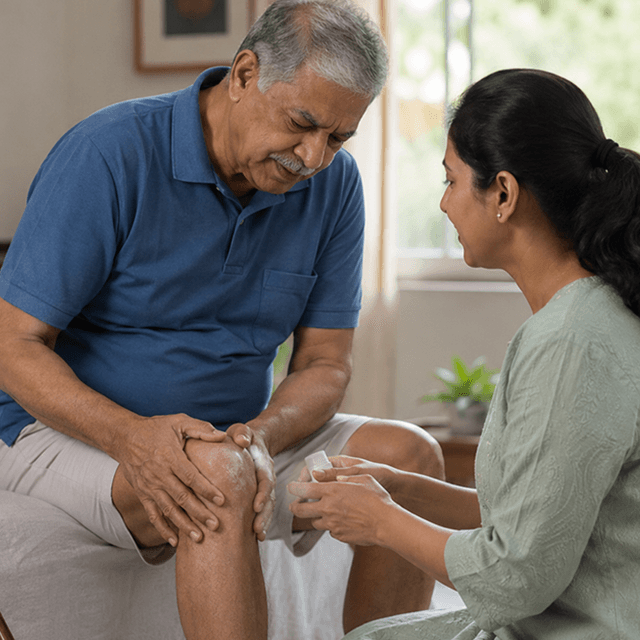
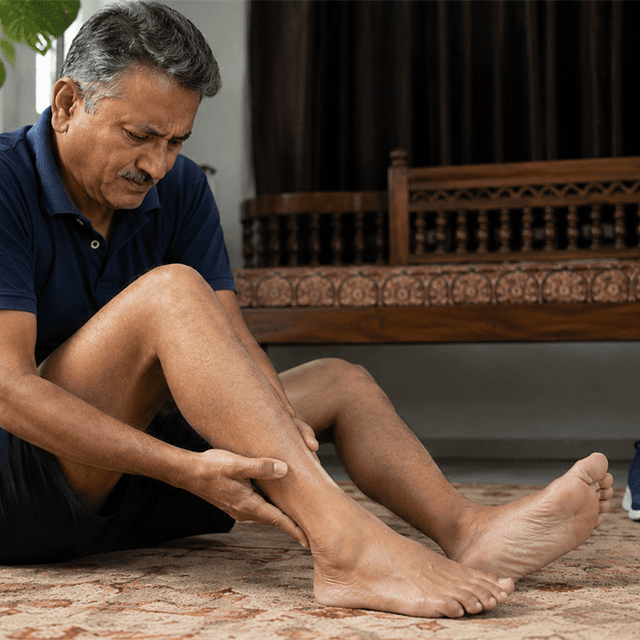
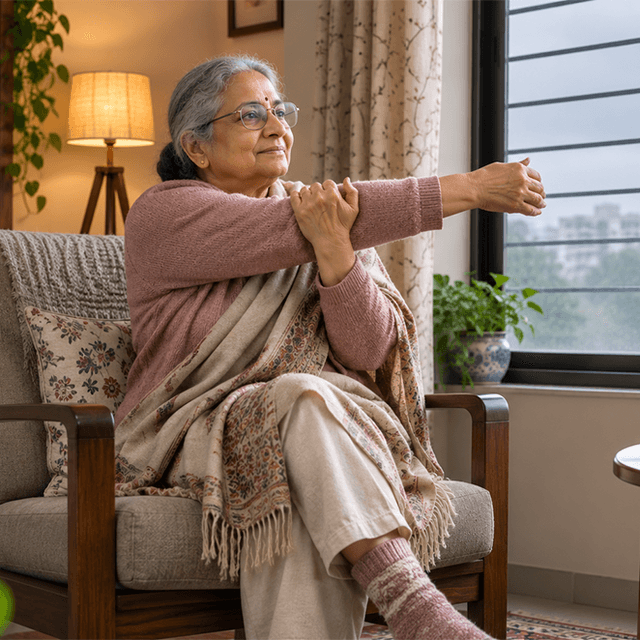
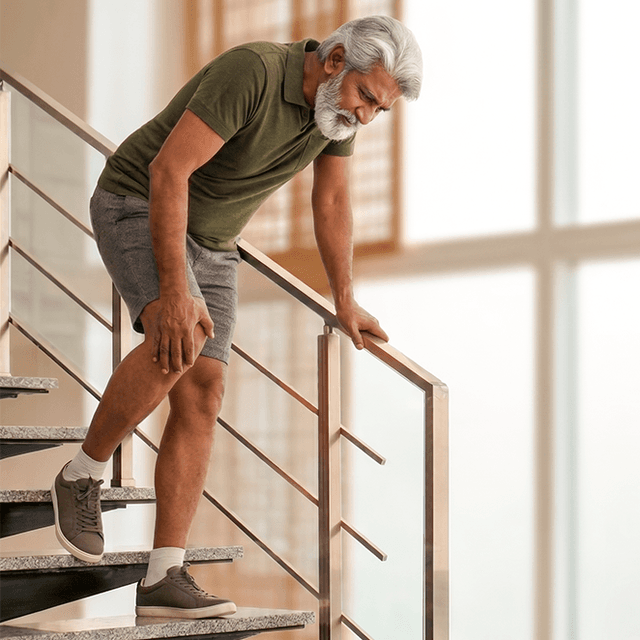
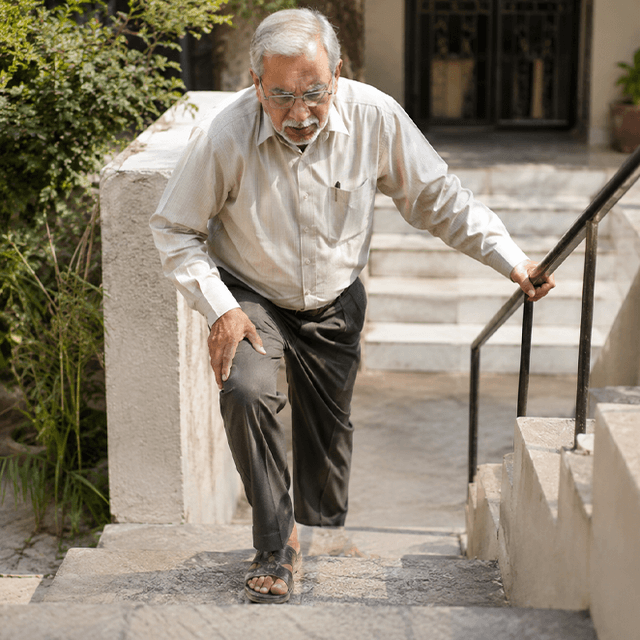
Pain in the knee can make even the smallest of tasks, like taking a short walk to the kitchen, tiresome and slow. Pain in the knee can disturb so much more than that; it can highly impact your parent’s sleep, and can cause discomfort with everyday activities, walking up and down the stairs, and even taking a much needed bath. Many families look for knee pain oil because they think massage can help relieve the discomfort for a longer period of time for their aging adults.
A massage does not cure and will not regrow any damaged knee cartilage, nor does it reverse arthritic knees, so just know what to expect when you are going for a massage.
Massage Does Not Treat the Root Cause of Knee Arthritis
Most parents have arthritis in some form and the most common form is osteoarthritis. This form primarily affects the cartilage and other structures surrounding a joint. The pain caused by arthritis can be felt in other surrounding tissues, such as muscles, tendons, and even soft tissues.
When it comes to an arthritic knee, massage helps relieve some muscle tension, but will not help regrow damaged cartilage. Massage will not cure a major injury nor will it treat an infection, inflammatory joint disease, or any other cause of pain. The pain relief from a massage is completely subjective and varies from person to person and will only last for so long.
What Knee Pain Oil Does During a Massage
Knee pain oil serves as a skin rubbing medium. It offers friction reduction and allows for the application of slower and more gentle strokes. Some oil types provide cooling or warming effects while others focus more on fragrance and skin comfort.
The massage may actually offer more relief than the oil to your parents. Gradually removing muscle guarding may be possible through slow massage strokes over the thigh, calf, and surrounding tissue. An application of heating oil during the massage may help to relieve muscle tension. Cooling oil may help to relieve uncomfortable, hot and inflamed skin, but cannot address the joint changes occurring with arthritis.
Read the label carefully. Check for warnings, possible side effects, and an expiration date. Use your best judgment and avoid applying oil over broken skin, inflamed skin, open wounds and/or infections. Washing the hands after use, especially before touching the eyes and food is important for the caregiver.
How to Massage an Arthritic Knee Safely
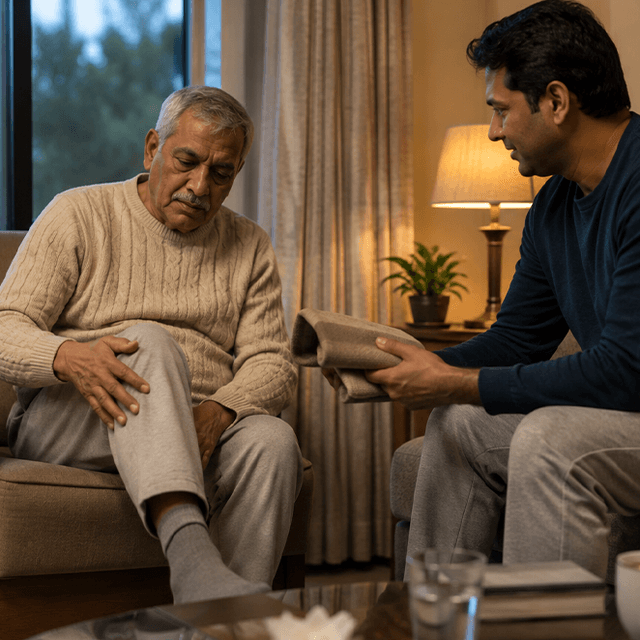
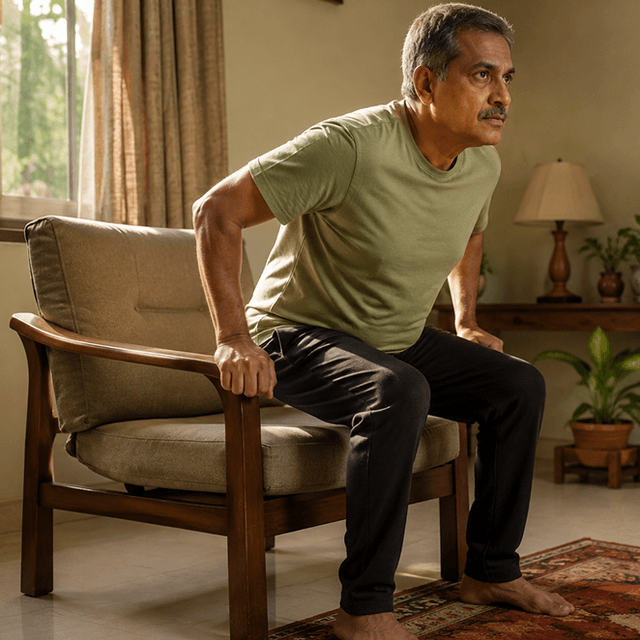
Ask your parent to choose a comfortable position. Sitting in a chair or lying down with the leg elevated and slightly bent is good.
Start by massaging the thigh with a small amount of oil on your hands. Rub your hands together firmly and place your palms on the thigh. Use slow, broad strokes and work your way up and down the thigh towards the hip. Repeat this stroking motion several times and work your way closer to the knee each time.
To start, gently encircle the kneecap using light pressure. Next, massage both the inner and outer thighs using light pressure. You can also use light stroking on the upper calf. Stop if the massage starts to cause the area to become more swollen, the skin begins to burn, or the pain starts to increase.
Massaging for five to ten minutes usually gives the best results. More time or firmer massage does not lead to more results. Avoid kneading, deep pressure, rapid rubbing, and using tools to massage over an inflamed or tender joint.
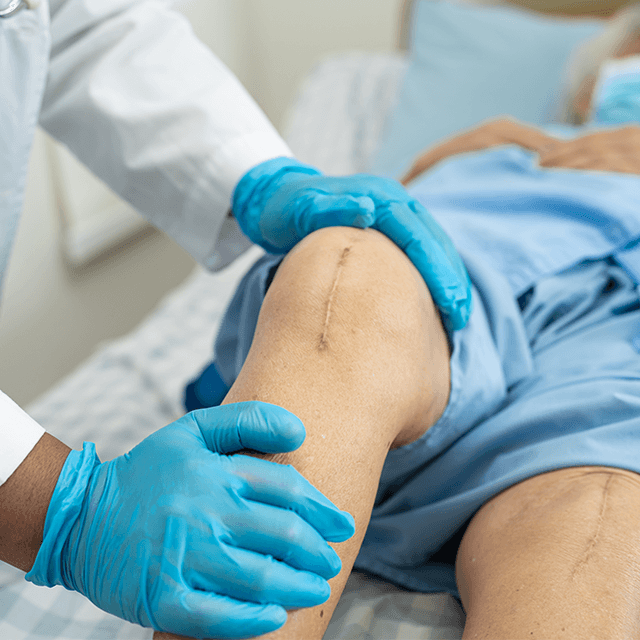
You should not massage a knee that is red and swollen and/or painful, hot, and stiff until it has been looked at by a professional. Do not massage your parent’s knee if it is tender and swollen, you have been injured or have fallen, you are experiencing a lot of pain when applying weight, and there is a visible change in the joint's appearance.
After massage, knee bends from a partially bent kneecap can be done to assess how much movement your parent can do with their joint before it causes pain. Short walks can also be performed to assess how much easier joint movement has become.
Heat and cold have their own benefits. Stiffness prior to movement can be improved with the application of warmth either with a towel or hot shower. Discomfort following activity can be improved with cold, wrapped in a cloth, and applied with limited duration.
Regular Movement Is a Must
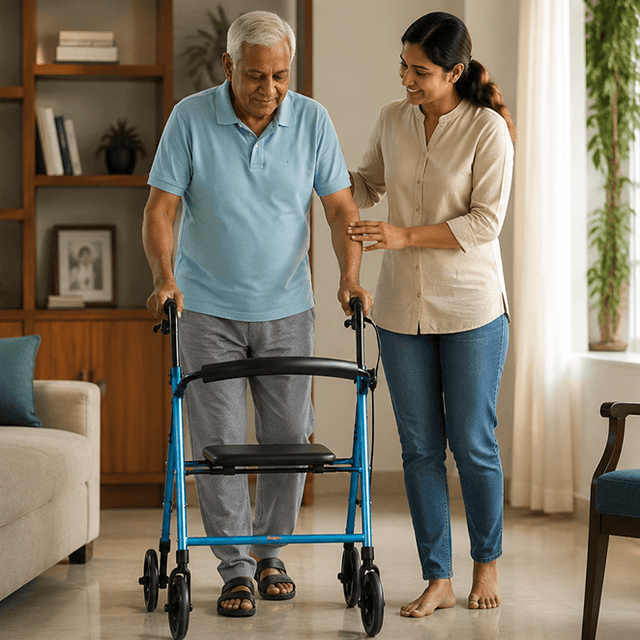
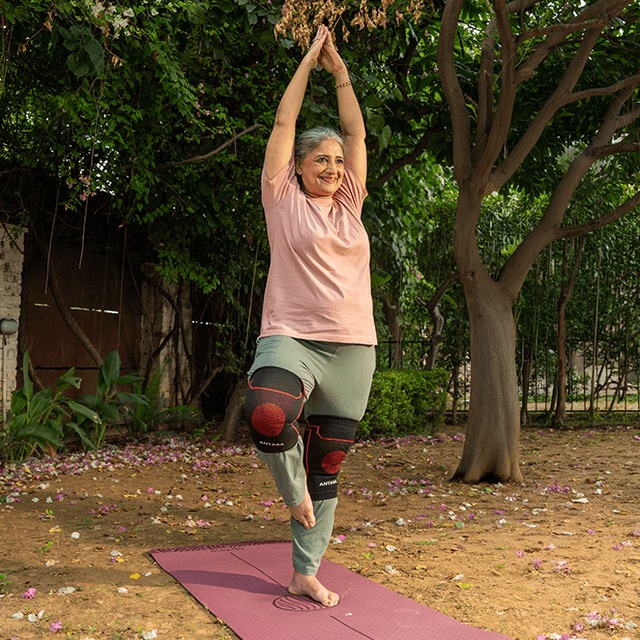
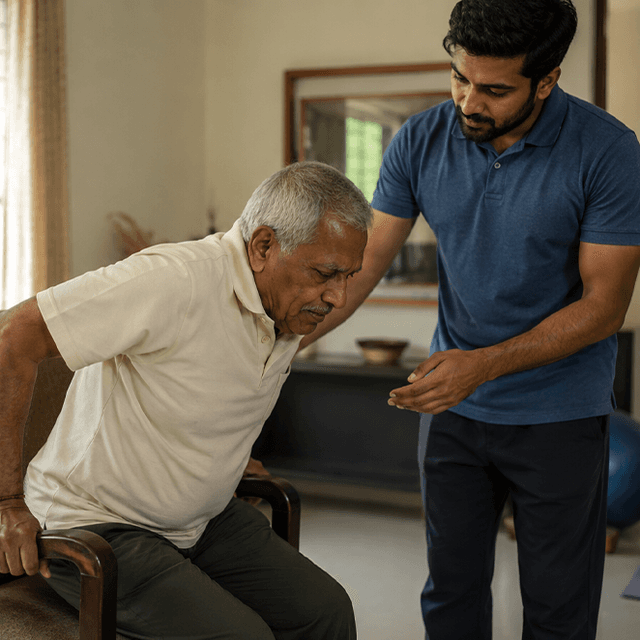
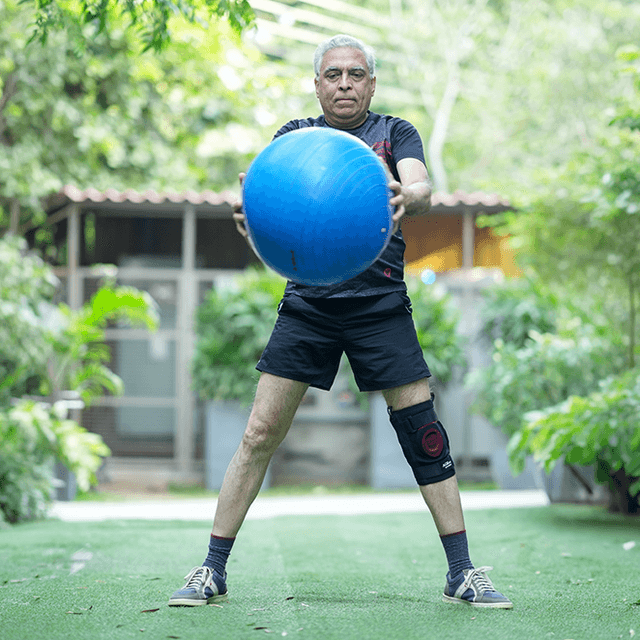
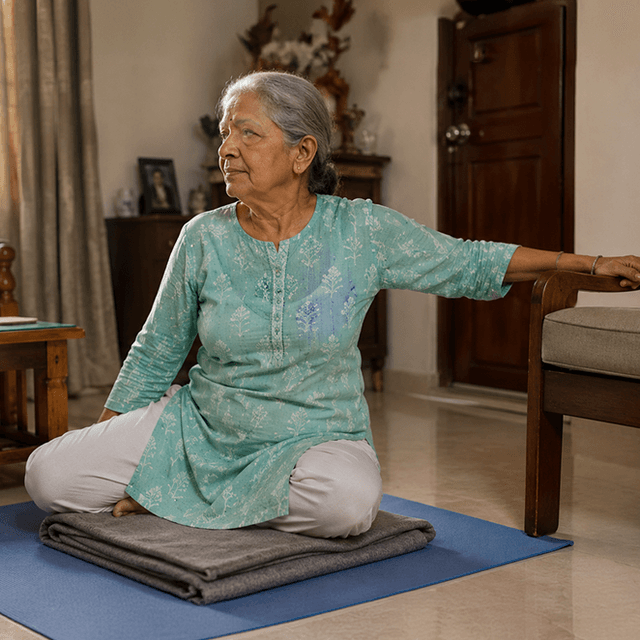
Thigh, hip, and calf exercises, as suggested by a physiotherapist, help strengthen the muscles. These supportive muscles help carry less of a burden on the knee during daily activities. Depending on your parents' condition and the way you walk, certain people might benefit from a walking aid, a knee support, or comfortable supportive shoes.
Products That Can Aid Knee Support for a Comfort Routine
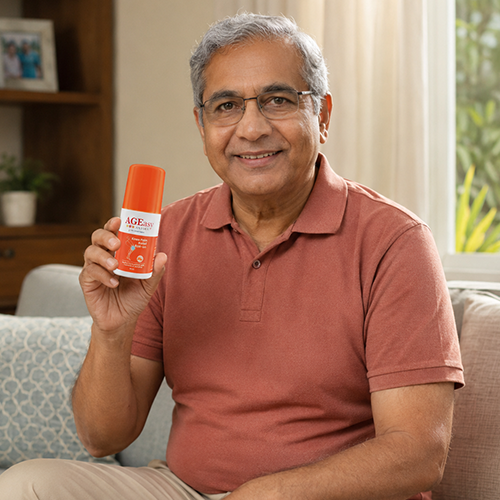
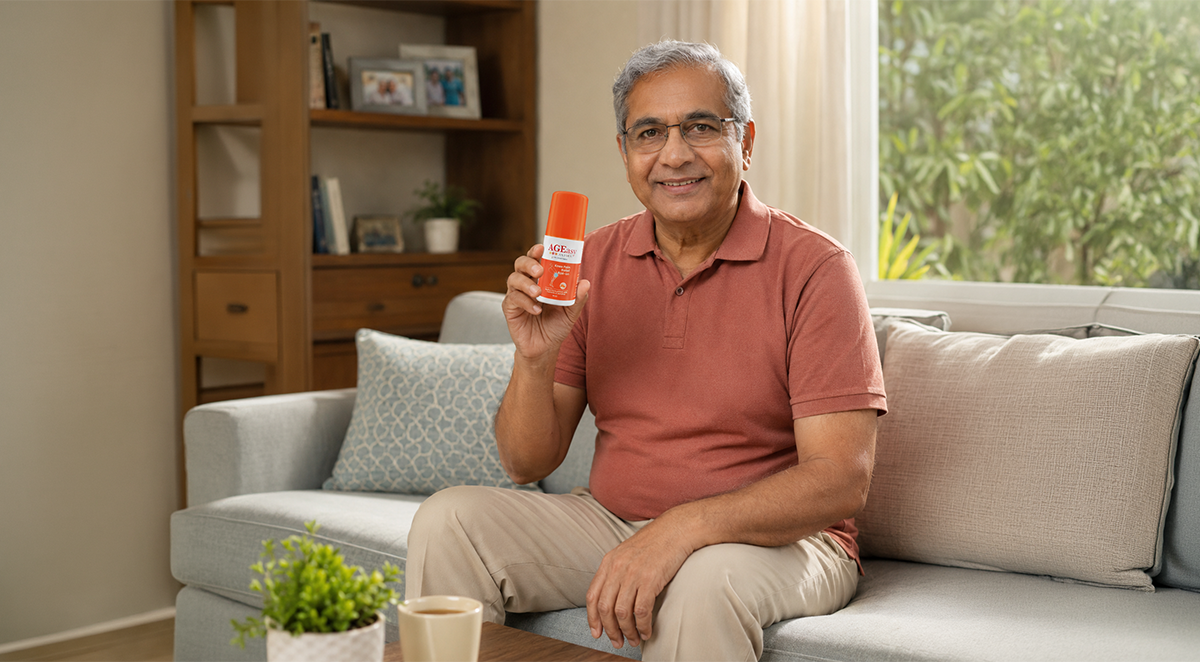
AGEasy has a range of products aimed at pain comfort and knee support with the added benefit of mobility for your parents. The AGEasy Pain Relief Roll-On Pack of 2 might be better suited for people who are looking for a targeted and less messy solution as opposed to pouring oil onto the skin. As with any product that you use on your parent, ensure you check the ingredients for any adverse reactions and follow the instructions on the label.
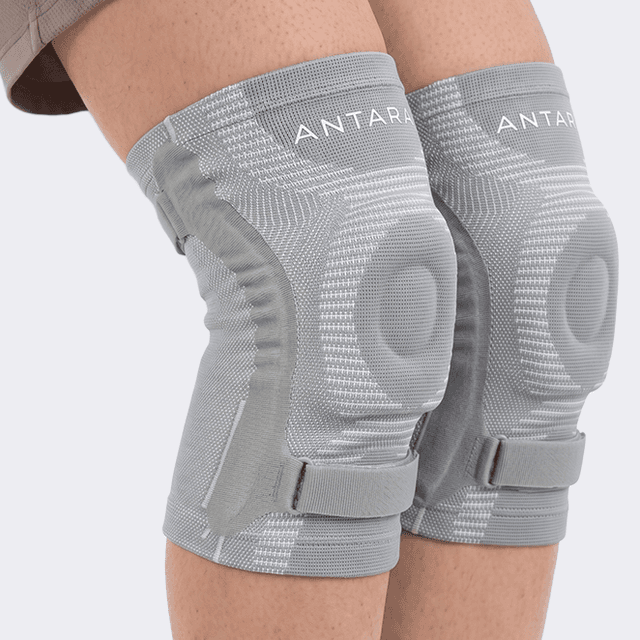
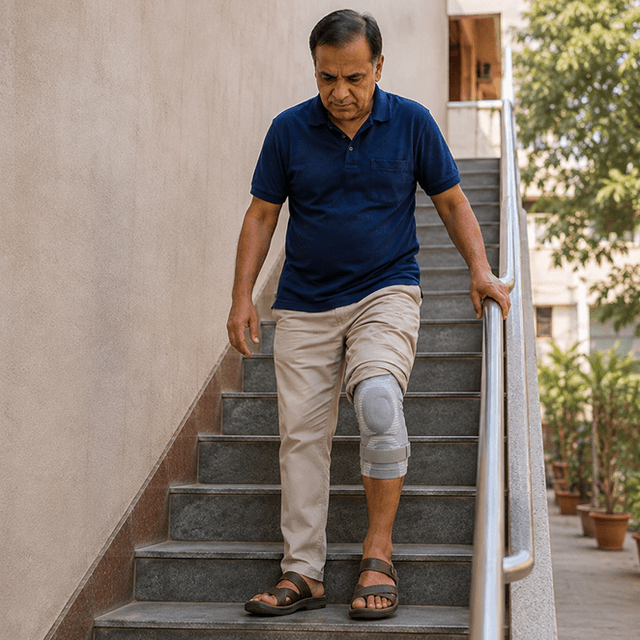
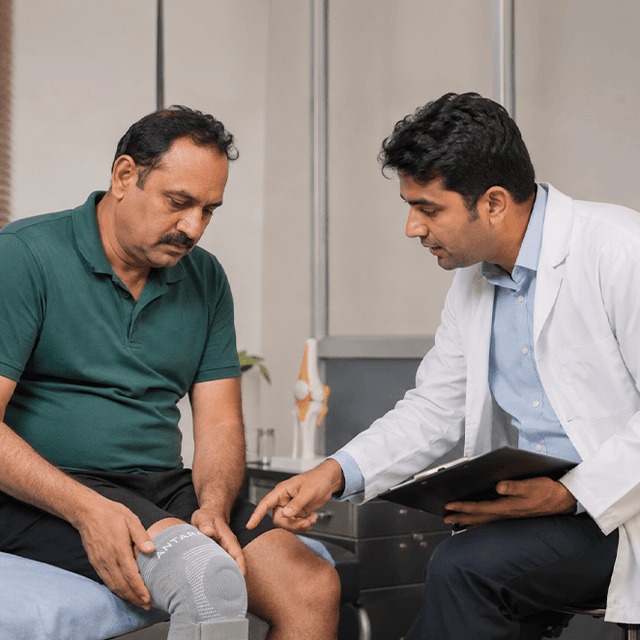
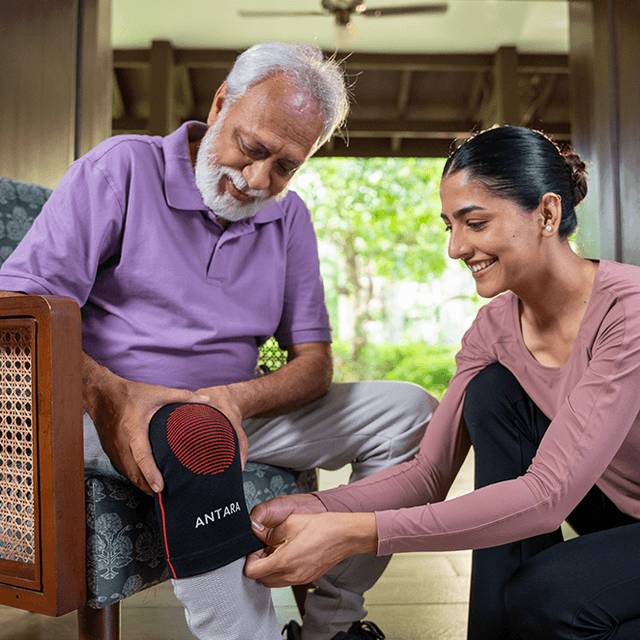
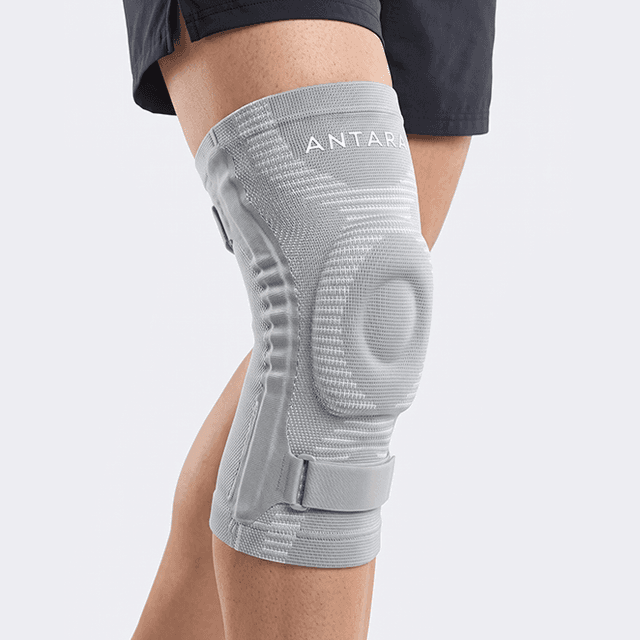
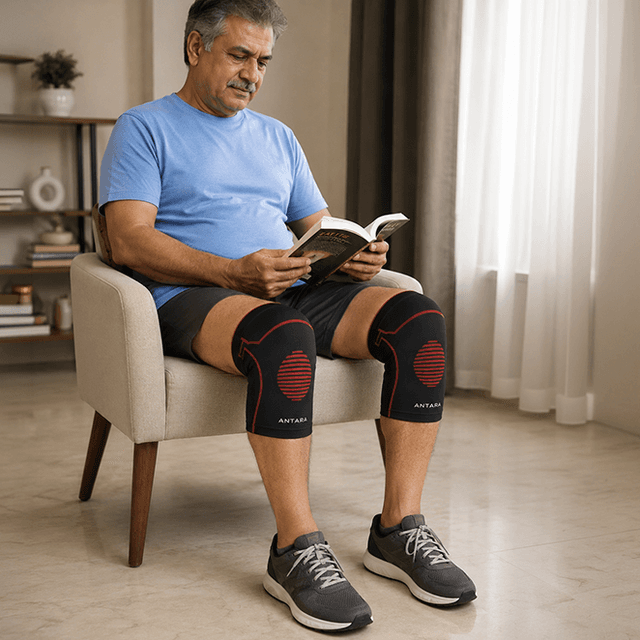
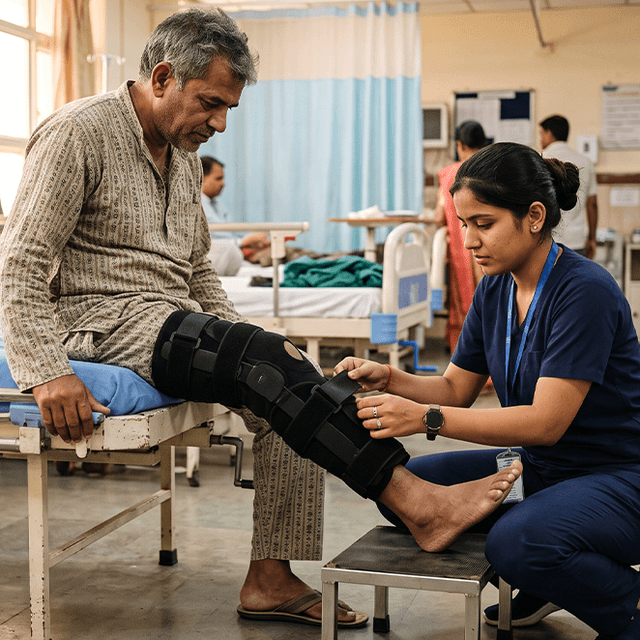
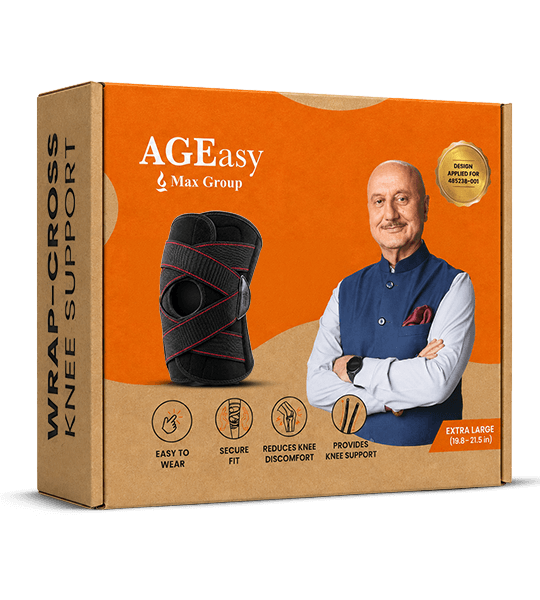
With regard to AGEasy's knee support products, including the AGEasy Comfort Ease Knee Cap , AGEasy Hinged Max Comfort Knee Cap , and the AGEasy Comfort Hinged Knee Brace for Knee Discomfort , it is important to note that massage and knee support are not the same.
Massage is geared toward providing relaxation and comfort to surrounding tissue, whereas knee support is concerned with either stability and compression during certain activities or providing a comfortable and controlled environment during movement.
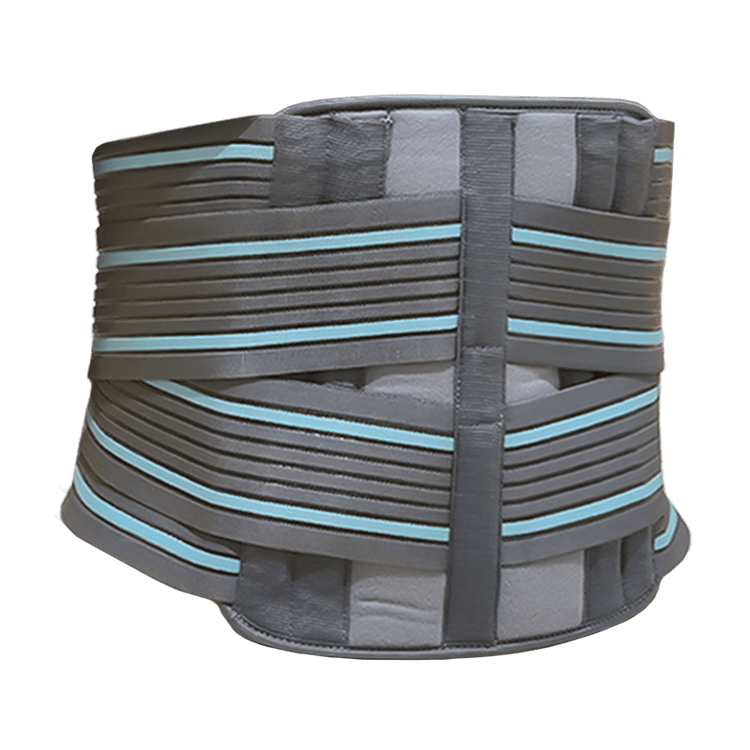
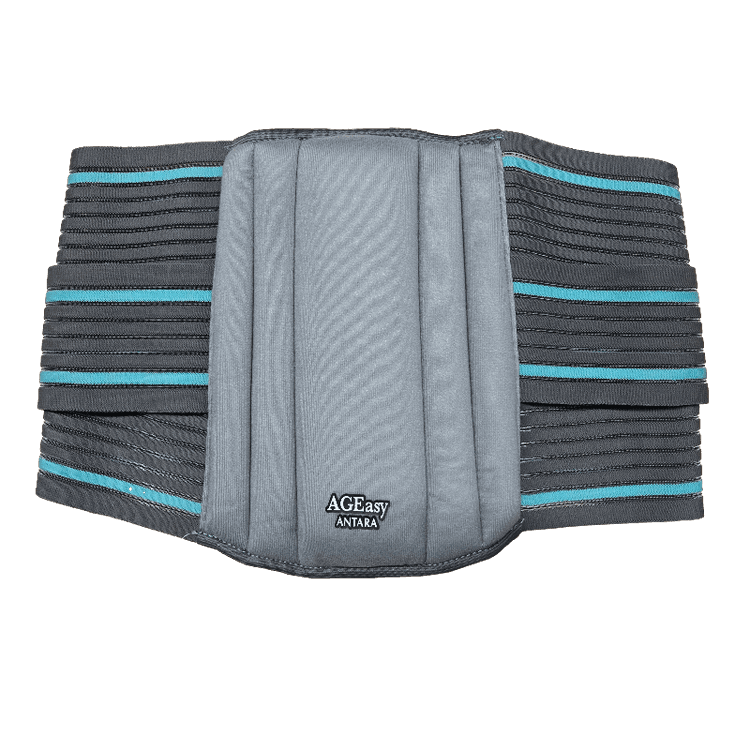
Knee supports should not cause numbness, tingling, discoloration, or increase pain. If the support causes any of these discomforts, remove the support. The style of knee support to use would depend on pain level and activity level. Consult a clinician or therapist for advice.
Using a Massage Gun for Knee Discomfort
Aside from the AGEasy Relief Compact Massage Gun , AGEasy has many products. Don't put a massage gun on an arthritic knee directly over your parent’s kneecap, sides of the joint, an inflamed or painful area.
If the knee has significant pain, swelling, loss of sensation, circulation problems, or has recently been injured, a clinician or physiotherapist should decide whether or not to use the device.
When to Seek Medical Care
If knee pain for your parent continues for several weeks, or gets worse, and pain affects sleep and daily activities, arrange to have the knee clinically assessed. Assessment is also necessary if the knee repeatedly gives way, locks, or loses range of motion.
Knee pain that is rapid onset, extreme, swollen, red, and warm should be medically evaluated. Seek emergency care if your parent cannot bear weight on the injured knee, the joint is severely swollen, or the knee looks misshapen. Fever should be evaluated if you have a painful, swollen knee.
Those with diabetes, decreased sensation, circulation issues, fragile skin, bleeding disorders, thinned blood, or any similar condition should seek medical advice prior to using strong massage, heat, cold, or massaging devices. If skin irritation occurs due to the application of an oil or roll-on, stop the product and seek help.
The Benefits of Massage
While massage will not cure or heal your parent’s knee injury, it does have some benefits. First, massage can help relieve muscle tension. Second, massage can even help the knee feel less stiff. Finally, and perhaps most importantly, massage can be a nice self-care routine.
Once you find an oil or roll-on that works for your parent, put it to use along with a knee support or mobility aid.
For your parent’s first few massage sessions, gentle pressure is best. Observe how your parent’s knee responds to a few minutes of massage. Combine a massage with other beneficial movements, strengthening and stretching exercises of the surrounding area, proper footwear, and weight loss management if your parent’s doctor recommends it.
There are many things you can do to help relieve arthritic knee pain. Don't expect massage to cure all pain, but do expect it to help.
Disclaimer: This article provides general information and should not replace individualized advice, diagnosis, or treatment from a qualified healthcare professional.