

Ayurvedic Medicine for Joint Pain: What Has Support and What Should Be Avoided
Aug 26, 2026
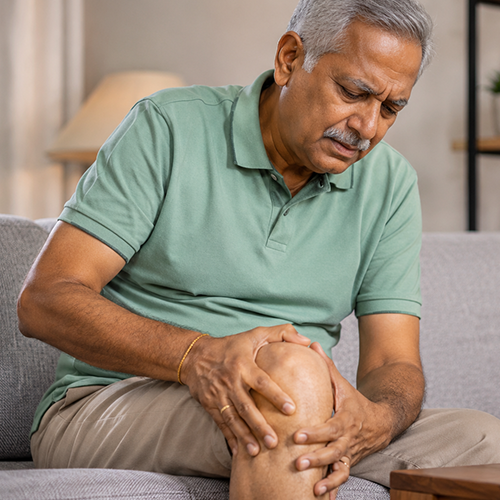
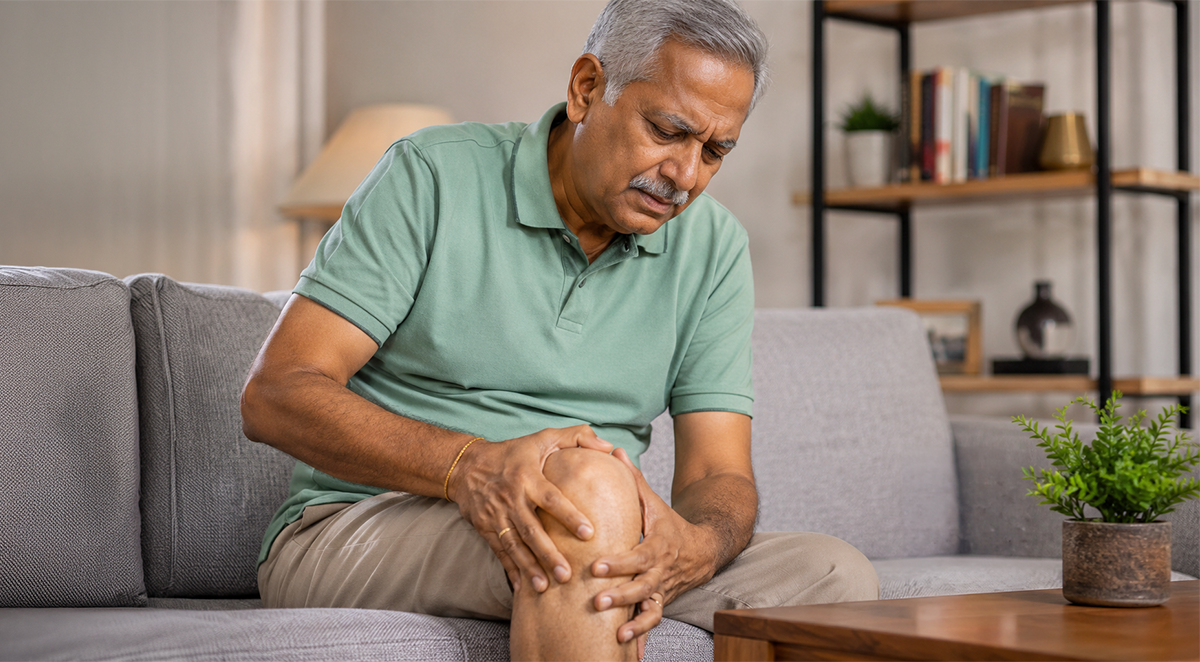
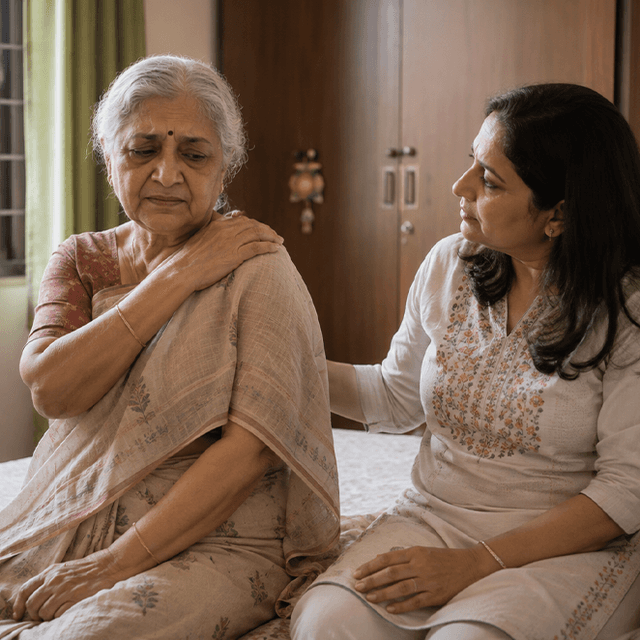
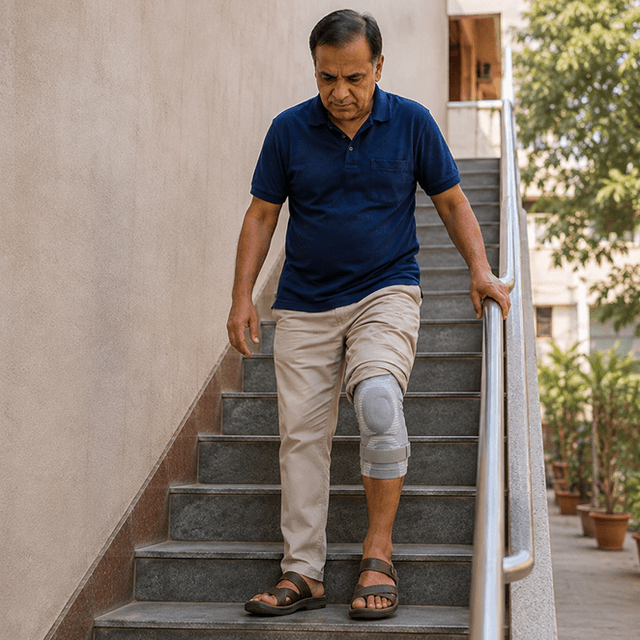
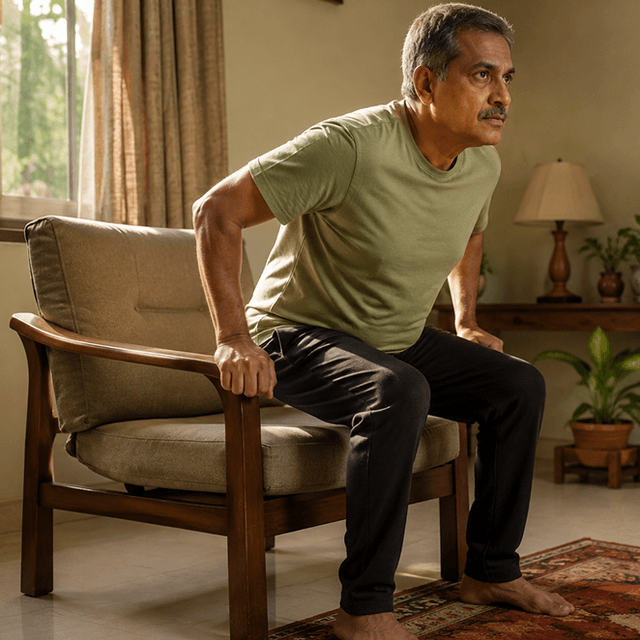
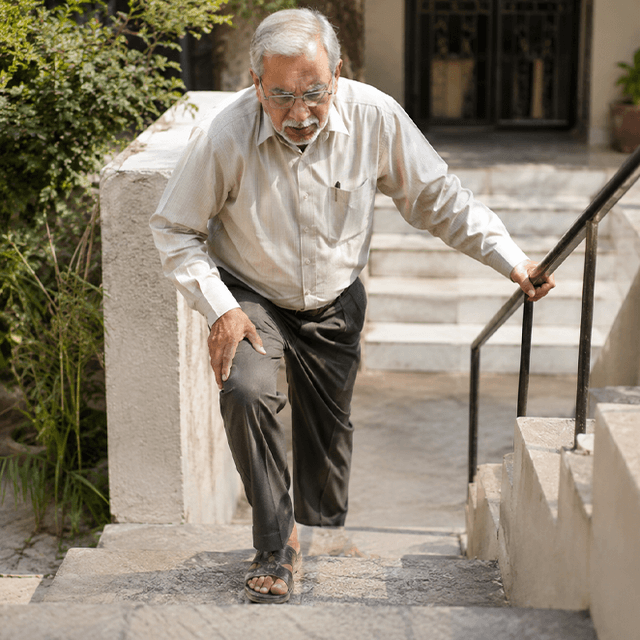
For the whole household, it’s not just the elderly parent who suffers when they can no longer stand, climb the stairs, or open a jar due to joint pain. When Ayurvedic medicine is suggested as a less intense alternative to prolonged pain medicine, some Ayurvedic practices are showing some early evidence to support symptom relief. Other Ayurvedic practices rely on strong claims regarding the ingredients, the practices, and the self-care treatment, which can be dangerous.
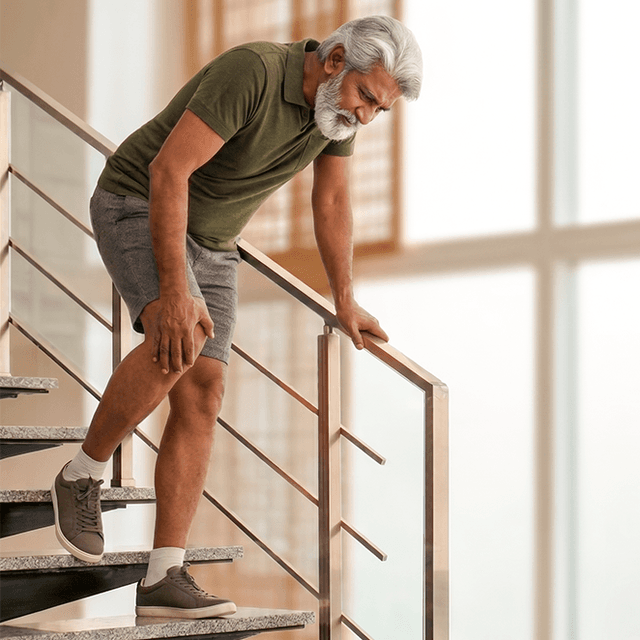
Not all joint pain can be attributed to aging, or wear and tear. There are different causes for joint pain and hip pain that require different types of treatment. Joint and hip pain should be investigated when the pain is severe, there is swelling, the pain and swelling affects several joints, and if there are accompanying symptoms of fever or weakness.
The goal is not to favor Western tradition over Eastern tradition. The goal is to find safer adjunctive therapies and ensure that the parent is getting the treatment they deserve.
Identifying the Cause of Joint Pain Is Critical
Prior to using an Ayurvedic treatment for joint pain, the cause of joint pain should be evaluated. Conduct an evaluation for joint pain if the pain started recently, is severe, constant, or getting worse. It would prompt the clinician to review the symptoms and conduct further evaluation with an examination of the joint and order blood work or imaging based on the findings.
Potentially serious symptoms include the following:
- A hot, red, swollen joint
- Joint pain that suddenly becomes severe
- Fever or chills
- New weakness, numbness, or problems with balance
- An unexplained fall with pain
- Unexplained weight loss or extreme fatigue
- Pain in the morning that lasts more than thirty minutes
- Pain that spreads to multiple joints
- Pain that prevents the person from walking
Have these symptoms evaluated by a doctor as soon as possible. Delaying care while trying unproven treatments is especially dangerous for older people with diabetes, kidney disease, heart disease, or a history of falls.
Ayurvedic Options With Some Evidence
Turmeric (Curcumin)
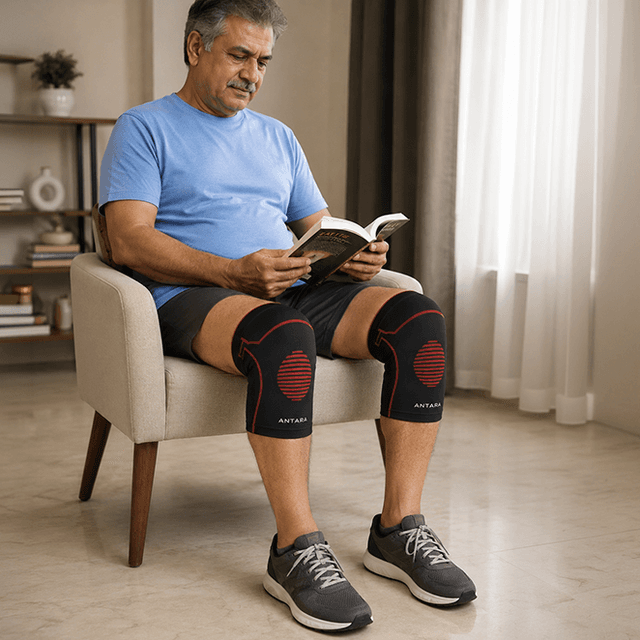
Curcumin is a well-studied compound in turmeric. Preliminary research suggests turmeric may lessen pain and reduce stiffness in some individuals with knee osteoarthritis. However, the evidence is lacking and results vary. There is also a very large variation among products regarding strength, formula, and degree of absorption.
Using food turmeric where curcumin is concentrated is not the same as taking a supplement.
High-dose turmeric may interact with anticoagulants or blood thinners and increase the risk of bleeding. Some products may also contain ingredients that may affect the way other medications work.
Before taking a curcumin supplement, make sure to ask your clinician or pharmacist for advice, especially if they are taking anticoagulants or antiplatelet drugs, medications for diabetes, or numerous other medications.
Boswellia
Boswellia, also known as Indian frankincense, is used for the alleviation of osteoarthritis and the symptoms of inflammation. Some research suggests moderate pain relief and improvement of movement.
The studies are very small and very short, and some also focused on particular extracts, so the results are not applicable to all of the capsules or powdered supplements of Boswellia that are on the market.
Boswellia may be used to help manage the symptoms of arthritis. However, it may be best to use it in addition to traditional arthritis therapies. Talk to your pharmacist or primary care provider to better understand the label, the dose, medicine interactions, and manufacturer.
Ayurvedic Massage
Warm oil massages provide short-term relief from stiffness and pain from arthritis. The benefits of a massage are likely due to the psychosocial interactions. These include touch, warm temperature, relaxation, and the willingness to move.
Don't confuse massage therapy as a treatment for damaged tissue or for an autoimmune disease.
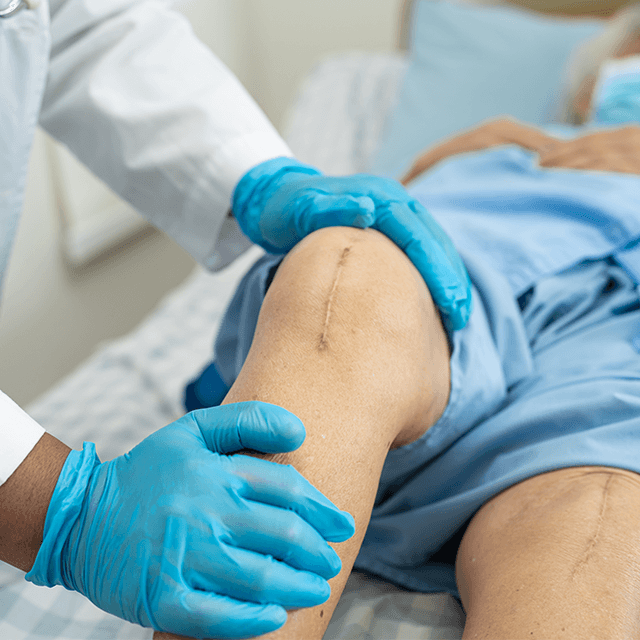
You should avoid massage over a hot, swollen, injured joint or one that has undergone surgery. A massage therapist should be aware of your parent’s health to ensure they massage the other joints as prescribed. Pain, swelling, bruising, or numbness should never be increased by a massage.
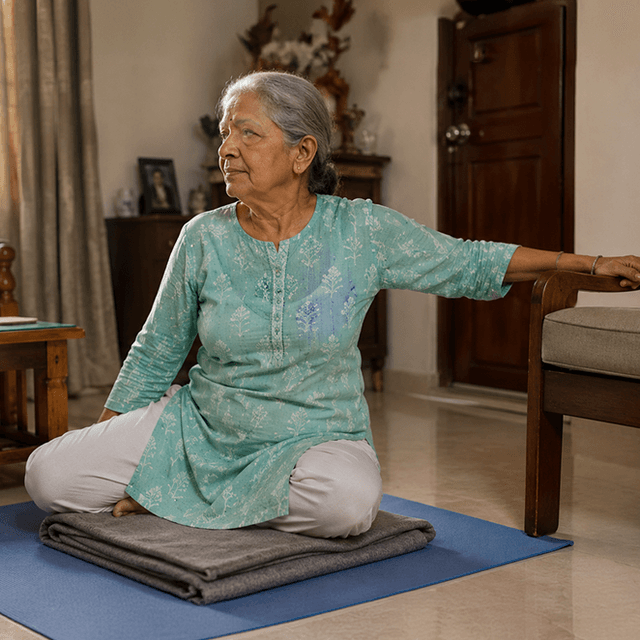
Gentle Yoga and Movement
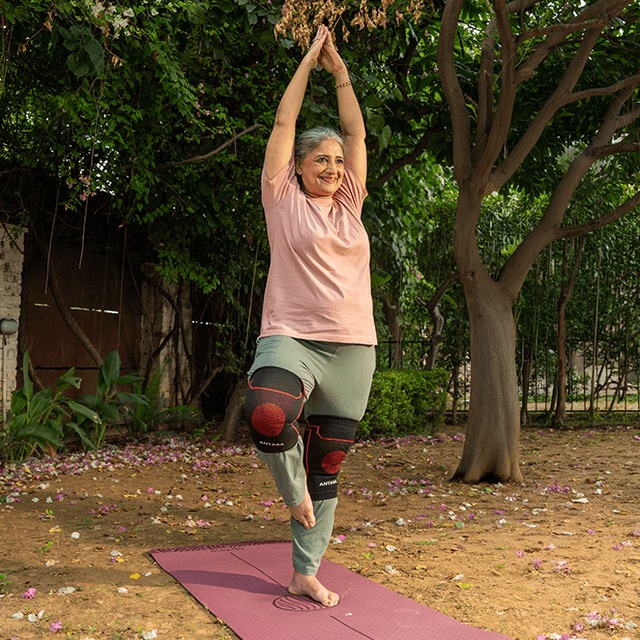
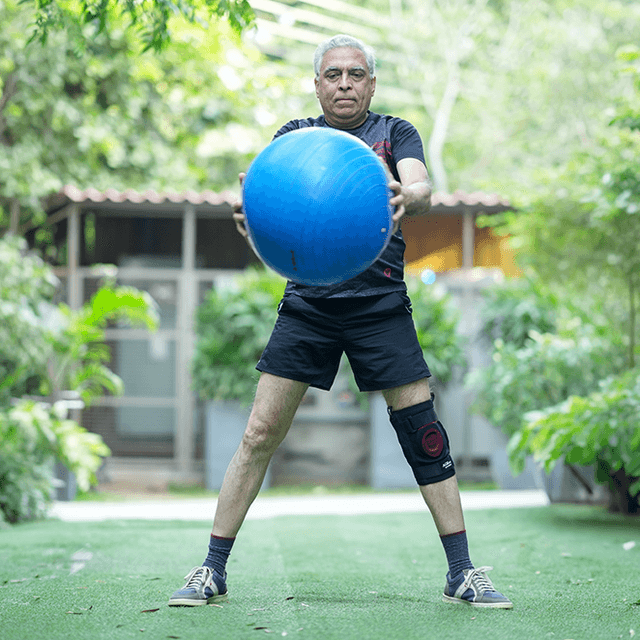
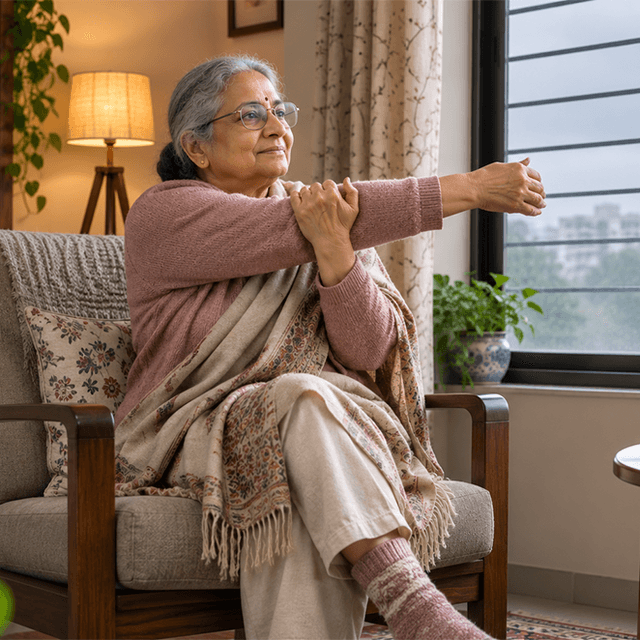
Stretching and strengthening exercises are good complementary treatments to many herbal products for managing arthritis symptoms. Movement of the joints is good for improving range of motion and strength.
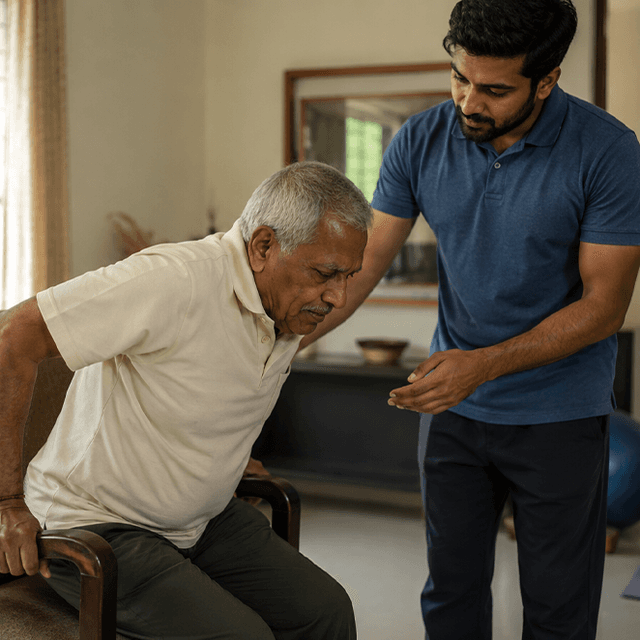
A physiotherapist should develop an exercise plan for a parent who has had surgery, suffers from osteoporosis, suffers from repeated falls, has a balance impairment, or is in severe pain.
Your parent should determine the extent of their exercises. Stable support should surround a painful joint and movements should not be forced. The right exercise program is likely more important than numerous supplements.
Things to Avoid
Products That Claim to Cure
Avoid products labeled as a “cure,” as they often make claims such as “reverse arthritis,” “cure pain,” “instant removal of uric acid,” or “cartilage rebuilders.” Joint conditions are often unique and a single remedy may not help all areas of discomfort or pain.
Be wary of testimonials, before-and-after photos, time-limited offers, and claims with only celebrity endorsements. A product’s traditional use doesn’t validate its use for a certain health concern.
Unlabelled powders, oils, tablets, and capsules are a concern as there may be an absence of batch information, expiry dates, manufacturer information, and instructions for use. Powders leave little margin for checking the contents as they may also mask the presence of contaminants.
Some herbal products have been found to contain unlisted steroids, painkillers, or even heavy metals. These may be harmful to the liver and kidneys and may cause problems when taken in combination with other medicines.
Metal-Containing Preparations Without Specialist Supervision
Some Ayurvedic preparations may contain metals or minerals. Such products should be avoided for the self-management of long-term joint pain.
More vulnerable patients, the elderly for example, are more at risk from organ damage from the accumulation of impurities in the body due to chronic joint pain and from interactions with other medicines combined with an unmonitored self-prescribed remedy. A “natural” product also needs assessing for safety.
Stopping Prescribed Medicines
Do not stop the use of steroids, disease-modifying medicines, blood thinners, or pain medicines thinking an Ayurvedic medicine offers relief. Inflammatory conditions require early consistent interventions to protect joints and to preserve organ function.
If concerns of side effects exist, discuss these with your clinician. This may warrant a review of the dose or treatment plan.
How to Use Ayurveda More Safely
If your parent wants to try Ayurveda, take a step-by-step approach:
- Check with a clinician if they can determine the cause of the pain.
- Give the clinician or pharmacist the full product name, label, ingredient listing, and dose.
- Only start one new product at a time.
- Record pain, stiffness, swelling, sleep, walking ability, and side effects.
- Set a review date prior to starting.
- Stop the product and seek help if there is a rash, difficulty breathing, vomiting, unusual bleeding, yellowing of the skin, confusion, or worsening pain.
- Avoid changing prescribed medicines without medical advice.
A pain diary is useful for family members to determine if treatment is beneficial. Ask your parent to score pain at a specific time every day and record details of their activity such as walking, bathing, stair climbing, and sleeping.
Safety and alertness are more important than a reduction in pain score.
Improving Safety With Modifications
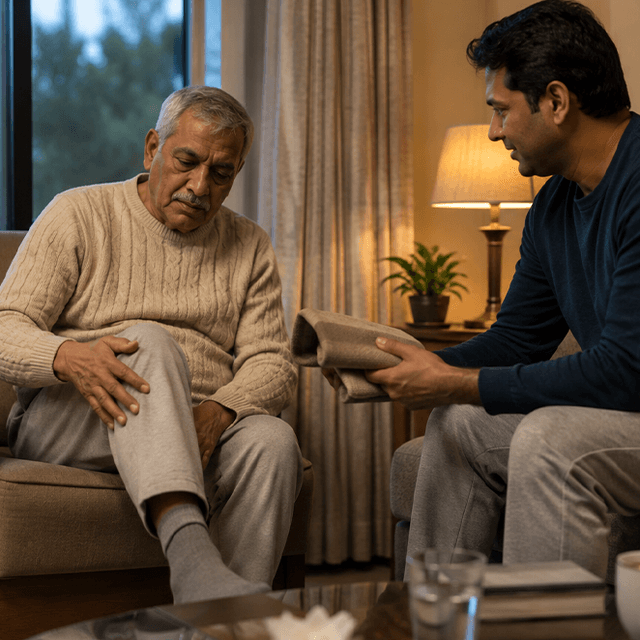
Joint pain may add risk to falling. Effective improvements to home safety and gentle reminders of goals of treatment do not necessitate a medicine approach.
Consider the impact and the goal of treatment. Place useful and needed things where the person can grab them with the minimum effort. Improve lighting and clear floor pathways. Place stable support to help getting in and out of the bathroom. Good footwear with a secure grip should be worn.
AGEasy Anti-Slip Socks are a fast way to improve foot grip and are relevant if they are the correct socks for the person and the floor surface. Safe movement is not achieved with these socks if they fail to replace proper footwear.
The AGEasy Anti-Slip Mat with Foot Scrubber is relevant for slip prevention in wet, high-traffic areas of the bathroom. Ensure it stays in place and is cleaned, as wet, curled, or sliding mats create a new falling hazard.
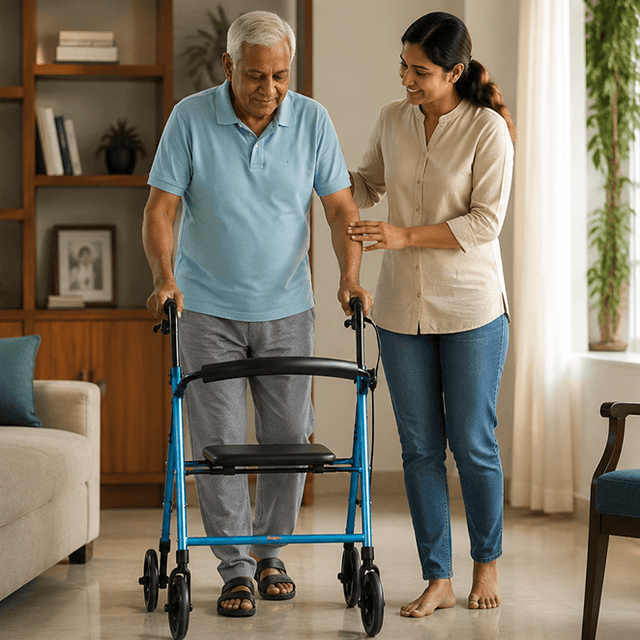
When selecting a walking aid, a professional evaluation is essential. A physiotherapist or occupational therapist would be able to assist with selecting the correct height as well as assessing the technique and the required level of support. An inappropriately fitted aid may result in an increase of strain or even decrease standing balance.
Create a Holistic Joint Care Plan
A joint care plan may include the use of a tablet or oil, but is more beneficial when it incorporates exercise, weight loss or gain, physiotherapy, the application of heat or cold, the use of supportive shoes, prescription treatment, and/or investigations. Your individual health status and diagnosis will determine the plan.
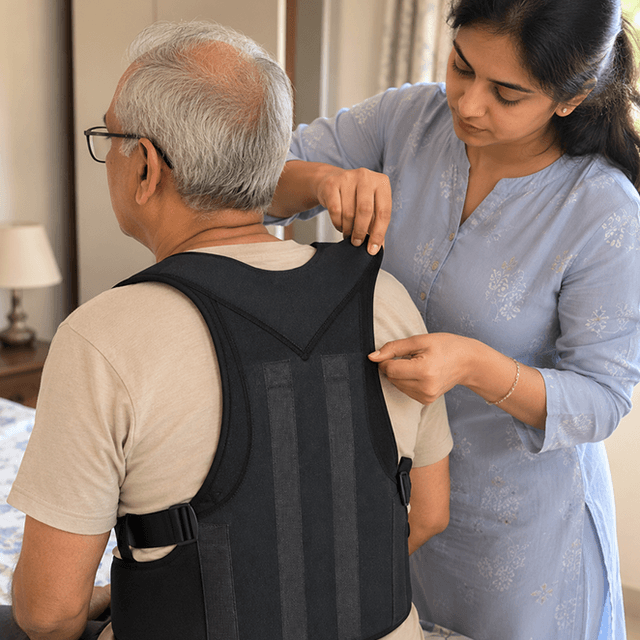
A patient’s caregiver can be extremely beneficial in planning and assisting with keeping track of the patient’s appointment schedule, a listing of medication, their refill dates, daily exercise, and symptom tracking.
Instead of assuming what activity may cause the most discomfort to your parent, ask. Small modifications, such as resting locations between rooms or using a chair when dressing, aid your parent in being as independent as possible.
There may be an element of benefit to the incorporation of Ayurvedic treatments, especially where the treatment is used as a supportive supplement. The best choice may be a combination of your diagnosis, the quality of the treatment, medicine interactions, and your reaction to the treatment.
Disclaimer: The information provided in this article is for general health concerns. It is not intended to replace the care of a qualified healthcare professional for the management of joint pain.