


Why Seniors Need More Protein, Not Less: Fighting Muscle Loss (Sarcopenia) With an Indian Thali
Article by: Vidit
Jul 21, 2026. 8 min read
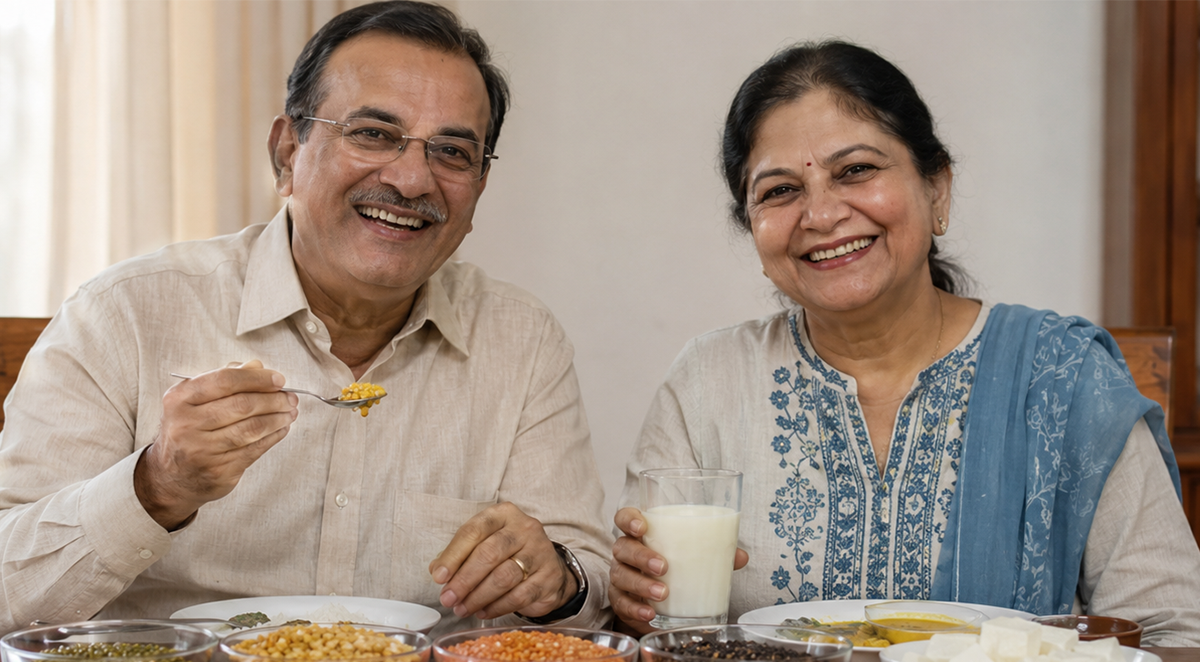
If your parent isn't eating, it is not because they are being lazy. With aging, appetite, taste, digestion, and hunger signals change and food intake decreases. Unfortunately, the body's protein needs actually increase with age.
Most families get one thing wrong.
A bowl of rice, two rotis & some veggies might look like a complete meal, but that plate is almost always lacking in the protein older adults need to preserve muscle. Over time, this gap increases the rate of sarcopenia and muscle mass and strength decline. Eventually, basic daily tasks become difficult, the risk of falling increases, and independence is lost.
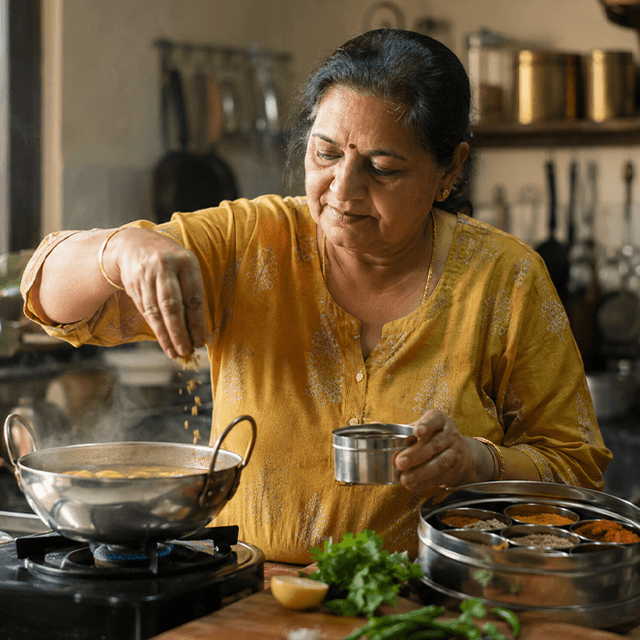
The bright side is that you don't need to buy expensive supplements or change your parent's entire diet to combat this muscle loss. With just a few small tweaks, a standard Indian thali can be upgraded to a thali that has sufficient protein. You simply need to know what the protein requirements of older adults are, which Indian foods contain protein in sufficient quantity, and how to incorporate all of that into a meal on a plate.
How Protein Needs Change With Age
After the age of 60, the body has a reduced ability to convert dietary protein into muscle. This phenomenon is called anabolic resistance. As such the same dal-chawal meal that may have been able to build muscle at 35 will be less effective at 70. Adults also lose muscle mass slowly and this is especially pronounced after the age of 60, which is a decade of loss.
After a point, your parents consume less and less, which means they are absorbing protein less efficiently and will lose muscle at an increasingly rapid rate. The only easily accessible thing to them is the plate in front of them.
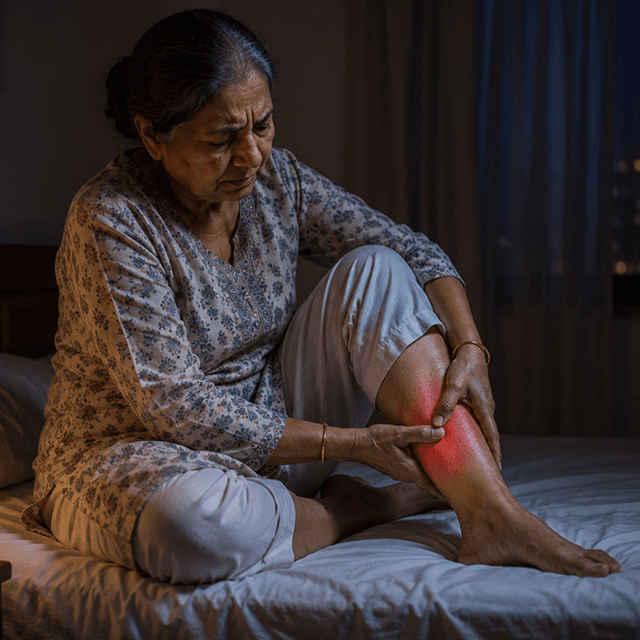
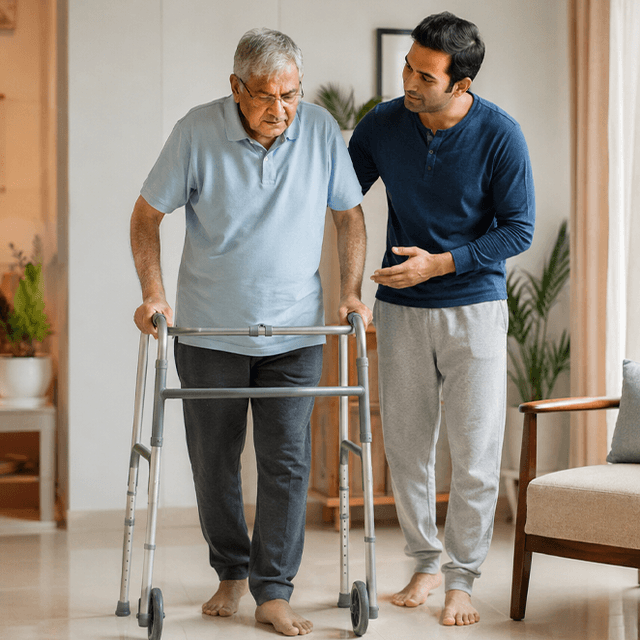
Weaker muscles will show up in small, seemingly trivial activities. Taking a seat and standing up from a lower couch now will need two attempts instead of one. They would need assistance opening a jar of pickles. Walking to the market becomes exhausting, and they need to turn back at the halfway point. These symptoms may be the early stages of sarcopenia, and poor nutrition plays a significant role in accelerating it.
How Much Protein Do Older Adults Need?
For adults over the age of 65, expert groups like the PROT-AGE study group and The European Society for Clinical Nutrition recommend consuming between 1.0 to 1.2 grams of protein per kilogram of body weight. These numbers are much higher than the 0.8 grams per kilogram that is cited for younger adults. Seniors who are ill and recovering from surgery have to consume even more, between 1.2 to 1.5 grams per kilogram.
In practical terms, a senior who weighs 60 kg is required to consume between 60 to 72 grams of protein a day. In most cases, a usual Indian vegetarian diet contains only about 40 to 50 grams of protein, most of which comes from cereals like rice or wheat. This is especially poor quality protein because it is of lower quality than that found in dals, dairy, or eggs.
Total protein intake is important, and so is the timing of protein consumption throughout the day. Consuming around 25 to 30 grams of protein at each meal is ideal in order to support optimal muscle building and repair. Indian meal patterns, such as tea and biscuits for breakfast, a heavy lunch, and light dinners, often leave at least two out of three meals deficient in protein intake. This is problematic because the body does not have the capacity to store protein as it does with fats and muscle repair will be stalled.
Limitations of Traditional Thali
The thali is not a poor design, rather it is a poor protein source and portion problem. A thali with a good design comprises a carbohydrate source (rice or roti), protein source (dal), vegetables and a dairy (curd or raita) and salad. It is still a poor protein source as compared to the ideal target of 25 to 30 grams of protein; the complete thali will provide only 15 to 18 grams. A regular bowl (katori) of dal provides only 6 to 8 grams of protein and the vegetables add 2 to 3 grams.
Cereal also provides inadequate lysine, an essential amino acid. Pulses provide the lysine that cereals lack, which is why the dal-roti and dal-chawal combinations work so well. A better proportion of cereals to pulse/legumes is recommended as opposed to a full plate of cereal.
Protein Rich Foods in the Indian Kitchen
Strong protein sources do not need to be imported. Here is what each delivers protein per standard serving:
- Thick preparations of dals and legumes such as moong, toor, masoor and urad provide about 7 to 9 grams of protein per cooked katori.
- Chana, rajma, and lobia provide 7 to 8 grams of protein per katori and also give the added benefit of fibre.
- Dairy provides one katori (approx 240 mL) of dahi, which provides 3 to 4 grams, and a glass of milk, which provides 8 grams, and 100 grams of paneer, which provides 18 grams. Additionally, dairy protein is high quality, and easy to chew, which helps seniors with dental issues.
- Eggs, fish, and chicken provide one egg, which gives 6 grams, and a 100 gram serving of fish or chicken provides 20 to 25 grams. These are the best protein sources for families who are non vegetarians.
- Soy provides 100 grams of soy chunks and gives around 50 grams of protein, the highest of any common Indian ingredient. When blended with normal food, they add to curries whose native flavours become fusion.
- A handful of peanuts gives 7 grams of protein and Sattu, besan, and roasted chana work well in breakfast dishes and drinks.
Building a High Protein Thali
Try these changes one at a time.
- Breakfast: Replace biscuits with a besan chilla, moong dal cheela, or two idlis with sambar. Add a glass of milk or a sattu drink. This moves breakfast from under 5 grams of protein to 15 to 20 grams.
- Lunch: For the dal, make it thick enough for a spoon to stand in, and serve a full katori not a splash. Add a katori of dahi. Reduce rice by a quarter and no one at the table will notice. Lunch now hits 22 to 28 grams.
- Dinner: Alternate between paneer bhurji, egg curry, soy chunk sabzi, or a moong dal extra khichdi. Keep dinner light but not protein free, as overnight is the longest gap between meals.
- Snacks: Roasted chana, banana with peanut butter, sprouts chaat, or a glass of roasted jeera chaas add protein without requiring a big appetite.
- For seniors with smaller appetites, enrich rather than enlarge. Stir a spoon of besan into kadhi, and add milk powder to regular milk, or blend soaked almonds into a morning drink. The portion stays the same, while the protein rises.
Pair Protein Food With Some Movement
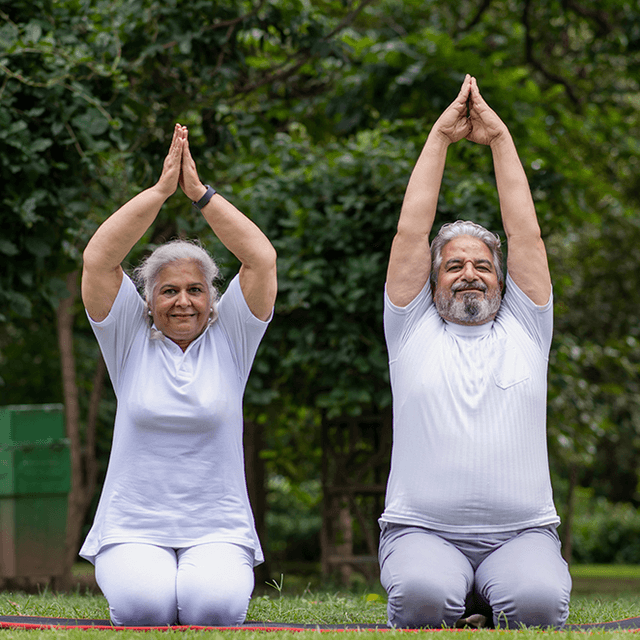
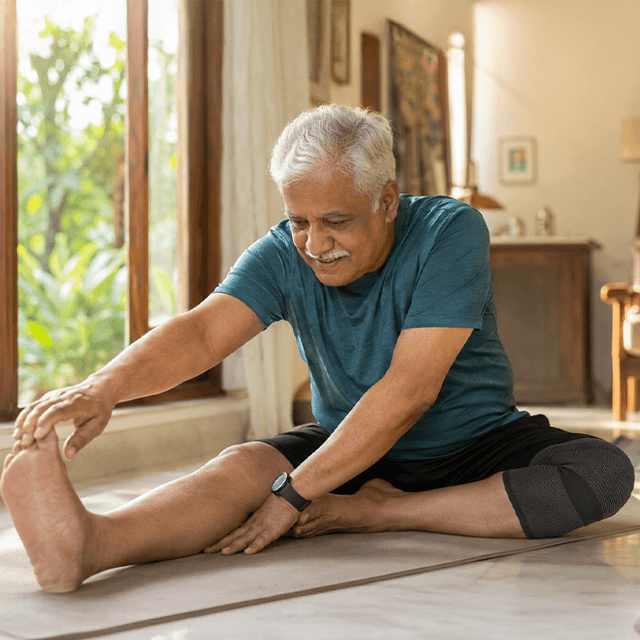
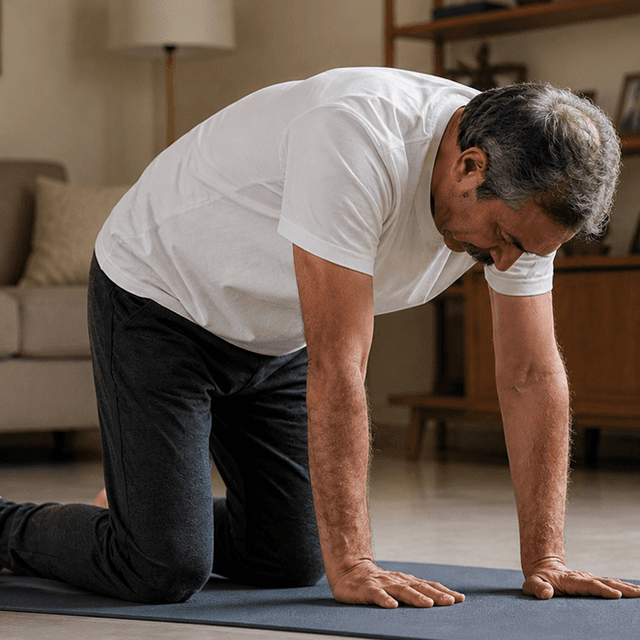
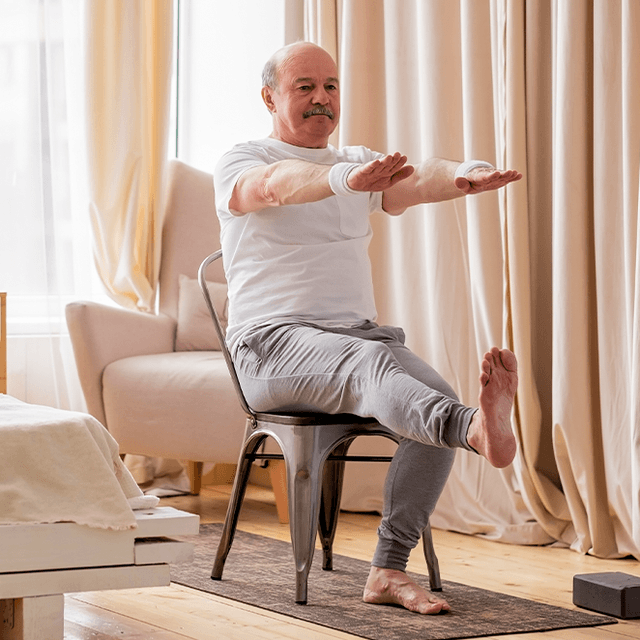
Food only slows sarcopenia. Food plus resistance activity reverses part of it. Studies show that older adults gain muscle when higher protein intake is combined with strength work two or three times a week. This does not mean a gym. Sit to stand from a chair, wall push-ups, and stair climbing at home all count.
AGEasy hinged knee braces are support devices that align comfortably and help walkers and light exercisers limit strain during activity. Walking may once again feel possible with the AGEasy walking stick range and ergonomic cane, which relieve pressure on the knees and hips.
Home Safety Reduces Fall Risk
Fall risk remains high, especially during the muscle rebuilding process, which can take months. A single fall can undo the effort of good nutrition, so home safety is critical.
Most bathroom falls occur here. An anti-slip grab bar near the toilet and shower will give your parent something secure to hold, and an anti-slip mat keeps their foot firm on wet tiles. Weak muscles and darkness can make bathroom trips a risk during evenings.
When to Consult a Doctor
If your parent has chronic kidney disease, damaged kidneys require a protein-restricted diet, so there should be no increased protein consumption without consulting a doctor or registered dietitian. If you observe unintended weight loss, multiple falls, trouble swallowing, or decreased appetite, visit a doctor.
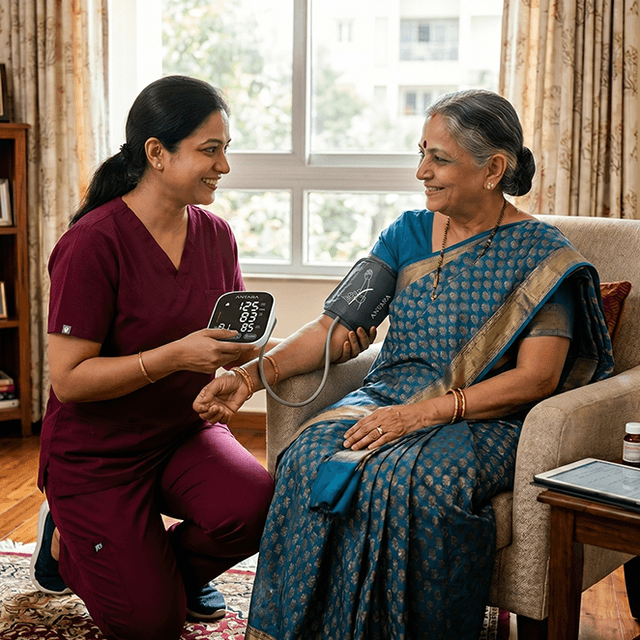
The monitoring you do at home helps along with the dietary changes you're making. Senior-friendly devices such as the AGEasy digital BP monitor allow you to easily record things in between clinic visits.
The Bottom Line
Decreased appetite is a normal part of aging, yet increasing protein intake is essential. The thali your parent already enjoys is the ideal way to help close this gap. Don't forget to thicken the dal, add dahi and paneer, and upgrade breakfast! Lastly, ensure to pair the food with some strength work in a fall-safe home. Stronger muscles mean steadier walks, fewer falls, and more years of independence, built one plate at a time.
This article is for general information purposes only. It is not a substitute for individualized medical care. Because health status, medications, and activity levels impact protein needs differently, consult your parent's doctor to confirm targets.
Recommended Blogs









You May Also Like
 No products found
Article by:

Vidit
Article Category:
General Wellness