


Varicose Veins After 60: Why They Appear and What Compression Does
Article by: Radhika
Jul 22, 2026. 8 min read
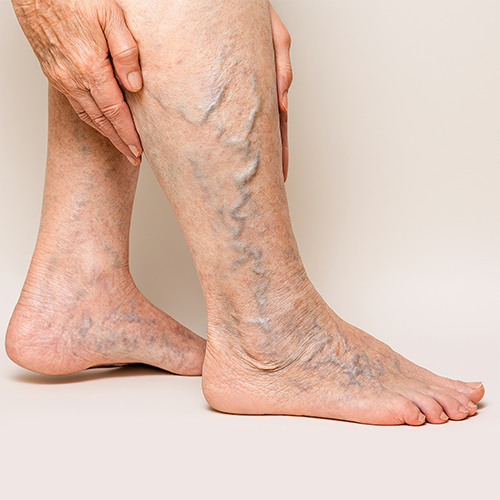
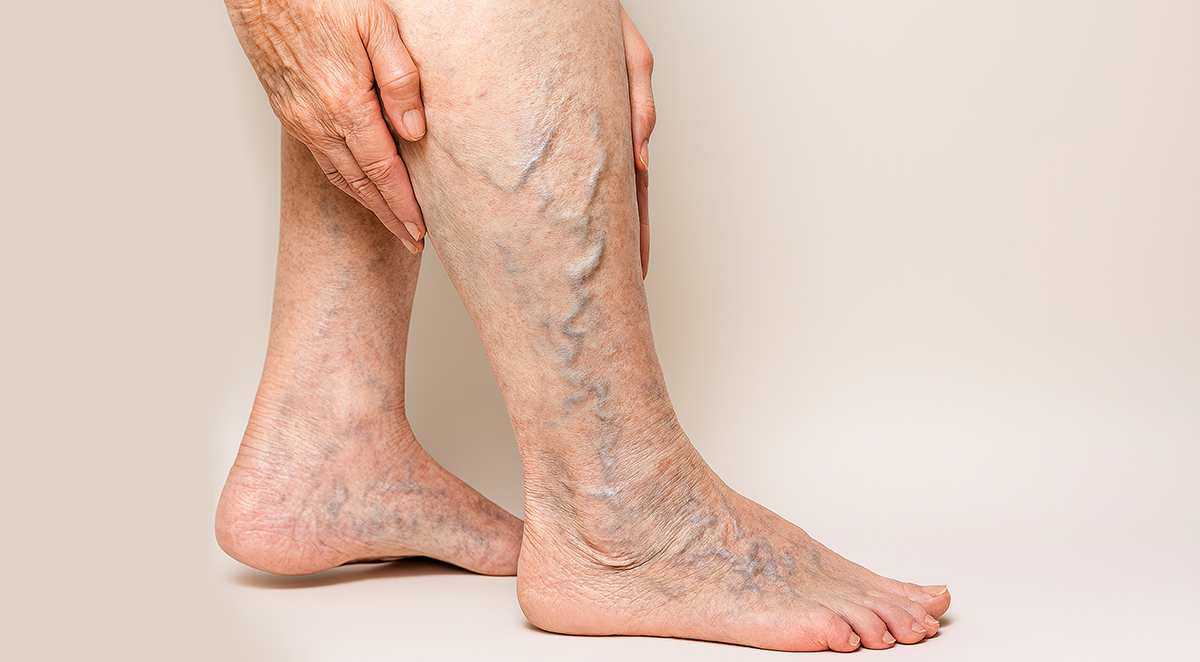
Tired legs.
A tired feeling accompanied by swelling around the ankles, worsening prominence of veins, and most likely, fewer walks. This description fits many older adults.
People often dismiss varicose veins as a cosmetic issue. This is a mistake.
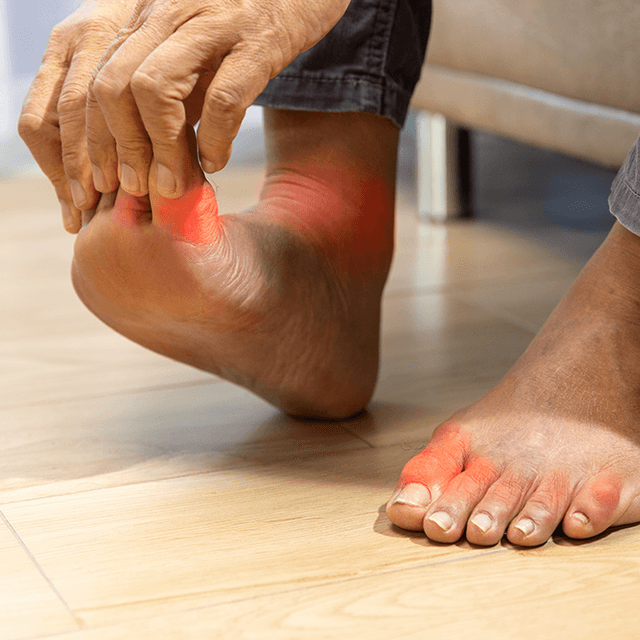
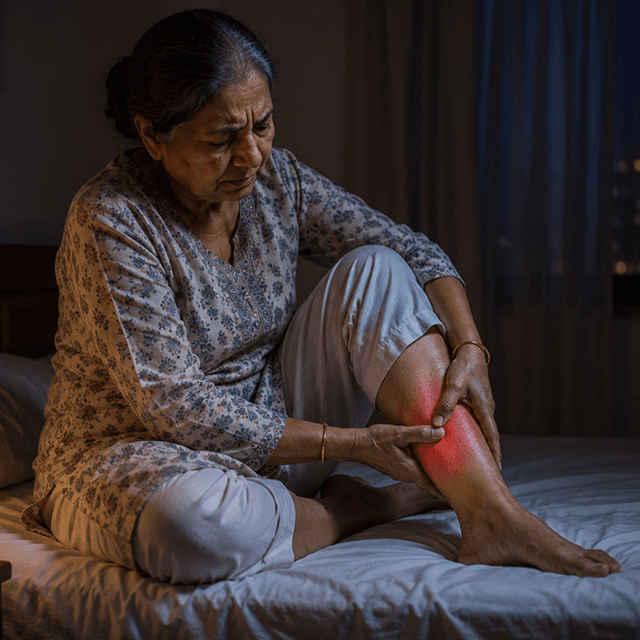
Parents should be concerned if their legs feel heavy and swollen, or if standing for a long time causes any of the legs to throb or ache. These concerns go beyond the signs of aging. These concerns describe blood that is not flowing easily enough through the veins of the legs.
When left unaddressed, these issues only worsen. Moving around becomes uncomfortable and the affected person starts sitting more than usual. Simple tasks begin to become exceedingly difficult to manage, and the affected person misses out on the benefits that would have come from the treatment that increased their comfort and ability to cope with the challenges of their daily activities.
The more you understand about varicose veins, the better is your ability to recognize and address it early on. When you don't, you stop facilitating healthy circulation and mobility. Your neglect means your parent would continue to feel uncomfortable while walking and become inactive over time.
This guide outlines why families should watch for these symptoms, and what compression stockings do. It also explains why there is increased prevalence of this after the age of 60 and what those concerns are.
Why Varicose Veins Become Common After 60
The veins in your legs must work against gravity. To return blood to the heart, they depend on one-way valves in the vein and on the calf muscles to squeeze when stepping. Blood moves upward when both components work well, and does not pool.
Both components weaken with age.
Vein Valve Seal Loss
Over years, small valves in leg veins become stiff and stop closing entirely. Blood leaks backward and collects in the vein below. The vein stretches due to the added volume, and the stretching pulls the edges of the valves further apart. This explains why varicose veins worsen gradually and do not develop overnight.
Reduced Pump Action of Calf Muscles
Every step taken compresses the deep veins of the calves and pushes blood upward. Seniors that sit for prolonged periods, use a walking aid, or have low walking ability lose a significant amount of this pumping action. Less movement means more pooling of blood, and more pooling means more visible veins and swelling.
Additional Pressure Contributing Factors
Family history matters a lot and women are impacted more due to pregnancy history and hormonal changes. Long periods of standing work, added body weight, chronic constipation, and previous leg blood clots also increase pressure inside leg veins over time.
Symptoms Families Should Watch For
While visible veins are the clearest sign, what symptoms your parent experiences are more relevant when it comes to daily comfort.
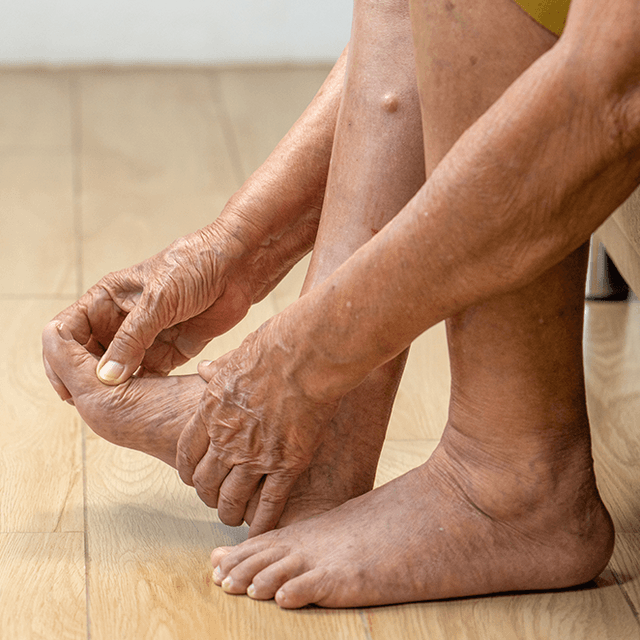
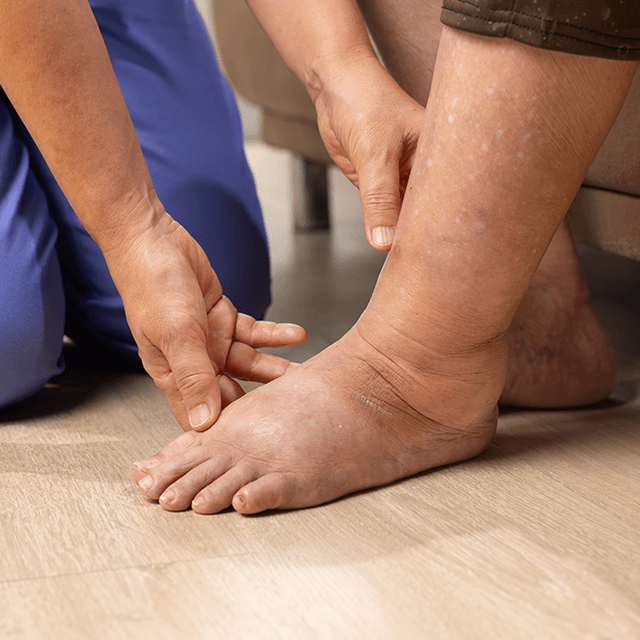
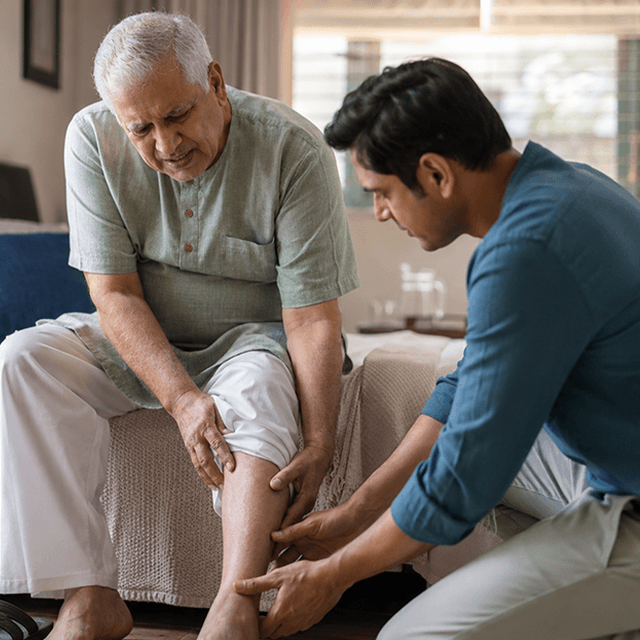
Individuals may experience heaviness in their legs which progresses throughout the day, however, symptoms ease when lying down and elevating the legs. Look for ankle swelling that is soft and easily indented when pressed, and is typically absent by the morning. Direct questions toward the patient regarding possible ankle cramps, itchy veins, or burning sensations around the ankle.
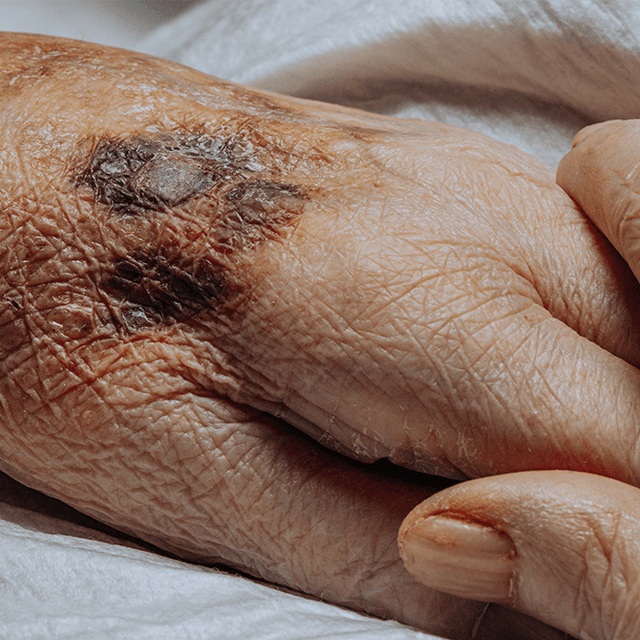
Certain symptoms may indicate a more serious underlying issue, and warrant immediate evaluation. Significant changes to skin texture, such as brown or leathery shins, hardening skin above the ankle, slow-healing open sores, and bleeding from a vein may indicate advanced chronic venous disease. Additionally, unilateral leg swelling, pain, and redness should be assessed immediately as it may indicate the presence of a thrombus or clot.
An Overview of Compression Garments
True compression garments will be the strongest in the ankle area, and your physician will determine what the pressure gradient should be for a given patient. Compression will aid in narrowing the superficial veins and muscle channels, and as a result, less blood will pool in the legs, and more blood will be pushed toward your heart. This will ultimately lead to less venous hypertension, less stagnation, and less aching and heaviness in the legs.
It's true that the feeling of heaviness and aching in the legs is a measurable symptom, and many residents in long-term care facilities experience noted improvement in lower leg swelling after a few days of daily use of compression garments.
What Compression Does Not Do
Compression does not repair valves that have sustained damage. It does not shrink or remove varicose veins. Once you stop wearing the garment, symptoms reappear within a day or two. It is ongoing management, not a cure.
Compression also has risks in certain situations. People with peripheral arterial disease, advanced diabetes with decreased sensation, or skin infections in the leg should receive medical clearance to use them. In legs that have poor arterial circulation, the pressure that is applied to the leg instead of helping it, reduces blood supply. This is why your parent should consult the doctor regarding his/her legs before buying the first pair, especially if he/she has diabetes or a history of leg ulcers.
Fitting and Grading
Compression is measured in mmHg. Mild grades are suitable for tired, aching legs with no significant swelling. Established varicose veins with swelling or changes to the skin require higher grades, and these should be used on the advice of a doctor. Fit matters as much as grade. A compression garment that rolls or bunches has the opposite effect to what you want.
In the morning before swelling starts, tell your parent to put them on and to keep them on until bedtime. Compression works best in combination with daily routines.
Keep Moving the Legs
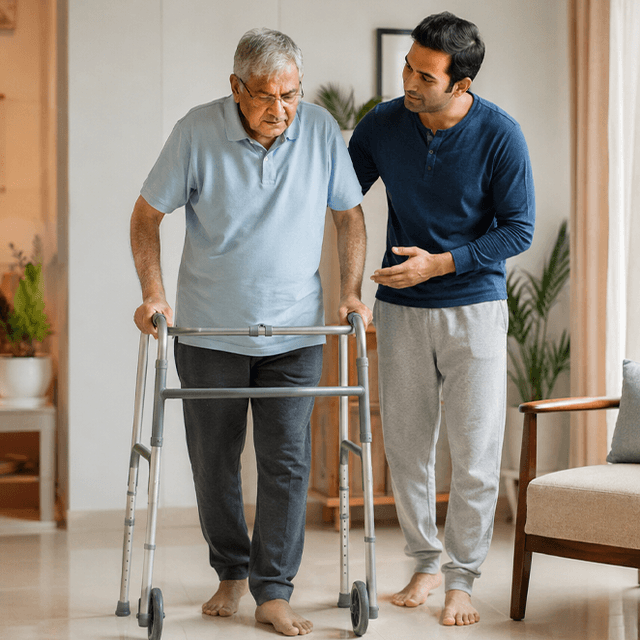
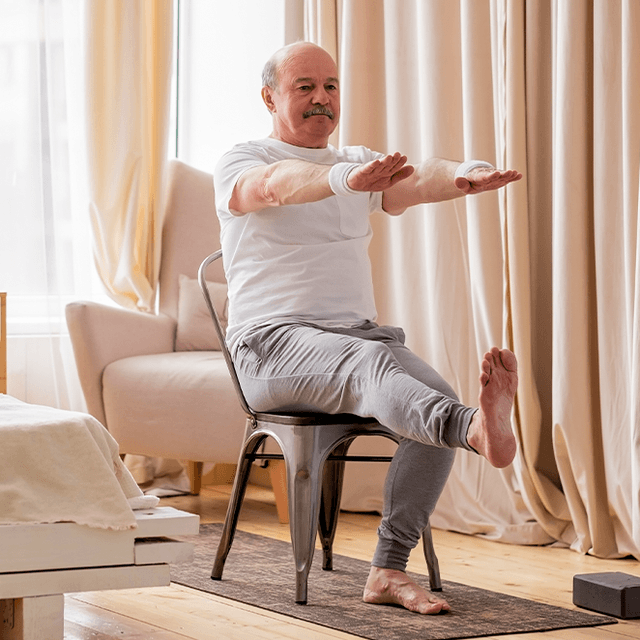
Several short walks in a day are better than one long walk. While seated, ankle circles and heel raises are also a good exercise. Try to do those ten times every hour. If your parent avoids walking because they feel unsteady, that needs to be addressed first. The AGEasy Four-Leg Walking Stick ensures stability when walking and gives seniors the confidence to keep walking, and AGEasy Anti-Slip Socks ensure grip on smooth indoor floors. This is especially important for parents who walk around the house several times a day.
Leg Elevation Is Important
Leg elevation above the level of the heart for 15 to 20 minutes, 2 to 3 times a day, can drain pooled blood from the legs and decrease swelling. Using stacked cushions for elevation is not a good strategy as they tend to slip and change in angle. The AGEasy Wedge Pillow is an example of a product which will keep the legs at a consistent elevation and can be used during the afternoon nap or overnight. This will simplify the process.
Decrease Swelling and Discomfort Together
Many seniors with varicose veins also have ankle or knee strain due to inactivity. Parents with swelling in the ankle may benefit from using the AGEasy Comfort Ankle Sleeve which provides ankle compression and stabilizes the ankle joint. For knee discomfort that limits walking distance, the AGEasy Comfort Knee Sleeve is good as it provides gentle support and compression. For localized aching after a long day on the feet, the use of AGEasy Pain Relief Gel can provide short term relief and can be used without affecting the compression.
Weight, Salt, and Constipation
Weight and higher salt intake can contribute to greater leg swelling. With constipation, straining can further increase upper abdominal pressure, making it more difficult for the blood to return from the legs. Overall, increased fibre, fluid intake, and regular meal routines can have a positive impact on the family.
When to Contact a Medical Professional
If your parent has visible varicose veins and pain, swelling that has not subsided overnight, and walking is limited due to pain, make an appointment. If there are changes to the skin color around the ankle accompanied by pain, warmth, or oozing from a vein, or if the skin has become more difficult to press and release, go to that appointment sooner.
If one leg becomes suddenly swollen with pain, warmth, and redness, seek medical attention immediately.
Vascular specialists typically request a duplex ultrasound to evaluate how the valves in the legs function. The treatment options for venous insufficiency apart from using compression devices include endovenous laser therapy, radiofrequency ablation, sclerotherapy, and surgical removal in specific cases. Most of these procedures, including those involving older adults, are done as day procedures with minimal recovery time.
Disclaimer: The information presented in this article is for educational purposes only. Compression therapy should not be implemented, and treatment for diabetes, arterial disease, blood clots, etc. should not be changed without first consulting a qualified health professional.
Recommended Blogs




You May Also Like
 No products found
Article by:

Radhika
Article Category:
General Wellness