
Nasal Strips: Do They Work for Snoring, or Only for a Blocked Nose?
Oct 21, 2026
Nasal Strips: Do They Work for Snoring, or Only for a Blocked Nose?
Snoring is common for most people as they age, have poor sleep, or experience nasal congestion.
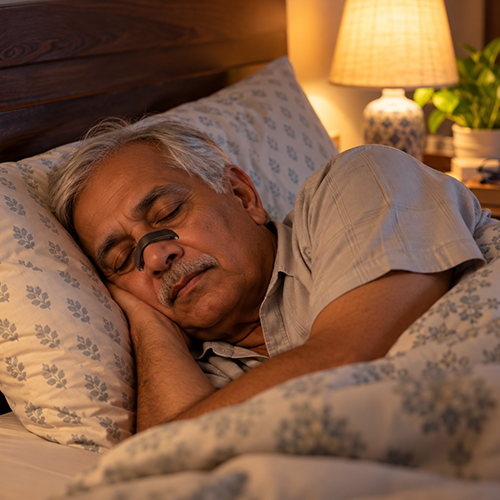
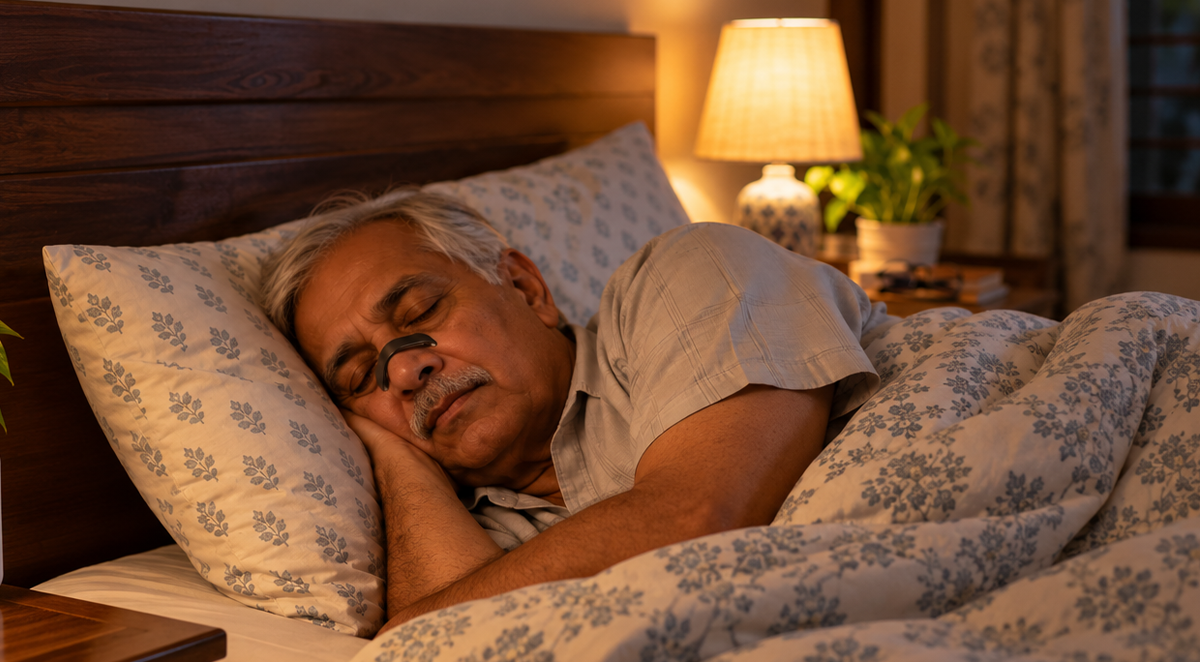
When we think of solutions, like nasal strips, we picture them inside out from the wearer and stuck to the bed. They gently suction the top of the nasal passage to open airways.
But what is really causing the snoring?
If nasal passages are constricted or blocked, snoring is likely the outcome. Nasal strips are effective in these situations.
However, snoring caused by tissue blockages of the throat and upper airway during sleep is not addressed by nasal strips.
Just because your parent can breathe more easily through their nose because of the strip, it doesn’t mean that their snoring is caused by nasal blockages, either. This answer does not improve the quality of sleep.
Look for a nasal blockage first
Nasal strips could very well address your parent’s snoring as they address nasal passages that are blocked from the common cold or a stuffy nose.
It’s worth a trial to see if it has an impact. Do they breathe easier and snore less (quieter)? Of course, only use as directed, and don’t use it if it seems to be aggravating the skin.
Nasal strips are of limited use if the primary problem is obstructed elsewhere, such as the upper airways. Further, nasal strips do not address sleep apnea.
Snoring and possible health risksSnoring and possible health risks
Snoring usually isn’t a cause for concern, but occasional snoring patterns that are exacerbated by interrupted breathing are accompanied by gasping, choking, long pauses, snoring loud enough to keep you up at night, headaches in the morning, waking up to a dry mouth or throat, and overwhelming bouts of sleepy drowsiness during the day.
Your loved one may have trouble sleeping and may experience the symptoms of sleep deprivation after a full night of rest, in addition to having difficulty concentrating throughout the day.
Obstructive sleep apnea may be the cause of your loved one’s symptoms because airway closure occurs during episodes of sleep apnea. Sleeping with nasal breathing strips may provide little treatment for these interruptions in breathing patterns and may worsen sleep disturbances.
A medical professional should evaluate the symptoms described to rule out other causes of these symptoms Observing a pattern of snoring will likely be the first step a doctor will recommend in order to perform an assessment and, if it is deemed necessary, perform a sleep study to identify the most proper steps to take.
Purposeful use of nasal strips
Sometimes nasal congestion and stuffiness may contribute to snoring and a lack of breathing through the nasal passage. This can also be the cause of the breathing disturbances that contribute to snoring. In such a case, it may help to place a nasal strip to relieve the blockage and help the flow of air, especially during sleep and breathing disturbances.
Snoring is always something that should be addressed. Snoring that is accompanied by breathing disturbances may actually increase the likelihood that you will suffer from poor sleep. Nasal strips, in this case, should be used thoughtfully.
What nasal strips do
Nasal strips function by using the skin around the upper nasal passages to form a less obstructed airway. They do not relax the throat, penetrate the nostrils, or change the structure of the lower airway. Also, they do not enter the lower breathing passages.
Snoring can be the result of various things. It can be caused by nasal congestion which can worsen mouth breathing and snoring. In this case, a nasal strip can alleviate some symptoms of nasal congestion.
Snoring caused by the tongue, palate, throat, alcohol consumption, sleeping medications, or sleep apnea will also require different approaches. A nasal strip may help to relieve some nasal congestion, but will not solve the main problem.
How to use nasal strips safely
- Be sure to wash and dry the application area. Do not apply creams, lotions, or oils to the strip’s application area, as they will cause the strip to fall off.
- Follow the directions and apply the strip across the top of the nose. Remove in the morning and use warm water to help remove the strip.
- Redness, itching, or soreness leads to a parent discouraging the strip use and seeking treatment. Be cautious the first few times of use, as your skin type may be sensitive to the strip application.
Using a nasal strip as a substitute for prescribed treatment is likely to make your parent’s condition worse. Your parent should maintain their vaccination for allergy, asthma, and other documented exercises as prescribed by the doctor.
How AGEasy Nasal Strip fits into a bedtime routineHow AGEasy Nasal Strip fits into a bedtime routine
The AGEasy Nasal Strip is a drug-free and non-invasive device that supports the opening of the nasal airway to facilitate unobstructed airflow. The strip is made of soft and flexible material and is easy to clean for rest, exercise, and day use.
It is a magnetic nasal strip paired with an adjustable nose clip that may be used for up to 8 to 10 hours at a time. Therefore, night time use is viable. Pay special attention to the supplied instructions, especially those pertaining to fitting, cleaning, and storage.
It fits the skin snugly. However, stay-on nasal devices may irritate your parent’s skin, particularly if they have previously reacted to similar products. It’s best to assess the strip during the day and, if necessary, ahead of using it nightly.
How to judge whether it helps
Do not rely on the sound of the snoring to make your judgment. After waking, evaluate if your parent is able to breathe easier through their nose. Also, evaluate if there was an improvement in nasal congestion, mouth breathing, and a dry mouth.
With your parent's permission, record the snoring pattern for a few nights. Look for patterns in snoring volume and frequency. Pay attention to the comfort of breathing. Also look for patterns in how your parent feels in the day such as whether they feel tired.
Not having a quiet night does not rule out the diagnosis of sleep apnea. Some people still experience breathing interruptions even with changing snoring patterns. Look for patterns of restful sleep such as pauses, gasps, chokes and snorts, as well as snoring that is accompanied with headaches in the morning and excessive daytime sleepiness.
Make changes one at a time, as your parent might start an allergy medicine, a nasal strip, and sleep in a different room, and a different position all at the same time.
Other ways to unblock the nasal passage
Using a nasal strip can be helpful in combination with other common sense steps toward easing nasal discomfort. Clear the bedroom from tobacco smoke and allergen dust to the best of your ability. Wash bedding regularly and remove the bed from where you sleep if your pet bothers your allergies.
Talk to your doctor about the persistent allergy symptoms and ask for proper a treatment. Some people find relief from nasal symptoms by rinsing their nasal passages with saline, but they should use boiled and cooled water and follow the directions that come with the product.
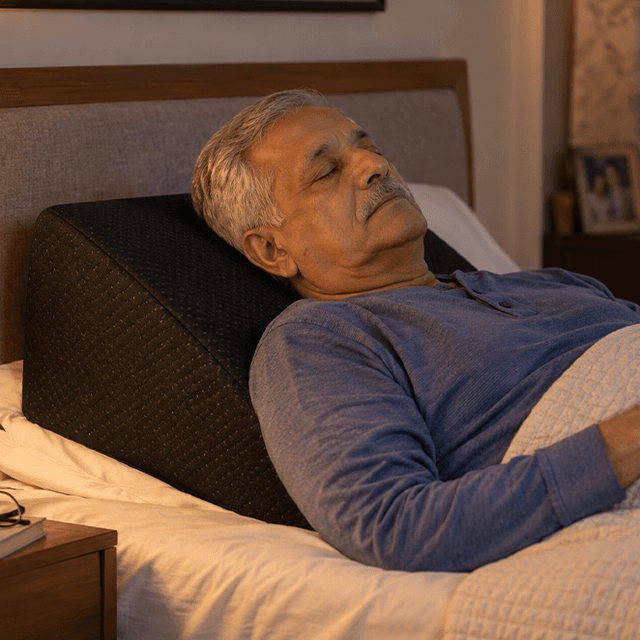
Snoring can be reduced by sleeping on your side. However, alcohol and sedative medicines can worsen airway narrowing, so discuss medicines and your habits in the evening with a doctor. Never discontinue any prescribed medicine without first consulting your doctor.
When to Seek Urgent Help
Get urgent help for your parent who has symptoms of difficulty breathing, chest pain, blue lips, confusion, and/or a prolonged interruption in breathing. Emergency care is needed for delayed sleep and the inability to stay awake while performing driving related activities.
An assessment to determine the cause of the snoring and associated breathing pauses will determine the next course of action. This may range from a change in sleep position to the use of a dental device, nasal treatment, or Continuous Positive Airway Pressure (CPAP).
Family-Friendly Approach
Begin by determining if the nasal passage is clear. To assist in the determination of airflow and snoring, wear the nasal strip and determine sleep quality. Discontinue use at the first sign of irritated skin.
Nasal breathing may be assisted with the strip, but the root cause may be further up the airway. The parent may have excessive snoring, pauses in breathing, rest to gasp, or have excessive fatigue during the day.Arrange for a medical assessment.
Though strips are limited in their use, for the symptoms of snoring and nasal congestion, they are helpful in assisting the traffic of air through the nasal passages. Strips do not resolve all types of snoring or provide a replacement for an assessment of sleep apnea.