
How to Use a Nebulizer at Home: Step-by-Step Guide
Jul 8, 2026
Medicine can only be effective if it gets to your lungs.
Fill the medicine cup, place the mask, and press the on button to start the machine. It seems easy. However, the questions of whether it is actually that simple still arise.
Many people think of nebulizer treatment as they would think of it as just breathing in mist. This is not the case when using a nebulizer. It requires an understanding of how the equipment is supposed to be set up properly, using a specific breathing pattern in order to achieve the treatment objectives and cleaning the equipment in order to maintain hygiene and nebulizer performance. Finally, you need to administer the entire dose that your healthcare provider prescribed.
Small adjustments can lead to suboptimal performance. For example, an improper mask fit reduces the amount of medication that gets to your lungs. Not stopping a session at the right time can cause you to miss receiving part of your prescribed dose.
Using a home nebulizer is straightforward once you have been given the right information. This guide takes you through the entire process, setting up the machine, breathing appropriately during the treatment, cleaning the machine when you have finished and avoiding common mistakes. This guide is for parents, children and elderly caregivers.
Steps for Using a Nebulizer
- The first step in using your nebulizer is to wash your hands. It is recommended that you wash your hands with soap and water before using the device. This will help minimize the chance of germs contaminating the device.
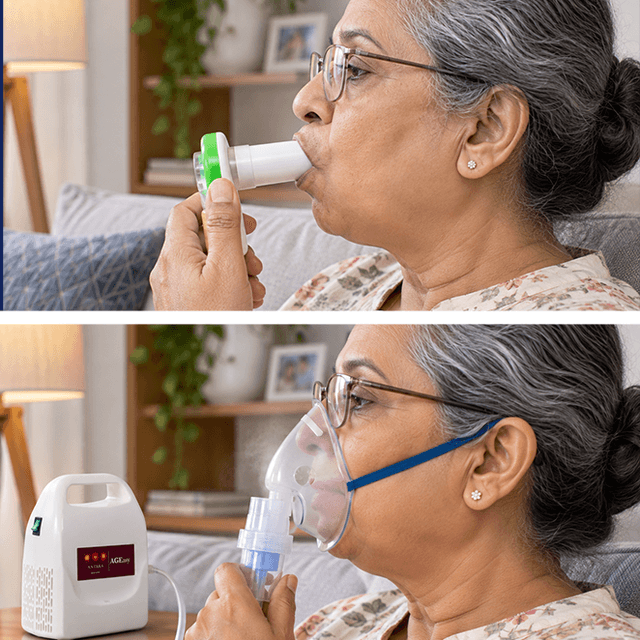
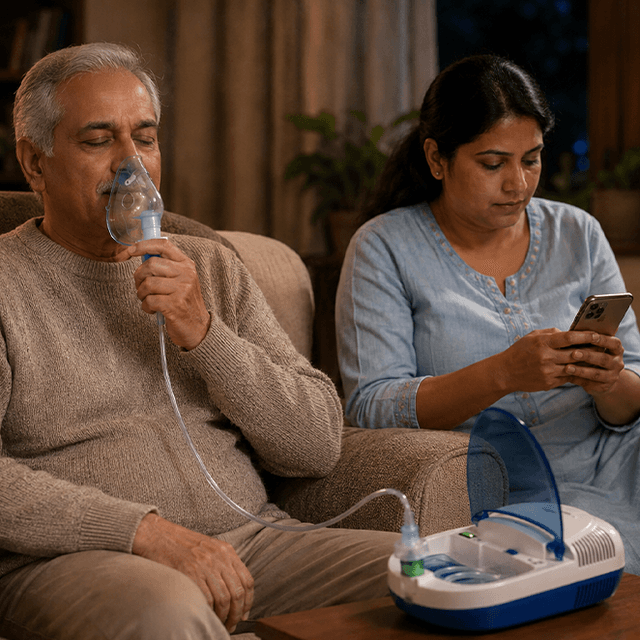
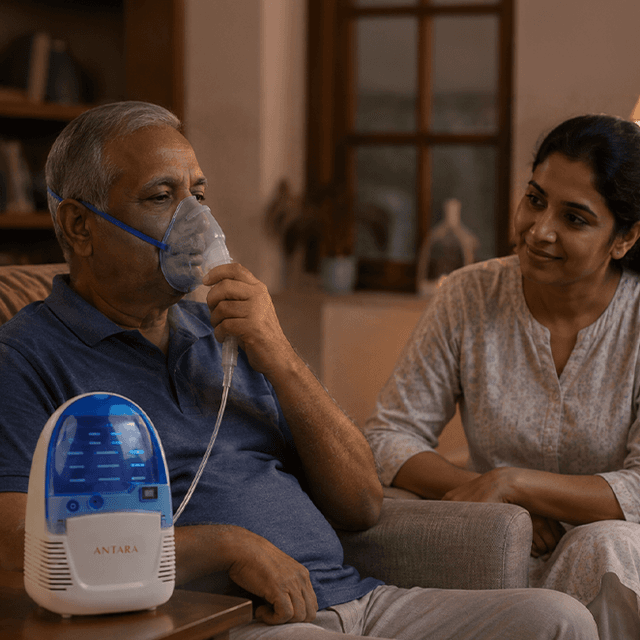
- Examine the medicine cup, mask or mouthpiece, and tubing prior to starting each session. Confirm the mask fits snugly against the face. An inadequate seal will let mist escape into the room as opposed to your lungs and as a result, will lower the actual dose you receive.
- Pour the prescribed liquid medication into the chamber using the specific amount the doctor indicated. More medication will not hasten the treatment nor improve its outcomes. It is a waste of meds and alters the prescribed dosage your provider calculated for you.
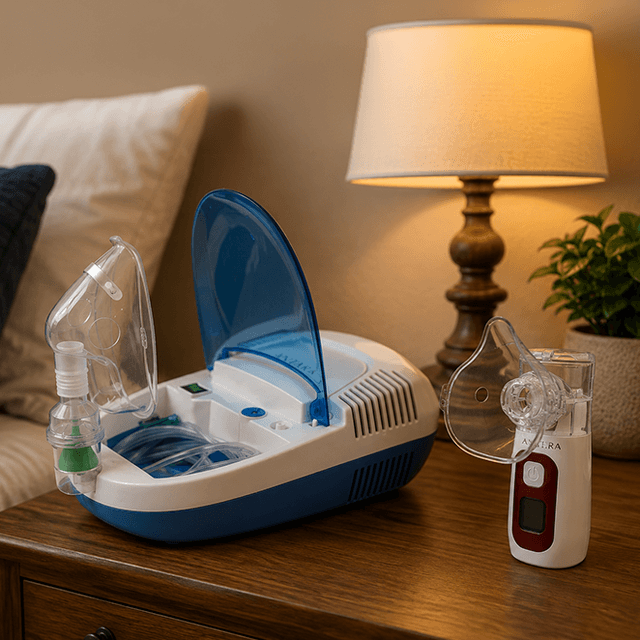
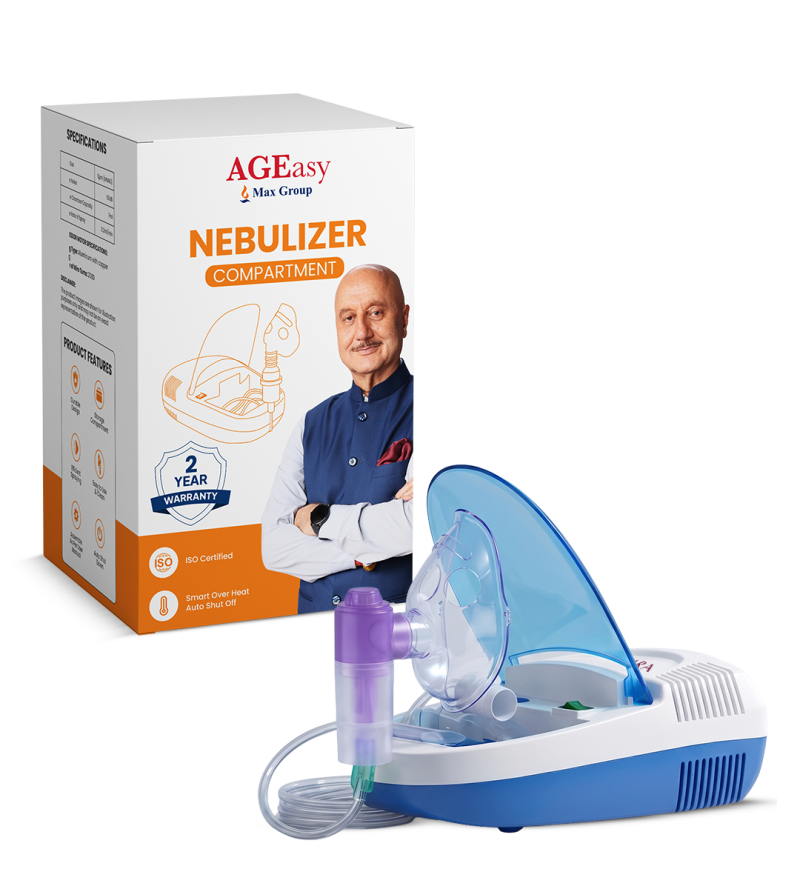
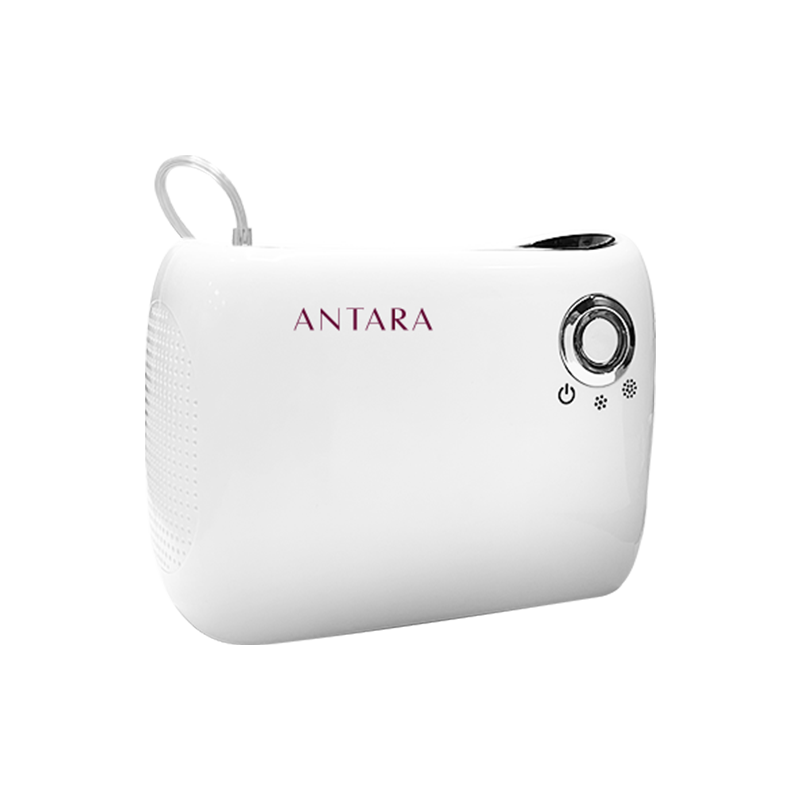
- Before beginning the session, connect the tubing to both the compressor and the medicine chamber, and attach either the mask or mouthpiece to the top. Compressors like the AGEasy Compressor Nebulizer With Compartment come with built-in storage for the masks, tubing, and spare filters, and allow you to keep everything together and simplify daily setup.
Proper Breathing Technique to Ensure You Receive Your Full Dose
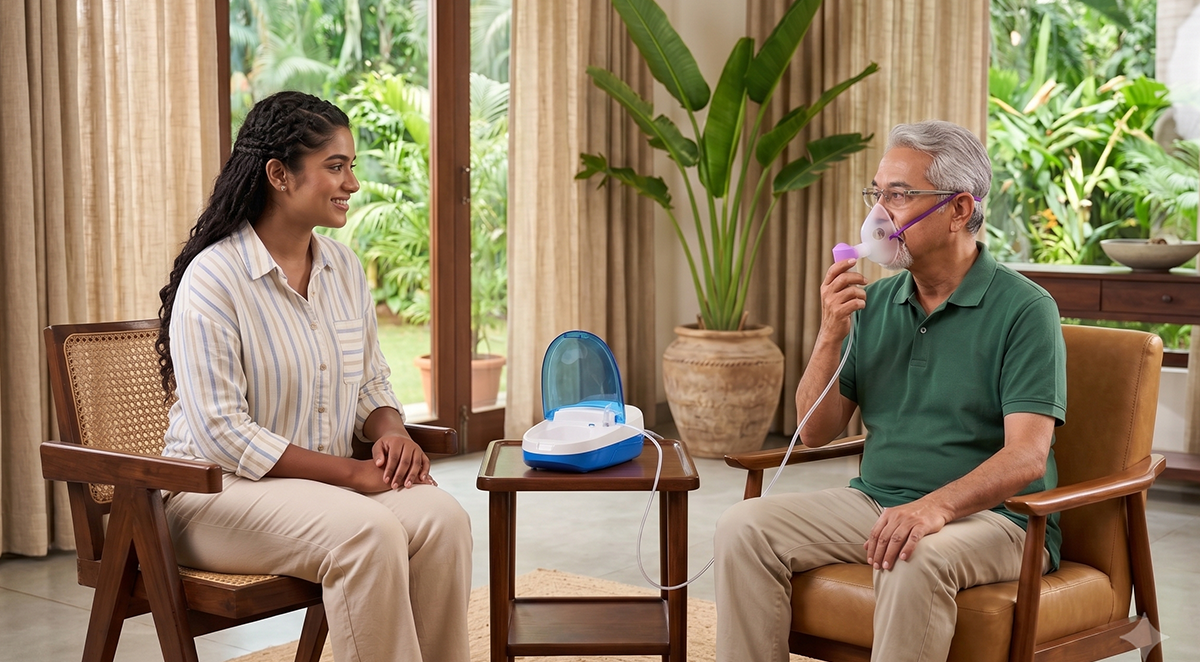
- Stay seated and upright for the duration of your treatment. If you are slouched or not sitting upright, the medication and mist will not reach your lungs.
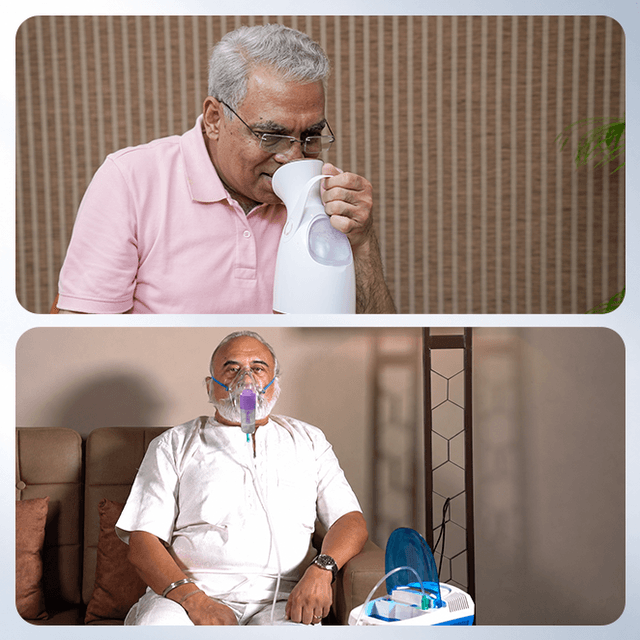
- If you have a mouthpiece, breathe through it. Otherwise, with a mask, breathe normally through both your mouth and your nose. Take a deeper breath every few breaths, and hold your breath for about 2 or 3 seconds before exhaling. This temporary exhalation will trap the medication in your airways, and it will prevent it from leaving your body with your next exhale.
- Keep the chamber vertical, as tilting it will cause some of the medicine to spill and it will not allow the medicine to mist.
- You should continue therapy until the chamber is empty or you hear a sputter from either the mouthpiece or mask. Stopping treatment even a minute early can mean you do not get the full prescribed dose. Each session should last around 8-15 minutes based on the medication and flow rate with devices like the AGEasy Compressor Nebulizer.
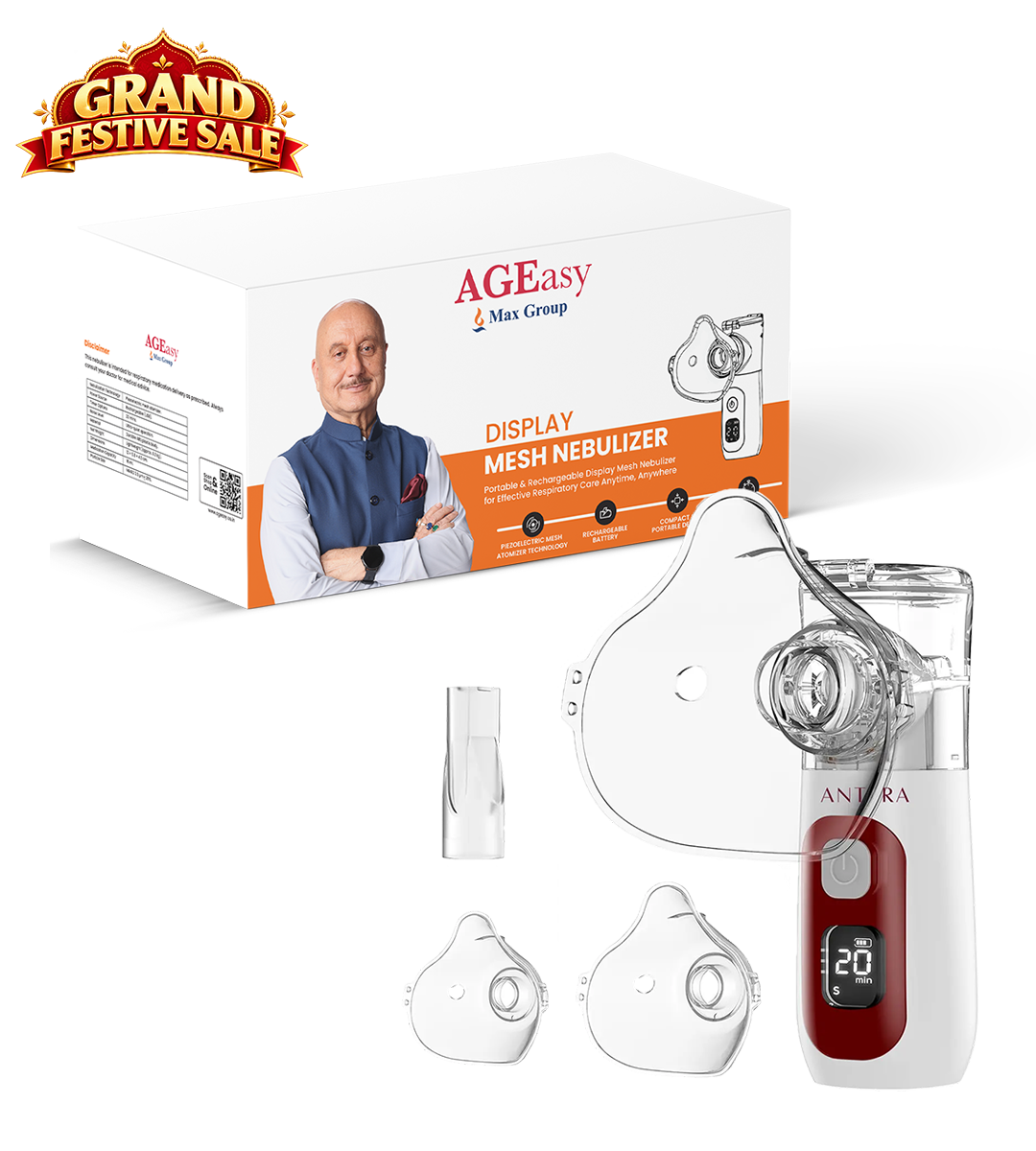
- For younger children or the elderly who have difficulty sitting through an entire session, it may be worth considering the AGEasy Portable Mesh Nebulizer. It is designed to operate with less noise, and takes less time to complete a full therapy session. This helps to alleviate any anxiety during treatment associated with the noise of the nebulizer.
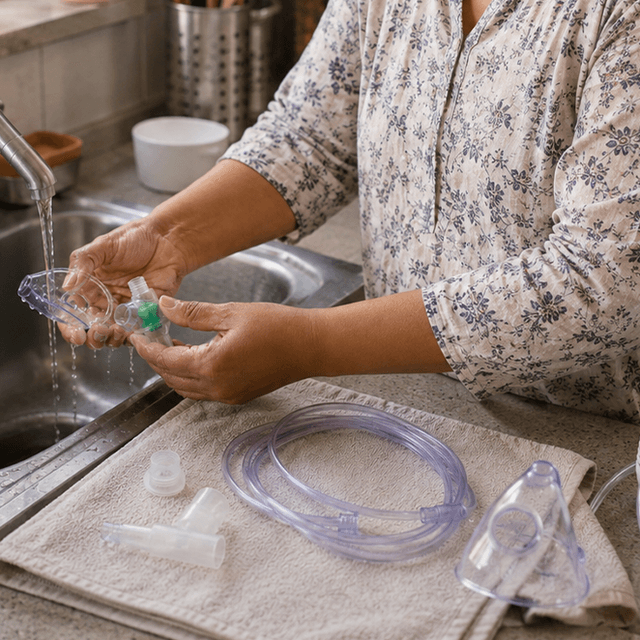
- Between therapy sessions, you should clean the mouthpiece, mask, and medication chamber and let these parts rinse and air dry on a clean towel. Do not wipe the inside of the chamber as this will introduce fibers into your next dose of medication.
- You should also disinfect the removable parts every day using a vinegar and water solution that is a 1:3 ratio. Let this sit for 20-30 minutes, rinse, and then air dry.
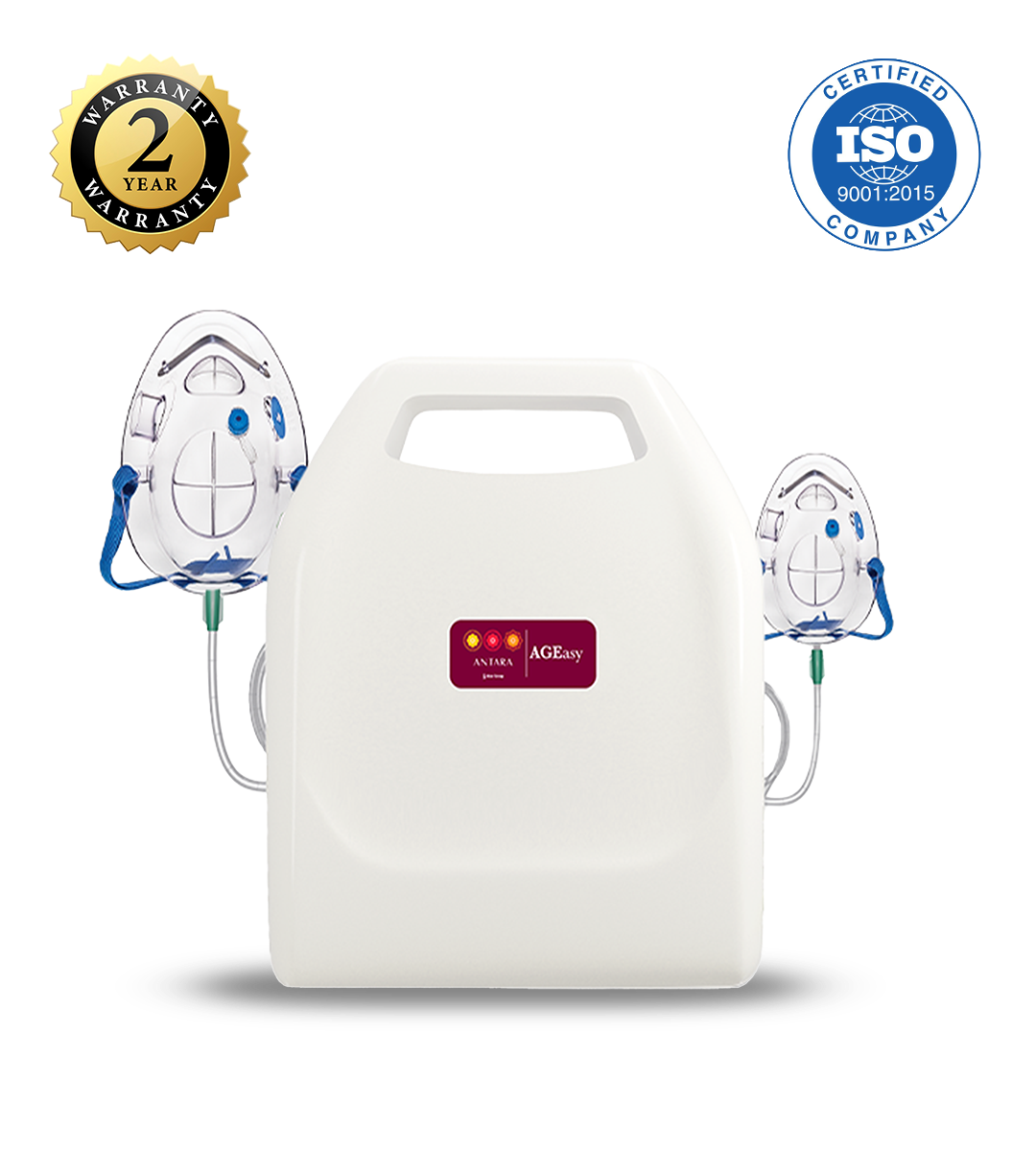
- Replace the air filter regularly. A dirty filter decreases the airflow and alters the size of mist particles, which can affect how far the medicine travels into the lungs. The AGEasy Premium Nebulizer With HEPA Filter has an added benefit for users with additional respiratory sensitivities because it uses a filter system that minimizes airborne dust and allergens before the compressor converts the medicine to mist.
- Do not wash the compressor unit with water. Wipe the outer casing with a damp cloth, and avoid moisture on the machine during storage.
Mistakes to Avoid
- The most common mistake is not doing the mask fit check. If there is a gap between the mask and the face, mist will escape, which decreases the effective dose, regardless of the duration of the session.
- Next is reusing the tubing and chambers beyond their recommended lifespan, which is a few weeks with moderate use. Manufacturers suggest replacing these parts because of airflow changes due to the bacteria and residue build up.
- Rushing the treatment is also a mistake. Many people stop the treatment once the mist is thin rather than waiting for the chamber to be completely empty. This causes a high proportion of unfinished treatments.
- Mixing medications without a doctor's order is also a mistake. Only combine medications that your doctor has specifically approved for use in one session.
- Cleaning schedules are not followed for any of the examples given. A medicine chamber is damp and mold and bacteria grow quickly. Instead of creating relief, inhaling a contaminated mist puts your lungs at direct risk.
When to Talk to Your Doctor
You should reach out to your physician if there is no improvement to your symptoms after several days of consistent nebulizer use. Also, if you experience side effects such as a racing heartbeat or if you develop tremors or a throat that feels sore after treatments, those are all good reasons to reach out. These symptoms can indicate that you may be taking the wrong dosage or even using the nebulizer incorrectly.
If your doctor has time, bring your nebulizer to your next appointment. It is quite common for small mistakes to go unnoticed, such as rushing through instructions, creating an airtight seal on the mask, or demonstrating the proper pattern.
Effective nebulizer therapy is a result of the proper combination of correct set up, appropriate breathing, and a consistent cleaning regimen. Putting in an additional few minutes of effort before and after each therapy session ensures that your medicine is being well protected. This is especially important for senior adults and children to whom the medicine has been prescribed to.