
Mouth Breathing at Night: The Dry Throat, Poor Sleep and Blood Pressure Link
Oct 21, 2026

Mouth Breathing at Night: Dry Throat, Poor Sleep, and High Blood Pressure
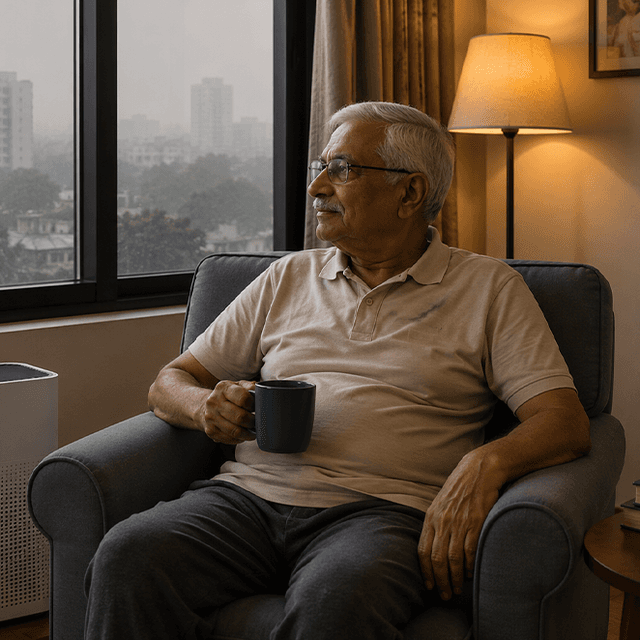
Your parent waking up every morning with a dry mouth happens to a lot of people. Maybe you think dehydration or the weather is to blame.
Ignoring loud snoring, open mouth sleep, or troubles breathing through the nose all night can hide larger problems.
Don’t just look at snoring as harmless. If your parent wakes up tired and is snoring for a while, you should look into that more.
Having a blocked nose makes it harder to breathe through your nose. Having problems breathing through your nose disrupts sleep and can make your parent feel tired all day and more likely to fall and get hurt. Sleep apnea and snoring have been linked to high blood pressure and many people will experience later health complications.
You are probably looking for:
- Snoring
- Dropping volume
- Feeling tired
- Congested nose
If all these signs show up together, you should make a doctor’s appointment. Depending on the cause, treatment should follow. They will have to look into sleep apnea, see if there is a blockage of the airway or just look at the blockage.
In this article, we will explain why seniors mouth-breathe at night, how sleep-related breathing problems and blockages of the nose affect sleep, and when it is best to look for medical advice.
Nasal congestion and mouth breathing
Common causes of nasal congestion include illnesses like colds and sinusitis, allergies, dry air, and structural problems of the nose. Many medications have the side effect of drying the mouth, and as a result, can worsen morning symptoms.
Mouth breathing as a result of aging is not as straightforward. Most older adults have a variety of factors affecting sleep and breathing, so persistent symptoms warrant an assessment.
Breathing through the mouth dries the mouth and the lining of the throat and gums. This can cause:
- Mouth sores
- Bad breath
- Cracked lips
- Increased drinking at night
Mouth breathing can also increase the risk of cavities. Saliva protects the teeth and keeps germs under control. If your parent has diabetes or takes many medications, has dentures, or dry mouth, it can make cavities worse.
Although drinking water during the day is helpful, drinking a lot of water right before bed can actually make the problem worse because it causes you to have to get up and go to the bathroom.
How mouth breathing affects sleep
Mouth breathing is not always a serious issue because some people breathe through their mouths due to congestion. The concern is greater when people's mouths breathe with behaviors like snoring, behaviorally disturbing sleep, headaches, tiredness, and dry mouth.
Sleep that doesn't feel restful can lower mood, affect memory balance, and even increase falls. Mouth breathing also increases the number of times people wake up through the night. This is especially concerning in older adults.
Snoring occurs due to a narrowing of the upper airway resulting in partial airway obstruction. This phenomenon is not indicative of sleep apnea, but loud and frequent snoring should not be ignored if accompanied by other concerning symptoms.
Identifying symptoms of sleep apnea Identifying symptoms of sleep apnea
Sleep apnea is evidenced by a narrowing or complete blockage of the upper airway, resulting in disrupted breathing and breathing cessation that can occur multiple times throughout the night and last for several minutes at a time.
Caretakers and bed partners may notice the following:
- Snoring that is interrupted by complete silence
- Choking or gasping for air, accompanied by loud noisy breathing
- Frequent movement of the patient during sleep
- Morning headaches
- Dry mouth on waking
- Poor concentration, daytime sleepiness, irritability
Older adults are less likely to complain of excessive daytime sleepiness. Instead, they may become confused, less motivated, and demonstrate mood changes and a decline in their usual daily activities.
Sleep apnea is associated with hypertension, cardiac arrhythmia, ischemic heart disease, and stroke, and though these may not be directly caused by sleep apnea, the association should be of concern to healthcare providers.
When nasal strips become a bedtime staple
Unlike other therapies used to treat sleep apnea, a nasal strip simply helps open the nasal passages and has no active pharmacological or therapeutic value to treat sleep apnea.
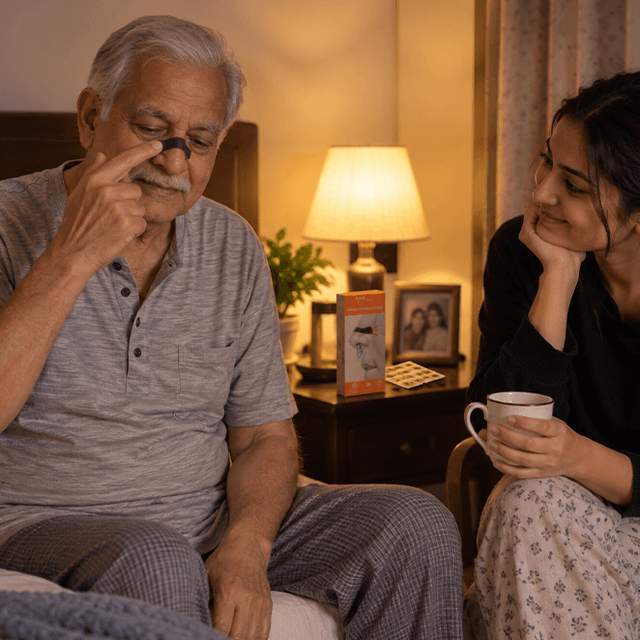
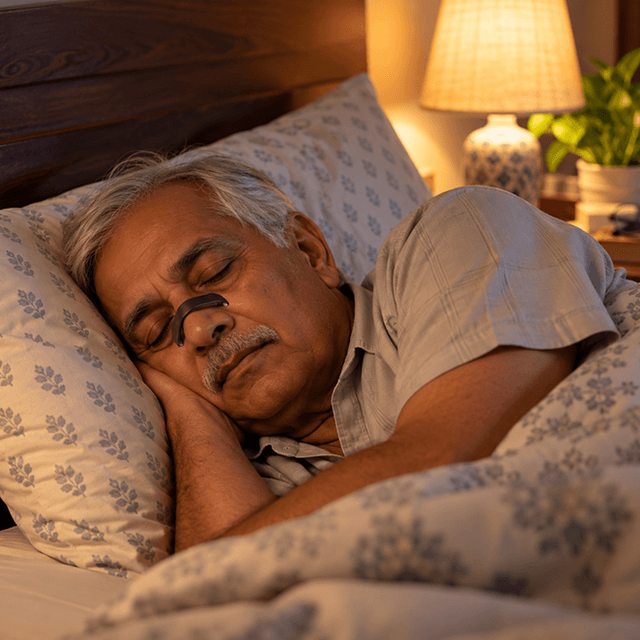
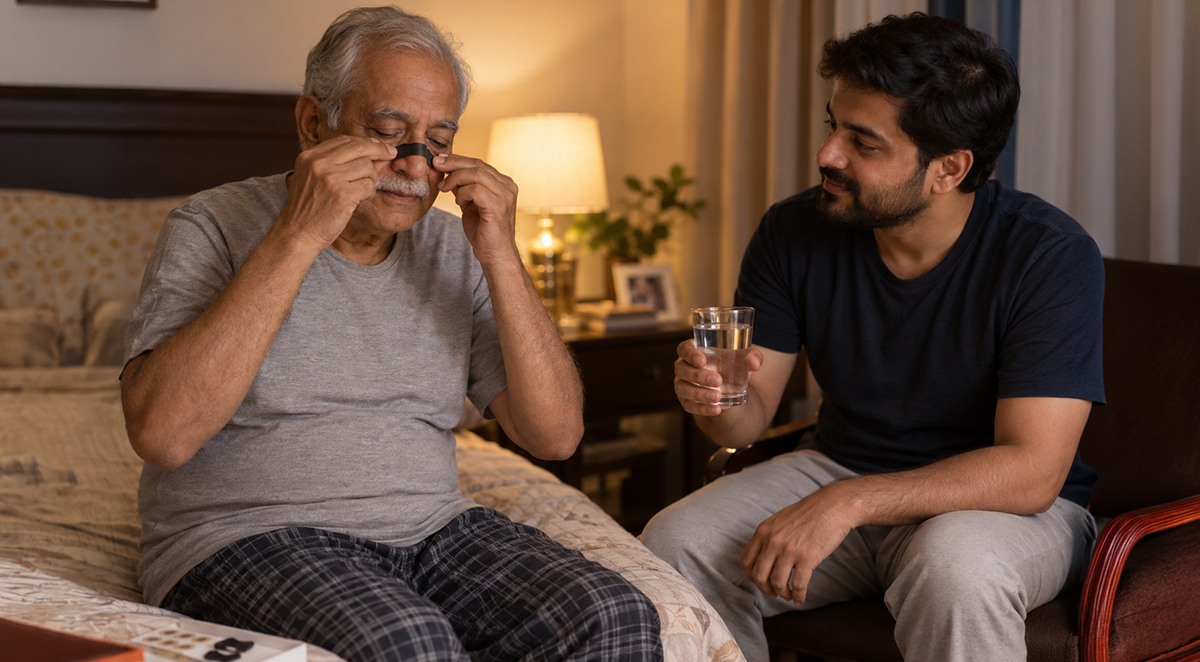
The AGEasy Nasal Strip is a magnetic nasal strip designed to help support airflow during the night. It is designed for overnight use, and is reusable, drug free, skin friendly, adjustable and safe to use daily for breathing, work and sleep.
Your parent may benefit from a nasal strip if they struggle to breathe through their nose because of congestion or narrow nasal passages. It could also benefit someone who snores due to nasal blockage. Try it and see if it helps your parent sleep comfortably and wake up less dry.
When applying a nasal strip, always follow the included instructions. Apply to clean, dry skin, and check for irritation. If there is continuous redness, itching, swelling, or discomfort, stop using. Like most things, a reusable nasal strip should be cleaned and not left out, as it might pose a health risk.
Important limits of nasal strips
Nasal strips may assist airflow though the nose. However, persistent snoring, breathing pauses, or suspected sleep apnea should not be ignored. If a person uses a nasal strip, it should not be viewed as a substitute for seeking medical attention. Breathing pauses should not be ignored just because a person admitted to feeling better using a nasal strip.
Taping the mouth closed, like with nasal strips, should also be avoided, as it does not ease breathing, or address the cause of sleep apnea. It creates further issues and is potentially dangerous to people who already have difficulty breathing, sleep with blocked airways, or vomit during sleep.
Some simple steps to improve night time breathingSome simple steps to improve night time breathing
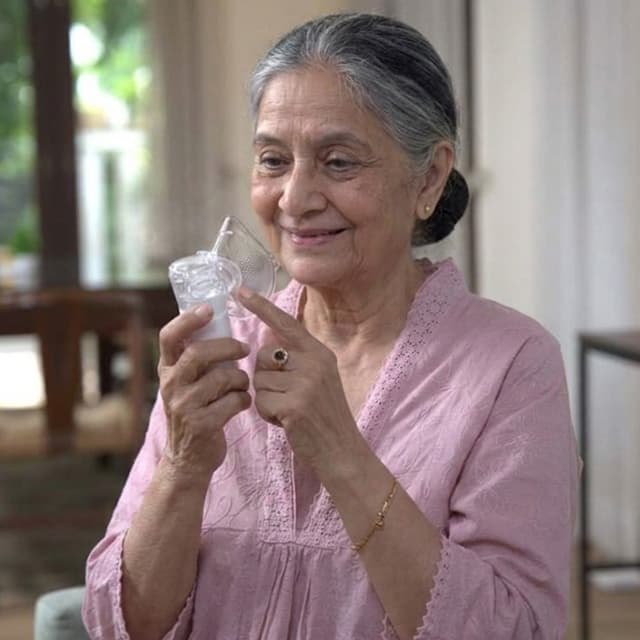
- Start with the nose. Ask your parent about nasal symptoms like congestion, allergies, sinuses, dryness, and symptoms from medicines that may be repetitively causing dryness. A clinician or pharmacist can advise the best step for your parent’s symptoms.
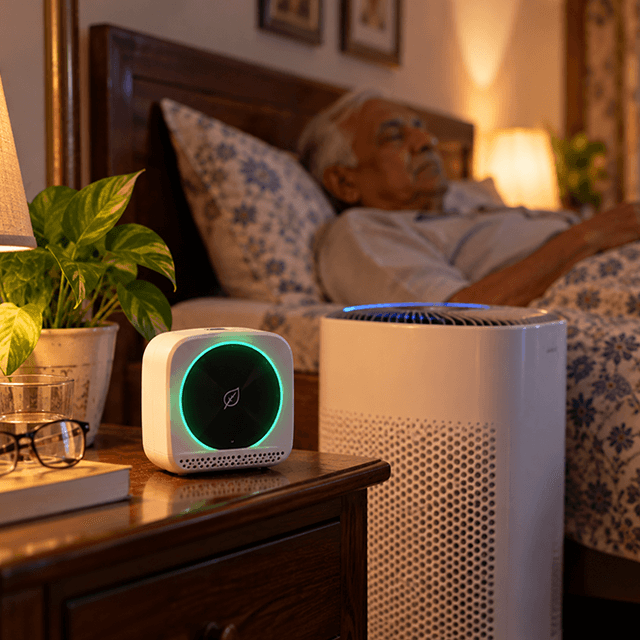
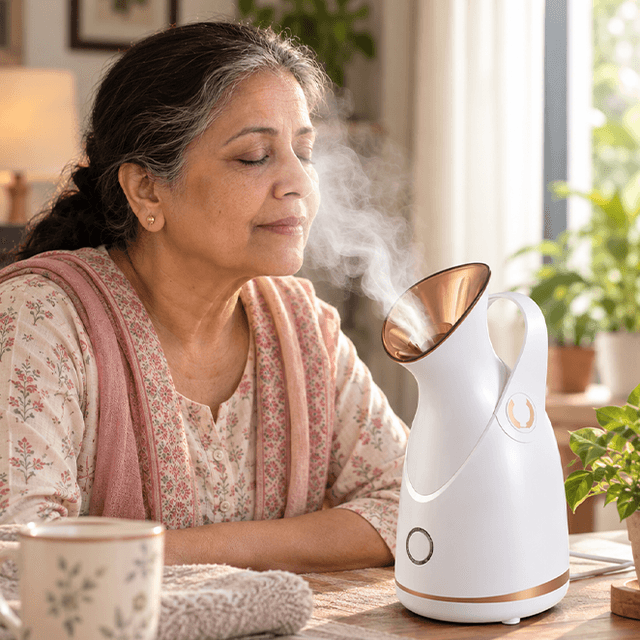
- Keep the bedroom comfortable to avoid throat irritation due to dry air. Many people try a humidifier, which works great, but be careful, as bacteria and mold can grow in the moisture.
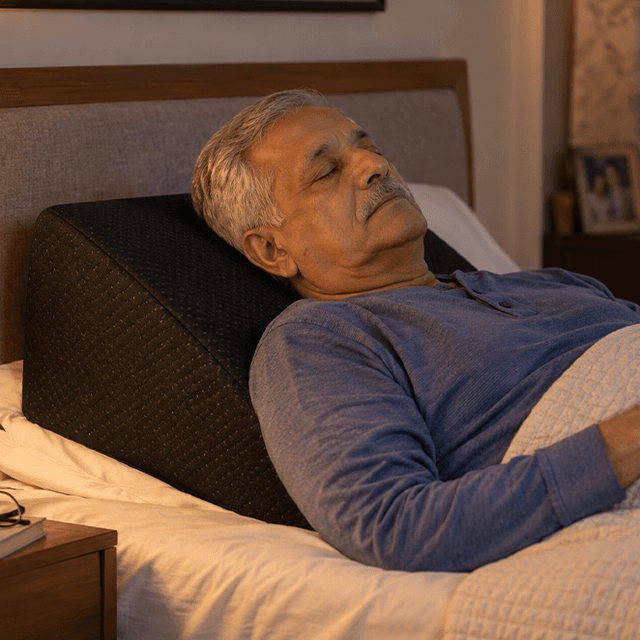
- Side sleeping encourages breathing through the nose, so side sleepers snore less than back sleepers. Alcohol can worsen snoring due to its relaxation effects on the upper airway muscles.
- Your doctor can explain medicines with side effects of dry mouth or sleepiness. Your parent should not change their medicine use without talking to their doctor.
- Collect a 1-2 week sleep log to show patterns of snoring, mouth breathing, and other symptoms. Daytime sleepiness is an important symptom to collect and relate to other sleeping and breathing patterns of the night. Bed partner sleep logs make great co-symptom logs.
- A clinician should see a patient if mouth breathing, snoring, and sleep difficulty persist after 2 weeks. Breathing disturbances that are worsening include gasping at night, snoring that stops breathing, morning headaches, and sleepiness during the day. Your parent may need a sleep study, where a doctor looks at the nose and throat, medicines, and blood pressure to review breathing difficulty at night. Continuous positive airway pressure (CPAP) is the most common treatment, and an allergy treatment and dental device are also possible.
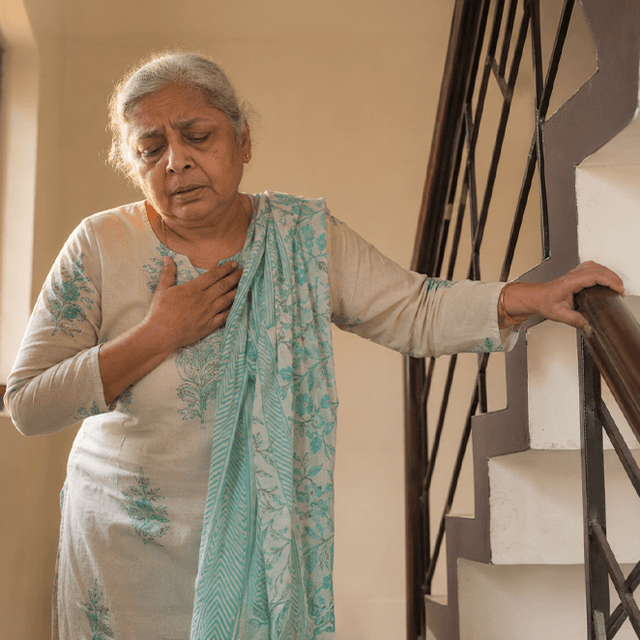
- Call for an ambulance for an emergency if breathing is greatly weakened, the chest hurts, lips are blue, your parent faints or is greatly confused, or if your parent's limbs are greatly weakened. Keep your parent calm and supportive. Wait for help to arrive at all times.
While dismissing a dry throat in adults is often unproblematic, frequent mouth breathing calls for an investigation. Consider the bigger picture. Once you safely address nasal obstructions, and symptoms of snoring, obstructions during sleep, and daytime sleepiness persist, seek medical attention.