
Indoor Air Quality: What Home PM2.5 Readings Reveal
Oct 21, 2026
Indoor Air Quality: What Home PM2.5 Readings Reveal
You shut the city’s polluted air out by closing the windows and turning on the air purifier and sealing the rest of the house. You assume that the indoor air is cleaner.
It is not that simple.
Closed windows are just one factor affecting indoor air quality. In addition to cooking, you have to consider the burning of incense, mosquito coils, and even the frying of breakfast.
Do not assume closed windows, absence of smoke and dust, and a clean looking room with an air purifier running equals good indoor air quality. You should also measure the PM2.5 levels in your parent’s most utilized rooms.
A small air quality monitor can actually show invisible changes to you and your parent’s comfort and health. You may find that the purifier is working overtime just to keep up with reading levels in the kitchen while you cook.
This is important when we are talking about taking care of an elderly adult because seniors have higher risks when it comes to exposure to air pollution.
PM2.5 readings can confuse your family to the point of trusting an ineffective purifier, overfiltering your parent’s room, neglecting PM2.5 sources in your own home, and keeping them in a poorly ventilated room.
Regular readings can help you and your family adjust based on the culprits behind elevated PM2.5 readings you detect around the most used rooms and target visible air quality improvements.
This guide explains home PM2.5 readings, comparison of indoor vs outdoor air, which activities lead to increased particle readings, and how a caregiver can use a monitor to help create healthier indoor air for an aging parent.
What is PM2.5?
PM2.5 refers to particles that are 2.5 micrometers in diameter or smaller. PM2.5 can travel deep into the lungs and, at times, can enter the bloodstream. There are many sources of PM2.5 including, but not limited to, motorway traffic, construction, industrial production, cigarette smoke, cooking, burning incense, and mosquito coils. There are also sources for indoor PM2.5, which comes in through open doors or windows and gaps in construction.
Older adults with asthma, chronic obstructive pulmonary disease (COPD), heart failure, or other chronic health conditions require special care with polluted air. It is important to note that air pollution symptoms can vary from person to person. Therefore, a monitor should help provide more insight, and not be treated as a substitute for medical advice.
Indoor Air Is Not Always Cleaner
Indoor air can actually be more polluted than outdoor air, depending on how home air systems are configured. It can also depend on activities done inside the home.
Outdoor air is constantly being drawn into a home through air systems, gaps in the construction of a home, and even through small openings.. If outdoor PM2.5 readings are elevated, then indoor PM2.5 readings will be elevated as well. A home near a construction site, industrial area or open air waste burning can considerably contribute to indoor air pollution.
Indoor sources contribute, as well. Frying, grilling, or tempering with oil spikes levels of fine particles, even for a short time. Smoke and fine particles are emitted by burning incense and mosquito coils. Other sources include dusting, sweeping, vacuuming without good filters, or moving old bedding.
A closed room may still have poor air exchange, even when there are no active pollution sources. In such a room, indoor pollutants and carbon dioxide mix and accumulate. Balance is required for good indoor air management, between minimizing particles and maintaining sufficient ventilation.
What Home PM2.5 Readings Mean
Monitoring pollution levels gives you a picture of a trend. One reading provides very limited information, but patterns are discernable when readings are done repeatedly over longer periods of time.
Place the monitor where your parent spends most of their time, such as the bedroom or living room. Avoid putting the monitor by windows, cooking appliances, air vents, fans, or by direct sunlight. Also avoid placing it next to the air purifier inlet, as that may not reflect pollution levels of the rest of the room.
Take readings before, during, and 30 to 60 minutes after cooking. Do the same before, during, and after using incense, and before, during, and after cleaning, as well as using the air purifier.
Be on the lookout for patterns such as:
- The kitchen, as expected, spikes high when frying is done.
- The bedroom shows low readings and the living room spikes.
- The readings drop with the purifier running after closing the doors and windows.
- PM 2.5 increases when outdoor air circulates through open windows or balcony doors.
- The readings will stay elevated due to an undersized purifier or an old filter.
A monitor will not detect a sick building syndrome or measure the plethora of pollutants that pollute the indoor environment. It will only detect PM, so it is unable to give a holistic review of the indoor pollutants such as mould, formaldehyde, carbon monoxide, allergens or carbon dioxide.
How to Understand the Numbers
Home PM 2.5 monitors usually display concentrations in micrograms per cubic meter and are represented as µg/m³. The higher the value, the more fine particles the air is composed of.
One reading should not be used to make a medical diagnosis. Readings fluctuate because of cooking, airflow, humidity of the room, the position of the monitor, and the size of the room. Concentrate on sustained elevated concentrations and repeated spikes.
The World Health Organization (WHO) published 2021 guidelines that set a 24-hour guideline of 15 µg/m³ and an annual guideline of 5 µg/m³. When assessed in the scope of a single room and a limited time period, these values will give some context to the health impact, but will not pass or fail a given situation.
Indoor air monitors will also differ in the type and calibration of their sensors. The same monitor used in the same place should be compared against other monitors. The manufacturer’s instructions will give you guidance on cleaning and replacing the monitor.
Using the AGEasy PM2.5 Monitor at Home
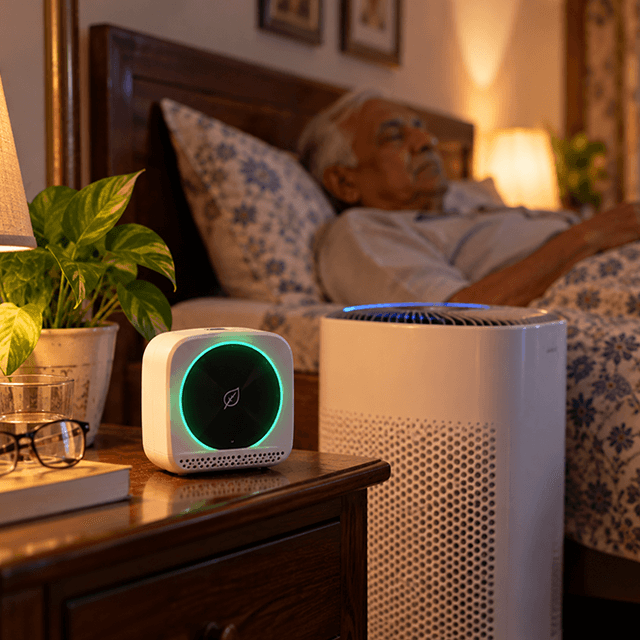
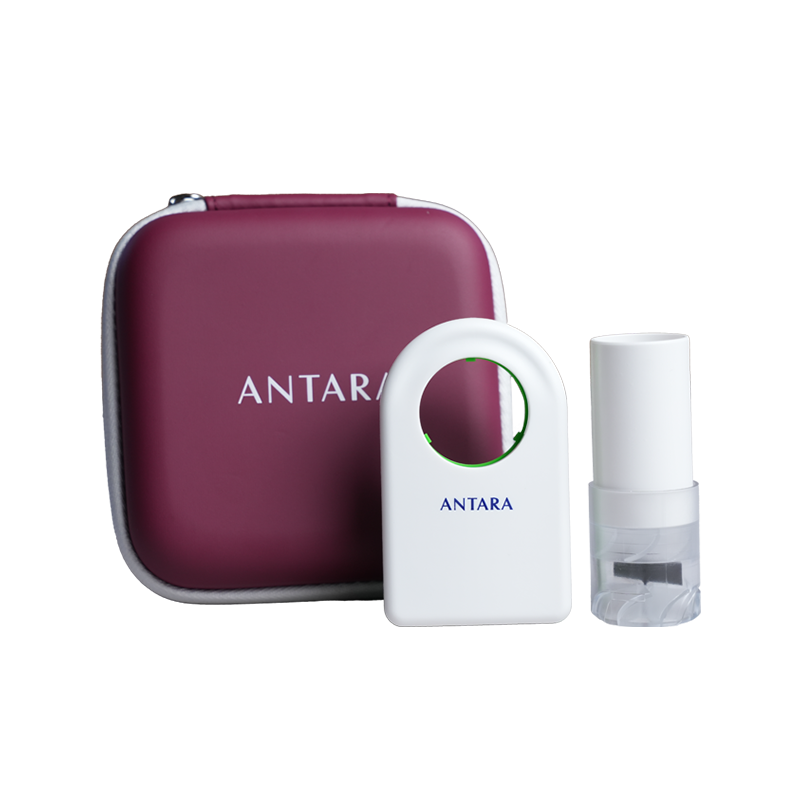
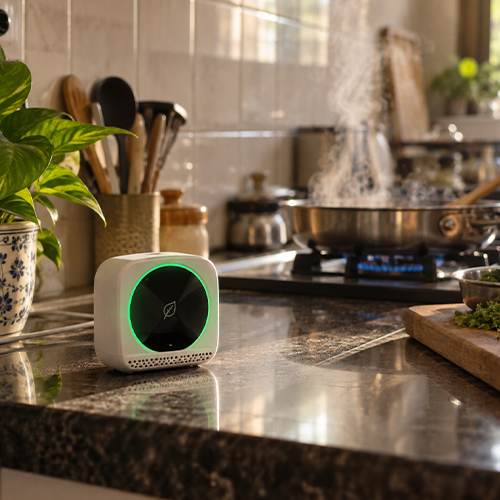
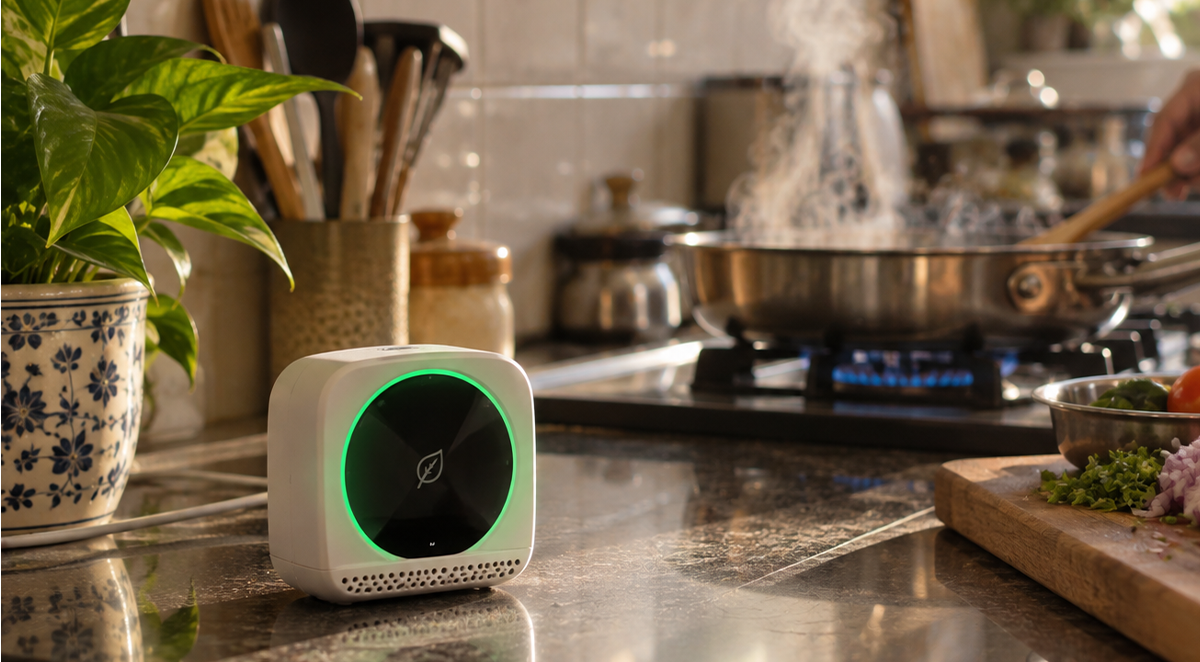
The AGEasy PM2.5 Monitor is used to measure PM2.5 pollutants indoors in real time. Its compact and portable design allows you to check different spots in your house instead of monitoring just one spot.
For example, you can check the air quality in the kitchen while cooking, the bedroom while sleeping, and the living room while relaxing. This monitor helps you determine the areas your parents spend most of their time in.
The AGEasy PM2.5 Monitor has on-spot pollutant detection, an air quality real-time measurement, and portable indoor monitoring. It comes with a USB cable, a warranty card, and an instructional manual. Prior to using the monitor, you must read the instructional manual and allow the monitor to “settle” in the room for a while before comparing readings.
Practical Steps to Lower Indoor PM2.5
Begin by identifying the sources of the problem. If possible, use a kitchen exhaust fan that is ducted to the outdoors. Leave the kitchen exhaust fan on during cooking and some time after cooking. Also, consider closing the kitchen door if you plan on doing some frying or grilling. However, you must make sure that the room isn’t airtight.
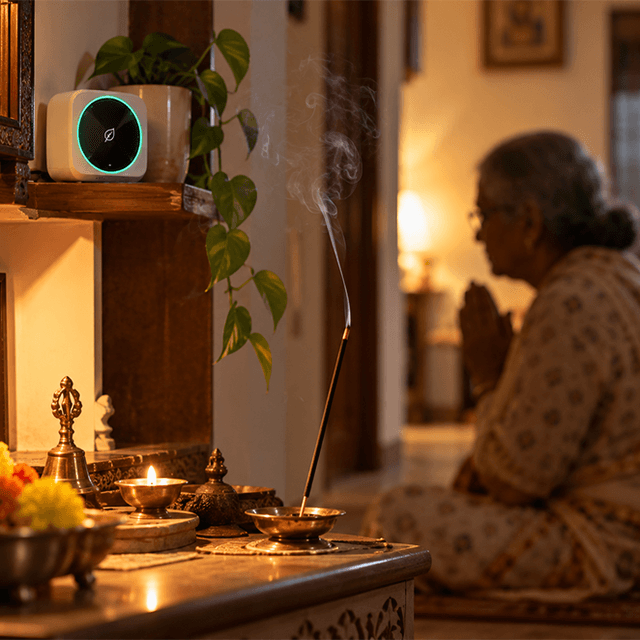
Do not use incense or mosquito coils near your parents. Even if your family uses incense, do it for a very short period, improve airflow, and check the monitor before and after incense use. Never smoke in your home.
Floor and surface dust should be cleaned with wet methods instead of dry dusting. Bedding should be washed regularly to cut down on fabric items that attract dust. Follow the air purifier manufacturer instructions on room size and filter replacement.
Place the purifier in the room your parent spends the most time in. Space is needed around the air intake and outlet. Close doors and windows during peak outdoor pollution and open them when outdoor conditions improve.
Contact a healthcare professional if your parent cracks a cough, contacts wheezing, developing chest discomfort, breathing issues, feelings of fatigue, or if symptoms get worse. Provide urgent medical care for severe breathing issues, blue colored lips, confusion, and chest pains.
Air Quality Monitors Help Make Better Decisions
The levels of indoor air quality vary during the day. Even with cleaned and closed windows, one cannot be certain of the levels of PM2.5 exposure.
One way to reduce the PM2.5 exposure level is to install an air quality monitor to better understand the indoor air pollution levels, locate the major pollution sources, assess the performance of the air purifier, and help improve the areas your parent uses the most.
One monitor is not a substitute for medical advice. The goal is to create a healthier and more comfortable living environment for your elderly parent, not to constantly hit PM2.5 pollution count targets.