
Cooking Smoke, Agarbatti and Mosquito Coils: The Indoor PM2.5 Sources Nobody Measures
Oct 21, 2026
Cooking Smoke, Agarbatti, and Mosquito Coils: Indoor PM2.5 Sources Families Often Miss
Your parents' home may appear clean with dust particles building up indoors.
Fine particles that accumulate in confined spaces are not visible, and so your parents' home may appear clean even with building particulate matter pollution. Poor outdoor air quality may have you keep windows closed, and you may also use an air purifier. However, someone in the household may fry some lunch, someone may light agarbatti in the evening, or someone may burn a mosquito coil on or near the balcony.
Fine particles get released in the air your parents breathe when these activities are performed.
Outdoor air quality index (AQI) readings do not reflect pollution from activities done in the household on a daily basis. A closed home requires attention.
You should not assume that indoor air is clean because:
- the air is smoke free;
- the household is cleaned regularly; or
- the windows are closed.
- An air purifier is running.
Fine particles remain suspended in air even when visible smoke clears. It is worth finding out the PM2.5 concentration during the following activities: cooking, lighting of agarbatti, and burning a mosquito coil.
It is important to note that cooking smoke, agarbatti, and mosquito coils add to the build-up of fine particles indoors. Fine particles spread and remain suspended even after the smoke clears. Your parents may spend the evening in the same room as the agarbatti burns, they may sit near the kitchen or sleep on the balcony.
These particles may remain suspended in the air for a continuous period, and may result in higher pollution levels that the air purifier may not be able to adequately counter.
A PM2.5 monitor will help you identify these increases.
You may see that:
- Frying increases the reading.
- A mosquito coil in use results in higher readings.
- Readings indicate a spike after agarbatti is lit.
Lower readings after removal of the source and running the purifier.
These readings help you correlate indoor air quality to household activities. You can relocate your parent away from the source, improve ventilation/outdoor air when it’s clean, burn less, or eliminate a certain product.
Position the monitor by your parent’s favorite chair or bed. Take a reading before, during, and after each activity. Do the same each day this week.
This article discusses how cooking smoke, agarbatti, and mosquito coils impact PM2.5 pollution. It presents the best practices that you can implement to measure and cheaply manage the exposure of PM2.5 and other pollutants to your loved ones.
What is PM2.5?
PM2.5 is particulate matter measuring 2.5 micrometers or less in diameter. Due to their tiny size, these particles are able to penetrate deeply into the respiratory system.
PM2.5 is not always visible as smoke. A room may appear to be clear while PM2.5 particle concentrations increase while frying, burning of agarbatti (incense) or use of mosquito coils.
Older adults and individuals with asthma, COPD, heart disease, and other cardiopulmonary or respiratory conditions are highly vulnerable during the prolonged exposure to poor air quality. Measurement of indoor particles does not indicate or diagnose a medical condition. It is a means of determining household sources from which you can institute changes.
Cooking Smoke Increases Indoor Particle Concentrations
Irrespective of the method of cooking, frying, grilling, roasting, and other high temperature cooking increases particulate concentrations. Oil, smoke from a hot pan, food, and flames from gas or other combustibles also pollute the air.
The kitchen will likely have the highest readings, but particles can migrate to the bedroom, living room, and even the hallway. Your parent may also hang out in the kitchen while the food is being prepared or while they speak to the chef.
Here's what you can try:
- Activating a chimney or exhaust fan helps, too, after you are done cooking.
- Keep your parent away from the kitchen while you fry or grill.
- Use lids to prevent smoke and splatter.
- Prevent oil from burning and food from burning.
- Cook with open windows and doors, if possible.
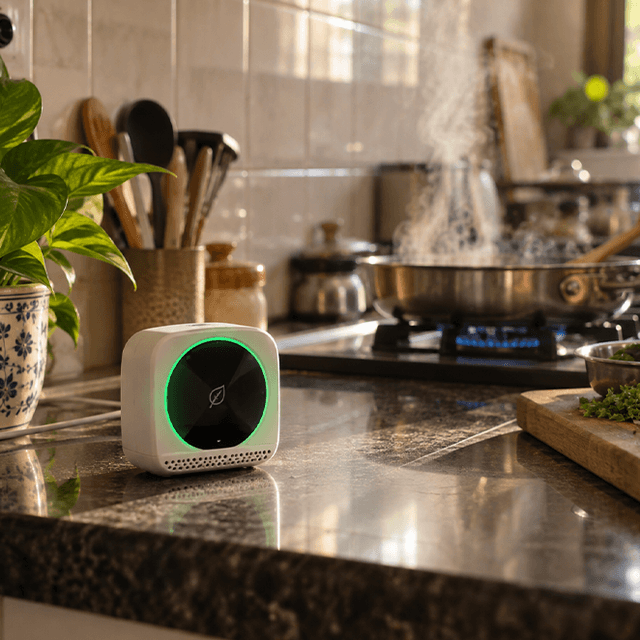
Keep the PM2.5 monitor in the kitchen while you cook, and then move it to the living room to monitor how the particles spread.
Don't think the house is safe to breathe just because there is no longer visible smoke. Some cooking particles may have no smell or very little smell.
Agarbatti Adds Smoke During Daily Rituals
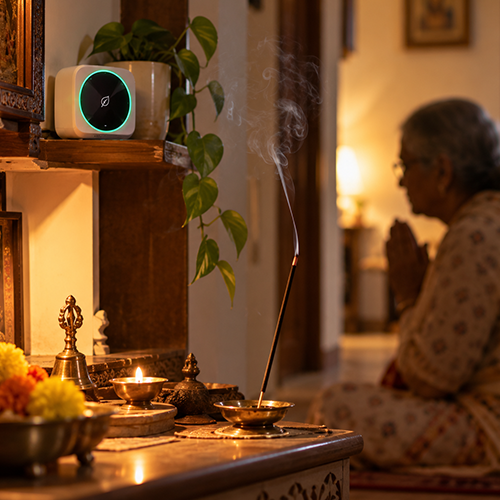
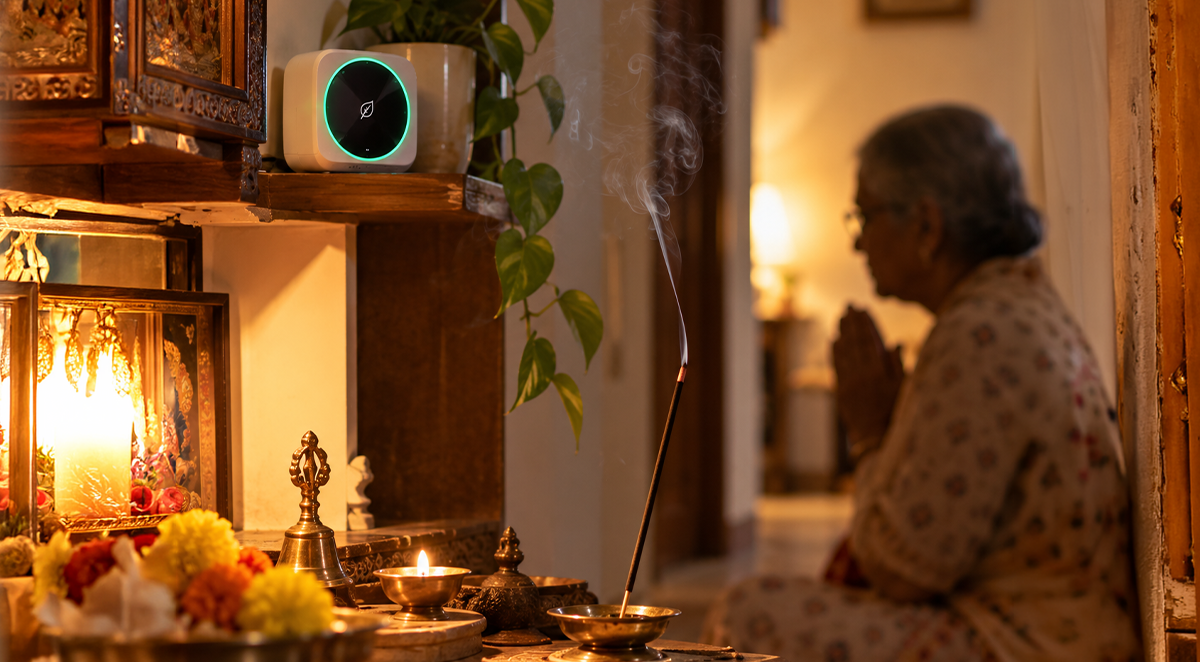
Many families also burn agarbatti during their daily rituals or prayers. Burning agarbatti also adds smoke along with other combustion products/ particulate matter to the air. Just because it smells good, doesn't mean it is safe.
If your parent stays in the prayer room or is near the agarbatti, there will be continuous exposure for the duration of burning. Air quality in the room will also become poor even after the agarbatti is put out due to limited ventilation.
Here are some things you can do to reduce exposure:
- Burn less.
- Keep the agarbatti away from your parent's seating.
- Open a window, if you can.
- Burn outside of small, closed rooms.
- Put out the stick after your ritual.
Checking PM2.5 levels before lighting agarbatti and again 15 to 30 minutes later.
If you’re looking for sweet-smelling options, take a look at non-burning fragrances like fresh flowers or an electric diffuser. Keep scented products hidden from people with fragrance sensitivity or breathing problems.
Mosquito Coils Burn for a Long Time
Since mosquito coils are always burning, your parent could be exposed to the smoke for an extended period of time (an hour or so). Because smoke travels, a fan will blow the smoke onto the sleeping parent.
Alternatives to consider could be mosquito window screens, nets, well sealed doors, active airflow from fans, and mosquito-specific products that comply with their respective label requirements. Additionally, store coils far away from anything flammable (i.e. beds, curtains, and paper). Coils should never be left unattended.
If you wish to continue using coils, position them away from your parent, and possibly create a cross draft. Lastly, check the PM2.5 levels before, during, and after coil burning.
How to Take PM2.5 Readings
A monitor is only useful if you use it frequently. Here are simple guide-lines to follow.
- Place it in the room that your parent uses the most.
- Place it in an unobstructed location, away from windows and airflow.
- Hold it in a location at roughly breathing level (i.e. on a side table).
- Record the level before the activity begins.
- Check the level during any cooking, agarbatti, or mosquito coil burning.
- Check again in 15 to 30 minutes.
- Repeat this process on different days.
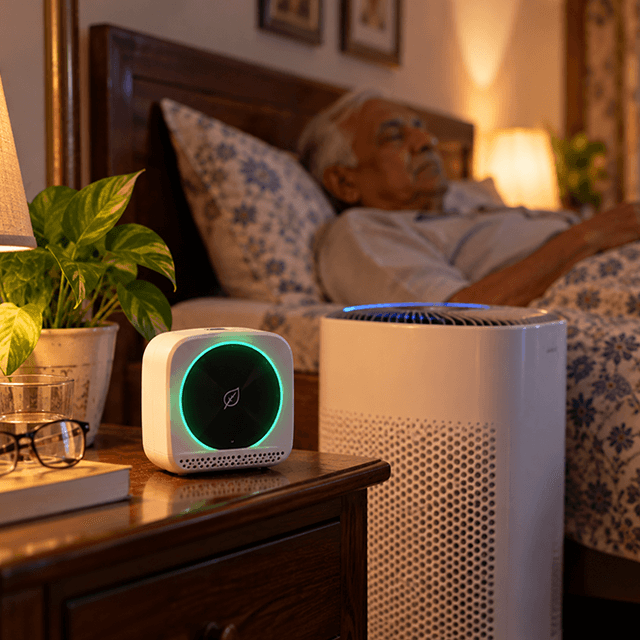
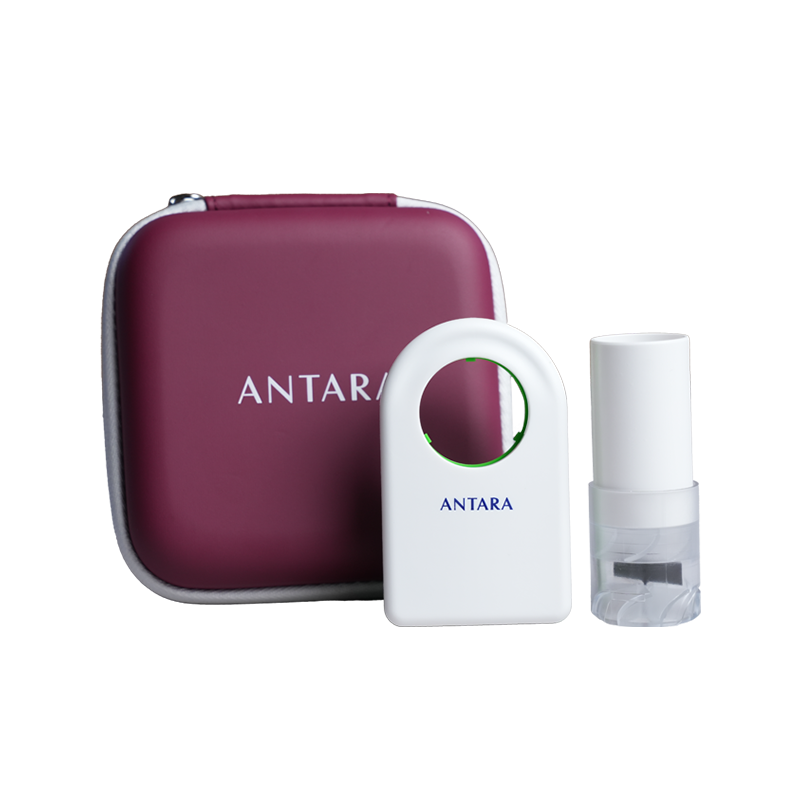
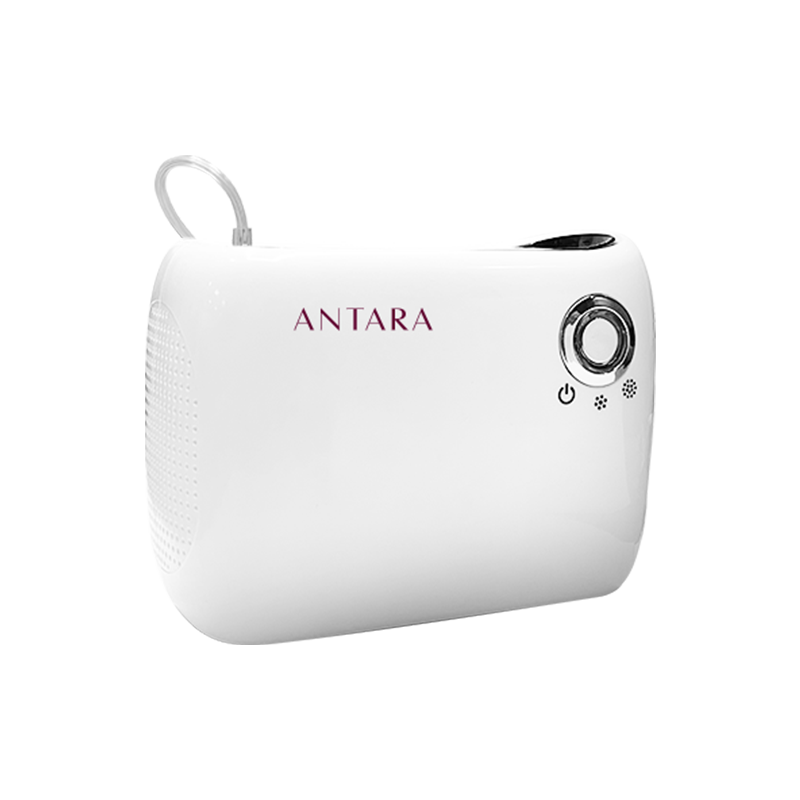
The AGEasy PM2.5 Monitor helps real time monitoring of indoor air quality. Its compact size and portable design lets you carry it from one room to another. It is available on ageasy.co.in with a USB cable, user manual and warranty card.
Behaviour of indoor air quality cannot be understood to a meaningful extent by looking at one data point in isolation. Identify behaviour of air quality by assessing multiple data points over the course of a day before and after a specific activity. Note the updates you made to the ventilation, the activity itself, and the purifier along with the room and time in a simple diary.
For Real World Usability
Use an air purifier without a HEPA filter along with source control methods. Source control methods reduce the airborne pollutants in a room. An air purifier running in a room does not capture pollutants released from the activities of cooking, burning incense or mosquito coils.
For best results
- Source control should always take precedence over Air purifiers.
- During severe outdoor pollution keep doors and windows (if safe and practical) closed.
- Place the air purifier in the room where the parent spends maximum time.
- Keep the manufacturer supplied filter placement guidelines in mind.
- Place the purifier in open space.
A purifier takes time to filter and clean the air in a room. Keep your parent away from the source until the air in the room is safe.
When to Speak With a DoctorWhen to Speak With a Doctor
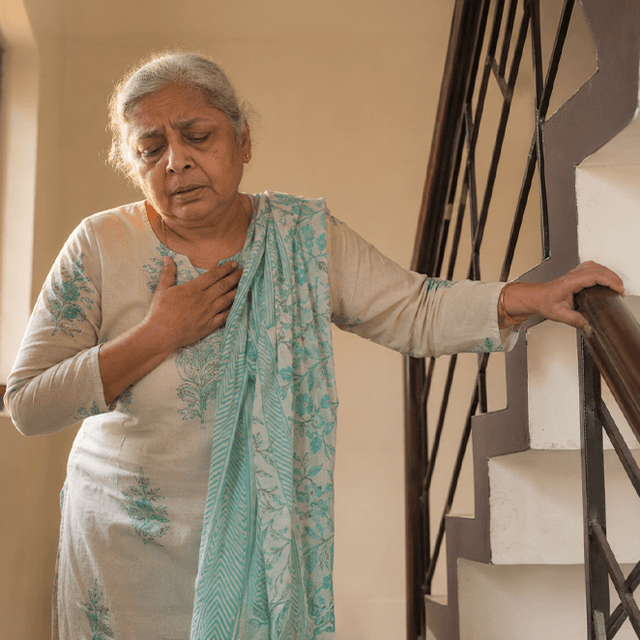
Consult a doctor for persistent symptoms after exposure to smoke including cough, chest pain, difficulty in breathing, wheezing, chest tightening and dizziness.
Those with asthma, COPD, heart disease, and other chronic conditions should follow the advice of their provider when it comes to indoor air and smoke exposure. Do not modify prescribed medications based on PM2.5 readings. Build a Cleaner Indoor Routine Indoor air quality is improved with the identification and removal of the source, improvement of the activity, and monitoring of the room that the patient spends the most time in.
Start with one room and one activity. Measure the air quality before and after cooking, burning a matchstick, agarbatti, or coil. Share results with your family. The first changes may be burning for a shorter amount of time, more air circulation, and further distance from the burning source.
The AGEasy PM2.5 Monitor is a device that helps caretakers measure the volume of particles in the air so that decisions about particle air quality can be based on evidence, rather than appearance or smell.